2027 Most Valuable Education Degree Programs Ranking in Mobile

Co-Founder and Chief Data Scientist
Choosing the right education degree program is an exciting step toward a rewarding career. For students in Mobile, this article presents the 2027 Most Valuable Education Degree Programs Ranking in Mobile, developed by the Research.com team of data scientists.
This ranking offers clear, data-driven insights to help you make informed decisions about your educational future. By exploring the best programs available, you can find the path that fits your goals and passion.
Getting an education degree opens doors to meaningful opportunities and personal growth. Let this guide support you in taking the next step confidently.
Key benefits of getting education degree in Mobile
- Graduates with an education degree can expect rewarding salaries, such as $76,000 annually for Special Education Teachers and $65,430 for ESL Teachers, reflecting strong earning potential in Mobile.
- A typical education graduate from a popular Mobile university might pursue careers as elementary teachers, instructional designers, or early childhood educators, offering diverse job options to match personal interests.
- Completing an education degree online from a well-known Mobile college provides flexibility and convenience, allowing students to balance work and study while gaining skills recognized by employers.
- 2027 Most Valuable Education Degree Programs Ranking in Mobile
- What can I expect from education degree in Mobile?
- Where can I work with education degree in Mobile?
What can I expect from education degree in Mobile?
The average cost of pursuing an education degree in Mobile tends to be competitive with regional tuition rates, making it an accessible investment for many. Graduates from institutions like the University of South Alabama often share how affordable tuition combined with federal financial aid and scholarships made their journey possible without overwhelming debt. Many programs offer flexible options such as evening classes or online learning, perfect for working adults balancing life and studies.
Imagine attending classes during the day and then heading to a local Mobile public school for student-teaching in the afternoon-this hands-on experience is often built into affordable program structures. Graduates describe feeling supported by both their professors and community schools, which enrich their learning without adding extra financial burdens.
Ultimately, the blend of reasonable tuition, financial support opportunities, and practical training positions Mobile as a smart choice for aspiring educators ready to grow professionally while managing costs thoughtfully.
Where can I work with education degree in Mobile?
Graduates with an education degree in Mobile often find rewarding careers within the vast Mobile County Public School System, the third-largest in Alabama. Imagine working as a dedicated teacher in one of its many elementary or secondary schools, where your passion directly impacts young learners' futures. Many graduates from local programs, such as the University of South Alabama, share how their hands-on training prepared them to thrive in these classrooms.
Beyond public schools, private and charter schools in Mobile offer exciting opportunities for educators eager to deliver specialized curricula or alternative learning styles. This diversity allows you to find a niche that fits your strengths and interests perfectly.
For those drawn to behind-the-scenes work, roles like curriculum developer or instructional coordinator provide meaningful ways to shape education quality across the city. Graduates often highlight how their internships within Mobile's education agencies opened doors to these positions.
The University of South Alabama also offers pathways into higher education and academic advising, perfect for education majors seeking to support students or pursue research. Local community organizations, such as youth development nonprofits, eagerly welcome education graduates ready to make a difference beyond the classroom.
Graduates with education degrees in Mobile can anticipate rewarding career paths with promising salary prospects. For example, recent graduates from the University of South Alabama who began teaching early childhood education report starting salaries around $41,410, aligning well with national figures. As you gain experience, moving into roles such as an elementary school teacher typically brings an average annual wage near $70,740, reflecting the value of your dedication and growth.
Those pursuing specialized careers like special education teaching can earn even more, with mean salaries around $76,000, encouraging many graduates from Mobile's colleges to consider this impactful field. ESL teachers also find fulfilling roles with average wages about $65,430, combining passion with solid compensation. Instructional designers in the region achieve salaries near $77,200, demonstrating that your degree can open doors beyond traditional classroom settings.
Many graduates have shared that studying locally provides a supportive network and real-world experiences that boost confidence, making these income levels achievable with persistence and professional development.
- Annual tuition for public universities in Mobile ranges from $8,000 to $12,000 for in-state students, while private schools may charge over $20,000 per year.
- Entry-level teachers in Mobile earn about $40,000 to $45,000 annually, with experienced educators and administrators making $60,000 or more.
- The Mobile County Public School System frequently hires educators, especially in special education, elementary, and secondary education fields.
- Alabama requires teachers to complete an accredited education program and pass state certification exams for licensing.
- Local universities collaborate with K-12 schools to provide student-teachers with practical experience, improving job prospects after graduation.
- Financial aid and scholarships are available for education majors at local universities to help reduce the cost of earning a degree.
Completing an education degree in Mobile often takes about four years for a bachelor's when attending full time at well-known institutions like the University of South Alabama. Graduates from these programs often recall the enriching journey of mastering teaching theory and gaining hands-on experience that prepared them for real classrooms. It feels rewarding to see how those years shaped their confidence and skills.
For those starting with an associate degree, typically at places like Coastal Alabama Community College, it usually takes around two years. Many students appreciate this path as a practical stepping stone, allowing them to enter the workforce sooner or smoothly transfer into bachelor's programs.
Graduate degrees, such as the Master of Education, generally require one to two additional years and often offer flexible schedules. Working professionals find this flexibility invaluable, balancing career and study without sacrificing either. Some even take advantage of accelerated options to finish faster, turning ambition into achievement in less time.
The landscape of education in Mobile, AL, is rapidly evolving, and staying informed about emerging trends is essential for both prospective students and current educators. Innovations in digital learning, increasing integration of technology in the classroom, and an evolving emphasis on personalized learning are reshaping how educators prepare for their careers. In addition, local schools and institutions are beginning to embrace hybrid teaching models, blending online instruction with traditional in-person experiences to provide a more flexible and engaging learning environment. As the region adapts to these changes, there is also a growing demand for professionals who can bridge traditional educational practices with modern technological advancements. This, in turn, creates opportunities for those aiming for highest paying jobs in education, where expertise in both pedagogy and technological integration is highly valued. Furthermore, educators are becoming crucial community figures who not only impart knowledge but also guide students through a rapidly changing job market. Staying ahead of these trends means selecting degree programs that offer robust training in emerging technologies, innovative teaching methods, and leadership skills to navigate future educational challenges. Aspiring educators in Mobile, AL, should look for programs that emphasize continuous professional development, ensuring they remain adaptable in a dynamic environment.
Choosing between online and on-campus education degrees in Mobile often comes down to how you want to experience your learning journey. Graduates from the University of South Alabama recall the excitement of campus life, the instant support from professors, and the chance to build strong friendships during their on-campus education programs. This traditional path encourages daily structure and hands-on involvement, which many find motivating and enriching.
On the other hand, online programs offer remarkable flexibility. Many working professionals in Mobile have praised the ability to study at their own pace, fitting classes around busy schedules and family commitments. These students appreciate not needing to commute and the freedom to design their study space at home. Both paths require student teaching in local schools, ensuring practical experience no matter the program format.
Ultimately, the choice is personal, but knowing the unique benefits of each option at Mobile's universities helps you decide what matches your lifestyle and goals.
Education degree programs in Mobile, AL, often go beyond classroom instruction by offering extensive student support and career services designed to guide you from enrollment through graduation and into the workforce. Academic advisors help you select courses that align with your specialization and career goals, while dedicated tutoring centers provide one-on-one or group sessions in subjects like educational psychology and classroom management. Many institutions also offer writing labs and technology support to ensure you can fully engage with online and hybrid course formats. Career services play a pivotal role in preparing you for the job market. Workshops on resume building, interview techniques, and networking strategies are regularly hosted by university career centers. You can schedule mock interviews with career coaches, attend local education job fairs, and connect with alumni mentors who share insights into teaching and administrative roles. Additionally, internship placement teams collaborate with Mobile area schools and educational non-profits to secure hands-on experiences that strengthen your résumé and professional network. Financial planning advisors can help you explore scholarship opportunities, federal aid, and employer tuition reimbursement programs. If budget is a key concern, you may also find value in reviewing the Most Affordable Online Education Degree Programs Ranking in Pennsylvania, which highlights cost-effective pathways to a respected education credential. By leveraging these support services-academic advising, tutoring, career coaching, and financial guidance-you’ll be better equipped to navigate your Education degree journey in Mobile, AL, and transition confidently into a rewarding career.
The average cost of an education degree in Mobile reflects a balance between affordability and quality, especially for those seeking to serve the local community. At institutions like the University of South Alabama, many graduates recall managing tuition costs near $17,000 for in-state students over the entire program. This figure includes both tuition and essential fees, making it a practical reference for anyone considering education degree tuition and fees Mobile AL. Out-of-state students can expect a higher total, generally around $34,500, which aligns with many private colleges in the area.
Understanding these numbers helps make your educational goals feel more achievable. One graduate shared how they wisely budgeted for additional expenses, such as textbooks and classroom resources, anticipating an extra $1,500 to $3,000 annually. This proactive approach kept their journey smooth and financially manageable. Remember, these realistic estimates are based on median totals for education degrees in Mobile and encourage you not to overlook supplemental costs like licensing exams and student teaching transportation.
Many students find inspiration in knowing the long-term value their degree offers. By exploring financial aid and scholarships, you can make the dream of becoming a skilled educator more affordable. For a comprehensive guide to schools and costs, consider checking out the valuable education school in alabama that can fit your budget and professional ambitions.

Earning your Education degree in Mobile, AL is only the first step; to join the classroom workforce, you must secure Alabama state certification. Here’s what you need to know: 1. Accredited Program Completion • Enroll in and graduate from an SACSCOC-accredited teacher preparation program, which ensures you meet Alabama’s coursework requirements in pedagogy and content knowledge. 2. Basic Skills and Subject Assessments • Pass the Praxis Core Academic Skills for Educators (Reading, Writing, Mathematics) if you haven’t met ACT/SAT exemptions. • Clear the Praxis Subject Assessments in your chosen specialization (e.g., Elementary Education 5001 or Secondary Math 5161). 3. Application and Background Check • Submit your Online Educator Certification Application through the Alabama State Department of Education (ALSDE) portal. • Complete a fingerprint-based background check-no teaching certificate is issued until clearance is received. 4. Continuing Education and Renewal • After initial certification, renew every five years by earning six semester hours of graduate-level credits or completing 120 approved Professional Development Units (PDUs). • Consider advanced endorsements (e.g., ESL or Reading Specialist) to expand your career options and salary potential. 5. Alternative Certification Pathways • If you already hold a bachelor’s degree in a non-education field, explore the Alabama Alternate Teacher Preparation Program (AATP). This fast-track route combines online coursework with supervised classroom experience. • Prospective teachers in rural areas can also qualify for the Alabama Finish Line Teacher Program, which pairs mentors with candidates through county school systems. Navigating licensure can feel overwhelming, but understanding these steps early helps you plan your degree journey strategically. For those weighing online degree affordability, check out our Most Affordable Online Education Degree Programs Ranking in Pennsylvania to compare cost structures and program formats.
When pursuing an education degree in Mobile, financial aid options are abundant and designed to support your journey. Many graduates recall how starting with the Free Application for Federal Student Aid (FAFSA) opened doors to valuable Pell Grants, which can offer up to $7,395 without the burden of repayment. This relief often shapes a real difference in covering tuition at local schools like the University of South Alabama.
Beyond federal aid, state programs like Alabama's Student Assistance Program (ASAP) provide critical need-based grants, helping students balance their budgets while attending Bishop State Community College or other campuses nearby. Graduates often share how the Alabama Teacher Loan Forgiveness Program became a beacon of hope, easing loan pressures after committing to teach in high-need Mobile areas.
Local scholarships from organizations such as the Mobile Area Education Foundation add another layer of support, empowering students to pursue their passion in education with confidence. Work-study opportunities also create meaningful experiences, letting students earn while gaining skills relevant to their future classrooms.
To teach in Mobile, AL, graduates must obtain certification through the Alabama State Department of Education (ALSDE). The process begins with completing an approved Educator Preparation Program (EPP) at an accredited institution, which ensures coursework aligns with state standards in pedagogy, diversity, and subject-specific knowledge. After finishing the EPP, candidates must pass required assessments, typically including the Praxis Core Academic Skills for Educators and Praxis II subject examinations, to demonstrate proficiency in teaching fundamentals and content areas. Once exam scores are reported, applicants submit a formal certification application to the ALSDE, along with official transcripts, background-clearance documentation, and a fee. Many programs also require completion of the edTPA performance assessment, which evaluates teaching readiness through recorded lessons and reflective commentary. Upon approval, educators receive a Class B initial certificate valid for five years; to renew, they must complete continuing education units or a master’s degree in education. For professionals seeking cost-effective options for advanced credentials, our Most Affordable Online Education Degree Programs Ranking in Pennsylvania highlights flexible online pathways that meet accreditation and licensure requirements. In addition to state certification, many districts in Mobile recommend or require participation in mentoring and induction programs during a teacher’s first two years. These supports foster classroom management skills, curriculum development expertise, and ongoing professional growth. Educators should also plan for regular background checks and fingerprinting renewals every five years, as outlined by ALSDE regulations. Staying informed about updates to Alabama’s certification standards is crucial: policy changes can affect exam requirements, renewal timelines, and eligibility for specialized endorsements like special education or ESL. By following these steps and leveraging continuous learning opportunities, graduates can secure licensure and build a sustainable teaching career in Mobile, AL.
To enroll in an education degree program in Mobile, you'll first need a high school diploma or GED-this is the essential foundation. Many graduates from local schools like the University of South Alabama have shared how meeting this simple yet crucial step gave them the confidence to begin their teaching journey.
Next comes maintaining a solid academic record, usually a GPA of about 2.5 to 3.0 for bachelor's programs. Think of it as proving to yourself and your future mentors that you're ready to handle the rewarding challenges of education studies. Some want to share how submitting transcripts and test scores reminded them of their progress and preparation, especially when competing in programs at Mobile's well-known institutions.
Additional hoops like background checks and letters of recommendation help show your dedication and readiness to work in schools. Many find that crafting personal statements and preparing for interviews improve not just their applications but their own clarity of purpose. Completing prerequisite courses in English, math, and social sciences often feels like laying the stepping stones toward a successful teaching career in Alabama.
Remember, enrolling in Mobile's education programs means stepping confidently toward impacting future generations-every requirement is a milestone on this inspiring path.
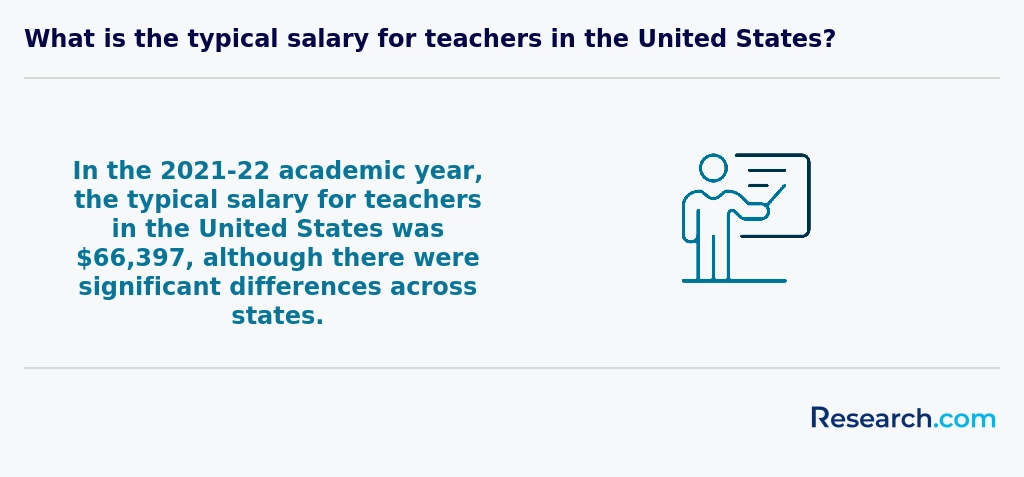
To make an informed decision about which education program to enroll in, it's essential to consider several factors, including the type of degree, specialization, and institution. When researching potential programs, look for those that are accredited and offer hands-on experience, such as student teaching or internships. Additionally, consider the faculty's expertise and the program's job placement rates. For example, if you're interested in attending a valuable education school in alabama, you can explore programs that offer specializations in areas like early childhood education or special education. By carefully evaluating these factors and considering your own interests and career goals, you can choose a program that sets you up for success in the education field.
If you're planning to pursue an education degree in Mobile, expect a curriculum rich in practical and inspiring courses designed to shape you into an impactful educator. Graduates from local universities often speak about how courses in educational psychology and child development transformed their approach to teaching by helping them truly understand how children think and grow.
Instructors dive deep into curriculum design and instructional methods, where students create real lesson plans and learn to assess progress effectively. Many find their confidence skyrockets during supervised teaching placements in Mobile schools, where theory meets hands-on experience.
Education law and ethics classes also stand out, equipping you with the knowledge to advocate for student rights and navigate complex legal frameworks-with many graduates appreciating how this prepared them for real challenges in classrooms.
Technology integration is not just theory; it's about using digital tools daily to captivate learners. Plus, special education courses give you the tools to support the 15% of local students with special needs, a commitment that feels deeply rewarding for many.
When pursuing education degrees in Mobile, students find a wealth of specializations tailored to various career paths. For example, graduates from local universities often choose Elementary Education to prepare for teaching young learners, developing lesson plans that engage children from kindergarten to fifth grade. Many share how this specialization equips them with the confidence to foster early academic growth in classrooms across Alabama.
Other students lean toward Secondary Education, focusing on subjects like Mathematics or Science for middle and high school levels, gaining hands-on management training that makes a real difference in public schools here. The demand for Special Education experts is also rising, with graduates feeling deeply rewarded by supporting students facing unique challenges.
More ambitious students find inspiration in Educational Leadership or Curriculum and Instruction, dreaming of roles beyond teaching, such as principals or curriculum developers. These options reflect the diverse Mobile education degree program options available to fit your personal goals. Investing in these paths can lead to the highest paying jobs in education statewide and beyond.
Choosing the best education degree in Mobile means focusing on key details that shape your future success. Many graduates from the University of South Alabama find that confirming program accreditation by trusted organizations like CAEP gives them confidence employers recognize. When reflecting on their journeys, they emphasize selecting a program that matches their career direction, whether that's elementary education, special education, or administration. This alignment makes the daily challenges and joys of teaching truly fulfilling.
For those weighing costs, understanding education degree programs cost in Mobile is essential. Public universities in the area offer tuition close to Alabama's $9,300 average, easing financial concerns for many students. Plus, hands-on experiences such as student teaching integrated within local schools help students build practical skills and strong community ties. Many graduates cherish these opportunities as the turning points in their education careers. To explore more affordable options, check out the Most Affordable Online Education Degree Programs Ranking in Pennsylvania, which can also inspire choices beyond Mobile.
Graduates with an education degree in Mobile have a rich array of career opportunities that extend beyond the traditional classroom. Many start as licensed teachers in local K-12 schools, benefiting from Mobile's steady demand for qualified educators and competitive starting salaries near $43,000. Others leverage their education degree career opportunities in Mobile by stepping into roles like school counselors, curriculum coordinators, or principals, often advancing through graduate programs at institutions such as the University of South Alabama. These paths not only increase earning potential but also influence educational policy and student success on a broader scale.
For those seeking variety, jobs with education degree in Mobile also include instructional coordinators, community education leaders, or educational consultants who help improve school programs and teacher development. Some graduates find rewarding careers as corporate trainers or instructional designers, applying their skills in business environments. Many in Mobile even pursue online accelerated bachelors to fast-track their journey. This flexibility and range make studying education here a truly inspiring choice.
Education degree graduates in Mobile benefit from a job market that reflects steady and meaningful demand. With institutions like the University of South Alabama and local community colleges providing strong training, many graduates find roles not only in classroom teaching but also in curriculum development and educational technology-fields growing alongside Mobile's expanding school districts. The education degree job outlook in Mobile remains positive, particularly because schools here need certified teachers to fill vacancies caused by retirements and changing student enrollment.
Graduates often share how affordable tuition options made it easier for them to pursue their passions at Mobile's public universities, which typically charge between $8,000 and $12,000 per year. This financial accessibility encourages more aspiring educators to join the workforce. Career opportunities for education graduates Mobile include important roles in administration and special education, offering varied paths beyond traditional teaching. Some even explore advanced degrees, learning what is the easiest phd to get online to enhance their potential and impact within the local education system.
2027 Most Valuable Education Degree Programs Ranking in Mobile
Investing in your education is a significant decision that can shape your future, and the Research.com team understands the importance of making informed choices. To assist prospective students in Mobile, we have meticulously crafted the "2027 Most Valuable Education Degree Programs Ranking in Mobile." Our commitment to quality, credibility, and accuracy is reflected in the extensive research and analysis conducted to compile this ranking.
We utilized the following reputable data sources to ensure a comprehensive evaluation of education degree programs:
By exploring this ranking, readers will gain valuable insights into the most valuable education degree programs available in Mobile, helping them make informed decisions about their educational paths. For more details on our methodology, please visit our Research.com methodology page.


Frequently Asked Questions About education
Education degree students in Mobile can maximize their learning experience by actively engaging with local institutions such as the University of South Alabama and the University of Mobile, which offer specialized education programs. Taking advantage of practicum and student teaching opportunities in nearby schools provides practical experience essential for licensure. According to the Alabama State Department of Education, hands-on experience improves employment prospects by 20% for new teachers in the region.
Additionally, students should participate in education-focused organizations and workshops to stay updated on teaching strategies and state standards. Utilizing online resources and Mobile's growing educational network helps build connections and gain support during academic progress.
The education field in Mobile is experiencing growth in several emerging niches that reflect broader national trends. One notable area is special education, where demand for trained professionals continues to rise due to increased awareness and support for students with disabilities. According to the Alabama State Department of Education, districts in Mobile have seen a 12% increase in special education enrollment over the past five years.
Another promising niche is educational technology. Mobile-based institutions are integrating digital tools and online learning strategies, creating opportunities for educators skilled in tech-enhanced instruction. Additionally, bilingual education is expanding to support Mobile's growing diverse population, especially Spanish-speaking communities.
These niches align well with local workforce needs and national employment projections by the Bureau of Labor Statistics, emphasizing specialized skills in education for the future.
Preparing for the job market after completing an education degree in Mobile involves several key steps. Graduates should start by gaining practical experience through student teaching internships, which are often required by Alabama's certification boards. The city's schools frequently seek new teachers familiar with local standards and technologies.
Networking is essential. Joining Alabama educators' associations and attending local career fairs can connect graduates with hiring managers from Mobile County Public Schools and private institutions. According to the Alabama State Department of Education, teacher demand in Mobile remains steady, especially for special education and STEM subjects.
Additionally, obtaining teaching certification and continuously updating skills through professional development increases employability in the competitive Mobile market.
Employers in Mobile seeking education degree graduates prioritize strong communication skills, essential for effective classroom interaction and collaboration with parents and staff. According to Alabama Department of Education data, graduates demonstrating adaptability and classroom management are highly valued due to diverse student needs in Mobile schools. Critical thinking is another key skill, enabling teachers to create engaging, inclusive lessons tailored to students' abilities. Technological proficiency is increasingly important as digital tools integrate into education. Time management and organizational skills also rank high, helping educators balance administrative tasks with teaching responsibilities.
Finding internships in Mobile relevant to an education degree involves leveraging local school districts, universities, and community organizations. Mobile's public schools, such as Mobile County Public School System, frequently partner with nearby universities to offer internships in teaching and educational support roles. Contacting the career services departments of institutions like the University of South Alabama can also provide guidance, as they maintain databases of local internship opportunities.
Prospective interns should consider reaching out to Mobile's educational nonprofits and after-school programs, which often welcome education students for practical experience. According to the Alabama State Department of Education, internships can enhance licensure progress and employment prospects. Networking at local education conferences or job fairs can further increase internship placement chances.
In Mobile, a degree in education significantly enhances career mobility and advancement opportunities within the local school systems and beyond. According to the Alabama State Department of Education, educators holding a bachelor's or master's degree are more likely to secure positions with higher salaries and leadership roles, such as instructional coordinators or administrators.
Local school districts, like Mobile County Public Schools, increasingly prioritize candidates with advanced credentials for promotion, reflecting a nationwide trend. Additionally, the demand for qualified teachers remains steady, supported by Mobile's growing student population.
Continuing education credentials help professionals stay competitive, furthering their access to specialized roles and salary increases.
Studying for an education degree in Mobile equips students with a diverse skill set essential for interdisciplinary roles. Local programs often emphasize collaboration across subjects such as psychology, sociology, and technology, reflecting broader trends in US education. For example, the University of South Alabama integrates applied research with community engagement, preparing graduates to work effectively in varied educational environments.
According to the Alabama Commission on Higher Education, 60% of education graduates in the state pursue careers that require cross-disciplinary knowledge, including special education, curriculum development, and educational technology. Mobile's educators learn to adapt teaching methods to diverse student needs and changing educational landscapes, fostering flexibility applicable beyond traditional classrooms.
Furthermore, internships and partnerships with local schools in Mobile provide real-world experiences where future educators practice problem-solving and communication across different fields, which is critical for interdisciplinary success.
Choosing between a thesis and a non-thesis education degree program in Mobile depends on your career goals and interests. Thesis programs involve conducting original research and writing a detailed paper, ideal for students aiming for doctoral studies or research careers. Non-thesis options usually require additional coursework and a comprehensive exam, suited for those seeking practical skills and immediate professional application.
In Mobile, institutions like the University of South Alabama offer both paths, with thesis tracks often taking longer-about 2 to 3 years-and non-thesis tracks accommodating a faster graduation timeline. According to the National Center for Education Statistics, thesis programs may provide stronger preparation for academic roles, while non-thesis graduates often enter teaching or administrative positions more quickly.
Consider your learning style and long-term plans when deciding between these paths.
Students in Mobile looking to study education abroad have several pathways available through US higher education institutions that offer international programs or exchange opportunities. While Mobile is home to universities like the University of South Alabama, these schools often partner with foreign universities to provide study abroad options focused on education degrees.
Programs typically range from short-term summer sessions lasting a few weeks to full semester exchanges, mainly in countries with strong education systems like the UK, Australia, and Canada. Mobile students can gain international teaching experience or complete practicum requirements abroad, benefiting from cross-cultural learning environments.
According to the American Council on Education, approximately 10% of education majors nationwide participate in study abroad, a trend growing steadily. Students should consult their home institutions' study abroad offices for tailored guidance based on their education specialization and goals.
Students pursuing education degrees in Mobile can benefit from various part-time job opportunities that align well with their academic goals. Local schools and tutoring centers often hire education majors as teacher assistants, offering hands-on classroom experience. According to the Alabama Department of Labor, education support jobs in Mobile grew by 5% from 2020 to 2023.
Additionally, after-school programs and early childhood centers provide roles for students to assist younger learners, enhancing skills in child development and classroom management. Libraries in Mobile also employ part-time aides who support literacy initiatives, complementing education coursework effectively.
Such positions not only build practical expertise but also improve future employability in education careers.
Education students in Mobile benefit from a variety of local networking opportunities that can enhance their professional growth. The city hosts events and workshops through organizations like the Mobile Education Association, which connects future educators with experienced professionals. Additionally, nearby universities such as the University of South Alabama offer student teaching placements and alumni networking events that foster connections within the local school systems.
Mobile's participation in statewide educational conferences allows students to engage with educators across Alabama. These events provide valuable exposure to contemporary teaching methods and potential employers. According to the Alabama State Department of Education, education remains one of the fastest-growing fields in the region, increasing the importance of building strong local networks early in one's career.
Alumni networks play a crucial role for education degree students in Mobile by offering valuable professional connections. Graduates from local institutions such as the University of South Alabama often engage in these networks, which helps current students access mentorship opportunities and job referrals. According to the Alabama Commission on Higher Education, strong alumni ties can increase job placement rates by as much as 15% for education graduates.
These networks also provide students with insights into the Mobile education system's demands, including public school hiring trends. Networking events and online platforms allow students to connect with experienced educators who understand regional challenges and can guide career development.
Customizing an education degree program in Mobile allows students to align their studies closely with career goals. Many local institutions, such as University of South Alabama, provide flexible options like choosing specializations in early childhood, special education, or educational leadership. Elective courses and practicum placements can be tailored to gain experience in specific school settings or age groups.
Additionally, Mobile's education programs often include opportunities for online or hybrid coursework, accommodating working professionals. According to the Alabama Commission on Higher Education, over 60% of students in education fields utilize flexible scheduling to balance work and study. Selecting programs with strong local partnerships also enhances job placement prospects in Mobile's schools.
Education students in Mobile face several challenges unique to the region and the broader U.S. system. One key issue is balancing rigorous coursework with required field experiences in local schools, which can be limited by scheduling constraints and transportation. According to the Alabama State Department of Education, Mobile's public schools often experience resource shortages, which affects the quality of student teaching placements.
Another challenge involves meeting certification requirements set by Alabama's Teacher Certification Board. Students must pass multiple exams, including the Praxis series, which some find demanding.
Additionally, many education students struggle with finding affordable housing near campus while enrolled, as Mobile's rental prices have risen 8% since 2022, according to local housing data. Navigating these practical obstacles alongside academic demands adds complexity to earning an education degree in Mobile.
With an education degree in Mobile, professionals can pursue various certifications to enhance their careers. One common path is obtaining state teaching certification, required for K-12 public school teachers in Alabama. This credential verifies mastery in teaching standards and subject areas.
Additional certifications include National Board Certification, which signifies advanced teaching expertise and can improve salary prospects. Specialists may seek certifications in areas such as special education, ESL (English as a Second Language), or school administration.
According to Alabama's Department of Education, Mobile educators benefit from access to professional development programs that support these certifications, aligning with local school district priorities.
To write a winning application for an education program in Mobile, start by thoroughly researching local universities such as the University of South Alabama, which offers respected teaching degrees. Admissions committees value clear, well-organized personal statements that explain your motivation to teach and your connection to the community. Include specific examples of your experience with children or education settings. According to the Alabama Commission on Higher Education, Mobile has seen a growth in education enrollment by 4% in recent years, increasing competition.
Be sure to highlight any relevant volunteer work or certifications, such as CPR or tutoring. Letters of recommendation from educators or supervisors familiar with your skills are essential. Finally, proofread meticulously and meet all deadlines to strengthen your candidacy.
Education careers in the United States, including Mobile, are influenced by global trends focusing on innovation, diversity, and technology integration. According to the U.S. Bureau of Labor Statistics, employment for education professionals is expected to grow by 5% from 2021 to 2031, reflecting steady demand. Globally, educators must be adaptable to diverse classrooms and evolving curricula, skills emphasized in Mobile's teacher preparation programs at institutions like the University of South Alabama.
Internationally, collaboration in education research and policy shapes best practices, which American educators often implement. For Mobile students, understanding these global perspectives can enhance career readiness in an interconnected world.
Gaining practical experience while studying for an education degree in Mobile is essential for career readiness. Many local universities, such as the University of South Alabama, offer student teaching placements in nearby public schools, allowing candidates to apply theory in real classrooms.
Internships and volunteer opportunities with Mobile County Public Schools provide hands-on experience in diverse educational settings. According to the Alabama State Department of Education, student teachers in Mobile often complete over 12 weeks of supervised teaching, ensuring substantial practice before graduation.
Additionally, workshops, seminars, and tutoring programs hosted by education departments help students develop classroom management and instructional skills actively.
Choosing the right concentration within an education degree program in Mobile requires understanding both your career goals and local demand. Popular concentrations include early childhood, special education, and secondary education, each preparing students for specific roles in Alabama's school systems. According to the Alabama State Department of Education, classrooms across Mobile show a growing need for special education teachers, reflecting a statewide 8% rise in special needs students over the past five years.
Research labor market trends in Mobile and nearby districts to identify in-demand specializations. Many local universities in Mobile offer programs aligned with Alabama's teaching certification requirements, so selecting a concentration that matches licensure standards and job availability can improve employment outcomes. Consider also your personal interests and strengths within education to make a well-rounded choice.
- 2027 Most Valuable Education Degree Programs Ranking in Montgomery
- 2027 Most Valuable Education Degree Programs Ranking in Birmingham
- 2027 Most Valuable Education Degree Programs Ranking in Tallahassee
- 2027 Most Valuable Education Degree Programs Ranking in Macon
- 2027 Most Valuable Education Degree Programs Ranking in Atlanta
- 2027 Most Valuable Education Degree Programs Ranking in Gainesville
- 2027 Most Valuable Education Degree Programs Ranking in Jacksonville
- 2027 Most Valuable Education Degree Programs Ranking in Tampa
- 2027 Most Valuable Education Degree Programs Ranking in Lakeland
- 2027 Most Valuable Education Degree Programs Ranking in Greenville
See What Experts Have To Say About Studying Education
Read our interview with Education experts

Nooshan Ashtari
Education Expert
Professor & Book Author
University of Southern California


- Student Expectations and Perceptions of Higher Education - ACA https://aca-secretariat.be/newsletter/student-expectations-and-perceptions-of-higher-education/
- How To Write A Great Cover Letter For Teacher Training - Engage Education https://engage-education.com/blog/how-to-write-a-great-cover-letter-for-teacher-training/
- How to Write a Great Letter of Intent for a Teaching Job | Zen Educate https://www.zeneducate.com/us/resources/becoming-a-teacher/how-to-write-letter-of-intent-teaching-job/
- Skills Employers Look for in Business Graduates – EU Business School https://www.euruni.edu/blog/skills-employers-look-for-in-business-graduates/
- Education degree - Tłumaczenie po angielsku - Słownik angielsko-polski Diki https://www.diki.pl/slownik-angielskiego
- Networking Tips and Advice for Students https://schoolshouldbe.com/post/networking-tips-and-advice-for-students/
- Putting theory into practice: The value of an interdisciplinary approach to teaching https://my.chartered.college/impact_article/putting-theory-into-practice-the-value-of-an-interdisciplinary-approach-to-teaching/
- Web and mobile development - Bachelor - ECE Engineering School https://www.ece.fr/en/faq-all-the-answers-to-your-questions/bachelors-degree-in-web-and-mobile-development-training-prices-objectives/
- Know more about thesis vs non- thesis: what is the difference? https://studyfans.com/en/blogs/816
- Students: This is How You Should Prepare for the Job Market https://www.agencycentral.co.uk/articles/students-this-is-how-you-should-prepare-for-the-job-market/