2027 Most Popular Education Degree Programs Ranking in Raleigh

Co-Founder and Chief Data Scientist
Choosing the right education degree program can be exciting but also overwhelming for students in Raleigh. To help simplify this process, the article presents the 2027 Most Popular Education Degree Programs Ranking in Raleigh, carefully created by the Research.com team of data scientists.
This ranking offers valuable insights, helping you discover programs that align with your goals and passions. Pursuing an education degree opens doors to meaningful careers shaping future generations.
By exploring this guide, you'll feel confident making an informed decision that supports your journey toward a rewarding profession.
Key benefits of getting education degree in Raleigh
- Salary for education degree graduates: Graduates in Raleigh can expect rewarding salaries such as $76,000 for Special Education Teachers and $77,200 for Instructional Designers, reflecting strong financial stability in these careers.
- Career paths available: Education degree holders from institutions like North Carolina State University in Raleigh often pursue diverse roles, including Early Childhood Educators or ESL Teachers, providing fulfilling opportunities to impact student lives positively.
- Benefits of online education degrees: Online graduates from universities like Meredith College enjoy flexible schedules that balance work and life while gaining the same valuable knowledge and qualifications as traditional students.
- 2027 Most Popular Education Degree Programs Ranking in Raleigh
- What can I expect from education degree in Raleigh?
- Where can I work with education degree in Raleigh?
What can I expect from education degree in Raleigh?
When thinking about the cost of earning an education degree in Raleigh, many students find a range that fits different budgets. For example, at North Carolina State University, in-state tuition for education programs typically averages around $9,000 per year. This more affordable option often excites students who want strong research-driven programs without breaking the bank.
On the other hand, attending private schools like Meredith College or William Peace University usually means planning for an annual cost between $25,000 and $30,000. Graduates from these colleges often describe their investment as worthwhile, especially because of the personalized attention and hands-on teaching experiences offered.
Many education majors also discover relief through scholarships and financial aid that specifically support future teachers in Raleigh. This creates opportunities to dive into practical learning-such as student teaching in local schools-while managing costs more comfortably.
Whether looking for a budget-friendly public university or a private college with close-knit community vibes, Raleigh's education degrees offer pathways tailored to real student needs and dreams.
Where can I work with education degree in Raleigh?
Graduates from education programs in Raleigh often find themselves stepping into roles within the Wake County Public School System, a vibrant community where thousands of teachers shape young minds every day. Imagine the excitement of teaching in one of the many elementary, middle, or high schools here, where demand for skilled educators in everything from general studies to special education is constantly growing.
Some grads discover unique opportunities at private and charter schools across Raleigh, where creative teaching methods and specialized expertise-like STEM or language instruction-are highly valued. These schools often offer alternative certification paths, appealing to those craving flexibility and innovation.
Others dive into the bustling environments of North Carolina State University or Meredith College, engaging in instructional design, advising, or cutting-edge curriculum development. Many alumni share how working in higher education opens doors to shaping educational technology and research, fueling a passion for lifelong learning.
Plus, Raleigh's tech-savvy atmosphere invites education graduates to explore corporate training, consulting, and policy roles-realms where they craft impactful workshops and influence educational strategies beyond traditional classrooms.
Community-focused positions with local nonprofits and government agencies also attract grads eager to boost literacy and create youth programs, turning their teaching expertise into powerful social change.
Graduates with an education degree in Raleigh often find themselves stepping into roles that pay well above the national average, sparking excitement about the future. For example, an elementary school teacher coming out of a popular Raleigh university might start with a mean annual wage of around $70,740, offering a solid foundation right after graduation.
Special education teachers, who bring unique skills to the classroom, are rewarded with even higher earnings, averaging $76,000 per year. This boost reflects the specialized training they've undertaken, making their work both impactful and well-compensated in Raleigh's thriving educational landscape.
ESL teachers also enjoy competitive salaries, around $65,430 annually, making Raleigh an appealing choice for graduates passionate about supporting diverse student communities. Imagine walking through the vibrant halls of a Raleigh college, inspired by mentors preparing you for these rewarding careers.
Beyond the classroom, instructional designers in Raleigh see mean yearly wages near $77,200, blending creativity and education to craft engaging learning experiences. With Raleigh's rising focus on quality education, graduates feel hopeful and motivated-knowing that their degrees unlock diverse, well-paying opportunities close to home.
- North Carolina State University and Shaw University in Raleigh offer education degrees from bachelor's to master's levels.
- In-state tuition for education bachelor's programs at public universities ranges from $9,000 to $12,000 annually, while out-of-state tuition is between $29,000 and $35,000.
- Private institutions in Raleigh may charge over $20,000 per year for education degrees, not including additional fees and supplies.
- Entry-level salaries for education graduates range from $40,000 to $48,000, with experienced educators earning $55,000 to $65,000 annually.
- The job market is expected to grow by about 6% in the next decade, with high demand for special education, STEM, and ESL teachers.
- Licensing requires passing state exams and completing supervised teaching as required by the North Carolina Department of Public Instruction.
bachelor's degree in education at a vibrant campus like North Carolina State University in Raleigh, where four years of full-time study open doors to impactful careers. Many graduates recall their excitement juggling approximately 120 to 130 credit hours, feeling the thrill of each semester dripping with new knowledge and hands-on practice.
Venturing further, pursuing a master's degree usually means dedicating around two years, but some adventurous learners at Raleigh institutions embrace accelerated programs finishing in just 12 to 18 months. These immersive experiences, including student teaching and internships, bring lively classroom moments that truly shape future educators.
For those driven by passion, doctoral programs stand as a challenge and a delight, stretching anywhere from three to six years. Raleigh's local universities support students balancing research, dissertations, and life, making the long path feel rewarding and attainable.
Whether following traditional or flexible routes, education students in Raleigh discover timelines that blend commitment with real-world excitement, propelling their dreams forward.
Beyond securing initial teaching roles, graduates with an Education degree in Raleigh, NC, have abundant opportunities for long-term career development. Many professionals transition from classroom teaching to leadership positions, curriculum development, and educational policy-making. By continually upgrading your skills and pursuing specialized certifications, you can advance to roles such as school administrators, district coordinators, or academic consultants. Additionally, many educators pursue further studies-such as those outlined in the list of best online doctorate in higher education programs-to enhance their expertise and broaden their impact beyond traditional classroom settings. Lifelong learning, networking through professional organizations, and staying updated on the latest pedagogical research are essential strategies that help educators build robust, sustainable careers and drive meaningful change in the education sector.
Choosing between online and on-campus education degrees in Raleigh means stepping into distinct worlds of learning adventure. Imagine attending vibrant classes at North Carolina State University, chatting face-to-face with passionate professors, and accessing buzzing campus libraries-this traditional path offers rich, hands-on experiences and a strong sense of community. Graduates treasure the lively interactions during student teaching placements within local schools, grounding their education in real-world practice.
Meanwhile, picture studying from your favorite corner at home, or even a cozy café, as online programs from Raleigh institutions offer flexibility to balance work and family. These asynchronous courses let learners pace themselves, perfect for those who crave independence. Yet, even online students dive into essential in-person student teaching to meet licensure, blending freedom with real connections.
Both paths lead to teacher certification, but the daily rhythms and campus vibes shape unique journeys tailored to your lifestyle and dreams in Raleigh's dynamic education scene.
Obtaining a North Carolina teaching license is a critical step after earning your Education degree in Raleigh, NC. To become fully certified, you must: 1. Graduate from an NCATE- or CAEP-accredited education program that aligns with the North Carolina Department of Public Instruction (NCDPI) standards. 2. Complete required coursework in pedagogy, content knowledge, and clinical practice, including a supervised student-teaching internship in a Raleigh-area school. 3. Pass the relevant Praxis exams: Praxis Core Academic Skills for Educators (Core) and Praxis Subject Assessments for your specialization (e.g., Elementary Education, Special Education, ESL). 4. Submit an official application to NCDPI, including transcripts, Praxis score reports, and a state and federal background check. 5. Maintain certification through ongoing professional development-North Carolina requires five renewal credits every five years, which can be earned via graduate coursework, workshops, or approved in-service training. Many candidates also explore alternative routes, such as lateral entry programs or residency models, which allow conditional licensure while completing pedagogical requirements on the job. For those balancing work and study, examining flexible, accredited pathways can be invaluable-see how other regions structure affordable, online tracks with the Affordable Online Education Degree Programs Ranking in Virginia Beach, VA for insights into curriculum design and state approval processes. Ensuring your program meets NCDPI standards not only guarantees eligibility for state certification but also positions you for success in Raleigh’s thriving K–12 environment.
Exploring the average cost of education degree in Raleigh reveals a fascinating mix of affordability and investment, especially when considering schools like North Carolina State University and Shaw University. Graduates often share how in-state tuition paired with living expenses typically lands around $17,538 annually, making the dream of becoming an educator quite attainable within the city. This figure reflects a balance between tuition costs and necessary expenses such as books, supplies, and practical training, which many students embrace as part of their learning adventure.
Imagine walking through the vibrant campuses where future teachers gather, knowing the median total cost hovers near $48,055 for those coming from out-of-state or private institutions. This investment covers the full educational journey-from hands-on teaching internships to late nights preparing lesson plans with classmates. The total tuition and fees for education programs Raleigh offer captures everything including the excitement of joining a community dedicated to shaping young minds.
Many students find encouragement in discovering personalized scholarships and financial aid tailored for educators-in-training, which can significantly ease the financial path. To get a closer look at options and compare programs, potential students often consult rankings, especially the most popular education colleges in the area. The experience of navigating costs here often sparks motivation, knowing that this educational journey is both a wise investment and an inspiring chapter in their lives.
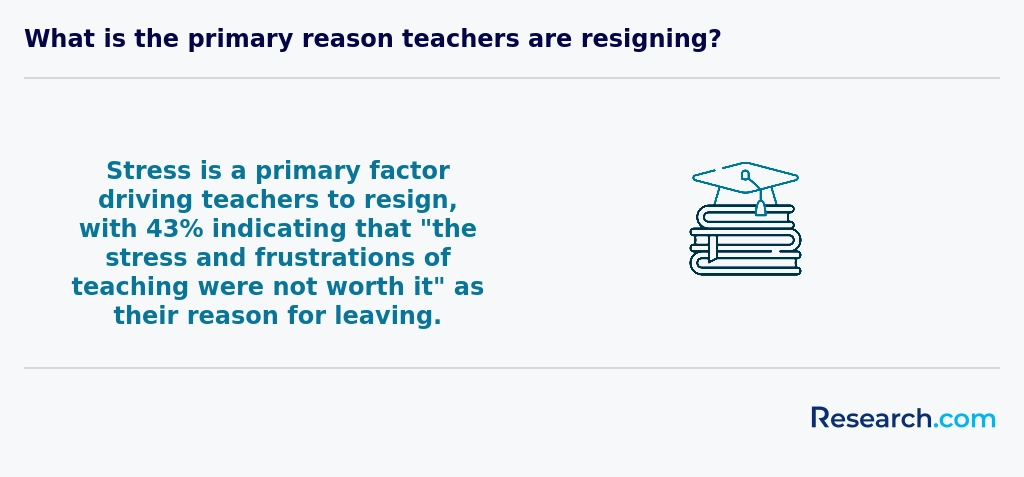
Graduates from Raleigh’s education programs often see a strong return on investment, balancing competitive tuition with promising entry-level salaries. On average, alumni report recouping program costs within five to seven years, buoyed by median starting wages of $45,000–$55,000 for classroom teachers and up to $73,080 for instructional designers. Employment rates exceed 90% within six months of graduation, especially from institutions offering embedded field placements and dedicated career services. Furthermore, programs that blend practical experience with robust networking opportunities yield higher long-term satisfaction and upward mobility. To explore additional cost-effective online pathways that maximize both learning outcomes and financial investment, consider our Affordable Online Education Degree Programs Ranking in Virginia Beach, VA.
Exploring financial aid for education degrees in Raleigh reveals a treasure trove of support waiting to be discovered. Imagine a student diving into the FAFSA application-the gateway to federal help like Pell Grants that can cover up to $7,395 annually, easing worries about tuition at institutions like North Carolina State University or Meredith College. These grants feel like a breath of fresh air for those balancing budgets.
Beyond federal aid, state programs add exciting layers. Take the North Carolina Education Lottery Scholarship, for instance, which can unlock thousands of dollars for in-state learners at Raleigh's public universities. Graduates often share how the Teaching Fellows Program transformed their journey with hefty scholarships in exchange for their passion to teach within the state.
Local universities brighten the path further. Many offer merit-based scholarships and departmental awards that celebrate academic and leadership achievements, fueling ambition. Imagine a scholar at NC State witnessing a dip in tuition thanks to these tailored awards, feeling confident stepping into their education career.
Private scholarships from educator foundations add another adventurous twist, rewarding dedication to specialized education fields or community service. Students who reach out to financial aid advisors often uncover these hidden gems, making their educational dreams feel ever more reachable.
To find the best education institutions in Raleigh, NC, consider exploring the most popular education colleges, which can provide valuable insights into top-ranked programs, faculty expertise, and alumni success stories. These institutions often have a strong reputation for producing well-rounded educators who are equipped to handle the challenges of the modern classroom. By researching these popular education colleges, prospective students can make informed decisions about their academic pursuits and set themselves on the path to a fulfilling career in education.
Diving into an education degree in Raleigh means meeting some clear yet encouraging prerequisites that set you on a path of growth and discovery. Imagine walking the halls of North Carolina State University or Meredith College, where many graduates recall the thrill of submitting their official transcripts, showcasing a solid GPA-usually around 2.5 to 3.0-which felt like unlocking the first door to their teaching dreams.
Some found the flexibility of test-optional policies a refreshing breeze, letting them decide whether SAT or ACT scores best highlighted their strengths. Meanwhile, letters of recommendation and personal statements transformed into stories reflecting passion and hands-on experience, often from volunteering with children, making applications truly shine.
For those adventurous souls aiming higher-say a Master's in Education-holding a bachelor's degree with about a 3.0 GPA and sometimes GRE scores opened avenues into deeper learning. Many graduates describe the journey as an exciting blend of academic challenge and heartfelt commitment, all within the supportive educational landscape of Raleigh.

Earning an Education degree in Raleigh, NC is only the first step toward a fulfilling teaching career-obtaining state licensure ensures you’re fully qualified to lead a classroom. In North Carolina, aspiring teachers must complete an accredited educator preparation program, pass required examinations through the Educational Testing Service (ETS), and satisfy the North Carolina Department of Public Instruction (NCDPI) application process. First, candidates must clear the Praxis Core Academic Skills for Educators (Core) exams-covering reading, writing and mathematics-and the Praxis Subject Assessments specific to their teaching field (for example, Elementary Education or ESL). Achieving qualifying scores demonstrates subject-matter competency and readiness to teach diverse student populations. Once exam results are in hand, applicants submit fingerprints for a background check via the NCDPI Secure Portal, along with official transcripts and a completed licensure application. Upon approval, North Carolina issues a Standard Professional 2 (SP2) license, valid for five years. Teachers then pursue a Continuing Education Renewal every five years by completing 180 continuing education units (CEUs) in pedagogy, classroom management or content specialization. Specialized add-on certifications-such as Special Education, Bilingual/ESL, or Reading Specialist-require additional coursework and Praxis Subject Assessment scores. Alternatively, individuals holding a bachelor’s degree but lacking an education program may enter through the Alternative Licensing Process (e.g., lateral entry), which pairs provisional licensure with mentorship and accelerated pedagogical training. For those exploring flexible degree options or seeking affordable pathways to licensure, consider the Affordable Online Education Degree Programs Ranking in Virginia Beach, VA, which highlights quality online programs aligned with state certification requirements. By understanding North Carolina’s licensure and certification process, you’ll be well-equipped to transition seamlessly from the classroom of your alma mater to the classrooms of Raleigh.
In Raleigh, education degree programs often begin with engaging courses like Introduction to Education and Foundations of Teaching, where graduates recall feeling inspired as they explored how schools operate and the real-life impact of educational policies in North Carolina. At institutions like North Carolina State University, these classes spark curiosity about how learning theories shape classroom life.
Moving deeper, students dive into Curriculum Development and Instructional Technology, mastering how to create dynamic lessons and include digital tools that excite diverse learners. Many describe how applying these ideas during practicum experiences at Raleigh's local schools brought their lessons to life, helping them connect with students from different backgrounds.
- Child and Adolescent Psychology
- Assessment and Evaluation Techniques
- Classroom Management Strategies
- Special Education Practices
- Educational Leadership and Policy
These specialized courses deepen understanding, preparing future teachers to meet challenges with confidence. The blend of theory and hands-on practice creates a journey that graduates look back on with pride, feeling ready to shape Raleigh's classrooms with creativity and care.
Exploring education degree specializations in Raleigh opens doors to a range of exciting paths, each tailored to unique passions and talents. Graduates from popular local universities often speak fondly of Elementary Education, where they build strong foundations teaching young learners in vibrant classrooms filled with curiosity and growth. Others dive into Secondary Education, embracing STEM-focused subjects that mirror Raleigh's innovative spirit, making teaching math or science an adventurous challenge.
For those drawn to the earliest stages of learning, Early Childhood Education offers a heartfelt journey into nurturing development from birth to third grade, a specialization growing alongside Raleigh's booming daycare and preschool communities. Many find fulfillment in Special Education, applying adaptable strategies to empower students with disabilities-a role that feels deeply rewarding and highly valued in the state.
Students also discover less conventional routes like Educational Leadership and Administration, transforming themselves into visionary school leaders, or exploring fields like Curriculum Development and Bilingual Education. Prospective learners seeking advanced options can explore a list of best online doctorate in higher education programs to further their impact in this dynamic field.
Choosing from the best teaching majors in Raleigh NC is an adventure in itself, with each specialization promising fresh perspectives and meaningful connections within this vibrant education community.
Choosing the best education degree programs Raleigh has to offer invites you to explore what truly fits your ambitions and lifestyle. Imagine a graduate from North Carolina State University sharing how their bachelor's degree opened doors to teaching roles in vibrant local schools, while another from Meredith College discovered how a master's led to leadership positions shaping curricula.
Affordability often defines the journey. Raleigh's Wake Technical Community College attracts many with its approachable tuition, a stepping stone for those seeking affordable education degrees in Raleigh before advancing to university. Graduates say this path boosted their confidence and financial freedom.
Program flexibility is a game-changer. Working adults appreciate the availability of online or evening classes, allowing them to juggle careers with studies without missing a beat. For those curious about local options, carefully reviewing accreditation, especially CAEP, ensures qualifications resonate with employers.
Lastly, for practical insights and cost-conscious decisions, check out the Affordable Online Education Degree Programs Ranking in Virginia Beach, VA, which inspires exploring creative ways to fund your dreams.
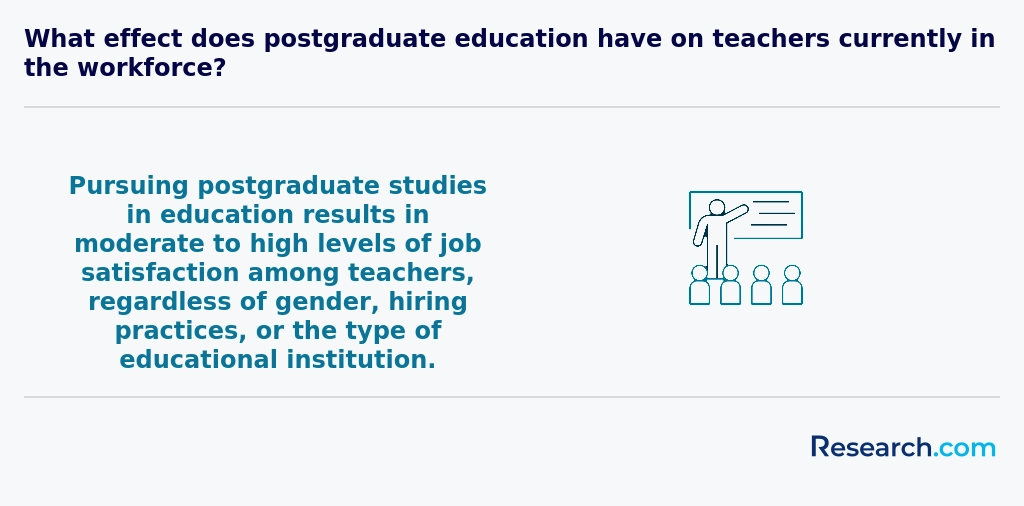
Graduates holding an education degree in Raleigh find themselves at the gateway of diverse and rewarding career paths. Many embark on teaching journeys in elementary or secondary schools, experiencing firsthand the joy of shaping young minds in the vibrant communities around local universities. Others dive into specialized roles like special education teaching or school counseling, where they make a profound difference for students facing unique challenges. This range of roles reflects the dynamic landscape of education degree careers in Raleigh.
Beyond the classroom, these graduates often take adventurous routes into administration or curriculum development, inspired by their studies at Raleigh's leading colleges. Imagine stepping into a principal's office or designing innovative learning programs that impact entire districts. Additionally, education graduates explore paths in corporate training or education technology, propelled by Raleigh's status as a tech and innovation hub.
For those eager to quickly enhance their credentials, Raleigh offers 6-month certificate courses that lead to high paying careers, opening doors to exciting new opportunities in education and beyond.
The job market for education degree graduates in Raleigh is vibrant and full of potential. With Wake County Public School System leading growth, graduates find themselves stepping into classrooms that need passionate teachers, especially in special education and STEM fields. Those who studied at popular institutions like North Carolina State University or Meredith College often share stories of landing roles quickly due to Raleigh's emphasis on quality educators and steady school enrollment rises. This trend reflects a bright education degree job outlook Raleigh graduates can feel confident about.
Entry-level salaries ranging from $45,000 to $53,000 motivate new teachers, while opportunities extend beyond K-12 schools to universities and community colleges. Many graduates describe how earning advanced certifications or degrees lifts their careers and paychecks.
For those exploring ways to boost their credentials, local colleges also promote affordable pathways and encourage exploring online certificates that pay well. This flexibility adds an exciting layer to employment opportunities for education graduates Raleigh is known for.
2027 Most Popular Education Degree Programs Ranking in Raleigh
Investing in your education is a significant decision that can profoundly impact your future, and the Research.com team is keenly aware of the importance of making well-informed choices. To support prospective students in Raleigh, we have carefully developed the "2027 Most Popular Education Degree Programs Ranking." Our dedication to quality, credibility, and accuracy is demonstrated through thorough research and rigorous analysis behind this ranking.
We utilized the following reputable data sources to ensure a comprehensive evaluation of education programs:
By reviewing this ranking, readers will obtain valuable insights into the most popular education degree programs in Raleigh, enabling them to make confident and informed decisions about their academic careers. For more information about our evaluation process, please visit our Research.com methodology page.


Frequently Asked Questions About education
Education degree students in Raleigh can maximize their learning experience by actively engaging with both coursework and the local community. Raleigh, known for its proximity to research universities like North Carolina State University, offers access to robust teaching resources and experienced faculty. Taking advantage of practicum and student teaching opportunities in Wake County Public Schools, one of the largest districts in North Carolina, allows hands-on experience in diverse classrooms.
Participating in education-focused workshops, seminars, and professional organizations such as the North Carolina Association of Educators enhances practical knowledge. Utilizing academic advising and career services helps align studies with evolving education standards and licensure requirements in North Carolina. According to the NC Department of Public Instruction, collaboration and continued professional development are key factors in teacher success within the state.
The education field is evolving rapidly, especially in areas like educational technology, special education, and STEM education. In Raleigh, there is growing demand for educators skilled in digital learning tools, reflecting a nationwide trend. According to data from the North Carolina Department of Public Instruction, over 30% of local school districts have increased funding for tech training since 2022.
Special education remains a critical niche due to rising awareness of diverse learner needs. Programs focusing on trauma-informed teaching and inclusive classrooms are gaining traction in Raleigh's universities. Additionally, STEM-focused education degrees are expanding as local tech industries require educators prepared to teach science, technology, engineering, and math effectively.
After completing an education degree in Raleigh, preparing for the job market involves several key steps. First, obtaining teacher licensure is essential, as North Carolina requires passing the Praxis exams and meeting state-specific certification standards. Raleigh benefits from a strong public school system eager to hire qualified educators, with Wake County Public Schools being the largest employer in the area.
Building experience through student teaching or internships offered by universities like North Carolina State University significantly improves job prospects. Networking at local educational conferences and job fairs can also connect graduates with school administrators and potential employers.
Additionally, staying informed about continuous professional development and advanced degree options can enhance career growth. According to the North Carolina Department of Public Instruction, graduates with advanced certifications often earn higher salaries, making further education a valuable investment.
Employers in Raleigh commonly seek education degree graduates who demonstrate strong communication skills, both verbal and written. According to the North Carolina Department of Public Instruction, effective communication is essential for fostering student engagement and collaboration with parents and colleagues.
Another key skill is classroom management. Schools in the Wake County district emphasize the ability to create inclusive, supportive environments that promote student learning. This skill is backed by data showing improved student outcomes in well-managed classrooms.
Critical thinking and adaptability are also highly valued. With evolving educational standards and diverse student needs, teachers must adjust lesson plans and problem-solve quickly. Wake Technical Community College highlights these as crucial for success in local education settings.
Finding internships in Raleigh related to an education degree involves several practical steps. Start by contacting local school districts such as Wake County Public School System, one of the largest in North Carolina, which often offers placement opportunities for education majors. Universities like North Carolina State and Meredith College commonly provide career services that connect students with local internships in schools and educational organizations.
Utilizing job boards like Handshake or the NC Department of Public Instruction's internship listings can also be helpful. Networking through Raleigh's educational conferences or volunteering at community centers increases chances of securing hands-on experience. Early application is key, as spots fill quickly.
Obtaining an education degree in Raleigh significantly enhances career mobility and advancement opportunities. With Raleigh's growing demand for qualified educators, degree holders often access a wider range of jobs, including specialized teaching roles and administrative positions. According to the North Carolina Department of Public Instruction, over 65% of Raleigh-area schools prefer or require teachers to hold at least a bachelor's degree in education.
Furthermore, advanced degrees like a master's can accelerate progress toward leadership roles, such as curriculum coordinators or principals. Data from the National Center for Education Statistics highlights that educators with advanced credentials in North Carolina earn 10-20% more than those with only a bachelor's. Additionally, certification linked to education degrees can provide eligibility for state-funded professional development and promotions specific to Raleigh's school districts.
Studying for an education degree in Raleigh offers strong preparation for interdisciplinary roles by combining traditional teaching skills with broader knowledge areas. Programs often include coursework in psychology, sociology, and technology integration, reflecting the diverse demands of modern education careers. According to the North Carolina Department of Public Instruction, these degrees emphasize collaboration across fields, encouraging future educators to work with professionals in health, social services, and technology sectors.
Raleigh's institutions also benefit from partnerships with local schools and organizations, providing experiential learning opportunities that enhance cross-disciplinary skills. This equips graduates to adapt in varied educational environments and address complex student needs effectively.
Choosing between a thesis and a non-thesis education degree program in Raleigh depends largely on your career goals and personal preferences. A thesis option typically involves conducting original research and writing a substantial paper. This path is ideal for students interested in pursuing a doctorate or careers in academia and research. In Raleigh, institutions like North Carolina State University offer thesis tracks emphasizing research skills.
Non-thesis programs focus more on coursework and practical training, suiting those aiming to work directly in educational settings such as teaching or administration. These programs often require a capstone project or comprehensive exam instead of a thesis.
According to data from the National Center for Education Statistics, over 60% of education master's students in North Carolina opt for non-thesis routes, reflecting local demand for applied skills. Consider your long-term plans, time commitment, and interest in research when deciding.
Students based in Raleigh interested in studying education abroad have several pathways supported by local universities and national programs. North Carolina State University and nearby universities offer study abroad options through partnerships with institutions worldwide, particularly in Europe and Asia. These programs often include semester-long exchanges or summer internships focused on educational theory and practice.
Data from the Institute of International Education indicates that approximately 10% of education majors nationwide participate in study abroad programs, a trend growing steadily in Raleigh due to expanding global partnerships. Additionally, federal financial aid and scholarships may help Raleigh students fund international studies in education.
It is important for students to consult campus international offices that provide customized advising on application procedures, visa requirements, and credit transfer to graduate successfully in their education degree programs.
Students pursuing education degrees in Raleigh have access to various part-time job opportunities that complement their academic training. Many local schools and educational centers hire teaching assistants and tutors, providing practical classroom experience important for those aiming to become certified teachers.
The Raleigh area, with a 2023 employment rate in education-related roles approximately 5% higher than the national average, offers roles in after-school programs and literacy coaching, helping students improve essential skills. These positions allow degree candidates to apply pedagogical theories in real settings while earning income.
Additionally, Raleigh's expanding nonprofit sector often seeks education interns and coordinators, offering exposure to curriculum development and educational outreach.
Such roles provide professional growth and networking opportunities crucial for future teaching careers in North Carolina.
Education students in Raleigh benefit from a variety of networking opportunities that enhance their professional growth. Local universities like North Carolina State University and Meredith College offer education-focused student organizations and events that connect students with experienced educators and school administrators.
Raleigh's strong ties to the Wake County Public School System provide internship programs and classroom observation opportunities, enabling students to build practical connections. Additionally, organizations such as the North Carolina Association of Colleges and Teacher Educators host conferences in the region, fostering statewide networking.
These avenues allow education students to engage with mentors, attend workshops, and access job fairs, crucial for career advancement in the growing Raleigh-Durham education market.
Alumni networks provide significant advantages for education degree students in Raleigh by enhancing their professional growth and opportunities. These networks connect current students with graduates who work in local schools, districts, and educational organizations, facilitating mentorship and advice tailored to Raleigh's education landscape.
According to the Raleigh Education Partnership, alumni connections can improve job placement rates by up to 20% for graduates in the area. Networking events and workshops hosted by alumni groups also allow students to build relationships that may lead to internships or teaching positions.
Moreover, alumni often share insights about certification processes and continuing education requirements specific to North Carolina, which can be critical for licensure. This communal knowledge helps students navigate their careers more effectively and stay informed about changes in local education policy and standards.
Customizing an education degree program in Raleigh begins with choosing a specialization that aligns with your career goals. Many Raleigh institutions offer concentrations such as special education, curriculum and instruction, or educational leadership, allowing students to tailor their studies accordingly.
Students can also opt for elective courses that enhance skills relevant to their interests, such as bilingual education or technology integration in classrooms. Practical experience through internships or student teaching placements at local schools is widely available in Raleigh, helping bridge theory with real-world practice.
Additionally, some programs provide flexible scheduling or online options to accommodate working professionals. According to the North Carolina Department of Public Instruction, Raleigh schools often seek educators with diverse qualifications, making specialized credentials valuable in the job market.
Education students in Raleigh often face challenges related to balancing coursework with practical experiences. Many programs require extensive fieldwork or student teaching hours, which can be difficult to manage alongside academic demands. Additionally, financial stress is common, as tuition and related expenses continue to rise across North Carolina institutions.
Another notable challenge is adapting to diverse classroom environments. Raleigh's growing population means future educators must be prepared to meet the needs of students from various cultural and socioeconomic backgrounds. According to the NC Department of Public Instruction, nearly 40% of K-12 students in Wake County are economically disadvantaged, increasing the demand for culturally responsive teaching skills.
Finally, navigating certification requirements poses complexities. Students must complete specific state-mandated exams and background checks before licensure, which can delay entry into the profession if not planned carefully. These combined challenges shape the education experience for many Raleigh students.
With an education degree in Raleigh, you can pursue several professional certifications to enhance your career opportunities. One of the most common certifications is the Teaching License, required to teach in North Carolina public schools. The North Carolina Department of Public Instruction offers licensure for different grade levels and specialties.
Additional certifications include the National Board Certification, which can lead to higher salaries and professional recognition. Raleigh also provides options for specialized endorsements, such as ESL (English as a Second Language) or special education, to meet local and state demands. According to the North Carolina Department of Public Instruction, over 60% of educators in Raleigh hold one or more endorsements.
Other paths include administration certifications for those aiming to become principals or instructional coordinators. These require additional graduate coursework and exams, often available through Raleigh's universities like NC State and Shaw University.
Writing a winning application for an education program in Raleigh requires careful preparation and attention to local requirements. Start by researching institutions such as North Carolina State University and Meredith College, well-known for their education degrees. Raleigh applicants should focus on demonstrating a strong academic background, relevant extracurricular activities, and a clear passion for teaching or educational leadership.
Include a compelling personal statement that highlights your motivation and goals. According to the National Center for Education Statistics, programs in North Carolina value applicants who show commitment to community involvement. Be sure to submit all required documents, including transcripts and letters of recommendation, before deadlines specified by Raleigh-area colleges.
Additionally, some programs may require passing a basic skills or content knowledge exam. Check individual program websites for updated application criteria to improve your chances of acceptance in this competitive education market.
Global perspectives on an education career emphasize the growing importance of culturally responsive teaching and international collaboration. In the United States, educators are expected to prepare students for a diverse and interconnected world. Raleigh, part of the Research Triangle, offers programs that integrate these global trends, supported by data from the National Center for Education Statistics (NCES) showing a 7% increase in teacher enrollment focused on multicultural education.
Programs in Raleigh encourage future teachers to develop skills beyond traditional classrooms, including technology use and global competence. This approach aligns with global demands for educators who can address varied learning environments and foster inclusion. Understanding these perspectives helps students choose relevant and forward-thinking education degrees locally.
Students pursuing education degrees in Raleigh can gain practical experience through multiple avenues integrated into local universities' programs. Many institutions, including North Carolina State University and Shaw University, require fieldwork placements in area schools. These practicums offer supervised classroom teaching experiences, allowing students to apply theory in real education settings.
Additionally, Raleigh benefits from strong community partnerships, providing opportunities for internships or volunteer roles in local public and private schools. According to the North Carolina Department of Public Instruction, over 150 schools in Wake County participate in student teacher programs, increasing access to hands-on learning.
Workshops, tutoring, and education research projects further enhance practical skills while studying. Students are encouraged to take advantage of such resources to build their professional readiness.
Choosing the right concentration within an education degree program in Raleigh involves understanding your career goals and local job market trends. Raleigh's education sector prioritizes specialties like special education, early childhood education, and STEM teaching due to regional demand, according to data from the North Carolina Department of Public Instruction. Reflect on your interests and strengths, and research which concentrations align with the state's teacher licensure requirements. Visiting Raleigh institutions' websites, such as North Carolina State University, can provide insights into their offered concentrations and graduate outcomes. Additionally, speaking with academic advisors or local educators helps ensure your choice fits both your passions and job opportunities.
- 2027 Most Popular Education Degree Programs Ranking in Columbia
- 2027 Most Popular Education Degree Programs Ranking in Orangeburg
- 2027 Most Popular Education Degree Programs Ranking in Charleston
- 2027 Most Popular Education Degree Programs Ranking in Greenville
- 2027 Most Popular Education Degree Programs Ranking in Washington
- 2027 Most Popular Education Degree Programs Ranking in Baltimore
- 2027 Most Popular Education Degree Programs Ranking in Dover
- 2027 Most Popular Education Degree Programs Ranking in Knoxville
- 2027 Most Popular Education Degree Programs Ranking in Pittsburgh
- 2027 Most Popular Education Degree Programs Ranking in Philadelphia
See What Experts Have To Say About Studying Education
Read our interview with Education experts

Nooshan Ashtari
Education Expert
Professor & Book Author
University of Southern California


- Alternative Preparation Pathways https://www.dpi.nc.gov/educators/educator-preparation/alternative-preparation-pathways
- The importance of networking in the education sector https://www.tlclive.com/blog/the-importance-of-networking-in-the-education-sector
- Online Degree vs. Traditional: Choosing the Right Path https://beal.edu/online-degree-vs-traditional/
- Teacher of Global Perspectives (IGCSE) https://www.scie.com.cn/jobs-global-perspectives/
- Events & Opportunities https://connect.teachforall.org/events-opportunities
- Grants and Scholarships - NCICU https://ncicu.org/scholarships-and-grants/
- Experiential Learning in Higher Education: Why It Works - Practera https://practera.com/experiential-learning-in-higher-education/
- How To Write A Great Cover Letter For Teacher Training - Engage Education https://engage-education.com/blog/how-to-write-a-great-cover-letter-for-teacher-training/
- How to Choose a Concentration for Your Master of Education 3 Questions to Consider https://www.aiuniv.edu/degrees/education/articles/how-to-choose-an-education-specialization
- Education degree - Tłumaczenie po angielsku - Słownik angielsko-polski Diki https://www.diki.pl/slownik-angielskiego