2027 Most Popular Education Degree Programs Ranking in Washington

Co-Founder and Chief Data Scientist
Choosing the right education degree program can shape your future and career path in meaningful ways. Our article introduces the 2027 Most Popular Education Degree Programs Ranking in Washington, created by the Research.com team of data scientists. This ranking is designed to guide students in Washington through the best options available, helping you make an informed and confident decision.
By exploring these top programs, you'll discover opportunities that match your goals and passions. Earning an education degree opens doors to rewarding careers, personal growth, and the chance to make a difference in your community.
Key benefits of getting education degree in Washington
- Salary for education degree graduates: Graduates can expect competitive salaries, such as an Instructional Designer earning around $77,200 annually or an ESL Teacher making approximately $65,430 per year, offering financial stability in education careers.
- Potential career paths: Education degree holders from universities like the University of Washington often pursue diverse roles including special education teaching, early childhood education, or instructional design, allowing flexibility and growth in meaningful fields.
- Benefits of online education degrees: Earning a degree online from institutions such as Western Governors University provides flexibility for working adults, enabling them to balance life and studies while gaining relevant skills efficiently and confidently.
- 2027 Most Popular Education Degree Programs Ranking in Washington
- What can I expect from education degree in Washington?
- Where can I work with education degree in Washington?
What can I expect from education degree in Washington?
Students pursuing an education degree in Washington typically encounter tuition costs that can feel like a gateway to a world of opportunity rather than just a bill. At schools like the University of Washington or Seattle University, bachelor's programs generally range from $11,000 to $15,000 per year for in-state students. Graduates often recall balancing these expenses with part-time jobs or scholarships, fueling their excitement for entering classrooms equipped with strong theoretical knowledge and hands-on teaching practice.
Out-of-state students face higher fees, sometimes up to $30,000 annually, yet many find that investing in Washington's well-regarded programs pays off through connections with local schools and future career paths. Master's degrees typically run between $10,000 and $20,000 per year, with flexible options that allow working educators to grow their credentials without putting life on hold.
These investments lead graduates to rewarding roles in diverse educational settings, turning the cost into a meaningful step toward shaping the future of Washington's vibrant student communities.
Where can I work with education degree in Washington?
With an education degree in Washington, your career path can be as dynamic as the vibrant classrooms you'll step into. Imagine joining the ranks of over 90,000 teachers shaping young minds across K-12 public schools-graduates from the University of Washington often share how rewarding it feels to guide students through those pivotal years.
But the adventure doesn't stop in traditional classrooms. Early childhood education centers open doors to nurturing little learners from infancy to age eight, especially for those who earn specialized credentials supported by Washington's Department of Early Learning. It's common to hear from Washington State University alumni who find joy in creating those first sparks of discovery.
Graduates also explore roles in colleges and universities as advisors or program leaders, helping future educators succeed. Education degree holders often take on leadership roles, from school principals to district superintendents, influencing policies that directly impact communities from Seattle to Spokane.
For those inspired by innovation, Washington's booming education technology sector offers careers in instructional design and online learning, blending passion for education with cutting-edge tech. Many graduates find this mix exciting, reflecting the state's shift toward remote and hybrid classrooms.
Graduates with education degrees in Washington often find themselves stepping into rewarding careers with salaries that inspire confidence and ambition. For instance, a recent graduate from a well-known university in Seattle who pursued elementary education can expect an average yearly wage around $70,740. This figure brings a satisfying sense of stability as they embark on their teaching journey.
Those adventurous enough to specialize, like becoming a special education teacher, often unlock even higher earnings, averaging about $76,000 annually. Instructional designers based in Washington, combining creativity with education technology, see median salaries near $77,200, painting a promising picture of diverse opportunities beyond traditional classrooms.
Graduates who find their calling teaching English as a Second Language enjoy the blend of cultural exchange and a solid income, with annual wages roughly $65,430. These salary levels, combined with the vibrant educational communities at colleges such as the University of Washington or Western Washington University, create a motivating environment for new educators to grow.
- In-state tuition for education degrees at public universities in Washington ranges from $10,000 to $13,000 per year, while private schools often charge over $30,000 annually.
- Education graduates start with a median salary of about $45,000, increasing to $65,000-$70,000 with experience and certifications.
- There is a steady demand for teachers, especially in special education and STEM subjects, where critical shortages exist.
- Student teaching placements are required for graduation and licensure, overseen by the Washington Professional Educator Standards Board (PESB).
- Financial aid, including state and federal grants, is available to help reduce the cost of education degrees in Washington.
Doctoral students at institutions like Western Washington University embark on a longer quest-anywhere from three to six years-balancing intense research, comprehensive exams, and deep dives into educational theory, all while possibly juggling part-time study. Many graduates also find that earning a teaching certification adds roughly one more year after their bachelor's, especially through Washington's post-baccalaureate programs designed to meet state licensure requirements. Overall, students in Washington enjoy a blend of challenge and opportunity, tailoring their timelines to fit their goals and lifestyles while navigating some of the state's most respected education programs.
When considering an education degree program, one of the most crucial decisions is choosing the right location, as it can significantly impact one's educational experience and future career prospects. Washington, DC, stands out as a hub for educational opportunities, with its rich history, diverse cultural landscape, and proximity to influential institutions. For those interested in exploring the most popular education schools, understanding the local educational landscape is essential. The city offers a unique blend of traditional and innovative educational settings, from elementary schools to universities, providing students with a wide range of practical experiences. Moreover, the presence of national and international organizations focused on education policy and reform creates a vibrant intellectual environment that stimulatingly challenges and inspires future educators. By opting for an education degree program in Washington, DC, students position themselves at the forefront of educational innovation and policy, preparing them to make impactful contributions in their chosen career paths.
Picture yourself walking the vibrant campus of the University of Washington, exchanging ideas face-to-face with professors and classmates. On-campus education degrees in Washington bring that immersive energy-hands-on student teaching placements arranged locally, bustling classrooms, and easy access to campus resources. Graduates often recall how these connections sparked confidence and real-time collaboration that felt like a true community experience.
Now, imagine a different kind of journey: attending classes whenever and wherever you want, balancing family and work without the commute. That's the promise of online education degrees offered by several Washington universities. Graduates appreciate the flexibility to dive into coursework asynchronously, molding their schedule around life's demands, yet still meeting Washington's certification requirements. Though online learners may coordinate their practicum independently, the autonomy cultivates a unique sense of responsibility and initiative.
Both paths lead to licensure, but the choice becomes an adventure-immersive campus life or flexible digital classrooms, each with its own rhythm and rewards. Washington's diverse options mean you can find the perfect fit to ignite your passion for teaching.
The average cost of an education degree in Washington invites a thoughtful exploration of both numbers and personal journeys. For many graduates from popular education programs at the University of Washington or Washington State University, the median total cost lands around $61,504, a figure that blends tuition, fees, and living expenses into one realistic snapshot. In-state students often find a more affordable pathway, with median expenses near $35,810, offering a welcome relief for locals eager to embrace teaching careers without overwhelming debt.
Washington's education degree tuition and fees encompass various financial landscapes, from bustling campuses in Seattle to smaller private institutions. Graduates recall the excitement of immersing themselves in classrooms and fieldwork, knowing their investment came with strong support options like scholarships or financial aid. Programs at private universities may come with higher price tags but often bring treasured opportunities and networks that enrich the learning adventure.
Curious learners can also discover a vibrant community through the most popular education schools in Washington, where shared experiences and institutional resources lighten financial pressures and amplify the joy of becoming an educator. The journey involves much more than numbers-it's about stepping into a future full of promise, supported by a state eager to grow its next generation of teachers.

Investing in an education degree requires weighing the total cost of attendance against potential earnings. In Washington, DC, the average annual tuition for a bachelor’s program sits around $28,000 (out-of-state) to $9,750 (in-state), with additional living expenses averaging $12,300 per year. When combined with fees, books, and supplies, most students face a five-year investment of approximately $180,000 before entering the workforce. Conversely, entry-level educators in DC can expect starting salaries near $45,000 for public school teachers and up to $63,130 for ESL specialists. Instructional designers command even higher starting wages, around $73,080. Calculating a simple ROI-annual salary divided by total degree cost-yields breakeven in roughly three to four years for high-demand roles (e.g., instructional design) and five to seven years for traditional teaching positions. To accelerate returns, prospective students should explore programs with lower tuition or flexible online formats. For example, comparing local costs with our Low Cost Online Education Degree Programs Ranking in Pennsylvania can reveal online alternatives that dramatically reduce financial risk while maintaining program quality. Beyond raw numbers, intangible benefits-such as career advancement potential, leadership opportunities, and networking within DC’s education policy community-further enhance long-term value. Graduates who pursue advanced credentials (MEd/EdD) often see salary increases of 15–25%, moving the ROI breakeven point closer to two years post-graduation. Ultimately, by aligning program costs with realistic salary projections and leveraging affordable online pathways, students can maximize their financial and professional returns, ensuring their education degree becomes a sustainable investment in both their careers and communities.
When diving into education degrees in Washington, financial aid plays a key role in turning dreams into realities. Many students at the University of Washington find that federal aid, accessed through FAFSA, opens doors with grants like the Pell Grant, offering up to $7,395 based on need-money that feels like a breath of fresh air on the tuition bill. Imagine attending Western Washington University and discovering the Washington College Grant, which can cover full tuition for eligible public university students, lifting a heavy financial weight off your shoulders.
Graduates often share how scholarships like the Washington State Teachers of Color or the Helen F. Holt Scholarship made their path smoother, adding confidence and a sense of belonging. The option of subsidized federal loans-where interest pauses while you study half-time-brings peace of mind to those balancing work and school. And for those eager to serve, the Teacher Loan Forgiveness program can erase up to $17,500 after five years in low-income schools, a powerful reward that sparks motivation and hope.
Washington, DC’s education landscape is evolving rapidly, with innovative teaching methods and technological advancements reshaping the way educators prepare for their careers. In addition to classical classroom strategies, many institutions are now incorporating digital tools, personalized learning models, and interdisciplinary approaches to create engaging, adaptive curricula that mirror the dynamic needs of today’s students. For instance, hybrid models that blend in-person instruction with online learning have enabled many current professionals to upskill without compromising their existing commitments, while emerging courses in educational data analytics and digital content creation are equipping graduates for leadership in modern schools. Moreover, as increasing numbers of students seek flexibility and affordability in higher education, opportunities in online learning have expanded significantly. For those exploring educational alternatives, the cheapest library science degree online can serve as a complementary path, offering a seamless transition into specialized areas of study that benefit from similar digital innovations. Keeping an eye on these forward-thinking trends can help prospective students choose programs that not only promise academic excellence but also deliver long-term career viability in an ever-changing educational environment.
Imagine stepping onto the vibrant campuses of the University of Washington or Western Washington University, ready to pursue your education degree-what do you need to get started? For most undergraduate hopefuls, having your high school diploma or GED in hand is just the beginning. Many graduates recall the mix of excitement and nerves when sending in their SAT or ACT scores, though lately, test-optional policies have made this step a bit less daunting for some. A solid GPA-typically around 2.5 to 3.0-is often a must, reflecting your readiness to dive into demanding coursework.
Graduate students at these schools often share stories of gaining confidence through the application journey, needing a bachelor's degree with a stronger GPA, around 3.0 to 3.5, plus letters of recommendation and personal statements that reveal their passion and experience in education. Some even recall the challenge of passing the GRE or specialized exams required by certain programs.
Beyond paperwork, Washington emphasizes practical readiness. Prospective teachers eagerly prepare for state certification steps like background checks and the Washington Educator Skills Tests, feeling proud as they move closer to making an impact in classrooms across the state.
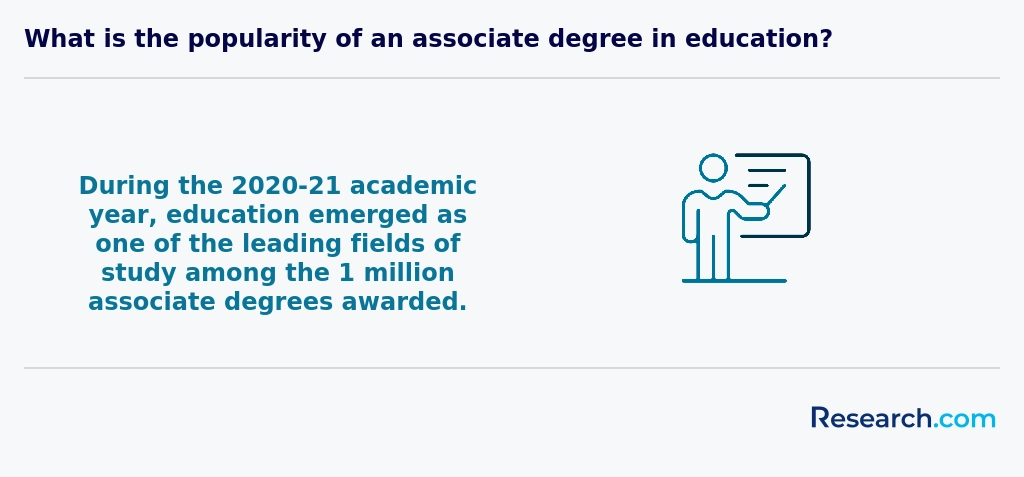
Evaluating the return on investment (ROI) of an education degree is essential for making informed decisions about both cost and career outcomes. In Washington, DC, graduates typically graduate with an average student loan debt of $37,850, while starting salaries range from $38,640 for early childhood educators to $73,080 for instructional designers. By comparing these figures, students can estimate their payback period and long-term earning growth. Key ROI considerations: • Average Debt vs. Salary: With a mean annual wage of $63,130 for ESL teachers, the breakeven point on $37,850 in loans can occur in as little as four years, assuming a 6% interest rate and standard 10-year repayment plan. • Program Duration and Cost: A two-year associate degree from a community college (approx. $3,885/year) offers faster entry into the workforce, whereas a four-year bachelor’s (avg. $9,750/year in-state) may yield higher mid-career salaries. • Salary Growth Trajectory: Instructional designers may see salary increases of 3–5% annually, accelerating ROI and shortening loan repayment timelines. • Flexibility and Earnings: Online programs often reduce living expenses and allow continued employment, boosting net ROI. For a comparative analysis of affordable online education options with strong ROI in a neighboring state, explore our Low Cost Online Education Degree Programs Ranking in Pennsylvania. By weighing program costs, completion time, and projected earnings, prospective students can select an education degree path in Washington, DC that maximizes financial return while advancing their professional goals.
Diving into an education degree in Washington means immersing yourself in courses that blend theory with real-world impact. Graduates from popular schools like the University of Washington often describe their journey beginning with foundational classes such as Introduction to Education, which opens eyes to the rich history and philosophy shaping American classrooms. Picture yourself exploring Child and Adolescent Development, where you uncover the fascinating stages of student growth, making every lesson feel instantly relevant.
Courses like Educational Psychology invite you to decode how students learn, sparking that 'aha' moment about why certain teaching methods truly resonate. At Central Washington University, many find Curriculum Design and Instructional Methods exhilarating, giving them tools to craft lessons that ignite curiosity and keep classrooms buzzing with energy.
Classroom Management and Assessment are more than theory-they're lifelines when you step into practicum settings across Washington, where candidates eagerly apply these skills under supervision, feeling the thrill of shaping young minds. Post-course reflections often highlight the adventure and growth felt through this hands-on approach, making education degrees here both challenging and deeply rewarding.
Diving into education degree specializations in Washington opens up a world of exciting, meaningful paths. Graduates from well-known universities in the state often share how choosing Elementary Education ignited their passion to shape young minds in bustling classrooms, while others felt energized by Secondary Education, focusing on STEM subjects to tackle real shortages in math and science teachers.
Many find themselves drawn into the rewarding challenge of Special Education, inspired by the vibrant diversity of Washington's student population. Meanwhile, hands-on experiences at colleges known for their leadership training prepare students for future roles in Educational Leadership and Administration, fueling dreams of transforming entire schools. Curriculum and Instruction offers a creative angle, appealing to those who love crafting new ways to help students learn, while School Counseling speaks to empathic educators eager to support mental health and academic success.
Exploring Washington education program concentration options also means discovering emerging fields like bilingual teaching and ESL, reflecting the state's rich cultural tapestry. For those juggling cost concerns, opportunities such as the cheapest library science degree online pathways make education degrees more accessible, proving that adventurous learners can chart unique courses toward their passions.
Choosing the best education degree in Washington invites you on a journey through diverse options and vibrant campus life. Imagine walking through the corridors of the University of Washington, surrounded by passionate educators and rich resources, while peers share stories of their hands-on student teaching experiences. These moments bring the lessons to life beyond textbooks.
Graduates from various Washington community colleges often speak warmly of the affordability and flexibility that helped them balance studies with family life or jobs, proving you don't need to sacrifice personal goals for quality education. When seeking the best education degree programs in Washington, reflect on whether you want an urban setting buzzing with opportunities or a smaller, personal college atmosphere.
Accreditation and how the program matches Washington's teacher certification requirements matter too. To navigate affordability without losing quality, check tailored options like those found in the Low Cost Online Education Degree Programs Ranking in Pennsylvania for ideas, even if out-of-state, to frame your expectations. Adventure awaits in discovering the perfect path!
Graduates with an education degree in Washington often find themselves exploring diverse career paths that spark curiosity and offer meaningful impact. Many jump straight into K-12 teaching positions at public or private schools, inspired by experiences shared from universities like the University of Washington, where hands-on classroom training fuels their passion. These jobs bring the joy of daily student engagement and the satisfaction of shaping young minds.
Others venture into administrative roles, becoming principals or program coordinators, eager to influence school policies and foster positive change across districts. Education degree career opportunities in Washington also extend to specialized counseling and support roles, where graduates combine their academic training with certifications to help students thrive emotionally and academically.
For those craving innovative or alternative routes, instructional design and educational technology offer exciting prospects. With the rise of e-learning platforms, graduates often develop digital curricula or manage online education programs, reflecting from their time at colleges embracing tech-forward teaching methods. Additionally, the option to pursue a 1 year masters degree online opens doors to rapid advancement.
Jobs with education degree in Washington state are as varied as they are fulfilling, inviting graduates to examine their strengths and passions in a nurturing, evolving landscape.
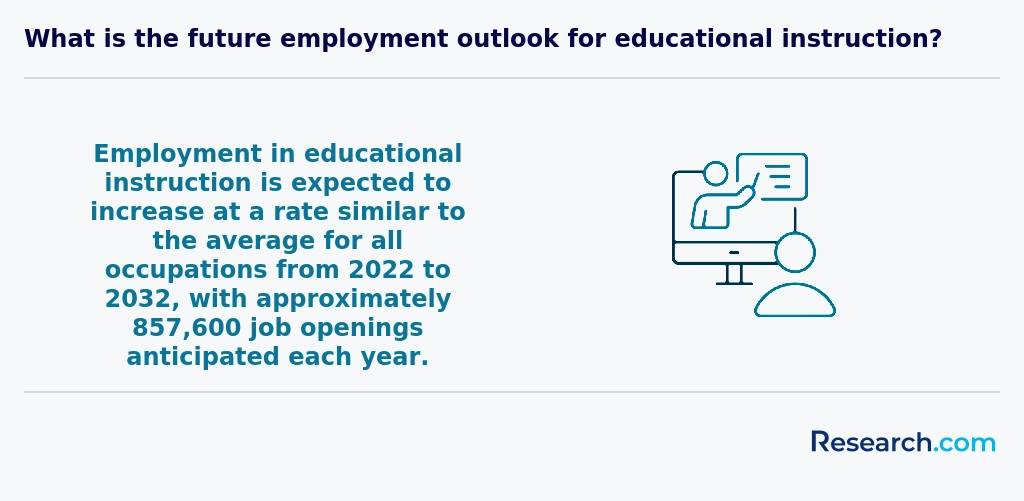
The job market for education degree holders in Washington is both stable and filled with opportunity, matching the hopes of many graduates who have trained at the University of Washington or Western Washington University. These graduates often share stories of stepping into roles as special education teachers or early childhood educators, where demand remains high, especially in rural communities eager for passionate educators. This environment creates an exciting playground for those pursuing a teaching career opportunities Washington state, with steady growth projected through 2030.
Many find themselves drawn to diverse paths beyond classroom teaching, including curriculum development or educational technology roles, inspired by the state's focus on innovative education strategies. The outlook brightens knowing average salaries hover around $70,000, outpacing national medians and rewarding experience and advanced degrees. For students weighing options, exploring easy masters programs can be a practical next step to boost these prospects and unlock richer career pathways in Washington's inviting education landscape.
2027 Most Popular Education Degree Programs Ranking in Washington
Investing in your education is a significant decision that can shape your future, and the Research.com team understands the importance of making informed choices. To assist prospective students in Washington, we have carefully developed the "2027 Most Popular Education Degree Programs Ranking in Washington." Our dedication to quality, credibility, and accuracy is demonstrated through extensive research and thorough analysis throughout the ranking process.
We utilized the following reputable data sources to ensure a comprehensive evaluation of education degree programs:
By exploring this ranking, readers will gain valuable insights into the most popular education degree programs available in Washington, helping them make well-informed decisions about their academic and professional futures. For further information on how this ranking was created, please visit our Research.com methodology page.


Frequently Asked Questions About education
Education degree students in Washington can maximize their learning experience by actively engaging in both coursework and practical training. Washington state requires teacher candidates to complete extensive clinical experiences, including student teaching placements that provide hands-on classroom experience. Participating fully in these opportunities helps students apply theoretical knowledge in real-world settings.
Additionally, students should utilize resources offered by Washington's Professional Educator Standards Board and institutions like the University of Washington, where current programs emphasize culturally responsive teaching. Incorporating research and data-driven instruction techniques can improve teaching skills.
Networking with local schools and professional organizations also enriches learning and opens career opportunities.
Emerging niches in education degrees in Washington reflect shifts in teaching strategies and workforce needs. One growing area is educational technology, where professionals develop digital tools to enhance learning. According to the Washington State Employment Security Department, jobs in educational software design are set to grow by over 15% through 2028.
Special education remains critical, especially in autism spectrum disorder support, with Washington showing a 20% increase in related job openings recently. Another niche is bilingual education, driven by the state's diverse communities, promoting demand for educators fluent in multiple languages.
Finally, careers in educational leadership and policy are expanding, supporting district-level innovation and equity initiatives. These roles are essential as schools adapt to changing demographics and educational standards.
After completing an education degree in Washington, preparation for the job market involves several key steps. First, gaining relevant teaching experience through student teaching or internships is essential. The Washington Professional Educator Standards Board (PESB) requires candidates to complete a state-approved teacher preparation program and pass relevant endorsements.
Networking with local school districts and attending job fairs can improve employment prospects. According to the Washington State Office of Superintendent of Public Instruction, demand for qualified teachers in areas like special education and STEM is increasing.
Additionally, earning professional certifications such as the Washington State Residency Certificate can enhance a graduate's profile and readiness.
Employers in Washington highly value education degree graduates who demonstrate strong communication skills. According to the Washington State Office of Superintendent of Public Instruction, effective verbal and written communication is essential for success in diverse classrooms. Additionally, classroom management skills rank prominently, enabling teachers to create positive and productive learning environments.
Critical thinking and adaptability are also crucial. Educators must respond to rapidly changing educational standards and student needs. Data from the National Center for Education Statistics shows that Washington schools increasingly seek teachers comfortable with technology and individualized instruction.
Collaboration skills matter, too, as teamwork with colleagues and families supports student achievement. These competencies shape well-rounded graduates ready for Washington's dynamic education system.
Finding internships in Washington related to education degrees involves several effective strategies. Start by exploring local school districts and educational nonprofits, as many offer internship programs for aspiring educators. The Washington Office of Superintendent of Public Instruction (OSPI) website provides resources and listings for student teachers and interns statewide.
Many universities in Washington, such as the University of Washington and Seattle University, have established partnerships with local schools, facilitating internship placements. According to the National Center for Education Statistics, about 70% of education students in Washington engage in internships or student teaching before graduation, highlighting its importance. Networking through career fairs and professional organizations like the Washington Education Association can also enhance opportunities.
In Washington, earning an education degree significantly improves career mobility and advancement opportunities within the state's well-developed K-12 and higher education systems. According to the Washington State Employment Security Department, teachers with a bachelor's or master's degree in education often qualify for higher pay scales and leadership roles such as department chairs or instructional coordinators.
Advanced degrees may also open doors to specialized jobs like curriculum designers or educational consultants. Additionally, certification requirements in Washington prioritize candidates with accredited education degrees, enhancing job security and promotion prospects.
Statistically, educators with master's degrees in Washington earn on average 20% more than those with only a bachelor's, according to the U.S. Bureau of Labor Statistics.
Studying for an education degree in Washington equips students with versatile skills suited for interdisciplinary roles. Programs often emphasize collaboration across fields such as psychology, sociology, and technology, reflecting the state's commitment to integrated learning. For example, Washington's Office of Superintendent of Public Instruction highlights how teacher preparation programs include training in special education and English language learning, allowing graduates to support diverse student populations effectively.
Many universities incorporate practicum experiences in community settings, fostering real-world problem solving with professionals from different disciplines. According to the Washington Student Achievement Council, nearly 60% of education graduates engage in internships or cross-sector projects before completing their degrees.
This approach enhances adaptability and broadens career possibilities beyond traditional classrooms, preparing students for evolving roles like curriculum design, educational consulting, and program management across sectors.
Choosing between a thesis and a non-thesis education degree program in Washington depends largely on career goals and learning preferences. Thesis programs typically require original research and a written dissertation, ideal for students interested in academic or research-oriented careers. Non-thesis programs often focus on practical skills through coursework and capstone projects, appealing to those aiming for immediate employment in teaching or administration.
According to the Washington State Board for Community and Technical Colleges, over 60% of education graduates enter the workforce directly, which may influence choosing non-thesis options. Additionally, many Washington universities offer flexible online non-thesis degrees suited for working professionals.
Evaluating faculty expertise, program structure, and required credits can help decide the best fit. Factors like time commitment and funding opportunities also differ, with thesis paths often taking longer to complete.
Students based in Washington interested in studying education abroad have several structured opportunities through their home institutions and national programs. Many Washington universities, such as the University of Washington, offer education students the chance to participate in exchange programs or short-term study abroad experiences focused on international education systems.
Additionally, organizations like the Gilman Scholarship provide financial support specifically for U.S. undergraduate students studying abroad, increasing accessibility. According to NAFSA, about 12% of U.S. education majors engaged in study abroad programs pre-pandemic, reflecting growing interest.
These options allow Washington students to gain global perspectives on teaching practices, curriculum development, and educational policy, assets valuable in today's diverse classrooms.
Students pursuing education degrees in Washington have access to various part-time job opportunities that enhance their academic knowledge and practical skills. Common roles include teacher aides, substitute teachers, and after-school program assistants. According to the Washington State Employment Security Department, these positions often pay between $15 and $23 per hour and allow hands-on experience in real classrooms.
Many universities in Washington encourage education students to work as tutors or child care providers, fostering communication and leadership abilities. Additionally, roles in educational nonprofits or summer camps provide valuable insight into curriculum development and student engagement strategies.
Education students in Washington benefit from numerous networking opportunities through universities and professional organizations. Schools like the University of Washington and Seattle University host events, career fairs, and seminars connecting future educators with experienced teachers and administrators.
Statewide groups such as the Washington Education Association provide student memberships, offering access to workshops, mentorship programs, and conferences. These platforms help students build relationships and stay informed about regional education trends.
Internships organized by school districts in Washington further enhance networking by allowing students to collaborate with local educators and gain practical experience. According to the Washington State Board for Community and Technical Colleges, over 70% of education students participate in such internships, which often lead to job opportunities.
Alumni networks offer significant benefits to education degree students in Washington. These networks provide access to experienced professionals who can offer guidance on careers and teaching opportunities. According to the Washington Student Achievement Council, schools with strong alumni connections see higher employment rates among graduates.
Through events and online platforms, alumni help current students build professional contacts in local school districts, which is vital given Washington's diverse educational landscape. Networking can lead to internships, job openings, and mentorships.
Additionally, alumni often support scholarship programs and classroom resources, enhancing the overall academic experience for education students across Washington state.
In Washington, students can customize their education degree programs by selecting concentrations aligned with their career goals. Many universities offer options such as special education, curriculum development, or educational technology. This flexibility allows students to tailor their studies to meet local school district needs or emerging educational trends.
Popular institutions like the University of Washington provide elective courses and internship opportunities in diverse educational settings, enhancing practical experience. According to the Washington Student Achievement Council, about 40% of education degree seekers engage in hands-on learning, which boosts employability.
Additionally, some programs offer evening or online classes, helping working professionals balance study and career growth effectively.
Education students in Washington face several challenges during their studies. One major issue is balancing demanding coursework with field experiences, such as student teaching placements, which often require significant time commitments outside the classroom. This can affect students' ability to maintain employment or personal responsibilities.
Additionally, rising tuition costs pose financial barriers. According to the Washington Student Achievement Council, average annual tuition at public universities was nearly $12,000 in 2023, which can lead to increased student debt.
Another challenge is adapting to the state's diverse classrooms, where proficiency in culturally responsive teaching is vital. Students must prepare to work with multilinguistic and multicultural populations, reflecting Washington's demographic trends reported by the Office of Superintendent of Public Instruction.
With an education degree in Washington, graduates can pursue several professional certifications to enhance their career prospects. The most common certification is the Washington State Residency Teacher Certificate, which allows individuals to teach in public K-12 schools. This certification requires completion of an approved educator preparation program and passing of state exams.
Additional certifications include the National Board Certification, recognized nationwide as a mark of teaching excellence. Specialists can also seek endorsements in areas like special education, English language learning, or administration.
According to the Washington Office of Superintendent of Public Instruction, around 18,000 active teachers held residency certificates as of 2023, reflecting the demand for qualified educators in the state.
To write a winning application for an education program in Washington, begin by thoroughly researching the specific requirements of your target schools. Many Washington universities, like the University of Washington, emphasize strong academic records and relevant experience in teaching or community service. Highlight your motivation for pursuing education and how you plan to contribute to local schools.
Craft a clear personal statement that reflects your passion for education and understanding of Washington's diverse student population. Include any classroom or volunteer experience to demonstrate practical skills. According to the Washington Student Achievement Council, showing commitment to improving educational outcomes is highly valued.
Letters of recommendation from educators or supervisors who can attest to your abilities strengthen your application. Lastly, pay close attention to deadlines and submit all documents promptly to increase your chances of acceptance.
The global perspective on a career in education increasingly values cultural awareness and adaptability. In Washington, education programs emphasize preparing teachers to work in diverse settings, reflecting trends in the U.S. where about 50% of students in public schools belong to minority groups, according to the National Center for Education Statistics (NCES).
Internationally, education careers often involve collaboration across borders to address shared challenges like literacy and digital learning. U.S. teacher preparation programs, including those in Washington, integrate global competencies to meet such demands.
Washington State also supports educators pursuing global certifications and exchange opportunities, aligning with recommendations from the U.S. Department of Education to broaden teachers' global understanding and improve student outcomes nationwide.
Gaining practical experience while studying for an education degree in Washington is essential for career readiness. Many universities in the state, such as the University of Washington and Western Washington University, offer structured internship or practicum opportunities within local schools. These placements allow students to apply teaching theories in real classrooms under the supervision of experienced educators.
Additionally, Washington requires teacher candidates to complete student teaching, which can last from 10 to 16 weeks depending on the program. This hands-on experience is crucial for state teacher certification.
Community partnerships also provide options for volunteering or assistant teaching roles, helping students build practical skills.
Choosing the right concentration within an education degree program in Washington starts with understanding your career goals and interests. The state offers various concentrations like early childhood education, special education, or educational leadership. According to the Washington Student Achievement Council, areas such as special education are in high demand due to statewide teacher shortages. Prospective students should also consider licensure requirements, which differ by concentration and are regulated by the Washington Professional Educator Standards Board. Researching local school district needs and labor market trends can help align your choice with job opportunities. Additionally, consulting advisors or current educators can provide practical insight into each specialization.
- 2027 Most Popular Education Degree Programs Ranking in Baltimore
- 2027 Most Popular Education Degree Programs Ranking in Dover
- 2027 Most Popular Education Degree Programs Ranking in Philadelphia
- 2027 Most Popular Education Degree Programs Ranking in Wilkes-Barre
- 2027 Most Popular Education Degree Programs Ranking in Pittsburgh
- 2027 Most Popular Education Degree Programs Ranking in Erie
- 2027 Most Popular Education Degree Programs Ranking in Cleveland
- 2027 Most Popular Education Degree Programs Ranking in Springfield
- 2027 Most Popular Education Degree Programs Ranking in Columbus
- 2027 Most Popular Education Degree Programs Ranking in Providence
See What Experts Have To Say About Studying Education
Read our interview with Education experts

Alan J. Singer
Education Expert
Professor of Teaching, Learning and Technology
Hofstra University

Nooshan Ashtari
Education Expert
Professor & Book Author
University of Southern California

- Teacher Certification & Licensure https://www.teachingdegrees.com/certification
- How to Write a Great Letter of Intent for a Teaching Job | Zen Educate https://www.zeneducate.com/us/resources/becoming-a-teacher/how-to-write-letter-of-intent-teaching-job/
- The 8 challenges of education in a changing world https://casvitrescantos.com/en/the-8-challenges-of-education-in-a-changing-world/
- Job Opportunities | Washington Education Association https://www.washingtonea.org/educators/job-opportunities/
- MONPERATOTO Jati Diri Situs Togel Online Resmi Bersama Agen Toto Togel 4D Terpercaya https://writerslife.org/educational-markets/
- Student Expectations and Perceptions of Higher Education - ACA https://aca-secretariat.be/newsletter/student-expectations-and-perceptions-of-higher-education/
- Tips for Choosing Your Graduate Concentration - Graduate Programs for Educators https://www.graduateprogram.org/blog/tips-for-choosing-your-graduate-concentration/
- The importance of networking in the education sector https://www.tlclive.com/blog/the-importance-of-networking-in-the-education-sector
- Benefits of Networking for Students https://www.melioeducation.com/blog/benefits-of-networking-for-students/
- Education Study Abroad | CIEE https://www.ciee.org/go-abroad/college-study-abroad/programs/subjects-disciplines/education-study-abroad