2027 Easiest Online Education Degree Programs Ranking in Iowa

Co-Founder and Chief Data Scientist
Choosing the right education degree program can feel overwhelming, especially when balancing work, family, and personal goals. This article introduces the 2027 Easiest Online Education Degree Programs Ranking in Iowa, created by the Research.com team of data scientists to help you make an informed decision.
Discover which programs offer flexibility and support tailored to Iowa students. Earning an education degree opens doors to rewarding careers and personal growth. Reading this guide will empower you to find a program that fits your lifestyle and aspirations.
Key benefits of getting online education degree in Iowa
- Education degree graduates in Iowa can expect competitive salaries, such as Special Education Teachers earning around $76,000 and Instructional Designers earning about $77,200 annually, which reflects strong financial potential.
- Graduates from universities like the University of Iowa often pursue diverse paths including roles as Early Childhood Educators or ESL Teachers, opening doors to meaningful careers that impact their communities positively.
- Completing an education degree online, for example at Iowa State University, offers flexibility and convenience, allowing students to balance work and life while gaining valuable skills without sacrificing quality.
- 2027 Easiest Online Education Degree Programs Ranking in Iowa
- What can I expect from online education degree in Iowa?
- Where can I work with online education degree in Iowa?
What can I expect from online education degree in Iowa?
The average cost of an online education degree in Iowa typically aligns with the tuition charged for on-campus programs, which varies depending on the university and degree level. Many state universities offer in-state tuition rates, significantly reducing expenses for Iowa residents. For example, graduates from the University of Northern Iowa often share how these tuition benefits helped them balance education costs without sacrificing quality.
Some online students appreciate the affordability coupled with the flexibility of asynchronous courses that allow them to study around demanding work schedules. Others point out that although tuition is comparable to on-campus rates, additional costs such as textbooks or technology fees might arise. Regardless, financial aid options like Pell Grants and federal loans often make pursuing these degrees viable financially.
Moreover, some graduates emphasize the value of accreditation; choosing programs recognized by CAEP ensures their degrees carry weight for certification and employment. This practical approach helps many feel confident investing in their education, knowing their credentials will be accepted across Iowa's school districts.
Where can I work with online education degree in Iowa?
Graduates with an online education degree in Iowa often find diverse employment opportunities within the state's extensive educational system. Many begin their careers teaching in public or private K-12 schools, where holding a teaching license is essential. For example, graduates from prominent institutions like the University of Iowa or Iowa State University frequently secure roles in local school districts, appreciating the balance of rewarding classroom work and stability. Some alumni share excitement about working in rural schools, where their flexible online training allows them to fill staffing gaps.
Others pursue careers in early childhood or special education settings, responding to Iowa's growing emphasis on inclusive education. Community college and university graduates often become adult educators or instructional designers, roles enhanced by Iowa's increasing investment in online and hybrid learning platforms. Leadership paths, such as school administration or curriculum coordination, are available but demand additional credentials.
Community-based nonprofits and after-school programs also provide meaningful roles, enabling graduates to impact educational outcomes beyond traditional classrooms. These varied paths reflect how an online degree in Iowa opens doors while requiring strategic navigation of certification and local needs.
Graduates holding an online education degree from institutions like the University of Iowa or Drake University often find rewarding salary prospects aligned with their chosen career paths. For instance, elementary school teachers in Iowa earn a mean annual wage of about $70,740, reflecting a positive outcome for many recent graduates who appreciate the strong community ties and supportive school environments.
Special education teachers, a growing field among education degree holders, can earn even more, with a mean salary near $76,000. This aligns with graduates' experiences who value making a meaningful difference while receiving competitive compensation.
Those specializing as English as a Second Language (ESL) teachers earn an average of $65,430. Graduates share that working in diverse classrooms across Iowa's urban and suburban districts offers both fulfilling work and steady income.
Instructional designers, often seeking roles in educational technology or corporate training after completing online degrees, report mean wages around $77,200. Graduates from programs at Iowa State University mention the flexibility and innovation of this career path as especially rewarding financially and professionally.
Finally, early childhood educators, although earning less on average ($41,410), frequently highlight the joy of nurturing young learners, which balances their compensation considerations.
- Online education degrees in Iowa are available fully online in areas like elementary, secondary, and special education.
- The average annual cost for public universities ranges from $8,000 to $15,000, with financial aid options commonly available.
- Starting salaries for graduates typically range from $40,000 to $45,000 per year, rising to $55,000 to $60,000 mid-career, and veteran teachers may earn over $65,000.
- There is a strong demand for teachers in Iowa, especially in rural areas and specialties such as special education, STEM, and bilingual education.
- Teacher licensure requires passing Praxis exams and completing supervised student teaching, with online programs aligned to these standards.
Completing an online education degree in Iowa varies significantly based on degree level and individual circumstances. For many students pursuing a bachelor's degree, the typical timeline is about four years of full-time study. However, some graduates from popular institutions like the University of Iowa have expedited their path in as little as three years, especially when transferring prior credits or intensively managing coursework and life demands.
Graduate students aiming for a master's degree often find the duration ranges from 1.5 to 2 years full-time, but part-time options can stretch this to four years. For instance, many master's candidates at Iowa State University appreciate the ability to tailor schedules, balancing family and jobs while steadily advancing through courses.
Doctoral candidates in education face the greatest variability, often requiring three to six years due to research needs and teaching practicums. Iowa's flexibility in residency and dissertation formats helps these students progress at their own pace, which many find both challenging and rewarding.
Choosing a fully accredited program is essential to ensure your online education degree in Iowa meets state teaching licensure standards and is recognized by employers nationwide. Regional accreditation-such as from the Higher Learning Commission (HLC)-confirms that an institution adheres to rigorous quality benchmarks in curriculum, faculty qualifications, and student support. Before enrolling, verify that your chosen program: • Is regionally accredited and approved by the Iowa Board of Educational Examiners (BOEE) for teacher preparation. • Includes state-approved coursework and field experiences required to sit for Praxis exams and complete the Educator Preparation Program (EPP). • Guides you through Iowa’s licensure steps: background checks, submission of official transcripts, passing scores on Praxis Core Academic Skills and Praxis Subject Assessments, and completion of the BOEE’s application process. If you plan to pursue a graduate degree, confirm that the master’s program meets both accreditation and licensure criteria; many online programs offer streamlined pathways to advanced endorsements in areas like special education or educational leadership. For cost-conscious learners seeking accredited master’s options, compare programs in other states by exploring our Low Cost Online Master’s in Education Degree Programs Ranking in Massachusetts, which highlights fully accredited, state-approved programs with competitive tuition rates. By prioritizing accreditation and licensure alignment, you’ll ensure your online education degree in Iowa not only equips you with high-quality instruction and resources but also qualifies you for certification and employment in Iowa’s K–12 schools and beyond.
Graduates from universities like the University of Iowa often highlight how online education degrees offer unmatched flexibility, allowing them to juggle work and family commitments while progressing at their own pace. They describe logging into lectures late at night or during lunch breaks, an advantage especially meaningful for non-traditional students. However, some online programs still require occasional in-person practicum hours, which can be challenging but also provide valuable hands-on experience.
Conversely, alumni from colleges such as Iowa State emphasize the benefits of on-campus education programs, including face-to-face discussions, immediate feedback from professors, and a strong sense of community among peers. They appreciate access to university libraries and integrated student services that support their academic journey.
Cost-wise, both formats tend to maintain similar tuition levels, roughly $8,000 to $9,000 annually for in-state students, but online learners often save on commuting and housing. Still, technology fees at some schools add complexity to the financial equation, underscoring the need to verify each program's total costs.
Iowa’s online education sector is evolving rapidly, driven by advancements in digital technology, innovative teaching methodologies, and a growing demand for lifelong learning. Prospective students can now expect a shift toward more interactive, multimedia-rich courses that incorporate virtual reality, artificial intelligence-driven tutoring, and flexible micro-credentialing opportunities. These trends are setting the stage for a new generation of online education programs that not only focus on academic rigor but also on real-world skills and immediate career applicability. In addition to enhanced digital platforms, institutions are increasingly prioritizing student support through robust online communities, dedicated career counseling, and expanded internship programs. This improved infrastructure helps learners build strong professional networks and gain hands-on experience in their chosen fields. As the sector continues to mature, students will benefit from data-driven insights and enhanced transparency when comparing program costs and quality. For instance, those interested in balancing affordability with quality can explore options at the cheapest education school in iowa. Staying informed about these emerging trends is crucial, as they directly impact curriculum design, tuition fees, and post-graduation employment opportunities. With the educational landscape continually adapting to meet market needs, Iowa is poised to offer even more innovative and accessible online degree programs in the coming years.
The average cost of an online education degree in Iowa reflects a balance between affordability and quality, shaped largely by the state's robust public university system. Many students pursuing affordable online teaching degrees Iowa 2027 find that public institutions like the University of Iowa or Iowa State University offer full-time undergraduate programs with tuition typically ranging from $8,000 to $12,000 per year. Graduate programs at these schools usually run higher, approximately $10,000 to $15,000 annually. Graduates from these respected universities often share how the cost savings allow them to focus more on their studies and less on financial stress, fostering a positive and motivating learning environment.
Private colleges in Iowa generally charge more-about $15,000 to $25,000 yearly-but many students offset these expenses through scholarships and aid targeting education majors in the state. Additional fees for course materials and technology usually add a few hundred dollars each semester, which students report as manageable, given the overall affordability compared to other regions. When considering the average cost of online education degree Iowa students also note that these investments often translate into strong career opportunities in education.
Those exploring financial options or seeking the cheapest education school in iowa find that Iowa's tuition remains competitive versus national averages, making it a favorable choice for aspiring educators aiming for value without sacrificing program quality.
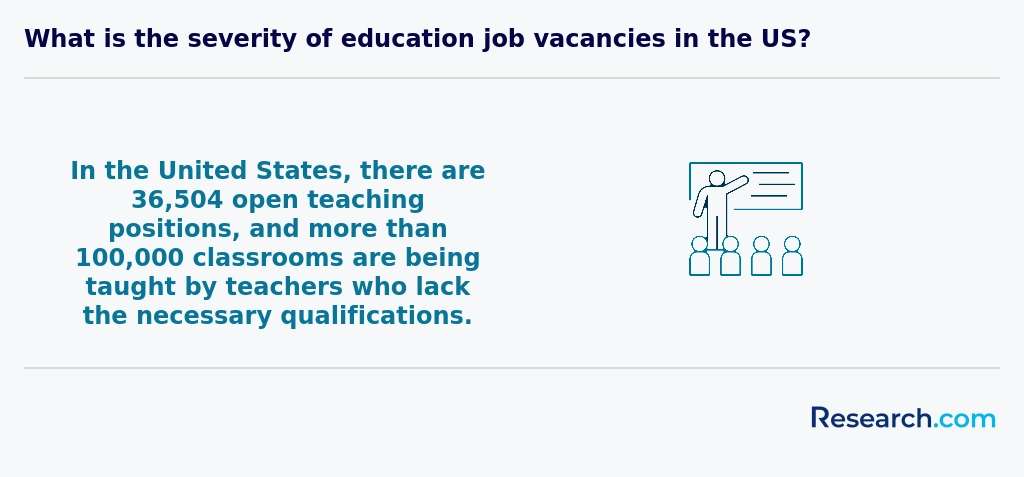
Before committing to an online education degree in Iowa, ensure your program is regionally accredited and meets state licensure criteria. Regional accreditation-typically granted by the Higher Learning Commission (HLC)-validates institutional quality, while programmatically accredited education degrees often carry CAEP or NCATE seals of approval. Graduating from an accredited program is essential for obtaining teacher licensure and securing financial aid. Iowa’s Board of Educational Examiners requires that candidates complete a state-approved teacher preparation program, pass the Praxis exams in content and pedagogy, and fulfill background check requirements. For example, aspiring early childhood educators must complete coursework in child development, literacy, and special education and then apply for the Early Childhood endorsement through the Board. Students interested in this pathway can explore specialized options like Online Bachelor's Degrees in Early Childhood Education to guarantee their coursework aligns with Iowa’s endorsement standards. When comparing programs, verify that your chosen school lists its accreditation status, CAEP or NCATE affiliation, and licensure pass rates. High pass rates and positive accreditation reports not only demonstrate program rigor but also streamline your journey from enrollment to full certification and classroom placement.
Many students pursuing online education degrees in Iowa find federal financial aid to be the most straightforward starting point. For instance, graduates from Iowa State University frequently mention how completing the FAFSA unlocked access to Pell Grants, which for 2023-2024 can cover up to $7,395 without repayment obligations. This aid can significantly ease the cost burden of tuition and materials, making remote study feel achievable rather than overwhelming.
State grants and scholarships, such as the Iowa Vocational-Technical Tuition Grant and the Iowa Tuition Grant, play a vital yet sometimes overlooked role. Graduates of the University of Northern Iowa recall applying early to benefit from these, noting some flexibility for hybrid or predominantly online programs. However, eligibility criteria can vary, so verifying with institutions is crucial.
Institutional scholarships based on merit and need are also key. Many community college graduates share how scholarship awards tied to academic performance or post-graduation teaching commitments helped reduce long-term debt.
Finally, employer tuition reimbursement and federal TEACH Grants offer exceptional opportunities for those aiming to teach in high-need Iowa areas, often providing both financial relief and a clear career pathway.
- Regional accreditation (e.g., Higher Learning Commission) and programmatic accreditation (CAEP or NCATE) validate program quality and rigor.
- Programs must align with Iowa Board of Educational Examiners requirements for state teacher certification.
- Key licensure components include a supervised student-teaching practicum (minimum 12 weeks) and passing relevant Praxis exams.
- Accredited status impacts eligibility for federal financial aid and ensures smooth licensure application.
- Many students begin with an easiest associate degree to get that transfers seamlessly into a bachelor’s education program.
To enroll in an online education degree program in Iowa, candidates typically must hold a recognized high school diploma or GED, a standard requirement at institutions like the University of Iowa or Iowa State University. Many graduates from these programs recall the importance of maintaining a minimum GPA around 2.5, which signals readiness for the academic rigor ahead. While some universities still request SAT or ACT scores, many have adopted test-optional policies to reduce barriers, reflecting a more inclusive approach.
Applicants often prepare by gathering transcripts from all prior schooling, ensuring a clear academic record. For those pursuing graduate degrees, such as a Master of Education, having a completed bachelor's degree-often in education or a related field-is essential. Some graduates have noted that extra steps like prerequisite courses or verified teaching experience were necessary to meet program standards.
Background checks are commonly required, especially for licensure-focused tracks, reflecting Iowa's commitment to safety within its public schools. Personal touches like letters of recommendation and interviews help admissions committees gauge motivation and fit, experiences graduates have found both challenging and rewarding.
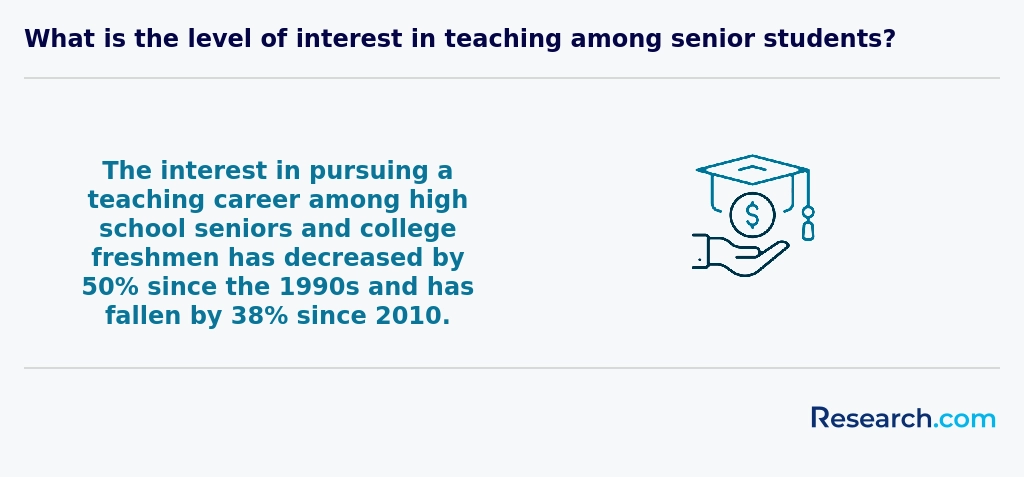
Earning an online education degree is a vital step, but securing state licensure ensures you can teach in Iowa classrooms. Key requirements include:
- Completing an accredited program (look for CAEP or NCATE approval) with a supervised practicum or student teaching experience (minimum 14 weeks).
- Passing the Iowa-required PRAXIS exams: Praxis Core Academic Skills and relevant subject assessments.
- Submitting official transcripts, exam scores, a background check and application to the Iowa Board of Educational Examiners.
- Maintaining licensure through continuing professional development (typically 6 renewal units every five years).
When comparing programs, balance accreditation, clinical experience placements and cost-explore options at most affordable online colleges to find accredited pathways that fit your budget.
Online education degree programs in Iowa typically include courses such as educational psychology, curriculum development, and classroom management. Graduates from well-regarded universities in Iowa often describe how studying educational psychology helped them understand diverse student behavior, which is critical when managing a real classroom. For instance, learners at the University of Iowa have noted that curriculum development classes equipped them to design engaging lesson plans tailored to Iowa's unique educational standards.
Assessment and evaluation courses are crucial, teaching students how to interpret test results and adapt teaching strategies accordingly. Many students from Iowa State University appreciate how these skills translate directly to improving student outcomes, especially when working with mixed-ability groups.
Special education methods and instructional technology are increasingly emphasized, reflecting Iowa's commitment to inclusion and digital integration. Graduates recall using simulated classrooms to practice supporting students with special needs or incorporating technology to enhance interactive learning, experiences that bring theoretical knowledge to life.
Advanced courses in educational leadership offer practical insights into school administration, helping educators envision roles beyond the classroom within Iowa's education system.
Online education degree specializations Iowa students often encounter include Elementary Education, Secondary Education, and Special Education, each catering to distinct career paths within teaching. Graduates from popular institutions like the University of Iowa describe how Elementary Education training gave them confidence managing classrooms of young children, emphasizing foundational skills. Meanwhile, Secondary Education programs provide subject-specific preparation, helping candidates become proficient in math, science, or English teaching at the middle and high school levels.
Special Education, which addresses the needs of students with disabilities, is highly valued in Iowa's schools. Alumni reflect on the rewarding challenges of designing individualized education programs, underscoring the personal growth involved. For those aiming beyond teaching roles, Educational Leadership and Administration prepares candidates for leadership positions such as principals or district administrators, blending theory with practical policy experience.
Other students pursue tracks like Online Bachelor's Degrees in Early Childhood Education or School Counseling, which focus on early developmental support and student mental health, respectively. These education degree programs in Iowa prioritize accessible pathways with flexible online options, helping students balance real-life responsibilities with their career goals.
Choosing the best online education degree in Iowa means weighing practical aspects like accreditation and cost alongside personal circumstances. Graduates from well-known Iowa universities often reflect on the peace of mind gained from programs accredited by recognized bodies such as CAEP and regional agencies. This accreditation not only reassures students of quality but also impacts future licensure and employment opportunities. Those pursuing affordable online teaching degrees Iowa residents find particularly valuable highlight how some institutions keep tuition steady regardless of residency-making education more accessible without sacrificing rigor.
Flexibility is frequently cited by graduates balancing jobs and family. Online programs with asynchronous courses allow them to study evenings or weekends, which reduces stress and supports steady progress. Prospective students should also critically assess how curriculum matches their career goals-whether aiming for K-12 teaching or specialized fields. It helps to hear from peers who praise schools offering strong student services like tutoring, advising, and job placement assistance, which encourage motivation and build confidence.
Understanding total cost involves more than tuition; tech, fees, and materials add up. A helpful resource for comparing programs is the Low Cost Online Master's in Education Degree Programs Ranking in Massachusetts, which offers insights that can inform choices even outside Iowa. By carefully balancing these factors, students find programs that fit their ambitions and lifestyles, ultimately fostering a rewarding educational experience.
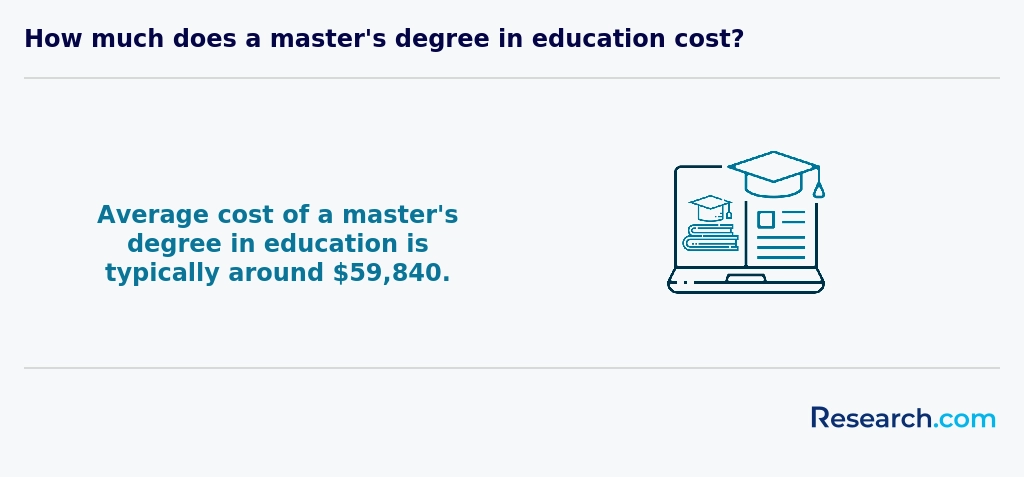
Graduates holding an online education degree in Iowa often find a diverse range of career opportunities within K-12 schools, higher education, and community programs. Many pursue certification to teach in Iowa's public or private schools, where ongoing demand exists in fields like special education and STEM. For example, graduates from well-known universities in Iowa describe their satisfaction in entering classrooms prepared to support diverse student needs. This practical readiness is a crucial advantage when considering online education degree jobs in Iowa.
Beyond traditional teaching, some graduates transition into educational coordinator or curriculum specialist roles, creating training materials that sharpen teaching skills across districts. Others advance into school administration, benefiting from programs offering principal or superintendent endorsements. Education students at prominent Iowa colleges emphasize the rewarding challenge of leadership roles shaping school policy and environment.
Specialized positions such as instructional coaches, education technology coordinators, and adult education instructors also attract graduates seeking varied impacts within the education sector. Those exploring options often find resources detailing the easiest degrees to get online helpful in mapping their path forward.
The online education degree job market Iowa graduates face is characterized by steady demand, especially for those prepared to teach in diverse settings such as traditional K-12 classrooms, adult education, and special education. Graduates from popular programs at Iowa's public universities often share how the flexibility of their online studies helped them maintain jobs while advancing their careers. The projected 5% growth in teaching jobs between 2020 and 2030 suggests cautious optimism, particularly since districts highlight a strong need for special education teachers, a niche where supply lags behind demand.
Many graduates find that local school initiatives to incorporate more technology create rewarding opportunities, especially if their online education degree included hybrid or tech-focused training. However, salary expectations remain modest compared to national figures, with average teaching salaries around $58,000 annually-competitive regionally but requiring realistic career planning. Others note licensure pathways in Iowa ease transitions from online degree completion into certified teaching roles.
For those weighing their options, comparing programs and costs is crucial. Many appreciate that earning an online education degree from institutions listed among the top nationally accredited online universities in Iowa can offer affordable, quality preparation without sacrificing flexibility.
2027 Easiest Online Education Degree Programs Ranking in Iowa
Investing in your education is a significant decision that can shape your future, and the Research.com team understands the importance of making informed choices. To assist prospective students in Iowa, we have meticulously crafted the "2027 Easiest Online Education Degree Programs Ranking in Iowa." Our commitment to quality, credibility, and accuracy is reflected in the extensive research and analysis undertaken to create this ranking.
We utilized the following reputable data sources to ensure a comprehensive evaluation of online education degree programs:
By exploring this ranking, readers will gain valuable insights into accessible and quality online education degree options in Iowa, supporting them in making confident and well-informed educational choices. For more details on our methodology, please visit our Research.com methodology page.




Frequently Asked Questions About education
Online education degree students in Iowa can maximize their learning by actively engaging with course materials and faculty. Research from the Iowa Department of Education highlights that interaction with instructors directly correlates with higher retention rates in online programs. Setting a consistent study schedule helps manage time effectively, especially for working adults balancing multiple responsibilities. Utilizing available resources such as virtual libraries and tutoring services, offered by state universities like the University of Iowa and Iowa State University, further enhances comprehension. Participating in online discussion forums also fosters community and peer support, which improves motivation and knowledge sharing among students.
Emerging niches in Iowa's education field reflect broader national trends while addressing local needs. One growing area is digital and blended learning specialization. With Iowa schools increasingly adopting technology, educators trained in online instructional methods are in demand.
Another niche is special education, focusing on inclusive practices and individualized learning plans. According to the Iowa Department of Education, over 14% of Iowa's public school students receive special education services, highlighting ongoing demand for experts in this field.
Additionally, STEM (Science, Technology, Engineering, Math) education continues to expand, with emphasis on preparing students for evolving careers. Educators qualified to teach integrated STEM curricula through online certifications are highly sought after in Iowa districts.
After earning an online education degree in Iowa, preparing for the job market requires strategic steps. Start by researching Iowa's school districts, as demand for teachers varies by region. The Iowa Department of Education reports a teacher shortage, especially in special education and science, which can guide your specialization choices.
Develop practical skills through student teaching or internships, often part of online programs. These experiences improve your resume and build local connections.
Networking is crucial; join Iowa-specific professional groups such as the Iowa State Education Association. Additionally, ensure your teaching license aligns with Iowa's certification requirements, which can be verified through the Iowa Board of Educational Examiners.
Continuing professional development boosts employability. Consider workshops, webinars, and additional endorsements relevant to Iowa schools.
Employers in Iowa prioritize several key skills when hiring graduates with education degrees. Strong communication abilities are essential, as teachers must effectively engage students, parents, and colleagues. According to the Iowa Department of Education, adaptability and classroom management are equally important, helping educators navigate diverse learning environments and maintain productive spaces.
Data from the National Center for Education Statistics show that proficiency in instructional technology is increasingly valued, especially for those pursuing online or hybrid roles. Critical thinking and problem-solving skills also rank highly, ensuring graduates can address challenges creatively and support student success.
These competencies reflect Iowa's evolving educational landscape, emphasizing practical and interpersonal expertise.
Finding internships in Iowa related to an education degree involves strategic planning and leveraging local resources. Start by exploring connections through Iowa's community colleges and universities offering education programs, as many have partnerships with local school districts. For example, the University of Iowa and Iowa State University often assist students with placements.
Additionally, the Iowa Department of Education provides resources and lists of school districts that participate in internship programs. According to recent state education reports, about 75% of education students secure internships before graduation, emphasizing the importance of early engagement.
Networking with educators and attending career fairs specific to education can increase opportunities. Also, online job boards focused on Iowa's education sector are useful tools for finding updated internship listings relevant to your online degree.
In Iowa, earning an online education degree can significantly enhance career mobility and advancement opportunities. According to the Iowa Department of Education, certified teachers with advanced credentials often earn higher salaries and gain access to leadership roles within schools and districts. Online programs provide flexibility, allowing working educators to pursue degrees without disrupting their current employment. This flexibility can lead to quicker degree completion, enabling faster eligibility for promotions or salary increases.
Data from the National Center for Education Statistics shows that educators with master's degrees or higher in Iowa tend to have lower unemployment rates and greater job stability. Additionally, specialized online education degrees in fields like special education or administration align with state needs, further boosting a graduate's career prospects.
Studying for an education degree in Iowa offers unique preparation for interdisciplinary roles within the U.S. educational system. Iowa's online programs emphasize collaboration across fields such as psychology, technology, and special education. Many universities incorporate courses that focus on diverse learning needs, leadership, and communication skills to prepare graduates for varied responsibilities.
According to the Iowa Department of Education, about 85% of educators work in roles requiring adaptability beyond traditional teaching. Online programs in Iowa often include hands-on projects and virtual practicum experiences that encourage integration of skills from multiple disciplines, helping students handle complex classroom environments and administrative tasks.
Choosing between a thesis and a non-thesis online education degree program in Iowa depends on your career goals and learning preferences. Thesis programs require original research and are suited for students aiming for academic or research roles. Non-thesis options focus more on practical skills and coursework, fitting those seeking classroom teaching or administrative positions.
According to the Iowa Board of Regents, many online education degrees offer both paths. The non-thesis route typically requires fewer credit hours and may be completed faster, which suits working professionals.
Consider your interest in conducting research and your time availability when deciding.
Students based in Iowa who want to study education abroad have several options through online partnerships and exchange programs offered by Iowa universities. Many Iowa institutions, such as the University of Iowa, participate in global education alliances that allow students to earn credits internationally while completing an online education degree.
These programs typically combine remote coursework with short-term study abroad experiences, providing cultural exposure without interrupting degree progress. According to the Iowa Board of Regents, about 15% of education majors engage in study abroad or international internship opportunities during their programs.
Additionally, some Iowa colleges offer joint degrees or certification pathways that integrate international education standards, helping students qualify for teaching roles worldwide.
In Iowa, part-time jobs that complement an education degree include roles such as teacher aides, substitute teachers, and tutors. These positions provide practical experience working with students and help build classroom management skills. According to the Iowa Department of Education, there is a steady demand for substitute teachers, especially in rural districts, making it a viable option for education students. Additionally, tutoring services in subjects like math and reading are growing, supported by Iowa's focus on improving literacy rates.
Gaining experience in these roles while studying online offers flexibility and strengthens resumes, increasing employment prospects after graduation.
Online education students in Iowa have several networking opportunities designed to enhance their academic and professional growth. Many Iowa institutions, like the University of Iowa and Iowa State University, offer virtual events and forums that connect students with faculty, alumni, and peers. These platforms encourage collaboration on projects and provide mentorship possibilities.
Additionally, professional organizations such as the Iowa Education Association provide online networking events and webinars tailored for education students. According to the Iowa Department of Education, such connections can significantly increase job placement rates after graduation.
Students are also encouraged to join local education groups on social media and participate in regional conferences, even virtually, to expand their professional circles.
Alumni networks play a crucial role for online education degree students in Iowa by providing access to valuable professional connections. Many Iowa universities, such as the University of Iowa and Iowa State University, maintain robust alumni associations that help graduates find job opportunities and mentorship. According to the Iowa Department of Education, nearly 70% of graduates secure employment within six months through these networks.
These networks also support career development by offering workshops, job fairs, and online forums specifically tailored for education professionals. For online students who may lack in-person campus experiences, alumni networks help build community and peer support across the state.
Moreover, alumni often provide insights into local school districts and licensure processes in Iowa, enhancing students' understanding of their future career paths. This local guidance is essential since state-specific certification standards apply to education professionals in Iowa.
In Iowa, customizing your online education degree to match career goals involves selecting specific concentrations or endorsements. Many universities offer options such as special education, literacy, or administration tracks. This flexibility allows you to focus on areas aligned with your professional interests. For example, the Iowa Department of Education highlights that educators with specialized endorsements often have better job prospects and salary potential.
Students can also choose part-time or accelerated formats to fit their schedules. Elective courses allow tailoring skills toward roles like curriculum design or educational technology. Additionally, internship opportunities and practicum placements through Iowa schools support hands-on experience relevant to your focus area, enhancing employability upon graduation.
Online education students in Iowa often face challenges related to technology access and digital literacy. Although Iowa has improved broadband coverage, rural areas still experience connectivity issues, affecting remote learning quality, according to the Iowa Communications Network.
Another common difficulty is time management. Many students juggle work, family, and study, which can cause stress and impact their academic progress.
Additionally, students sometimes feel isolated due to limited face-to-face interaction. This can affect motivation and engagement, as noted by the National Survey of Student Engagement.
Lastly, navigating financial aid and understanding degree transfer policies pose challenges for some students seeking an online education in Iowa.
With an online education degree in Iowa, you can pursue several professional certifications that enhance your teaching credentials. Common certifications include the Iowa Teaching License, which is required for most public school teachers in the state. This license often requires passing the Iowa Tests of Basic Skills and the edTPA performance assessment.
Additionally, educators can seek endorsements in areas like special education, instructional coaching, or English as a Second Language (ESL). The Iowa Board of Educational Examiners provides detailed requirements for these endorsements.
For career advancement, many also pursue National Board Certification, a prestigious credential recognized nationally. According to the Iowa Department of Education, earning such certifications can improve job prospects and salary potential.
To write a winning application for an online education program in Iowa, start by thoroughly researching the specific requirements of your chosen institution. Many Iowa colleges and universities, including the University of Iowa and Iowa State University, require a clear statement of purpose that explains your goals and motivation for pursuing an education degree online.
Highlight any relevant experience working with children or in educational settings, as Iowa values practical knowledge for teaching roles. Ensure your transcripts demonstrate strong academic performance; Iowa's Board of Educational Examiners often expects a minimum GPA of 3.0 for licensure programs.
Include letters of recommendation from supervisors or professors familiar with your skills. Tailoring your application to reflect Iowa's educational standards and goals increases your chances of acceptance.
Global perspectives on an education career often highlight the importance of adaptability and cultural awareness. In the US, including Iowa, education degrees emphasize preparing teachers to meet diverse student needs and global standards. According to the Iowa Department of Education, about 85% of new teachers in Iowa hold at least a bachelor's degree, reflecting strong professional standards.
Internationally, the teaching profession is respected but varies widely in requirements and salaries. US educators are encouraged to adopt global teaching methods such as collaborative learning and digital literacy. These skills are crucial as classrooms become more diverse and connected worldwide.
Students pursuing an online education degree in Iowa can gain practical experience through local school partnerships and student teaching placements. Many Iowa universities collaborate with public schools to help online learners complete required internships or practica.
The Iowa Department of Education emphasizes hands-on experience as key to teacher preparation, often requiring a certain number of supervised hours in classroom settings.
Additionally, students might participate in virtual simulations or remote mentoring programs, especially when in-person opportunities are limited. These methods build real-world skills alongside theoretical study.
According to the Iowa Board of Educational Examiners, completing a state-approved practical experience component is mandatory for licensure, ensuring that graduates are prepared for Iowa classrooms.
Choosing the right concentration within an online education degree program in Iowa depends on your career goals and the local job market. Iowa's Department of Education highlights that special education, early childhood education, and secondary education are among the fastest-growing fields in the state. Consider which age group or subject you prefer to teach, as many programs offer concentrations tailored to those areas.
Review course offerings carefully, as each concentration focuses on different skills. For example, special education prepares you to work with diverse learners, while curriculum development suits those interested in educational planning. Also, look for programs accredited by the Council for the Accreditation of Educator Preparation (CAEP), common in Iowa universities.
Checking job placement rates in Iowa for graduates in specific concentrations can provide more insight. The Iowa Workforce Development reports steady demand for educators in STEM and language arts, which might influence your decision.
- 2027 Easiest Online Education Degree Programs Ranking in Nebraska
- 2027 Easiest Online Education Degree Programs Ranking in Missouri
- 2027 Easiest Online Education Degree Programs Ranking in Kansas
- 2027 Easiest Online Education Degree Programs Ranking in Indiana
- 2027 Easiest Online Education Degree Programs Ranking in Michigan
- 2027 Easiest Online Education Degree Programs Ranking in Kentucky
- 2027 Easiest Online Education Degree Programs Ranking in Arkansas
- 2027 Easiest Online Education Degree Programs Ranking in Tennessee
- 2027 Easiest Online Education Degree Programs Ranking in Colorado
- 2027 Easiest Online Education Degree Programs Ranking in West Virginia
See What Experts Have To Say About Studying Education
Read our interview with Education experts


Alan J. Singer
Education Expert
Professor of Teaching, Learning and Technology
Hofstra University

- Four Key Experiences Shape Iowa Student Perceived ... https://news.gallup.com/poll/709439/four-key-experiences-shape-iowa-student-perceived-readiness.aspx
- Education Success https://www.unitedwaydm.org/united-thrive/education-success
- Average Cost of Online College [2026]: Yearly Tuition + Fees https://educationdata.org/average-cost-of-online-college
- Become an Educator - Iowa Department of Education https://educate.iowa.gov/pk-12/educator-quality/become-educator
- Online Colleges in Iowa https://www.oedb.org/iowa/
- Blog: Why More Iowa Students Are Choosing Community ... https://iowalakes.edu/blog-why-more-iowa-students-are-choosing-community-college-first/
- Education Jobs on IowaWORKS | Iowa Workforce Development https://workforce.iowa.gov/jobs/openings/education-jobs
- NCC Ranked #3 in Iowa for Online Learning by University ... https://nwicc.edu/ncc-ranked-3-in-iowa-for-online-learning-by-university-magazine/
- Future Ready https://www.gpaea.org/educators/curriculum-instruction/future-ready/
- How to Become a Teacher in Iowa https://www.educationdegree.com/states/iowa/