
2027 Most Affordable Education Degree Programs Ranking in Denver

Co-Founder and Chief Data Scientist
Choosing the right education degree program can shape your future and open doors to rewarding career opportunities. For students in Denver, finding affordable options without sacrificing quality is essential.
This article introduces the 2027 Most Affordable Education Degree Programs Ranking in Denver, developed by the Research.com team of data scientists. It offers clear insights to help you make an informed decision about which programs are truly worth considering.
By exploring this ranking, you'll discover options that fit your budget and goals, empowering you to start a fulfilling journey in education with confidence.
Key benefits of getting education degree in Denver
- Graduates with an education degree in Denver can expect competitive salaries; for example, Special Education Teachers earn around $76,000 annually, and Instructional Designers make about $77,200 per year, offering financial stability.
- Career paths for education degree holders are diverse, including roles like Elementary School Teacher or ESL Teacher, allowing graduates to impact different student groups and thrive in various educational settings.
- Obtaining an education degree online from a Denver university offers flexibility and convenience, making it easier for busy adults to balance work and study while gaining valued credentials just like traditional students.
- 2027 Most Affordable Education Degree Programs Ranking in Denver
- What can I expect from education degree in Denver?
- Where can I work with education degree in Denver?
What can I expect from education degree in Denver?
Studying education in Denver offers both excitement and affordability for aspiring teachers. On average, public institutions here charge about $12,000 per year for in-state tuition, making programs accessible without weighing down your finances. Many graduates from local universities and colleges describe finding great value in nearby community colleges or online courses that offer flexible schedules and lower tuition costs, helping them balance studies with life's other adventures.
One graduate shared how affordable tuition allowed her to focus on gaining hands-on teaching experience in Denver Public Schools instead of worrying about overwhelming debt. With scholarships and grants frequently available, especially for future educators, students often feel encouraged and supported throughout their educational journey.
These financial benefits, paired with Denver's rich, multicultural classroom settings, create an ideal environment where you can immerse yourself fully in learning and growing. Exploring education here means embracing a path where cost, quality, and opportunity align beautifully.
Where can I work with education degree in Denver?
Graduates from education programs at the University of Colorado Denver or Metropolitan State University of Denver often find themselves stepping into dynamic classrooms across the city, from bustling public schools to nurturing private institutions. Imagine beginning your day with young learners in Denver Public Schools, where over 12,000 educators shape the future of nearly 90,000 students-a truly inspiring setting to grow as a teacher.
Others discover thrilling leadership roles as assistant principals or district coordinators, navigating the vibrant world of school administration fueled by Denver's commitment to equity and inclusion. Some graduates take their passion beyond K-12, joining early intervention programs or designing innovative curricula that make learning exciting and accessible for all students.
Education majors also treasure their chances to impact higher education institutions or youth-focused nonprofits, coordinating programs that spark curiosity and growth outside the traditional classroom. These broad career paths mean every graduate's journey can unfold in unique, rewarding ways throughout Denver's rich educational landscape.
Graduates with an education degree in Denver often find themselves stepping into rewarding roles that offer solid earning potential. For example, many graduates from well-known local institutions like the University of Denver start as elementary school teachers earning around $70,740 annually, diving into classrooms where every day brings new discoveries. Those who channel their passion into special education roles are looking at an average salary near $76,000, reflecting the specialized skills that make a real difference in student lives.
Meanwhile, ESL teachers in Denver, often employed by community-focused schools, earn approximately $65,430 per year. This role offers a unique opportunity to connect with diverse students and cultures while earning a competitive wage. Early childhood educators, who nurture the youngest learners in city preschools or learning centers, can expect about $41,410 annually, laying the foundation for future education careers.
Instructional designers, often working behind the scenes at local colleges or educational nonprofits, earn roughly $77,200, crafting engaging curricula that excite both students and teachers. Denver graduates often share stories of exciting, hands-on learning experiences tied to these career paths, enhancing their confidence as they enter the workforce.
- The average total cost for a bachelor's degree in education in Denver ranges from $25,000 to $40,000 for in-state students, including tuition, fees, and supplies.
- Key universities offering education programs include Metropolitan State University of Denver and the University of Colorado Denver, with licensure preparation for Colorado teacher certification.
- Starting salaries for entry-level teachers in Denver average around $47,000 per year, higher than the national average for new educators.
- Experienced teachers can earn between $70,000 and $75,000 annually, especially with advanced qualifications.
- The Colorado Department of Education projects a 10% increase in teaching job demand over the next decade due to population growth and retirements.
- Specializations like special education and bilingual education have higher demand and better employment opportunities in Denver public schools.
In Denver, earning an education degree is an exciting journey that typically takes about four years for a bachelor's degree when studying full-time at institutions like the University of Denver or Metropolitan State University of Denver. Many graduates cherish the balance they found between rigorous coursework and engaging field experiences, which helped them grow both personally and professionally.
For those pursuing a master's in education, the timeframe is often one to two years, with flexible part-time schedules or accelerated programs available to accommodate working professionals. Imagine attending evening classes after your day job, gradually building expertise while staying connected to life outside school-a common path for Denver's part-time students.
Doctoral degrees in education might span anywhere from three to six years, inviting ambitious learners to dive deep into research and educational leadership. Graduates from local universities embarking on this journey often highlight the thrill of discovery and the challenges of balancing intense study with personal commitments.
Whether studying full-time, part-time, or blending online coursework, Denver's education students find their own rhythms, crafting unique educational adventures tailored to their lives.
Denver’s education landscape is evolving rapidly in response to technological advancements and shifting student needs. Forward-thinking programs are now integrating digital tools, innovative pedagogies, and flexible learning models to better prepare educators for an ever-changing classroom environment. In particular, there is a growing emphasis on hybrid learning solutions that combine the interactivity of traditional classrooms with the convenience of online platforms. This trend not only enhances the learning experience but also broadens the reach of quality education across diverse communities. Educators are adapting by incorporating emerging technologies-such as virtual classrooms, AI-assisted learning, and interactive digital resources-to foster engaging and personalized educational experiences. These advancements are driving demand for professional development opportunities that equip teachers with the skills to integrate new technologies into their curricula effectively. Prospective students and professionals interested in these innovative trends can explore options like most affordable online master's degrees in library science, which reflect a broader commitment to making education both accessible and forward-looking. As Denver continues to be a hub for educational innovation, staying informed about these trends can empower both students and teachers to navigate their careers successfully, ensuring they remain competitive in an increasingly digital and interconnected world.
Choosing between online and on-campus education degrees in Denver unlocks two very different adventures. Imagine walking through the vibrant halls of the University of Denver, meeting professors face-to-face, joining lively study groups, and gaining hands-on classroom experience in nearby Denver Public Schools. These on-campus moments offer rich personal connections and a structured rhythm that many graduates treasure.
On the flip side, picture yourself studying from home with Metropolitan State University of Denver's online program, juggling family life or a job while accessing lectures anytime. The flexibility is a game-changer for many; asynchronous classes let you learn at your own pace, without missing a beat in your busy life. Plus, local practicum opportunities ensure you still get valued in-classroom teaching experience close to home.
Both paths prepare Denver students to step confidently into Colorado's teaching workforce, but deciding hinges on whether you crave campus camaraderie or the freedom to shape your own schedule.
Understanding the true value of an education degree means comparing your total investment against the earnings you’ll generate early in your career. By quantifying average costs, expected salaries, and payback timelines, you can make an informed choice about where and how to study in Denver.
Average Total Investment:
• In-State Public Bachelor’s: ~$108,584 total (tuition + fees + room & board)
• Out-of-State Public Bachelor’s: ~$182,832 total
• Private Nonprofit Bachelor’s: ~$234,512 total
• Community College (Associate): ~$34,878 total
Starting Salaries by Role:
• ESL Teacher: $63,130/year (≈$5,260/month)
• Instructional Designer: $73,080/year (≈$6,090/month)
• Early Childhood Educator: $38,640/year (≈$3,220/month)
Estimated Payback Period:
• In-State Bachelor’s: 1.8–2.5 years*
• Out-of-State Bachelor’s: 3.0–3.5 years*
• Private Bachelor’s: 3.5–4.5 years*
• Associate Degree Pathway: <1 year*
*Assumes dedicating 15–20% of gross monthly income to loan repayment.
For prospective master’s candidates seeking even greater affordability, our sister ranking on online programs offers a benchmark comparison. Explore the Cheapest Online Master’s in Education Degree Programs Ranking in Indiana to see how Denver’s offerings stack up against national online options.
Discovering the average cost of education degree programs in Denver reveals a journey filled with both opportunity and careful planning. Graduates from public universities in Denver often recall paying around $11,124 in tuition annually as in-state students-a figure that serves as a beacon for those seeking quality education without overwhelming debt. Out-of-state students, however, navigate a higher terrain, with costs climbing significantly, reflecting the broader experience of pursuing education from afar.
The vibrant academic life at institutions like the University of Colorado Denver showcases that while tuition is a central figure, many students embrace additional expenses such as textbooks, student fees, and transportation as part of their educational adventure. These elements shape the full picture of total tuition and fees for education degrees Denver learners encounter, painting a realistic map of the financial commitment ahead.
For many who wish to explore all their options, private colleges in the city offer specialized education paths that come with steeper price tags but also rich opportunities. Yet, financial aid and scholarships lighten the load significantly, making these programs accessible to dreamers and doers alike. Those curious about options often delve into listings of the most affordable education schools in Colorado, unlocking pathways suited to diverse budgets and ambitions.

When selecting an Education degree program in Denver, CO, ensuring the institution holds proper accreditation is paramount for meeting state and federal standards. In Colorado, the Colorado Department of Education (CDE) requires completion of a program accredited by the Council for the Accreditation of Educator Preparation (CAEP) or the predecessor National Council for Accreditation of Teacher Education (NCATE). Accredited programs undergo rigorous evaluation of curriculum quality, clinical experiences, faculty credentials, and student outcomes, guaranteeing that graduates are well-prepared for the classroom and eligible for licensure. Beyond institutional accreditation, aspiring teachers must navigate Colorado’s educator licensure process, which includes passing the appropriate Praxis exams and the edTPA performance assessment. Candidates must submit official scores and complete a fingerprint-based background check through the CDE. Specific endorsements-such as Early Childhood, Elementary, Secondary, or Special Education-require tailored coursework and practicum hours. Many programs integrate these licensure requirements into their curricula, streamlining the path to earning a Colorado teaching license. Maintaining certification in Colorado involves ongoing professional development and renewal every five years, which may include completing graduate-level coursework or accruing professional development clock hours. For students considering flexible learning formats, it’s crucial to verify that online or hybrid programs meet both CAEP accreditation and CDE approval. If you’re exploring comparable affordable graduate pathways outside Colorado, our Cheapest Online Master’s in Education Degree Programs Ranking in Indiana can help identify accredited options that align with state certification requirements.
When diving into an education degree in Denver, financial aid feels like discovering hidden treasures that make the journey exciting and achievable. Many students find relief through federal aid like the FAFSA, unlocking Pell Grants that can offer up to $7,395 each year without worry of repayment. Imagine a graduate from Metropolitan State University of Denver who confidently pursued teaching because that support eased tuition concerns.
State programs add another layer of support. The Colorado Graduate Grant and the College Opportunity Fund (COF) bring direct tuition savings, perfect for University of Colorado Denver students eager to reduce costs while focusing on impactful teaching careers. These aid options transform daunting price tags into manageable investments.
Beyond these, teacher-specific aid programs such as the TEACH Grant reward commitments to high-need fields, offering up to $4,000 annually. Graduates share stories of how loan forgiveness programs opened doors to public school careers, making their passionate work feel supported every step of the way.
To top it off, work-study positions and tuition reimbursement from employers create real-world pathways where students earn while they learn, sometimes through internships linked to local Denver schools. The financial aid landscape here isn't just assistance-it's a key to unlocking your teaching future.
Understanding the return on investment (ROI) of an education degree in Denver, CO, is essential for making informed decisions about your financial and professional future. While average tuition for in-state students at public four-year universities is approximately $9,573 per year (totaling about $38,292 over four years after room and board), graduates can expect starting salaries that help offset this investment within a reasonable timeframe. For example: • ESL teachers with a mean annual wage of $63,130 may recoup undergraduate costs in under five years, assuming standard living expenses and no additional debt. • Instructional designers earning around $73,080 annually typically experience a shorter payback period-often three to four years-especially when factoring in employer‐sponsored professional development. • Early childhood educators, with a median salary of $38,640, may see a longer ROI horizon of five to six years but often benefit from state-backed loan forgiveness programs for working in underserved communities. To maximize ROI, prospective students should compare program costs against projected earnings, graduation rates, and licensure pass rates. Additionally, exploring alternative delivery models-such as accelerated online master’s degrees-can reduce both tuition and time to completion. For those seeking more budget-friendly graduate pathways, examine our Cheapest Online Master's in Education Degree Programs Ranking in Indiana for comparative insights on how online formats enhance affordability without sacrificing quality.
To embark on the thrilling journey of an education degree in Denver, you'll first need a high school diploma or GED. Imagine walking through the halls of Metro State University of Denver, where graduates eagerly recall submitting their official transcripts and meeting a friendly 2.5 GPA requirement. For those setting sights higher, like pursuing a Master of Education, a bachelor's degree is your ticket in-many local programs appreciate diverse backgrounds, welcoming career changers with open arms.
Standardized tests may still peek into your application, though recent shifts at University of Colorado Denver mean some programs waive SAT, ACT, or GRE scores altogether, easing entry for many hopefuls.
- Letters of recommendation from mentors who've witnessed your growth add personal flair to your application.
- Sharing your passion through personal statements lets your motivations shine brightly.
- Background checks and fingerprinting protect Denver's youngest learners, ensuring every future teacher is ready and trusted.
- Volunteer stints in classrooms echo strongly on your resume, reflecting real commitment beyond books.
Pursuing a career in education in Denver, CO, offers numerous opportunities for professional growth and advancement. With the city's emphasis on quality education, educators can find fulfilling roles that align with their passions and skills. For those interested in advancing their careers, exploring options like instructional design or educational leadership can be beneficial. Additionally, graduates can consider furthering their education by researching most affordable education schools in colorado, which can provide a competitive edge in the job market. This edge is crucial as the education sector continues to evolve, with a growing demand for professionals who can integrate technology into educational settings, creating innovative learning experiences for students.
Diving into an education degree in Denver means engaging with courses that truly prepare you for the dynamic world of teaching. Imagine stepping into a classroom at a popular Denver college, where foundational classes like Education Theory unfold stories of how schools evolved and how diverse classrooms thrive today. Graduates often recall how Educational Psychology brought insights into understanding student behavior, making learning feel like an exciting puzzle to solve.
Hands-on courses like Curriculum Design and Assessment invite you to craft lesson plans that ignite curiosity, while Instructional Technology equips you with cutting-edge tools to captivate today's digital-native students. Classroom Management strategies prepare you to create supportive environments, vital in vibrant Denver schools where diversity and inclusion shine.
Special Education and Methods of Teaching deepen your skills for tailored student needs, often recalled fondly by graduates who felt empowered to make a real difference. The journey culminates in practicum experiences within local Denver school districts, turning theory into inspiring real-world teaching adventures that fuel passion and confidence.
Imagine diving into an education degree in Denver and discovering a world of specializations that shape your future as an educator. Many graduates from Denver's renowned universities find themselves drawn to Early Childhood Education, where they learn to nurture young minds from birth to age eight-a perfect fit given the city's growing community of young families. Others explore Elementary Education, embracing Denver's rich cultural diversity to develop inclusive teaching strategies that resonate with a multicultural classroom.
For those who thrive on subject-specific challenges, Secondary Education offers pathways in math, science, English, or social studies, all while preparing for vital state licensure requirements. Denver's programs also inspire students to specialize in Special Education, embracing adaptive technologies and strategies that open doors for students with disabilities. Curious minds may venture into Educational Leadership, combining policy understanding and administrative skills to influence schools from behind the scenes.
Graduates often share how niche tracks like Curriculum and Instruction or English as a Second Language deepen their ability to connect in diverse urban schools. If affordability is key, Denver's options include most affordable online master's degrees in library science, complementing the rich choices in education degree specializations in Denver and showcasing Denver affordable education degree programs.
Choosing the best education degree in Denver is like setting out on a personal quest, where your goals and passions chart the path. Many graduates from the University of Colorado Denver and Metropolitan State University of Denver have excitedly discovered which specialization-whether elementary education, educational leadership, or special education-resonates most with their ambitions. Imagine stepping into energetic classrooms or community centers where hands-on experiences, like student teaching, turn theoretical knowledge into meaningful impact. Denver's unique blend of quality programs coupled with affordable tuition makes this journey exciting, especially when you consider the competitive tuition costs that make affordable education degree programs Denver truly accessible.
One graduate fondly recalls the relief of finding programs accredited by the Council for the Accreditation of Educator Preparation (CAEP), knowing their hard work would count nationwide. Meanwhile, balancing a part-time job is easier with online or hybrid formats offered by local colleges. For those exploring options without breaking the bank, don't miss checking out the Cheapest Online Master's in Education Degree Programs Ranking in Indiana as inspiration for affordability paired with quality.
Graduates with an education degree in Denver find a vibrant landscape of career paths brimming with opportunity. Many step into teaching jobs for education graduates Denver, working as K-12 classroom teachers in bustling Denver Public Schools, where they inspire young minds in STEM, special education, or bilingual programs. Those who studied at Metropolitan State University of Denver or University of Colorado Denver often share stories of their first rewarding year in classrooms, feeling both challenged and energized by the urban school environment.
But education degree career opportunities in Denver don't stop at teaching. Some graduates explore leadership roles like school administrators or instructional coordinators, shaping the future of education with innovative programs. Others dive into educational technology, a field growing rapidly thanks to local investments in tech integration since 2020. Imagine crafting digital lessons that spark curiosity across diverse classrooms!
For those drawn to community impact, Denver's nonprofits offer fulfilling roles in youth development and adult education, broadening the reach of education beyond traditional schools. With affordable tuition at local universities, many take advantage of pathways such as the Cheapest Online Master's in Education Degree Programs Ranking in Indiana to deepen their expertise while staying connected to Denver's dynamic educational scene.
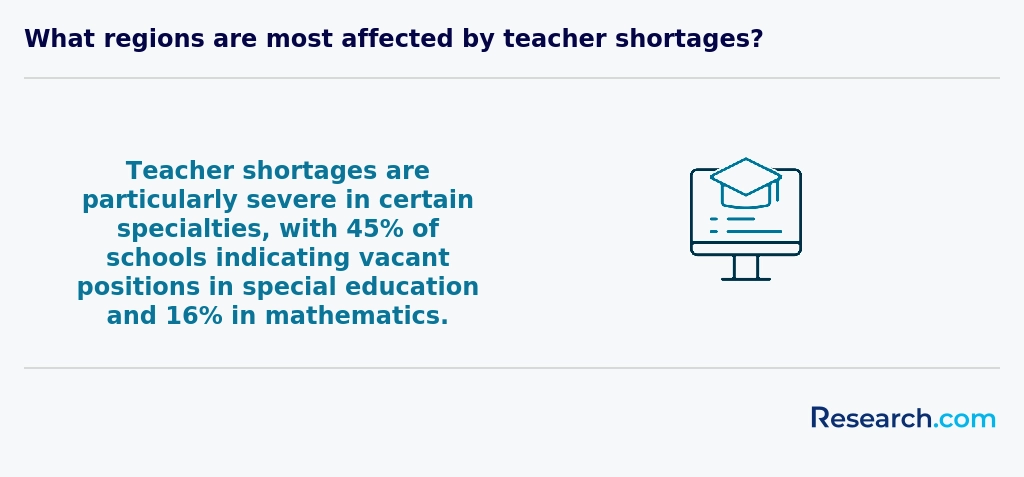
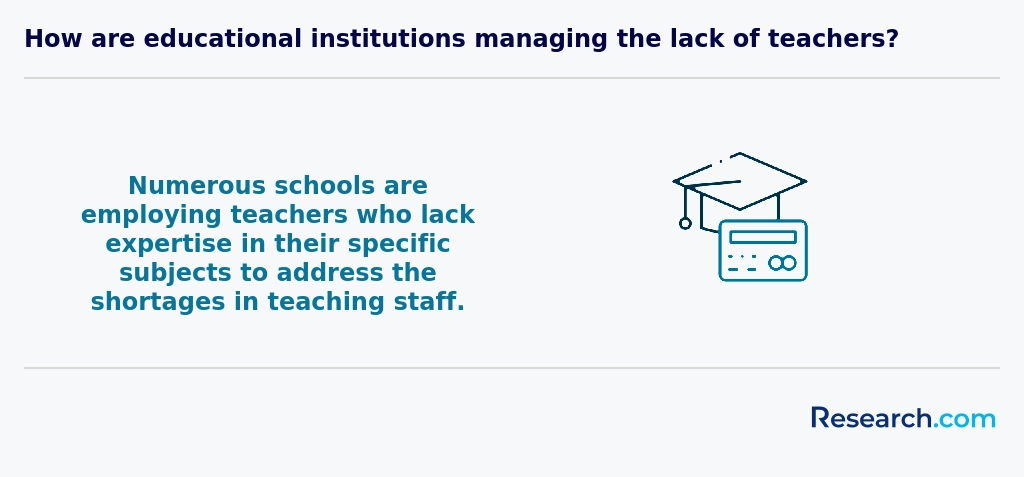
The education degree job market Denver offers feels vibrant and full of promise for new graduates stepping into the teaching world. Those emerging from popular institutions in the city often share stories of quickly finding roles in public K-12 schools, especially in high-demand subjects like math, science, and bilingual education. Imagine a recent graduate from Metropolitan State University of Denver, ready to inspire students in underserved neighborhoods where shortages create a real need for passionate educators.
Teaching career opportunities in Denver extend beyond classrooms, too. Graduates frequently explore roles in administration, counseling, or innovative educational technology programs, reflecting a dynamic landscape that welcomes versatile skills. Denver's commitment to supporting new teachers through residency and professional development programs makes the journey even more manageable and exciting. Many also appreciate the state's Educator License Reciprocity, a practical benefit smoothing transitions if you have credentials from elsewhere.
Costs for earning your education degree here align with national averages, and scholarships often help ease the financial load. For those eager to accelerate their path, exploring a top associate's degree in 6 months nearby might add a smart stepping stone on your way.
2027 Most Affordable Education Degree Programs Ranking in Denver
Investing in your education is a significant decision that can shape your future, and the Research.com team understands the importance of making informed choices. To assist prospective students in Denver, we have meticulously developed the "2027 Most Affordable Education Degree Programs Ranking in Denver." Our commitment to quality, credibility, and accuracy is demonstrated through rigorous research and thorough analysis to ensure this ranking provides reliable and useful guidance.
We utilized the following reputable data sources to ensure a comprehensive evaluation of affordable education degree programs:
By exploring this ranking, readers will gain valuable insights into affordable options for education degrees in Denver, helping them make informed and confident decisions about their academic paths. For more details on our methodology, please visit our Research.com methodology page.
# 1 position
Colorado State University Global
Master of Education

# 3 position
University of Colorado Denver/Anschutz Medical Campus
Doctor of Education in Leadership for Educational Equity
# 4 position
University of Colorado Denver/Anschutz Medical Campus
Bachelor of Arts in Education and Human Development, Elementary


Frequently Asked Questions About education
Education degree students in Denver can maximize their learning experience by actively engaging with local school districts for hands-on practicum opportunities. Denver Public Schools, serving over 90,000 students, offers partnerships that help future teachers apply theory in real classrooms. Additionally, leveraging resources from institutions like the University of Denver and Metropolitan State University of Denver provides access to experienced faculty and research centers focused on urban education challenges. Students should also participate in local education workshops and professional organizations such as the Colorado Education Association to build networks and stay updated on teaching innovations.
Emerging niches within the education field in Denver reflect broader national trends while addressing local community needs. One notable growth area is special education, driven by increased demand for inclusive classrooms and specialized support. According to the Colorado Department of Education, enrollment in special education programs rose by 5% over the past three years.
Another important niche is educational technology. Denver's schools are investing in digital learning tools, creating a need for educators trained in technology integration and instructional design. Additionally, bilingual education and English as a Second Language (ESL) teaching remain vital due to Denver's diverse population, which includes a growing Hispanic community.
Finally, early childhood education continues to expand, supported by state funding initiatives aimed at improving access and quality. These niches offer promising career paths for education degree candidates in the Denver area.
Graduates with education degrees in Denver can enhance their job market readiness by gaining practical experience through student teaching or internships, which are often required in Colorado's licensure process. Networking with local school districts and education organizations like the Colorado Education Association provides valuable contacts and job leads.
Understanding Denver Public Schools' hiring trends is essential, as they are the largest district in Colorado and frequently recruit educators. According to the Colorado Department of Education, demand for teachers in special education and STEM subjects is increasing.
Additionally, obtaining a Colorado teaching license by passing the required Praxis exams and completing competency assessments is critical before seeking employment.
Continuing education and professional development can further enhance job prospects in Denver's competitive education sector.
Employers in Denver highly value education degree graduates who demonstrate strong classroom management skills. According to the Colorado Department of Education, effective management correlates with improved student outcomes across the state.
Communication abilities are also crucial, enabling graduates to engage with students, parents, and colleagues effectively. The Denver School District emphasizes this skill in their hiring practices.
Adaptability is another key trait, as educators often need to adjust to diverse learning environments and evolving curricula. Data from the National Center for Education Statistics highlights that teachers in urban areas like Denver must be prepared for varied student needs.
Lastly, proficiency in educational technology is increasingly important, with nearly 70% of Denver schools integrating digital tools into daily teaching.
Finding internships in Denver relevant to an education degree involves connecting with local schools, universities, and educational organizations. Many institutions such as the University of Colorado Denver and Metropolitan State University offer internship placement programs supporting education students.
The Denver Public Schools district frequently posts internship opportunities for aspiring teachers and education professionals. These internships provide hands-on classroom experience crucial for licensure and career development.
Additionally, websites like Handshake and internships.com often list education internships available in Denver. Networking through local education conferences or events organized by the Colorado Education Association can also increase access to internships.
Students should start early, prepare tailored resumes, and contact program coordinators to improve their chances of securing positions.
In Denver, holding an education degree significantly enhances career mobility and advancement opportunities in the local job market. According to the Colorado Department of Education, educators with at least a bachelor's degree earn 15% more on average than those without. Moreover, advanced degrees such as a master's or educational specialist credentials often qualify candidates for leadership roles, including administration and curriculum development.
The Denver Public Schools district prioritizes higher education credentials when promoting teachers to specialist or managerial positions. This means degrees are critical for upward movement within educational institutions. Additionally, Denver's growing population and emphasis on quality education have increased demand for qualified educators with formal degrees.
Graduates can also explore diverse roles beyond traditional teaching, such as educational consulting and training specialists, which require formal credentials and offer higher salaries. Data from the U.S. Bureau of Labor Statistics supports that educators with degrees tend to experience lower unemployment and better job security in Colorado's evolving education sector.
Studying for an education degree in Denver equips students with versatile skills essential for interdisciplinary roles. Denver's universities emphasize collaboration across fields such as psychology, social work, and technology, reflecting the city's diverse community needs. This approach prepares graduates to address complex educational challenges, integrating knowledge from multiple disciplines.
According to the Colorado Department of Higher Education, many programs in Denver embed courses on inclusive education and learning technologies, enhancing adaptability in various professional settings. Furthermore, partnerships between schools and local organizations create real-world opportunities for practical experience, fostering cross-sector competencies. This comprehensive training strengthens graduates' ability to innovate in evolving educational landscapes.
When choosing between a thesis and a non-thesis education degree program in Denver, consider your career goals and learning preferences. Thesis programs typically involve original research and a formal written thesis, ideal for students aiming for doctoral studies or academic roles.
Non-thesis programs often focus on practical skills through coursework and sometimes a capstone project, better suited for those seeking immediate employment in teaching or administration.
According to the Colorado Department of Higher Education, Denver institutions offer about 40% of education master's graduates in non-thesis tracks, reflecting career-oriented demand.
Review the curriculum details and available faculty support to decide which path aligns with your professional ambitions.
Students in Denver seeking education degrees with an international perspective have multiple pathways to study abroad. Many institutions in Denver, including the University of Denver, offer partnerships with overseas universities allowing students to earn credit while experiencing global education systems. According to the Institute of International Education, over 20,000 U.S. education students participated in study abroad programs in 2022, signaling growing interest.
Programs often include short-term faculty-led trips, semester exchanges, or internships abroad, targeting countries with established education frameworks like the U.K., Australia, and Germany. These options help Denver students deepen cultural competence and pedagogical skills.
Financial aid and scholarships specifically for education majors are frequently available to reduce costs. Students are encouraged to work closely with their academic advisors and their school's international office to navigate eligibility and program specifics effectively.
Students pursuing an education degree in Denver have access to several part-time job opportunities that can enhance their academic experience and career prospects. Common roles include teacher's aides, tutors, and after-school program assistants. These positions provide hands-on experience in classroom management and instructional strategies.
The Denver Public Schools system, one of the largest in Colorado, frequently employs paraprofessionals, which can be valuable for education students to build practical skills. According to the Colorado Department of Education, over 90,000 students are enrolled in Denver-area schools, creating ongoing demand for academic support roles.
Additionally, local libraries and community centers often offer tutoring and mentoring positions, which improve communication and leadership abilities. These jobs enable students to apply their theoretical knowledge in real settings while earning income.
Education students in Denver have access to various networking opportunities that enhance their academic and professional growth. Local institutions such as the University of Denver and Metropolitan State University of Denver host education-related events, including workshops, guest lectures, and career fairs. These gatherings allow students to connect with experienced educators and local school administrators.
Additionally, Denver's educational community is supported by organizations like the Colorado Education Association, which offers student memberships for networking and advocacy experience. According to the Colorado Department of Education, Denver's growing school districts frequently collaborate with universities, providing students chances for internships and practical connections.
Professional conferences in the area also attract education experts, creating further opportunities for Denver students to expand their networks within the field.
Alumni networks offer significant benefits to education degree students in Denver by providing access to professional connections and career resources. Graduates from Denver-area institutions, such as the University of Denver and Metro State University, often report that alumni contacts lead to valuable teaching opportunities and mentorships. According to the Colorado Department of Higher Education, schools with active alumni networks help increase job placement rates by up to 20% for education graduates in the region.
These networks also offer workshops, job fairs, and exclusive events, enhancing students' practical skills and readiness for Colorado's K-12 education system. Engaging with alumni fosters a sense of community, which is crucial in the education field for ongoing support and collaboration.
Students pursuing education degrees in Denver can tailor their programs to align with specific career objectives by selecting specializations such as early childhood, special education, or educational leadership. Many Denver institutions offer flexible course options, including online and evening classes, accommodating working professionals. Additionally, students can engage in practicum placements and internships within local Denver schools, providing practical experience directly related to their career goals.
Some programs allow for elective credits focused on areas like curriculum design or educational technology, helping students develop niche expertise. According to the Colorado Department of Higher Education, customizable education pathways improve employability, with Denver's educator demand growing by 6% annually through 2028.
Education students in Denver often face challenges related to balancing coursework with practical teaching experiences. Most programs require extensive student teaching, which can be demanding alongside class schedules. According to the Colorado Department of Higher Education, about 60% of education students report time management as a key difficulty.
Another challenge is adapting to diverse classroom environments. Denver's public schools serve students from various cultural and socioeconomic backgrounds, requiring future educators to develop strong skills in inclusivity and differentiated instruction.
Financial concerns also affect many students. While Denver offers scholarship options, the average tuition for local education programs remains a hurdle for some. Addressing these challenges is vital for those pursuing education degrees in the city.
With an education degree in Denver, you can pursue several professional certifications that enhance your qualifications and career prospects. One of the most common is the Colorado Teaching License, required for public school educators in the state. This credential verifies your ability to teach specific grade levels or subjects.
Additionally, many educators pursue endorsements such as Special Education, English Language Learning, and Reading Specialist certifications. These endorsements demonstrate expertise in specialized instructional areas, useful in Denver's diverse classrooms.
Other valuable certifications include National Board Certification, a respected credential that can increase earning potential and career advancement opportunities. According to the Colorado Department of Education, over 4,000 educators in Colorado hold this certification, highlighting its local relevance.
Writing a winning application for an education program in Denver requires careful preparation focused on both academic and personal strengths. Start by clearly demonstrating your commitment to the teaching profession, supported by relevant experiences such as volunteering or internships in local schools. Highlight your academic achievements, especially in education-related courses, as many Denver institutions value GPA and coursework rigor.
Denver's education programs often require a personal statement that reflects your motivation and understanding of the challenges in urban education. Tailor your essay to address how you plan to contribute to Denver's diverse student population. According to the Colorado Department of Education, showing cultural awareness and adaptability can enhance your application.
Strong letters of recommendation are essential; seek endorsements from educators or supervisors familiar with your skills. Finally, verify all application deadlines and required documents through official university websites such as the University of Denver or Metropolitan State University of Denver to ensure compliance with their specific processes.
Education careers are increasingly viewed through a global lens, reflecting shifts in teaching methods, technology, and workforce demands. In the US, including Denver, teachers with international experience or cultural competence are valued for their ability to engage diverse classrooms effectively. According to the Colorado Department of Education, Denver Public Schools serve students speaking over 180 languages, highlighting the importance of global awareness for educators.
U.S. education degrees often emphasize skills that align with international standards, such as critical thinking and digital literacy. This prepares graduates to work in varied settings, including international schools or global education initiatives. As education evolves worldwide, careers in this field demand adaptability and a global perspective.
Gaining practical experience while studying for an education degree in Denver is essential for career readiness. Many Denver-area institutions integrate fieldwork through student teaching placements in local public schools, supervised by experienced educators. For example, Denver Public Schools partners with universities to offer hands-on classroom experience.
Students often complete internships or practicums, providing real-world teaching opportunities aligned with their coursework. According to the Colorado Department of Higher Education, over 70% of education students in Denver participate in such programs before graduation. Additionally, some programs offer volunteer opportunities in after-school programs and community centers, further enhancing practical skills.
Choosing the right concentration within an education degree program in Denver requires understanding both your career goals and local educational needs. Denver Public Schools, the largest district in Colorado, emphasizes special education, STEM, and bilingual education due to the city's diverse population and evolving job market. According to the Colorado Department of Education, demand for qualified teachers in these areas is projected to grow by 10% through 2030.
Assess your interests and strengths by researching concentrations such as early childhood, special education, or educational technology. Additionally, consider Denver's unique demographics and community needs, which can affect job opportunities.
Visiting campus advisors and attending informational sessions offered by Denver institutions like Metropolitan State University of Denver can provide practical insights. Financial aid availability and program accreditation also play vital roles in selecting a concentration aligned with your success.
- 2027 Most Affordable Education Degree Programs Ranking in Colorado Springs
- 2027 Most Affordable Education Degree Programs Ranking in Wichita
- 2027 Most Affordable Education Degree Programs Ranking in Lincoln
- 2027 Most Affordable Education Degree Programs Ranking in Kansas City
- 2027 Most Affordable Education Degree Programs Ranking in Abilene
- 2027 Most Affordable Education Degree Programs Ranking in Phoenix
- 2027 Most Affordable Education Degree Programs Ranking in Des Moines
- 2027 Most Affordable Education Degree Programs Ranking in Minneapolis
- 2027 Most Affordable Education Degree Programs Ranking in Riverside
- 2027 Most Affordable Education Degree Programs Ranking in Dubuque
See What Experts Have To Say About Studying Education
Read our interview with Education experts

Nooshan Ashtari
Education Expert
Professor & Book Author
University of Southern California

Alan J. Singer
Education Expert
Professor of Teaching, Learning and Technology
Hofstra University

- Teaching Degree Requirements in 2023 | Teachers of Tomorrow https://www.teachersoftomorrow.org/blog/insights/teaching-degree-requirements/
- How To Write A Great Cover Letter For Teacher Training - Engage Education https://engage-education.com/blog/how-to-write-a-great-cover-letter-for-teacher-training/
- Tips for Choosing Your Graduate Concentration - Graduate Programs for Educators https://www.graduateprogram.org/blog/tips-for-choosing-your-graduate-concentration/
- Know more about thesis vs non- thesis: what is the difference? https://studyfans.com/en/blogs/816
- 10 of the biggest problems facing education today https://www.concern.net/news/problems-with-education-around-the-world
- Get the skills employers want | Study UK https://study-uk.britishcouncil.org/why-study/succeed-your-career/get-skills-employers-want
- Elementary Education Major, B.A. - MSU Denver https://www.msudenver.edu/education/elementary-education-major-ba/
- Your career at KIDS&Co. - dwujęzyczne przedszkola KIDS&Co. https://kids-co.pl/en/career/
- The importance of networking in the education sector https://www.tlclive.com/blog/the-importance-of-networking-in-the-education-sector
- Blog Archives - Student Experience Project https://studentexperienceproject.org/category/blog/





