
2027 Most Affordable Education Degree Programs Ranking in Colorado

Co-Founder and Chief Data Scientist
Choosing the right education degree program in Colorado can feel overwhelming, especially when balancing quality and affordability. This article introduces the 2027 Most Affordable Education Degree Programs Ranking in Colorado, developed by the Research.com team of data scientists to guide you toward wise decisions.
By exploring this ranking, you'll discover programs that offer excellent value without compromising on education quality. Pursuing a degree in education opens doors to rewarding careers and personal growth, making your investment worthwhile.
Whether you're starting fresh or advancing your career, this guide is here to support your journey with clear, trustworthy information.
Key benefits of getting education degree in Colorado
- Graduates with an education degree in Colorado can expect rewarding salaries, such as $70,740 annually for elementary school teachers and up to $77,200 for instructional designers, offering financial stability in meaningful careers.
- Career paths for education degree holders from Colorado universities often include roles like ESL teachers earning $65,430 per year or special education teachers with salaries around $76,000, showcasing diverse and impactful opportunities.
- Obtaining an education degree online from Colorado institutions provides flexibility and convenience, allowing busy students to balance work and study while accessing quality programs that prepare them for strong career prospects.
- 2027 Most Affordable Education Degree Programs Ranking in Colorado
- What can I expect from education degree in Colorado?
- Where can I work with education degree in Colorado?
What can I expect from education degree in Colorado?
Imagine stepping onto the campus of Colorado State University or the University of Colorado, buzzing with students eager to dive into education degrees. For many, the adventure begins with practical experiences like student teaching in local classrooms, adding excitement to each day. But how much does this journey typically cost?
On average, Colorado public universities charge in-state students around $11,000 per year for tuition in education programs. Graduates often recall feeling that this investment was worthwhile, especially as they gained hands-on skills and interdisciplinary knowledge tailored to Colorado's diverse classrooms. Out-of-state students, meanwhile, usually face higher costs, exceeding $30,000 annually, which encourages some to explore in-state residency options to save money while still enjoying top-tier education.
These numbers aren't just figures; they reflect a commitment to accessible, quality teaching preparation amid Colorado's rich educational landscape. Many graduates feel energized knowing their tuition contributes directly to their readiness for fulfilling careers shaping the future of Colorado's schools.
Where can I work with education degree in Colorado?
Graduates from education programs at institutions like the University of Colorado Boulder or Colorado State University often find themselves stepping into vibrant classrooms across the state, igniting curiosity in K-12 students in both public and private schools. Imagine crafting engaging STEM lessons in Denver's rapidly growing schools or supporting English language learners in Colorado Springs-these are just daily adventures for education degree holders.
Others venture beyond the classroom into leadership roles-maybe becoming a curriculum specialist or instructional coordinator-shaping how schools innovate and grow. With additional certifications or graduate degrees, these educators influence educational policies, watching their ideas come alive across districts.
Early childhood education also beckons adventurous graduates. Working in preschools or community centers around Boulder or Fort Collins, they witness the thrill of nurturing young minds at critical stages, helping children develop vital skills for kindergarten and beyond.
Some eager graduates explore positions in nonprofit organizations or government agencies, where they champion educational equity and innovation. And for those who thrive in academia, colleges like Metropolitan State University of Denver open doors to advising or teaching future educators, deepening Colorado's impact on learning.
Graduates with an education degree in Colorado often find rewarding career paths with competitive salaries that inspire both excitement and stability. For example, elementary school teachers in the state typically earn a mean annual wage of about $70,740, offering a comforting foundation for new educators starting out after training at respected institutions like the University of Colorado Boulder or Colorado State University.
Special education teachers, known for their impactful roles, can expect even higher earnings, averaging around $76,000 annually-an encouraging figure for those passionate about making a difference in diverse classrooms. Meanwhile, ESL teachers in Colorado bring in approximately $65,430 per year, supported by skills that are increasingly valued in our multilingual communities.
Early childhood educators, who nurture young minds from the start, earn about $41,410 annually, a perfect stepping stone for graduates beginning their education careers at colleges such as Metropolitan State University of Denver. Instructional designers, combining creativity and technology, stand out with a mean annual wage near $77,200, showing diverse opportunities beyond classroom teaching.
- In-state undergraduate tuition for education degrees in Colorado ranges from $10,000 to $12,000 per year, while graduate programs typically cost between $12,000 and $20,000 annually.
- Entry-level teachers in Colorado earn an average starting salary of about $47,000 per year, which is above the national average.
- The median salary for experienced educators is around $65,000 annually, with higher pay possible in specialized roles like counseling or administration.
- Teacher employment in Colorado is expected to grow by approximately 7% over the next decade, matching national growth rates.
- Certification requires completing an approved preparation program and passing state exams, though alternative routes exist for those with degrees in other fields.
- Financial aid options include scholarships, grants, and loan forgiveness, especially for those working in high-need or shortage areas.
In Colorado, diving into an education degree usually means gearing up for about four years of full-time study if you're aiming for a bachelor's degree. Imagine walking the vibrant campuses of Colorado State University or the University of Colorado, where many grads recall the excitement of early mornings filled with classes on teaching methods and hands-on student teaching experiences. The clock ticks as you rack up around 120 credit hours, but the real thrill is in applying those lessons in schools across the state.
For those craving deeper knowledge or leadership roles, master's degrees span roughly 1.5 to 2 years full-time, though many students stretch this to three years or more by balancing work and study. Graduates from Metropolitan State University of Denver often share how part-time studies allowed them to advance careers without pausing their lives.
If curiosity leads you toward doctoral adventures, be ready to commit 4 to 6 years, deeply exploring research and innovation in education. Plus, with Colorado's growing lineup of accelerated and online programs, it's easier than ever to customize your journey through this rewarding path.
A key element often overlooked in program rankings is the strength of post-graduation support and active alumni communities. Many prospective students want to know not only how well a program prepares them academically but also how it supports them once they step into the professional world. Institutions with robust alumni networks often provide mentorship programs, career fairs, and networking events that can be essential for launching a fulfilling career. These networks offer a platform for exchanging advice on classroom management, lesson planning, and even navigating challenges unique to Colorado’s educational landscape. Moreover, successful graduates frequently share that staying connected with peers and industry professionals substantially enhances their career opportunities and professional growth. For those who envision further academic endeavors beyond a bachelor's or master's degree, you might also explore options such as an online phd in higher education to build on the foundation provided by a strong undergraduate experience. By considering the quality of alumni support and post-graduation success, prospective students can make more informed choices that position them for long-term personal and professional fulfillment.
Choosing between an online and an on-campus education degree in Colorado often feels like deciding how to best embark on your teaching journey. Imagine a busy parent enrolled through the University of Colorado Denver, appreciating the freedom to watch lectures late at night and submit assignments flexibly. This online route fits into their active life seamlessly, offering the chance to learn without uprooting from their homes or interrupting work.
Contrast that with a graduate of Colorado State University who cherishes the buzz of campus life. Walking through lecture halls, meeting professors face-to-face, and collaborating with peers in real-time sparked a sense of connection and hands-on learning that deeply enriched their education training.
Both paths lead to the same respected certification, thanks to Colorado's strict accreditation standards. Yet the online learner savors convenience and cost savings without commuting, while the traditional student benefits from immersive interactions and campus resources, each finding their unique rhythm toward a rewarding teaching career.
When navigating the vast landscape of education programs in Colorado, it's essential to consider various factors that align with your academic, professional, and financial goals. Prospective students can find numerous affordable education degree programs in Colorado, each offering unique specializations and career pathways. By exploring these options, individuals can make informed decisions about their educational journey. For those seeking flexibility and affordability, online programs can be particularly appealing, such as enrolling in the cheapest online education school in Colorado, which provides the convenience of accessing coursework from anywhere, making it easier to manage time and commitments. This flexibility is a significant advantage for working professionals or those with family commitments, allowing them to balance their studies with other responsibilities. Ultimately, the key to success lies in finding a program that not only fits your budget but also nurtures your passion for teaching and learning, setting you on a path to make a meaningful impact in the lives of your future students.
The average cost of an education degree in Colorado sparks a sense of discovery for many students. Those enrolling at well-known universities, like the University of Colorado Boulder or Colorado State University, often find that the median in-state total cost hovers around $11,318, reflecting a genuinely affordable education degree tuition in Colorado. Graduates recall the excitement of managing their expenses while taking advantage of scholarships or financial aid, making the journey both achievable and rewarding.
Out-of-state students embarking on a similar path face a different financial horizon, with median total costs near $47,636. This is significantly higher but can still be an investment in a vibrant career. Many postgraduates choose to pursue Master's degrees at institutions that balance quality and cost, often navigating tuition fees between $8,000 and $15,000 yearly for residents. Such figures align well with Colorado's reputation for accessible and compelling education programs.
Imagine a student at a Denver college who discovers the breadth of opportunities supported by state grants and federal programs. They can also explore the cheapest online education school in Colorado to tailor their learning. For them, this means combining flexibility with cost-effectiveness while wholeheartedly committing to their professional growth.
These financial elements intertwine with the personal thrill of gaining firsthand teaching experience and connecting with inspiring mentors. The average cost of education degree programs in Colorado thus becomes part of a dynamic adventure-one grounded in practical choices and hopeful aspirations.

Before enrolling in any Education degree program in Colorado, it’s essential to verify both institutional accreditation and the state’s teacher certification pathways to ensure your credentials will be recognized for licensure. Accreditation by the Council for the Accreditation of Educator Preparation (CAEP) or the Colorado Department of Higher Education confirms a program meets rigorous standards for curriculum quality, faculty expertise, and clinical practice. Graduates from CAEP-accredited institutions are typically eligible to sit for Colorado’s required PRAXIS exams-Elementary Education (5001), Secondary Content (subject-specific), and the PLT (Principles of Learning and Teaching) assessments-without additional eligibility hurdles. Upon degree completion, candidates must apply for a Colorado Teacher License through the Colorado Department of Education (CDE). Key steps include: 1. Official transcripts from an accredited program 2. Passing scores on all relevant PRAXIS or CDE-approved alternative assessments 3. Completion of a state-approved student-teaching practicum or residency 4. A clear criminal background and fingerprint check Special endorsements-such as Special Education, Bilingual Education, or Educational Leadership-require additional coursework and exam requirements. For instance, aspiring school counselors must pass the Praxis II School Guidance and Counseling test, while future administrators pursue the Administrator 1 license with coursework in school law, finance, and leadership. To extend your options beyond Colorado’s borders or explore online alternatives, consider reviewing the Most Affordable Online Education Degree Programs Ranking in Missouri. Many out-of-state accredited online programs align with Colorado’s reciprocal licensure agreements, potentially simplifying the endorsement transfer process for returning Coloradans. By confirming program accreditation and understanding Colorado’s licensure requirements in advance, you’ll streamline your journey from classroom theory to a certified teaching career-equipping you to inspire future generations with confidence and credibility.
Imagine unlocking your education journey in Colorado with the powerful support of financial aid tailored just for you. Many graduates from the University of Colorado have shared how Pell Grants, offering up to $7,395 annually, lightened their tuition burden, turning dreams into reality without worrying about repayment. These grants are like a trusted companion for those with financial need.
State grants, such as the Colorado Student Grant, often step in next, easing costs at public and private colleges, while the Colorado Teacher Loan Forgiveness Program rewards commitment by reducing loans for those teaching in high-need areas. Graduates from Colorado State University proudly recall how these programs transformed their financial outlook.
Scholarships create a spark of excitement-merit-based awards ranging from $1,000 to over $5,000 ignite motivation, with organizations like the Colorado Education Association celebrating dedication and achievement.
Work-study roles offer hands-on experience and income, perfectly blending learning with earning at campuses across Colorado. For some, employer tuition reimbursement and military benefits open unexpected doors, making education accessible beyond traditional paths.
In Colorado, aspiring educators must complete a teacher preparation program accredited by the Council for the Accreditation of Educator Preparation (CAEP) or the Higher Learning Commission (HLC) and approved by the Colorado Department of Education (CDE). These accreditations guarantee that programs meet rigorous standards for curriculum quality, faculty expertise, and supervised field experiences. Graduates of accredited programs can be confident they’ve fulfilled essential requirements recognized by both employers and licensure boards. Upon program completion, candidates are required to pass the Colorado edTPA, a performance-based assessment focusing on planning, instruction, and student assessment strategies. In many cases, they must also clear the Colorado Fundamentals of Learning and Teaching (FoLT) exam, which assesses pedagogical knowledge across early childhood, elementary, and secondary education levels. Specialty endorsements-such as English Learner (EL) or Special Education-often involve additional content exams aligned with state-specific standards. A fingerprint-based background check and submission of official transcripts to the CDE are mandatory steps in the licensure application process. For alternative pathways, Colorado’s Transition to Teaching program allows individuals holding bachelor’s degrees in non-education fields to enter a mentored residency model. This route combines hands-on classroom teaching with targeted coursework, offering a flexible yet rigorous path to certification. Maintaining active licensure in Colorado also requires ongoing professional development; educators must renew their license every five years and complete specified continuing education credits. This system ensures that teachers stay current with best practices, evolving standards, and innovative instructional technologies. For those comparing affordability and accreditation options outside Colorado, explore the Most Affordable Online Education Degree Programs Ranking in Missouri, which highlights cost-effective, accredited online pathways to teacher licensure.
Diving into education degrees in Colorado means gearing up for some clear prerequisites designed to set you on a strong academic path. Imagine a graduate from the University of Colorado Boulder recalling their journey: starting with a solid high school diploma or GED, accompanied by transcripts showing their mastery in English, math, and science. Colorado colleges typically ask for a minimum GPA around 2.5, which feels like a helpful benchmark rather than a hurdle.
Some institutions might request SAT or ACT scores, but many are embracing test-optional policies, making the application process feel more inviting and less daunting. Graduates from Colorado State University often mention the background checks and fingerprinting as vital steps ensuring a safe learning environment, especially crucial before stepping into student teaching roles.
For those eyeing graduate programs, like a Master's in Education from Denver University, showcasing a bachelor's degree with a GPA near 3.0 and some hands-on experience in classrooms truly makes the preparation more meaningful and exciting. These requirements not only prepare you academically but also emotionally, as you step closer to becoming a confident educator in Colorado's vibrant school communities.
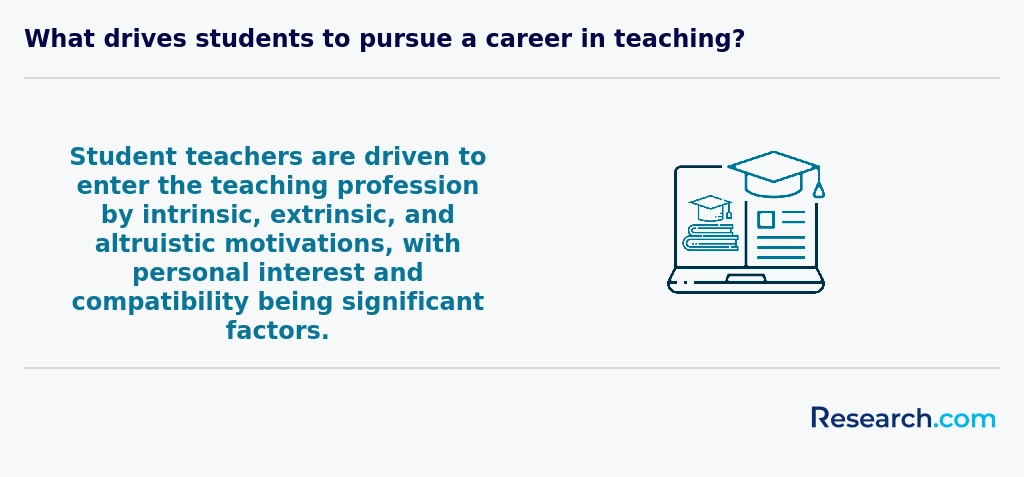
Investing in an Education degree is more than tuition-it’s a long-term investment in your career and community. By comparing average program costs with post-graduate earnings, you can estimate how quickly you’ll recoup your expenses. • Average Total Cost vs. Starting Salary - Total annual cost (tuition, fees, room and board) for in-state students: ~$27,146 - Total annual cost for out-of-state students: ~$45,708 - Mean starting salary for ESL teachers: $63,130 - Mean starting salary for early childhood educators: $38,640 - Mean starting salary for instructional designers: $73,080 • Break-Even Analysis - In-state bachelor’s degree holders can expect to recover their first year’s investment in under six months if they secure an ESL teaching position. - Even out-of-state students typically break even within one year when pursuing roles like instructional design. • Long-Term Earnings Growth - With a projected 12.1% job growth through 2031, continued salary increases contribute to a stronger ROI over a 10-year career span. - Advancing to roles in administration or specialized instructional design can boost median salaries above $80,000, further shortening payback periods. • Affordability Across Regions - While Colorado offers competitive ROI metrics, prospective students may also compare affordability in neighboring markets. For a detailed look at online program costs and outcomes, see the Most Affordable Online Education Degree Programs Ranking in Missouri. By evaluating your expected earnings against program expenses, you’ll make a data-driven decision about the true value of pursuing an Education degree in Colorado.
Imagine stepping into a classroom at a leading Colorado university, eager to dive into courses that shape passionate educators like you. Education degrees here include dynamic courses such as Foundations of Education, where graduates reflect on the rich history and social fabric of American schooling, grounding their teaching philosophy in real-world contexts. Educational Psychology is another exciting realm, helping you understand how kids think and grow-insights that graduates often say transformed their approach to nurturing young minds.
Courses on Instructional Strategies and Classroom Management prepare you with practical tools to create engaging lessons and maintain positive, lively classrooms. At colleges across Colorado, students experiment with assessment techniques, learning to design tests that truly capture student progress, just like the graduates who stepped into their first classrooms with confidence.
Special Education and Technology in Education courses open doors to inclusive, innovative teaching. These experiences, combined with hands-on student teaching in local schools, immerse you fully in Colorado's diverse educational landscape, leaving you inspired and ready for your own classroom adventure.
In Colorado, the education degree specializations open wide pathways that truly invite exploration. Imagine immersing yourself in Elementary Education, where graduates from popular universities experience the joy of sparking curiosity in young learners from kindergarten through fifth grade. For those drawn to shaping young minds a little later, Secondary Education offers the chance to dive deep into subjects like math, science, and English-reflecting the Colorado teaching degree concentration options that align with statewide emphasis on STEM fields.
Picture students embracing the challenge and reward of Special Education, training to support over 12% of public school students in Colorado who benefit from tailored learning approaches. Others find inspiration in Early Childhood Education or sharpening leadership skills through Educational Leadership programs, preparing themselves to become the innovative school leaders of tomorrow. Many also explore curriculum development and instructional technology, integrating fresh digital tools as highlighted by graduates' testimonials from Colorado's top colleges.
For adventurous minds curious about advancing further, there are even paths toward an online phd in higher education, expanding horizons beyond traditional classrooms.
Choosing the best education degree in Colorado is an exciting journey that starts with understanding your career dreams. Whether you see yourself inspiring kids in a classroom, leading as a school administrator, or shaping curriculum, Colorado's diverse programs offer tailored paths. Graduates from popular schools like the University of Colorado Boulder often share how hands-on experiences with local schools helped them gain real confidence and create meaningful connections.
For those seeking the best affordable education degree programs in Colorado, factoring in tuition costs is key. Many students appreciate knowing that in-state public universities offer more accessible pricing, while scholarships and financial aid ease the way for others. Imagine balancing your busy life while pursuing an online degree that still includes essential student teaching, just like many Colorado State University alumni have successfully managed.
Exploring the top education degrees cost and value Colorado has available means looking beyond price-considering accreditation, graduation rates, and program support. Some graduates highlight how programs that include special education endorsements opened doors to varied career options. Curious learners can also check out Most Affordable Online Education Degree Programs Ranking in Missouri for comparison and inspiration.
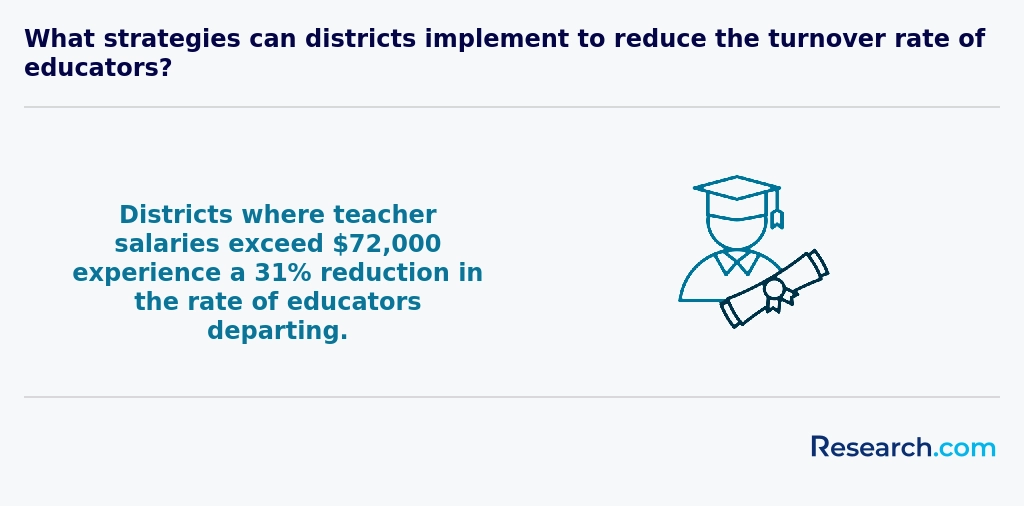
Graduates with an education degree in Colorado find their career options richly varied and full of promise. Many begin as licensed K-12 teachers, filling essential roles in subjects like elementary education or special education, especially in Colorado's rural communities where demand remains strong. Others pursue administrative roles, stepping into dynamic positions as school principals or district coordinators, influencing the larger educational landscape. Imagine the excitement of a recent graduate from a popular university in Denver stepping confidently into a leadership role, crafting curricula that ignite student curiosity every day.
Beyond traditional teaching paths, education degree career options Colorado include roles in counseling and instructional coordination, with professionals supporting student mental health and academic success-experiences many graduates from Boulder have found deeply fulfilling. Higher education careers also beckon, as community college advisors and instructors foster growth for postsecondary students. Some venture into corporate training programs offered by Colorado's growing tech industry, turning their skills to workforce development. Those exploring diverse opportunities might also consider top paying certifications to elevate their paths further.
The job market for education degree graduates in Colorado is vibrant and full of promise. Many graduates from universities like the University of Colorado Boulder and Colorado State University find themselves stepping into roles shaped by the state's growing demand for skilled educators. With metropolitan areas such as Denver and Colorado Springs expanding rapidly, there's a palpable sense of excitement among new teachers ready to make an impact in classrooms, especially in core subjects like math and science, where shortages continue.
For those exploring education degree job opportunities in Colorado, opportunities extend beyond traditional teaching positions. Graduates often discover rewarding careers in educational leadership, curriculum development, and even adult education programs, embracing the state's diverse learning environments. The steady need for approximately 25,000 new teachers by 2030 combined with competitive starting salaries fuels optimism for those eager to shape Colorado's future.
Cost-conscious students appreciate that in-state tuition at local colleges is notably affordable, making an education degree an accessible investment. Many recent graduates share stories of how their experiences at Colorado colleges prepared them not only for teaching but also for a fulfilling career path. For those curious about navigating different options, it's worth exploring top money making majors related to education.
2027 Most Affordable Education Degree Programs Ranking in Colorado
Investing in your education is a significant decision that can greatly impact your future, and the Research.com team recognizes the importance of providing trustworthy and accurate information for prospective students. To help individuals seeking affordable education degree programs in Colorado, we have carefully developed the "2027 Most Affordable Education Degree Programs Ranking in Colorado." Our dedication to quality, credibility, and accuracy is demonstrated by thorough research and detailed analysis.
We utilized the following reputable data sources to ensure a comprehensive evaluation of education programs:
By reviewing this ranking, readers will obtain valuable insights into affordable education degree options in Colorado, empowering them to make well-informed decisions about their academic and professional futures. For more information on how this ranking was created, please visit our Research.com methodology page.
# 1 position
Colorado State University Global
Master of Education


# 7 position
Colorado Mountain College
Bachelor of Arts in Education


# 18 position
University of Colorado Denver/Anschutz Medical Campus
Doctor of Education in Leadership for Educational Equity
# 19 position
University of Colorado Denver/Anschutz Medical Campus
Bachelor of Arts in Education and Human Development, Elementary

Frequently Asked Questions About education
Education degree students in Colorado can maximize their learning by actively engaging with both coursework and practical experiences. Colorado universities often require field placements or student teaching, which are crucial for gaining hands-on skills. Participating in diverse classroom settings helps develop adaptability and cultural competence, important traits given Colorado's growing multicultural student population.
Utilizing campus resources such as tutoring centers, research opportunities, and workshops enhances understanding of educational theories. According to the Colorado Department of Higher Education, students who balance academic study with experiential learning tend to graduate with higher retention rates.
Networking with local schools and educational professionals also provides valuable insights into regional educational practices and policies.
Emerging niches within the education field in Colorado reflect broader national trends influenced by technology and demographic shifts. Specializations such as STEM education, bilingual and multicultural education, and special education are growing rapidly. For example, Colorado's demand for educators skilled in English as a Second Language (ESL) is increasing due to a growing Hispanic population, representing roughly 22% of the state's residents in 2023 according to the U.S. Census Bureau.
Additionally, online and blended learning strategies are gaining traction, creating opportunities for educators trained in educational technology. Schools and districts across Colorado are investing more in technology integration, leading to increased roles for instructional coordinators and tech-savvy teachers.
Another expanding niche is mental health support within schools. The Colorado Department of Education reports a significant rise in funding and positions for school counselors and mental health specialists over recent years. These trends offer prospective students diverse paths within education degrees focused on emerging needs.
Graduates with education degrees in Colorado should start preparing early for the job market by gaining practical experience. Student teaching placements, often required by Colorado teacher preparation programs, provide valuable classroom exposure and help build professional networks.
Colorado's Teacher Licensing Office highlights the importance of passing the Praxis exams, which are mandatory for licensure in the state. Completing these tests with strong scores can improve job prospects significantly.
Networking with local school districts and attending job fairs like those organized by the Colorado Department of Education can connect graduates to potential employers. Additionally, staying informed about Colorado's Teacher Shortage Area list can guide candidates toward high-demand subjects, increasing employability.
Employers in Colorado's education sector prioritize a combination of practical and interpersonal skills when hiring graduates with education degrees. According to the Colorado Department of Education, strong communication skills rank highly, as teachers and staff must effectively engage with students, parents, and colleagues. Classroom management is another critical skill, helping maintain a productive learning environment.
Data from the National Center for Education Statistics highlights the importance of adaptability and problem-solving abilities, particularly in diverse Colorado classrooms with varying student needs. Furthermore, cultural competence and a commitment to equity are increasingly valued, reflecting the state's focus on inclusive education policies.
Finding internships in Colorado relevant to an education degree involves leveraging multiple local resources. Many universities, such as the University of Colorado and Colorado State University, offer partnerships with nearby school districts to provide classroom-based internships. These practical experiences are essential for licensure and hands-on training.
Additionally, the Colorado Department of Education maintains listings of approved internship programs aligned with state teaching standards. Students should also explore opportunities through Colorado Education Initiative networks, which connect future educators with K-12 schools seeking interns.
According to the National Center for Education Statistics, Colorado had over 90,000 public school teachers in 2022, indicating a strong demand for qualified interns.
Networking with local education organizations and attending job fairs in cities like Denver and Boulder can further improve internship prospects.
Obtaining an education degree in Colorado significantly enhances career mobility and advancement opportunities within the state's growing education sector. According to the Colorado Department of Education, teachers with bachelor's or advanced degrees often qualify for better-paying positions and leadership roles such as curriculum coordinators or instructional coaches.
In Colorado, districts frequently prioritize candidates holding specialized education credentials or endorsements, which can lead to promotions or transfers to higher-need schools with accompanying salary incentives. Data from the Colorado School of Education Workforce Report shows that educators with master's degrees earn up to 20% more than those with only undergraduate qualifications.
Moreover, an education degree allows professionals to enter allied careers such as school counseling and administration, further expanding advancement paths. The state's commitment to continuing education and professional development supports ongoing career growth for degree holders.
Studying for an education degree in Colorado equips students with skills that extend beyond traditional teaching roles, preparing them for interdisciplinary careers in fields such as counseling, administration, and curriculum design. Many Colorado institutions emphasize collaboration across disciplines, integrating psychology, sociology, and technology courses into their education programs. According to the Colorado Department of Higher Education, over 70% of education graduates engage in roles requiring diverse competencies.
Programs often include practical experiences in varied settings, encouraging adaptability and problem-solving. This interdisciplinary approach reflects Colorado's commitment to meeting the evolving needs of diverse student populations and educational environments statewide.
When deciding between a thesis and a non-thesis education degree program in Colorado, consider your career goals and learning preferences. Thesis programs often require original research and are ideal if you plan to pursue a doctorate or work in academic or research roles. According to the Colorado Department of Higher Education, around 40% of education graduate students choose thesis options for advanced scholarly training.
Non-thesis programs usually focus on coursework and practical application, suitable for those aiming to enter or advance in K-12 teaching or administration. These programs often take less time to complete and may better fit working professionals.
Cost and time are also factors; thesis programs might take longer and require more resources. Reviewing specific Colorado universities' offerings and speaking with advisors can clarify which path aligns with your goals.
Students based in Colorado who wish to study education abroad have several options through partnerships and exchange programs facilitated by Colorado universities. For example, the University of Colorado Boulder offers International Education Programs allowing students to earn credits while experiencing educational systems worldwide. These programs typically last a semester or summer term.
Additionally, Colorado State University supports study abroad opportunities in countries like Spain and South Korea with a focus on education and teaching methodologies. According to the Institute of International Education, approximately 1,400 Colorado students studied abroad in 2022, with education-related fields representing a significant portion.
Financial aid and scholarships are often available to help offset the costs of these international experiences, making global education more accessible for Colorado students pursuing teaching careers.
Part-time jobs that complement education degrees in Colorado often include roles such as teacher assistants, tutoring, and substitute teaching. According to the Colorado Department of Education, the state had over 2,000 open teaching positions in 2023, highlighting demand for qualified temporary staff. Working as a tutor or teacher assistant provides practical classroom experience, aligning with the competencies required for teaching licenses.
School districts in Colorado, like Denver Public Schools, frequently hire part-time aides who support students with special needs or English language learning. These opportunities help education students apply theory in real settings while earning income. Many universities also offer on-campus positions in education labs or childcare centers.
Education students in Colorado benefit from numerous networking opportunities through universities, professional organizations, and community partnerships. Institutions like the University of Colorado and Colorado State University host education fairs, workshops, and student teaching events that connect future educators with professionals in public and private schools.
The Colorado Education Association (CEA) offers membership to education students, providing access to conferences, mentorship programs, and local networking chapters. These events help students engage with experienced teachers and education leaders statewide.
Additionally, many Colorado education programs partner with school districts for internships and practicum placements, fostering direct professional connections and job prospects after graduation.
Alumni networks play a vital role for education degree students in Colorado by providing valuable professional connections. Graduates gain access to a community of experienced educators who often share job openings and career advice. According to the Colorado Department of Higher Education, schools like the University of Colorado and Colorado State University maintain active alumni associations that organize events and mentorship programs.
These networks also support students during their transition from study to employment, fostering relationships with local schools and districts. Research shows that 70% of jobs in education are found through networking, highlighting alumni ties as a key resource.
Furthermore, alumni events often offer workshops for teacher certification and continuing education, helping graduates stay competitive in Colorado's education job market.
Customizing your education degree program in Colorado involves selecting specializations, electives, and practical experiences aligned with your career goals. Many Colorado institutions offer concentrations such as early childhood education, special education, and curriculum design. According to the Colorado Department of Higher Education, students can tailor degrees by choosing endorsements or certificates that meet state licensure requirements.
Practical opportunities like student teaching and internships allow hands-on experience in diverse educational settings. Some programs also offer flexible online courses and accelerated pathways for working professionals. Understanding Colorado's licensure standards helps you select courses that ensure eligibility for teaching positions statewide.
Education students in Colorado commonly face several challenges during their studies. One key difficulty is managing the demanding fieldwork requirements, as many programs require extensive classroom observations and student teaching placements. These can be time-consuming and logistically challenging, especially in rural areas where schools are less accessible.
Financial constraints also impact many students. According to the Colorado Department of Higher Education, approximately 45% of education majors rely on loans or financial aid, creating pressure to balance work and study. Additionally, navigating standardized testing like the Praxis exams, required for teacher licensure, can be a source of stress.
Finally, adapting to diverse student populations remains a critical challenge, with educators needing strong cultural competency to succeed in Colorado's varied communities, a point highlighted by the Colorado Education Initiative.
With an education degree in Colorado, graduates can pursue multiple professional certifications that enhance their career opportunities in the field. The most common certification is the Colorado Teaching License, which allows you to teach in public schools. Requirements include passing the PLACE or Praxis exams and completing an accredited teacher preparation program.
Beyond initial licensure, educators may seek endorsements in areas such as special education, English as a second language (ESL), or gifted education, broadening their expertise and employability.
Additionally, experienced teachers can pursue National Board Certification, a prestigious credential recognized nationwide that requires demonstrating advanced teaching skills and student learning results.
These certifications improve job prospects in Colorado, where the Colorado Department of Education reports steady demand for qualified teachers, especially in rural and bilingual education settings.
Writing a strong application for an education degree program in Colorado requires careful attention to detail and a clear presentation of your goals. Start by researching the specific program requirements, as schools like the University of Colorado and Colorado State University often emphasize academic performance and relevant experience.
Highlight your passion for education and any hands-on experience you have, such as volunteering or tutoring. Admissions committees in Colorado value applicants who demonstrate a commitment to improving local communities, which aligns with the state's educational priorities.
Include a well-crafted personal statement that explains why you want to pursue teaching in Colorado's unique educational landscape. According to the Colorado Department of Higher Education, competitive applications typically show strong academic records, relevant skills, and clear career objectives.
Ensure all documents are complete and submitted before deadlines, as timely applications increase your chances. Finally, consider obtaining strong recommendation letters from educators familiar with Colorado's school standards to strengthen your application.
Education careers are increasingly valued worldwide, with a growing focus on global competence and cross-cultural understanding. In the United States, including Colorado, educators are expected to prepare students for a connected world, reflecting global perspectives in curriculum and teaching approaches. According to the Colorado Department of Education, programs emphasize diversity, equity, and inclusion to meet the needs of a varied student population.
Internationally, education professionals are recognized as key contributors to economic growth and social development. U.S. education degrees, especially those earned in Colorado, often integrate research-based practices aligned with global standards, which can enhance career opportunities both domestically and abroad.
Moreover, global trends encourage lifelong learning and adaptability-skills promoted in many Colorado higher education institutions offering education degrees. This alignment prepares graduates for evolving educational environments worldwide.
Gaining practical experience while studying for an education degree in Colorado is vital for career readiness. Many Colorado universities require student teaching placements as part of their certification process. For example, University of Colorado Boulder's teacher prep programs include supervised internships in local K-12 schools.
Additionally, Colorado's Department of Education supports various practicum opportunities, connecting students with diverse classroom environments. Field experiences allow candidates to apply teaching methods and manage classrooms firsthand.
Students may also engage in volunteer work or assist in after-school programs, gaining valuable experience outside of formal coursework. According to Colorado Office of Postsecondary Education, these hands-on experiences significantly improve employment prospects post-graduation.
When choosing a concentration within an education degree program in Colorado, consider your personal interests and career goals. Popular concentrations include Elementary Education, Special Education, and Secondary Education, each leading to different teaching certifications recognized by the Colorado Department of Education.
Research local job demand; for example, Colorado's workforce surveys indicate a growing need for special education teachers, with an expected 7% increase through 2030. Understanding licensure requirements helps, as some concentrations require additional endorsements or field experience.
Also, assess program flexibility and partnerships with local schools, which often vary among Colorado institutions. Reviewing Colorado's annual teacher vacancy reports can further guide your decision based on regional needs.
- 2027 Most Affordable Online Education Degree Programs Ranking in Nebraska
- 2027 Most Affordable Online Education Degree Programs Ranking in Kansas
- 2027 Most Affordable Online Education Degree Programs Ranking in Texas
- 2027 Most Affordable Online Education Degree Programs Ranking in South Dakota
- 2027 Most Affordable Online Education Degree Programs Ranking in Missouri
- 2027 Most Affordable Online Education Degree Programs Ranking in Idaho
- 2027 Most Affordable Online Education Degree Programs Ranking in Iowa
- 2027 Most Affordable Online Education Degree Programs Ranking in Minnesota
- 2027 Most Affordable Online Education Degree Programs Ranking in North Dakota
- 2027 Most Affordable Online Education Degree Programs Ranking in Mississippi
See What Experts Have To Say About Studying Education
Read our interview with Education experts

Alan J. Singer
Education Expert
Professor of Teaching, Learning and Technology
Hofstra University

Nooshan Ashtari
Education Expert
Professor & Book Author
University of Southern California

- Education Careers in Colorado https://www.mycoloradojourney.gov/industries/education
- Aligning Colorado’s Education-to-Workforce Ecosystem https://www.attainmentnetwork.org/aligning-colorados-education-to-workforce-ecosystem
- Student Expectations and Perceptions of Higher Education - ACA https://aca-secretariat.be/newsletter/student-expectations-and-perceptions-of-higher-education/
- Top 15 Skills Employers Look for in College Graduates https://www.vupune.ac.in/blog/top-15-skills-employers-look-for-in-college-graduates
- Colorado college tuition has changed a lot over the years. Find out how. https://www.chalkbeat.org/colorado/2026/06/25/colorado-tuition-and-fees-cost-over-the-years/
- Teaching Degree Requirements in 2023 | Teachers of Tomorrow https://www.teachersoftomorrow.org/blog/insights/teaching-degree-requirements/
- What Can I Do With a Teaching Degree (Besides Teach)? https://www.alleducationschools.com/blog/what-can-i-do-with-a-teaching-degree-besides-teach/
- What Employers Actually Want From Graduates https://bodyswaps.co/resources/blog/what-employers-actually-want-from-graduates
- Teacher of Global Perspectives (IGCSE) https://www.scie.com.cn/jobs-global-perspectives/
- Online College Costs and Financial Aid | Colorado State University Global https://csuglobal.edu/tuition-aid





