
2027 Most Affordable Education Degree Programs Ranking in Phoenix

Co-Founder and Chief Data Scientist
Choosing the right education degree program in Phoenix can be overwhelming, especially when cost matters. This article presents the 2027 Most Affordable Education Degree Programs Ranking in Phoenix, developed by the Research.com team of data scientists. It offers clear, data-backed insights to guide your decision-making process.
By exploring affordable options, you can find a program that balances quality and budget. Earning an education degree opens doors to rewarding careers and personal growth. Dive in to discover programs that make your goals achievable and your future brighter.
Key benefits of getting education degree in Phoenix
- Graduates with an education degree in Phoenix can expect competitive salaries, such as Special Education Teachers earning about $76,000 annually and Instructional Designers making around $77,200 per year, highlighting strong financial prospects.
- Popular Phoenix universities offer diverse career paths for education graduates, including roles like Early Childhood Educators or ESL Teachers, allowing for rewarding opportunities working with different student groups.
- Completing an education degree online from a well-known Phoenix institution offers flexibility and convenience, enabling graduates to balance studies with personal commitments while gaining valuable skills for a thriving career.
- 2027 Most Affordable Education Degree Programs Ranking in Phoenix
- What can I expect from education degree in Phoenix?
- Where can I work with education degree in Phoenix?
What can I expect from education degree in Phoenix?
For those diving into education degrees in Phoenix, the cost can feel like both an exciting challenge and a manageable investment. Graduates from Arizona State University often share how the average annual tuition of around $11,200 for in-state students strikes a comfortable balance between quality and affordability. It's the kind of price that opens doors to a vibrant campus life and rich academic resources without breaking the bank.
Meanwhile, many students find community colleges like Phoenix College to be a refreshing, budget-friendly option. With tuition closer to $3,600 a year, those eager to explore teaching can ease into their careers without overwhelming financial stress. Imagine juggling coursework with a part-time job while still feeling secure about tuition costs!
Whether it's the bustling energy of ASU or the close-knit support at Phoenix College, many education hopefuls enjoy knowing their investment is well-aligned with flexible learning options and strong connections to local school districts. This practical affordability makes embarking on your teaching journey here feel that much more inspiring.
Where can I work with education degree in Phoenix?
With an education degree in Phoenix, expect a world of dynamic career paths that bring real impact to your community. Many graduates from Arizona State University's education programs eagerly step into classrooms across Phoenix Union High School District or Mesa Public Schools, where they embrace roles in general, special education, or ESL instruction, meeting the needs of a vibrant, diverse student body.
Others find joy working in early childhood centers, enhancing care quality at one of the hundreds of licensed childcare providers here, aligning with Arizona's high standards. Some graduates discover fulfilling roles beyond teaching-like becoming academic advisors or curriculum developers at local colleges such as Grand Canyon University or ASU's downtown campuses, helping students navigate and thrive.
Education degree holders also thrive as consultants or trainers, designing innovative teaching tools and leading workshops, energized by the chance to influence teaching methods citywide. Plus, with nonprofits and agencies like the Phoenix Children's Hospital actively seeking education specialists, pathways to community outreach and advocacy create a truly diverse employment landscape.
Graduates from education programs in Phoenix often find themselves stepping into rewarding roles with salaries that reflect their dedication and expertise. For instance, a recent graduate who became an elementary school teacher at a well-known Phoenix university's partnered school typically earns about $70,740 annually, which sparks excitement as they begin shaping young minds.
Special education teachers enjoy even more promising compensation, with mean annual wages reaching $76,000-perfect for those graduates passionate about making a unique impact in diverse classrooms. The adventurous soul might explore blending technology and education as an instructional designer, where Phoenix graduates are seeing median salaries around $77,200, turning creativity into livelihood.
Meanwhile, ESL teachers, valuable in Phoenix's vibrant multicultural communities, can expect about $65,430 yearly, often sharing stories of rapid personal growth and community connection. Meanwhile, early childhood educators start their journey earning approximately $41,410, building foundational skills and heartfelt bonds in local preschools affiliated with Phoenix's academic programs.
These experiences highlight how education graduates in Phoenix enjoy a blend of stable incomes and meaningful careers while thriving in a supportive urban educational landscape.
- Tuition for a bachelor's degree in education in Phoenix ranges from $6,500 to $15,000 per year at public universities and can exceed $20,000 at private institutions.
- Community colleges offer affordable pathways to complete prerequisites or earn associate degrees before transferring to a university.
- The median starting salary for education graduates in Phoenix is about $46,000 annually, near the national average for new teachers.
- After five to ten years, educator salaries typically rise to between $55,000 and $65,000, especially with additional certifications.
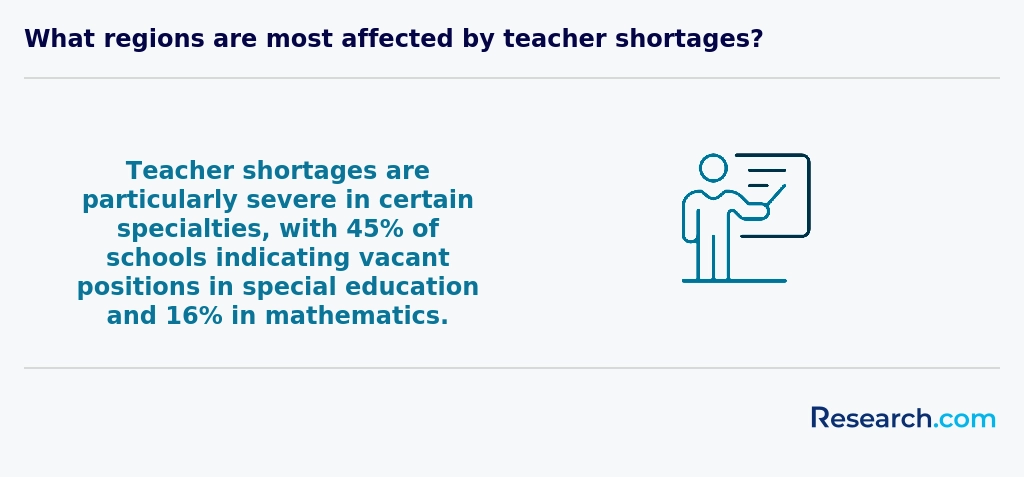
- Teacher demand is stable, with particular shortages in STEM and bilingual education fields due to regional population growth.
- Many education graduates secure teaching jobs within a year of graduating thanks to favorable job placement rates.
Embarking on an education degree journey in Phoenix opens up a world of possibilities, where time frames align with your passion and life rhythm. Imagine starting at Arizona State University or Grand Canyon University, where a bachelor's degree typically spans about four vibrant years of full-time study, rich with hands-on student teaching experiences that bring classroom theories to life.
Many graduates find that pursuing a master's degree next adds about 1.5 to 2 years, blending evening and weekend classes that fit seamlessly with their busy lifestyles. This flexibility is a highlight for working professionals eager to deepen their expertise without pausing their careers.
For those daring enough to reach the heights of doctoral studies, such as an Ed.D. or Ph.D., anticipate 3 to 5 years beyond your master's degree. Here, research and dissertations transform your journey into an exciting quest for knowledge, especially at renowned institutions like ASU that nurture innovation.
Some who balance life and learning take advantage of part-time or online programs, extending their timelines but embracing a personalized pace. The adventure of education in Phoenix is uniquely yours, shaped by your goals and the city's supportive academic community.
In today’s rapidly evolving educational landscape, prospective educators in Phoenix, AZ, can gain a competitive edge by staying informed about emerging trends and expert advice. In this section, industry professionals discuss the importance of continuing education, innovative teaching techniques, and the increasing role of technology in shaping classroom dynamics. Experts emphasize that beyond the foundational knowledge gained through degree programs, graduates should focus on lifelong learning to adapt to modern educational challenges. They advise students to participate in webinars, workshops, and professional networking events to enhance their pedagogical skills and leadership capabilities. Additionally, as schools shift toward hybrid learning and digital integration, obtaining advanced credentials, such as Affordable Online Masters Degrees in Library Science, can open new avenues for career growth and specialization. Keeping abreast of these future trends not only refines teaching strategies but also helps educators anticipate changes in curriculum demands and student engagement methods, ensuring they remain at the forefront of education innovation.
Choosing between online and on-campus education degrees in Phoenix opens two very different journeys. Imagine a graduate from Arizona State University weaving studies into a busy work and family life by completing classes online anytime, anywhere-this flexibility often feels like a breath of fresh air for those juggling multiple responsibilities.
Meanwhile, another graduate at Grand Canyon University might recall the energizing buzz of campus life, where face-to-face interactions with professors and peers sparked lively discussions and hands-on practice through local school practicums. This immersive experience can create a strong sense of community and immediate support in real classroom environments.
Both pathways meet Arizona's strict accreditation standards, ensuring you earn a credential respected state-wide. Yet, online learners in Phoenix often navigate practicum placements independently, while on-campus students typically benefit from established school partnerships, easing their path to licensure. The cost gap is also tangible-online programs may save on housing and commute but sometimes require technology fees.
Whether embracing the freedom of asynchronous study or the vibrant pulse of campus life, Phoenix students find their unique way to a fulfilling education career.
When exploring education degree programs in Phoenix, AZ, it's essential to consider the affordability of these programs, as this can have a significant impact on one's financial situation and career goals. Prospective students can visit https://research.com/rankings/education/most-affordable-education-az for more information on cheapest education schools in arizona, allowing them to make informed decisions about their educational paths. By evaluating factors such as tuition, financial aid, and potential return on investment, students can choose programs that align with their financial realities and career aspirations, ultimately leading to a fulfilling and successful career in education.
The average cost of an education degree in Phoenix opens a window into varied opportunities based on where you choose to study. Public universities here welcome in-state students with tuition fees around $9,552 total, which feels like a smart investment for many graduates. Imagine a student at a well-known university navigating their classes with manageable costs, energized by the balance between affordability and quality. Out-of-state students face a higher cost close to $18,428, but many find scholarships or financial aid options that ease the journey.
Community colleges in the Phoenix area offer an inviting entry point, especially for those aiming for affordable education degree tuition fees Phoenix residents appreciate. Students report feeling empowered starting with associate degrees or certificates that cost significantly less, creating a solid stepping stone toward a bachelor's degree. These affordable options make pursuing education feel more like an exciting adventure than a financial burden.
Private colleges, while often more expensive, attract students driven by specialized programs and smaller class sizes. These schools sometimes come with tuition costs stretching beyond $20,000 annually, but scholarships and personalized financial aid packages frequently soften the impact. Many graduates reflect on the value received, emphasizing the tailored academic support and community.
For students exploring the spectrum of costs and benefits, it's helpful to compare options and find the cheapest education schools in arizona. By doing so, prospective learners can better plan for the real costs beyond tuition, such as books and fees, which usually add up to about $1,000 to $2,500 yearly, rounding out a transparent picture of the average cost of education degree programs in Phoenix.
Evaluating the return on investment (ROI) of an education degree in Phoenix, AZ, can help prospective students balance upfront costs with long-term earning potential. On average, bachelor’s degree holders in education report student loan debt of $28,000 and median starting salaries around $50,200. By comparing total program expenses-including tuition, fees, and living costs-with projected earnings, students can estimate a break-even point, which typically occurs within six to eight years of full-time teaching. When estimating ROI, consider both direct and indirect costs. Community college transfer routes can lower initial expenses, while online coursework reduces commuting and housing fees. Graduates working as instructional designers or ESL teachers often see accelerated pay increases, boosting their ROI. For example, an Instructional Designer earning a mean wage of $73,080 can recover educational investments more quickly than the average classroom teacher. To further optimize affordability, research cross-state comparisons-such as the Inexpensive Online Master’s in Education Degree Programs Ranking in Minnesota-to identify cost-effective online pathways that mirror local program quality. Prospective students should also factor in scholarship opportunities and accelerated master’s pathways that can enhance ROI. Many institutions in Phoenix offer integrated bachelor’s-to-master’s tracks, reducing additional credit requirements by up to 25%. Pairing these with federal or state grants can slash net costs, shortening the repayment timeline. Ultimately, a clear ROI analysis empowers students to choose education degree programs that align with both their financial circumstances and their career ambitions.
Exploring financial aid options in Phoenix for an education degree feels like unlocking a treasure chest of opportunities. Many graduates from Arizona State University recall the relief and excitement when they secured Federal Pell Grants, sometimes up to $7,395, which significantly eased their tuition burden. Filling out the FAFSA opens doors to these grants, along with loans and work-study programs that provide hands-on experience and extra income while studying.
State support adds another layer of encouragement. Imagine receiving the Arizona Teachers Academy Scholarship-up to $5,000 yearly-knowing you're part of a growing force tackling teacher shortages in public schools across Phoenix. This kind of commitment transforms aspirations into community impact.
Local colleges don't fall behind either. Students often celebrate institutional scholarships designed specifically for education majors, rewarding both merit and need. One graduate shared how the Teach Grant at ASU, offering $4,000 annually, motivated them to focus on high-need subjects, with the promise of real-world teaching after graduation.
And when it's time to repay loans, programs like Public Service Loan Forgiveness provide a hopeful path, erasing debt after a decade of teaching in the public system-turning the adventure into a sustained, rewarding career.
Our analysis of the 2024 Most Affordable Education Degree Programs in Phoenix, AZ reveals several noteworthy trends and insights: • Top-tier affordability: The average annual tuition of the top five programs ranges from $4,800 at community colleges to $12,200 at public four-year universities, making Phoenix one of the most cost-effective regions for aspiring educators. • Strong return on investment: Graduates from these affordable programs report an average first-year salary of $50,200, with instructional designers earning up to $73,080, underscoring the long-term financial benefits of low-cost education pathways. • Financial aid penetration: Nearly 86% of students leverage federal and state grants, with institutional scholarships covering up to 45% of total costs, further reducing out-of-pocket expenses. • Flexible pathways: Online degree options, such as those highlighted in our Inexpensive Online Master’s in Education Degree Programs Ranking in Minnesota, demonstrate that distance learning can match on-campus affordability while offering greater scheduling flexibility. • Employment outcomes: Over 63% of graduates secure teaching or administrative roles within 15 months of graduation, and districts offering salaries above $72,000 experience 31% lower turnover, indicating stable career prospects for Phoenix-trained educators. These key findings equip prospective students with a clear snapshot of cost, return, and career trajectory, enabling data-driven decisions in selecting an education degree program.
Diving into an education degree in Phoenix means stepping into a world where your academic journey truly begins with a solid foundation. Most graduates from Arizona State University and Grand Canyon University recall the first hurdle: having that high school diploma or GED in hand. It's the essential ticket to even apply, making those late-night study sessions worthwhile.
Many students share how submitting official transcripts felt like unlocking a door-proving your readiness with a GPA usually expected around 2.5 to 3.0. Some remember the nervous anticipation of standardized tests like the SAT or ACT, though lately, many universities have embraced test-optional policies, easing the pressure and welcoming diverse learners.
Learning foundational subjects outside of teaching-English, math, and social sciences-was a game-changer for others, preparing them to engage creatively with curriculum content. For those chasing graduate degrees, the challenge deepened but also inspired, with requirements such as bachelor's degrees with solid GPAs, personal statements, and even volunteer stories painting the full picture of their passion.
Many students fondly recall how background checks and fingerprinting, far from daunting, became empowering steps toward earning trust to work with children-a true rite of passage in Phoenix's educational landscape.
After earning your Education degree in Phoenix, AZ, obtaining state licensure is the next critical step to launch your teaching career. The Arizona Department of Education outlines a multi-stage process designed to ensure that new educators meet rigorous professional standards. 1. Complete an Approved Educator Preparation Program • Enroll in an ACOTE- or CAEP-accredited institution. • Fulfill all coursework, clinical hours, and student teaching requirements. 2. Pass the Arizona Educator Proficiency Assessments (AEPA) • Content Test: Demonstrate subject-matter expertise for your endorsement area (e.g., Elementary Education or Special Education). • Professional Knowledge Test: Assess pedagogical understanding and classroom management strategies. 3. Apply for a Fingerprint Clearance Card • Submit fingerprints through a DPS-approved vendor. • Complete a background check; processing typically takes 4–6 weeks. 4. Submit Your Initial Teaching Certificate Application • Create an AzEDS account and upload official transcripts, test scores, and your clearance card. • Pay the non-refundable application fee (approximately $65). • Allow 4–8 weeks for application review and approval. 5. Maintain and Upgrade Your License • Complete 180 renewal credits every five years, including at least 30 credits in curriculum or instruction. • For advancement into leadership roles, consider pursuing an online EdD in Educational Leadership or explore our Inexpensive Online Master’s in Education Degree Programs Ranking in Minnesota for affordable graduate options. By understanding each requirement-accredited preparation, rigorous testing, background clearance, and ongoing professional development-you’ll be well-positioned to earn and maintain your Arizona teaching license, ensuring both compliance and long-term career growth.
Diving into education degree programs in Phoenix reveals a vibrant mix of courses that spark curiosity and hands-on learning. Graduates from local institutions often cherish classes like educational psychology, where they unravel how students think and grow-imagine tailoring lesson plans that truly tap into diverse minds across classrooms bustling with energy.
Courses on curriculum development bring a creative thrill, guiding students to craft lessons that align with Arizona's education standards. Many recall the satisfaction of mastering classroom management strategies, turning chaotic moments into smooth, engaging learning experiences.
Phoenix's unique cultural landscape shines through in bilingual education classes, especially vital with the city's rich Hispanic community. Future teachers get a rewarding chance to build Spanish skills and cultural insight that enrich their teaching.
- Foundations of education blended with real practicum experiences offer a bridge to stepping confidently into local schools
- Integration of educational technology excites many, as they prepare to use tools that light up 21st-century learning
Exploring education degree specializations in Phoenix reveals a vibrant spectrum tailored to diverse passions and community needs. Graduates from well-regarded universities and colleges in the city often share stories about diving into Early Childhood Education, where they connect deeply with young learners, or embracing Elementary Education to master foundational subjects like reading and math. For those craving a challenge, Secondary Education offers focused expertise in subjects like science or social studies, making every classroom moment an exciting quest.
Special Education is especially popular, with graduates eager to support students with unique learning needs, a calling that feels both rewarding and vital in Phoenix's diverse schools. Meanwhile, Educational Leadership and Administration opens doors for aspiring principals and curriculum innovators, blending vision with hands-on community impact. Many also find inspiration in English as a Second Language (ESL), a crucial skill in Phoenix's multicultural landscape. For those curious about affordable education programs Phoenix options, checking out Affordable Online Masters Degrees in Library Science can spark ideas beyond traditional paths.
Choosing the best education degree in Phoenix feels like embarking on a rewarding journey where every decision shapes your future classroom. Graduates from local universities often share how checking a program's regional accreditation-especially from the Higher Learning Commission-unlocked doors to teacher licensure and federal aid, making their experience both valid and affordable. Many find that exploring affordable education degree programs in Phoenix opens up wonderful opportunities, like starting at Phoenix Community College for a budget-friendly foundation before transferring to a four-year university.
Imagine balancing work and family while pursuing your passion; numerous institutions in Phoenix offer online or hybrid options, making flexibility an achievable dream. Students often rave about Arizona State University's supportive online pathways, which connect you with expert faculty and practical experiences. To dive deeper into cost-effective choices, you might explore the Inexpensive Online Master's in Education Degree Programs Ranking in Minnesota, which can inspire your educational roadmap.
Align your pick with your goals-whether a bachelor's to start teaching, a master's for specialization, or a doctoral degree for leadership-knowing your path fuels excitement and confidence. Post-grads finding strong ties to local school districts often cherish the hands-on training and job offers that arise, making the adventure of choosing the best education degree options Phoenix 2027 truly thrilling and fulfilling.

Graduates with an education degree in Phoenix find themselves on an exciting journey filled with diverse career paths. Many step into vibrant K-12 classrooms across the city's public and private schools, where growing student numbers create constant demand. This direct interaction with students offers a rewarding experience, as seen by graduates from popular local institutions who cherish shaping young minds.
Beyond teaching, the field unfolds into roles like school counselors, instructional coordinators, and administrators, where graduates influence whole school environments. At universities known for their education programs, students witness firsthand how mastering curriculum design can lead to fulfilling roles with competitive salaries. For those drawn to special education, Phoenix's schools are eager for passionate teachers skilled in helping students with disabilities, reflecting the city's commitment to inclusive learning.
Emerging opportunities also lie in educational technology and corporate training, influenced by Phoenix's booming tech industry. Education degree job opportunities in Phoenix extend even further for those curious about certificates that make money, blending teaching expertise with digital skills to craft innovative learning experiences.
Exploring the education degree job outlook Phoenix reveals a vibrant and growing field fueled by the city's expanding school districts and diverse student population. Graduates from popular universities in Phoenix often share stories of landing roles quickly, especially in special education and bilingual teaching positions, where demand is steadily rising. Imagine stepping into a classroom energized by students who speak multiple languages or leading early childhood programs as Phoenix invests more in pre-K initiatives.
Employment opportunities for education graduates Phoenix extend beyond traditional schools. Many find fulfilling positions in after-school programs, community colleges, and innovative educational tech startups shaping the future of learning. Several recent graduates describe their experiences balancing affordable tuition costs with hands-on training, a combination that makes earning a degree locally both accessible and exciting.
With steady growth forecasts and supportive local policies, becoming an educator here feels like embarking on a rewarding adventure. Those curious about further educational paths might explore the top degree programs for seniors online to expand their horizons even more.
2027 Most Affordable Education Degree Programs Ranking in Phoenix
Investing in your education is a significant decision that can profoundly impact your future, and the Research.com team is keenly aware of the importance of making well-informed choices. To support prospective students in Phoenix, we have carefully developed the "2027 Most Affordable Education Degree Programs Ranking." Our dedication to quality, credibility, and accuracy is evident in the rigorous research and thorough analysis behind this ranking.
We utilized the following reputable data sources to ensure a comprehensive evaluation of education degree programs:
By consulting this ranking, readers will gain valuable insights into affordable education degree options in Phoenix, helping them make strategic decisions tailored to their financial and academic goals. For a detailed explanation of our methodology, please visit our Research.com methodology page.
# 1 position
Aspen University
Doctor of Education

# 2 position
Aspen University
Bachelor of Science in Education
# 3 position
Aspen University
Master of Education
# 4 position
University of Phoenix-Arizona
Master of Arts in Education

# 5 position
University of Phoenix-Arizona
Bachelor of Science in Elementary Education
Frequently Asked Questions About education
Education degree students in Phoenix can maximize their learning experience by engaging actively with both coursework and local educational communities. Many institutions in Phoenix, including Arizona State University, offer hands-on teaching internships that provide real classroom exposure, essential for practical skill development. Combining theoretical knowledge with fieldwork enhances understanding and job readiness.
Utilizing campus resources such as tutoring centers, libraries, and advising services further supports academic success. According to the National Center for Education Statistics, students who seek supplemental academic help tend to improve grades by up to 15%.
Networking with local schools and participating in professional organizations like the Arizona Education Association can open valuable career opportunities and foster ongoing learning.
Emerging niches within the education field reflect changes in technology, society, and student needs. In Phoenix, one growing area is educational technology, with an emphasis on designing digital tools that support remote and hybrid learning. According to the Arizona Board of Regents, programs integrating instructional design and technology are seeing increased enrollment.
Another niche is special education focused on neurodiverse learners, addressing autism and ADHD with specialized interventions. The Arizona Department of Education highlights a rising demand for professionals trained in inclusive education strategies.
Additionally, culturally responsive teaching is gaining importance in Phoenix schools due to the city's diverse population. Educators trained in equity and multicultural curricula are increasingly sought after.
Finally, leadership in education, especially related to policy and administration for urban districts, is emerging as a vital field to manage rapid student population growth in Phoenix.
After completing an education degree in Phoenix, preparing for the job market involves several key steps. First, gaining practical experience through student teaching or internships is critical; Arizona requires candidates to complete supervised clinical practice for K-12 certification. The Phoenix job market for educators is competitive but growing, with the Arizona Department of Education reporting a 5% increase in teaching positions over recent years.
Networking with local schools and attending job fairs hosted by institutions such as Arizona State University can improve employment prospects. Additionally, obtaining Arizona-specific teaching credentials and staying informed on state licensing requirements strengthens job readiness. Developing skills in classroom technology and special education are also valued in Phoenix-area schools.
Employers in Phoenix prioritize several key skills when hiring education degree graduates. Strong communication abilities remain essential, as teachers must effectively engage students, parents, and colleagues. According to the Arizona Department of Education, classroom management and adaptability are highly valued in this region due to diverse student populations.
Analytical skills and the use of technology in instruction are increasingly important. In 2023, over 60% of Phoenix schools reported integrating digital tools into their curriculum, highlighting the need for tech-savvy educators.
Finally, cultural competence and collaboration skills are vital, allowing graduates to support inclusive learning environments that reflect Phoenix's multicultural community.
Finding education-related internships in Phoenix involves leveraging multiple local resources and institutions. Many universities in the area, such as Arizona State University, partner with nearby school districts, including Phoenix Union High School District, to provide internship opportunities for education students. These partnerships facilitate placements in K-12 classrooms, offering practical teaching experience.
Additionally, Phoenix hosts organizations like the Arizona Department of Education and non-profits focused on youth education, which often post internship openings suitable for education majors. Online job platforms and university career centers also list local internships, helping students connect directly with schools and education agencies.
According to the Arizona Board of Regents, internships in Phoenix education programs frequently support licensure requirements, enhancing both practical skills and employability. Engaging early with academic advisors can help tailor internship searches to meet certification criteria and personal career goals.
An education degree significantly enhances career mobility and advancement opportunities in Phoenix. According to the Arizona Department of Education, individuals with teaching credentials or advanced education degrees have access to a wider range of roles, including administrative and specialized instructional positions. Earning a degree often leads to higher salaries; for example, Phoenix teachers with a master's degree earn an average of 15% more than those with only a bachelor's.
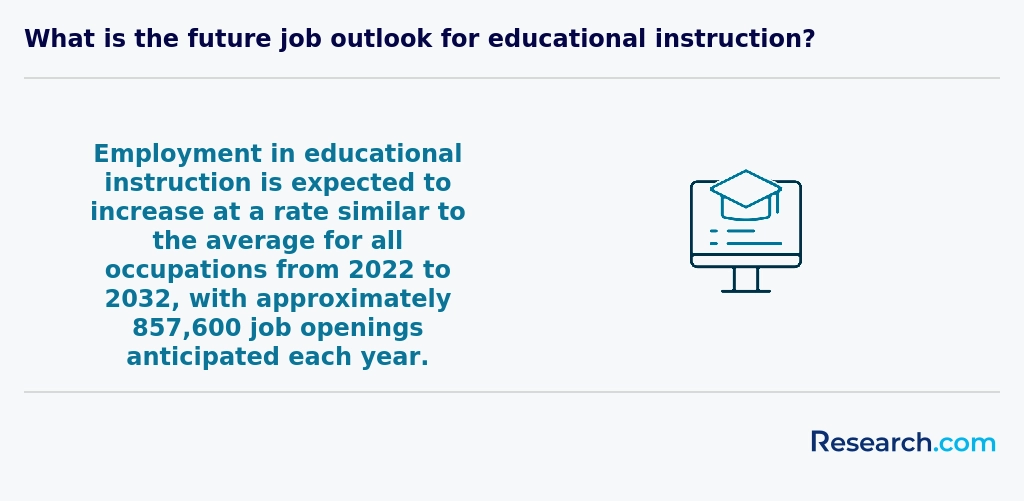
Furthermore, the local job market favors candidates with formal education qualifications due to district requirements and growing demand for skilled educators. This demand aligns with national trends reported by the Bureau of Labor Statistics, projecting a 9% increase in education-related jobs through 2031.
Studying for an education degree in Phoenix equips students to excel in interdisciplinary roles by integrating diverse knowledge areas. Local universities emphasize collaborative learning, combining education theory with psychology, technology, and social sciences.
For example, Arizona State University, a major institution in Phoenix, offers education programs incorporating STEM, counseling, and health education to create versatile educators. According to the National Center for Education Statistics, over 60% of education graduates from Arizona institutions engage in interdisciplinary coursework, enhancing their employability.
This approach prepares graduates for roles beyond traditional classrooms, such as curriculum design, educational technology, and community outreach, meeting evolving workforce demands.
When choosing between a thesis and a non-thesis education degree program in Phoenix, students should consider their career goals and learning preferences. Thesis programs typically require original research and a written dissertation, making them suitable for those interested in academic or research careers. Non-thesis programs often focus on practical skills and may include comprehensive exams or projects instead. According to the National Center for Education Statistics, about 35% of graduate education students nationwide choose thesis options, but many Phoenix institutions offer flexible non-thesis tracks to accommodate working professionals.
Time commitment is another key factor; thesis programs often take longer due to extensive research requirements. Non-thesis degrees are usually faster, ideal for those seeking to enter or advance in the workforce quickly. The University of Arizona's Phoenix campus reports that non-thesis education degrees can be completed in as little as 18 months, making them attractive for full-time employees. Lastly, prospective students should evaluate faculty expertise and available resources to support research activities if opting for a thesis route.
Students based in Phoenix seeking to study education abroad have several pathways through U.S. higher education institutions with global program partnerships. Arizona State University (ASU), located in the Phoenix metro area, offers various study abroad opportunities focusing on education, allowing students to gain international perspectives while earning credits toward their degrees. ASU's Global Education office reports over 6,000 students participate annually in study abroad, including education majors.
Many programs emphasize cultural immersion and practical teaching experience in countries such as Spain, Costa Rica, and Australia. These options are coordinated to align with licensure requirements in Arizona if the student plans to return.
Additionally, community colleges in Phoenix sometimes offer short-term international education study programs counting toward associate degrees, providing affordable options for early academic stages.
Students pursuing education degrees in Phoenix have several part-time job opportunities that complement their academic training. Working as teacher's aides or classroom assistants in local elementary and secondary schools offers hands-on experience with curriculum implementation and student engagement. According to the Arizona Department of Education, these roles provide valuable insight into classroom management and instructional strategies.
Library assistants at public libraries in Phoenix also help develop organizational and research skills important for educators. Additionally, tutoring services are in demand throughout the city, allowing education students to enhance their instructional techniques while earning income. These jobs not only support financial needs but also enrich practical knowledge essential for future teaching careers.
Education students in Phoenix have access to a variety of networking opportunities through local universities and professional organizations. Arizona State University (ASU), the largest in the region, hosts career fairs and workshops specifically for education majors, connecting students with local school districts and education-focused nonprofits.
The Greater Phoenix Educational Training Center frequently organizes events and seminars where students meet experienced educators and administrators. These gatherings help in building connections that are essential for internships and job placements.
Additionally, Phoenix is home to chapters of national associations like the Council for Exceptional Children and the Arizona Education Association, which offer student memberships, conferences, and local networking events. According to ASU's Career and Professional Development Services, 75% of education students reported gaining valuable contacts through these activities in 2023.
Alumni networks offer significant advantages to education degree students in Phoenix by fostering professional connections and mentorship opportunities. Graduates often benefit from these networks when seeking classroom positions or internships in local schools. According to the Arizona Board of Regents, Phoenix-area alumni often collaborate to share job openings and professional development resources, which improves students' chances of employment after graduation.
Additionally, alumni can provide guidance on navigating the licensing process required by the Arizona Department of Education. Networking events and alumni-led workshops are common in Phoenix universities and help students build relationships with experienced educators.
Such connections frequently lead to valuable advice, support, and enhanced career prospects in the competitive education sector.
In Phoenix, customizing your education degree program to match your career goals often involves selecting specific concentrations or endorsements offered by local universities. Many institutions allow students to focus on areas like special education, educational leadership, or curriculum development. This flexibility helps align studies with targeted roles, such as school administrator or instructional coordinator.
Additionally, Phoenix schools frequently offer practicum experiences and internships tailored to Arizona's diverse K-12 environment, enhancing practical skills. You can also choose courses that satisfy Arizona Department of Education certification requirements, which is vital for teaching careers.
Exploring partnerships through community colleges and universities provides multiple pathways to personalize your degree based on your professional aspirations and timeline.
Education students in Phoenix often face significant challenges balancing academic demands with real-world teaching experiences. Many must complete extensive practicum hours in diverse classrooms, which can be difficult to arrange amid personal and work responsibilities. According to the Arizona Department of Education, Phoenix schools serve a high percentage of English language learners and students from low-income families, adding complexity to student teachers' preparation and adaptability.
Additionally, the rising cost of tuition and limited access to affordable housing in Phoenix can strain education students financially. The Bureau of Labor Statistics reports that Arizona's average teacher salary remains below the national average, causing concern for students contemplating debt versus future earnings.
With an education degree in Phoenix, there are several professional certifications you can pursue to advance your career. One common certification is the Arizona Standard Teaching Certificate, required for K-12 public school teachers in the state. This credential verifies that candidates meet state teaching standards.
Additionally, educators can obtain endorsements in areas like special education, English as a Second Language (ESL), and STEM fields to broaden their expertise.
For administrators, certifications such as the Arizona Principal or Superintendent certificates prepare candidates for leadership roles in schools.
Moreover, many in Phoenix pursue the National Board Certification, a voluntary professional credential recognized nationwide for demonstrated teaching excellence.
When applying for an education degree program in Phoenix, start by thoroughly researching local institutions such as Arizona State University or Grand Canyon University. Tailor your application to highlight your commitment to teaching and understanding of diverse student needs in Arizona's multicultural classrooms.
Include a strong personal statement that reflects your passion for education and your future goals. Admissions committees value candidates who demonstrate clear motivation and a connection to the Phoenix community.
Be sure to meet all deadline requirements and submit official transcripts displaying relevant prior academic achievements. According to the Arizona Board of Regents, Arizona universities prioritize GPA and relevant experience in their selection process.
Gather strong recommendation letters from educators or professionals who can attest to your teaching potential.
Education careers in the United States, including Phoenix, are increasingly influenced by global trends emphasizing cultural competence and technology integration. Educators with global perspectives can better prepare students for a diverse workforce and interconnected world. According to the National Center for Education Statistics, about 3.7 million people were employed in education-related roles in Arizona in 2022, showing steady growth.
Higher education programs in Phoenix often include courses on global education standards and international teaching methods. This prepares graduates to adapt skills recognized worldwide. Furthermore, organizations like the Arizona Department of Education encourage cross-cultural exchanges to foster global awareness in classrooms.
Understanding global education values not only enhances teaching effectiveness but also improves job opportunities abroad or in multicultural urban school districts. For students in Phoenix, gaining such perspectives through their degree can provide a competitive edge both locally and internationally.
Gaining practical experience while studying for an education degree in Phoenix is essential for building classroom readiness. Many programs require students to complete fieldwork or student teaching as part of their curriculum. For example, Arizona State University's College of Teacher Education offers supervised internships in local schools, allowing students to apply theory in real settings.
Students can also benefit from partnerships between universities and Phoenix-area school districts, which facilitate placements in diverse classrooms. According to the Arizona Department of Education, nearly 70% of education students in the state participate in practicum experiences before graduation.
Additionally, some Phoenix institutions encourage volunteering or tutoring in community centers to supplement formal training. These opportunities help build skills, professional networks, and understanding of local educational needs.
Choosing the right concentration within an education degree program in Phoenix involves understanding your career goals and the local job market. Arizona's Department of Education highlights high demand for special education teachers and bilingual educators due to the state's diverse population. Exploring concentrations such as early childhood education, secondary education, or educational technology can align your skills with these needs.
Research institutions like Arizona State University offer detailed program guides outlining competencies and potential career paths. Additionally, consider licensure requirements specific to Arizona, as some concentrations may require extra certification. Connecting with local school districts can provide insight into which specializations have stronger employment prospects.
- 2027 Most Affordable Education Degree Programs Ranking in Riverside
- 2027 Most Affordable Education Degree Programs Ranking in San Diego
- 2027 Most Affordable Education Degree Programs Ranking in La Jolla
- 2027 Most Affordable Education Degree Programs Ranking in Irvine
- 2027 Most Affordable Education Degree Programs Ranking in Los Angeles
- 2027 Most Affordable Education Degree Programs Ranking in Colorado Springs
- 2027 Most Affordable Education Degree Programs Ranking in Denver
- 2027 Most Affordable Education Degree Programs Ranking in Stockton
- 2027 Most Affordable Education Degree Programs Ranking in San Francisco
- 2027 Most Affordable Education Degree Programs Ranking in Abilene
See What Experts Have To Say About Studying Education
Read our interview with Education experts

Alan J. Singer
Education Expert
Professor of Teaching, Learning and Technology
Hofstra University

Nooshan Ashtari
Education Expert
Professor & Book Author
University of Southern California

- Bachelor of Education Degree (Here's What To Expect) https://www.alleducationschools.com/teaching-degrees/bachelors-in-education/
- Skills Employers Look for In Graduates https://careerdc.com.au/resources/what-skills-employers-want/
- Online Education Degree Programs | University of Phoenix https://www.phoenix.edu/online-education-degrees.html
- Skills Employers Look for in Business Graduates – EU Business School https://www.euruni.edu/blog/skills-employers-look-for-in-business-graduates/
- Education Degree Entry Requirements https://universitycompare.com/advice/student/education-degree-entry-requirements
- Benefits of Networking for Students https://www.melioeducation.com/blog/benefits-of-networking-for-students/
- Students: This is How You Should Prepare for the Job Market https://www.agencycentral.co.uk/articles/students-this-is-how-you-should-prepare-for-the-job-market/
- Education Study Abroad Programs | Go Overseas https://www.gooverseas.com/study-abroad/education
- Student Expectations and Perceptions of Higher Education - ACA https://aca-secretariat.be/newsletter/student-expectations-and-perceptions-of-higher-education/
- How to Build Work Experience While Studying - EN Global Education Ltd https://englobaleducation.co.uk/how-to-build-work-experience-while-studying/


