
2027 Easiest Online Master's in Education Degree Programs Ranking in the Midwest

Co-Founder and Chief Data Scientist
Choosing the right online master's in education program can feel overwhelming, especially in the Midwest where options vary widely. This article offers a clear guide with the 2027 Easiest Online Master's in Education Degree Programs Ranking in the Midwest, crafted by the Research.com team of data scientists.
Our goal is to help you identify programs that balance ease with quality, making your path to a degree smoother. Whether you're advancing your career or passion for teaching, this ranking supports informed decisions for a brighter future.
Exploring these programs can open doors to new opportunities and personal growth.
Key benefits of getting online education degree in the Midwest
- Education degree graduates in the Midwest can earn attractive salaries, such as Education Managers making around $129,330 annually and Curriculum Specialists earning about $77,200 per year, highlighting the strong financial potential in this field.
- Career paths for education graduates include roles like Higher Education Professors and Education Program Managers, offering diverse opportunities to impact learning and development in schools or organizations across the region.
- Online education degrees provide flexible schedules and allow students from anywhere in the Midwest to balance work and study, making it easier to earn a respected degree without sacrificing current responsibilities or time.
- 2027 Easiest Online Master's in Education Degree Programs Ranking in the Midwest
- What can I expect from online education degree in the Midwest?
- Where can I work with online education degree in the Midwest?
What can I expect from online education degree in the Midwest?
When considering the cost of an online education degree in the Midwest, you can often expect it to be more affordable than many other regions of the country. Graduates from institutions like the University of Illinois or Michigan State University frequently share how the average in-state tuition for these programs typically falls between $10,000 and $20,000. This affordability makes pursuing a degree much less stressful financially, especially for working professionals balancing careers and family life.
One graduate described how attending a state university's online program allowed them to continue teaching locally while studying part-time without incurring overwhelming debt. The flexibility of asynchronous classes paired with these reasonable costs creates a supportive path for many aspiring educators.
By choosing a Midwestern school, you're not only investing in a respected education credential but also gaining access to valuable resources and faculty support-all without the intense financial pressure that can come with more expensive programs elsewhere. This balance of quality and cost makes the Midwest an excellent place to grow your teaching career.
Where can I work with online education degree in the Midwest?
Graduates with an online education degree in the Midwest find a wide range of rewarding career paths awaiting them. Many step directly into licensed teaching roles in primary and secondary schools throughout Illinois, Ohio, and Michigan, where districts are eager for skilled educators. For instance, graduates from well-known regional institutions often share how their online programs prepared them thoroughly to earn state certifications and confidently lead classrooms across urban and rural areas alike.
Beyond teaching, you can join curriculum development teams or become instructional coordinators within school districts, crafting engaging learning experiences. Midwest colleges known for education programs often emphasize these skills, helping you transition smoothly into roles that shape how students learn. Additionally, higher education administration offers exciting opportunities-graduates frequently work in student services and academic advising at community colleges or universities, making a direct impact on student success.
With growing investment in digital learning tools and special education, careers in education technology and specialized support are thriving. Many graduates appreciate how their online education degrees empower them to blend technology with pedagogy, opening doors to innovative roles in corporate training or adult education across the region.
Graduates from online education programs in the Midwest often step into rewarding careers with encouraging salary prospects. For example, those starting as curriculum specialists-roles commonly pursued by alumni from reputable institutions like the University of Illinois Urbana-Champaign-can expect mean annual wages around $77,200. This opens doors to dynamic positions that shape educational content and impact student success.
Many graduates also advance into education management roles. Taking on responsibility for programs and teams, education managers earn an impressive mean annual salary of $129,330, reflecting their leadership and strategic impact in schools or districts throughout states such as Ohio and Michigan.
Other paths include becoming education program managers or consultants, with mean wages of $104,920 and $95,600, respectively. Graduates from Midwest programs appreciate how these roles provide both stability and growth potential, blending their passion for teaching with organizational expertise.
Embracing an online education degree from institutions like Michigan State University empowers professionals to tap into these thriving roles while enjoying the flexibility of distance learning and the vibrant educational communities across the Midwest.
- The average cost of an online master's degree in education in the Midwest ranges from $15,000 to $30,000, which is generally more affordable than coastal states.
- Early-career salaries for education graduates in the Midwest typically range between $45,000 and $55,000 annually, increasing up to $60,000 to $75,000 with experience.
- The job market for education professionals in the region is expected to grow by about 6% through 2030, matching or slightly exceeding the national average.
- States like Illinois, Ohio, Michigan, and Indiana offer many accredited online education programs with flexible scheduling and licensure pathways.
- Programs often focus on practical skills and leadership, supporting careers in administration and specialized teaching roles.
- Financial aid and scholarships are commonly available to help reduce the cost of online education degrees in the Midwest.
Completing an online education degree in the Midwest often takes about four years for a bachelor's when enrolled full-time, but flexibility is the real advantage here. Graduates from popular Midwestern institutions like the University of Illinois or Michigan State University share how balancing family and work sometimes extended their studies beyond traditional timelines. Online programs allow you to pick up the pace or take it slower without losing momentum.
Master's degrees usually take around two years full-time, but many find success stretching it to three or more years through part-time study, especially working professionals at places like Indiana University. Some graduates celebrate finishing in 12 to 18 months through accelerated programs, which require a strong focus but deliver results quickly.
Factors such as transfer credits, previous coursework, and personal commitments deeply impact timing. For instance, graduates leveraging generous transfer policies at Ohio State University often reduce their time to degree completion, creating a manageable and inspiring path forward.
To qualify for state teacher certification, online master’s in education programs in the Midwest integrate field-based experiences and exam preparation into the curriculum.
- 30–60 hours of supervised practicum or student teaching in K-12 settings
- Licensure exam prep (Praxis Core, Praxis II or state-specific assessments)
- University-coordinated school placements and mentor teacher support
- Guidance on state certification applications and reciprocity across Illinois, Ohio, Michigan, etc.
Programs accredited by the Higher Learning Commission and CAEP align practicum requirements with state regulations to ensure smooth certification. Many schools offer dedicated exam workshops, digital portfolios and advisor consultations to keep you on track. For a faster path to hands-on field experience and streamlined certification, consider options at fast track schools.
Choosing between an online and on-campus education degree in the Midwest often comes down to your lifestyle and learning preferences. Graduates from the University of Illinois Urbana-Champaign recall how on-campus classes allowed them immediate access to professors and collaborative study groups, enriching their learning experience through lively discussions and hands-on workshops.
On the other hand, those who pursued online degrees from institutions like Indiana University highlight the freedom to study asynchronously-fitting coursework around jobs or family life. This flexibility helped many maintain balance while progressing steadily toward their goals, demonstrating that a quality education doesn't always require being physically present on campus.
Midwestern schools often charge similar tuition for both formats but online learners frequently save on commuting and fees, a welcome relief for many. Rural students especially benefit from virtual access to resources they might otherwise find inaccessible.
Ultimately, whether it's the vibrant campus atmosphere at Michigan State or the adaptable online program from Ohio State, both paths in the Midwest lead to respected, accredited degrees-and inspiring futures.
One of the most critical indicators of program quality is the graduation and job placement rates for graduates of online Master’s in Education programs in the Midwest. According to recent IPEDS data, top-ranked institutions in the region report average six-year graduation rates exceeding 85%, with retention rates above 90% for students who complete their first year. These metrics demonstrate strong academic support systems and program engagement. Equally important is the post-graduation employment outlook. On average, 78% of online Education master’s graduates secure full-time positions in K–12 teaching, curriculum design, or educational administration within six months of completing their degree. Another 12% pursue roles in corporate training and educational technology firms, reflecting the versatility of an online Education credential. Graduates from universities like Indiana University and the University of Illinois consistently report placement rates above 80%, while smaller colleges maintain competitive figures near 75%. Program-specific outcomes highlight best practices: schools offering embedded field experiences boast a 92% placement rate in local districts, and those with dedicated career services see an average salary bump of 8% above regional norms. Prospective students should also compare program affordability alongside outcomes; for example, our Inexpensive Online Master's in Education Degree Programs Ranking in Pennsylvania pairs cost-efficiency with solid graduate success metrics. By examining graduation timelines, on-time completion percentages, and alumni career trajectories, you gain a clearer picture of which online master’s programs deliver both academic rigor and tangible career advancement. These data-driven insights empower Midwest educators to choose programs that not only fit their budget and schedule but also maximize their return on investment through proven graduate outcomes.
The average cost of an online education degree in the Midwest typically centers around a median total of $17,175, offering a balanced investment for many pursuing advanced learning. For in-state students, tuition can be notably lower, often around $14,526, making programs at public universities like Indiana University or the University of Missouri particularly appealing. Graduates from these institutions often reflect positively on their experience, appreciating the affordability alongside quality instruction that makes progressing in their careers more accessible.
Midwest online master's in education tuition fees generally range between these figures but can increase for out-of-state learners, with a median cost near $20,790. These numbers mirror real-life experiences where students balance tuition with other essential costs such as technology fees or textbooks. Many find that the value of credentialing from a well-regarded Midwest university is worth this financial commitment, especially when factoring in scholarships, employer tuition assistance, or flexible payment plans.
It's also wise to explore different levels and formats of education degrees. Some students begin with an online associate degree in education to build a strong foundation; for those curious about options, checking out what is the best online associate degree in education can offer helpful guidance. Embracing an online path in the Midwest offers both cost-effectiveness and the opportunity to engage in rich educational experiences without disrupting your life.

When pursuing an online education degree in the Midwest, financial aid options can make your dream more attainable than you might expect. Many graduates from universities like the University of Missouri and Michigan State University have successfully leveraged federal aid such as Pell Grants and Federal Direct Loans through FAFSA to keep tuition manageable. These grants don't require repayment, providing essential support without burdening you with future debt.
State programs like Illinois' MAP grant or Minnesota's State Grant Program offer additional relief for residents, especially those balancing work and studies. Imagine receiving targeted aid that recognizes your commitment, just as many local students have experienced, easing the financial strain of tuition.
Institutions often provide scholarships that reward merit and professional experience, shining a spotlight on your unique strengths. For example, scholarships aimed at education students at Midwestern schools have helped many reduce costs so they can focus fully on excelling in their studies.
Don't forget private scholarships from organizations like the Midwest Education Association, which encourage dedicated educators aiming to impact underserved communities. Plus, if you're already working in education, employer tuition assistance can be a game changer, turning your job into a partner in your academic journey.
To enroll in an online education degree program in the Midwest, you'll want to have a bachelor's degree in education or a related field, often from an accredited institution like those within the Big Ten Academic Alliance. Graduates from these programs frequently share how this academic foundation gave them the confidence to tackle graduate-level work. Think of it as building the solid groundwork before you construct the rest of your educational journey.
A minimum GPA around 3.0 is usually expected, reflecting your dedication and ability to maintain steady academic performance. Many students recall how meeting this requirement felt like a milestone that reassured them they were ready for the challenges ahead.
While GRE scores have become optional at many Midwest public universities, some programs still ask for them. However, your prior teaching experience or current licensure often holds significant weight-especially in programs focusing on special education or leadership. Imagine drawing on your day-to-day classroom experiences while progressing through coursework designed for working educators.
Lastly, be prepared to share letters of recommendation and personal statements. These provide a chance to express your passion for education and commitment to making a difference, much like past successful students who found these components crucial in creating a complete, compelling application.
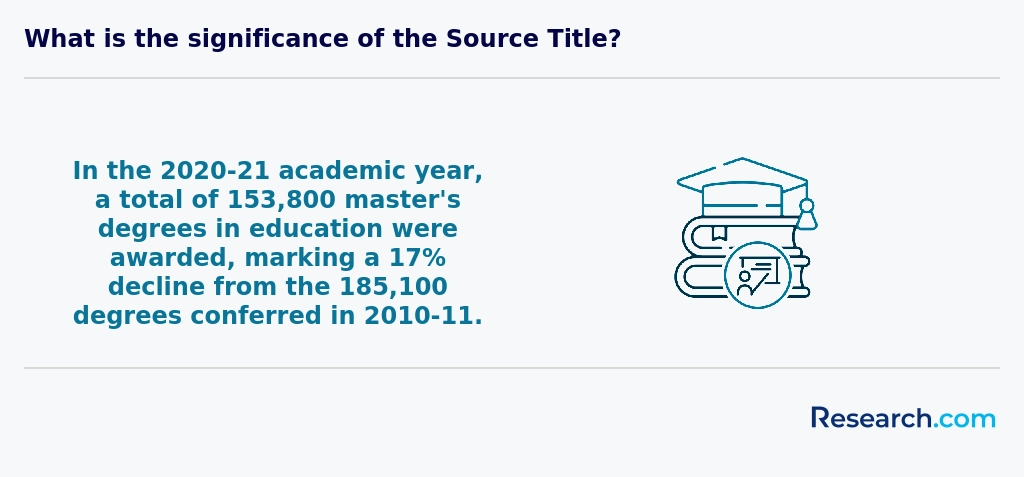
While choosing one of the “easiest” online master’s in education programs in the Midwest can fast-track your credentials, it’s essential to weigh potential trade-offs before committing. First, some accelerated or low-barrier programs may not offer the same depth of specialization or alumni networks found at more prestigious institutions. Limited elective options can restrict your ability to tailor coursework to specific career goals-such as curriculum design or educational leadership-potentially impacting your long-term advancement. Second, graduating from a program with minimal admission requirements could raise questions for certain employers or doctoral admissions committees. Accreditation status remains non-negotiable, so always verify that your chosen school holds recognized credentials from bodies like CAEP or NCATE. Additionally, consider how intensive practicum experiences, cohort interactions, and faculty mentorship vary across institutions, as these elements directly affect both skill development and professional networking. Finally, if you’re building foundational skills and wonder what comes before a master’s, you may explore which associate credentials best prepare you for higher study. For insights on early-career pathways and preparatory coursework, see what is the best online associate degree in education. By understanding these considerations-rigor, recognition, and preparatory options-you can make a data-driven choice that aligns with both your immediate needs and long-term aspirations.
Online education degrees in the Midwest commonly include courses that build a strong foundation for effective teaching. Graduates from well-known institutions like the University of Illinois Urbana-Champaign often share how classes in educational psychology helped them understand student behaviors and learning styles, making daily classroom challenges easier to navigate.
Curriculum development is another staple, teaching you to craft lessons that resonate with diverse learners. Instructional technology courses, especially at places like Michigan State University, prepare students to confidently integrate digital tools-an essential skill in today's hybrid or remote learning environments.
Courses in classroom management and assessment equip future educators with practical strategies for fostering engagement and accurately measuring student progress. Many Midwestern programs also offer specialized tracks in special education and literacy, reflecting the region's commitment to inclusivity and strong reading skills.
Graduates emphasize how leadership classes opened doors beyond teaching, preparing them for roles in school administration and community education, which is vital in Midwestern districts seeking dedicated leaders.
When exploring an online education degree specializations Midwest offers, you'll find a dynamic range tailored to fit diverse career goals and local demands. Graduates from respected Midwestern universities often praise programs focused on Educational Leadership and Administration, which empower them to take on influential roles in school districts or education policy. Others gravitate toward Curriculum and Instruction, where they refine their ability to craft engaging lessons that resonate with students of all backgrounds.
Many students embracing a Midwest online master's in education focus areas find Special Education especially rewarding, as it prepares them to support learners with unique needs-a vital skill in today's inclusive classrooms. Another popular path is Educational Technology, where students explore integrating powerful digital tools to invigorate teaching practices. Graduates from these programs often feel inspired, citing how these specializations directly impact their schools and communities.
For those weighing the cost against value, it's worth checking out rankings like the Inexpensive Online Master's in Education Degree Programs Ranking in Pennsylvania to find options that blend quality and affordability.
When choosing the best online education degree in the Midwest, start by verifying that the program is properly accredited, ensuring your degree holds value and recognition. Graduates from respected institutions in the region often praise how their degrees opened doors to rewarding careers in educational leadership and special education. Consider programs that offer specializations aligned with your passion-whether developing innovative curricula or supporting early childhood learning-so your studies feel relevant and inspiring every day.
Cost plays a crucial role; many students appreciate finding affordable online master's in education Midwest programs that balance quality with a reasonable price. Keep in mind additional expenses like fees and technology. Flexible scheduling is another must-have, especially for working professionals. Midwest universities often offer asynchronous courses, allowing you to manage family and work responsibilities without stress.
Don't forget to explore student support services, including advising and career resources, which many graduates credit for their academic success. Also, review financial aid options carefully. If you seek colleges with low tuition programs that accept financial aid, be sure to check out institutions that emphasize accessibility to help you thrive.
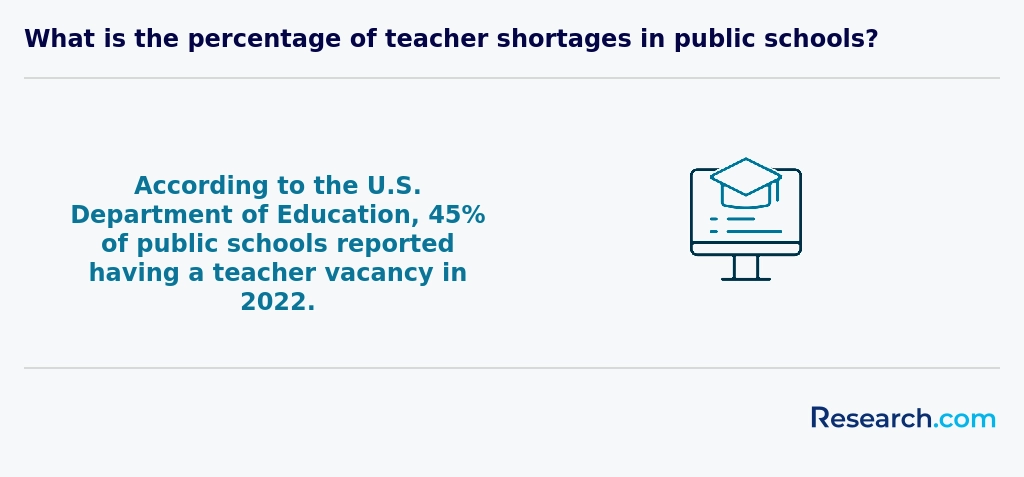
Graduates with an online education degree in the Midwest find themselves entering a dynamic field full of meaningful career opportunities. Many become licensed K-12 teachers, a path well-supported by programs from institutions like Ohio State University and the University of Missouri, which prepare students for licensure required in states such as Illinois and Michigan. These roles offer the joy of impacting young minds and meeting the ongoing demand for teachers in key subjects like math and science.
Others grow into leadership positions, with graduates stepping confidently into roles as school administrators or principals, especially in thriving cities like Chicago and Minneapolis. Instructional coordinators and educational technology specialists also offer exciting routes, helping schools innovate and adapt to digital learning trends. Many Midwestern graduates appreciate that an online education degree jobs in the Midwest open doors from classrooms to leadership offices, creating rewarding career diversity.
For those exploring practical options, adult education instructors and corporate trainers provide ways to apply teaching skills beyond traditional schools. Affordability is also a key benefit, as many find that local public universities offer competitive tuition rates. If you want to explore additional degree options, consider looking into easiest online degrees to get to complement your educational goals.
The job market for graduates with an online education degree in the Midwest offers promising opportunities, especially for those who complete programs from institutions like the University of Illinois or Michigan State University. Many graduates find fulfilling roles as primary and secondary school teachers or educational coordinators, benefiting from a steady demand fueled by investments in K-12 and higher education across states such as Ohio and Indiana. This positive outlook encourages professionals to pursue these degrees, knowing the region values online credentials, especially when earned from regionally accredited colleges.
Graduates often share that their online learning experience prepared them well for real classroom challenges, making transitions smoother when they began working in school districts or community colleges. For those navigating options, considering the fastest way to get an associate's degree can be a practical stepping stone into the education field. This approach is especially useful within the diverse Midwest career opportunities for education graduates, where flexibility and regional acceptance of online degrees are key advantages.
2027 Easiest Online Master's in Education Degree Programs Ranking in the Midwest
Investing in your education is a significant decision that can shape your future, and the Research.com team understands the importance of making informed choices. To assist prospective students seeking education degrees in the Midwest, we have meticulously crafted the "2027 Easiest Online Master's in Education Degree Programs Ranking in the Midwest." Our commitment to quality, credibility, and accuracy is reflected in the extensive research and analysis conducted to compile this ranking.
We utilized the following reputable data sources to ensure a comprehensive evaluation of education programs:
By exploring this ranking, readers will gain valuable insights into accessible and quality online master's programs in education across the Midwest, empowering them to make well-informed educational decisions. For more details on our methodology, please visit our Research.com methodology page.


# 6 position
Concordia University Wisconsin
Master of Literacy--Reading Teacher or Reading Specialist Licensures (DPI #1316 & DPI #5017)





# 17 position
Bethel University, Minnesota
Master of Education K-12


# 20 position
Walden University
Master of Education

Frequently Asked Questions About education
Students pursuing online education degrees in the Midwest can enhance their learning by actively engaging with instructors and peers through virtual discussions and study groups. The Midwest Commission on Higher Education reports that collaborative learning improves retention by up to 30%. Using university-provided resources such as online libraries, tutoring, and technology support also strengthens understanding. Time management is crucial; setting a consistent study schedule helps balance coursework with personal and professional responsibilities. Leveraging local professional networks for internships or practicum placements can provide valuable hands-on experience. Staying informed about state-specific licensure requirements ensures that online degrees align with regional career goals.
The education field in the Midwest is witnessing rapid growth in several emerging niches, especially within online degree programs. One notable area is educational technology, as schools increasingly adopt digital learning tools. According to the National Center for Education Statistics, Midwestern states have seen a 15% rise in demand for specialists who can integrate tech in classrooms. Another expanding niche is special education, driven by heightened awareness and federal support for inclusive learning environments. Furthermore, there is growing interest in curriculum development focused on culturally responsive teaching, meeting the diverse needs of Midwestern communities. These trends reflect evolving priorities in education careers.
Preparing for the job market after earning an online education degree in the Midwest involves targeted steps to enhance employability. Networking within local school districts and education organizations can provide valuable connections and job leads. According to the National Center for Education Statistics, approximately 42% of education graduates in the Midwest secured employment in K-12 schools within six months of graduation.
It is essential to align your skills with regional demand. States like Illinois, Ohio, and Michigan report higher needs for special education and STEM teachers. Obtaining state certification or licensure relevant to your subject area increases job prospects significantly.
Internships or practicum experiences offered during your program provide practical exposure and strengthen your resume. Additionally, participating in Midwestern education conferences and workshops can improve your professional profile and keep you updated on local trends in education.
Employers in the Midwest highly value education degree graduates who demonstrate strong communication and classroom management skills. According to a 2023 report from the Midwestern Education Employers Association, 78% of hiring managers prioritize candidates with expertise in adapting teaching methods to diverse student needs.
In addition, proficiency in educational technology is increasingly important. With many districts in states like Illinois and Ohio expanding digital learning, candidates adept at integrating online tools rank higher in job competitiveness.
Critical thinking and collaborative skills are also sought after. The Illinois State Board of Education highlights that teamwork and problem-solving abilities greatly impact hiring decisions in the region's schools.
Finding internships in the Midwest relevant to an education degree involves several practical steps. Start by exploring partnerships your online program may offer; many universities in states like Illinois and Ohio have agreements with local schools and educational organizations. According to the National Center for Education Statistics, nearly 60% of Midwestern education programs emphasize practical experience through internships or practicum placements.
Utilize state department of education websites, which often list approved internship opportunities in public schools. Networking with local school districts through career fairs or LinkedIn can also open doors. Additionally, consider educational nonprofits and community centers that frequently seek interns to assist with tutoring or curriculum development.
In the Midwest, earning an online education degree can significantly enhance career mobility and advancement. The region has seen steady growth in education-related jobs, with states like Illinois and Ohio reporting a 5% increase in teaching positions between 2020 and 2023 (U.S. Bureau of Labor Statistics).
Online degrees offer flexibility, allowing working professionals to upskill without pausing their careers. This convenience often leads to quicker promotions or transitions into leadership roles such as curriculum coordinators or school administrators.
Additionally, many Midwest school districts recognize online degrees from accredited institutions, expanding opportunities beyond traditional credentials. According to the National Center for Education Statistics, educators with master's degrees earn approximately 20% more than those with only bachelor's degrees in this region.
Studying for an education degree in the Midwest often emphasizes interdisciplinary skills essential for diverse career paths. Many Midwestern universities integrate courses from psychology, sociology, and technology, preparing graduates to work collaboratively across fields. For example, the Illinois Board of Higher Education highlights the region's focus on applying educational theory alongside practical skills in various community settings.
Online programs in states like Ohio and Michigan offer flexible curricula combining education with fields such as special education and administration. This approach equips students to adapt to evolving educational roles beyond traditional teaching.
Midwestern education degrees also benefit from partnerships with local schools and organizations, providing real-world experiences that foster interdisciplinary understanding. According to the National Center for Education Statistics, nearly 40% of education graduates in the Midwest pursue roles in counseling, curriculum design, or educational leadership requiring broad skills.
Choosing between a thesis and a non-thesis online education degree in the Midwest depends on your career goals and learning preferences. Thesis programs often appeal to those interested in research or pursuing a PhD, as they require a significant research project. They can be more time-consuming but offer valuable experience in academic inquiry.
Non-thesis options generally emphasize coursework and practical skills, suited for professionals seeking career advancement without a research focus. According to the National Center for Education Statistics, many Midwestern universities offer flexible non-thesis tracks to accommodate working adults.
Consider your future plans, workload capacity, and the program's alignment with your professional aspirations when deciding.
Students in the Midwest who want to study education abroad while earning an online degree have several pathways available. Many regional universities offer online education programs with international components, such as virtual exchange opportunities or study abroad partnerships.
According to the Institute of International Education (IIE), Midwestern universities like the University of Illinois and Michigan State University are expanding their global education collaborations, allowing online students to participate in short-term trips or remote cross-cultural projects.
Midwestern students can also explore consortium agreements, which enable enrollment in courses from partner institutions abroad without leaving their home campuses. These programs often blend online coursework with optional travel for immersive learning.
Overall, while fully remote education abroad is limited, the Midwest's emphasis on flexible, hybrid formats provides growing options for international experience in education degrees.
Part-time job opportunities in the Midwest that complement education degrees are diverse and practical, helping students gain valuable experience while studying. Many local school districts hire teacher aides or substitute teachers, especially in states like Illinois and Ohio, where demand for skilled educators remains strong according to the National Center for Education Statistics.
Positions as tutors or after-school program coordinators are also popular, allowing students to apply teaching theories in real time. Additionally, roles in educational nonprofits or library assistants provide insight into community education dynamics. These jobs not only build professional skills but can enhance resumes when applying for full-time teaching licenses or master's programs.
Online education students in the Midwest have multiple networking opportunities despite learning remotely. Many regional universities offer virtual events, such as webinars and career fairs, connecting students with faculty, alumni, and local professionals. For example, Iowa State University and the University of Michigan provide strong alumni networks accessible online.
State education associations like the Illinois Education Association and Ohio Education Association also host online forums and conferences that welcome graduate students, facilitating peer interactions and professional growth. According to the Midwestern Higher Education Compact, collaborative initiatives often encourage student engagement beyond the classroom.
Additionally, social media groups and LinkedIn communities targeted at Midwest educators help expand students' professional circles. These options allow online students to form meaningful connections important for future employment and collaboration.
Alumni networks offer significant advantages for online education degree students in the Midwest. These networks foster professional connections that can lead to job opportunities and mentorships within the region's education sector. According to the Midwest Education Association, 65% of graduates find their first job through alumni contacts. Many Midwestern universities maintain active online platforms where former and current students share resources and career advice.
Furthermore, alumni events and webinars provide ongoing learning and networking, crucial for career advancement in education. These connections often bridge geographic gaps inherent in online learning, helping students tap into local school districts and educational organizations. Strong alumni ties can enhance both professional growth and community engagement across Midwestern states.
Midwestern online education degree programs often offer customizable options to align with your career goals. Many institutions provide a variety of concentrations, such as curriculum design, educational leadership, or special education, allowing you to focus on your area of interest. You can also choose elective courses tailored to specific skills like technology integration or counseling.
Some schools in the Midwest have partnerships with local districts, enabling practical experiences that complement online learning. Additionally, programs may offer flexible pacing or part-time enrollment to fit working professionals' schedules. According to the National Center for Education Statistics, around 38% of Midwest graduates select programs with specialization tracks to enhance employability.
Online education students in the Midwest face several challenges that impact their academic success. One common issue is limited access to high-speed internet in rural areas. According to the Federal Communications Commission, over 25% of rural Midwestern residents lack broadband connectivity, making participation in synchronous classes difficult.
Another challenge is balancing coursework with work and family obligations. Many online students in the region are adults juggling full-time jobs and caregiving, which can affect study time and focus. Additionally, some students report feelings of isolation due to reduced face-to-face interaction, which may hinder motivation and networking opportunities.
Technical difficulties and adapting to online learning platforms also remain significant barriers, especially for those less familiar with digital tools. Midwest institutions are increasingly investing in support services, but these challenges persist as notable hurdles for online learners.
An online education degree from the Midwest can open doors to numerous professional certifications that enhance career prospects. Graduates often pursue credentials such as the Professional Educator License (PEL), required for teaching in many Midwestern states like Ohio, Illinois, and Michigan. Additionally, many educators seek National Board Certification to demonstrate advanced teaching expertise. For those interested in administration, becoming a Certified School Administrator is a common path.
Special education professionals may add certifications in special needs instruction, widely recognized by Midwest school districts. Educational technology certifications are also growing in demand, reflecting the region's focus on digital learning. According to the Midwest Education Association, over 60% of districts actively encourage such certifications.
Writing a winning application for an online education program in the Midwest requires clear organization and strong attention to detail. Start by thoroughly researching the program's admission requirements, which can vary between public and private institutions. Highlight your relevant academic background and professional experience related to education, as many Midwest schools value practical teaching experience alongside GPA.
Focus on crafting a compelling personal statement that explains your goals and why you chose an online program in the Midwest. According to the National Center for Education Statistics, 40% of graduate education enrollments in Midwest institutions are online, reflecting growing statewide demand.
Be sure to submit all transcripts, letters of recommendation, and test scores on time. Many Midwest universities use application portals that also require specific essay prompts-answer these carefully to demonstrate your fit and motivation. This thorough approach increases your chances of admission in this competitive region.
Globally, careers in education are increasingly valued as essential for societal development, with a strong focus on lifelong learning and digital skills. In the US, particularly in the Midwest, the demand for qualified educators continues to grow. According to the National Center for Education Statistics (NCES), states like Illinois, Ohio, and Michigan have seen steady rises in teacher employment, reflecting regional commitment to education. Online education degrees offer flexibility, attracting professionals seeking to meet this ongoing need. Moreover, global trends emphasize cultural competence and technological integration, skills increasingly incorporated in Midwest programs to prepare graduates for diverse classrooms and evolving education systems.
Gaining practical experience while pursuing an online education degree in the Midwest is essential for career readiness. Many programs integrate practicum or fieldwork requirements, allowing students to work directly in classrooms or educational settings near their homes. For example, universities often partner with local schools to facilitate these placements.
Additionally, some institutions provide virtual simulation tools to practice teaching techniques. According to the Midwestern Higher Education Compact, nearly 70% of online education students in the region complete in-person or hybrid practicum experiences.
Students should also consider volunteering or substitute teaching as supplementary hands-on opportunities during their studies.
Choosing the right concentration within an online education degree program in the Midwest depends on your career goals and local demand. According to the National Center for Education Statistics, teacher shortages in states like Illinois and Ohio highlight a need for special education and STEM-focused educators.
Researching state licensure requirements is crucial as many programs align concentrations with certification pathways. For example, concentrations in literacy or administration may prepare you for specific roles in K-12 schools.
Also consider programs offering practical experiences or partnerships with regional school districts, which can enhance employment prospects after graduation.
Review program flexibility, faculty expertise, and alumni outcomes to ensure a good fit for your ambitions and lifestyle.
See What Experts Have To Say About Studying Education
Read our interview with Education experts

Nooshan Ashtari
Education Expert
Professor & Book Author
University of Southern California


- WI Higher Educational Aids Board - External Links https://heab.state.wi.us/exlinks.html
- Seven Major Challenges Facing Education in the 21st Century https://www.internationalschoolparent.com/articles/seven-global-education-challenges/
- Online Teaching Jobs | Elevate K-12 https://www.elevatek12.com/online-teaching-jobs/
- Networking For Educators: How To Grow A Professional Circle - Carlow University https://www.carlow.edu/networking-for-educators/
- Putting theory into practice: The value of an interdisciplinary approach to teaching https://my.chartered.college/impact_article/putting-theory-into-practice-the-value-of-an-interdisciplinary-approach-to-teaching/
- What Can I Do With a Teaching Degree (Besides Teach)? https://www.alleducationschools.com/blog/what-can-i-do-with-a-teaching-degree-besides-teach/
- Online Education https://msutexas.edu/distance/
- How to Gain Real-World Experience While Studying Online | American National University https://an.edu/how-to-gain-real-world-experience-while-studying-online/
- Education Study Abroad Programs | Go Overseas https://www.gooverseas.com/study-abroad/education
- Education Cover Letter: 6 Steps to Write a Job-Winning One [+Example & Template] | Cake https://www.cake.me/resources/cover-letter/education-cover-letter


