
2027 Best Education Degree Programs Ranking in Jersey City

Co-Founder and Chief Data Scientist
Choosing the right education degree program can shape your future and open doors to rewarding careers. This article presents the 2027 Best Education Degree Programs Ranking in Jersey City, crafted by the Research.com team of data scientists. It offers clear, data-driven insights to guide you in selecting programs that truly stand out.
Whether you're starting your journey or seeking to advance, understanding the best options available helps you make confident decisions. Discover programs that match your goals and set the foundation for meaningful success.
Key benefits of getting education degree in Jersey City
- Education degree graduates in Jersey City can earn competitive salaries, such as $76,000 for Special Education Teachers and $77,200 for Instructional Designers, making this path financially rewarding.
- Graduates from local institutions like New Jersey City University often find diverse career options, including teaching, curriculum development, and education technology roles.
- Obtaining an education degree online offers flexibility and convenience, helping busy learners balance work and study, as seen with successful online graduates from Jersey City-based universities.
- 2027 Best Education Degree Programs Ranking in Jersey City
- What can I expect from education degree in Jersey City?
- Where can I work with education degree in Jersey City?
What can I expect from education degree in Jersey City?
The average cost of pursuing an education degree in Jersey City can feel like a manageable investment, especially when you see it as unlocking a future full of possibilities. For students attending Hudson County Community College, tuition for foundational courses is quite affordable, often under $5,000 per year, making it an excellent starting point. Graduates from this path often share how flexible class schedules allowed them to balance work and study, which made the learning adventure feel less overwhelming and more attainable.
When transferring to four-year universities nearby, costs increase but still remain reasonable compared to many urban areas. These programs typically range from $10,000 to $20,000 annually, covering rich coursework and practical student-teaching that graduates describe as eye-opening experiences inside Jersey City's diverse classrooms.
The excitement students express about practical components-like real classroom interactions and mentoring opportunities-is matched by their appreciation for programs designed around urban education challenges. This authentic connection to the city's unique educational landscape makes every tuition dollar feel purposeful.
Where can I work with education degree in Jersey City?
Graduates with an education degree in Jersey City often find themselves stepping into vibrant classrooms within the Jersey City Public Schools district, one of New Jersey's largest and most dynamic educational hubs. Imagine joining a team of inspiring teachers-from elementary school mentors to specialized instructors in reading or science-who shape young minds every day. Many education graduates from Saint Peter's University share stories of starting their careers in these schools, where the diversity of students calls for creative and passionate teaching approaches.
Others venture beyond public schools into private and charter schools, where innovation in education is highly valued. These roles allow graduates to experiment with fresh teaching methods and curriculum designs, often sparking a rewarding sense of making a meaningful impact.
For those eager to explore further, higher education roles at local colleges or nearby New York City institutions open doors to academic advising or even teaching at the collegiate level. Nonprofits add yet more colors to this career palette, offering positions that connect education with community programs and adult learning.
Every path for Jersey City education graduates feels like an adventure, full of possibilities to grow, inspire, and transform learning experiences in this diverse and bustling city.
Graduates from education programs in Jersey City often find themselves stepping into rewarding careers with salaries reflecting their dedication and expertise. For instance, elementary school teachers, many of whom started their journey at local colleges, earn around $70,740 annually-imagine the satisfaction of shaping young minds while enjoying a competitive wage.
Those who specialize as special education teachers can expect even higher earnings, typically around $76,000 a year, highlighting how focused skills open doors to well-compensated, impactful roles. Graduates pursuing careers as English as a Second Language (ESL) teachers often see salaries near $65,430, blending cultural immersion with meaningful teaching experiences right in Jersey City's diverse classrooms.
For adventurous education graduates drawn to design and innovation in learning, becoming instructional designers offers exciting prospects with average pay near $77,200 annually. Even early childhood educators, the first guides in learning journeys, earn a rewarding $41,410 yearly, making a real difference from day one.
These figures reflect the vibrant educational landscape of Jersey City, where going beyond a bachelor's degree can elevate your salary and career in inspiring ways.
- Education degrees in Jersey City are available primarily through New Jersey City University and other local colleges, offering Bachelor's and Master's tracks aligned with state certification.
- Tuition for public institutions ranges from $7,000 to $10,000 per year for in-state students, while private colleges charge between $15,000 and $25,000 annually.
- Additional yearly expenses such as books, fees, and supplies add about $2,000 to the total cost of education.
- Starting salaries for education graduates average around $50,000 per year, with potential growth up to $70,000 or more with experience and certifications.
- There is steady demand for qualified teachers, especially in special education, bilingual education, and STEM-related fields.
- Candidates must complete state-approved programs, pass certification exams like the Praxis Series, and engage in internships or student teaching for hands-on experience.
Diving into an education degree in Jersey City means embarking on a journey that varies depending on your chosen path. Many undergraduates at Hudson County Community College find themselves fully immersed in two years of study, eagerly absorbing foundational knowledge before transferring to a four-year university. There, graduates often spend about four years completing their Bachelor of Arts or Science in Education, blending general courses with hands-on teaching methods that prepare them for real classrooms.
For those seeking to deepen their expertise, pursuing a Master's degree locally can be an exciting yet flexible adventure. Many find 1.5 to 2 years enough for full-time study, but some working professionals stretch their journey to three years or more by taking part-time or online classes offered through Jersey City institutions. This adaptability turns education into a lively, manageable challenge rather than a rigid race.
Doctoral candidates experience an even richer voyage, balancing coursework, research, and dissertations over 4 to 6 years, often inspired by vibrant city campuses and the supportive community around them. Plus, internships and student teaching add invaluable real-world flair, extending learning time but also deepening confidence and classroom skills.
One of the most crucial measures of an education degree program’s quality is its licensure exam pass rate and accreditation status. In New Jersey, aspiring teachers must pass state-approved assessments such as the Praxis Core Academic Skills for Educators and Praxis Subject Assessments. Recent data shows that New Jersey City University graduates achieve a 92% first‐attempt pass rate on these exams, while Saint Peter’s University reports an 88% pass rate. Hudson County Community College alumni, particularly those in the Early Childhood Education track, boast an impressive 90% licensure success within six months of graduation. Accreditation by the Council for the Accreditation of Educator Preparation (CAEP) or the National Council for Accreditation of Teacher Education (NCATE) ensures that programs meet rigorous standards for curriculum, faculty qualifications, and clinical practice. All three top programs in Jersey City hold CAEP accreditation, which not only satisfies state requirements but also qualifies graduates for federal financial aid and eases reciprocity when relocating to other states. Beyond initial licensure, ongoing program evaluation tracks job placement and retention. On average, 85% of graduates secure teaching positions or related roles within one year, and 80% remain in those positions after three years. These metrics reflect the strength of fieldwork partnerships with Jersey City Public Schools, local charter networks, and community education centers. For those considering advanced credentials, cost-effective online pathways can be explored in our Most Affordable Online Master’s in Education Degree Programs Ranking in New Jersey, which evaluates licensure preparation support alongside tuition savings.
Imagine juggling your busy life in Jersey City while pursuing an education degree-online programs make this possible by offering flexible schedules that fit around work or family. Many graduates from local institutions have embraced these digital classrooms, enjoying the freedom to study late at night or on weekends without the stress of commuting.
On the flip side, traditional on-campus programs at nearby universities provide an energizing atmosphere where students thrive on face-to-face interactions. Walking through the libraries or attending lively discussions in teaching labs often sparks inspiration and camaraderie that resonate deeply with many education majors.
Cost-wise, online degrees often save students up to 20% on expenses like housing and transport, a welcome relief for those mindful of budgets-yet, both paths typically demand similar tuition fees. Regardless of format, hands-on practicum experiences in Jersey City schools enrich learning, giving future educators real-world confidence and connection to the community they aim to serve.
Graduates with an education degree from Jersey City have a wealth of career opportunities that extend well beyond traditional classroom teaching. Many secure positions in public and private schools, charter institutions, and specialized learning centers that cater to diverse student populations. Additionally, education professionals are increasingly valued in corporate training, curriculum development, and even government and non-profit sectors focused on community outreach. In Jersey City’s dynamic urban environment, opportunities also abound in alternative education settings, such as after-school programs, educational consulting firms, and innovative start-ups that emphasize lifelong learning. For professionals aiming to further accelerate their academic or leadership journeys, options like shortest EDD online degree fast track programs can provide the advanced credentials needed to step into specialized roles or administrative positions. By exploring various work environments, from traditional classroom roles to corporate and community-based settings, graduates can align their skills and interests with the right opportunity, ensuring a fulfilling and impactful career in education.
The average cost of a education degree in Jersey City offers a fascinating blend of opportunity and challenge, especially when you consider the range of institutions available. Graduates from popular universities often reflect on their journey at schools like New Jersey City University, where the total cost for an in-state student typically hovers around $42,552. This figure encompasses not only tuition but also those inevitable additional expenses like books, supplies, and living costs that every student knows well.
For those coming from outside New Jersey, the numbers can feel like an adventurous leap, as out-of-state students face costs closer to $51,052. Yet, many alumni speak warmly of how valuable this investment felt as they stepped into rewarding careers, fueled by both the knowledge gained and the vibrant learning environment unique to Jersey City's education programs.
Exploring the total cost of education degree programs Jersey City has to offer reveals an exciting variation. Private colleges in the area raise the stakes, with tuition often climbing above $30,000 annually, but this comes with a wider array of resources and networking possibilities that recent graduates cherish. Prospective students seeking pathways to affordability and support can discover financial strategies by investigating the most affordable education schools in New Jersey, making their educational pursuits feel both attainable and inspiring.
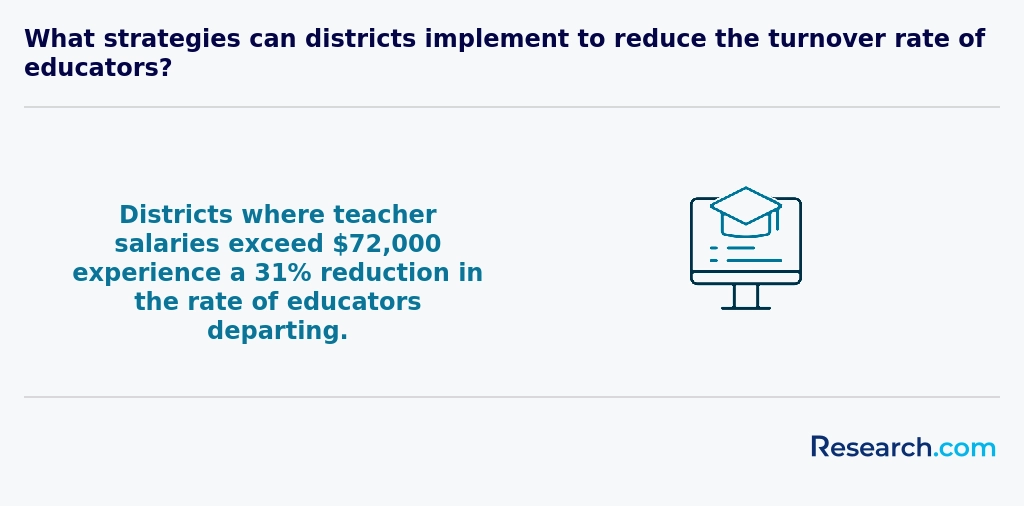
Pursuing an education degree in Jersey City, NJ, is a significant investment, and understanding the cost implications is crucial for prospective students. The total annual cost of attendance can range from approximately $27,146 for in-state public university students to around $58,628 for private institutions. To make informed decisions, students should explore the various financial aid options available, including federal grants, state aid like the Tuition Aid Grant (TAG), and scholarships. For those looking for affordable education options, researching schools that offer competitive pricing without compromising on quality is essential. Students can find more information on the most affordable education schools in New Jersey to make a well-informed choice. By considering these factors and planning financially, prospective educators can set themselves up for success, both academically and professionally, thereby enhancing their ability to inspire and educate future generations.
Imagine stepping onto the campus of a Jersey City college, excited yet wondering how to make those tuition fees manageable. Many education students there tap into federal aid, like Pell Grants that can cover up to $7,395 without needing repayment-a true relief for those balancing tight budgets. Graduates often recall how these grants lifted a financial weight off their shoulders, letting them focus fully on mastering teaching skills.
State scholarships add another layer of support. The New Jersey TEACH Grant, for example, feels like a promise rewarding dedication to teaching in high-need schools with up to $4,000 a year. Students at well-known local institutions find this especially empowering, fueling their dream to give back while easing tuition pressures.
Local scholarships from groups like the Jersey City Education Association often surprise students with unexpected financial boosts, making education dreams feel more achievable. Combining work-study roles tied to education fields not only helps pay bills but also enriches practical learning.
Envision the pride of graduates who seize loan forgiveness after five years in low-income schools, shedding up to $17,500 in debt-proof that pursuing education in Jersey City comes with rewarding paths both inside and beyond the classroom.
Graduates of Education degree programs in Jersey City, NJ, must obtain state certification through the New Jersey Department of Education (NJDOE) before they can teach in public schools. To qualify for certification, candidates must complete an NJDOE–approved teacher preparation program, which typically includes at least 120 hours of supervised field experience and student teaching in a K–12 setting. Upon program completion, applicants submit an online application through the NJ Transfer Portal, supply official transcripts, and undergo a fingerprint-based background check. In addition to coursework and fieldwork, prospective teachers must pass required assessments. Most candidates take the Praxis Core Academic Skills for Educators exams in Reading, Writing, and Mathematics, followed by the Praxis Subject Assessments aligned to their chosen teaching discipline (for example, Elementary Education or Secondary Science). Many programs also require submission of a performance–based evaluation such as the edTPA, which assesses planning, instruction, and assessment skills in real classroom contexts. Passing scores on all required assessments and a review of candidate dispositions by program faculty culminate in the NJDOE issuing a Standard Certificate. For educators aiming to expand their credentials or pursue leadership roles, earning a master’s degree can be essential. Those evaluating graduate-level pathways should consider cost–effective options; for example, the Most Affordable Online Master's in Education Degree Programs Ranking in New Jersey offers a comprehensive comparison of accredited online programs that meet NJDOE requirements for advanced certification and specialization.
Ready to dive into an education degree in Jersey City? First, picture yourself gathering your high school diploma or GED-this is your essential first step. Graduates from New Jersey City University often recall how submitting official transcripts with a solid GPA, usually around 2.5 to 3.0, felt like opening the door to their future classrooms.
Imagine the excitement of deciding whether to share SAT or ACT scores; some programs embrace a test-optional approach, adding flexibility to your path. Letters of recommendation, often from inspiring teachers or mentors, play a key role too-these personal endorsements reflect your dedication and potential to thrive in education.
Writing your statement of purpose is where your passion shines through, helping admissions at places like Saint Peter's University see your genuine eagerness to teach and make an impact. Graduate hopefuls get to showcase their prior degrees, experience with children, and even clear background checks, proving readiness to take the next educational leap.

Graduates holding an Education degree in Jersey City, NJ, have access to a wide array of employment settings that extend beyond traditional K–12 classrooms. Many begin their careers within Jersey City Public Schools or neighboring districts such as Hudson County schools, where they serve as elementary, middle, or high school teachers. Private and charter schools in the area also actively recruit qualified educators, often valuing the hands-on training and diverse classroom experience highlighted in local degree programs. Early childhood education specialists can find positions in licensed day care centers, Head Start programs, and community-based preschools, while special education teachers are in demand at both mainstream schools and specialized private institutions. Beyond the classroom, Education graduates can explore roles in instructional design and curriculum development for educational publishers, non-profit organizations, or EdTech startups headquartered in urban hubs like Jersey City and nearby Newark. Positions such as academic advisors or student success coordinators are available at community colleges and higher education institutions across New Jersey, offering opportunities to mentor and support postsecondary students. Those interested in adult learning often transition into corporate training and professional development roles, crafting workshops and e-learning modules for businesses, healthcare providers, and government agencies. For educators aiming to advance into leadership positions-such as vice principal, curriculum coordinator, or district administrator-a master’s degree is often essential. Prospective candidates should explore flexible, cost-effective graduate options by consulting the Most Affordable Online Master’s in Education Degree Programs Ranking in New Jersey, which highlights accredited programs designed to fit the schedules of working professionals. Whether guiding young learners in the classroom or shaping educational policy at the district level, Jersey City’s Education degree graduates are well-positioned to make a meaningful impact across diverse professional landscapes.
Imagine diving into courses like Child Development and Educational Psychology at a Jersey City university, where graduates vividly recall uncovering how kids think and grow, turning theory into lively classroom tactics. These foundational classes don't just sit on paper-they shape how future teachers connect with every child's unique learning style, right in the heart of Jersey City's diverse neighborhoods.
Picture yourself mastering Curriculum Design and methods for Early Childhood through Secondary Education, courses that prepare you to craft lessons for bustling urban schools. Graduates often share how exciting it was to adapt strategies for English language learners or students with special needs, reflecting Jersey City's multicultural energy.
Beyond core studies, students enthusiastically embrace classes like Special Education, Educational Technology, and Literacy Development, blending hands-on practicum experiences in local schools where expert mentors guide every step. The blend of policy knowledge and real-world teaching helps grads feel ready to inspire Jersey City's dynamic classrooms from day one.
Education degree specializations in Jersey City offer an exciting array of paths for aspiring teachers eager to make a real difference. Imagine starting your journey focusing on Early Childhood Education, where graduates from local colleges enthusiastically share stories of shaping young minds through play and discovery. Others dive into Elementary Education, embracing the joy of guiding curious K-6 learners across subjects and sparking lifelong passions.
In Jersey City teaching program focuses, there's also the rewarding challenge of Special Education, where graduates find fulfillment supporting students with unique needs, backed by growing community support. Secondary Education attracts those who love specific subjects like math or science, preparing them to energize middle and high school classrooms with expert knowledge.
For those dreaming bigger, Educational Leadership and Administration offers a strategic view, grooming future principals who navigate school policies and inspire staff. The city's vibrant diversity naturally highlights ESL programs, where educators proudly champion language skills for non-native speakers. To explore accelerated options, many turn to the shortest EDD online degree fast track programs available nearby, broadening their professional horizons.
Choosing the best education degree in Jersey City starts with diving into the heart of what truly matters: accreditation and state certification. Graduates from New Jersey City University often share how knowing their degree met stringent standards gave them confidence stepping into local classrooms. When hunting for affordable education degrees in Jersey City, it's inspiring to explore tuition costs along with extra fees, just as many have done when balancing studies with daily life in this vibrant city.
Specializations spark curiosity too. From early childhood education to educational leadership, students find joy in shaping their unique path. Flexible schedules, like evening classes or online options, open doors for those juggling work and school, a choice praised by many alumni. Career support services and partnerships with nearby schools frequently make the leap from student to teacher feel like an exciting adventure.
For those ready to explore most affordable options, consider checking the Most Affordable Online Master's in Education Degree Programs Ranking in New Jersey to discover hidden gems among Jersey City institutions.
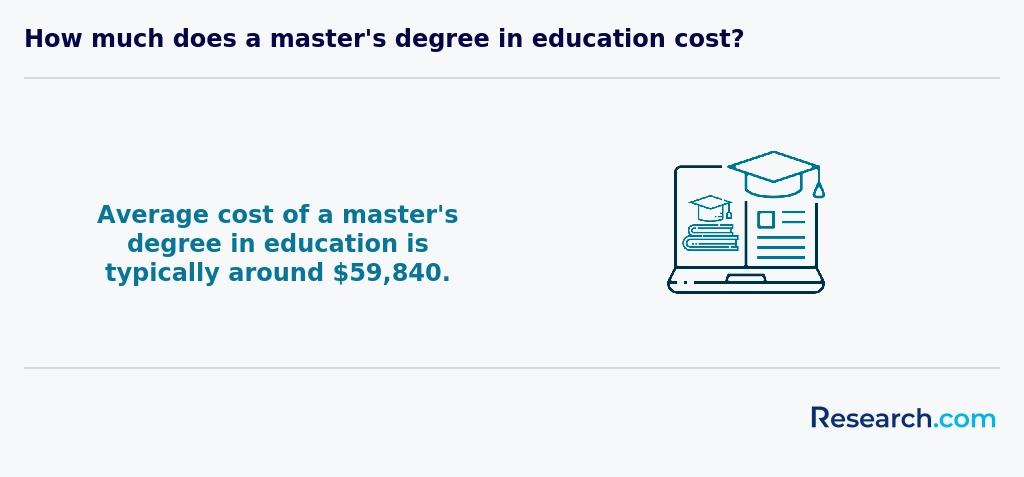
Earning an education degree in Jersey City opens a world of career opportunities that go beyond the traditional classroom. Graduates often find themselves stepping into roles as licensed K-12 teachers in diverse public and private schools throughout the area, where they can truly connect with one of the most multicultural student bodies in New Jersey. Many share stories of early mornings preparing lesson plans, energized by the lively classroom dynamics at universities or colleges popular in Jersey City.
Others venture into specialized career paths for education degree jobs in Jersey City, such as school administration, curriculum coordination, or educational counseling. Imagine shaping policies that support STEM or bilingual education, initiatives that this community deeply values. Graduates also find rewarding experiences supporting students with disabilities, reflecting a passionate commitment to inclusive education.
Supplementing these hands-on roles, some alumni dive into educational technology and policy analysis, working with organizations focused on equity and outreach. For those curious about transforming the educational landscape, many explore affordable options, including programs listed in the Most Affordable Online Master's in Education Degree Programs Ranking in New Jersey, making their journey practical as well as inspiring.
The job market for education degree job opportunities in Jersey City is vibrant and full of promise. Graduates from local institutions like New Jersey City University often share stories of stepping confidently into classrooms across the city's diverse public school system, where demand for skilled teachers in STEM and special education fields is especially strong. These opportunities don't stop at traditional teaching roles; many find exciting paths in educational administration and curriculum design, where innovation and leadership skills are in high demand.
One graduate recalled how the urban setting offered a rewarding challenge-helping students from various backgrounds while earning a salary that reflects Jersey City's unique cost of living. The average annual salary for elementary teachers in New Jersey nears $72,000, making a teaching career appealing and sustainable.
For those considering where to start, local education programs provide a nurturing environment with affordable tuition compared to many private colleges. Prospective students can also explore the best accelerated online associates degree options to launch their teaching careers faster.
Teaching career prospects Jersey City are clearly thriving, driven by a passionate community and steady growth within public and private schools alike.
2027 Best Education Degree Programs Ranking in Jersey City
Investing in your education is a significant decision that can shape your future, and the Research.com team understands the importance of making informed choices. To assist prospective students in Jersey City, we have meticulously crafted the "2027 Best Education Degree Programs Ranking in Jersey City." Our commitment to quality, credibility, and accuracy is reflected in the extensive research and analysis conducted to compile this ranking.
We utilized the following reputable data sources to ensure a comprehensive evaluation of education degree programs:
By exploring this ranking, readers will gain valuable insights into the best education degree programs available in Jersey City, helping them make informed decisions about their educational paths. For more details on our methodology, please visit our Research.com methodology page.


Frequently Asked Questions About education
Education degree students in Jersey City can enhance their learning by engaging actively with local public schools through internships and student teaching opportunities. Jersey City Public Schools, serving over 30,000 students, offer diverse settings for practical experience, crucial for developing teaching skills. According to the New Jersey Department of Education, hands-on experience improves educator effectiveness by up to 40%.
Students should also utilize resources from nearby higher education institutions like New Jersey City University, which provides specialized workshops and tutoring centers. Networking with local educators and attending education-focused seminars can deepen understanding of current educational challenges.
Finally, leveraging digital learning platforms compatible with US education standards, combined with traditional coursework, can provide a well-rounded academic experience.
The education field in Jersey City is evolving with several emerging niches that reflect broader national trends. One growing area is educational technology, where specialists develop tools to enhance digital learning environments. The U.S. Bureau of Labor Statistics predicts a 13% growth in instructional design and technology jobs by 2032. Another niche is special education focusing on inclusive practices, driven by changing federal policies and local demand.
Additionally, bilingual education and English as a Second Language (ESL) programs are expanding to serve Jersey City's diverse population, where nearly 40% of residents speak a language other than English at home, according to the U.S. Census Bureau. Finally, educational leadership roles focusing on equity and community engagement are gaining prominence.
Preparing for the job market after completing an education degree in Jersey City involves a combination of practical experience and strategic planning. Graduates should prioritize obtaining state teacher certification, which is mandatory for most public school teaching positions in New Jersey. The New Jersey Department of Education requires candidates to pass the Praxis exams and complete a supervised teaching internship to gain licensure.
Networking is crucial; Jersey City educators benefit from connections with local school districts such as Jersey City Public Schools, which is the state's second-largest district. Attending local education job fairs and joining professional organizations like the New Jersey Education Association can increase employment opportunities.
Building a strong resume with documented classroom experience enhances competitiveness. According to the New Jersey Labor Department, the demand for qualified teachers in urban areas like Jersey City continues to grow, especially in special education and STEM fields. Familiarity with modern educational technology and bilingual skills are additional assets.
Employers in Jersey City increasingly prioritize education degree graduates who demonstrate strong classroom management and effective communication skills. According to the New Jersey Department of Education, teachers who can engage diverse student populations and adapt instruction to meet individual needs are highly sought after.
Data from the Jersey City Board of Education highlights that proficiency in technology integration is another key skill. Graduates familiar with digital tools and virtual learning platforms tend to be more competitive in the job market.
Local education leaders also value collaboration and problem-solving abilities, essential for working within multidisciplinary teams in schools.
Finding internships in Jersey City relevant to an education degree involves leveraging local school districts, universities, and community organizations. Jersey City Public Schools often offer internships or practicum opportunities for education students, providing hands-on classroom experience. Connecting with institutions like New Jersey City University, which has a strong education department, can open doors to formal internship programs affiliated with local schools.
The region's proximity to New York City also expands internship options, allowing students to explore diverse educational settings. According to the National Center for Education Statistics, approximately 5,000 students are enrolled in education programs within Hudson County, increasing competition for placements.
Networking through career fairs, local education job boards, and university partnerships is crucial. Additionally, contacting local nonprofits focused on youth development can provide alternative internship experiences related to education.
Obtaining an education degree in Jersey City significantly enhances career mobility and advancement opportunities within the local education sector. The city's public school system, governed by the Jersey City Board of Education, values certified teachers, often requiring a bachelor's degree in education for entry-level positions. According to the New Jersey Department of Education, individuals with advanced degrees, such as a master's in education, earn approximately 15% higher salaries compared to those with only a bachelor's.
Moreover, the demand for qualified educators in Jersey City remains steady due to a growing student population. Education degrees open doors to roles beyond classroom teaching, including administrative positions and specialized educational support.
Studying for an education degree in Jersey City offers strong preparation for interdisciplinary roles by integrating diverse subject matter and real-world experience. Programs emphasize collaboration across fields such as psychology, sociology, and technology, reflecting the complex needs of today's classrooms. According to the New Jersey Department of Education, local institutions align their curricula with statewide standards promoting inclusive and innovative teaching practices.
Jersey City's diverse population provides practical opportunities for students to engage with varied communities, enhancing cultural competence and adaptability. Students often participate in partnerships with urban schools and community organizations, gaining hands-on experience in multifaceted educational environments.
This interdisciplinary approach equips graduates with skills to address challenges in education beyond traditional teaching, including curriculum design, educational policy, and support services.
Choosing between a thesis and a non-thesis education degree program in Jersey City depends on your career goals and learning preferences. A thesis program typically requires original research and a written dissertation, ideal for students aiming for academic or research careers. In contrast, non-thesis programs focus more on practical coursework and may include internships or comprehensive exams.
Jersey City offers various education programs accredited by bodies such as NCATE or CAEP, ensuring quality standards. According to the National Center for Education Statistics, thesis-based programs often take longer, averaging two to three years, while non-thesis options may be completed faster.
Consider your schedule and professional aspirations to determine which program best suits your needs.
Students based in Jersey City interested in studying education abroad have several options within the US higher education system. Many universities with strong education programs offer study abroad partnerships, enabling students to gain international experience while earning credits. For example, nearby New York City institutions often provide exchange programs with schools in Europe and Asia. According to data from the Institute of International Education, approximately 14% of education majors participate in study abroad programs nationwide, highlighting this pathway's growing popularity.
Additionally, Jersey City students can explore online dual-degree programs affiliated with foreign universities, combining local study with international coursework. These opportunities help broaden cultural perspectives essential in teaching diverse classrooms.
Part-time job opportunities in Jersey City offer valuable experience for students pursuing education degrees. Many local K-12 schools participate in support programs where students can work as teacher aides or substitutes, gaining hands-on classroom experience. According to the New Jersey Department of Education, Jersey City Public Schools employ numerous paraprofessionals and tutors part-time, providing practical roles for education majors.
Besides schools, after-school programs and community centers often seek assistants for educational activities and youth mentoring. These roles help develop classroom management and communication skills, essential for future educators. Additionally, some nonprofits in Jersey City focus on literacy and tutoring services, creating further opportunities for education students to apply their knowledge in real-world settings.
Education students in Jersey City have several valuable networking opportunities that support their professional growth. Local institutions such as New Jersey City University often host events, workshops, and career fairs connecting students with educators and administrators from nearby school districts.
Additionally, students can engage with the Jersey City Education Association, which provides access to veteran teachers and professional mentors. Participation in these networks can help students secure internships or classroom placements essential for gaining hands-on experience.
Moreover, regional conferences and seminars in the New York metropolitan area, including those in Jersey City, offer education students chances to meet industry leaders, explore current trends, and expand their professional contacts.
Alumni networks provide valuable support for education degree students in Jersey City. These networks connect current students with graduates who have practical experience in local schools and education systems.
Members often share job opportunities and internship leads, which is crucial since Jersey City's education sector is competitive. According to the New Jersey Department of Education, about 65% of teacher placements in the area are influenced by networking and recommendations.
Additionally, alumni offer mentoring by advising on course selection and classroom management techniques tailored to New Jersey public schools. This guidance helps students prepare for certification exams like the Praxis.
Networking events and online groups hosted by alumni also foster community and professional growth, helping graduates stay informed about regional education trends and requirements.
Customizing your education degree program in Jersey City allows you to align your studies with specific career goals. Many local institutions offer flexible curricula where you can select electives focused on special education, curriculum development, or educational technology.
Some programs also provide opportunities for internships within Jersey City's diverse school districts, enabling practical experience tailored to your interests. Additionally, pursuing certifications such as ESL (English as a Second Language) or administration credentials can further specialize your credentials.
Consulting academic advisors at schools like New Jersey City University helps identify courses and experiences that match your objectives. According to NCES data, over 60% of Jersey City education students report program customization as vital to their success.
Education students in Jersey City often face challenges related to balancing academic workloads with financial pressures. According to the National Center for Education Statistics, many students in urban areas like Jersey City work part-time jobs, which can impact their study time and academic performance.
Additionally, access to quality field placements can be competitive. Jersey City's diverse student population requires future educators to be well-prepared in culturally responsive teaching, which demands additional training and classroom experience.
Another common challenge is navigating financial aid and student debt. The average student loan debt in New Jersey is around $33,000, which can be daunting for education majors planning to enter public school systems with relatively modest salaries.
With an education degree, graduates in Jersey City can pursue various professional certifications to advance their careers in teaching and related fields. The most common certification is the New Jersey Standard Teaching Certificate, required to teach in public schools. This certification covers multiple grade levels and subjects depending on your specialization.
Additional certifications include the Certificate of Eligibility with Advanced Standing (CEAS), which enables candidates to teach while completing further requirements. Educators may also specialize with endorsements in areas like special education, ESL (English as a Second Language), or instructional technology.
According to the New Jersey Department of Education, in 2023, over 3,000 new teaching certificates were issued statewide, reflecting strong demand for certified teachers. These certifications open doors to careers not only in traditional classrooms but also in administrative or curriculum development roles within Jersey City schools.
Writing a winning application for an education program in Jersey City requires clear demonstration of your passion and qualifications. Begin with a concise personal statement explaining why you want to pursue teaching and how your background aligns with this career path.
Highlight any relevant experience, such as volunteering in local schools or tutoring, as Jersey City schools often value community involvement. Strong letters of recommendation from educators or employers who can attest to your skills are essential.
Also, emphasize your academic performance, especially in subjects related to education or child development. Many Jersey City institutions look for applicants with a minimum GPA of 3.0.
Finally, carefully review specific admission requirements of local programs like New Jersey City University, which regularly updates criteria on their official website.
The global perspective on careers in education highlights strong demand for qualified teachers and education professionals worldwide. In the United States, including Jersey City, education degrees are valued for their role in preparing skilled educators to support diverse student populations. According to the Bureau of Labor Statistics, employment for kindergarten and elementary school teachers is projected to grow 7% from 2021 to 2031, reflecting steady opportunity.
Jersey City's public schools emphasize multicultural and bilingual education, increasing the need for educators trained in inclusive practices and global competency. This trend aligns with global efforts to improve education access and quality. As a result, education degrees offer pathways not only locally but also for broader international collaboration and exchange.
Institutions in Jersey City often incorporate global education standards, helping students become adaptable educators ready for evolving challenges in classrooms worldwide.
Gaining practical experience while studying for an education degree in Jersey City is essential for career readiness. Many local institutions, including New Jersey City University and Saint Peter's University, offer fieldwork opportunities such as student teaching placements in nearby public schools. These placements provide hands-on classroom experience under the supervision of certified educators.
Additionally, students can engage in internships or volunteer roles through the Jersey City Board of Education, which actively collaborates with higher education programs to offer real-world exposure. According to the New Jersey Department of Education, structured clinical experiences are a required component of teacher preparation programs statewide, ensuring practical skill development.
Choosing the right concentration within an education degree program in Jersey City involves considering your career goals and local community needs. Popular options include early childhood, special education, and secondary education. The New Jersey Department of Education highlights a growing demand for special education teachers, reflecting a statewide increase of 6% in related roles from 2019 to 2023. Additionally, Jersey City's diverse student population requires culturally responsive teaching, prompting interest in bilingual education concentrations. Research local schools' job openings and connect with Jersey City educational institutions to understand which specializations align best with current employment trends and certification requirements.
- 2027 Best Education Degree Programs Ranking in New York
- 2027 Best Education Degree Programs Ranking in Brooklyn
- 2027 Best Education Degree Programs Ranking in Staten Island
- 2027 Best Education Degree Programs Ranking in Montclair
- 2027 Best Education Degree Programs Ranking in South Orange
- 2027 Best Education Degree Programs Ranking in Bronx
- 2027 Best Education Degree Programs Ranking in Queens
- 2027 Best Education Degree Programs Ranking in Hempstead
- 2027 Best Education Degree Programs Ranking in Old Westbury
- 2027 Best Education Degree Programs Ranking in Brookville
See What Experts Have To Say About Studying Education
Read our interview with Education experts


Nooshan Ashtari
Education Expert
Professor & Book Author
University of Southern California

- Teaching Job Roles | Teach For Life https://www.teachforlife.com/teachingjobs/global-perspectives-teacher
- Employment Opportunities - Our Lady of Częstochowa ... https://olcschool.org/work-olc
- Why Experience is Just as Important as Education https://lateral-connect.com/why-experience-is-just-as-important-as-education/
- Employment Opportunities https://www.jcboe.org/apps/pages/index.jsp
- What Can I Do With a Teaching Degree (Besides Teach)? https://www.alleducationschools.com/blog/what-can-i-do-with-a-teaching-degree-besides-teach/
- The Future of Education: Emerging Trends Reshaping Learning Environments http://www.gesseducation.com/gess-talks/articles/future-education-emerging-trends-reshaping-learning-environments
- 18 Highest Paying Jobs With an Education Degree (not teaching) | Devlin Peck https://www.devlinpeck.com/content/jobs-with-an-education-degree
- How to Pick Your Concentration for Your M.Ed. Degree | ACE Blog https://ace.edu/blog/how-to-pick-your-med-concentration/
- Elementary Education (K-6) with Literacy Focus, BA https://catalog.njcu.edu/undergraduate/education/elementary-secondary/arts-elementary-education-k6-literacy-focus/
- Benefits of Networking for Students https://www.melioeducation.com/blog/benefits-of-networking-for-students/


