2027 Best Education Degree Programs Ranking in Brooklyn

Co-Founder and Chief Data Scientist
Choosing the right education degree program in Brooklyn can shape your future in meaningful ways. This article introduces the 2027 Best Education Degree Programs Ranking in Brooklyn, created by the Research.com team of data scientists to guide you through the best options available.
By exploring this ranking, you'll gain valuable insights to make an informed decision, helping you find programs that truly fit your goals. Earning an education degree opens doors to rewarding careers, personal growth, and opportunities to inspire others.
We're here to support you on this exciting journey.
Key benefits of getting education degree in Brooklyn
- Graduates with an education degree can earn competitive salaries, such as $76,000 annually for Special Education Teachers and $77,200 for Instructional Designers, making it a financially rewarding choice.
- Education degree holders from Brooklyn colleges often enjoy diverse career paths, including roles in teaching, curriculum design, and educational technology, allowing for flexible and fulfilling job options.
- Completing an education degree online from a Brooklyn institution offers convenience and balance, enabling students to gain skills and advance their careers without sacrificing work or family time.
- 2027 Best Education Degree Programs Ranking in Brooklyn
- What can I expect from education degree in Brooklyn?
- Where can I work with education degree in Brooklyn?
What can I expect from education degree in Brooklyn?
The average cost of pursuing an education degree in Brooklyn is quite manageable, especially when you consider institutions like Brooklyn College, which is part of the CUNY system. Many graduates find the affordable in-state tuition rates a relief compared to private colleges. For example, a student studying childhood education at Brooklyn College benefited from lower tuition fees, allowing them to focus more on their studies and practical teaching experiences rather than financial stress.
In addition to tuition, many students take advantage of federal financial aid and scholarships designed specifically for future educators. These financial supports can significantly reduce out-of-pocket expenses, helping aspiring teachers complete their programs with confidence. For instance, graduates often recall how a scholarship made specialized tracks like ESL or bilingual education feasible, directly contributing to their career readiness.
Choosing to study education in Brooklyn means accessing a blend of quality academics and community support, all without the daunting price tag often associated with higher education. This balance empowers students to thrive, both academically and personally, within Brooklyn's diverse school environment.
Where can I work with education degree in Brooklyn?
With an education degree in Brooklyn, you step into a world brimming with opportunities. Many graduates find themselves teaching in public or private schools tied to the New York City Department of Education, one of the largest school systems in the country. Imagine working alongside passionate educators, shaping young minds across elementary to high school levels.
Others explore vital roles beyond the classroom, such as school counselors or instructional coordinators, contributing to the school community in meaningful ways. Brooklyn's special education programs particularly welcome trained professionals, opening doors for those dedicated to supporting students with unique learning needs.
Graduates from institutions like Brooklyn College often share stories of working in community education centers or nonprofit organizations, developing literacy and youth programs that make a real difference in neighborhoods throughout Brooklyn.
For many, higher education roles at local colleges become a rewarding path, offering chances to support fellow students or teach future educators. Each path holds the promise of impact, growth, and the joy found in nurturing learners within Brooklyn's vibrant, diverse communities.
Graduates from education programs at Brooklyn colleges often find encouraging salary opportunities across various teaching roles. For instance, elementary school teachers can expect a mean annual wage around $70,740, which aligns well with starting salaries many encounter after earning their degree in this vibrant borough. Special education teachers, who are in high demand, earn approximately $76,000 per year, reflecting the specialized skills graduates develop.
Those passionate about language instruction may step into ESL teaching roles, earning about $65,430 annually, with hourly wages reaching $31.46-ideal for graduates keen on impactful communication careers. Early childhood educators, often gaining practical experience through local schools or community centers, make around $41,410 each year.
Graduates from programs in Brooklyn seeking alternative paths beyond classroom teaching might explore instructional design, which offers a competitive mean wage near $77,200. Many find themselves inspired by the city's diverse educational landscape, where these salaries provide a solid foundation to thrive and grow professionally.
- The average annual tuition for bachelor's degrees in education at public CUNY schools in Brooklyn ranges from $7,000 to $16,000.
- Private institutions in Brooklyn often charge tuition fees exceeding $30,000 per year for education programs.
- Starting salaries for graduates with education degrees in Brooklyn typically average around $50,000 per year.
- Experienced educators in Brooklyn can earn between $75,000 and $85,000 annually depending on experience and certifications.
- Teaching certification in Brooklyn requires completing an approved program, passing the New York State Teacher Certification Examinations, and ongoing continuing education.
- High demand exists for teachers skilled in bilingual education and special education due to Brooklyn's diverse and multilingual population.
Completing an education degree in Brooklyn usually takes about four years for a bachelor's, just like many other places across the country. Many graduates from institutions such as Brooklyn College or Medgar Evers College find that this timeline fits well into their lives when they study full-time. The programs are designed to give you both theoretical knowledge and practical experience, which makes those years rich and rewarding.
If you want to advance further, a master's degree can take an extra one to two years. Many students appreciate the flexible options at Brooklyn-based universities, like part-time schedules or accelerated tracks, allowing them to balance work, family, and study effectively.
For those considering an advanced specialist or doctoral degree, expect to invest three to six years. Graduates often mention that pursuing these degrees in Brooklyn feels like a meaningful journey, where they grow deeply as educators while navigating research and internships.
A critical factor in choosing among education degree programs in Brooklyn, NY, is the breadth and quality of campus facilities and student support services designed to enhance learning outcomes and professional development. • Libraries and Learning Commons: Institutions like Brooklyn College and Long Island University provide state-of-the-art libraries with extended hours, digital archives, and dedicated education resource centers. These facilities offer access to peer-reviewed journals, curriculum archives, and interactive multimedia labs for lesson-plan development. • Technology and Innovation Labs: Many programs feature on-campus and virtual innovation labs equipped with smart boards, classroom simulation software, and video-recording studios. These labs allow student teachers to practice classroom management techniques and receive immediate feedback from supervising faculty. • Tutoring and Writing Centers: Free one-on-one tutoring in pedagogy, research methods, and academic writing is available through centralized learning centers. Specialized workshops on grant writing, K–12 assessment strategies, and inclusive classroom practices help students refine key competencies. • Career Services and Placement Support: Dedicated career advisors guide education majors through resume building, interview preparation, and job-site visits to local schools. Regular career fairs and alumni networking events connect students with public and private school districts, non-profits, and ed-tech companies. • Student Organizations and Clinical Partnerships: Education societies, children’s literacy clubs, and special education interest groups foster collaboration and leadership. Through practicum agreements with Brooklyn public schools, students engage in supervised teaching experiences from year one, building confidence and professional networks. • Online Student Portals and Virtual Communities: For those balancing work and studies, robust student portals provide 24/7 access to lecture recordings, virtual discussion forums, and peer-review groups. Prospective doctoral candidates interested in flexible, affordable paths may also explore our Low Cost Online Doctorate in Education Degree Programs Ranking in Virginia Beach, VA to compare online doctoral resources and support services. By leveraging these comprehensive facilities and services, students in Brooklyn’s top education degree programs are better positioned to excel academically and transition smoothly into impactful careers in teaching, curriculum development, and educational leadership.
Choosing between online and on-campus education degrees in Brooklyn depends largely on your lifestyle and learning preferences. Graduates from Brooklyn College often recall the vibrant classroom discussions and real-time feedback they received, which helped them build confidence during their student teaching at local schools. This personal interaction is invaluable if you thrive in a structured environment with hands-on experience.
On the other hand, some graduates from Long Island University in Brooklyn embraced online programs for the flexibility they offered. Balancing work and family while studying was manageable because they could access lectures anytime, eliminating daily commutes across busy Brooklyn neighborhoods. This asynchronous style empowers self-motivated learners to progress at their own pace without sacrificing quality.
Both formats come with unique advantages: on-campus programs provide rich access to campus resources, while online degrees often reduce expenses related to transportation and housing. Whichever you choose, ensure the program's accreditation aligns with New York State's teacher licensure requirements to confidently pursue your teaching career in Brooklyn.
When considering education degree programs in Brooklyn, NY, it is essential to weigh various factors, including program quality, faculty expertise, and student outcomes. Aspiring educators must also think about the affordability of these programs, as the cost of tuition can significantly impact their financial situation. For those seeking affordable education programs in New York, understanding the available financial aid options, such as scholarships and grants, can be crucial. By carefully evaluating these aspects and considering their personal interests and career goals, prospective students can make informed decisions about which education degree program in Brooklyn, NY, is the best fit for them. This thoughtful approach will empower them to navigate the complexities of the education sector and embark on a fulfilling career in education.
When considering the average cost of education degree in Brooklyn, it's important to note that the total expenses for graduates often reflect a median total cost of approximately $47,550. For in-state students, this amount typically lowers to about $28,775. This difference highlights the significant impact residency status has on overall tuition fees and related expenses.
Many education degree graduates from institutions such as Brooklyn College or Long Island University recall how budgeting carefully helped them manage costs while enjoying the vibrant city lifestyle. While private colleges in the area tend to charge more, the investment often comes with rich academic resources and strong networking opportunities. On the other hand, public universities offer affordable tuition paired with practical education programs, making Brooklyn an appealing choice amidst the urban setting.
Understanding Brooklyn education degree program tuition fees allows prospective students to plan realistically. Beyond tuition, expenses for books, materials, and living can add thousands annually. However, support through scholarships, grants, and assistantships - frequently available at these Brooklyn institutions - can ease the financial load and inspire confidence in your educational journey.
For those seeking more details on financial planning and choices available, exploring affordable education programs in New York can reveal options tailored to fit various budgets, empowering you to pursue your dream of becoming an educator in Brooklyn without overwhelming financial stress.
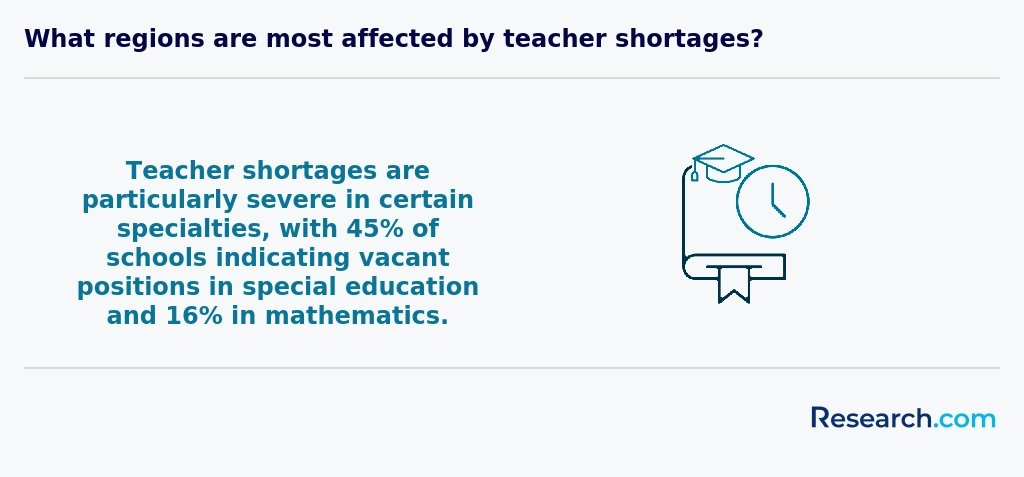
As education professionals seek to deepen their expertise and leadership skills, pursuing a doctoral degree-whether an EdD or PhD-can be a transformative next step. Doctoral programs typically span three to five years, combining advanced coursework, research methods, and a dissertation that addresses real-world challenges in education. An EdD often emphasizes applied practice and organizational leadership, preparing graduates for roles such as superintendent or curriculum director, while a PhD focuses on original research, ideal for those aiming at university faculty or policy research positions. When evaluating programs, consider accreditation status, cohort size, and the balance between synchronous seminars and independent study. Many candidates appreciate the flexibility of hybrid and online formats, which allow working professionals to maintain their careers while completing residencies or intensive seminars. For a cost-effective option, you may explore our Low Cost Online Doctorate in Education Degree Programs Ranking in Virginia Beach, VA, highlighting programs that deliver rigorous training without the premium price tag. Graduates of doctoral education programs report significant salary increases-often 20–30% above master’s-level roles-and expanded opportunities in higher education leadership, policy development, and consulting. By carefully aligning research interests, program structure, and career goals, aspiring doctoral candidates can ensure their investment yields both intellectual growth and professional advancement.
If you're pursuing an education degree in Brooklyn, there's a strong network of financial aid designed to support your journey. Graduates from institutions like the City University of New York (CUNY) often share how applying for the Free Application for Federal Student Aid (FAFSA) was a game-changer, unlocking access to Pell Grants that can cover up to $7,395 annually without the burden of repayment. These grants are essential for students balancing tight budgets while focusing on their studies.
In addition, the Federal TEACH Grant offers up to $4,000 per year-but it comes with the rewarding commitment of teaching for at least four years in high-need areas, something many Brooklyn students find inspiring as they see the real impact they can make.
Local support is also strong. The New York State Tuition Assistance Program (TAP) provides up to $5,665 for eligible in-state students attending Brooklyn colleges, easing tuition costs substantially. Many who studied education at CUNY campuses attest to how TAP and school-specific scholarships helped them stay motivated and engaged.
- Work-study roles allow you to earn while gaining hands-on experience in schools around Brooklyn, making every dollar meaningful.
- Loan forgiveness programs reward years of dedication by forgiving student loan balances after ten years of working in public service education positions.
- Private scholarships-such as those from the New York State Association for Supervision and Curriculum Development-offer extra financial support targeted specifically to future educators in Brooklyn.
While traditional education degree programs offer a robust foundation, many prospective students are increasingly interested in accelerated and flexible options that can fast‐track their career goals. In Brooklyn, a growing number of institutions now provide accelerated formats, hybrid learning opportunities, and alternative pathways designed for busy professionals or career changers. These programs often enable students to complete coursework in a condensed timeline without compromising the quality of education. Accelerated options cater to those who are eager to step into the classroom or pivot into administrative and leadership roles sooner. For instance, specialized accelerated tracks focus on streamlining core coursework and immersive field experiences, allowing students to gain hands-on practice in a fraction of the traditional timeframe. This approach not only minimizes time away from the workforce but also helps students rapidly accumulate the credits necessary for certification and career advancement. In addition to on-campus accelerated pathways, many institutions are embracing online and blended formats to accommodate diverse learning styles and personal schedules. For students who value flexibility and speed, exploring programs such as the shortest EDD online degree fast track programs can provide a viable solution. These online degrees are designed with intensive modules, virtual internships, and interactive coursework that maintain academic rigor while allowing for a more self-paced study environment. Alternative pathways also include competency-based education models that assess students on mastery of skills rather than seat time. This innovative approach ensures that students who already possess relevant experience or prior learning can tailor their studies to focus on areas that need development, further expediting their journey toward a degree. As the landscape of higher education evolves, these alternative models are increasingly recognized by employers and accreditation bodies, bolstering the credibility and practical value of the accelerated degree. Ultimately, these diverse educational pathways empower aspiring educators in Brooklyn to make informed choices that align with their professional commitments and personal aspirations, ensuring a timely entry into the dynamic field of education.
To enroll in an education degree program in Brooklyn, you must first hold a high school diploma or an equivalent like a GED. Many graduates share how maintaining a solid GPA between 2.5 and 3.0 opened doors for them, especially when applying to well-known institutions such as Brooklyn College. Imagine walking through the halls of a CUNY school, feeling confident that your academic record helped you earn your spot.
While some schools still consider SAT or ACT scores, the growing trend toward test-optional policies eases pressure on many applicants. Graduates often recall how this shift made the process feel more accessible and less intimidating.
If you're aiming for a master's degree in education, having a bachelor's degree with strong transcripts in relevant subjects is essential. Many students have benefited from showcasing their experience in psychology or child development, helping them stand out in competitive programs.
Criminal background checks and fingerprinting are also mandatory, reflecting your readiness to work with children responsibly. Preparing strong letters of recommendation and personal statements will further highlight your passion and commitment-just like many successful education students before you.

Pursuing an education degree is a significant financial commitment, but understanding the return on investment (ROI) can clarify long-term benefits. In Brooklyn, the average total cost for a four-year bachelor’s degree hovers around $108,584 for in-state students and $182,832 for out-of-state. With entry-level ESL teachers earning a mean annual wage of $63,130 and instructional designers averaging $73,080, graduates typically recoup their investment within 3–5 years. When factoring in federal loan interest rates (currently around 4.53% for undergraduates) and potential salary growth of 2–3% annually, breakeven often occurs sooner for those who secure positions in high-demand specialties or urban districts offering hardship stipends. To maximize ROI:
- Prioritize accredited programs with strong job placement rates and mentorship opportunities.
- Leverage financial aid early-combining Pell Grants, TAP, and the Excelsior Scholarship can reduce out-of-pocket costs by up to 50%.
- Seek teaching positions in underserved Brooklyn neighborhoods, where retention bonuses and loan forgiveness programs can accelerate debt repayment.
- Compare low-cost alternatives for advanced degrees; for instance, explore the Low Cost Online Doctorate in Education Degree Programs Ranking in Virginia Beach, VA to assess affordable doctoral pathways that may further enhance earning potential. By aligning program choice, financial aid, and career planning, prospective educators can ensure their Brooklyn degree delivers both professional fulfillment and sustainable economic returns.
In Brooklyn, education degree programs immerse you in courses that truly prepare you to make a difference in diverse classrooms. Graduates from well-known Brooklyn colleges often share how foundational classes like child and adolescent development helped them understand their students' unique social and cognitive growth stages, making daily teaching both effective and rewarding.
You'll dive into curriculum design and instructional strategies that emphasize culturally responsive teaching-vital in Brooklyn's rich, multicultural communities. Many students find educational psychology courses eye-opening, as they reveal insights into student motivation and behavior, which can transform how you engage and inspire learners.
Hands-on experience is key. Many Brooklyn programs include practicum opportunities where graduates report that classroom management techniques learned in class became invaluable during their student teaching in local schools. You'll also explore education technology, a must-have skill for today's digital classrooms, along with special education and multicultural education courses that reflect Brooklyn's vibrant diversity.
If you're exploring education degree specializations in Brooklyn, you'll find programs tailored to a range of teaching roles. Many students at local colleges focus on Early Childhood Education, preparing to nurture young learners with vital skills in literacy and social development. Graduates often share how rewarding it is to help shape these formative years in nearby community preschools.
Another popular path is Elementary Education, where future teachers learn how to engage children aged 5 to 12 through dynamic curricula. Many Brooklyn teaching degree program options also include Secondary Education, which lets students specialize in subjects like math or science. Practical student-teaching experiences within local schools build confidence and real-world skills.
For those who want to make a broader impact, specializations like Special Education and TESOL respond directly to Brooklyn's diverse classroom needs. Some campuses even offer Educational Leadership tracks, opening doors to principal and coordinator roles. If you want to advance quickly you might explore the shortest EDD online degree fast track programs that overlap with leadership studies in education.
Choosing the best education degree programs Brooklyn offers starts with pinpointing the exact certification or teaching license you want to achieve. Graduates from Brooklyn College often share how the CAEP-accredited programs set them up with strong foundational knowledge and practical skills, helping them confidently pass the New York State Teacher Certification Examinations. Consider the financial aspect too-public universities here average around $10,000 for in-state tuition, while private schools can be much higher. Many students appreciate the flexibility Brooklyn colleges offer, such as part-time or evening classes, which balance studying with life's demands.
When I spoke to recent graduates from St. Francis College, they emphasized how specializing in areas like early childhood or special education made their career goals clearer and their job searches easier. It's also smart to explore financial support-you might want to check out the Low Cost Online Doctorate in Education Degree Programs Ranking in Virginia Beach, VA for ideas on affordable education degrees in Brooklyn. Focus on programs with strong advising and practical placements, as these connections open doors in Brooklyn's vibrant education scene.
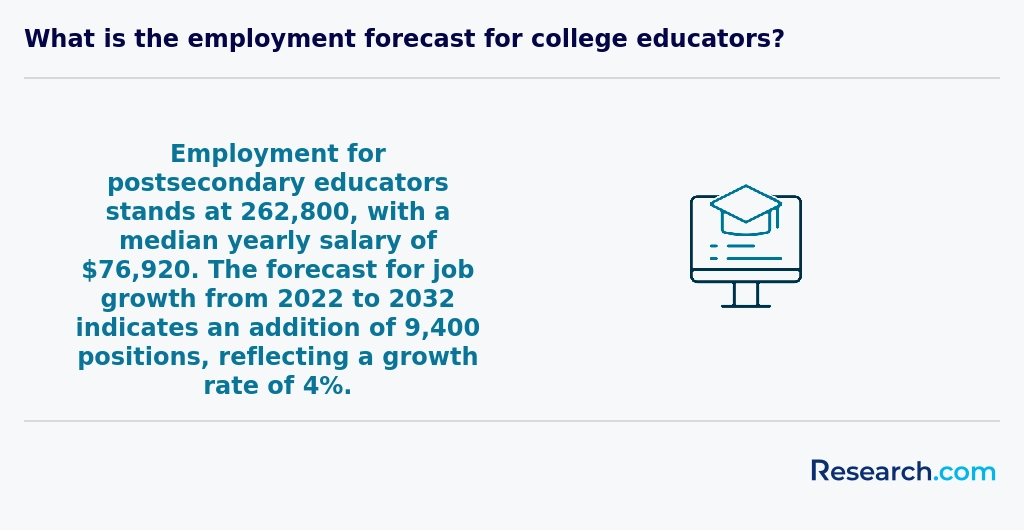
If you're pursuing an education degree in Brooklyn, you'll find a wealth of career paths waiting for you. Many graduates take on teaching jobs with education degree Brooklyn, starting in public schools where diverse classrooms fuel a rewarding challenge. Recent graduates from Brooklyn's well-known colleges describe the fulfillment of helping multilingual learners and stepping into roles like special education or bilingual education specialists, where their skills truly shine. These positions not only offer competitive salaries but also bring a strong sense of impact within the community.
Some graduates move into education administration roles-becoming principals or curriculum coordinators-where leadership and innovation come together, often supported by additional certification or a master's degree. Others explore educational support roles, such as counseling or technology support, which directly contribute to student success and personal satisfaction.
For those interested in broader horizons, Brooklyn's colleges provide opportunities as lecturers or student advisors. Considering your own journey, remember to weigh the costs of education carefully, and explore resources on best college degrees to make informed decisions about your future.
The education degree job outlook Brooklyn offers today is vibrant and encouraging for graduates eager to make a real impact. Graduates from well-known institutions like Brooklyn College find that the borough's large public school system consistently posts vacancies, especially in fields like special education and ESL, where demand is high due to the diverse student population. Many graduates share stories of quickly securing positions in local schools, where their bilingual skills and cultural awareness are treasured assets.
Brooklyn education degree employment opportunities extend beyond traditional classrooms. Graduates are increasingly stepping into roles such as curriculum developers and education technology specialists, reflecting the borough's investment in modern learning tools. This dynamic environment means that new educators often find fulfilling career paths tailored to their strengths and passions.
For those wondering about cost and feasibility, pursuing an education degree at Brooklyn Community College or Brooklyn College is a practical choice, offering moderate tuition rates. Some even explore which is the easiest masters degree options to advance more swiftly while balancing work and study, contributing to their promising outlook.
2027 Best Education Degree Programs Ranking in Brooklyn
Investing in your education is a significant decision that can greatly influence your future, and the Research.com team fully appreciates the importance of making well-informed choices. To support prospective students in Brooklyn, we have carefully developed the "2027 Best Education Degree Programs Ranking in Brooklyn." Our dedication to quality, credibility, and accuracy is demonstrated through extensive research and thorough analysis underlying this ranking.
We utilized the following reputable data sources to ensure a comprehensive evaluation of education degree programs:
By consulting this ranking, readers will obtain valuable insights into the most outstanding education degree programs in Brooklyn, empowering them to make confident decisions about their academic careers. For an in-depth understanding of how our rankings are created, please visit our Research.com methodology page.


Frequently Asked Questions About education
Education degree students in Brooklyn can maximize their learning experience by actively engaging in both classroom and fieldwork opportunities. Brooklyn offers access to diverse public and private schools, providing valuable practical experience through student teaching placements. According to the New York State Education Department, hands-on practice is crucial for mastering instructional methods and classroom management.
Additionally, participation in local education conferences and workshops within New York City enhances understanding of current teaching trends and policies. Brooklyn's universities often collaborate with community organizations, enabling students to gain cultural competence important for urban classrooms.
Utilizing campus resources, such as tutoring centers and academic advising, also supports student success. According to the National Center for Education Statistics, students who engage with support services tend to have higher retention rates and academic performance. Networking with peers and faculty further enriches the learning environment, preparing students for varied educational careers in Brooklyn and beyond.
Emerging niches within the education field reflect evolving societal needs and technological advancements. In Brooklyn, there is growing demand for special education expertise due to increased awareness and support for diverse learners. According to the New York State Education Department, enrollment in special education programs has risen steadily over the past decade.
Another promising area is educational technology, or EdTech. Educators with skills in integrating digital tools and designing remote learning experiences are increasingly valuable, especially after shifts caused by the COVID-19 pandemic. Local institutions in Brooklyn now offer specialized certificates and degrees in this field.
Additionally, bilingual education is expanding as Brooklyn's multilingual population grows. Professionals fluent in languages such as Spanish and Mandarin can address the needs of English Language Learners (ELLs), enhancing classroom inclusivity. This niche aligns well with the city's demographic trends identified by the U.S. Census Bureau.
After completing an education degree in Brooklyn, preparing for the job market requires targeted strategies. Graduates should leverage field experience gained through student teaching or internships, which local school districts highly value. Networking is essential; attending education job fairs in Brooklyn and connecting with faculty can open opportunities. According to the New York City Department of Education, Brooklyn schools employ thousands of teachers annually, with special demand in early childhood and special education. Candidates should also pursue state certification exams, such as the New York State Teacher Certification Exams (NYSTCE), mandatory for public school teaching positions. Continuing professional development is another key to career success.
Employers in Brooklyn seek education degree graduates with strong classroom management skills, as this directly impacts student engagement and learning. According to the New York City Department of Education, effective communication and adaptability are also highly valued, enabling teachers to connect with diverse student populations.
Critical thinking and problem-solving abilities are essential for addressing varied educational challenges. Graduates proficient in technology integration gain an advantage because Brooklyn schools increasingly utilize digital tools to enhance instruction. Data from the Bureau of Labor Statistics indicates that 85% of local school districts prioritize candidates with cultural competence due to Brooklyn's diverse communities.
Finding internships in Brooklyn relevant to an education degree involves several strategic steps. Many local school districts, such as the New York City Department of Education, offer internship opportunities for education students seeking classroom experience. Additionally, universities in Brooklyn often have partnerships with nearby schools, facilitating placement for student teachers and interns.
Resources such as the NYC DOE Career Portal provide listings specifically for education internships and teaching assistant roles. According to recent data from the DOE, Brooklyn schools hosted over 3,000 education interns in the past academic year, reflecting robust opportunities.
Networking through university career centers and attending local education job fairs can also increase chances of securing internships in the borough.
An education degree in Brooklyn significantly enhances career mobility and opportunities for advancement within the local school systems. According to the New York State Education Department, holding a teaching certification paired with a degree from an accredited Brooklyn institution often leads to higher starting salaries and eligibility for leadership roles.
Brooklyn's diverse public and private education sectors value candidates with specialized degrees, boosting prospects in areas such as curriculum development, special education, and administration. Data from the New York City Department of Education shows educators with advanced degrees have a 15-20% greater likelihood of promotion within five years.
Moreover, continuous professional development tied to education credentials is a requirement for many Brooklyn school districts, opening pathways to principal, counselor, and instructional coordinator positions. Thus, an education degree acts as a strong foundation for long-term career growth locally.
Studying for an education degree in Brooklyn offers unique preparation for interdisciplinary roles by integrating diverse fields such as psychology, sociology, and technology into the curriculum. Many Brooklyn institutions emphasize hands-on experience in multicultural classrooms, reflecting the borough's rich demographic diversity. This exposure equips students to address varied learning needs and foster inclusive environments.
According to the New York State Education Department, Brooklyn schools increasingly adopt collaborative teaching models, which graduates learn to navigate effectively. Programs often include training in data analysis and educational technology, vital for roles that connect education with social services, health, and community outreach.
When choosing between a thesis and a non-thesis education degree program in Brooklyn, consider your career goals and learning preferences. Thesis programs typically require original research and are suited for those interested in academic, research, or doctoral careers. Non-thesis programs often focus on practical skills and may include internships or comprehensive exams, ideal for teachers or professionals seeking advancement.
In Brooklyn, many public institutions like Brooklyn College offer both options, reflecting the diverse needs of its student population. According to the NYC Department of Education, nearly 30% of education graduates pursue roles in administration or counseling, fields where non-thesis programs are common.
Consult faculty advisors to understand program demands and available support, ensuring alignment with your personal and professional objectives.
Students in Brooklyn interested in studying education abroad have several avenues through US higher education institutions offering international experiences. Many universities participate in exchange programs, allowing education majors to study overseas while earning credits that count toward their degree. For example, Brooklyn College, part of the City University of New York (CUNY) system, supports study abroad opportunities in countries such as Spain and Ireland.
Additionally, students may enroll in accredited online education degree programs with global perspectives, combining flexibility with international insights. According to the Institute of International Education, over 10,000 US students pursued education-related study abroad experiences in recent years, signaling strong growth in this sector.
Scholarships and grants targeted at education majors further enable Brooklyn students to afford these programs, with options facilitated by both local institutions and national organizations.
Brooklyn offers a variety of part-time job opportunities that can enrich the education degree journey. Working as a teacher's aide or assistant in local public schools provides practical classroom experience while earning income. According to NYC Department of Education data from 2023, aides in Brooklyn schools support over 10,000 students across diverse communities.
Another common role is tutoring, especially in literacy and STEM subjects, where students can apply theory to help peers. Community centers and after-school programs frequently seek education majors for part-time support, enhancing professional skills related to lesson planning and classroom management.
Brooklyn libraries also employ part-time assistants, allowing education students to engage with community literacy efforts. These roles develop communication and organizational abilities vital for future educators. Such jobs complement academic programs by combining real-world teaching experiences with coursework.
Education students in Brooklyn benefit from a variety of networking opportunities that support their academic and professional growth. Many local colleges and universities, such as Brooklyn College and LIU Brooklyn, actively host career fairs, workshops, and guest lectures featuring experienced educators and administrators. These events allow students to connect with potential employers and mentors in the field.
Additionally, organizations like the New York State United Teachers (NYSUT) and the Brooklyn Education Alliance offer networking events and conferences tailored to education professionals. These groups provide platforms where students can build relationships and stay updated on industry trends.
Participation in student teaching placements within Brooklyn public schools also builds direct contacts with school staff and local education leaders. Such connections can lead to job recommendations and collaborative projects after graduation.
Alumni networks play a significant role in supporting education degree students in Brooklyn. These networks provide connections to experienced professionals who can offer mentorship and career advice, which is invaluable in the competitive education job market. According to the National Center for Education Statistics, networking significantly increases employment opportunities for graduates in urban areas like Brooklyn.
Furthermore, alumni events and online platforms facilitate access to job openings in the New York City public school system and private educational institutions. Many Brooklyn education programs report higher placement rates attributed to active alumni involvement. Through these networks, students gain insights into regional educational trends and challenges, helping them become better-prepared educators.
Customizing an education degree program in Brooklyn allows students to align their studies with specific career goals. Many local institutions offer flexible curricula, including elective courses, specialized tracks, and internship opportunities within Brooklyn's diverse school districts. For example, students can focus on areas like special education, TESOL, or educational leadership to target their preferred roles. According to the New York State Education Department, tailoring coursework can improve practical skills and job readiness.
Additionally, students often have access to part-time or evening classes, helping working professionals balance study with employment. Local partnerships with Brooklyn public and charter schools provide valuable hands-on experience, crucial for credentials and future employment.
Education students in Brooklyn often face significant challenges related to financial constraints. According to the National Center for Education Statistics, many students in New York City experience high living costs, which can impact their ability to focus on studies. Balancing part-time work with demanding coursework is common, leading to increased stress and time management issues.
Another challenge is gaining adequate classroom experience. Brooklyn's diverse student population requires future teachers to be skilled in culturally responsive teaching, yet access to quality field placements can be limited. This affects practical learning and readiness.
Also, navigating certification requirements under New York State's Education Department adds complexity, as candidates must pass rigorous exams and meet specific training standards before becoming licensed educators.
With an education degree in Brooklyn, graduates can pursue various professional certifications to advance their careers. One common certification is the New York State Teaching Certificate, which is required to teach in public schools. This certification has several levels, including Initial and Professional, each with specific requirements.
Beyond teaching, many graduates pursue certifications in special education, ESL (English as a Second Language), or school counseling. These areas address diverse student needs and are in demand within Brooklyn's public school system, which serves over 300,000 students according to the NYC Department of Education.
Additional options include administrative certifications for those interested in leadership roles such as school principal or superintendent. These certifications typically require further graduate study and experience.
Writing a winning application for an education program in Brooklyn requires clear demonstration of your passion and preparedness for the teaching profession. Start by researching local programs such as those offered by Brooklyn College and LIU Brooklyn, both recognized for strong education departments. According to the National Center for Education Statistics, Brooklyn awards hundreds of education degrees annually, reflecting a competitive applicant pool.
Highlight relevant experience like tutoring, volunteering in schools, or leadership roles, which are valued by admissions committees. Detail your academic achievements and include strong letters of recommendation from educators familiar with your abilities.
Finally, tailor your personal statement to Brooklyn's unique educational landscape, emphasizing your commitment to diverse urban learning environments. Schools value applicants who understand local community needs and show readiness to contribute meaningfully.
The global perspective on a career in education often highlights the growing demand for skilled educators worldwide. In the United States, teaching remains a stable and respected profession, with employment for kindergarten and elementary teachers projected to grow 7% from 2021 to 2031, according to the U.S. Bureau of Labor Statistics.
Brooklyn, as part of New York City, benefits from diverse cultural influences that enrich teachers' global awareness. Local education institutions emphasize training candidates to work in multicultural environments, reflecting global educational trends.
Internationally, education careers also focus on adapting to technological advancements and addressing equity, which are key themes in Brooklyn's education programs as well.
Gaining practical experience while studying for an education degree in Brooklyn is essential for career readiness. Many local institutions require or encourage student teaching placements in nearby public schools, benefiting from Brooklyn's diverse school districts. The New York City Department of Education partners with colleges to provide fieldwork opportunities, allowing students to practice teaching skills in real classrooms. Additionally, internships and volunteer roles at educational nonprofits in Brooklyn can supplement hands-on learning. According to the National Center for Education Statistics, around 85% of education programs in New York incorporate student teaching. This integrated approach fosters effective teacher preparation within the city's unique educational landscape.
Choosing the right concentration within an education degree program in Brooklyn involves understanding your career goals and the local educational landscape. Brooklyn offers diverse options, including early childhood, special education, and educational leadership. According to the New York City Department of Education, special education demand in Brooklyn has risen by 12% over the past five years, reflecting growing opportunities in that field.
Prospective students should also consider state certification requirements, which vary by concentration and impact eligibility for teaching licenses in New York. Research local schools' needs and job market trends.
Visiting campuses and speaking with advisors can clarify which concentration aligns with your interests and the community's needs.
- 2027 Best Education Degree Programs Ranking in New York
- 2027 Best Education Degree Programs Ranking in Jersey City
- 2027 Best Education Degree Programs Ranking in Queens
- 2027 Best Education Degree Programs Ranking in Staten Island
- 2027 Best Education Degree Programs Ranking in Bronx
- 2027 Best Education Degree Programs Ranking in Hempstead
- 2027 Best Education Degree Programs Ranking in South Orange
- 2027 Best Education Degree Programs Ranking in Montclair
- 2027 Best Education Degree Programs Ranking in Old Westbury
- 2027 Best Education Degree Programs Ranking in Brookville
See What Experts Have To Say About Studying Education
Read our interview with Education experts

Nooshan Ashtari
Education Expert
Professor & Book Author
University of Southern California

Alan J. Singer
Education Expert
Professor of Teaching, Learning and Technology
Hofstra University

- Promising Niches in the Global EdTech Landscape - Blog https://rocketech.it/blog/post/global-edtech-landscape-what-niches-are-the-most-promising
- Childhood Education Teacher (1–6), B.A. - Brooklyn College https://www.brooklyn.edu/academics/programs/childhood-teacher-1to6-ba/
- Online Learning vs Traditional Learning Comparison https://advantagesschool.com/online-learning-vs-traditional-learning/
- Networking For Educators: How To Grow A Professional Circle - Carlow University https://www.carlow.edu/networking-for-educators/
- Education Degree Entry Requirements https://universitycompare.com/advice/student/education-degree-entry-requirements
- Navigating Challenges In Education, Learning & Development - those who can https://www.thosewhocan.org/navigating-challenges-in-education-learning-and-development/
- Bachelor of Education Degree (Here's What To Expect) https://www.alleducationschools.com/teaching-degrees/bachelors-in-education/
- How To Write A Great Cover Letter For Teacher Training - Engage Education https://engage-education.com/blog/how-to-write-a-great-cover-letter-for-teacher-training/
- Latest Trends in the Field of Education - ICERT https://icert.org.in/latest-trends-in-the-field-of-education/
- Get the skills employers want | Study UK https://study-uk.britishcouncil.org/why-study/succeed-your-career/get-skills-employers-want