
2027 Best Education Degree Programs Ranking in Staten Island

Co-Founder and Chief Data Scientist
Choosing the right education degree program in Staten Island can feel overwhelming. That's why this article presents the 2027 Best Education Degree Programs Ranking in Staten Island, developed by the Research.com team of data scientists. This ranking offers clear insights to help you make an informed decision about which programs truly stand out.
Whether you're starting your journey or advancing your career, earning an education degree opens doors to meaningful opportunities. Reading this article will guide you toward programs that align with your goals, helping you feel confident and inspired.
Key benefits of getting education degree in Staten Island
- Graduates with an education degree in Staten Island can expect rewarding salaries, such as $70,740 for elementary school teachers and $76,000 for special education teachers, making it a financially stable career choice.
- Potential career paths include becoming a licensed teacher, instructional designer, or early childhood educator, all of which are in demand and offer meaningful opportunities to impact students' lives positively.
- Completing an education degree online, like through a popular Staten Island university, provides flexible scheduling and allows graduates to balance work and study, speeding up career advancement without sacrificing personal time.
- 2027 Best Education Degree Programs Ranking in Staten Island
- What can I expect from education degree in Staten Island?
- Where can I work with education degree in Staten Island?
What can I expect from education degree in Staten Island?
Students pursuing education degrees in Staten Island, especially at the College of Staten Island, find a welcoming and supportive environment that combines rigorous academics with hands-on teaching experiences. Graduates often recall how their coursework on child development and classroom management seamlessly connected with real-life student teaching placements in diverse local schools, deeply enriching their journey to becoming inspiring educators.
The average cost of an education degree at these institutions is very manageable due to the affordability of the CUNY system, with in-state tuition often significantly lower than private colleges. Many students share relief and excitement about scholarships and federal aid that ease financial burdens, making quality education accessible without sacrificing dreams.
Graduates highlight the rewarding feeling of preparing to join New York City's vibrant public school system, empowered by programs that focus not just on teaching skills but also on cultural understanding-skills that resonate deeply within Staten Island's diverse communities. This blend of practical training, affordability, and cultural competency makes education degrees here a truly inspiring investment in a meaningful future.
Where can I work with education degree in Staten Island?
Graduates with an education degree in Staten Island find a wealth of rewarding career opportunities that truly make a difference in their communities. Many begin their journey in the New York City Department of Education, serving as certified teachers in bustling elementary, middle, or high schools. Imagine guiding young minds through exciting lessons, knowing you're shaping the future of Staten Island's 57,000+ public school students. Students from the College of Staten Island often share how their hands-on training prepared them perfectly for these roles, fostering confidence and passion in the classroom.
Beyond public schools, education graduates thrive in private and charter schools where they bring innovative approaches, often specializing in areas like bilingual education or STEM. Early childhood education centers also eagerly welcome these graduates, where they nurture children from infancy to age five, turning each day into a meaningful adventure. Local nonprofits and after-school programs offer dynamic careers, allowing graduates to empower youth outside the traditional school setting.
For those pursuing higher education, institutions like the College of Staten Island offer roles in student support and academic advising, opening doors to enriching careers beyond teaching. The path is full of possibilities, all grounded in the vibrant, supportive educational community right here in Staten Island.
Graduates with education degrees from colleges in Staten Island are stepping into rewarding careers with promising salary prospects. For example, elementary school teachers have a mean annual wage of about $70,740, offering a stable and fulfilling income as they shape young minds. Special education teachers, who meet high community needs, can earn even more, with an average salary around $76,000. This reflects their vital role and specialized skills.
Those pursuing roles as English as a Second Language (ESL) teachers benefit from mean annual wages near $65,430, helping diverse students thrive in classrooms. Early childhood educators also contribute significantly in local schools, earning about $41,410 yearly on average, a great start for passionate newcomers to education.
Instructional designers, who innovate learning processes and materials, enjoy rewarding careers with mean salaries near $77,200. Many graduates from Staten Island's education programs find joy and pride in these paths, knowing they support community growth while earning competitive wages.
- Tuition for education degree programs in Staten Island ranges from $6,000 to $15,000 per year at public and private institutions.
- The average starting salary for education graduates in Staten Island is about $48,000 annually, increasing to $70,000-$75,000 with experience.
- The New York City Department of Education, including Staten Island, is a major employer with ongoing demand for teachers, especially in special education and STEM fields.
- Certification requires completing a state-approved teacher preparation program and passing New York State Teacher Certification Exams.
- Programs often include fieldwork or student-teaching placements within Staten Island schools, crucial for practical training and job readiness.
- Staten Island provides professional development and continuing education opportunities for educators to maintain certification and advance their careers.
Completing an education degree in Staten Island is a rewarding journey that typically takes about four years for a bachelor's degree when pursued full-time. Many graduates from the College of Staten Island describe this period as a transformative time filled with growth, connection, and the excitement of preparing to make a meaningful impact in local classrooms. The structured pace with around 15 credits per semester allows students to steadily build their expertise while balancing campus life.
For those beginning with an associate degree at community colleges, the path often takes two years and can open doors to both the workforce and further academic opportunities. Many find this step empowering, as it provides hands-on experience and a strong foundation.
Graduate students embracing specialized areas like curriculum development often invest an additional one to two years, often balancing studies with personal responsibilities through flexible part-time or online options available in Staten Island and nearby New York City.
The inspiring stories of peers who have successfully navigated certification exams alongside their coursework encourage new students to envision themselves overcoming challenges and thriving. The affordable tuition at local institutions like the College of Staten Island supports this hopeful journey, ensuring education remains accessible and achievable.
Ensuring that your Education degree program in Staten Island, NY, meets rigorous quality standards starts with accreditation and understanding New York State teacher certification requirements. Accredited programs-recognized by bodies such as the Council for the Accreditation of Educator Preparation (CAEP) or the New York State Education Department (NYSED)-guarantee that you receive a curriculum aligned with best practices, faculty expertise, and clinical experiences that fulfill licensure prerequisites. Before enrolling, confirm that the institution holds program-level accreditation in Education; this not only affects your eligibility for federal financial aid but also streamlines your path to certification. In New York, prospective teachers must complete a state-approved teacher preparation program, pass the Educating All Students (EAS) and Content Specialty Tests (CST), and fulfill fingerprinting and background clearance. Many programs integrate these assessments into their coursework, offering workshops and mock testing sessions to build your readiness. For those balancing affordability with accreditation, our Affordable Online Master’s in Education Degree Programs Ranking in South Carolina can serve as a benchmark for comparing tuition costs, faculty credentials, and support services-helping you make a fully informed decision as you pursue a credential that leads directly to New York State certification.
Choosing between online and on-campus education degrees in Staten Island opens exciting possibilities tailored to your lifestyle. Graduates from the College of Staten Island often recall the vibrant energy of face-to-face classes, where hands-on teaching practice and real-time collaboration with professors and peers brought lessons to life. This immersive environment nurtures confidence, especially when stepping into local classrooms for student teaching.
On the other hand, online education students celebrate the freedom to study anywhere in Staten Island-from cozy home spaces to favorite coffee spots-balancing coursework with jobs and family. Digital tools and virtual discussions create a supportive community, proving that distance doesn't limit connection or learning quality. Both paths share respected accreditation and prepare you for New York's teaching certification with equal determination.
Whether drawn to the dynamic campus buzz or the empowering flexibility of remote study, your journey toward becoming an inspiring educator is supported every step of the way in Staten Island.
When considering pursuing an education degree in Staten Island, NY, one of the crucial factors to weigh is the cost. Understanding the financial implications of your educational journey can help you make informed decisions about your future. For those looking to minimize expenses, researching the cheapest education school in New York can be a strategic first step. This not only involves tuition fees but also living expenses, textbooks, and other educational materials. Many students find that creating a comprehensive financial plan, which includes exploring financial aid options such as scholarships, grants, and loans, is essential for managing the costs associated with obtaining an education degree. By doing so, prospective students can better navigate the financial landscape of higher education in Staten Island, NY, and set themselves up for success without being overly burdened by financial stress.
The average cost of an education degree in Staten Island reflects a balance between quality and affordability, making it an attractive option for many aspiring educators. Median total costs hover around $30,345 for in-state students, offering great value compared to national averages. This means that students attending well-known institutions such as the College of Staten Island can confidently invest in their future without overwhelming financial strain. Graduates often share how the manageable tuition and fees allowed them to focus on their passion for teaching, inspiring a new generation with confidence and dedication.
Out-of-state students experience a higher median total cost, approximately $54,976, which aligns with the broader national trend but still provides access to high-quality programs. These students appreciate the comprehensive support systems and vibrant campus communities in Staten Island's colleges, which help them navigate the challenges of relocating while pursuing their education degrees. The education degree tuition and fees Staten Island students encounter are complemented by additional expenses, yet many find creative ways to manage them through budgeting and financial aid.
Living in Staten Island offers a unique advantage with a lower cost of living compared to Manhattan or Brooklyn. This factor allows students to stretch their tuition dollars further, balancing academic responsibilities with personal growth. Many education graduates emphasize how positive campus interactions and local resources fuel their motivation. Prospective students looking to explore the top careers in education also find Staten Island a nurturing place to begin their journey towards meaningful and impactful professions.
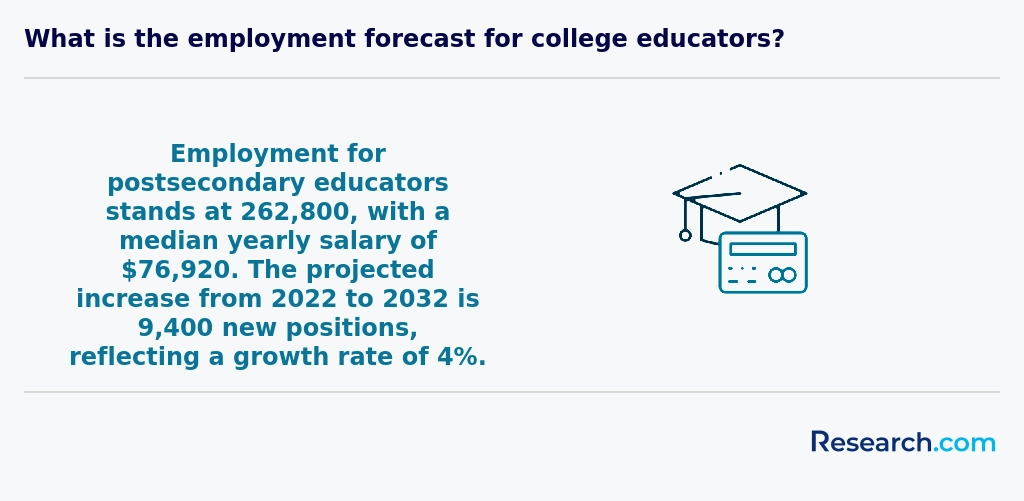
Graduates of Education degree programs in Staten Island, NY, must secure state certification through the New York State Education Department (NYSED) before assuming full teaching responsibilities. The process typically involves:
- Earning an Initial Certificate by completing a state‐approved teacher preparation program and fulfilling at least 24 weeks of supervised student teaching in a New York classroom.
- Passing the Educating All Students (EAS) test to demonstrate understanding of diverse learning needs and inclusive instruction.
- Clearing the required Content Specialty Tests (CSTs) for your grade level or subject area; for example, prospective elementary educators must pass the Elementary Education CST.
- Submitting fingerprinting and background checks via the NYSED TEACH online portal to confirm suitability for working with children.
- Applying for the Initial Certificate on TEACH.ny.gov and, once employed in a teaching position, completing three years of mentored teaching to transition to the Professional Certificate. Many candidates also pursue professional development workshops, continuing education credits, and advanced endorsements-such as bilingual education or special education-to enhance employability and salary potential. For those exploring cost-effective preparatory pathways or supplemental coursework, our ranking of most affordable online elementary education programs can help you find programs that balance quality and affordability while meeting NYSED requirements.
Many education students in Staten Island find financial aid to be a powerful support on their path to teaching success. At the College of Staten Island, for example, graduates often recall how FAFSA opened doors to federal grants like Pell Grants, which helped cover tuition costs without the burden of repayment. These grants make progressing through an education degree feel achievable and less stressful.
State programs such as the Tuition Assistance Program (TAP) and the Excelsior Scholarship are game-changers for local residents, reducing out-of-pocket expenses and encouraging students to remain close to home while pursuing their dreams. Students share how TAP grants made it possible to focus more on their studies and less on finances.
Moreover, the opportunity to work through Federal Work-Study adds both income and valuable teaching-related experience. Many feel empowered knowing loan forgiveness programs can erase thousands of dollars after dedication to teaching in high-need Staten Island schools. This blend of aid options energizes aspiring teachers to embrace their journey confidently.
Earning an Education degree in Staten Island is only the first step; securing certification and licensure in New York State ensures you can legally teach in public and private schools. To become a New York State certified teacher, candidates must: 1. Complete an approved teacher preparation program: Your degree must include state-approved pedagogy coursework and a supervised student teaching practicum. 2. Pass the New York State Teacher Certification Examinations (NYSTCE): Core exams include the Educating All Students Test (EAS), the Content Specialty Test (CST) for your subject area, and the edTPA portfolio assessment. 3. Obtain fingerprint clearance: A background check through the Office of Teaching Initiatives verifies your eligibility to work with children. 4. Apply for Initial Certification: Submit official transcripts, test scores, and proof of fingerprint clearance to the New York State Education Department (NYSED). After two years of teaching under Initial Certification, you may apply for Professional Certification by completing: • Three years of full-time teaching experience in a New York State public or approved non-public school. • A master’s degree or the equivalent (30 graduate credits) in education or your teaching discipline. For professionals seeking flexible graduate options, explore Affordable Online Master’s in Education Degree Programs Ranking in South Carolina to meet your advanced certification requirements. • Continuing teacher and leader education (CTLE) credit hours, focusing on best practices and student diversity. Understanding these licensure steps not only streamlines your path to the classroom but also ensures compliance with state standards, positioning you for a successful and impactful career in education.
To start your journey toward an education degree in Staten Island, meeting a few essential prerequisites unlocks the door to a rewarding teaching career. Most aspiring educators at the College of Staten Island, a well-regarded institution, begin with a high school diploma or equivalent, showcasing their dedication early on. Graduates often reflect on how submitting official transcripts highlighting strong skills in English and math helped affirm their readiness for the program's challenges.
Many find that standardized tests like the SAT or ACT serve as a valuable opportunity to demonstrate their academic potential, although some schools embrace test-optional policies, easing the path forward. Maintaining a GPA around 2.5 to 3.0 has proven to be a solid benchmark, fueling confidence and opening doors to competitive programs.
Letters of recommendation and personal essays become the heart of an application, where candidates share their passion for nurturing the next generation. For those aiming at specialized tracks, like early childhood education, interviews or portfolios provide a chance to shine, reflecting a deep commitment cherished by Staten Island's educational community.
Education graduates in Staten Island, NY, must navigate New York State’s certification process to teach in K–12 settings. The pathway begins with earning an Initial Certificate from the New York State Education Department (NYSED), which requires:
- Completion of a state‐approved teacher preparation program with a minimum 3.0 GPA and at least 12 weeks of supervised student teaching.
- Passing scores on the New York State Teacher Certification Examinations (NYSTCE), including the Educating All Students (EAS) test and the Content Specialty Test (CST) for your chosen subject area.
- Submission of official transcripts, fingerprint clearance, and an application via the TEACH online system. Once the Initial Certificate is secured, candidates work toward the Professional Certificate by:
- Accumulating three years of full‐time teaching experience under the Initial Certificate.
- Completing 175 hours of Continuing Teacher and Leader Education (CTLE) through approved workshops, graduate courses, or district‐sponsored programs.
- Documenting mentoring, advanced pedagogy studies, and meeting any additional NYSED requirements. To streamline licensure and graduate study, many candidates choose flexible master’s programs that integrate CTLE credits and exam prep. Explore our Affordable Online Master's in Education Degree Programs Ranking in South Carolina for options that align with NYSED standards and career goals. Staying current with NYSED updates and deadlines ensures you remain competitive in Staten Island’s teacher job market and beyond.
Education degree programs in Staten Island equip aspiring teachers with a rich variety of courses that blend theory and practice, igniting a passion for shaping young minds. At institutions like the College of Staten Island, students dive into foundations of education that explore the history and social impact of teaching, preparing them to be thoughtful and aware educators.
Graduates often recall transformative experiences studying child and adolescent development, where understanding emotional growth helps them connect deeply with future students. Educational psychology courses sharpen their ability to motivate and assess learners, turning classrooms into vibrant spaces of discovery.
Curriculum design and classroom management classes inspire creativity and confidence, empowering students to craft engaging lessons and foster inclusive, positive environments. Special education and educational technology courses build essential skills for supporting diverse learners with innovative tools.
Hands-on practicum placements in Staten Island's public schools allow students to translate these lessons into real-world teaching, creating a rewarding journey grounded in community and growth.
Education degrees in Staten Island offer exciting specializations that empower future educators to make a real difference. Graduates from local institutions like the College of Staten Island often share how their focus on Early Childhood Education inspired them to nurture the community's youngest learners, creating joyful and supportive classroom environments that reflect Staten Island's family-oriented spirit.
Many students choose Special Education, driven by a passion to support children facing unique challenges. This specialization not only opens doors to rewarding careers but also connects graduates deeply with Staten Island's diverse population. The demand for qualified teachers in this field makes it a promising path within Staten Island teaching certification programs.
Secondary Education prepares students to confidently lead classrooms in subjects like math, science, and English, blending content mastery with dynamic teaching skills. Others embrace Educational Leadership or School Counseling, where hands-on experiences in local schools help build strong community ties.
Those curious about advanced paths often explore the doctorate in education benefits, which opens doors to influential roles shaping education at larger scales.
Choosing the best education degree in Staten Island means focusing on programs that truly match your passion for teaching and ignite your professional growth. Graduates from the College of Staten Island often share how smaller class sizes and dedicated faculty shaped their confidence and skills, creating a welcoming environment to thrive. Seeking affordable education degrees Staten Island offers can relieve financial stress, empowering you to fully engage with your studies and practicums.
Look for programs that excel in practical experiences like student-teaching, which many find invaluable in transitioning smoothly into full-time roles. Accreditation by bodies such as CAEP guarantees your degree holds weight and opens doors to rewarding careers in local schools. Additionally, exploring partnerships with the New York City Department of Education can boost your chances of securing internships or placements that bring curriculum to life.
Many successful alumni highlight the importance of aligning your education path with your personal goals. For insights on comparable programs elsewhere, consider resources like West Virginia teacher education programs to see how different approaches fuel inspiring careers.
Graduates with an education degree in Staten Island enjoy a wealth of rewarding opportunities. Many find fulfillment becoming K-12 teachers in the borough's vibrant public schools, where they inspire young minds and grow alongside their students. Teaching jobs and salaries Staten Island reflect the value placed on educators, with starting salaries averaging around $61,070. Others pursue special education, passionately supporting students with diverse learning needs. Colleges on Staten Island provide strong foundations for these paths, nurturing graduates who confidently step into classrooms or specialized roles.
Beyond teaching, education degree career options in Staten Island extend to leadership as principals or curriculum coordinators, positions that shape entire school communities. Some graduates even explore early childhood education, helping children thrive in preschools and community programs. For those aiming higher, internet colleges for doctoral studies in educational leadership offer advanced preparation to lead and innovate.
Whether becoming instructional coordinators, counselors, or adult education instructors, Staten Island's education graduates embrace roles filled with purpose and growth, reflecting the positive impact they dream of creating in their local community.

The job market for education degree graduates in Staten Island is vibrant and full of promising opportunities. Graduates from local institutions often find rewarding positions in Staten Island's diverse public and private school systems, where demand for skilled teachers and education professionals is steady. The borough's supportive community and relatively low teacher turnover contribute to a stable and encouraging environment for new educators launching their careers. This stability creates a strong foundation for graduates looking to make a meaningful impact in schools across Staten Island.
Many education graduates benefit from specialized roles such as special education specialists or curriculum coordinators, which are highly sought after in the borough. Those with advanced certifications or master's degrees often report enhanced job prospects and competitive salaries, reflecting the value placed on expertise. For those exploring further growth, programs aligned with technology-enhanced learning can open doors to innovative teaching careers.
Students pursuing an education degree here also explore options like accredited online library science programs to complement their skills. Overall, the education degree job prospects Staten Island offers are encouraging, blending rich community support with evolving educational needs.
2027 Best Education Degree Programs Ranking in Staten Island
Investing in your education is a significant decision that can shape your future, and the Research.com team understands the importance of making informed choices. To assist prospective students in Staten Island, we have meticulously crafted the "2027 Best Education Degree Programs Ranking in Staten Island." Our commitment to quality, credibility, and accuracy is reflected in the extensive research and analysis conducted to compile this ranking.
We utilized the following reputable data sources to ensure a comprehensive evaluation of education programs:
By exploring this ranking, readers will gain valuable insights into the best education degree programs available in Staten Island, enabling them to make well-informed decisions about their academic and professional futures. For more information on our methodology, please visit our Research.com methodology page.
# 1 position
Wagner College
Master of Science in Education

# 2 position
Wagner College
Bachelor of Science in Education
# 3 position
College of Staten Island CUNY
Master of Science in Education

# 4 position
College of Staten Island CUNY
Bachelor of Arts in Education
Frequently Asked Questions About education
Education degree students in Staten Island can enhance their learning by engaging actively with local schools and educational organizations. Staten Island offers partnerships with public schools where students complete supervised fieldwork, gaining practical experience that supplements classroom theory.
Utilizing resources at institutions like the College of Staten Island, part of CUNY, allows students access to research facilities and academic support tailored to future educators. According to recent data by the NYC Department of Education, Staten Island schools benefit from community involvement, creating opportunities for students to participate in meaningful internships.
Additionally, attending workshops, joining education-focused student groups, and networking with professionals in the area helps broaden understanding of current teaching practices and policies within New York State.
The education field in Staten Island is evolving with several emerging niches attracting new interest. One significant area is educational technology, where professionals focus on integrating digital tools into classrooms to enhance learning experiences. According to the NYC Department of Education, demand for technology-savvy educators has increased by nearly 15% in recent years.
Another growing niche is special education, particularly for students with autism and other developmental disorders. Staten Island schools have expanded programs to meet these needs, reflecting a national trend toward specialized inclusion services.
Additionally, bilingual education is gaining importance due to the borough's diverse population, with more educators trained in dual-language instruction to support English language learners.
After completing an education degree in Staten Island, preparing for the job market involves several key steps. Graduates should begin by obtaining New York State teacher certification, which is required for most education positions. The Department of Education in New York provides detailed guidance on certification exams and requirements.
Networking is also important. Joining local education organizations such as the Staten Island Educators' Association can provide valuable connections and job leads. According to the New York State Education Department, employment for teachers in the region is projected to grow by 4% through 2028.
Additionally, gaining practical experience through student teaching placements or internships in Staten Island schools strengthens resumes. Enhancing skills with workshops on classroom technology or special education can further increase employability in a competitive market.
Employers in Staten Island highly value education degree graduates who demonstrate strong communication skills. Being able to clearly explain concepts and engage diverse student populations is essential in this borough's multicultural classrooms.
Another top skill is classroom management. According to the New York City Department of Education, effective behavior management leads to better student outcomes, making this skill crucial for new teachers in Staten Island schools.
Data literacy and the ability to use assessment tools are increasingly important as schools emphasize personalized learning. Graduates who can analyze student performance data to tailor instruction stand out to employers.
Finally, cultural competency is vital. Staten Island's educators must respect and incorporate the experiences of students from varied backgrounds, supporting inclusive learning environments.
Finding internships in Staten Island relevant to an education degree involves leveraging local resources and institutions. The College of Staten Island, part of the City University of New York (CUNY), offers strong connections with nearby schools and educational organizations, providing students with practical internship opportunities. Local public schools often collaborate with higher education institutions for student teaching placements and internships.
Students should also explore programs through the New York City Department of Education, which periodically offers internships and assistant roles in Staten Island schools. Utilizing job portals like Handshake and attending education career fairs hosted on campus can increase opportunities. Networking with faculty and local education professionals remains crucial for access to internships matching education degree requirements.
Obtaining an education degree in Staten Island significantly enhances career mobility and advancement opportunities. Local school districts often prioritize candidates with formal education credentials, especially for leadership roles such as instructional coordinators or school administrators. According to the New York State Education Department, educators holding a master's or higher degree typically see salary increases ranging from 10% to 20% compared to those with only a bachelor's degree.
Additionally, Staten Island's proximity to New York City allows education degree holders to access diverse job markets, including specialized programs in special education and STEM. Professional certification requirements in New York also mandate specific degrees for career progression, reinforcing the degree's value in securing higher-level positions.
Studying for an education degree in Staten Island equips students with skills applicable across multiple disciplines, reflecting the area's diverse educational landscape. Programs here often emphasize collaborative learning, integrating subjects such as psychology, sociology, and technology to address complex educational challenges. According to the New York State Education Department, Staten Island schools increasingly adopt interdisciplinary approaches, necessitating educators with broad knowledge bases.
Local institutions incorporate practical experiences in various settings, from traditional classrooms to community programs, preparing graduates for roles beyond standard teaching positions. This approach fosters adaptability, communication, and problem-solving skills critical in fields like educational consulting, curriculum development, and social services.
By blending theory and practice, Staten Island's education degree programs build professionals capable of navigating interdisciplinary environments effectively.
Choosing between a thesis and a non-thesis education degree program in Staten Island depends on your career goals and learning preferences. Thesis programs typically involve conducting original research and writing a detailed paper, which prepares students for roles in academia or research-focused careers. Non-thesis options emphasize practical skills and often include internships or projects, suited for those aiming at direct classroom teaching or educational administration.
In Staten Island, institutions like the College of Staten Island offer both paths. According to the National Center for Education Statistics, about 30% of education graduate students nationwide opt for thesis tracks, reflecting a strong research interest.
Consider your time availability too; thesis routes usually demand more months of dedication for research completion, whereas non-thesis programs may allow quicker degree attainment.
Advisors at Staten Island colleges recommend aligning your choice with future goals, funding, and personal motivation to ensure academic success.
Students based in Staten Island interested in studying education abroad have limited direct options through local institutions, as most Staten Island colleges primarily focus on domestic programs. However, partnerships with universities offering student exchange programs in countries like the United Kingdom, Canada, and Australia do exist. These programs allow students to complete parts of their education degrees abroad, gaining international experience.
Most education degree programs in Staten Island, including those at the College of Staten Island (part of CUNY), emphasize strong teaching certification for New York State, making full foreign-based degrees less common.
Students should explore combined study abroad and online program options to broaden their global perspectives while completing degree requirements locally.
Students pursuing education degrees in Staten Island often seek part-time job opportunities that enhance both their practical skills and academic knowledge. Local public schools and community centers commonly offer roles as teacher aides or after-school program assistants, providing valuable classroom experience.
According to the New York City Department of Education, Staten Island has over 60 public schools where part-time educational support roles are frequently available. These positions not only reinforce teaching methodologies but also help develop classroom management skills essential for future educators.
Additionally, tutoring services and youth mentorship programs in Staten Island present flexible roles aligned with education degree studies. Employment at local libraries or nonprofit organizations that focus on child development also complements education coursework by fostering communication and organizational abilities.
Education students in Staten Island benefit from numerous networking opportunities that can enhance their academic and professional growth. Local colleges like the College of Staten Island offer access to education-focused student organizations and events, connecting students with peers and faculty.
Additionally, the New York City Department of Education provides internships and volunteer positions within Staten Island schools, enabling students to build valuable relationships with experienced educators and administrators.
Professional associations such as the New York State United Teachers (NYSUT) also conduct regional meetings and workshops in Staten Island, facilitating networking with practicing teachers and education experts.
These resources collectively support students in establishing meaningful professional networks early in their careers.
Alumni networks play a significant role for education degree students in Staten Island by providing valuable connections within local schools and educational organizations. These networks often offer mentoring opportunities, which can help students gain practical advice and career guidance from experienced educators who understand the Staten Island job market.
According to data from the New York State Education Department, approximately 40% of new teachers in Staten Island secure employment through personal or professional connections. Alumni events and social platforms foster these relationships, increasing students' chances of internships and job placements.
Furthermore, many networks share information on continuing education and certification requirements specific to New York, helping graduates stay updated on licensing changes.
Customizing your education degree program in Staten Island involves selecting courses and specializations aligned with your career goals. Many local institutions offer flexible curricula allowing students to emphasize areas such as early childhood, special education, or educational leadership. For example, Wagner College and the College of Staten Island provide options for students to pursue certifications alongside their degree, which can enhance job prospects.
Internships and fieldwork placements within Staten Island schools are often integrated into programs, offering practical experience tailored to your interests. According to the New York State Education Department, approximately 25% of local education graduates find employment in specialized roles, reflecting the importance of targeted training.
Consider consulting academic advisors in Staten Island colleges who can help tailor course selections and incorporate emerging education technologies or bilingual education opportunities. This approach ensures your degree meets both certification requirements and your personal career aspirations.
Education students in Staten Island face several common challenges during their studies. One key issue is balancing coursework with field experiences, such as student teaching placements, which require significant time commitment. According to the New York State Education Department, many candidates find arranging internships in local schools difficult due to limited availability and competitive placements.
Another challenge is navigating financial constraints. Staten Island has a higher-than-average cost of living compared to other boroughs, which affects education students who often rely on part-time work or financial aid. The College Board reports that many students struggle with tuition and related expenses.
Additionally, adapting to evolving education standards and certification requirements in New York State can be complex. Students must stay updated on changes in curriculum and testing mandated by the state Board of Regents, which can add stress during their programs.
With an education degree in Staten Island, you can pursue professional certifications that enhance your teaching credentials and career opportunities. One common certification is the New York State Initial or Professional Teaching Certificate, required for public school teachers. These certificates cover various grade levels and subject specializations.
Additional certifications include School Building Leader (SBL) and School District Leader (SDL) credentials, which qualify educators for administrative roles. Special education and English as a New Language (ENL) certifications are also available for those focusing on diverse student populations.
According to the New York State Education Department, Staten Island educators benefit from these certifications to meet local school district demands and improve employment prospects.
Writing a strong application for an education degree program in Staten Island requires clear focus and preparation. Begin by thoroughly researching local programs, such as those offered by the College of Staten Island, part of the City University of New York system, which serves over 15,000 students annually.
Highlight your commitment to education in your personal statement, clearly explaining why a teaching career is important to you. Use specific examples of experience working with children or in educational settings, which can strengthen your application.
Additionally, maintaining a competitive GPA is essential; most education programs in Staten Island expect at least a 3.0. Request strong letters of recommendation from educators or supervisors who can attest to your skills and dedication.
Finally, demonstrate knowledge of New York State teaching certification requirements, as many programs align directly with these standards to prepare candidates for licensure.
Education careers are increasingly viewed through a global lens, with a growing emphasis on cross-cultural competency and international standards. In the United States, including Staten Island, educators are encouraged to develop skills that prepare students for a connected world. According to the National Center for Education Statistics, nearly 70% of U.S. schools have incorporated global perspectives into their curricula, highlighting the value placed on worldwide awareness.
For Staten Island students pursuing education degrees, understanding global trends can enhance teaching methods and open opportunities abroad. Programs here often include topics like global education policies and multicultural education, reflecting this worldwide focus. This prepares graduates to contribute to diverse classrooms and education systems both locally and internationally.
Gaining practical experience while studying for an education degree in Staten Island is essential for building teaching skills and improving job prospects. Many local colleges and universities collaborate with Staten Island public schools, offering student-teaching placements as part of their program requirements. These placements allow candidates to work under experienced educators and gain classroom management experience.
Additionally, internships and volunteer opportunities are available through community education centers and after-school programs in Staten Island. According to the New York State Education Department, student-teaching hours typically range from 12 to 20 weeks, providing substantial hands-on experience.
Networking with local schools and educational organizations can also open doors to practical learning beyond coursework.
Choosing the right concentration within an education degree program in Staten Island begins with evaluating your career goals and interests. Popular concentrations include early childhood education, special education, and secondary education, each leading to different licensure pathways recognized by the New York State Education Department.
Consider local demand: Staten Island's public schools report a growing need for special education teachers, reflecting statewide trends. According to the New York State Education Department, over 15% of students require special education services, emphasizing potential job stability in this area.
Research program offerings at Staten Island colleges, focusing on faculty expertise, practicum opportunities, and partnerships with local schools. Practical experience is crucial for teacher certification and career readiness.
Lastly, assess your willingness to engage with diverse student populations, as Staten Island schools serve a variety of cultural and linguistic backgrounds. This can influence your choice of concentration and teaching approach.
- 2027 Best Education Degree Programs Ranking in Jersey City
- 2027 Best Education Degree Programs Ranking in Brooklyn
- 2027 Best Education Degree Programs Ranking in New York
- 2027 Best Education Degree Programs Ranking in South Orange
- 2027 Best Education Degree Programs Ranking in Montclair
- 2027 Best Education Degree Programs Ranking in Queens
- 2027 Best Education Degree Programs Ranking in Bronx
- 2027 Best Education Degree Programs Ranking in Hempstead
- 2027 Best Education Degree Programs Ranking in Old Westbury
- 2027 Best Education Degree Programs Ranking in Brookville
See What Experts Have To Say About Studying Education
Read our interview with Education experts


Alan J. Singer
Education Expert
Professor of Teaching, Learning and Technology
Hofstra University

- Education Degree Entry Requirements https://universitycompare.com/advice/student/education-degree-entry-requirements
- The Future of Education: Emerging Trends Reshaping Learning Environments http://www.gesseducation.com/gess-talks/articles/future-education-emerging-trends-reshaping-learning-environments
- Study Abroad For Education Majors: Benefits, Tips & More https://www.semesteratsea.org/education-major-study-abroad/
- International teaching and education jobs https://www.tes.com/jobs/search/international
- 10 Reasons Why Education Helps to Advance Your Career - Insight Training https://insight.edu.au/blog/career-advancement-through-education/
- How Long Does it Take to Become a Teacher? | University of Bridgeport https://www.bridgeport.edu/news/how-long-to-become-a-teacher/
- Networking For Educators: How To Grow A Professional Circle - Carlow University https://www.carlow.edu/networking-for-educators/
- Skills Employers Look for in Business Graduates – EU Business School https://www.euruni.edu/blog/skills-employers-look-for-in-business-graduates/
- The importance of networking in the education sector https://www.tlclive.com/blog/the-importance-of-networking-in-the-education-sector
- Can Higher Education Improve Long-Term Career Success https://studysphereadvisors.com/how-higher-education-influences-long-term-career-growth/


