
2027 Most Affordable Online Master's in Education Degree Programs Ranking in South Carolina

Co-Founder and Chief Data Scientist
Choosing the right online master's in education program can feel overwhelming, especially with so many options available. This article presents the 2027 Most Affordable Online Master's in Education Degree Programs Ranking in South Carolina, created by the Research.com team of data scientists to support students in making informed decisions.
By exploring this ranking, you'll discover affordable programs that combine quality and value, helping you advance your career without unnecessary financial stress.
Pursuing an education degree opens doors to rewarding professional opportunities and personal growth. This guide is here to help you take that first exciting step.
Key benefits of getting online education degree in South Carolina
- Graduates with an education degree in South Carolina can expect strong salary prospects, such as Education Managers earning a mean annual wage of $129,330 or Education Program Managers at $104,920, offering financial stability and growth.
- Career paths for education graduates include roles like Curriculum Specialists or Education Consultants, providing varied opportunities to impact schools, communities, and educational programs positively.
- Completing an education degree online offers flexibility and convenience, allowing students to balance work and life while earning the same respected qualifications as traditional degrees from institutions like the University of South Carolina.
- 2027 Most Affordable Online Master's in Education Degree Programs Ranking in South Carolina
- What can I expect from online education degree in South Carolina?
- Where can I work with online education degree in South Carolina?
What can I expect from online education degree in South Carolina?
The average cost of an online education degree in South Carolina varies but generally remains affordable compared to national rates. Graduates from universities like Clemson or the University of South Carolina often report paying between $10,000 and $20,000 for their master's programs, with in-state tuition significantly lowering expenses. This makes pursuing a degree while working full-time manageable both financially and logistically.
Many students appreciate how public institutions offer competitive tuition paired with strong support services. For example, graduates commonly mention the value of flexible asynchronous classes combined with occasional live sessions, enabling them to balance family and jobs without compromising quality.
Financial aid opportunities and state scholarships dedicated to education students further reduce costs. Prospective students should connect with admissions advisors at institutions like Coastal Carolina University to learn about payment plans and teacher loan forgiveness programs specifically designed for those committed to teaching in underserved South Carolina districts.
Where can I work with online education degree in South Carolina?
Graduates with an online education degree in South Carolina often find rewarding careers across the state's diverse educational settings. Many start as classroom teachers in K-12 public schools, where districts like Charleston County seek skilled educators in math, science, and special education. Those who studied online through institutions such as the University of South Carolina or Clemson University report feeling well-prepared to meet certification requirements and classroom challenges.
Beyond traditional schools, graduates are employed in charter and private schools, benefiting from South Carolina's over 70 public charter schools. For example, graduates from Coastal Carolina University have successfully transitioned to teaching in these flexible environments, where innovation is encouraged.
Advanced degree holders frequently secure roles in higher education as adjunct instructors or program coordinators at community colleges or technical schools. Graduates feel proud to contribute to teacher preparation and adult education programs valued by local institutions like Midlands Technical College.
Finally, specialized fields such as educational technology and curriculum design open doors in districts implementing distance learning. South Carolina's Department of Education also hires graduates for impactful roles in policymaking and community outreach, providing steady career growth and fulfillment.
Graduates with an online education degree in South Carolina often find rewarding salaries aligned with their specific roles. For instance, education managers report a strong average annual wage of $129,330, reflecting leadership positions that graduates from institutions like Clemson University or the University of South Carolina can pursue. Similarly, those aiming for education program manager roles earn about $104,920, a figure that underscores the financial benefits of advanced degrees and relevant experience.
Curriculum specialists, who often design and improve educational materials, typically earn around $77,200 annually, providing a solid income as they support school districts or educational companies across the state. Education consultants earn an average of $95,600, offering expertise that many graduates develop through practical experience and advanced certifications.
Many South Carolina graduates start with these roles after completing their degrees online, leveraging flexible programs to balance studies with work. The competitive salaries reflect the growing demand for skilled educators and administrators, encouraging ongoing professional development to boost earning potential over time.
- Tuition for online graduate education degrees in South Carolina ranges from $400 to $600 per credit hour, with total costs between $12,000 and $21,600 for 30 to 36 credit hours.
- Education job openings in South Carolina are expected to grow by about 5% through the late 2020s, supporting steady employment opportunities for graduates.
- Starting salaries for education master's degree holders typically range from $45,000 to $50,000 annually, increasing to about $65,000 or more with experience and administrative roles.
- Online degrees from regionally accredited South Carolina institutions meet state licensure requirements for teaching in public schools, including passing required exams.
- Financial aid and scholarships are commonly available to help reduce tuition costs for online education programs in South Carolina.
Completing an online education degree in South Carolina typically takes between 18 months and four years, depending on how you pace your studies. Graduates from Clemson University and the University of South Carolina often share that full-time students finish most master's programs in about 1.5 to 2 years, balancing coursework with practical experience.
Part-time enrollment is a flexible choice for working professionals or parents, extending completion to around three or four years. Many students find this approach manageable, allowing time for family or jobs without sacrificing progress.
Some schools offer accelerated or cohort-based programs that let motivated students finish in as little as 12 to 15 months by taking heavier course loads or summer terms. These options are perfect for those aiming to advance quickly.
Keep in mind that prerequisite courses or specialization requirements can slightly extend your timeline. Planning ahead with your academic advisor at a South Carolina institution helps tailor a schedule that fits your life and goals perfectly.
When evaluating the affordability of online master’s in education programs, it’s essential to benchmark South Carolina against similarly priced options in neighboring states. While South Carolina’s tuition rates-ranging from $200 to $600 per credit hour-offer competitive value, a comparative look at Kentucky’s offerings reveals additional budget-friendly alternatives. Prospective students seeking cost-effective pathways may explore the Most Affordable Online Education Degree Programs Ranking in Kentucky for a broader perspective on tuition, fees, and financial aid packages. In South Carolina, the average total program cost for a master’s in education hovers around $30,000, with generous state-specific grants and scholarships reducing out-of-pocket expenses. Kentucky’s online programs, however, often feature per-credit tuition as low as $180 and streamlined technology fees, which can bring the overall investment down by 10–15%. By comparing fee structures-such as flat-rate tuition versus tiered pricing-students gain clarity on which model aligns best with their budget and pacing preferences. Beyond sticker price, return on investment (ROI) is a critical factor. South Carolina graduates report average starting salaries of $42,000 in K-12 roles and up to $60,000 in administrative positions, while Kentucky alumni often secure entry-level teaching positions at approximately $40,500, with administrative roles rising to $58,000. Factoring in living costs and regional salary differentials can help candidates determine which state’s program maximizes long-term earnings relative to tuition outlay. Finally, accreditation and licensure reciprocity must guide cross-state comparisons. Both South Carolina and Kentucky boast regionally accredited institutions, but licensure requirements can vary. South Carolina’s online programs typically align with the South Carolina Department of Education, whereas Kentucky’s offerings follow the Kentucky Education Professional Standards Board guidelines. Ensuring that credits transfer seamlessly and that certification exams match your target state will prevent delays in career advancement and additional costs down the line.
Choosing between online and on-campus education degrees in South Carolina comes down to how you prefer to learn and manage your time. Graduates from the University of South Carolina share that online programs offer unmatched flexibility, allowing them to balance work, family, and studies without sacrificing quality. For example, they access lectures and assignments anytime, helping them stay motivated despite a busy schedule.
On the other hand, Clemson University graduates appreciate the structured environment of on-campus programs, where direct interaction with professors and peers fosters deeper engagement. Students benefit from campus resources like libraries and study groups, which can make learning feel more dynamic and social.
Both paths provide accredited, respected degrees, but for online students, practical experiences such as internships require proactive local arrangements. Tuition costs are similar, yet online study often reduces expenses related to commuting and housing. Understanding these differences helps South Carolina students pick the best fit for their lifestyle and career goals.
To maximize the benefits of pursuing an online education degree in South Carolina, it's essential to be aware of the available resources and support systems. This includes understanding the affordable education programs in south carolina, which can help students make informed decisions about their educational investments. By exploring these options and considering factors such as program accreditation, flexibility, and cost, students can set themselves up for success in their academic and professional pursuits. Additionally, staying up-to-date with the latest developments in online education, such as advancements in educational technology and changes in state educational policies, can further enhance one's online education experience in South Carolina.
The average cost of an online education degree in South Carolina typically ranges around $22,968 in total, with in-state students paying about $19,734 and out-of-state students around $36,366. Graduates from popular institutions like the University of South Carolina or Clemson University often share that the ability to complete their education online provided both flexibility and affordability, especially when they qualified for in-state tuition rates.
Many students pursuing an affordable online master's in education South Carolina find that tuition per credit hour varies widely, but these overall totals give a realistic estimate for budgeting. For instance, an in-state student might complete a 30- to 36-credit hour program for under $20,000, which aligns with the median in-state total cost. Out-of-state students should anticipate higher expenses but can seek scholarships or employer tuition reimbursement to offset this.
Some private colleges and universities in South Carolina can cost more than public ones, but the investment often includes enhanced resources or services. Graduates frequently mention how researching specific programs helped them access financial aid opportunities, making their degree more affordable. To explore options that align with your budget, consider programs with strong support systems and competitive tuition rates.
Prospective students interested in continuing their education while managing costs can find detailed comparisons and helpful advice in affiliated resources, including comprehensive lists of affordable education programs in south carolina.
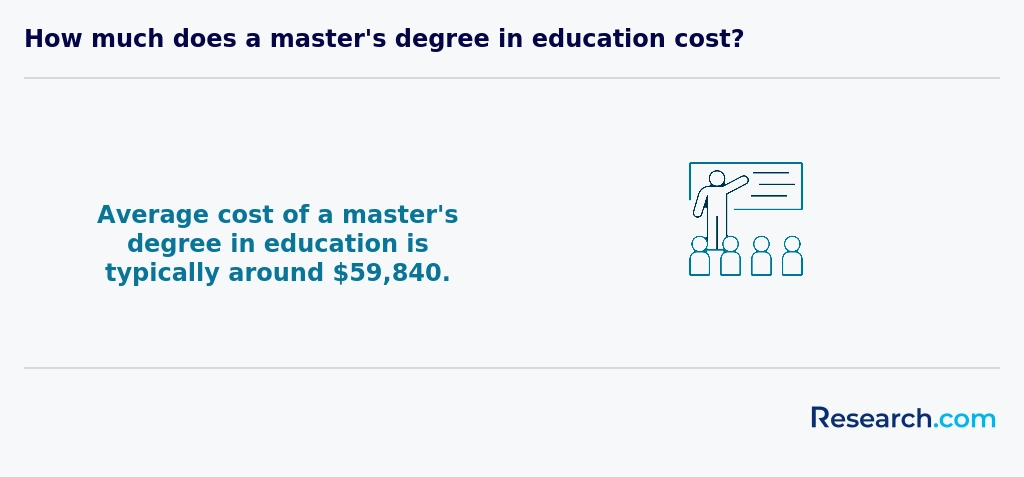
Embarking on your journey toward an affordable online master’s in education requires careful planning and timely action. Follow these six steps to streamline your application and maximize your chances of acceptance: 1. Research Programs and Deadlines – Identify accredited institutions offering online master’s in education in South Carolina. – Note application deadlines (typically fall, spring, and summer intakes) and prioritize early submissions to secure scholarships or assistantships. 2. Prepare Required Documents – Official transcripts from all postsecondary institutions. – Two to three letters of recommendation from academic or professional mentors. – A compelling statement of purpose outlining your career goals, teaching philosophy, and why you chose a specific program. 3. Complete Standardized Testing and Certifications – Confirm whether the GRE or MAT is required; some programs waive testing for candidates with strong GPAs or relevant work experience. – Verify state-specific prerequisites (e.g., teaching certificates) if you plan to teach K–12 in South Carolina. 4. Submit Your FAFSA and Financial Aid Applications – File the Free Application for Federal Student Aid (FAFSA) by the priority deadline to access Pell Grants, Stafford Loans, and work-study opportunities. – Research university-specific scholarships or graduate assistantships to reduce out-of-pocket costs. 5. Craft a Professional Online Profile – Update your resume or CV to highlight teaching experience, leadership roles, and technological skills. – Optimize LinkedIn and portfolio platforms to showcase lesson plans, student outcomes, or educational research projects. 6. Follow Up and Confirm Enrollment – After submitting your application, monitor your applicant portal and email for missing materials or interview invitations. – Once admitted, review your enrollment packet for orientation details, course registration deadlines, and tech-check requirements. By adhering to this structured approach, you’ll navigate each phase of the application with confidence and clarity. For a broader perspective on affordable online programs in neighboring states, compare our Most Affordable Online Education Degree Programs Ranking in Kentucky.
Federal financial aid remains the cornerstone for students pursuing online education degrees in South Carolina, with many graduates recalling how applying through FAFSA unlocked access to Direct Unsubsidized Loans and Grad PLUS Loans offered by the U.S. Department of Education. While grants are less common at the graduate level, some find opportunities through TEACH Grants, which require a teaching commitment in high-need areas but provide valuable financial relief.
State-specific options like the South Carolina Teacher Loan Program stand out for those focused on teaching in public schools after completing a master's degree. Graduates from universities such as the University of South Carolina and Clemson University have shared how loan forgiveness through this program eased their debt by rewarding public service.
Additionally, institutional aid from South Carolina colleges often includes merit scholarships and tuition waivers specifically for online education students. Many graduates report that leveraging these institutional funds significantly lowered their costs, making advanced degrees more attainable.
Employers, especially school districts, also offer tuition assistance, helping education professionals balance work and study while advancing their careers. Staying proactive about FAFSA deadlines and exploring these layered aid options can transform financial challenges into achievable goals.
To gain a broader perspective on affordable online education, it can be helpful to compare rankings across neighboring states. For example, Kentucky also boasts highly competitive tuition rates and robust program offerings in education. According to the Most Affordable Online Education Degree Programs Ranking in Kentucky, several institutions mirror South Carolina’s commitment to low-cost, high-quality online master’s in education. By reviewing these side by side, prospective students can identify patterns in credit-hour pricing, financial aid packages, and accreditation standards that elevate value. Cross-state comparisons also highlight unique specializations and state-specific teaching certifications, helping candidates choose programs that align with both budgetary and licensure requirements. Ultimately, understanding how South Carolina stacks up against nearby affordability benchmarks empowers learners to make more strategic, cost-effective decisions in their graduate education journey.
To enroll in an online education degree program in South Carolina, you typically need a bachelor's degree from an accredited institution-many graduates recall using their degree from schools like the University of South Carolina or Clemson University as a solid foundation. While some programs prefer education-related degrees, others accept candidates from diverse academic backgrounds, making it accessible for many.
A minimum GPA around 3.0 is common, but if your GPA is slightly lower, you can strengthen your application with professional experience or relevant coursework, as many recent graduates have successfully done. Letters of recommendation from professors or supervisors who know your work ethic are essential; these give programs insight into your readiness for graduate study.
Submitting a personal statement that clearly explains your goals and motivation, especially how you plan to balance online learning, has helped applicants from institutions like Winthrop University stand out. Although some schools may require GRE scores, many have waived this to increase accessibility, especially for working teachers. Highlighting teaching licenses or experience can also boost your application in these South Carolina programs.
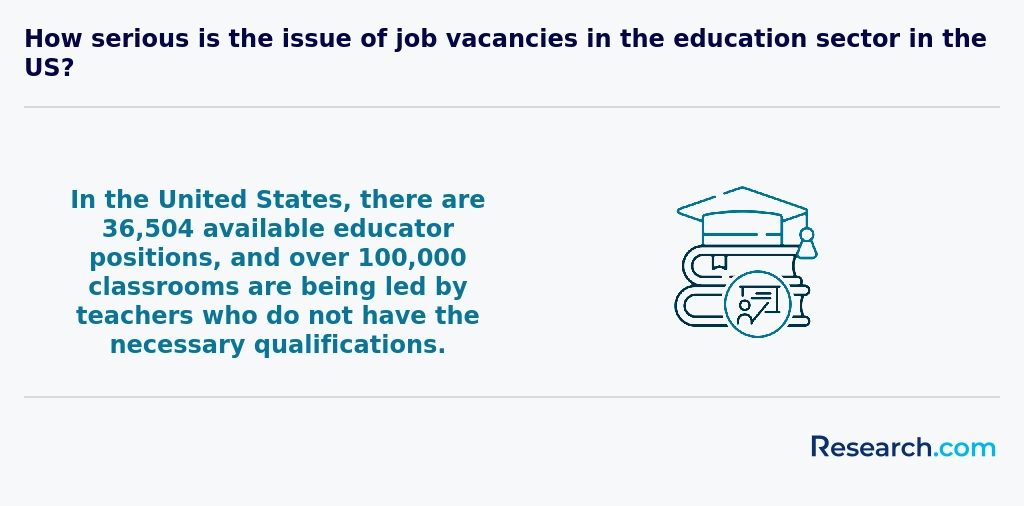
For many aspiring educators, understanding how to effectively navigate the application process is as crucial as selecting the right program. Prospective students should start by researching various accredited online education programs and carefully reviewing admission requirements, deadlines, and supporting documentation. Here are some practical tips to help streamline your journey: • Begin by assessing your academic background and clearly identifying your career goals. This includes gathering transcripts, securing strong letters of recommendation, and preparing a thoughtful personal statement that reflects your passion for teaching. • Explore each program’s unique offerings and support services. Many online master’s in education programs provide virtual orientations, academic advising, and career counseling that can empower you to make a well-informed decision. For a detailed look at affordable and high-quality programs, check out 2024 Most Affordable Online Education Degrees. • Stay organized and keep track of application deadlines. Creating a checklist that includes important dates, scholarship opportunities, and any potential prerequisite exams can relieve the stress of last-minute submissions. • Take advantage of virtual open houses, webinars, or Q&A sessions hosted by universities. These events offer insights into course structure, faculty expertise, and the technological tools used to create a dynamic online learning environment. • Finally, consider connecting with current students or alumni through discussion forums or social media groups. Their firsthand experiences can provide valuable advice on balancing work, study, and personal commitments, as well as insights into the program’s overall quality and outcomes. Embracing these strategies not only increases your chances of a successful application but also sets a solid foundation for your future in education.
Online education degree programs in South Carolina typically include courses that balance theory with hands-on practice, helping you become an effective educator. Graduates from universities like the University of South Carolina often share how courses like Educational Psychology gave them a clear understanding of how students develop and learn, which proved essential when crafting tailored lesson plans.
Curriculum Development courses guide you to design engaging and standards-aligned lessons, a skill praised by Clemson University alumni for making their teaching adaptable to diverse classrooms. Instructional Technology introduces digital tools that graduates found invaluable in boosting student engagement, especially in virtual or blended settings.
Assessment and Evaluation classes train you to measure student progress accurately, a challenge many found rewarding as it directly impacted their ability to adjust teaching methods effectively. Classroom Management strategies offer practical ways to foster positive learning environments, a must-have skill shared by many students from South Carolina colleges.
For those pursuing leadership or specialized roles, additional courses in Educational Leadership or Special Education open doors to broader career opportunities within the state's school systems.
Online education degree specializations in South Carolina offer practical pathways for students to tailor their studies to career goals. Graduates from institutions like Clemson University and the University of South Carolina often choose Curriculum and Instruction, gaining skills to design impactful lesson plans and lead instructional improvements in local schools. Others prefer Educational Leadership and Administration to advance into school management roles, a growing field in South Carolina's education system. Many also focus on Special Education, responding to the state's high demand for experts who support students with diverse learning needs.
For those interested in broader options, programs frequently include Reading and Literacy Education or Early Childhood Education, helping educators improve foundational skills from the classroom to community settings. Counseling and School Psychology tracks equip students to address mental health challenges in school environments, a vital service emphasized by South Carolina's progressive teaching certification programs South Carolina online.
Prospective students seeking cost-effective, versatile programs should explore 2024 Most Affordable Online Education Degrees that provide financial aid and scholarships, making education degrees accessible while specializing in these key areas.
To choose the best online education degree in South Carolina, start by confirming the program's accreditation through bodies like CAEP or SACSCOC to ensure quality and licensure eligibility. Many graduates from Clemson University and the University of South Carolina praise how affordable online education degrees South Carolina residents can access, often with strong financial aid options that lighten the cost burden.
Look for flexibility in course format; asynchronous classes allow you to manage studies alongside family or work commitments. One graduate shared how Clemson's online program fit her busy schedule perfectly, enabling steady progress without sacrificing time with her children. Also, check if specialization options fit your interests, such as educational leadership or special education, to enhance your career prospects.
Finally, robust student support services can make all the difference. Advising and technical help helped a recent graduate at the University of South Carolina stay on track and confident throughout the program. For more options, compare regional affordability through the Most Affordable Online Education Degree Programs Ranking in Kentucky.

Graduates with an online education degree in South Carolina often find rewarding paths in teaching jobs for education graduates SC, such as becoming licensed K-12 teachers or specialists in subjects like mathematics, science, and special education. Many earners from universities like the University of South Carolina or Clemson University highlight how their programs prepare them well for these roles, especially in underserved regions where demand is highest. These graduates emphasize the meaningful impact they make in classrooms and communities.
Career options extend beyond teaching, with leadership opportunities as school principals and instructional coordinators offering competitive salaries and greater responsibility. For example, instructional coordinators in South Carolina enjoy a median annual wage near $64,000, reflecting the value of advanced degrees from respected institutions. Graduates working in these roles report strong job satisfaction rooted in shaping curriculum and supporting teachers.
Other viable careers include educational technology specialists and counselors who help integrate digital tools and support student well-being. Growing online programs encourage graduates to pursue roles in educational consulting, offering flexible career options. Many students considering degrees explore accredited online colleges with no-fee applications to access affordable education efficiently while launching their careers.
The job market for graduates with an online education degree in South Carolina remains strong, driven by steady demand for qualified teachers and educational leaders. Graduates from institutions such as the University of South Carolina and Clemson University often share how their flexible online programs prepared them well for roles as K-12 teachers or instructional coordinators. With South Carolina teacher salary and employment trends showing steady growth, many find rewarding positions in public schools or continuing education programs. The state's emphasis on digital learning also benefits those comfortable with remote instruction.
Graduates frequently highlight the affordability of in-state tuition and the practical training that online degrees offer, which helps them succeed in today's evolving classrooms. Those seeking to advance further may explore options like an online doctorate without dissertation to boost their leadership credentials.
Understanding the online education degree job outlook South Carolina offers can guide prospective students to programs that balance cost, flexibility, and career potential, ensuring a positive return on their educational investment.
2027 Most Affordable Online Master's in Education Degree Programs Ranking in South Carolina
Investing in your education is a significant decision that can shape your future, and the Research.com team understands the importance of making informed choices. To assist prospective students in South Carolina, we have meticulously crafted the "2027 Most Affordable Online Master's in Education Degree Programs Ranking in South Carolina." Our commitment to quality, credibility, and accuracy is reflected in the extensive research and analysis conducted to compile this ranking. We utilized the following reputable data sources to ensure a comprehensive evaluation of online education programs:
By exploring this ranking, readers will gain valuable insights into affordable and high-quality online master's education programs in South Carolina, empowering them to make well-informed decisions about their educational journeys. For more details on our methodology, please visit our
Research.com methodology page
.


# 3 position
Bob Jones University
Master of Teaching and Learning


# 5 position
The Citadel, The Military College of South Carolina
Master of Interdisciplinary STEM Education

Frequently Asked Questions About education
Students pursuing online education degrees in South Carolina can maximize their learning by actively engaging with their course materials and instructors. According to the South Carolina Commission on Higher Education, interaction is key to success in online programs. Setting a consistent study schedule helps maintain focus and balance responsibilities.
Utilizing available resources such as virtual libraries and academic support centers offered by South Carolina institutions enhances understanding. Joining online study groups or forums can promote collaboration and deeper learning.
Additionally, students should familiarize themselves with South Carolina's teacher certification requirements early, ensuring their chosen program aligns with state standards. This strategic approach supports academic achievement and career readiness.
Emerging niches in the education field increasingly focus on technology integration and specialized learner support. In South Carolina, online master's programs emphasize roles such as educational technology specialists, instructional coordinators, and literacy coaches. According to the South Carolina Department of Education, demand for professionals skilled in digital learning tools has grown by over 15% in recent years.
Special education also remains a critical area, with programs adapting for diverse learner needs online. Additionally, career and technical education (CTE) has gained traction, reflecting workforce demands in the state's growing industries. These niches offer promising paths for students pursuing flexible, impactful careers in education.
Preparing for the job market after earning an online education degree in South Carolina involves several focused steps. First, graduates should leverage the state's strong demand for qualified educators, especially in rural areas, where the South Carolina Department of Education forecasts steady job growth through 2028. Networking with local school districts and education organizations can increase employment opportunities.
Additionally, obtaining proper teaching certification or licenses is critical. South Carolina requires educators to complete standardized licensure exams, which vary by specialization. Many online programs embed licensure preparation in their curriculum.
Internships and student teaching experiences, often part of accredited programs, also improve employability by providing practical classroom skills valued by employers.
Employers in South Carolina highly value education degree graduates who demonstrate strong classroom management and effective communication skills. According to the South Carolina Department of Education, teachers who can foster positive learning environments and engage diverse student populations stand out. Additionally, proficiency in using educational technology is increasingly important, as many schools integrate digital tools for instruction.
Critical thinking and adaptability are crucial, especially given the evolving standards in K-12 education across the state. Employers also seek candidates with collaborative skills to work well with colleagues, parents, and administrators. These competencies align with requirements from South Carolina's teacher certification process, which emphasizes practical experience and instructional strategies.
Finding internships in South Carolina relevant to an education degree involves exploring partnerships between universities and local school districts. Many South Carolina colleges offering online education degrees maintain strong connections with public and private schools, facilitating internship placements.
The South Carolina Department of Education supports student teaching and internships as part of teacher certification requirements. Interns gain experience in classrooms across the state, particularly in districts like Greenville, Charleston, and Richland.
Students should utilize university career centers and online job portals such as Handshake, which often list internships specifically for education majors in South Carolina. Additionally, professional organizations like the South Carolina Association of Colleges for Teacher Education (SCACTE) provide resources and networking opportunities to secure relevant internships.
Obtaining an online education degree in South Carolina can significantly enhance career mobility and advancement, especially within the state's growing educational sector. According to the South Carolina Department of Education, nearly 80% of public school districts encourage or require advanced degrees for teacher promotion and salary increases.
Online programs offer flexibility for working professionals to earn credentials without relocating, making career advancement more accessible. Many districts recognize accredited online degrees, which can lead to higher pay scales and eligibility for leadership roles such as instructional coordinator or school administrator.
Additionally, South Carolina's regional accreditation standards ensure that online degrees meet quality requirements, supporting graduate credentials during hiring or promotion processes. The convenience of online education also helps candidates stay employed while upgrading their qualifications.
Studying for an education degree in South Carolina equips students with skills valuable for interdisciplinary roles by emphasizing collaboration across various fields. South Carolina's online education programs often include coursework in psychology, technology, and leadership, preparing graduates to work beyond traditional classroom settings. According to the South Carolina Commission on Higher Education, many programs integrate practical experiences that encourage problem-solving in diverse teams.
These degrees also focus on aligning teaching methods with policy and community needs, developing adaptability in graduates. By blending pedagogy with broader social and technological perspectives, students gain competencies vital for roles in administration, counseling, and curriculum design within multiple sectors.
Choosing between a thesis and a non-thesis online education degree program in South Carolina depends largely on your career goals and learning preferences. Thesis programs typically emphasize research, requiring students to develop and defend an original study. This option suits those interested in academic or research careers.
Non-thesis programs often focus on practical skills and coursework, which may appeal more to working professionals seeking advancement in teaching or administration. According to the South Carolina Commission on Higher Education, many institutions offer both formats online, with tuition varying on course load but generally affordable compared to national averages.
Consider your time available, research interest, and long-term objectives when deciding. South Carolina universities often provide academic advising to help tailor the choice to your needs.
Students in South Carolina seeking to study education abroad have several options through online degree programs offered by accredited U.S. institutions with international components. Many universities partner with foreign schools or include global education courses, allowing learners to gain international perspectives without relocating. According to the South Carolina Commission on Higher Education, over 30% of graduate students enroll in online programs, some featuring study-abroad opportunities or virtual exchanges.
Graduates can expect courses focusing on comparative education systems, multicultural teaching methods, and global education policy. These offerings expand understanding of diverse educational environments while remaining accessible from South Carolina.
Financial aid and scholarships may also support students pursuing international education topics within their degrees.
In South Carolina, part-time jobs that complement education degree studies often include paraprofessional roles, such as teacher assistant positions in public schools. These roles provide hands-on classroom experience and networking opportunities. According to the South Carolina Department of Education, schools frequently seek paraprofessionals to support instructional activities, especially in special education settings.
Other opportunities include tutoring services, both in-person and online. Tutoring helps develop key communication and instructional skills relevant to future educators. Additionally, after-school program coordinators in community centers offer valuable experience managing educational activities and youth engagement.
These part-time roles align well with graduate students' schedules, building practical skills alongside academic coursework.
Online education students in South Carolina have several networking opportunities despite the virtual setting. Many universities, including the University of South Carolina and Clemson University, offer virtual events such as webinars, workshops, and alumni meetups to connect students and professionals. According to the South Carolina Commission on Higher Education, online programs increasingly integrate discussion boards and group projects to encourage peer interaction.
Additionally, local chapters of national education organizations, like the South Carolina Association for Supervision and Curriculum Development, provide online membership options. These groups organize virtual conferences and networking sessions that enable students to build professional relationships and enhance career opportunities within the state.
Alumni networks provide significant benefits for online education degree students in South Carolina by offering valuable professional connections and support. These networks often include graduates working in local school districts, higher education, and related fields, creating opportunities for mentorship and job referrals.
According to the South Carolina Commission on Higher Education, institutions with active alumni networks show higher graduate employment rates. For online students, especially, virtual alumni communities help bridge the gap of limited on-campus interaction by facilitating networking events, webinars, and career workshops.
Access to alumni can also promote lifelong learning and professional development, crucial in South Carolina's evolving education landscape.
Customizing an online education degree in South Carolina begins with selecting programs that offer flexible course options aligned with your career goals. Many universities in the state provide concentrations, such as special education, curriculum design, or educational leadership, allowing you to focus in areas that match your professional interests.
According to the South Carolina Commission on Higher Education, numerous accredited institutions support part-time study and elective credits, enabling tailored learning paths. Additionally, some programs include internship opportunities and capstone projects for practical experience relevant to local school districts.
Understanding licensure requirements in South Carolina can further help tailor your program, ensuring coursework meets state certification standards, which is crucial for teaching professionals.
Online education students in South Carolina often face challenges related to access and technology. Despite improvements, rural areas still struggle with reliable high-speed internet, impacting students' ability to participate fully in courses. According to the South Carolina Broadband Office, around 19% of residents lack adequate internet access, which can hinder communication and submission of assignments.
Time management also poses difficulties, as many students balance work, family, and studies without the structure of traditional classrooms. Adapting to self-paced learning requires strong discipline and motivation. Additionally, some students report feeling isolated due to limited face-to-face interaction, affecting their engagement and support networks.
Understanding the specific demands of online degree requirements and navigating financial aid options in South Carolina can also be confusing for prospective learners.
With an online education degree in South Carolina, you can pursue several professional certifications to advance your career. Common options include South Carolina teaching certification, which qualifies you to teach in public schools across the state. The South Carolina Department of Education requires passing the Praxis exams and completing a state-approved program.
Additionally, you can earn certifications in Special Education, Reading Specialist credentials, or Educational Leadership. For example, South Carolina offers certification for school administrators, which prepares graduates for roles as principals or supervisors.
These credentials enhance employability and salary potential in the state's growing education sector. For exact requirements and updates, consult the South Carolina Department of Education's official resources.
Writing a winning application for an online education program in South Carolina requires clear focus and preparation. Start by thoroughly researching the program's requirements through the South Carolina Commission on Higher Education or the specific university's admissions page. Highlight your relevant experience in education or related fields, as many programs value practical teaching or leadership skills.
Emphasize your career goals and explain why the online format suits your needs, showing you understand the program's flexibility and rigor. Include strong letters of recommendation from educational professionals familiar with your work.
According to NCES data, South Carolina's online degree enrollments have increased significantly, making competition stronger. Therefore, clearly articulating your commitment and ability to manage self-paced study can set your application apart.
Finally, ensure your application is error-free and tailored to each school's unique focus, whether it is classroom innovation or educational leadership.
Education careers are increasingly viewed through a global lens, with demand for skilled teachers rising worldwide. In the US, including South Carolina, education remains a stable and growing field. According to the U.S. Bureau of Labor Statistics, employment of postsecondary teachers is projected to grow 12% from 2022 to 2032. South Carolina's commitment to online education access expands opportunities for future educators to earn degrees flexibly.
Globally, emphasis on educational technology and inclusive learning drives innovations in teaching. Educators trained in digital tools and culturally responsive methods gain advantages. South Carolina universities offering online degrees integrate these global trends to prepare graduates for diverse classrooms.
Gaining practical experience while pursuing an online education degree in South Carolina is achievable through several key opportunities. Many programs require or strongly encourage fieldwork, student teaching, or internships in local K-12 schools. These placements allow students to apply theory in real classroom settings under professional supervision.
South Carolina's Department of Education supports partnerships between universities and public schools, facilitating hands-on experience for online learners. Additionally, students can engage in virtual practicums that simulate classroom environments if in-person options are limited.
Volunteering in educational programs and tutoring local students also offers valuable experience. These practical activities help build teaching skills and meet state licensure requirements in South Carolina.
Choosing the right concentration within an online education degree in South Carolina depends on your career goals and interests. Common concentrations include Curriculum and Instruction, Special Education, and Educational Leadership.
Research shows South Carolina has a growing demand for teachers trained in special education due to increased enrollment in special programs (S.C. Department of Education, 2023). If you are interested in administrative roles, a focus on Educational Leadership may prepare you for school principal or district roles.
Consider program accreditation and alignment with state certification requirements, especially if you plan to work in South Carolina public schools.
Evaluate the courses offered in each concentration and how they fit your desired career path before deciding.
- 2027 Most Affordable Online Master's in Education Degree Programs Ranking in Georgia
- 2027 Most Affordable Online Master's in Education Degree Programs Ranking in North Carolina
- 2027 Most Affordable Online Master's in Education Degree Programs Ranking in Florida
- 2027 Most Affordable Online Master's in Education Degree Programs Ranking in Virginia
- 2027 Most Affordable Online Master's in Education Degree Programs Ranking in Kentucky
- 2027 Most Affordable Online Master's in Education Degree Programs Ranking in Arkansas
- 2027 Most Affordable Online Master's in Education Degree Programs Ranking in Missouri
- 2027 Most Affordable Online Master's in Education Degree Programs Ranking in Ohio
- 2027 Most Affordable Online Master's in Education Degree Programs Ranking in Indiana
- 2027 Most Affordable Online Master's in Education Degree Programs Ranking in Pennsylvania
See What Experts Have To Say About Studying Education
Read our interview with Education experts

Alan J. Singer
Education Expert
Professor of Teaching, Learning and Technology
Hofstra University


- Home https://www.teachercertificationdegrees.com/
- Online Degree vs. Traditional | University of Arkansas Grantham https://www.uagrantham.edu/blog/pros-cons-online-degree-vs-traditional-university/
- International teaching and education jobs https://www.tes.com/jobs/search/international
- Perspective | Developing global perspectives for future teachers - and their students https://www.ednc.org/developing-global-perspectives-for-future-teachers-and-their-students/
- Skills Employers Look for in Business Graduates – EU Business School https://www.euruni.edu/blog/skills-employers-look-for-in-business-graduates/
- Online Master’s Degree Programs in South Carolina: Business, Social Work, Education https://www.onlineeducation.com/masters/south-carolina
- How to Write a Great Letter of Intent for a Teaching Job | Zen Educate https://www.zeneducate.com/us/resources/becoming-a-teacher/how-to-write-letter-of-intent-teaching-job/
- EDUCATION AS A KEY IN CAREER BUILDING https://journals.vilniustech.lt/index.php/JBEM/article/download/15399/10674
- Guide to Online Education Degrees | OEDb.org https://www.oedb.org/rankings/online-education-programs/
- Education Technology Trends to Watch in 2065: 10 Innovations Shaping the Future of Learning https://www.digitallearninginstitute.com/blog/education-technology-trends-to-watch-in-2026


