2027 Most Affordable Online Master's in Education Degree Programs Ranking in North Carolina

Co-Founder and Chief Data Scientist
Choosing the right master's degree in education can feel overwhelming, especially when balancing cost and quality. This article presents the 2027 Most Affordable Online Master's in Education Degree Programs Ranking in North Carolina, carefully crafted by the Research.com team of data scientists.
Designed to help you make an informed decision, this ranking highlights affordable programs that don't compromise on quality. Earning a degree in education opens doors to meaningful careers and personal growth, and exploring these options can be an exciting first step toward a brighter future.
Key benefits of getting online education degree in North Carolina
- Education degree graduates in North Carolina can expect competitive salaries, with Education Managers earning about $129,330 annually and Education Program Managers earning around $104,920.
- Graduates from popular North Carolina universities often pursue careers as Curriculum Specialists or Education Consultants, opening doors to rewarding roles in school systems and educational organizations.
- Online education degrees from respected North Carolina institutions offer flexibility and convenience, allowing students to balance work and study while gaining valuable skills comparable to traditional programs.
- 2027 Most Affordable Online Master's in Education Degree Programs Ranking in North Carolina
- What can I expect from online education degree in North Carolina?
- Where can I work with online education degree in North Carolina?
What can I expect from online education degree in North Carolina?
The average cost of an online education degree in North Carolina often surprises prospective students in the best way possible. Graduates from universities like the University of North Carolina and North Carolina State University frequently share how affordable their programs felt compared to private or out-of-state options. With tuition rates generally below the national average and many institutions offering in-state tuition regardless of where students live, the financial barrier becomes far less daunting.
Imagine balancing your current job while accessing high-quality coursework from home, knowing your tuition investment won't break the bank. Many students appreciate how this makes career advancement achievable without the crippling debt often associated with graduate education. The ability to pay in-state rates, combined with access to resources like digital libraries and personalized advising, transforms what could be a stressful financial commitment into a manageable, even exciting, journey toward a meaningful career change.
This financial accessibility, paired with rigorous academics and practical virtual internships, often leaves students feeling empowered rather than burdened by the cost of their degree.
Where can I work with online education degree in North Carolina?
Graduates with online education degrees in North Carolina often step directly into influential roles within the state's vibrant public school system. Imagine joining the ranks of licensed teachers filling much-needed positions in math or special education, as many graduates from institutions like East Carolina University have done. These roles are not only in demand but deeply rewarding, offering a chance to shape young minds across diverse communities.
However, employment stretches beyond the classroom. Graduates often find themselves thriving as curriculum specialists or education technology facilitators within school districts, helping to modernize learning in ways that reflect their own experiences at universities such as the University of North Carolina at Chapel Hill. This shift demonstrates how online education degrees unlock leadership opportunities, blending technology with pedagogy.
Others launch meaningful careers in higher education or nonprofit sectors, working as academic advisors or educational program managers-roles that resonate with alumni from Appalachian State University and similar schools. These paths reveal that the value of an online education degree in North Carolina transcends traditional teaching, inviting graduates to impact education innovatively and broadly.
Graduates from online education programs at North Carolina State University or the University of North Carolina can anticipate a wide range of earnings based on their career choices and qualifications. For instance, becoming an Education Manager can lead to an average salary of $129,330 per year, which challenges the notion that education careers are low-paying. Many graduates who started as classroom teachers with salaries around $54,000 quickly discovered that advancing to roles like Education Program Manager, with an average salary near $104,920, greatly enhances their financial standing.
Others who pursued specialized roles such as Curriculum Specialists or Education Consultants enjoy mean annual wages of $77,200 and $95,600 respectively, demonstrating how diverse career paths with an education degree can be both professionally and financially rewarding. Many alumni from these programs describe a sense of pride and motivation, realizing their advanced degrees open doors beyond traditional teaching roles, often increasing salaries by $3,000 to $6,000 simply by holding a master's degree.
This financial uplift, especially in urban centers like Charlotte or Raleigh, shows how online education degrees in North Carolina are not just convenient but a powerful investment in a fulfilling and well-compensated career.
- In-state tuition for online education degrees at public universities in North Carolina ranges from $7,000 to $14,000 per year, while private institutions may charge over $20,000 annually.
- Graduates with a master's degree typically earn starting salaries between $45,000 and $50,000, with mid-career salaries from $55,000 to $65,000 and potential long-term earnings over $70,000.
- There is strong demand for qualified teachers in North Carolina, with thousands of teaching positions expected to open in the next decade due to growth and retirements.
- Online education degrees can lead to careers beyond K-12 teaching, including instructional design, education technology, and administration.
- North Carolina supports regional reciprocity for online education programs, but students should verify licensure requirements for online teaching credentials.
Completing an online education degree in North Carolina often surprises students with its flexibility and varied timelines. Many expect a fixed clockwork duration, but graduates from programs at universities like the University of North Carolina or North Carolina State University found that pacing themselves personally made all the difference. For full-time learners, the master's in education typically wraps up in about two years, yet some accelerated cohorts finished in as little as 12 to 18 months by taking continuous coursework, including summer sessions.
Others balancing work at institutions such as East Carolina University appreciated part-time options stretching their journey to three years or more, allowing for a manageable blend of professional life and study. Bachelor's degree seekers often anticipate a four-year path but see that transfer credits and accelerated online courses at schools like Appalachian State can shave down the timeline to roughly three years, lifting spirits as they advance faster than expected.
This diverse pacing, reflective of personal goals and external commitments, challenges the one-size-fits-all mindset and invites each student to find a rhythm that fits their unique story.
Choosing between online and on-campus education degrees in North Carolina means weighing very different learning experiences. Graduates from North Carolina State University who studied online often talk about the freedom to juggle family and work while completing coursework at their own pace. They appreciate how digital platforms let them dive into assignments late at night after their kids are asleep-a flexibility impossible on campus.
Conversely, those who attended Appalachian State University in person highlight the spontaneous hallway chats with professors and peers that sparked fresh ideas and boosted motivation. They felt immersed in a vibrant academic community, tapping campus resources and hands-on practicum placements that seemed more tangible in face-to-face settings.
Yet, both types of students share a strong sense of achievement, knowing their degrees meet the same rigorous standards. The online learners embrace self-discipline and technology fluency, while on-campus peers thrive in social engagement and real-time interaction. In North Carolina, it's less about right or wrong and more about matching degree format to your lifestyle and learning style.
Navigating the application process for an online master’s in education requires careful planning and attention to detail. Follow these steps to streamline your journey: 1. Research and Shortlist Programs • Verify each institution’s accreditation and alignment with your career goals. • Compare tuition, financial aid options, and specializations. 2. Review Admission Requirements • Confirm GPA thresholds (typically 2.5–3.0) and prerequisite coursework. • Note any required standardized tests or waivers for experienced educators. 3. Prepare Supporting Documents • Request official transcripts from all postsecondary institutions. • Update your resume or CV, highlighting teaching experience and leadership roles. • Secure two to three professional letters of recommendation from supervisors or faculty. • Draft a compelling personal statement outlining your educational philosophy and career aspirations. 4. Complete the Online Application • Create a profile on the university’s admissions portal. • Upload transcripts, test scores (if required), and supplemental essays. • Pay attention to application deadlines-fall and spring cohorts often have distinct cutoffs. 5. Apply for Financial Aid and Scholarships • File your FAFSA early to access state and federal grants. • Research university-specific scholarships, including those for in-state residents. • Explore external awards, such as teaching fellowships or professional association grants. 6. Technical Setup and Orientation • Ensure reliable high-speed internet and familiarize yourself with the Learning Management System (LMS). • Attend virtual orientation sessions to meet advisors and peers, and learn about academic support services. 7. Confirm Enrollment and Begin Coursework • Accept your admission offer and review your degree plan with an academic advisor. • Register for core and elective courses, planning a balanced schedule that fits work and family commitments. For those seeking alternatives beyond North Carolina, explore our Inexpensive Online Education Degree Programs Ranking in Pensacola, FL to compare affordability and program structure.
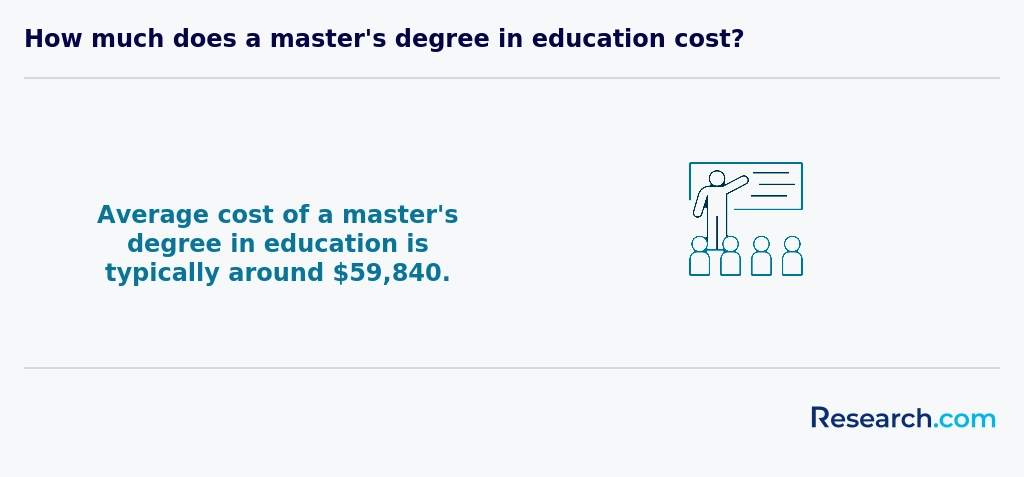
The average cost of an online education degree in North Carolina reveals a striking difference between in-state and out-of-state tuition. Graduates from well-regarded universities across the state often reflect on how studying locally saved them thousands compared to paying out-of-state rates. While the median total cost hovers around $27,000, North Carolina residents benefit from a substantially lower median in-state total cost near $8,700. This cost dynamic deeply influences students' decisions, especially when weighing the perceived value of a degree versus the financial strain.
Many students pursuing an online education degree in North Carolina appreciate how public institutions like those within the University of North Carolina System make quality education accessible without overwhelming debt. These schools typically fall within the realm of affordable online master's in education programs NC, making it possible for working professionals to advance their careers without relocating or quitting jobs. The living-at-home advantage combined with manageable tuition encourages a positive, determined mindset among students balancing family and work.
Private institutions, meanwhile, often present a different financial picture, with costs rising well beyond $20,000 and up to $40,000 or more for the entire online master's degree. Graduates who have opted for such paths often highlight the prestige and specialized resources offered but advise carefully assessing whether the expense aligns with long-term career goals.
For those exploring options, reviewing the cheapest education programs in north carolina emerges as a practical step toward minimizing financial burdens. Combining this with scholarships and financial aid available to online students can make a transformative education experience genuinely attainable.
Ensuring your online master’s in education is accredited and aligns with North Carolina’s licensure standards is paramount for both employability and program quality. In North Carolina, reputable programs hold accreditation from the Council for the Accreditation of Educator Preparation (CAEP) or NCATE, and are approved by the North Carolina Professional Educator Preparation and Standards Commission (PEPSC). Accreditation confirms rigorous curriculum design, qualified faculty, and a commitment to continuous improvement-key signals of E-A-T for both Google and hiring districts. To obtain an initial teaching license in North Carolina, graduates must complete a state‐approved program, pass the Praxis Core Academic Skills for Educators and Praxis II content assessments, and fulfill fingerprinting and background check requirements through the Department of Public Instruction (DPI). Many online programs integrate these exam prep modules and offer seamless DPI application guidance, reducing administrative hurdles. When evaluating affordability alongside accreditation, consider direct comparisons with other cost-effective offerings, such as our Inexpensive Online Education Degree Programs Ranking in Pensacola, FL, to gauge relative value and licensure support-especially if you plan to relocate or secure reciprocal certification in another state. By choosing a CAEP-accredited, PEPSC-approved online master’s program, you not only satisfy North Carolina’s licensure prerequisites but also demonstrate to future employers that your degree meets the highest professional standards.
When pursuing an online education degree in North Carolina, many students quickly realize that financial aid goes beyond simple loans. Graduates from the University of North Carolina system often share how institutional scholarships dramatically lightened their financial burdens, transforming what seemed like an overwhelming expense into an achievable goal.
Federal aid options like the FAFSA open doors to grants and loan programs, but they come with nuances. For example, graduate students may rely on Direct Unsubsidized Loans or Grad PLUS Loans-helpful but demanding foresight and planning given their repayment terms.
State programs, including the North Carolina Need-Based Scholarship, uniquely support residents enrolled in eligible programs, even online ones. This aid, combined with employer tuition reimbursements common in local school districts, reflects a network of support that many initially overlook.
Private scholarships aimed at education majors, sometimes targeted toward those committed to teaching in underserved areas, add yet another layer of opportunity. The layered financial aid-federal, state, institutional, employer, and private-creates a dynamic landscape worth exploring thoughtfully for anyone serious about earning their degree here.
When exploring options for online education degree programs in North Carolina, affordability is a crucial factor to consider. Many prospective students are eager to find programs that offer a high-quality education without the hefty price tag. Fortunately, there are several affordable options available, including those that offer cheapest education programs in north carolina. By researching and comparing costs, students can find a program that fits their budget and helps them achieve their educational goals. Additionally, many institutions offer financial aid, scholarships, and grants to help make online education more accessible. Some popular online education degree programs in North Carolina include those offered by the University of North Carolina at Charlotte and North Carolina State University, which are known for their affordability and academic excellence.
Envision a graduate from a well-known North Carolina university, navigating the often overlooked yet demanding prerequisites for an online education degree. Completing a bachelor's degree from an accredited institution is just the start, with many graduates recalling how their transcripts-showing a solid 2.5 to 3.0 GPA-opened doors to programs at institutions like the University of North Carolina or East Carolina University.
Standardized tests like the GRE still linger in some application processes, though many schools have adapted, waiving scores to lower barriers. This shift resonates deeply with students balancing work and family while managing test anxiety. One graduate remembers how letters of recommendation from former professors and supervisors vividly highlighted their potential, making their application stand out amid a competitive pool.
Professional experience, especially teaching or administrative roles within North Carolina's schools, enhances applications profoundly. Graduates often emphasize how reflecting on this experience in their statement of purpose transformed a routine essay into a compelling story of passion and readiness for advanced study.
Choosing a fully accredited online master’s in education is critical for ensuring program quality and meeting state licensure requirements. In North Carolina, institutions must hold regional accreditation from bodies like the Southern Association of Colleges and Schools Commission on Colleges (SACSCOC) and programmatic accreditation from organizations such as the Council for the Accreditation of Educator Preparation (CAEP). Graduates of CAEP-accredited programs benefit from streamlined pathways to initial teaching licensure and advanced certifications, while also enjoying enhanced transferability of credits should they pursue doctoral studies. Licensure in North Carolina involves completing a state-approved educator preparation program, passing the Praxis series exams, and applying through the North Carolina Department of Public Instruction (NCDPI). For master’s graduates seeking out-of-state opportunities, it’s important to verify reciprocity agreements and additional requirements, such as background checks or pedagogical assessments, that vary by state. Institutions often provide dedicated licensure advisors who guide candidates through application deadlines, testing windows, and documentation. When comparing affordability without compromising accreditation, prospective students may also find value in exploring options beyond North Carolina. For instance, our Inexpensive Online Education Degree Programs Ranking in Pensacola, FL highlights programs that balance cost, accreditation, and licensure support-offering insights into how other regions ensure quality and affordability.
Online education degrees in North Carolina consistently immerse students in courses that feel immediately relevant to classroom realities. Graduates from prominent institutions like the University of North Carolina at Chapel Hill often reflect on how courses in Educational Psychology transformed their understanding of student behavior, enabling them to connect deeply with diverse learners.
Core classes such as Curriculum Design and Instructional Strategies challenge students to think beyond textbook lesson plans, encouraging creativity tailored to real student needs. For example, someone studying at East Carolina University described how learning to adapt teaching methods sparked confidence to engage quieter students effectively.
Assessment and Evaluation courses offer more than theory-they provide tools to gauge progress in ways that truly impact learning trajectories. Graduates credit Classroom Management classes with equipping them for the unpredictability of active classrooms, fostering respectful environments where students thrive.
Lastly, Educational Technology courses enrich the experience by blending tradition with innovation, reflecting the evolving educational landscape in North Carolina schools. This mix of pragmatic and visionary coursework makes education degrees here uniquely empowering and practical.
Specializations in online education degree programs in North Carolina challenge the idea that one-size-fits-all prepares you for every classroom. Graduates from universities like UNC or East Carolina University often highlight how tailored paths-such as Curriculum and Instruction or Educational Leadership and Administration-allowed them to engage deeply with their passions and career goals. Imagine shifting from classroom teacher to district administrator, equipped with the exact skill set needed to lead and inspire change. This isn't hypothetical; it reflects the real journeys of many North Carolina educators.
For those intrigued by the complexities of diverse learning needs, Special Education specialization is more than coursework-it's a commitment to advocacy and innovative teaching. Online programs anchor theory with practical strategies applicable in local schools, keeping students connected to state licensure requirements. Exploring North Carolina online teaching degree options reveals a spectrum including Adult and Higher Education or Reading and Literacy, each opening distinct doors based on one's purpose and community impact.
If affordability and relevance matter, consider exploring the most affordable online education degrees tailored for North Carolina residents. These programs balance cost with comprehensive, flexible learning, empowering students to grow professionally without compromising life responsibilities.
Choosing the best online education degree in North Carolina goes beyond looking at prestige; it requires examining how well a program fits your real life. Graduates from the University of North Carolina at Greensboro often speak about the relief of asynchronous classes that allowed them to balance teaching jobs and family. This kind of flexibility is essential, especially for working professionals juggling multiple commitments. In these scenarios, program flexibility is not a luxury but a necessity.
Cost frequently becomes a deal-breaker, yet many overlook the significant savings possible from in-state tuition benefits offered by institutions like East Carolina University. One graduate described the satisfaction of completing an affordable online master's in education NC without accruing overwhelming debt, emphasizing how this financial peace of mind fueled their academic focus and career growth. When affordability meets quality, the path to advancement feels more accessible.
Another key factor is the alignment between program specializations and state licensure requirements. Programs tailored for North Carolina's educational landscape prepare students for local certification exams, boosting confidence and employment odds. Many have found value in researching beyond their immediate region, discovering options like Inexpensive Online Education Degree Programs Ranking in Pensacola, FL that provide budget-friendly alternatives, prompting deeper reflection about what truly defines "affordability" in education pathways.
Graduates holding an online education degree in North Carolina find themselves at a crossroads rich with diverse opportunities that challenge the narrow view of teaching alone. Many take on roles as licensed classroom teachers, a path strengthened by programs at universities like UNC and East Carolina, where graduates share how certification processes are seamlessly integrated into their studies. This practical alignment sparks confidence, helping students move beyond theory into tangible classroom impact, embodying the core of online education degree jobs in North Carolina.
Others leverage their degree to become instructional coordinators or curriculum developers, positions requiring mastery in educational technology and program design. Reflecting on those who studied at NC State, their success reveals how skills gained online translate into leadership roles shaping how education evolves statewide. These career paths also include higher education advisor roles and educational consultants who support institutions across North Carolina's vibrant network of colleges.
The rise of digital learning environments has propelled graduates into exciting fields like educational technology specialists and adult education instructors. Embracing the state's expanding broadband, they innovate learning delivery and adapt to evolving needs, inspiring peers to explore new realms beyond tradition. For some, exploring opportunities at online vocational schools opens further doors, adding flexibility and relevance to their career journeys centered on careers with online education degree North Carolina.
The job market for those holding an online education degree in North Carolina is both robust and evolving, driven by increasing demand in public and private schools as well as higher education institutions. Graduates from reputable programs at universities like East Carolina University and schools within the University of North Carolina system often share stories of transitioning smoothly into roles as educators or administrators, benefiting from the state's focused approach to teacher development. These personal experiences reflect a broader North Carolina online teaching career outlook marked by growing opportunities, especially in high-need areas like special education, math, and science.
With competitive salaries starting around $38,000 and rising with experience, many graduates appreciate the ability to work while studying through online programs, a flexibility that eases the path to advancement or career change. For those wondering about extended academic commitments, it's worth exploring whether do all doctorates require a dissertation, an important consideration for long-term career planning.
2027 Most Affordable Online Master's in Education Degree Programs Ranking in North Carolina
Investing in your education is a significant decision that can profoundly impact your future, and the Research.com team is keenly aware of the importance of making well-informed choices. To support prospective students in North Carolina, we have carefully developed the "2027 Most Affordable Online Master's in Education Degree Programs Ranking in North Carolina." Our dedication to quality, credibility, and accuracy is evident in the thorough research and detailed analysis behind this ranking.
We utilized the following reputable data sources to ensure a comprehensive evaluation of available programs:
By consulting this ranking, readers will gain valuable insights into affordable and quality online education programs, empowering them to make informed decisions about advancing their careers. For a deeper understanding of our ranking process, please visit our Research.com methodology page.
# 1 position
The University of North Carolina at Charlotte
Master of Special Education (K-12) General/Adapted Curriculum


# 3 position
University of North Carolina Wilmington
Teaching English as a Second Language Specialization


Frequently Asked Questions About education
Students pursuing online education degrees in North Carolina can maximize their learning by actively engaging with program resources. Many universities in the state, such as the University of North Carolina system, provide access to virtual libraries, tutoring, and career services designed specifically for distance learners. Scheduling regular study times helps maintain consistency and prevents procrastination.
Participation in discussion boards and group projects enhances understanding and builds peer connections.
Additionally, North Carolina offers state-wide teaching internships and practicum placements that online students should pursue to gain hands-on experience.
Data from NC State's Office of Online Education highlights that students who leverage campus support services and community partnerships report higher satisfaction and completion rates.
Emerging niches within the education field reflect the evolving needs of North Carolina's diverse student population. One significant area is educational technology, where professionals design and implement digital learning tools, especially after a surge in remote schooling during the COVID-19 pandemic. According to the National Center for Education Statistics, North Carolina has seen a 20% increase in online course enrollment since 2020.
Another growing niche is special education focusing on inclusive practices for students with disabilities, supported by North Carolina's commitment to improving individualized education programs. Additionally, culturally responsive teaching is gaining importance as schools become more diverse.
These specialized fields offer promising career avenues for educators seeking online master's programs within the state.
After completing an online education degree in North Carolina, preparing for the job market involves targeted steps that enhance employability. Networking is vital; joining state education associations like the North Carolina Association of Educators can connect graduates to job opportunities.
Additionally, obtaining a North Carolina teaching license is essential for most education careers. The State Board of Education requires passing the Praxis exams and completing specific licensure applications.
Internships and student teaching, often part of online degree programs, provide valuable classroom experience recognized by employers. According to the North Carolina Department of Public Instruction, districts increasingly seek candidates with practical experience combined with advanced degrees.
Finally, staying updated on local education trends, such as integrating technology in classrooms, can further improve job prospects.
Employers in North Carolina value a blend of practical and interpersonal skills in education degree graduates. According to the North Carolina Department of Public Instruction, strong classroom management and effective communication are top priorities. Graduates must demonstrate abilities in developing lesson plans that meet state standards and adapt to diverse student needs. Analytical skills and proficiency in educational technology are increasingly important, reflecting North Carolina's push for digital learning integration.
Leadership skills and collaboration with colleagues also rank highly, as schools emphasize teamwork. Moreover, employers seek candidates with cultural competency to serve a growing diverse student population. These skills collectively prepare graduates for success in North Carolina's evolving educational environment.
Finding internships in North Carolina related to an education degree involves several strategic steps. First, use the career services offered by your online university, as many have partnerships with local school districts and educational organizations. The North Carolina Department of Public Instruction provides resources and listings that can help students locate internship opportunities in K-12 public education.
Networking is also key; joining local education associations, such as the North Carolina Association of Educators, can open doors to internships and mentorships. Additionally, check with nearby community colleges and universities, as they often have connections with educational programs needing intern support.
Many districts, including Wake County Public Schools-the largest in the state-offer internship programs tailored for prospective teachers. Early application and clear communication with district HR offices improve chances of placement. Finally, keep an eye on nonprofit organizations focused on education reform and after-school programs, which frequently seek interns.
An online education degree in North Carolina can significantly impact career mobility and advancement, especially within the state's growing education sector. According to the North Carolina Department of Public Instruction, teachers holding a master's degree may qualify for salary increases and higher-level positions such as instructional coordinators or school administrators.
Many public school districts in North Carolina offer salary incentives for advanced degrees earned online, recognizing the flexibility and accessibility of such programs. Furthermore, completing an accredited online education degree can prepare graduates for specialized roles, including curriculum development and educational technology implementation.
Data from the U.S. Bureau of Labor Statistics indicates that educational administrators in North Carolina earn a median annual wage above the national average, highlighting the potential financial benefits linked with degree advancement.
Studying for an education degree in North Carolina equips students with skills applicable across multiple fields, thanks to the state's emphasis on interdisciplinary training. Programs often integrate courses in psychology, sociology, and technology, reflecting the diverse challenges modern educators face. According to the North Carolina Department of Public Instruction, over 70% of education degree holders work in roles that require collaboration across disciplines.
North Carolina universities tailor their online education degrees to prepare candidates for dynamic environments, encouraging problem-solving and communication skills. This approach aligns with national trends valuing multifaceted expertise among educators, especially in leadership or administrative positions.
The state's education system also supports continuous professional development, helping graduates adapt to evolving interdisciplinary roles in education and beyond.
Choosing between a thesis and a non-thesis online education degree program in North Carolina depends largely on your career goals and learning preferences. Thesis programs typically demand original research and are ideal for students interested in academic or research careers. Non-thesis options focus more on practical skills and coursework, appealing to those aiming for leadership or administrative roles in education.
North Carolina's universities offer both formats, with some institutions like the University of North Carolina System reporting that thesis options often take longer to complete due to research requirements. According to the North Carolina Department of Public Instruction, demand for school leaders is growing, which may influence your choice.
Consider your readiness for independent research and your interest in contributing to educational scholarship when deciding.
Students based in North Carolina interested in studying education abroad have several options through partnerships and exchange programs offered by North Carolina public universities. Institutions like the University of North Carolina system often collaborate with universities overseas, allowing students to transfer credits or engage in study-abroad semesters focused on education. Additionally, many education programs include international practicum or research opportunities supported by grants or scholarships.
North Carolina is also home to several online education degrees that incorporate global perspectives in their curricula, potentially reducing the need to travel while still gaining international insights. According to the North Carolina Department of Public Instruction, such programs aim to prepare educators for increasingly diverse classrooms.
Federal financial aid and state scholarships may sometimes be applied toward approved study-abroad portions, making these options more affordable for North Carolina students. Students should consult their specific program coordinators to learn about eligibility and transfer policies.
In North Carolina, many part-time job opportunities complement education degree studies, helping students gain practical experience while advancing academically. One common role is that of a teacher's assistant in public schools, where students support classroom management and lesson preparation.
Other options include tutoring services, which are in demand due to increasing focus on personalized learning. According to the North Carolina Department of Public Instruction, the state employs over 100,000 teachers, indicating many local schools may offer part-time positions or partnerships.
Additionally, education students often work as after-school program coordinators or childcare providers, which develop leadership and organizational skills relevant to teaching careers. These roles not only enhance resumes but also provide valuable insight into educational environments.
Online education students in North Carolina benefit from multiple networking opportunities despite not being physically on campus. Universities offering online education degrees often provide virtual events, discussion forums, and group projects to connect students. For example, the University of North Carolina system hosts online meetups and professional development webinars targeting education majors.
Additionally, many programs encourage participation in local educational organizations like the North Carolina Association for Supervision and Curriculum Development. These groups offer workshops and conferences where online students can network with educators statewide.
Students may also tap into alumni networks and internship programs facilitated by their institutions, enhancing career connections within North Carolina's education sector. According to the N.C. Department of Public Instruction, these connections are critical in a state with over 1.5 million public school students.
Alumni networks offer significant advantages to online education degree students in North Carolina. These networks provide valuable professional connections that can lead to job opportunities across the state's diverse education sector. According to the North Carolina Department of Public Instruction, nearly 60% of educators find positions through networking and referrals.
Many universities in North Carolina, such as North Carolina State University and the University of North Carolina system, maintain active alumni communities that host events, mentorship programs, and online forums. These resources help graduates stay informed about education trends and career advancements.
Additionally, alumni networks support lifelong learning by offering workshops and continuing education options, which are essential in a rapidly evolving educational environment.
Customizing an online education degree program in North Carolina allows students to align coursework with their specific career goals. Many universities offer specialization tracks such as curriculum design, educational leadership, or special education. This flexibility helps students focus on areas that directly support their professional aspirations.
Additionally, students can often choose electives that enhance skills relevant to their roles in K-12 schools, higher education, or corporate training. Some programs include practicum or internship options, providing real-world experience within North Carolina's diverse education system.
According to the North Carolina Department of Public Instruction, specialized credentials improve job prospects and salary potential for educators in the state.
Online education students in North Carolina often face challenges related to technology access and connectivity. According to the North Carolina Department of Public Instruction, about 10% of households lack reliable internet, which can hinder coursework completion. Additionally, balancing work, family, and study commitments remains a significant hurdle for adult learners in the state, especially given that nearly 60% of online students juggle employment alongside studying.
Another common issue is the perception of reduced interaction with faculty and peers, leading to feelings of isolation. This can affect motivation and academic performance, as found in studies by the North Carolina Community College System. Moreover, some students struggle with self-discipline and time management in the less structured online environment.
With an online education degree in North Carolina, you can pursue several professional certifications that enhance your teaching credentials and career opportunities. Common certifications include the North Carolina teaching licensure, which allows you to teach in public schools across the state.
Additionally, educators often seek National Board Certification, a respected credential that demonstrates advanced teaching skills and can increase salary potential. According to the National Board for Professional Teaching Standards, North Carolina is among the top states supporting this certification.
Other certifications linked to an education degree include specialty areas such as Special Education, Literacy, and Educational Leadership, which can prepare you for roles like school principal or instructional coordinator.
To write a winning application for an online education program in North Carolina, start by thoroughly researching the specific institution and program requirements. Highlight your relevant academic background and professional experience clearly, focusing on how these align with the program's goals.
Demonstrating knowledge of North Carolina's education system and showing commitment to advancing education in the state can strengthen your application. According to the North Carolina Department of Public Instruction, tailored regional understanding is valued.
Include strong letters of recommendation from educators or supervisors who can attest to your skills. Finally, craft a concise, well-organized personal statement that outlines your career goals and motivation for pursuing an online degree in education.
Globally, education careers are increasingly valued as essential for societal development. In the United States, and specifically North Carolina, the demand for skilled educators continues to grow. According to the North Carolina Department of Public Instruction, there is a steady need for well-trained teachers to address both urban and rural school districts' challenges.
Internationally, professionals with education degrees are recognized for their ability to adapt to diverse cultural settings and promote lifelong learning. U.S. online education programs emphasize these global competencies, preparing students to work in multicultural environments.
For North Carolina residents, pursuing an online education degree aligns with global trends by offering flexible access to high-quality training recognized nationwide.
Gaining practical experience is essential when pursuing an online education degree in North Carolina. Many programs incorporate student teaching or practicum requirements, allowing candidates to work directly in local classrooms. The North Carolina Department of Public Instruction (NCDPI) supports partnerships between universities and school districts to place students in diverse teaching environments.
Online students often collaborate with mentors and supervisors to receive feedback and guidance, enhancing their teaching skills. Additionally, virtual simulations and case studies are becoming common tools to practice lesson planning and classroom management.
Some universities also encourage volunteer opportunities and internships within North Carolina schools to broaden hands-on experience outside of coursework.
Choosing the right concentration within an online education degree in North Carolina depends on your career goals and the local job market. Common concentrations include curriculum and instruction, educational leadership, and special education. According to the North Carolina Department of Public Instruction, there is strong demand for special education teachers, making that concentration a practical choice for job security.
Consider your current experience and future aspirations. If you aim to work in school administration, leadership programs often include licensure pathways required by the state's teaching standards. Review program curricula carefully to ensure they align with North Carolina's licensure requirements if you plan to teach or lead in public schools.
Also, check if programs offer internships or practicum opportunities within North Carolina schools, as state-specific experience can be valuable. Resources like the North Carolina Community College System provide data on education employment trends that might guide your decision.
- 2027 Most Affordable Online Master's in Education Degree Programs Ranking in South Carolina
- 2027 Most Affordable Online Master's in Education Degree Programs Ranking in Virginia
- 2027 Most Affordable Online Master's in Education Degree Programs Ranking in Georgia
- 2027 Most Affordable Online Master's in Education Degree Programs Ranking in Kentucky
- 2027 Most Affordable Online Master's in Education Degree Programs Ranking in Florida
- 2027 Most Affordable Online Master's in Education Degree Programs Ranking in Pennsylvania
- 2027 Most Affordable Online Master's in Education Degree Programs Ranking in Ohio
- 2027 Most Affordable Online Master's in Education Degree Programs Ranking in New Jersey
- 2027 Most Affordable Online Master's in Education Degree Programs Ranking in Arkansas
- 2027 Most Affordable Online Master's in Education Degree Programs Ranking in Indiana
See What Experts Have To Say About Studying Education
Read our interview with Education experts

Nooshan Ashtari
Education Expert
Professor & Book Author
University of Southern California

Alan J. Singer
Education Expert
Professor of Teaching, Learning and Technology
Hofstra University

- How to Write a Great Letter of Intent for a Teaching Job | Zen Educate https://www.zeneducate.com/us/resources/becoming-a-teacher/how-to-write-letter-of-intent-teaching-job/
- Master's in Education Online: Find the Right North Carolina School https://www.onlinemastersdegrees.org/best-programs/education/north-carolina-nc/
- Get the skills employers want | Study UK https://study-uk.britishcouncil.org/why-study/succeed-your-career/get-skills-employers-want
- Finding Your Path: How to Align Studies with Career Goals https://www.alfabetaglobal.com/blogs/finding-your-path-how-to-align-your-studies-with-your-career-goals
- Navigating Challenges In Education, Learning & Development - those who can https://www.thosewhocan.org/navigating-challenges-in-education-learning-and-development/
- Apply for a NC Educator License | NC DPI https://www.dpi.nc.gov/educators/educators-licensure/apply-nc-educator-license
- How To Write A Great Cover Letter For Teacher Training - Engage Education https://engage-education.com/blog/how-to-write-a-great-cover-letter-for-teacher-training/
- Skills Employers Look for in Business Graduates – EU Business School https://www.euruni.edu/blog/skills-employers-look-for-in-business-graduates/
- EDUCATION AS A KEY IN CAREER BUILDING https://journals.vilniustech.lt/index.php/JBEM/article/download/15399/10674
- The 8 challenges of education in a changing world https://casvitrescantos.com/en/the-8-challenges-of-education-in-a-changing-world/