2027 Most Affordable Online Master's in Education Degree Programs Ranking in Arkansas

Co-Founder and Chief Data Scientist
Looking to advance your career with a master's degree in education without leaving Arkansas? This article introduces the 2027 Most Affordable Online Master's in Education Degree Programs Ranking in Arkansas, created by the Research.com team of data scientists to guide you toward the best value programs.
Choosing the right program can be overwhelming, but this ranking simplifies your search by focusing on affordability and quality. Pursuing an education degree opens doors to rewarding opportunities and empowers you to make a meaningful impact in your community.
Explore your options with confidence and take the next step toward your goals.
Key benefits of getting online education degree in Arkansas
- Education degree graduates in Arkansas can expect strong earning potential, with positions like Education Manager averaging $129,330 annually and Curriculum Specialists earning around $77,200.
- Graduates from the University of Arkansas enjoy diverse career paths, including roles as Education Consultants, Program Managers, and Professors, offering rewarding opportunities to impact their communities positively.
- Completing an education degree online from institutions like the University of Arkansas at Little Rock offers flexibility, allowing students to balance work and life while gaining valuable skills without commuting stress.
- 2027 Most Affordable Online Master's in Education Degree Programs Ranking in Arkansas
- What can I expect from online education degree in Arkansas?
- Where can I work with online education degree in Arkansas?
What can I expect from online education degree in Arkansas?
Online education degrees in Arkansas typically cost between $7,000 and $15,000, a range that reflects both affordability and quality across public institutions like the University of Arkansas and Arkansas State University. Graduates often share stories of balancing full-time jobs and family responsibilities while progressing through coursework aligned with state standards. The manageable tuition relieves financial stress, allowing students to focus on absorbing content that prepares them for real classroom challenges or leadership roles in education.
One graduate described the relief of accessing practicum opportunities locally, avoiding costly relocations without sacrificing essential hands-on experience. This accessibility creates a sense of empowerment, blending theory with tangible skills that resonate in rural and urban districts alike. The cost-effectiveness coupled with the flexibility to study from home challenges the old notion that advanced degrees require uprooting one's life or incurring crushing debt-Arkansas students find they can advance careers without losing their grounding in community and family.
Where can I work with online education degree in Arkansas?
Graduates from online education programs at institutions like the University of Arkansas or Arkansas State University often find themselves stepping confidently into classrooms across the state, whether in Little Rock's bustling public schools or Fayetteville's thriving private institutions. Many share how earning their degree online didn't limit their chances but instead opened doors to licensure and diverse teaching roles, from early childhood classrooms to special education settings.
Others discover career paths beyond teaching, moving into school administration or curriculum development roles, especially after pursuing advanced degrees online. Imagine working as a curriculum specialist in Fort Smith, shaping what students learn daily-graduates often describe this as rewarding and impactful.
Arkansas' education scene also welcomes online grads into nonprofit agencies and state departments focused on policy and outreach. Some find deep satisfaction working with adult education or workforce programs, helping community members prepare for GEDs or career changes. These experiences prove an online education degree is not just academic-it's a gateway to diverse, meaningful careers across Arkansas.
Graduates from online education programs in Arkansas often find their earning potential shaped by both their qualifications and the roles they pursue. Those coming from reputable institutions like the University of Arkansas or Arkansas State University report starting salaries near $38,000, yet this is only the beginning. With advanced degrees, especially master's credentials earned online, many step into positions like Curriculum Specialists, where average salaries reach about $77,200 annually. Such growth isn't hypothetical; one graduate shared feeling proud seeing her salary jump significantly after completing a master's online, enabling her to support her family while teaching.
More experienced professionals often find themselves moving into educational management roles. Education Managers in Arkansas make an average of $129,330, reflecting years of expertise combined with advanced qualifications. For example, a graduate who began as a teacher in Little Rock leveraged her degree and certifications to become an Education Program Manager, earning around $104,920 yearly, showcasing the financial impact of continual professional development. These figures challenge the notion that teaching careers limit earning potential in Arkansas.
- Online master's degrees in education in Arkansas typically cost between $10,000 and $20,000, making them affordable compared to other states.
- Degrees are usually accredited by the Council for the Accreditation of Educator Preparation (CAEP) or other regional bodies, ensuring wide recognition.
- Graduates in education earn about $43,000 annually soon after graduation, with potential growth to around $52,000 after five to ten years of experience.
- The Arkansas Department of Education expects about 1,100 new teaching jobs each year, covering fields like early childhood, special education, and secondary education.
- Many school districts offer tuition reimbursement programs, and online programs often include teacher licensure components such as student teaching and certification exam prep.
Completing an online education degree in Arkansas typically takes between two to three years when enrolled full-time, reflecting the experience of many graduates from institutions like the University of Arkansas and Arkansas State University. These students often find the pace rewarding, balancing coursework with life's demands while still progressing steadily toward their goals.
Part-time learners, especially those juggling careers or family responsibilities, may take three to five years, gaining the flexibility they need without sacrificing quality. Some schools even offer accelerated programs that challenge the conventional timeline by allowing completion in as little as 18 months, ideal for those eager to advance quickly.
Graduates frequently mention that understanding the credit hour requirements-usually around 30 to 36 for a master's degree-helps them manage expectations. With cohort models or self-paced courses available, students can find a rhythm that suits their personal circumstances, making the journey as unique as their aspirations.
Understanding the return on investment (ROI) of an online master’s in education degree in Arkansas is crucial for making an informed decision. While tuition and fees represent an upfront cost, the long-term career and salary benefits can quickly offset your educational expenses. Consider the following factors: • Average Debt Load: Graduates of affordable Arkansas programs report average student loan debts of $20,000–$25,000 for a master’s degree. • Salary Uplift: Transitioning from a bachelor’s to a master’s in education often yields a 15–20% salary increase. With entry-level master’s salaries starting around $50,000 and mid-career earnings exceeding $70,000, many students recoup their investment within 3–5 years. • Break-Even Analysis: If your annual salary bump is $10,000, a $25,000 investment would pay for itself in 2.5 years. Factoring in loan interest rates of 4–6%, the break-even period typically remains under five years. • Long-Term Earnings: Over a 20-year teaching career, master’s degree holders can earn an additional $200,000–$300,000 compared to those with only a bachelor’s, not including potential administrative roles or specialist positions. By weighing these metrics, prospective students gain clarity on how quickly their degree pays dividends. For insights into how Arkansas programs compare with other regions, explore our Affordable Online Master’s in Education Degree Programs Ranking in Colorado.
Choosing between online and on-campus education degrees in Arkansas means weighing a delicate balance of experience and flexibility. Graduates of the University of Arkansas recall the energizing atmosphere of face-to-face engagement-discussing lesson plans in bustling classrooms or collaborating in campus libraries. This traditional path offers a tangible connection to professors and peers, providing immediate feedback that fuels confidence and mastery.
Conversely, those pursuing online degrees through Arkansas State University often celebrate the freedom to study from home or work, fitting coursework around family life or jobs. The ability to pause a recorded lecture or revisit digital materials creates a personalized pace that resonates deeply with busy adult learners. This convenience is not mere convenience; it sparks motivation and empowerment for many who might otherwise postpone their ambitions.
Both experiences are shaped by Arkansas's educational framework, including practical teaching requirements. On-campus students benefit from nearby schools for hands-on practicums, while online learners navigate local partnerships to fulfill these essential hours, often discovering unexpected community connections along the way.
Graduates of online education programs in Arkansas must meet specific state licensure requirements to teach in public schools. First, candidates should complete an approved educator preparation program, which is often integrated within master’s curricula. Next, aspiring teachers must pass the Praxis® Core Academic Skills and Praxis® Subject Assessments corresponding to their teaching fields. After passing these exams, applicants submit fingerprints and background checks to the Arkansas Department of Education (ADE) and apply for an initial teaching license. Key steps include: 1. Complete an ADE-approved online or campus‐based teacher preparation program. 2. Achieve passing scores on relevant Praxis® assessments (check ADE for current cut scores). 3. Submit official transcripts, exam results, and fingerprint clearance through the ADE licensure portal. 4. Apply for the Standard Initial Educator License, valid for five years and renewable upon completion of professional development hours. Arkansas also offers alternative licensure pathways for career changers and out-of-state educators. Through the ADE’s “Alternative Preparation Programs,” candidates with subject‐matter expertise can earn licensure by completing targeted coursework and mentoring, then passing required exams. Understanding certification standards is crucial for making informed decisions about your program and budget. For a broader perspective on affordable master’s options in neighboring states, explore our Affordable Online Master’s in Education Degree Programs Ranking in Colorado.
The average cost of an online education degree in Arkansas typically centers around $13,547 for in-state students. This figure challenges the assumption that higher education, especially online, must be prohibitively expensive. Graduates from institutions such as Arkansas State University and the University of Arkansas at Little Rock often reflect on affordable tuition as a key motivator in pursuing their degrees while balancing work and family life.
Many find the cost manageable when considering the total investment, which contrasts sharply with out-of-state tuition figures that can exceed $160,000. This affordability allows students to focus on mastering their teaching craft rather than worrying constantly about financial strain. For those searching for an affordable online master's in education tuition Arkansas options provide a concrete pathway to advance their careers without accumulating crushing debt.
Beyond tuition, there are smaller costs such as technology fees and materials, but the overarching value lies in the accessibility. A typical Arkansas online education bachelor's or master's program wraps up near this average cost, opening doors to a rewarding teaching career. For many, these degrees don't just represent financial numbers-they are stories of opportunity, resilience, and fulfillment in their educational journeys.

Navigating an online education program requires intentional planning and self-discipline to excel both academically and professionally. Begin by setting a consistent study schedule and creating a dedicated workspace free from distractions, which can significantly boost your ability to absorb complex material and manage deadlines. Additionally, actively participate in virtual discussions and network with peers and instructors, as building these relationships can provide valuable insights and support throughout your course. It is also beneficial to explore supplementary resources, such as time management workshops or tutor sessions offered by your institution, to further enhance your learning experience. For those considering advanced degrees, pursuing a phd in higher education administration online may offer additional opportunities to deepen your expertise. Finally, regularly revisiting your academic goals and seeking feedback from faculty can help you stay motivated and adjust strategies as needed, ensuring that you derive maximum value from your online education program.
Many Arkansas students pursuing online education degrees find financial aid through a blend of federal, state, and institutional programs that genuinely make their ambitions feel within reach. Consider a graduate from the University of Arkansas at Little Rock who navigated Direct Unsubsidized Loans with fixed rates, easing the uncertainty of tuition costs. Federal Pell Grants might be off the table for them, but TEACH Grants offer hope for those ready to commit to shaping classrooms in high-need Arkansas communities.
State initiatives, like the Arkansas Academic Challenge Scholarship or teacher shortage loan forgiveness programs, resonate deeply with graduates striving to serve rural or underserved areas, offering relief that feels personal, not just bureaucratic. Meanwhile, Arkansas State University online learners often share how institutional scholarships or assistantships reduced their tuition burden, blending merit and residency advantages.
Beyond scholarships, many reclaim hope through employer tuition reimbursement programs, especially those already teaching in Arkansas public schools, who see real value in continuing their education without financial strain. Early exploration and intentional planning unlock these opportunities, transforming financial aid from an abstract concept into a tangible foundation for future educators.
To teach in Arkansas public schools, graduates of an online master’s in education must secure or update their teaching license through the Arkansas Department of Education (ADE). Most programs that lead to initial certification require completion of an approved educator preparation program, a minimum GPA of 2.75 in professional coursework, and passage of the Praxis CORE or its ADE-approved alternative for basic skills. After admission to an educator preparation program, candidates must pass the relevant Praxis II subject assessment or the edTPA performance evaluation in their specialty area. Common endorsement fields include Special Education, English as a Second Language, and Curriculum and Instruction; each requires demonstration of content knowledge and instructional skills. Applicants for administrative or leadership roles often pursue additional endorsements-such as Principal Licensure-by completing graduate coursework and passing the ADE’s School Leaders Praxis exam. Renewal of your Arkansas teaching license occurs every five years. Licensed educators must accrue at least 30 professional development credit hours, satisfy ADE ethics training, and submit renewal materials online. Many online master’s programs integrate continuing education credits or ADE-approved workshops, enabling graduates to streamline re-certification while advancing their skills. Prospective students should verify that their chosen online master’s program is approved by the ADE and aligns with state certification pathways. For those exploring options beyond Arkansas, our Affordable Online Master's in Education Degree Programs Ranking in Colorado offers comparative insights into regionally accredited programs and licensure tracks.
Enrolling in an online education degree in Arkansas usually means holding a bachelor's degree, often from a relevant field, although some programs at the University of Arkansas or Arkansas State University welcome diverse academic backgrounds with extra coursework. Graduates recall feeling a surge of confidence once official transcripts - showing a 2.5 to 3.0 GPA or higher - were submitted and accepted, a tangible step toward their goal.
While standardized tests like the GRE are generally not required, some programs ask for them if your background seems unconventional or your GPA needs bolstering. This flexibility reflects the understanding that education is more than just numbers - it's about potential and passion.
Many who've succeeded here emphasize prior teaching or volunteer experiences as foundational. Imagine drawing on a meaningful internship helping children in rural Arkansas classrooms; that hands-on involvement not only strengthens your application but lights an eager spark that carries through your studies.
For international applicants, meeting English proficiency standards and credential evaluations becomes a gateway rather than a barrier, opening doors to join Arkansas's welcoming learning community online without geographic limits.
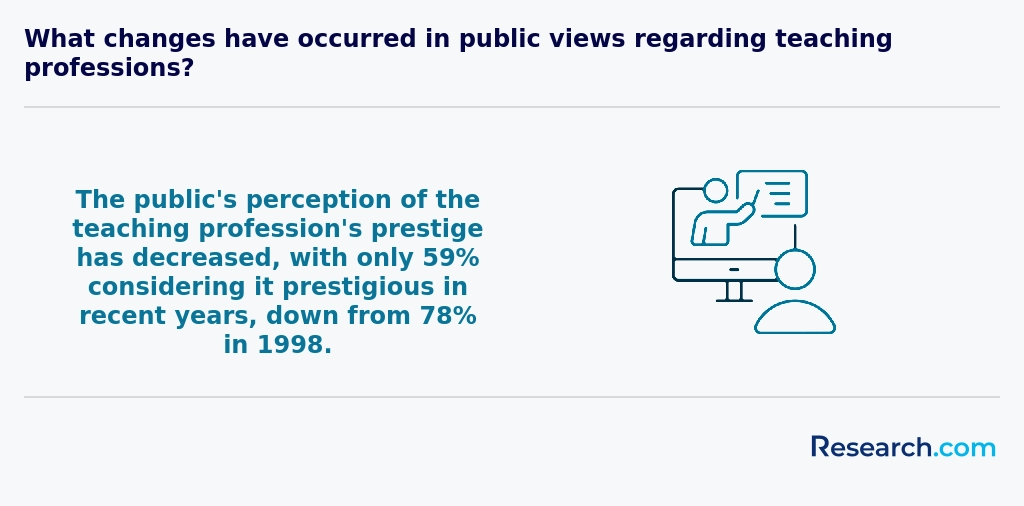
When considering pursuing an online education degree in Arkansas, one of the most critical factors to evaluate is the financial aspect. Understanding the costs involved, from tuition fees to living expenses, is essential for planning and ensuring that the investment in education yields the desired returns. For those looking to minimize expenses, exploring affordable education programs in Arkansas can be a wise decision. This not only helps in managing the financial burden but also ensures that the quality of education is not compromised. Many online education programs offer flexible payment plans, scholarships, and financial aid options to support students throughout their academic journey. By carefully planning and considering these financial aspects, individuals can make informed decisions about their educational path, ensuring that they can achieve their career goals without undue financial stress.
Online education degrees in Arkansas, especially from institutions like the University of Arkansas and Arkansas State University, include a robust mix of courses designed to equip graduates with practical and theoretical teaching tools. Many graduates recall how Foundations of Education reshaped their understanding of teaching by connecting historical and philosophical ideas to their own classroom ambitions.
Courses like Instructional Technology challenge students to creatively blend digital tools with lesson plans-something many found empowering when adapting to current remote learning demands. Others describe Educational Psychology as eye-opening, offering insights into how children learn, which helped personalize their teaching approaches.
Arkansas-based programs emphasize Curriculum Design and Assessment and Classroom Management to help students confidently create effective lessons and foster positive environments. Graduates often highlight how these skills became vital during their local student teaching placements, seamlessly integrating coursework with real classroom challenges.
When exploring online education degree specializations Arkansas offers, graduates often discover an unexpected breadth tailored to diverse educational roles. For instance, Curriculum and Instruction is a popular choice among teachers eager to innovate their classroom methods, supported by Arkansas universities emphasizing technology and evidence-based strategies. Meanwhile, concentrations in Educational Leadership and Administration prepare future principals and district leaders to confidently navigate the complexities of school management, reflecting a pressing statewide demand for strong leadership.
Some graduates find their passion in Special Education, engaging deeply with behavior management and inclusive teaching models-a field growing rapidly in Arkansas and nationally. Others gravitate toward instructional technology, with programs at places like Arkansas Tech University equipping them to integrate digital tools smoothly into evolving learning environments. Such specializations resonate with those interested in Arkansas online master's in education concentrations that blend practical skill building with strategic innovation.
For those aiming beyond, pursuing a phd in higher education administration online offers a unique path toward shaping educational policy and the future of academic institutions. This variety ensures students can align their ambitions with programs designed for meaningful impact in their communities.
Choosing the best online education degree in Arkansas means looking beyond surface appeals like school prestige or flashy marketing. Graduates from well-regarded Arkansas universities often emphasize the importance of accreditation because it directly affects your degree's value and your future job prospects. When they chose programs accredited by agencies such as the Council for the Accreditation of Educator Preparation, they felt confident that their education met high standards recognized by employers across the state.
Cost considerations can't be ignored either-affordable online education degrees Arkansas residents found allowed them to pursue advanced teaching roles without drowning in debt. One graduate reflected on how finding a program with in-state tuition rates and reasonable fees helped them balance work and study, making their education journey feel manageable rather than overwhelming.
Flexibility is key for many. From educators managing classrooms to parents juggling family life, the ability to study asynchronously at popular colleges in Arkansas made a critical difference. Such flexibility ensures you don't have to forgo career advancement while earning your degree. For those aiming to deeply explore specializations or state certification, reviewing curriculum relevance is vital.
Some students shared how finding programs with strong support services and faculty expertise enhanced their learning experience and helped them stay motivated. To explore more options and ensure affordability, consider checking the Affordable Online Master's in Education Degree Programs Ranking in Colorado as a comparative benchmark for quality and cost-effectiveness.
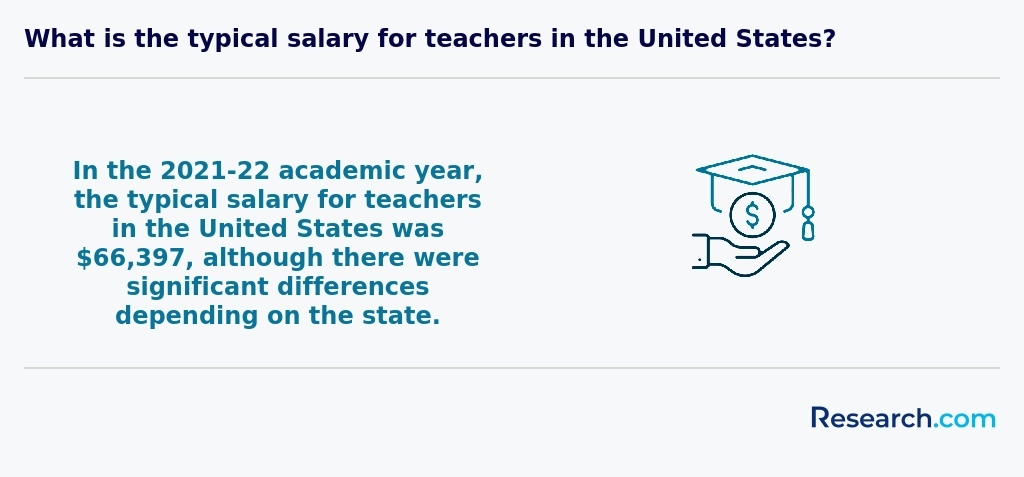
Graduates holding an online education degree in Arkansas find themselves at a crossroads of dynamic career opportunities that defy traditional expectations. Many step into Arkansas teaching jobs for online graduates, becoming K-12 educators in high-demand subjects where their advanced skills immediately impact classrooms. These are not just jobs; they reflect a calling to nurture future generations with expertise sharpened through flexible online programs offered by universities like the University of Arkansas or Henderson State University.
Others embrace leadership roles in educational administration, leveraging their advanced credentials to become principals or program coordinators, shaping school environments with a vision born from real experience. An increasing number of graduates also channel their passion into educational technology and instructional design, embracing Arkansas's strong push for cutting-edge technology integration in classrooms, creating innovative learning experiences that resonate beyond traditional walls.
Postsecondary education roles appeal to many graduates who thrive as academic advisors or faculty at Arkansas's community colleges and universities, where their credentials open doors to continued impact. For those drawn to holistic student support, school counseling offers a deeply rewarding path aligned with licensure requirements, providing essential mental and emotional guidance within Arkansas's educational policy framework. Students curious about cost-effective options often explore Affordable Online Master's in Education Degree Programs Ranking in Colorado for comparative insight into program affordability and flexibility.
- K-12 teaching roles, particularly in high-demand subjects
- Educational administration and leadership positions
- Instructional design and educational technology roles
- Postsecondary academic advising and faculty positions
- School counseling and student support services
The job market for online education degree jobs in Arkansas reflects a steady demand fueled by state initiatives to improve educational outcomes and combat teacher shortages, especially in rural districts. Graduates from popular institutions like the University of Arkansas or Arkansas State University often find themselves well-prepared for roles such as elementary and secondary teachers, special education instructors, or instructional coordinators, where flexibility and adaptability are prized.
Many graduates describe their paths as rewarding, navigating classrooms that blend remote and in-person instruction, which is increasingly the norm in Arkansas schools. This evolving environment supports those with online training, who bring both technological savvy and a passion for community impact.
Arkansas job outlook for education graduates also highlights opportunities beyond teaching. Leadership roles including school counselors and administrators provide viable career growth. Online master's degree programs, often affordable and accessible, offer pathways to these positions and are often chosen by those pursuing an associate's degree online in 6 months to accelerate their credentials while working.
2027 Most Affordable Online Master's in Education Degree Programs Ranking in Arkansas
Investing in your education is a significant decision that requires careful consideration, and the Research.com team is committed to helping you make the best choice. To support prospective students in Arkansas, we have carefully developed the "2027 Most Affordable Online Master's in Education Degree Programs Ranking in Arkansas." Our dedication to quality, credibility, and accuracy drives the thorough research and analysis behind this ranking. We utilized the following reputable data sources to ensure a comprehensive evaluation of these programs:
By exploring this ranking, readers will gain valuable insights into affordable and quality online education master's programs in Arkansas, empowering them to make informed and confident decisions about their academic futures. For more information about our methodology, please visit our
Research.com methodology page
.


# 3 position
University of Arkansas at Little Rock
Master of Gifted, Creative, and Talented Education


Frequently Asked Questions About education
Online education degree students in Arkansas can maximize their learning experience by actively engaging with course materials and participating in virtual discussions. Arkansas ranks within the top states for online education growth, with universities like the University of Arkansas offering flexible programs tailored for remote learners. Utilizing resources such as digital libraries and academic advising enhances understanding and retention. Additionally, time management skills are critical; students should create consistent study schedules to balance work and personal commitments.
According to the Arkansas Department of Higher Education, nearly 40% of enrolled graduate students choose online formats, emphasizing the growing acceptance of virtual degrees. Networking with peers and instructors through online platforms also supports professional development and success.
Emerging niches in the education field are expanding rapidly, especially for online degree seekers in Arkansas. One growing area is educational technology, reflecting the increased use of digital tools in classrooms. According to the Arkansas Department of Education, there has been a 25% rise in demand for educators skilled in instructional technology since 2020.
Another niche is special education, where Arkansas schools face shortages of qualified professionals. Online master's programs focusing on special education can prepare candidates to fill these gaps effectively.
Additionally, career and technical education (CTE) teacher preparation is gaining importance to meet workforce needs in Arkansas's evolving economy.
Preparing for the job market after earning an online education degree in Arkansas involves strategic steps to enhance employability. First, graduates should obtain licensure if they plan to teach in Arkansas public schools. The Arkansas Department of Education requires passing the Praxis exams and completing a background check for certification.
Networking plays a vital role; joining organizations like the Arkansas Education Association can provide valuable job leads and professional development. Additionally, gaining classroom experience through internships or volunteering is crucial to strengthen résumés.
According to the Arkansas Workforce Development Board, education job demand is expected to grow by 6% through 2030, especially in special education and STEM areas, indicating promising employment prospects.
Employers in Arkansas prioritize several key skills when hiring graduates with education degrees. Strong classroom management abilities rank highly, as effective teachers must maintain a positive learning environment. Communication skills, both verbal and written, are essential for collaborating with students, parents, and colleagues.
Data from the Arkansas Department of Education highlights the growing importance of technology proficiency for educators, especially in online or hybrid teaching settings. Adaptability and problem-solving skills also stand out, given the diverse classrooms and varying student needs across the state.
Finally, knowledge of Arkansas state standards and curriculum requirements is crucial for success in local schools, reflecting employers' preference for graduates familiar with regional education policies.
Finding internships in Arkansas relevant to an education degree involves several strategic steps. Start by exploring state resources such as the Arkansas Department of Education, which often lists available internship opportunities within school districts. Many online degree programs in Arkansas partner with local schools to provide field experience, so inquire with your institution's career services.
Additionally, check local school district websites, including Little Rock and Fayetteville, as they sometimes advertise internship openings for aspiring educators. Networking with school administrators and joining Arkansas-based education organizations like the Arkansas Education Association can also increase your chances of securing an internship.
According to the U.S. Bureau of Labor Statistics, internships enhance employability, which is vital in Arkansas where teacher demand is growing. Participating in these programs helps build practical skills aligned with Arkansas's certification requirements for educators.
An online education degree in Arkansas can significantly enhance career mobility and advancement opportunities. According to the Arkansas Department of Education, educators with advanced degrees often have access to higher salary scales and leadership positions within schools. Many districts prioritize candidates with master's degrees or higher for roles such as instructional coaches or administrators. Additionally, Arkansas offers reciprocity agreements, allowing licensed teachers to transfer credentials more easily across state lines when holding advanced qualifications.
Online programs provide flexibility for working professionals, enabling them to gain credentials without pausing their careers. This flexibility supports continuous employment, which positively impacts career growth. Data from the National Center for Education Statistics confirms that individuals with graduate degrees in education tend to see higher employment rates than those with only bachelor's degrees, including in Arkansas.
Studying for an education degree in Arkansas offers strong preparation for interdisciplinary roles by integrating diverse fields such as psychology, sociology, and technology. Online programs often emphasize collaborative skills, critical thinking, and adaptable teaching methods tailored to various learning environments. According to the Arkansas Department of Education, schools increasingly seek educators equipped to handle multiple subject areas and student needs.
Many Arkansas institutions align their curricula with state standards and national frameworks, promoting cross-disciplinary knowledge. For example, the Arkansas Higher Education Coordinating Board supports programs that prepare candidates for roles beyond traditional teaching, including curriculum design and educational leadership. This approach builds flexibility in graduates, readying them for evolving educational challenges.
Choosing between a thesis and a non-thesis education degree program in Arkansas depends on your career goals and personal preferences. A thesis program involves conducting original research and writing a detailed paper, which suits students aiming for doctoral studies or research roles. On the other hand, a non-thesis program focuses on coursework and practical experience, ideal for professionals seeking promotion or licensure without engaging in extensive research.
According to the Arkansas Department of Higher Education, over 40% of master's students opt for non-thesis tracks due to their flexibility and shorter completion times. Consider your long-term plans and consult advisors at Arkansas institutions offering online education degrees to choose the best fit.
Students in Arkansas interested in studying education abroad through online programs have several options. Many U.S. universities with international partnerships offer online degrees that include global education perspectives, allowing Arkansas residents to access diverse curricula without leaving home. According to the Arkansas Department of Higher Education, these programs often combine American teaching standards with international content, providing a well-rounded experience.
Additionally, Arkansas-based students can explore programs accredited by the Council for the Accreditation of Educator Preparation (CAEP), ensuring quality regardless of location. Online education degrees may also include virtual exchange components, connecting students with peers worldwide. These options enable flexible, affordable pathways for Arkansans to engage with global education trends while advancing their qualifications.
Part-time job opportunities in Arkansas that complement education degree studies often focus on roles within schools and community programs. Positions such as teacher assistants, substitute teachers, or tutors are in demand and provide valuable classroom experience. According to the Arkansas Department of Education, about 30% of school districts regularly hire paraprofessionals on a part-time basis, which helps build practical skills.
Additionally, after-school program coordinators or literacy volunteers in public libraries offer flexible hours and enrich an aspiring educator's resume. These roles not only supplement income but also enhance understanding of student needs and instructional strategies.
Arkansas's diverse educational settings, including rural and urban areas, increase availability of such positions. Engaging in these jobs while pursuing an online education degree strengthens professional networks and improves job prospects post-graduation.
Online education students in Arkansas have access to multiple networking opportunities despite studying remotely. Many universities, such as the University of Arkansas and Arkansas State University, offer virtual events, discussion forums, and group projects designed to foster peer connections. These platforms help students collaborate and build professional relationships.
Additionally, Arkansas education programs often encourage participation in statewide and national organizations like the Arkansas Association of Colleges for Teacher Education (AACTE). These groups provide online webinars, conferences, and local meetups aimed at connecting educators and future professionals.
Students can also leverage LinkedIn groups and local education-related chapters to expand their networks. According to the Arkansas Department of Education, 85% of graduates reported benefiting from such networking in their careers. This demonstrates the growing importance of digital and hybrid interaction channels for online learners.
Alumni networks offer significant benefits for online education degree students in Arkansas by providing valuable professional connections and support. These networks often include graduates who work in local school districts and educational organizations, creating opportunities for mentorship and job placement.
According to the Arkansas Department of Education, networking through alumni associations can improve employment prospects by connecting students with experienced educators and administrators statewide. Additionally, active alumni groups frequently organize workshops and events that enhance career development skills.
Students enrolled in online master's in education programs within Arkansas can leverage these connections to stay informed about regional educational trends and open positions, which is especially important given the state's focus on improving teacher retention rates through continuous professional development.
Customizing an online education degree in Arkansas involves selecting courses and specializations aligned with your career ambitions. Many Arkansas universities offer flexible curricula, allowing students to focus on areas such as curriculum development, educational leadership, or special education. For example, the Arkansas Department of Higher Education notes several regional institutions provide endorsements and certifications that can be earned alongside degrees, enhancing employability in targeted roles.
Students may also benefit from practicum or internship options integrated into online programs. These hands-on experiences prepare graduates for specific educational environments. Leveraging academic advising services helps tailor course selections to state licensure requirements or district preferences, ensuring the degree supports intended career paths effectively.
Online education students in Arkansas often face several challenges that can impact their academic success. One common issue is limited access to reliable high-speed internet, especially in rural areas where nearly 33% of Arkansans live, according to the U.S. Census Bureau. This digital divide can restrict participation in live lectures and timely submission of assignments.
Another challenge is balancing work, family, and study time. Many students pursuing online degrees are adult learners with jobs and caregiving responsibilities, which can create scheduling conflicts and stress. Additionally, some report feeling isolated due to limited face-to-face interactions with peers and instructors.
Arkansas's state funding constraints for higher education may also affect available student support services, including tutoring and counseling. According to the Arkansas Department of Higher Education, online learners might experience fewer academic resources compared to on-campus students, which can hinder their progress.
With an online education degree, students in Arkansas can pursue several professional certifications that enhance their teaching credentials and career prospects. The Arkansas Department of Education offers certifications such as the Standard Teaching License and Advanced Specialist License, which often require a master's degree in education or a related field.
Additionally, candidates can seek certification in specialized areas like ESL (English as a Second Language) or special education, both in demand within Arkansas schools. National certifications, such as the National Board Certification for teachers, are also accessible and respected. These certifications frequently require graduate-level coursework, which online degrees provide.
Arkansas's education workforce reports that teachers with advanced certifications can earn higher salaries, sometimes up to 15% more, depending on the district. Resources from the Arkansas Department of Education website detail current certification pathways and requirements for online graduates.
To write a winning application for an online education program in Arkansas, start by thoroughly researching the specific requirements of the university you choose. Many Arkansas institutions, including the University of Arkansas at Little Rock, require official transcripts, letters of recommendation, and a personal statement. In your statement, clearly explain your teaching philosophy and career goals linked to online education.
Highlight any relevant experience or certifications, as Arkansas values practical expertise in education. Be sure to meet all stated deadlines and submit a complete application. According to the Arkansas Department of Higher Education, programs often consider GPA and professional background in admissions decisions.
Finally, tailor your application to reflect an understanding of Arkansas's educational standards and commitment to student success.
Globally, education careers are valued for their role in shaping future generations and supporting social development. In the United States, including Arkansas, a teaching career is seen as stable and impactful. The U.S. Bureau of Labor Statistics expects employment for education professionals to grow by 5% from 2021 to 2031, reflecting steady demand.
Arkansas, specifically, supports this trend with initiatives to train qualified teachers through online degree programs, expanding access statewide. According to the Arkansas Department of Education, there is a significant need for educators in rural areas, making online degrees a practical solution.
These global and national perspectives highlight education as a respected and evolving profession with opportunities for continuous growth.
Gaining practical experience while pursuing an online education degree in Arkansas is essential for career readiness. Many universities incorporate student teaching or practicum components, allowing candidates to work directly in classrooms under licensed educators' supervision. Arkansas requires at least 12 weeks of supervised clinical experience for teacher certification, which online programs help arrange locally. Additionally, partnerships between universities and Arkansas school districts provide virtual internships and service-learning projects. These opportunities let students apply theory to real-world settings without relocating. According to the Arkansas Department of Education, hands-on experience significantly improves job placement rates for graduates in the state's education sector.
Choosing the right concentration within an online education degree in Arkansas depends on your career goals and interests. Popular options include curriculum design, educational leadership, special education, and technology integration. According to the Arkansas Department of Education, demand for teachers skilled in special education and STEM subjects is growing statewide.
Consider local school district needs and your long-term job prospects. For example, Arkansas has seen a rise in demand for administrators, making education leadership a valuable choice. Also, review course offerings carefully to ensure your concentration matches licensure requirements if you plan to teach in public schools. The Arkansas Higher Education Coordinating Board offers useful guidance on approved programs and concentrations to help with this decision.
- 2027 Most Affordable Online Master's in Education Degree Programs Ranking in Missouri
- 2027 Most Affordable Online Master's in Education Degree Programs Ranking in Texas
- 2027 Most Affordable Online Master's in Education Degree Programs Ranking in Kentucky
- 2027 Most Affordable Online Master's in Education Degree Programs Ranking in Kansas
- 2027 Most Affordable Online Master's in Education Degree Programs Ranking in Illinois
- 2027 Most Affordable Online Master's in Education Degree Programs Ranking in Iowa
- 2027 Most Affordable Online Master's in Education Degree Programs Ranking in Indiana
- 2027 Most Affordable Online Master's in Education Degree Programs Ranking in Georgia
- 2027 Most Affordable Online Master's in Education Degree Programs Ranking in Florida
- 2027 Most Affordable Online Master's in Education Degree Programs Ranking in Ohio
See What Experts Have To Say About Studying Education
Read our interview with Education experts

Alan J. Singer
Education Expert
Professor of Teaching, Learning and Technology
Hofstra University

Nooshan Ashtari
Education Expert
Professor & Book Author
University of Southern California

- Arkansas Continuing Education Programs | Farm Bureau Insurance https://afbic.com/2021/09/arkansas-continuing-education-programs/
- University of Central Arkansas | UCA https://uca.edu/online/coeprograms/
- Online Learning Across the University of Arkansas System - University of Arkansas System https://uasys.edu/online/
- Education Cover Letter: 6 Steps to Write a Job-Winning One [+Example & Template] | Cake https://www.cake.me/resources/cover-letter/education-cover-letter
- Benefits of Networking for Students https://www.melioeducation.com/blog/benefits-of-networking-for-students/
- How To Write A Great Cover Letter For Teacher Training - Engage Education https://engage-education.com/blog/how-to-write-a-great-cover-letter-for-teacher-training/
- How Do I Get a Teaching Degree in Arkansas? - Champion Christian College in Hot Springs, AR https://www.champion.edu/news/how-do-i-get-a-teaching-degree-in-arkansas
- The Advantages of Studying an Online Degree https://www.falmouth.ac.uk/news/advantages-studying-online-degree
- Virtual Career Center | WorkforceAR https://www.workforcear.com/virtualcareercenter
- How to Choose a Concentration for Your Master of Education 3 Questions to Consider https://www.aiuniv.edu/degrees/education/articles/how-to-choose-an-education-specialization