2027 Most Valuable Online Education Degree Programs Ranking in Arkansas

Co-Founder and Chief Data Scientist
Choosing the right online education degree program can shape your future in meaningful ways. If you're in Arkansas and exploring your options, this article presents the 2027 Most Valuable Online Education Degree Programs Ranking in Arkansas, developed by the Research.com team of data scientists.
This carefully crafted ranking helps you make informed decisions by highlighting programs that offer real value. Pursuing an education degree opens doors to rewarding careers and personal growth. Reading this guide can inspire confidence and clarity as you take the next step toward your goals.
Key benefits of getting online education degree in Arkansas
- Graduates with an education degree in Arkansas can expect competitive salaries, with Special Education Teachers earning around $76,000 and Instructional Designers making approximately $77,200 annually, offering strong financial stability.
- Career paths for education graduates are diverse, including roles such as Elementary School Teachers or ESL Teachers, similar to successful examples from the University of Arkansas, opening doors to rewarding opportunities.
- Online education degrees from Arkansas institutions provide flexibility and convenience, allowing students to balance work and study effectively, as demonstrated by graduates from Arkansas State University who enjoy accelerated career growth.
- 2027 Most Valuable Online Education Degree Programs Ranking in Arkansas
- What can I expect from online education degree in Arkansas?
- Where can I work with online education degree in Arkansas?
What can I expect from online education degree in Arkansas?
When considering the average cost of an online education degree in Arkansas, students often find the tuition comparable to traditional on-campus rates, which is encouraging for those balancing work and family commitments. For example, graduates from the University of Arkansas and Arkansas State University have shared that in-state undergraduate tuition typically hovers around $8,000 per year as of 2023. This affordability, paired with the savings on commute and housing, makes pursuing an online degree a sensible investment.
Many students appreciate how the financial aspect aligns with the flexible learning structure-studying at one's own pace without sacrificing quality. Practical experiences, like internships or practicum requirements that these universities set, ensure graduates feel confident stepping into classrooms or administrative roles.
Furthermore, scholars often highlight the availability of scholarships and financial aid specifically designed for education majors enrolled in online programs. This support makes the education journey not only accessible but also fulfilling for aspiring teachers and leaders in Arkansas schools.
Where can I work with online education degree in Arkansas?
Graduates holding an online education degree in Arkansas frequently find rewarding careers as public school teachers across the state's diverse communities. Many who studied through programs at institutions like the University of Arkansas or Arkansas State University share how their preparation helped them confidently secure teaching positions in both urban and rural districts, fulfilling pressing needs for certified educators.
Specializing in high-demand areas such as STEM, special education, or ESL has brought graduates a strong sense of purpose and job stability. For example, those focusing on special education often mention the rewarding challenge of supporting students with diverse learning needs, reflecting Arkansas's significant demand in this field.
Beyond K-12 schools, graduates find fulfilling roles at Arkansas community colleges or universities, working as academic advisors or curriculum developers. These positions, often available to those with online degrees, offer a meaningful way to remain engaged in education without necessarily pursuing advanced degrees immediately.
Others have embraced community-focused roles in workforce development or adult education programs. The flexibility and practical skills gained from online study empower graduates to impact lifelong learning initiatives, creating positive change in their local communities.
Graduates from online education programs at Arkansas institutions often find themselves entering roles with promising salary prospects that reflect both their dedication and the state's growing appreciation for educators. For instance, many who begin as elementary school teachers can anticipate earning around $70,740 annually in Arkansas, which aligns with the broader trends reported by experienced alumni. Those who focus on special education often see even higher returns, with salaries averaging $76,000 per year, underscoring the demand and value placed on this specialization within the state.
Other graduates transitioning into roles like instructional designers enjoy competitive wages, averaging $77,200, a reflection of the emerging opportunities beyond traditional classrooms. Early childhood educators typically start at $41,410, which, while modest, still represents a meaningful career entry point in Arkansas's education landscape.
Graduates from well-regarded Arkansas universities describe the added benefit of practical experience combined with strong regional networks, which often translates into pay increases as they advance. Understanding these figures can help you envision the real possibilities, whether you pursue classroom teaching or innovative educational roles statewide.
- Online education degrees in Arkansas include bachelor's and master's programs offered fully online or in hybrid formats.
- The average cost for an online bachelor's degree in education ranges from $20,000 to $30,000 for in-state students.
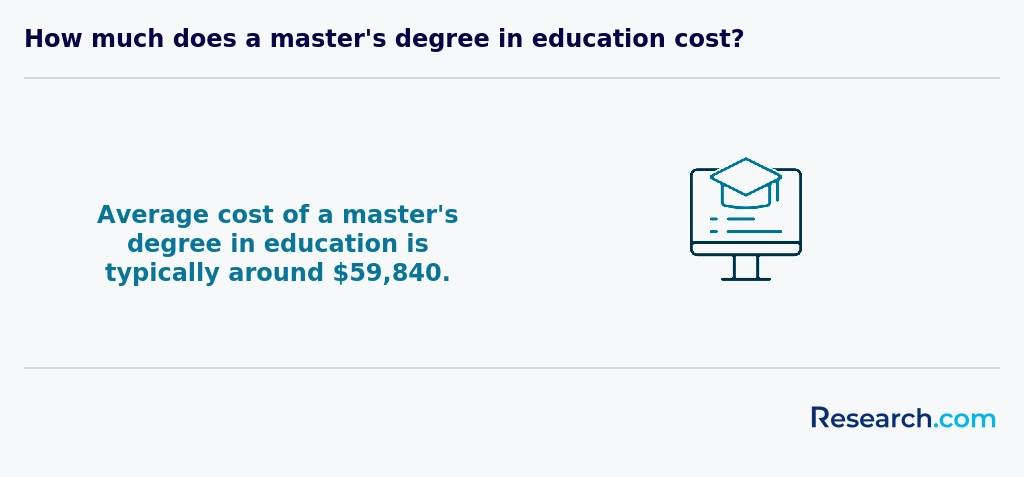
- Master's programs in education typically cost between $10,000 and $15,000 for full completion.
- Starting salaries for newly licensed teachers in Arkansas average about $46,000 per year, with median salaries rising to $55,000-$60,000 after five to ten years.
- Teacher shortages exist in special education, mathematics, and science, providing strong job opportunities for graduates.
- Most programs prepare students for state licensure or certification and are approved by the Arkansas Department of Education.
Completing an online education degree in Arkansas often aligns with the pace you set for yourself, especially when balancing studies with daily life. Many graduates from institutions like the University of Arkansas at Little Rock share how full-time enrollment typically leads to finishing a bachelor's in about four years. Those managing jobs or families frequently choose part-time study, stretching their degree journey to five or six years without sacrificing quality or progress.
Associate degrees, popular at community colleges such as Arkansas State University-Beebe, usually take around two years when studied full time. This creates a solid foundation for further education or career shifts.
For master's degrees, graduates from Arkansas Tech University report that full-time students finish in about two years, enjoying the focused momentum, while part-time learners may take three or four years as they juggle commitments.
What stands out is the flexibility Arkansas schools offer. Accelerated paths and competency-based options acknowledge your past experiences, making it possible to finish sooner and keeping motivation high throughout the process.
Online education offers flexibility and accessibility, but it also requires a proactive approach to manage time, leverage available resources, and build professional networks. To maximize your online learning experience, consider implementing these strategies: • Establish a Consistent Study Schedule: Create a dedicated workspace and a regular routine that aligns with your most productive hours. This structure ensures you remain focused and can balance studies with other responsibilities. • Engage Actively in Virtual Classes: Participate in discussion forums, attend live webinars, and collaborate with peers. These interactions not only build valuable connections but also deepen your understanding of course material. • Utilize Available Resources: Take advantage of academic support services such as tutoring, career counseling, and technical assistance. Many institutions offer virtual workshops that can help enhance your time management and self-motivation skills. • Develop Technological Proficiency: Familiarize yourself with the digital tools used in your program. This may include learning management systems, video conferencing platforms, and collaborative software-skill sets that are highly valued in today’s job market. • Seek Additional Guidance When Needed: If you’re looking to further optimize your educational investment, visit our list of most affordable online education degrees to explore cost-effective program options. By integrating these success strategies, you can enhance your online learning journey, achieve academic excellence, and prepare for a future rich with professional opportunities.
Online and on-campus education degrees in Arkansas differ mainly in how students engage with their studies. Graduates from the University of Arkansas in Fayetteville often speak of the enriching face-to-face interactions they experienced-sharing ideas in lively classroom discussions and benefiting from immediate feedback during student teaching placements at nearby schools.
On the other hand, graduates from Arkansas State University appreciate how online programs fit smoothly into their busy lives. They value the freedom to access lectures and assignments anytime, especially when living far from campus or juggling work and family. This flexibility often creates a sense of relief and empowerment, knowing they can progress without strict schedules.
Both paths demand dedication; however, online students often share how mastering self-motivation and time management became a rewarding skill. Meanwhile, on-campus students cherish the tangible support from libraries and tutoring centers, which fosters motivation through community.
These experiences reflect distinct but equally valuable journeys toward becoming an educator in Arkansas, shaped by personal learning styles and life circumstances.
Accreditation is the cornerstone of academic quality, ensuring that online education programs in Arkansas meet rigorous standards set by recognized bodies. Regional accreditation-granted by agencies such as the Higher Learning Commission (HLC)-validates an institution’s overall mission, governance, and resource allocation, while specialized programmatic accreditation-through organizations like the Council for the Accreditation of Educator Preparation (CAEP)-confirms that teacher preparation curricula align with state and national benchmarks. Enrolling in an accredited program not only guarantees transferability of credits and eligibility for federal financial aid, but also enhances employer confidence in your degree and supports licensure requirements. To verify a program’s accreditation status, consult the U.S. Department of Education’s database or the Council for Higher Education Accreditation (CHEA) directory. Many Arkansas institutions prominently display accreditation information on their websites and include CAEP or NCATE seals on program pages. For a regional comparison of accredited, budget-friendly programs, see our Most Affordable Online Master's in Education Degree Programs Ranking in the Midwest. Prioritizing accredited programs ensures that your investment in an online education degree delivers recognized credentials, robust curriculum quality, and the greatest return on both time and tuition.
The average cost of an online education degree in Arkansas often reflects the balance between accessibility and quality that many students seek. Median total costs for online education degrees hover around $18,354, with in-state students typically experiencing lower tuition rates compared to their out-of-state counterparts. Graduates from renowned public institutions, such as the University of Arkansas, frequently share how manageable per-credit tuition-often between $300 and $450-helps them pursue their passion for teaching without overwhelming financial burdens.
One common experience among Arkansas students pursuing an online education degree is the realization of how credit requirements shape their overall expenses. Bachelor's programs generally require about 120 credits, while master's degrees usually range from 30 to 36 credits. These details highlight why understanding Arkansas online education degree tuition and fees early is essential for careful financial planning.
Additional program costs, such as technology fees and course materials, may initially surprise some students, yet many soon appreciate how they reflect investment in a supportive learning environment. These factors contribute to a thoughtful and rewarding academic journey that many find well worth the cost.
Arkansas offers avenues to explore scholarships and financial assistance, making higher education attainable without excessive debt. For those interested in comparing options, the cheapest education programs in Arkansas provide valuable resources to gauge affordability and identify programs tailored to individual needs.
Graduates of online education programs in Arkansas must navigate state licensure requirements to become certified teachers or educational specialists. The Arkansas Department of Education (ADE) mandates completion of an approved educator preparation program, successful passage of Praxis Core exams, and a supervised clinical experience. Most accredited online programs align their curriculum with ADE standards, ensuring that coursework in pedagogy, classroom management, and content-specific methods fulfills certification prerequisites. After finishing your degree, you’ll submit an application for initial licensure through the ADE eLicensing portal, providing official transcripts and Praxis score reports. Candidates should also complete background checks and fingerprinting, which are critical for public school employment. For those pursuing advanced credentials, our Most Affordable Online Master’s in Education Degree Programs Ranking in the Midwest highlights programs that combine affordability with licensure alignment, helping you meet both educational and budgetary goals. Alternative routes, such as the Transitional Teaching License, allow career changers with a bachelor’s degree to teach while completing certification requirements. Many online graduates leverage these pathways to gain classroom experience under mentorship. By understanding and following these licensure steps, online education graduates can seamlessly transition from diploma holders to fully certified educators in Arkansas.
Students pursuing online education degrees in Arkansas often find significant relief through a blend of financial aid options tailored to their needs. Many graduates recall completing the FAFSA, unlocking access to federal grants like the Pell Grant, which in 2023-2024 offers up to $7,395. This support can dramatically lighten the financial load, especially when paired with state awards such as the Arkansas Academic Challenge Scholarship, providing up to $4,650 annually for tuition at institutions like the University of Arkansas or Arkansas State University.
Graduates frequently mention the encouragement from institutional scholarships specifically aimed at online learners, which recognize both academic merit and financial need. For example, several students at the University of Arkansas System have benefited from such aid, enabling them to focus on their studies instead of financial strain.
In addition, federal student loans present a manageable option with reasonable terms, helping bridge any gaps between aid and tuition, which averages around $8,000 for in-state online education students. Many recall that exploring private scholarships from Arkansas foundations also brought surprising opportunities, reinforcing the idea that thorough research and early application foster greater chances for success.
When evaluating online education degree programs in Arkansas, one crucial factor to consider is affordability. Prospective students often find themselves weighing the costs of tuition, fees, and living expenses against the potential return on investment in their future careers. For those seeking the most budget-friendly options, researching the cheapest education programs in Arkansas can be a valuable first step. This involves not only looking at the total cost of attendance but also exploring available financial aid options, such as scholarships, grants, and loans, which can significantly reduce the financial burden of pursuing an online education degree. By prioritizing affordability without compromising on the quality of education, students can set themselves up for success in their academic and professional pursuits, making the most of their investment in an online education degree in Arkansas.
To enroll in an online education degree program in Arkansas, students typically need a high school diploma or equivalent, reflecting the solid foundation expected by institutions such as the University of Arkansas or Arkansas State University. Graduates often recall how this prerequisite ensured they were ready for the academic challenges ahead, providing confidence as they embarked on their studies.
For those pursuing graduate degrees, having a bachelor's degree-preferably in education or a related field-is essential. Many graduates from Arkansas's public universities found that completing prerequisite courses helped bridge any gaps, making their transition smoother and more rewarding.
A cumulative GPA around 3.0 is commonly required, reflecting a standard of academic commitment that students often embrace with pride. Practical requirements-like submitting official transcripts, passing the Praxis exam for licensure, and providing letters of recommendation-underline a student's dedication and readiness to contribute meaningfully to the education field.
Many recall that meeting these prerequisites, while demanding, created a supportive framework that helped them thrive in their online programs, balancing flexibility with rigorous preparation.
Accreditation is the benchmark of quality for any online education degree, ensuring that programs meet rigorous academic and professional standards. In Arkansas, prospective students should verify that their chosen institution holds regional accreditation from bodies such as the Higher Learning Commission (HLC). Additionally, specialized program accreditation-like the Council for the Accreditation of Educator Preparation (CAEP)-provides further assurance that curriculum, faculty credentials, and student outcomes have undergone thorough external review. Maintaining accreditation impacts more than just academic reputation. It determines eligibility for federal financial aid, smooths credit transfer processes, and satisfies licensure requirements in many school districts. Before enrolling, confirm that both the university and its online education department are accredited, and review any recent accreditation reports or renewal dates. Quality assurance also extends to continuous program improvement. Accredited programs conduct regular assessments of course content, technology platforms, and student support services-such as tutoring, career counseling, and virtual library access-to guarantee that online learners receive a robust, up-to-date education. For students interested in exploring cost-effective options beyond Arkansas, see the Most Affordable Online Master's in Education Degree Programs Ranking in the Midwest to compare accredited programs across the region.
Online education degree programs in Arkansas often include courses that provide both foundational teaching skills and state-specific knowledge, essential for anyone aiming to teach in Arkansas schools. Graduates from universities such as the University of Arkansas and Arkansas State University commonly recall courses like Foundations of Education and Classroom Management Techniques as cornerstones that shaped their approach to real classrooms.
Courses like Assessment and Evaluation and Educational Technology prepare students to handle diverse learning needs and adapt to modern tools, reflecting what many alumni experienced when designing engaging lesson plans.
Programs also emphasize Special Education Fundamentals and Arkansas-specific licensure preparation, focusing on practical knowledge about Individualized Education Programs (IEPs) and IDEA regulations - a vital part for teaching students with disabilities in the state.
These courses are often paired with student teaching experiences, providing a tangible connection to Arkansas's schools that graduates describe as both challenging and rewarding, helping them feel truly ready for a teaching career.
Students pursuing an online education degree in Arkansas often find a broad array of specializations tailored to meet local educational needs. Many graduates from popular universities reflect positively on tracks such as Elementary Education, which equips them for engaging young learners in K-6 classrooms through practical teaching strategies and curriculum design. Others gravitate toward Secondary Education to master adolescent psychology and subject-specific skills for middle and high school instruction.
Special Education stands out as a rewarding path, enabling educators to support diverse learners while meeting Arkansas Department of Education certification requirements. Those interested in leadership aspire to roles like school principals, choosing Educational Leadership and Administration for its focus on school law and policy. Instructional Design and Technology appeals to graduates passionate about integrating digital tools into effective e-learning environments.
Overall, Arkansas accredited online teaching programs balance flexibility with targeted preparation, helping many feel ready to thrive professionally. For a comprehensive understanding of costs and options, prospective students might explore the list of most affordable online education degrees, ensuring choices align with career goals.
Choosing the best online education degree in Arkansas means looking beyond just program names to the factors that truly shape your future as a teacher. Graduates from well-known Arkansas universities often recall how crucial accreditation was-they found reassurance knowing their degrees met standards set by bodies like the Council for the Accreditation of Educator Preparation and were regionally accredited through the Higher Learning Commission. This made a real difference when applying for teaching positions across the state.
Affordability also stands out. Many students juggling family and jobs appreciated Arkansas public universities' more reasonable tuition rates, which typically average about $7,800 per year for in-state learners. It's worth comparing these costs alongside fees, financial aid, and available specializations to find an affordable education degree program Arkansas offers that fits your personal goals and budget.
Practical features such as licensure prep tailored to Arkansas standards and flexible, asynchronous classes helped others stay motivated. A valuable resource to explore is the Most Affordable Online Master's in Education Degree Programs Ranking in the Midwest, which highlights options providing strong career support for educators starting out or advancing in Arkansas schools.
Graduates with an online education degree in Arkansas often find themselves stepping into rewarding careers as licensed teachers, a path that remains in high demand especially in subjects like math, science, and special education. Many students from popular institutions such as the University of Arkansas appreciate how their online programs prepared them well to confidently navigate licensure exams and real classroom challenges. For some, the joy of shaping young minds in elementary, middle, or high school brings a deep sense of purpose and fulfillment.
Others have discovered meaningful roles beyond teaching, taking on educational administration positions, including school principals or curriculum coordinators. These roles, often pursued after earning a master's degree online, allow graduates to influence school culture and strategy, impacting the educational experience on a larger scale. In these capacities, graduates from Arkansas State University often share how their degree opened doors for sustainable career growth aligned with their passion.
Additional opportunities include instructional design, educational technology, and adult education, showing the diversity of online education degree jobs in Arkansas. These careers offer graduates the chance to be innovative and adaptable, supporting evolving learning environments. For those interested in exploring cost-effective programs with strong career outcomes, the Most Affordable Online Master's in Education Degree Programs Ranking in the Midwest provides valuable insight for selecting the right pathway to success.
The job market for graduates with an online education degree in Arkansas remains promising, especially as local schools face ongoing teacher shortages fueled by retirements and increasing student enrollment. Graduates from well-regarded universities in the state often share how hands-on experiences-such as student teaching placements arranged through their online programs-directly prepared them for classroom demands. For those exploring Arkansas online education career opportunities, these real-world practicum components help build confidence and essential skills before entering the workforce.
Many graduates find rewarding roles not only in traditional K-12 settings but also in educational leadership or instructional design. Schools and districts highly value candidates who hold valid Arkansas teaching licenses obtained through accredited online pathways. For students balancing work and study, enrolling in fast online undergraduate degrees for working adults has made the goal of earning a degree while gaining practical experience achievable and fulfilling.
Reflecting on the online education degree job outlook Arkansas paints a landscape where competitive salaries and diverse opportunities align with the state's emphasis on teacher quality and innovation in education. Graduates often express optimism about their career paths, inspired by the strong community support within Arkansas's education system.
2027 Most Valuable Online Education Degree Programs Ranking in Arkansas
Investing in your education is a significant decision that can shape your future, and the Research.com team recognizes the importance of making well-informed choices. To support prospective students in Arkansas, we have carefully developed the "2027 Most Valuable Online Education Degree Programs Ranking in Arkansas." Our dedication to quality, credibility, and accuracy is demonstrated through rigorous research and data analysis conducted to assemble this ranking.
We utilized the following reputable data sources to ensure a comprehensive evaluation of online education degree programs:
By reviewing this ranking, readers will gain valuable insights into the most rewarding online education degree programs in Arkansas, empowering them to make informed educational and career decisions. For further information on how this ranking was created, please visit our Research.com methodology page.


# 4 position
University of Arkansas at Little Rock
Master of Gifted, Creative, and Talented Education


Frequently Asked Questions About education
Online education degree students in Arkansas can maximize their learning experience by actively engaging with course materials and instructors. Arkansas ranks among states expanding digital education access, with institutions like the University of Arkansas offering accredited online programs. Students should leverage available resources such as virtual libraries, tutoring, and career services. Time management is essential; creating a consistent study schedule helps accommodate work and family commitments common among Arkansas learners.
Independent research from the Arkansas Department of Higher Education highlights that students who participate in online discussions and group projects perform better academically. Utilizing statewide networks for education professionals can also enhance practical skills. Staying connected to peer groups and seeking feedback encourages deeper understanding and retention of course content.
The education field is evolving with several emerging niches, especially relevant for Arkansas students pursuing online degrees. One significant area is special education technology, where professionals adapt digital tools to assist diverse learners. Demand for experts in this niche is growing as Arkansas sees a 12% increase in students requiring special education services over the past five years, according to the Arkansas Department of Education.
Another expanding niche is data-driven instructional design. Educators skilled in analyzing learning data to customize lessons are becoming vital to improving student outcomes statewide. Online programs now often include training in educational technology and data analytics.
Additionally, early childhood education remains a priority in Arkansas, where investments have increased by 15% in early learning initiatives. These developments open opportunities for specialists trained to work virtually with young children and families.
These emerging niches reflect broader trends in US education, emphasizing technology integration and personalized learning.
To prepare for the job market after completing an online education degree in Arkansas, graduates should first secure proper teaching certification. Arkansas requires passing the Praxis exams and completing state-approved licensure programs to teach in public schools. Understanding local education standards and curriculum expectations is essential. Networking with school districts through job fairs and Arkansas Department of Education resources can boost employment chances.
Gaining practical experience, such as student teaching or internships, is strongly recommended. Arkansas' public school system employs about 40,000 teachers, reflecting a competitive market where relevant experience matters, according to the Arkansas Department of Education 2023 report. Continuing professional development and joining professional organizations like the Arkansas Education Association may enhance career prospects.
Employers in Arkansas increasingly value education degree graduates who demonstrate strong classroom management and communication skills. According to the Arkansas Department of Education, effective classroom management is linked to improved student outcomes and teacher retention. Additionally, adaptability and cultural competence are essential, given the state's diverse student populations.
Data from the Arkansas Education Reports (2023) emphasizes that educators with technology proficiency and data-driven instruction abilities are in high demand. These skills help teachers tailor lessons and engage students through digital tools, an important factor for online education graduates.
Critical thinking and collaboration are also valued, enabling teachers to work effectively with colleagues and parents to support student learning.
Finding internships in Arkansas related to education degrees often begins with utilizing resources provided by Arkansas colleges and universities. Many institutions in the state, such as the University of Arkansas and Arkansas State University, offer career counseling centers that connect students with local schools and educational organizations seeking interns.
Additionally, platforms like Arkansas Department of Education's website list approved internship opportunities in various districts. Leveraging these official channels is crucial for gaining relevant experience. According to Arkansas Economic Development Commission data, education is among the top employment sectors, increasing internship availability in the region.
Students should also explore networking opportunities at virtual job fairs or teacher associations within the state. These events can help establish contacts with local school districts that often offer internships to education majors.
An online education degree in Arkansas can significantly enhance career mobility and advancement opportunities. According to the Arkansas Department of Education, educators with advanced degrees often qualify for higher salary scales and leadership roles within school districts. Online programs provide flexibility, allowing working professionals to upskill without interrupting their careers.
Arkansas schools increasingly value teachers with specialized certifications and master's degrees, both of which can be earned online. This trend supports movement into positions such as curriculum coordinators or instructional coaches. Additionally, the Arkansas Teacher Excellence and Support System (TESS) rewards advanced qualifications, linking them to improved evaluations and promotion potential.
Studying for an education degree online in Arkansas equips students with skills applicable across multiple disciplines. Arkansas universities integrate state standards with interdisciplinary coursework, emphasizing collaboration in diverse fields such as psychology, technology, and social sciences. This approach prepares graduates to engage effectively in varied educational settings.
According to the Arkansas Department of Education, programs often include training in data analysis, communication, and instructional technology, all vital for roles beyond traditional teaching. Students also study community involvement and policy, broadening their perspectives. This holistic preparation supports careers in administration, curriculum development, and educational consulting.
Online programs provide flexibility, attracting working professionals aiming to expand their roles. The focus on practical, research-based knowledge aligns with employer needs highlighted in regional workforce studies.
Choosing between a thesis and a non-thesis online education degree in Arkansas largely depends on your career goals and time commitment. Thesis programs typically require extensive research and a final written document, ideal for students aiming at doctoral studies or research roles. Non-thesis options focus more on coursework and practical skills, which can be completed faster and suit those pursuing teaching or administrative positions.
The Arkansas Higher Education Coordinating Board notes that about 40% of online education graduate programs include thesis requirements. Consider your interest in research and long-term academic plans before deciding.
Students based in Arkansas seeking to study education abroad through online programs have several options within the U.S. higher education system. Many Arkansas institutions collaborate with international universities to offer joint or dual-degree programs that can be completed online. These partnerships allow students to gain global perspectives without leaving the state.
The Arkansas Department of Higher Education (ADHE) supports initiatives that facilitate access to accredited online education degrees, some incorporating international components. For example, the University of Arkansas offers online education degrees with study modules that include global education trends.
While fully online international degrees are less common, Arkansas students can often enroll in programs offered by regionally accredited universities with global curricula, providing both flexibility and a recognized credential. Using resources like the National Center for Education Statistics can help students identify suitable programs.
Part-time job opportunities in Arkansas that complement education degree studies often focus on practical experience in teaching and support roles. Positions such as teacher aides, substitute teachers, and after-school program assistants are common and provide valuable classroom exposure. According to the Arkansas Department of Education, the demand for substitute teachers is steady, particularly in rural areas, offering flexible hours for students.
Additionally, tutoring roles-both in-person and online-allow education students to refine instructional skills. Nonprofits and community centers in Arkansas also frequently seek educational volunteers and coordinators, enhancing leadership abilities. Such roles not only supplement income but align well with education career goals.
Online education students in Arkansas have growing networking opportunities despite the physical distance from campus. Many Arkansas universities offering online education degrees create virtual events, discussion forums, and social media groups to foster connections among students. For instance, the University of Arkansas System encourages remote learners to join professional learning communities and participate in online workshops tailored to education professionals.
Arkansas also benefits from statewide organizations, such as the Arkansas Education Association, which hosts conferences and webinars accessible to online students, providing chances to interact with educators across the state. These offerings help students build local and regional professional networks.
According to the Arkansas Department of Higher Education, online degree students increasingly engage in internship programs and partnerships with local school districts, allowing practical experience and face-to-face networking opportunities. These combined avenues help online learners develop meaningful professional relationships within Arkansas's education field.
Alumni networks play a crucial role for online education degree students in Arkansas by offering connections that extend beyond virtual classrooms. These networks provide access to a community of graduates and professionals who have firsthand experience with Arkansas's higher education landscape.
Membership in an alumni network can increase job opportunities, as many Arkansas employers value recommendations from trusted sources within local and regional education circles. For example, the Arkansas Department of Higher Education notes that alumni often support internships and mentoring programs that benefit current students.
Additionally, alumni events and online platforms foster professional development and lifelong learning. Students gain access to workshops, job fairs, and exclusive resources that enhance their career prospects within Arkansas's educational institutions and related sectors.
Arkansas offers a variety of online education degree programs that allow students to tailor their studies based on career goals. Many universities in the state provide flexible course options, including specializations in early childhood education, educational leadership, or special education.
Students can choose electives and advanced courses relevant to their desired profession. For example, the University of Arkansas at Little Rock offers customizable online paths aligned with Arkansas Department of Education licensure requirements.
Additionally, internships or practicum experiences can often be integrated into these programs, helping students gain hands-on skills. Arkansas reports a growing demand for qualified educators, especially in rural areas, making specialized training highly valuable (Arkansas Department of Education, 2023).
Online education students in Arkansas face several challenges that can impact their academic success. One key difficulty is limited reliable internet access in rural parts of the state, where nearly 30% of households lack high-speed broadband, according to the Federal Communications Commission (FCC). This digital divide can hinder participation in synchronous classes and access to online resources.
Another challenge involves balancing coursework with work and family responsibilities, especially as many students pursue degrees part-time. Additionally, online learners may experience feelings of isolation without regular in-person interaction, affecting motivation and engagement.
Finally, navigating financial aid and understanding accreditation requirements of programs within Arkansas adds complexity for prospective students.
With an online education degree in Arkansas, you can pursue several professional certifications that enhance your teaching credentials and career options. One common certification is the Arkansas Teaching License, required for most public school teaching positions. This license typically requires passing the Praxis exams and completing approved educator preparation programs.
Additional certifications include the National Board Certification, a voluntary advanced credential that can increase salary and recognition. Also, specialized endorsements such as Reading Specialist or Special Education certifications are available for further expertise.
Many programs align with Arkansas Department of Education guidelines to ensure online graduates meet licensure requirements. According to the Arkansas Department of Education, nearly 90% of educators hold valid certifications, reflecting the importance of these credentials in the state.
To write a winning application for an online education program in Arkansas, start by carefully researching the specific school and program requirements. Highlight your goals and explain why you choose online learning, emphasizing your ability to manage time and stay motivated independently. Arkansas values educators with local knowledge, so if applicable, mention any experience working in Arkansas schools or communities.
Include a strong personal statement demonstrating your passion for education and commitment to student success. Arkansas college admissions often look for clear career plans aligned with state educational standards, such as those from the Arkansas Department of Education.
Make sure all transcripts and test scores are official and submitted on time, as Arkansas programs adhere strictly to deadlines. Finally, request letters of recommendation from professionals familiar with your teaching or academic skills for credibility and support.
Education careers in Arkansas are increasingly viewed within a global framework, reflecting broader trends in the United States. Educators today must understand diverse cultural contexts and integrate technology to prepare students for a connected world. According to the Arkansas Department of Education, the demand for qualified teachers remains strong, especially in rural areas, aligning with national trends documented by the U.S. Bureau of Labor Statistics.
Many online education degree programs in Arkansas emphasize global competencies, bilingual education, and inclusive practices to meet international standards. These skills enhance educators' competitiveness both locally and abroad. The focus on global perspectives supports Arkansas educators in addressing multicultural classrooms and evolving educational technologies, crucial for a successful career.
Gaining practical experience while studying for an online education degree in Arkansas is essential for career readiness. Many Arkansas universities partner with local schools to offer internship and student teaching opportunities. These placements allow students to apply theoretical knowledge in real classrooms under supervision. The Arkansas Department of Education requires supervised field experiences for teacher licensure, ensuring hands-on training.
Online students can often complete these experiences near their homes, making the process convenient. Additionally, some programs encourage volunteering in after-school or community educational programs to broaden practical skills. According to the Arkansas Teacher Preparation Report, over 85% of candidates complete field experiences successfully before graduation.
Choosing the right concentration within an online education degree in Arkansas begins with identifying your career goals. The Arkansas Department of Education highlights high demand for special education and STEM educators statewide. Concentrations like curriculum design, educational technology, and administration align with these areas.
Consider your current experience and future plans. For example, a focus on educational leadership suits those aiming for school administration roles, while instructional technology benefits teachers integrating digital tools.
Research program accreditation and licensure pathways. Many Arkansas programs are approved by the Arkansas Division of Elementary and Secondary Education, ensuring graduates meet state certification requirements.
Finally, explore labor market data from the Arkansas Economic Development Commission to understand job availability and salary trends connected to each concentration.
- 2027 Most Valuable Online Education Degree Programs Ranking in Missouri
- 2027 Most Valuable Online Education Degree Programs Ranking in Mississippi
- 2027 Most Valuable Online Education Degree Programs Ranking in Kentucky
- 2027 Most Valuable Online Education Degree Programs Ranking in Kansas
- 2027 Most Valuable Online Education Degree Programs Ranking in Illinois
- 2027 Most Valuable Online Education Degree Programs Ranking in Iowa
- 2027 Most Valuable Online Education Degree Programs Ranking in Indiana
- 2027 Most Valuable Online Education Degree Programs Ranking in Georgia
- 2027 Most Valuable Online Education Degree Programs Ranking in Florida
- 2027 Most Valuable Online Education Degree Programs Ranking in Ohio
See What Experts Have To Say About Studying Education
Read our interview with Education experts

Nooshan Ashtari
Education Expert
Professor & Book Author
University of Southern California


- Finding Networking Opportunities as a Student | National Society of High School Scholars https://www.nshss.org/resources/blog/blog-posts/how-to-find-networking-opportunities-as-a-student/
- Skills Employers Look for in Business Graduates – EU Business School https://www.euruni.edu/blog/skills-employers-look-for-in-business-graduates/
- The 8 challenges of education in a changing world https://casvitrescantos.com/en/the-8-challenges-of-education-in-a-changing-world/
- How to Gain Real-World Experience While Studying Online | American National University https://an.edu/how-to-gain-real-world-experience-while-studying-online/
- Teacher Certification & Licensure https://www.teachingdegrees.com/certification
- University of Central Arkansas | UCA https://uca.edu/online/coeprograms/
- Teacher of Global Perspectives (IGCSE) https://www.scie.com.cn/jobs-global-perspectives/
- 5 Tips on Choosing the Right Course or Study Program - Edunation https://www.edunation.co/5-tips-on-choosing-the-right-course-or-study-program/
- Benefits of Networking for Students https://www.melioeducation.com/blog/benefits-of-networking-for-students/
- How To Write A Great Cover Letter For Teacher Training - Engage Education https://engage-education.com/blog/how-to-write-a-great-cover-letter-for-teacher-training/