
2027 Most Affordable Education Degree Programs Ranking in South Carolina

Co-Founder and Chief Data Scientist
Choosing the right education degree program in South Carolina can feel overwhelming. To help, the Research.com team of data scientists created the 2027 Most Affordable Education Degree Programs Ranking in South Carolina. This ranking offers clear insights into the most cost-effective options available.
Reading this article will make your decision easier by highlighting programs that balance quality and affordability. Pursuing an education degree opens doors to rewarding careers and personal growth. Explore your options confidently and take the first step toward a bright future in education.
Key benefits of getting education degree in South Carolina
- Salary for education degree graduates: Graduates in South Carolina can expect rewarding salaries, such as special education teachers earning around $76,000 annually or instructional designers making approximately $77,200. These figures reflect promising financial stability in education-related careers.
- Potential career paths: For example, a graduate from the University of South Carolina may pursue diverse roles like elementary school teacher, ESL instructor, or instructional designer, offering flexibility and growth. This variety allows graduates to find a fulfilling path that matches their passions.
- Benefits of online degrees: Earning an education degree online, such as through Clemson University's program, offers flexibility and convenience for busy students while maintaining quality learning. This option helps balance work, family, and study commitments effectively.
- 2027 Most Affordable Education Degree Programs Ranking in South Carolina
- What can I expect from education degree in South Carolina?
- Where can I work with education degree in South Carolina?
What can I expect from education degree in South Carolina?
The average cost of pursuing an education degree in South Carolina offers a range of accessible options tailored to fit many budgets. Many graduates from institutions like the University of South Carolina and Clemson University recall the balance of quality and affordability, with undergraduate tuition typically ranging from $12,000 to $15,000 per year for in-state students. This investment feels rewarding as students experience hands-on learning that turns theory into real impact in classrooms.
Community colleges often provide a more budget-friendly pathway, with costs usually under $5,000 annually, making it an encouraging choice for those beginning their education journeys or seeking associate degrees. Graduates appreciate these programs for opening doors without overwhelming financial pressure, often sharing how scholarships and federal grants lifted their spirits and eased their paths.
Many students describe the value of practical internships and student teaching experiences as priceless, reinforcing their passion and confidence. The combination of affordable tuition and immersive, supportive learning environments found in South Carolina's education programs empowers future teachers to thrive and inspire with purpose.
Where can I work with education degree in South Carolina?
Graduates with an education degree in South Carolina step confidently into a world filled with rewarding career possibilities. Many find joy teaching in vibrant K-12 classrooms across the state, where over 46,000 educators nurture future generations. Whether at public schools or private academies, the call for passionate teachers in math, science, and special education remains strong, making every school day a chance to inspire young minds.
Others embrace roles as instructional coordinators or curriculum specialists, working behind the scenes in districts to shape meaningful learning experiences that transform South Carolina classrooms. Graduates from the University of South Carolina and Clemson University often share how their hands-on training prepared them to lead such impactful initiatives.
Some find fulfillment in early childhood education through programs like Head Start or statewide pre-kindergarten, fostering growth in preschool settings. Meanwhile, higher education careers flourish as well, with alumni confidently supporting students as advisors or program coordinators at local colleges.
From school principals to educational consultants, South Carolina's robust education landscape invites graduates to uplift communities and create lasting change every day.
Graduates with an education degree in South Carolina can look forward to rewarding career opportunities with competitive salaries tailored to their chosen roles. For instance, those stepping into roles as elementary school teachers often earn a mean annual wage around $70,740, reflecting the value of their dedication in classrooms across the state.
Many graduates from well-regarded institutions like the University of South Carolina or Clemson University find that earning certifications in specialized fields boosts their earning potential. Special Education Teachers enjoy a higher mean wage of about $76,000, highlighting the crucial impact they have on students' lives.
English as a Second Language (ESL) educators make a mean annual salary near $65,430, enabling them to thrive while nurturing diverse communities. Early Childhood Educators start with salaries near $41,410, opening doors to meaningful early learning experiences.
Instructional Designers, often graduates who combine creativity with technology, can expect mean wages around $77,200, showcasing the growing demand for innovative education solutions in South Carolina's evolving school systems.
- In-state tuition for a bachelor's degree in education at public South Carolina universities averages about $12,000 per year.
- Private institutions in South Carolina typically charge over $25,000 annually for education degrees.
- New teachers in South Carolina start with salaries around $40,000, with experienced educators earning between $50,000 and $55,000 per year.
- The South Carolina Department of Education requires passing Praxis exams and completing an accredited program for teacher certification.
- Education degree programs include student teaching and align with state academic standards to prepare candidates for classroom needs.
Completing an education degree in South Carolina is an achievable and rewarding journey. For many students at universities like the University of South Carolina or Clemson University, earning a traditional bachelor's degree typically takes four years of dedicated full-time study. Imagine the excitement of progressing through engaging coursework and hands-on student teaching, all within a supportive community that values your growth as a future educator.
For those shifting careers, alternative certification programs provide a faster path, often completed in one to two years. Graduates frequently share how these programs offered them flexibility while maintaining a clear focus on becoming licensed teachers quickly.
Graduate degrees, like a Master of Education from nearby colleges, add one to two more years, allowing students to deepen their expertise and pursue specializations. Doctoral candidates embark on an inspiring four- to six-year commitment, balancing research and real-world impact.
Throughout South Carolina, the blend of affordable costs and quality education fuels students' passion to become effective educators, empowering communities across the state.
While South Carolina boasts competitive in-state tuition rates-averaging $9,750 per year at public four-year institutions-prospective students may wonder how these costs stack up against programs elsewhere. Many neighboring states offer similar price points, but differences in online versus on-campus options, financial aid packages, and program length can significantly affect total expenses and flexibility. For example, South Carolina’s average out-of-state tuition of $28,386 annually remains below the national average of $32,000, yet students seeking fully online master’s degrees might find even lower costs in other regions. Iowa, in particular, has emerged as a leader in affordability for online graduate education. Prospective educators comparing options should explore the Low Cost Online Master's in Education Degree Programs Ranking in Iowa, which highlights programs with tuition rates up to 20% lower than many South Carolina offerings. These Iowa-based online degrees also tend to structure courses asynchronously, providing greater scheduling flexibility for working professionals. When evaluating cross-state comparisons, consider not only tuition but also residency requirements, technology fees, and the availability of state-specific scholarships. South Carolina’s robust financial aid landscape-including the USC Commitment Initiative and the South Carolina Tuition Grant-helps narrow the gap, but a direct cost comparison remains a vital step. Ultimately, aligning program delivery format, accreditation status, and total cost of attendance will help you select the most budget-friendly path to your education career, whether you stay local or expand your search to states like Iowa.
Choosing between an online and on-campus education degree in South Carolina opens exciting pathways tailored to your lifestyle. Online programs, embraced by many working adults around Clemson University, offer incredible flexibility-imagine studying lessons during a quiet evening after work or caring for your family while progressing toward your teaching goals. This freedom allows you to learn at your own pace, eliminating daily commutes and lowering expenses.
Meanwhile, graduates from the University of South Carolina treasure the vibrant campus life and face-to-face connections with professors and classmates. On-campus learning here often includes hands-on experiences inside local schools, making it easier to develop practical skills and feel fully prepared to step into your teaching career. The energy of walking through campus, accessing resources like libraries and labs, and collaborating in real time brings a unique sense of belonging and confidence.
Both options align with South Carolina's licensure standards, ensuring your hard work translates into a rewarding teaching future. Whether online or on campus, your path is designed to empower and inspire you every step of the way.
Prospective students should begin planning their application at least nine to twelve months before their intended start term. Most universities, including the University of South Carolina and Clemson University, offer both fall (August) and spring (January) admission cycles, with deadlines typically falling in December for spring entry and the prior February–March window for fall entry. To ensure a smooth application, follow these recommended steps: 1. Research and Select Programs • Review program webpages for specific requirements such as GPA minimums, prerequisite coursework, and standardized test scores (SAT/ACT or GRE for graduate programs). • Compare delivery formats-on-campus, online, or hybrid-and explore benchmarks like the Low Cost Online Master's in Education Degree Programs Ranking in Iowa to evaluate affordability and flexibility models that may align with your needs. 2. Gather Required Materials • Official transcripts from all postsecondary institutions; request these early to avoid processing delays. • Test scores, if applicable (GRE for many M.Ed. programs). • Letters of recommendation (usually two to three)-ideally from professors or supervisors who can attest to your teaching potential and academic readiness. • Personal statement or teaching philosophy essay outlining career goals, classroom experience, and why you’ve chosen South Carolina. • Résumé or curriculum vitae highlighting relevant coursework, fieldwork, volunteer activities, and any professional certifications. 3. Complete Background Check and Certification Documents • Education programs in South Carolina require a fingerprint-based criminal background check before engaging in practicum or student teaching. • Submit any state-issued teaching certificates or licensure documents if you hold prior credentials. 4. Submit Application and Pay Fees • Use each institution’s online portal (or Common Application for some private colleges) to complete the form accurately. • Pay the non-refundable application fee-typically $50–$75-or request a fee waiver if eligible. • Confirm all materials have been received by monitoring your applicant portal and emailing the admissions office two weeks before the deadline. 5. Track Decisions and Financial Aid Offers • Admission decisions are usually released 4–8 weeks after the deadline. • Once admitted, compare financial aid packages, scholarship awards, and assistantship opportunities. • Finalize enrollment by submitting your tuition deposit by the stated deadline (often May 1 for fall entry). By mapping out each component-deadlines, documents, clearances, and funding-prospective educators can confidently navigate the admission process and secure a spot in South Carolina’s most affordable, high-quality education degree programs.
The average cost of education degree programs in South Carolina offers an encouraging balance between quality and affordability. For many students attending well-known institutions like the University of South Carolina or Clemson University, the median in-state total cost hovers around $18,282, making it an achievable investment toward a fulfilling career in education. Graduates often recall the rewarding experience of gaining valuable skills without overwhelming financial strain, which sparks motivation to give back to their communities through teaching.
Out-of-state students typically face costs closer to $40,220, but many find that scholarships and financial aid options help bridge the gap, making the dream of earning a degree accessible. Those pursuing graduate degrees often appreciate the flexibility and cost variation across programs, allowing them to tailor their educational paths to fit both professional goals and budgets. This spectrum of choices encourages students to envision themselves as future educators shaping South Carolina's classrooms.
For residents weighing affordable education degree tuition South Carolina provides, the path is clear through dedication and informed planning. Many have discovered valuable funding through state and institutional aid, which lightens the financial load. Prospective students searching for the cheapest online education school in south carolina often find options that combine convenience with competitive tuition, perfect for balancing life's demands while advancing academically.

As the education landscape rapidly evolves, prospective students should keep an eye on emerging trends that are reshaping teaching and learning. In South Carolina, advancements such as hybrid learning models, increased integration of digital technologies, and personalized education strategies are changing classroom dynamics and career prospects alike. Educators today are also exploring how data-driven decision-making and innovative instructional design can further enhance student engagement and outcomes. Additionally, the rise of online degree options supports flexible learning-providing avenues for professionals to upskill while balancing work and family commitments. For instance, many are now opting for programs like a cheap online library science masters degree to boost their credentials and adapt to the modern educational framework. Staying informed about these future trends not only prepares students for the evolving demands of the job market but also empowers them to select programs that offer both quality education and long-term career growth.
Pursuing an education degree in South Carolina is made more attainable through a variety of financial aid options. Graduates from the University of South Carolina often share how completing the FAFSA unlocked Pell Grants, providing crucial support of up to $7,395, which helped them focus more on their studies and less on financial stress. These grants, combined with Federal Work-Study jobs, can offer hands-on experience while easing tuition costs.
State programs like the South Carolina Tuition Grants and HOPE Scholarship have empowered students at Clemson University and Winthrop University to pursue teaching careers without overwhelming debt. These opportunities are especially uplifting for those committed to serving South Carolina's public schools.
Scholarships aimed at future educators, such as the Teaching Fellows Scholarship, have transformed students' futures by rewarding dedication and academic excellence. And for graduates choosing to teach in low-income schools, federal Teacher Loan Forgiveness offers up to $17,500 in loan forgiveness, turning passion into lasting impact.
To find the cheapest online education school in South Carolina, prospective students should conduct thorough research, comparing not only tuition costs but also the quality of education, accreditation, and support services offered by institutions. This process can be overwhelming, given the numerous options available. However, utilizing resources such as cheapest online education school in south carolina can provide valuable insights and rankings that simplify the decision-making process. By considering these factors, students can make informed decisions that align with their career aspirations and financial realities, ultimately choosing an online education degree program that is both affordable and of high quality.
To begin your journey toward an education degree in South Carolina, you'll need to have completed a high school diploma or GED-an important first step that opens the door to rewarding opportunities. Many students at well-regarded institutions like the University of South Carolina or Clemson University find that submitting SAT or ACT scores strengthens their applications, though some programs may waive these based on your GPA or other achievements. Imagine the pride of submitting a heartfelt personal statement or letters of recommendation that showcase your passion for teaching and dedication to making a difference.
If you're aiming for graduate study, holding a bachelor's degree with a solid GPA-often around 3.0-is key. Graduates from South Carolina colleges often mention how passing the state's background checks and certification exams deepened their commitment to the profession, preparing them well for real classrooms. These steps are designed to ensure you're ready and motivated to inspire the next generation of learners in our vibrant South Carolina communities.
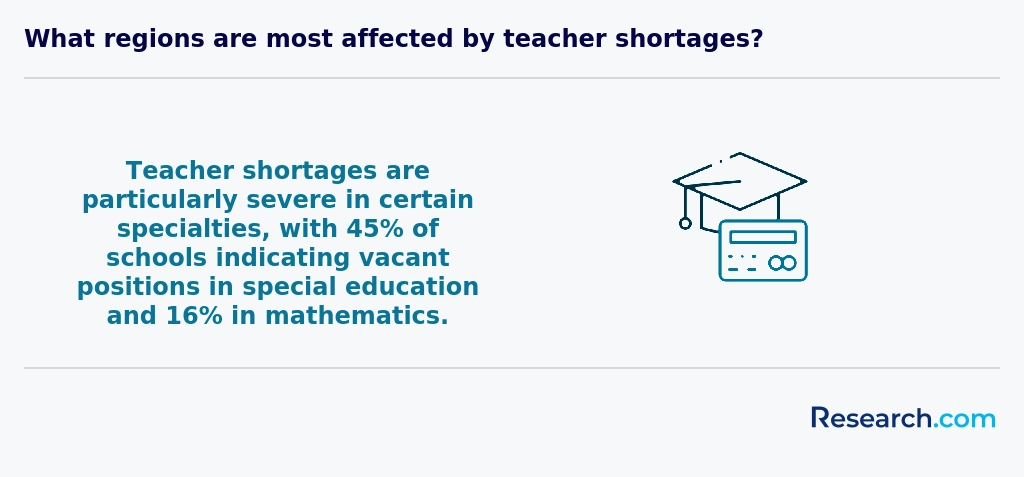
Investing in an education degree in South Carolina involves weighing tuition costs against future earnings to determine your return on investment (ROI). On average, in-state tuition at public universities totals around $108,584 over four years, while out-of-state students may spend close to $182,832. With a starting salary for a K–12 teacher averaging $50,000–$55,000, in-state students typically recoup their undergraduate investment in roughly 2 to 2.5 years post-graduation, assuming consistent full-time employment and no major debts. Graduate degrees often yield even higher ROI. A Master’s in Education in South Carolina averages $59,840 in tuition; given that instructional designers earn a mean salary of $73,080 annually, graduates can offset this cost in under two years through the salary premium alone. For those seeking more budget-friendly options or accelerated timelines, comparing online alternatives can be pivotal-explore our Low Cost Online Master's in Education Degree Programs Ranking in Iowa to see how reduced online tuition and flexible scheduling further enhance ROI. When calculating your personal break-even point, factor in living expenses, financial aid, and projected salary growth. By aligning program costs with realistic earning potential, you can choose a path that pays dividends both financially and professionally.
Education degree programs in South Carolina offer courses that truly prepare you to make a difference in the classroom. Many graduates from schools like the University of South Carolina and Clemson University recall how courses in educational psychology helped them understand the unique ways children learn, giving them confidence to support every student's growth. These classes explore learning styles and equip you to meet the diverse needs of learners, including those with disabilities or English language challenges.
Curriculum development and instructional design courses empower students to create engaging lesson plans aligned with state standards. Imagine crafting lessons that inspire curiosity and critical thinking in real classrooms across South Carolina's vibrant school districts.
Classroom management training provides practical strategies to build positive environments where students thrive, a skill many graduates highlight as essential when they began teaching.
Field experiences, such as student teaching placements at respected colleges, offer hands-on opportunities to apply theory and receive mentorship, creating meaningful connections that foster professional growth and joy in teaching.
Education degrees in South Carolina offer a rich variety of specializations that open doors to fulfilling teaching career paths South Carolina education programs proudly support. Graduates from popular universities across the state often share how pursuing Elementary Education prepared them with the confidence to inspire young minds in vibrant classrooms. Others choose Secondary Education, focusing on subjects like Mathematics or English, finding joy in guiding adolescents through pivotal academic years.
Special Education is another rapidly growing specialization, where graduates feel deeply rewarded by making a meaningful difference for students with disabilities. Early Childhood Education graduates reflect on the joy of helping preschool children develop foundational skills, while those in Educational Leadership have stepped into roles shaping entire school communities. The ESL and Bilingual Education tracks respond to South Carolina's evolving cultural landscape, empowering teachers to connect with diverse students. For those seeking flexible options, a cheap online library science masters degree offers additional pathways in education careers.
Choosing the best education degree in South Carolina means focusing on what truly inspires you within the field. Graduates from popular universities like the University of South Carolina vividly recall how program accreditation ensured their degree held value across the state, making certification straightforward and rewarding. For those seeking affordable education degree programs South Carolina offers competitive tuition rates, with many students balancing cost and quality through scholarships like the South Carolina Teaching Fellows program. Another graduate shares how flexible formats such as online or hybrid classes allowed them to juggle work and study without losing momentum, fueling their passion for teaching while managing life commitments.
Look for programs that offer specialized pathways-whether that's early childhood education, special education, or leadership-and immerse yourself in student teaching opportunities that bring classroom skills alive. Many find great support in mentoring and career services, helping to transform educational dreams into reality. For more options tuned to budget and convenience, exploring the Low Cost Online Master's in Education Degree Programs Ranking in Iowa can spark inspiring ideas to tailor your path forward.
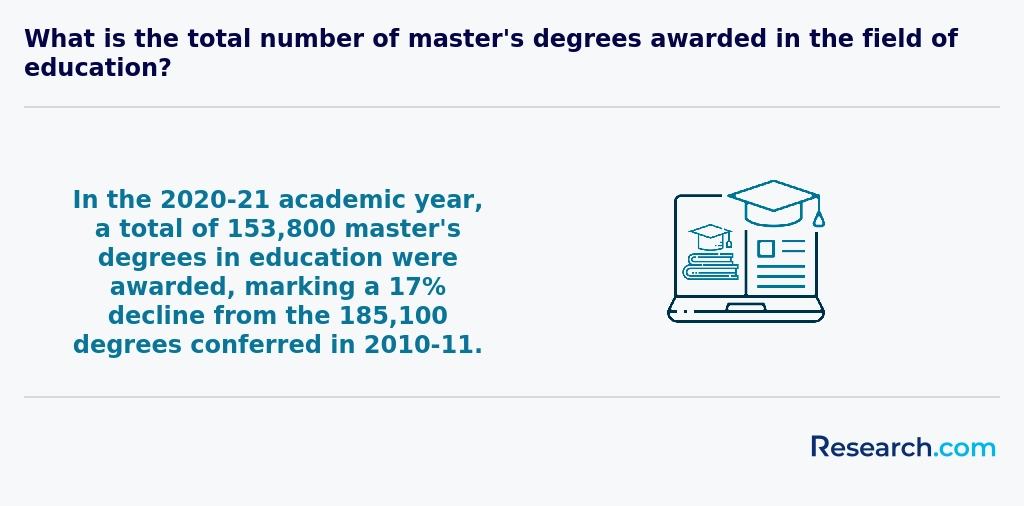
Graduates who pursue an education degree in South Carolina find a wealth of exciting career paths that can make a real difference in the lives of students. Many become certified teachers, stepping into classrooms across the state-from vibrant elementary schools to dynamic high schools-where they inspire young minds every day. Universities like the University of South Carolina provide a solid foundation, preparing graduates to meet the demand for educators in STEM, special education, and ESL fields, ensuring strong teaching job opportunities in South Carolina.
Others channel their passion into roles beyond teaching, such as curriculum specialists or educational administrators, shaping learning experiences and school policies. Some graduates even explore rewarding careers in school counseling, supporting student well-being through dedicated licensure supported by South Carolina's professional boards. For those interested in innovation, positions in educational technology and training within private companies offer exciting chances to design cutting-edge learning solutions.
South Carolina's affordable tuition and financial aid options encourage many to take advantage of accelerated courses, enabling quick entry into fulfilling careers. With so many paths opened by an education degree, graduates feel empowered to build inspiring futures right here at home.
Graduates with an education degree in South Carolina find a rewarding job market brimming with opportunity. Public and private schools throughout the state actively seek passionate educators, especially in high-demand areas like mathematics, science, and special education. Students from popular institutions such as the University of South Carolina and Clemson University often share how hands-on experiences during their programs prepared them for roles in classrooms and educational leadership, fueling their confidence as they embark on their careers. This positive outlook on education degree job outlook South Carolina encourages future teachers to feel excited about their potential impact.
Beyond teaching, there are growing opportunities in educational technology and administration, where advanced degrees open doors to leadership and curriculum development. Many graduates express pride in joining South Carolina's teaching career opportunities, noting a community-driven spirit and supportive environment that values lifelong learning. To explore more flexible learning options, prospective students often look into online schools with open enrollment that cater to diverse needs and schedules, enhancing their journey toward certification and employment.
2027 Most Affordable Education Degree Programs Ranking in South Carolina
Investing in your education is a significant decision that can greatly impact your future, and the Research.com team is fully aware of the importance of making well-informed choices. To support prospective students in South Carolina, we have carefully developed the "2027 Most Affordable Education Degree Programs Ranking in South Carolina." Our dedication to quality, credibility, and accuracy is evident in the thorough research and analysis behind this ranking.
We utilized the following reputable data sources to ensure a comprehensive evaluation of education degree programs:
By exploring this ranking, readers will gain valuable insights into affordable and quality education degree programs in South Carolina, enabling them to make confident and informed decisions about their academic and professional futures. For more information on how this ranking was created, please visit our Research.com methodology page.
# 1 position
Voorhees University
Master of Education
# 2 position
Strayer University-South Carolina
Master of Education



Frequently Asked Questions About education
Education degree students in South Carolina can maximize their learning experience by engaging in both academic and practical opportunities offered by their institutions. South Carolina's colleges emphasize field experience, requiring students to complete student teaching placements in local schools. This hands-on approach helps students apply theory to real classroom settings.
Taking advantage of tutoring centers and academic support services can improve mastery of content and pedagogical skills. The South Carolina Department of Education reports that partnerships between universities and K-12 schools enhance teacher preparation quality. Joining education-related student organizations also fosters networking and professional growth.
Finally, staying informed about state certification requirements and continuing education ensures long-term career success.
Emerging niches within the education field in South Carolina reflect broader national trends and local educational needs. One key area is educational technology, where teachers and administrators focus on integrating digital tools to enhance learning experiences. The South Carolina Department of Education has emphasized expanding technology access, supporting demand for specialists trained in this field.
Special education remains a critical niche, with South Carolina experiencing a steady rise in students requiring individualized support. Professionals skilled in behavior intervention and special needs instruction are increasingly sought after.
Another growing area is early childhood education, given the state's efforts to improve school readiness and kindergarten preparedness, supported by initiatives like the South Carolina Early Childhood Advisory Council. These niches offer strong opportunities for education degree holders in the state.
After completing an education degree in South Carolina, preparing for the job market involves several key steps. Start by obtaining state certification, which is required for public school teaching jobs. The South Carolina Department of Education provides detailed guidelines on passing the Praxis exams and completing the necessary background checks.
Building practical experience through student teaching or substitute teaching positions is crucial. Networking with local school districts can open doors to job opportunities, as South Carolina's schools often prioritize candidates familiar with their communities.
Additionally, consider joining professional organizations like the South Carolina Education Association for resources and job leads.
Employers in South Carolina value education degree graduates who demonstrate strong communication skills. Being able to clearly explain complex concepts to students of diverse backgrounds is essential in the classroom. According to the South Carolina Department of Education, collaboration and teamwork are also critical, as educators often work with colleagues, parents, and administrators to support student success.
Adaptability is highly regarded due to the evolving nature of standards and technology integration in schools. Graduates should also show proficiency in classroom management and the ability to create inclusive learning environments.
Data from the National Center for Education Statistics highlights that critical thinking and problem-solving are increasingly important skills for new teachers entering South Carolina schools.
Finding internships in South Carolina relevant to an education degree involves several strategic steps. Many universities with education programs, such as the University of South Carolina and Clemson University, maintain partnerships with local school districts. These connections often facilitate internship placements for students pursuing teacher certification.
Students should also explore the South Carolina Department of Education's website, which provides resources and listings for student teaching opportunities. Additionally, organizations like the Palmetto State Teachers Association offer networking events that can lead to internships.
Research shows that about 30% of education majors in South Carolina secure internships through campus career centers, highlighting their importance as a resource.
Direct contact with public schools or community educational programs in South Carolina's larger districts, like Charleston County, can also uncover placement options.
In South Carolina, earning an education degree significantly enhances career mobility and advancement opportunities within the state's public and private school systems. According to the South Carolina Department of Education, teachers with bachelor's degrees can access higher starting salaries compared to those with only associate qualifications. Additionally, obtaining a master's degree or specialized certifications often leads to roles in administration, curriculum development, or specialized instruction, improving promotion prospects.
Educational professionals with advanced degrees typically qualify for leadership positions, such as principals or instructional coordinators, which offer substantial salary increases. The state's continuing education incentives encourage educators to pursue graduate degrees, directly impacting career growth and job security.
Studying for an education degree in South Carolina offers students a strong foundation to engage in interdisciplinary roles within and beyond traditional classrooms. Programs emphasize collaboration across fields such as psychology, social work, and technology, preparing graduates to address diverse learning needs.
The South Carolina Department of Education highlights that many institutions encourage experiential learning through partnerships with local communities and schools. This promotes practical understanding of how education intersects with social and economic factors.
Additionally, the state's emphasis on STEM education fosters skills in critical thinking and problem-solving, key for working in multidisciplinary teams. By integrating such approaches, education degrees in South Carolina lead to versatile professionals equipped for various roles in the evolving education landscape.
Choosing between a thesis and a non-thesis education degree program in South Carolina depends on your career goals and learning preferences. Thesis programs typically demand original research, culminating in a formal paper, which suits students aiming for research, doctoral studies, or academic careers.
Non-thesis options often focus more on coursework and practical experience, ideal for professionals seeking immediate application in schools or educational leadership roles. In South Carolina, institutions like the University of South Carolina and Clemson University offer both formats.
According to the South Carolina Commission on Higher Education, graduate programs with thesis options may take longer-around 2 to 3 years-compared to 1.5 to 2 years for non-thesis. Cost differences can reflect program length and resource use.
Evaluate your time commitment, interest in research, and long-term plans carefully before choosing a path.
Students in South Carolina looking to study education abroad have several pathways through their home institutions. Many universities in the state, such as the University of South Carolina and Clemson University, offer approved study abroad programs specifically for education majors. These programs often include partnerships with schools in Europe, Latin America, and Asia, allowing students to gain international teaching experience and cultural immersion.
South Carolina students can also access exchange programs funded by the U.S. Department of Education and organizations like the Fulbright Program, which support global teaching and research opportunities. Accredited education degrees earned abroad are typically transferable back to South Carolina institutions with proper advising.
Students pursuing education degrees in South Carolina have various part-time job opportunities that align well with their studies. One common role is working as a teacher's aide in public schools, which can provide hands-on classroom experience. According to the South Carolina Department of Education, many districts encourage aides to assist with lesson preparation and student supervision.
Another option is tutoring local K-12 students, either independently or through community programs. Tutoring reinforces content knowledge and builds communication skills, essential for future educators. Additionally, some campus programs offer peer mentoring for fellow students seeking academic support.
Childcare worker positions in after-school programs also allow education majors to develop classroom management techniques in real-world settings. These roles pay competitively, averaging around $11 to $12 per hour, per data from the U.S. Bureau of Labor Statistics.
Engaging in such part-time jobs not only supports income but strengthens practical skills critical for a successful career in education.
Education students in South Carolina benefit from various networking opportunities offered through universities, professional organizations, and statewide events. Institutions like the University of South Carolina and Clemson University provide strong connections via education clubs, student teaching placements, and career fairs. According to the South Carolina Department of Education, these schools often collaborate with local K-12 districts, facilitating direct engagement with practicing educators.
Additionally, organizations such as the South Carolina Association of Colleges for Teacher Education host conferences that allow students to meet education professionals and explore job prospects. Online forums and regional workshops also create spaces for sharing insights and building professional relationships that can support future careers in education.
Alumni networks provide significant benefits to education degree students in South Carolina by offering valuable connections for job placements and professional growth. Graduates from South Carolina institutions often gain access to local school districts through these networks, increasing their chances of securing teaching positions in the region.
These networks also facilitate mentorship opportunities, pairing current students with experienced educators who guide them on classroom management and certification pathways. According to the South Carolina Department of Education, strong professional relationships can improve teacher retention rates across the state's public schools.
Additionally, alumni groups frequently host workshops and events that help students stay informed about changes in state education policies and best practices. This ongoing support creates a community that encourages lifelong learning and career advancement for education majors.
In South Carolina, students can customize their education degree programs by selecting specific concentrations or minors that align with their career goals. Many universities offer specializations such as early childhood education, special education, or educational leadership, allowing students to focus on areas with strong job growth. For example, Clemson University and the University of South Carolina provide opportunities to tailor coursework toward administration or curriculum development.
Additionally, practical experience through internships and student teaching placements can be chosen based on the district or grade level a student wishes to work in. According to the South Carolina Commission on Higher Education, nearly 30 accredited institutions offer flexible education degree paths, helping meet local workforce needs.
Education students in South Carolina frequently face several challenges during their degree programs. A key issue is the limited availability of diverse clinical placement sites, which can restrict hands-on teaching experience. According to the South Carolina Department of Education, clinical placements are vital but sometimes unevenly distributed across urban and rural areas.
Financial constraints also affect many students, as tuition and related expenses can be significant despite in-state tuition benefits. The College Board reports that South Carolina's average public college tuition is $10,300 annually, which may challenge students without scholarships or financial aid.
Additionally, education majors encounter rigorous state certification requirements, including passing the Praxis exams. This adds pressure and requires dedicated preparation time alongside coursework.
With an education degree in South Carolina, you can pursue several professional certifications to advance your career. The most common is the South Carolina teaching certificate, required for public school teachers. This includes options for early childhood, elementary, and secondary education.
Many educators also seek endorsements in special education, English as a Second Language (ESL), or administration to increase their qualifications. South Carolina's Department of Education provides specific guidelines and renewal requirements for these certifications.
Additional certifications, such as National Board Certification, offer national recognition and can lead to higher salaries. According to the South Carolina Education Oversight Committee, about 15% of teachers hold such advanced certifications, reflecting a commitment to professional development.
Writing a winning application for an education program in South Carolina requires careful preparation and attention to detail. Start by researching accredited institutions such as the University of South Carolina or Clemson University, both known for strong education departments. Highlight your academic achievements and relevant experience clearly, as South Carolina's teacher preparation programs often seek candidates with proven commitment to education.
Include a well-crafted personal statement that explains your passion for teaching and understanding of local educational challenges. According to the South Carolina Department of Education, programs value applicants demonstrating cultural awareness and dedication to improving local schools.
Lastly, ensure all transcripts, test scores, and recommendation letters are submitted promptly to meet deadlines, as timely and complete applications increase acceptance chances.
Education careers are increasingly viewed through a global lens, reflecting diverse teaching methods and policies worldwide. In the United States, including South Carolina, educators are encouraged to adopt inclusive and culturally responsive practices. According to the National Center for Education Statistics, South Carolina's teacher workforce is growing steadily, reflecting nationwide demand.
Globally, education professionals face challenges such as adapting to digital learning and meeting international standards of student achievement. Comparing U.S. education systems with countries like Finland or Singapore helps educators understand effective strategies.
South Carolina students pursuing education degrees can benefit from this global perspective, preparing to work in diverse classrooms and policy environments.
Gaining practical experience while studying for an education degree in South Carolina typically involves participation in student teaching or internships. Most teacher preparation programs require a semester-long student teaching placement, where students work in local K-12 schools under the supervision of experienced educators. This hands-on experience is essential for developing classroom management and instructional skills.
In South Carolina, the Department of Education collaborates with universities to ensure placements align with certification requirements. Additionally, some programs offer fieldwork opportunities and partnerships with school districts for volunteer teaching or assistant roles.
Engaging in these experiences can improve job prospects upon graduation and fulfill state licensure mandates.
Choosing the right concentration within an education degree program in South Carolina involves considering your career goals and the needs of the local education system. Popular concentrations include Elementary Education, Special Education, and Secondary Education, each aligned with state certification requirements. According to the South Carolina Department of Education, there is high demand for teachers in STEM fields and special education, which may offer stronger job prospects. Research local school districts to understand which subjects are most in demand. Additionally, explore programs that provide strong practicum or student-teaching opportunities, as hands-on experience is vital for licensure in South Carolina.
- 2027 Most Affordable Online Education Degree Programs Ranking in Georgia
- 2027 Most Affordable Online Education Degree Programs Ranking in North Carolina
- 2027 Most Affordable Online Education Degree Programs Ranking in Florida
- 2027 Most Affordable Online Education Degree Programs Ranking in Virginia
- 2027 Most Affordable Online Education Degree Programs Ranking in Kentucky
- 2027 Most Affordable Online Education Degree Programs Ranking in Mississippi
- 2027 Most Affordable Online Education Degree Programs Ranking in Missouri
- 2027 Most Affordable Online Education Degree Programs Ranking in Ohio
- 2027 Most Affordable Online Education Degree Programs Ranking in Indiana
- 2027 Most Affordable Online Education Degree Programs Ranking in Pennsylvania
See What Experts Have To Say About Studying Education
Read our interview with Education experts


Nooshan Ashtari
Education Expert
Professor & Book Author
University of Southern California

- How to Build Work Experience While Studying - EN Global Education Ltd https://englobaleducation.co.uk/how-to-build-work-experience-while-studying/
- Welcome to TEACH! https://southcarolina.teach.org/programs
- Networking Tips and Advice for Students https://schoolshouldbe.com/post/networking-tips-and-advice-for-students/
- Putting theory into practice: The value of an interdisciplinary approach to teaching https://my.chartered.college/impact_article/putting-theory-into-practice-the-value-of-an-interdisciplinary-approach-to-teaching/
- South Carolina - Southern Regional Education Board https://www.sreb.org/post/south-carolina-12
- Promising Niches in the Global EdTech Landscape - Blog https://rocketech.it/blog/post/global-edtech-landscape-what-niches-are-the-most-promising
- South Carolina Teacher Certification Guide | All Education Schools https://www.alleducationschools.com/teacher-certification/south-carolina/
- Elementary Education https://scsu.edu/academics/programs/elementary-education.php
- Students: This is How You Should Prepare for the Job Market https://www.agencycentral.co.uk/articles/students-this-is-how-you-should-prepare-for-the-job-market/
- What else can I do with an education or teaching degree? https://targetjobs.co.uk/careers-advice/career-ideas/what-else-can-i-do-education-or-teaching-degree


