2027 Most Affordable Online Education Degree Programs Ranking in Georgia

Co-Founder and Chief Data Scientist
Choosing the right education degree program can feel overwhelming, especially when cost is a major consideration. This article introduces the 2027 Most Affordable Online Education Degree Programs Ranking in Georgia, created by the Research.com team of data scientists. It is designed to help students in Georgia find quality, budget-friendly options that match their goals.
Exploring this ranking will empower you to make informed decisions about your future. Earning an education degree opens doors to meaningful careers and personal growth. Let this guide support your journey toward success.
Key benefits of getting online education degree in Georgia
- Graduates with an education degree in Georgia can earn competitive salaries, such as Special Education Teachers making about $76,000 annually and Instructional Designers earning around $77,200 yearly.
- Education degree holders from popular Georgia universities often pursue careers as Elementary School Teachers or Early Childhood Educators, opening doors to rewarding roles with positive community impact.
- Completing an education degree online offers flexible schedules and the ability to balance work and study, as seen with successful graduates from Georgia's top online programs who appreciate this convenience compared to traditional degrees.
- 2027 Most Affordable Online Education Degree Programs Ranking in Georgia
- What can I expect from online education degree in Georgia?
- Where can I work with online education degree in Georgia?
What can I expect from online education degree in Georgia?
The average cost of an online education degree in Georgia is both accessible and encouraging for aspiring educators. At public institutions like the University of Georgia and Georgia State University, in-state students typically pay between $4,000 and $8,000 per year for undergraduate education programs. This affordability allows many graduates to pursue their dreams without being overwhelmed by financial burdens.
Graduates often share how balancing work, family, and studies felt achievable thanks to these reasonable tuition rates combined with financial aid opportunities. They highlight how the investment felt worthwhile, especially when paired with high-quality courses and practical experiences.
Imagine attending classes online from anywhere in Georgia while also gaining hands-on teaching opportunities through placements organized by your school. This real-world practice not only builds confidence but also prepares you to thrive in Georgia's vibrant classrooms.
With affordable tuition, supportive programs, and practical training, online education degrees in Georgia open the door to meaningful careers in teaching, counseling, and educational leadership across the state.
Where can I work with online education degree in Georgia?
Graduates with an online education degree in Georgia step into a world full of rewarding career opportunities. Whether teaching in a bustling Atlanta public school or guiding students at a community college within the University System of Georgia, these roles allow you to inspire the next generation. Many find themselves confidently leading classrooms in subjects like math, science, or special education, knowing their degree meets state certification standards.
Others thrive as instructional coordinators or curriculum developers, crafting innovative learning materials and helping schools embrace new technologies. Imagine working behind the scenes to shape teaching strategies that truly make a difference statewide.
Private schools and education-focused non-profits also warmly welcome graduates who bring flexibility and tech-savviness cultivated through online programs at institutions like Georgia State University or Kennesaw State University. Your skills open doors for meaningful roles beyond traditional teaching, where passion meets purpose every day.
Graduates with an online education degree in Georgia can look forward to rewarding careers with competitive salaries. For instance, those stepping into elementary education roles often earn around $70,740 annually, reflecting strong demand and respect for foundational teaching roles in schools across the state.
Special education teachers, many of whom complete advanced certifications through Georgia colleges, typically command higher pay, with average salaries reaching $76,000. This pathway offers a meaningful way to make an impact while enjoying financial stability.
English as a Second Language (ESL) teachers earn approximately $65,430, an excellent opportunity for graduates passionate about supporting diverse student backgrounds. Meanwhile, instructional designers, often from programs at universities like the University of Georgia or Georgia State, achieve an average of $77,200 yearly, combining creativity with leadership in educational technology and curriculum development.
Early childhood educators also find fulfilling careers, starting around $41,410, where they nurture young learners' growth from the very beginning. These salaries highlight the broad range of possibilities for graduates from Georgia's top online education programs.
Many graduates express pride in their progress, knowing their degrees open doors to thriving careers that uplift communities while providing financial rewards.
- Tuition for online education degrees in Georgia ranges from $6,000 to $15,000 per year at public universities, often with in-state rates available.
- Starting salaries for online education graduates are about $44,000 annually, rising to $60,000 or more with experience.
- There is steady demand for teachers, especially in special education, math, and science, with some districts offering competitive pay and benefits.
- Online programs must be from regionally accredited institutions and approved by the Georgia Professional Standards Commission to meet state licensure requirements.
- Flexible scheduling allows working adults and those with family commitments to manage studies alongside other responsibilities.
Completing an online education degree in Georgia is an exciting journey tailored to fit your lifestyle and ambitions. Most students find that an associate degree wraps up in about two years of dedicated study. Those embracing a four-year bachelor's degree often discover opportunities to accelerate their pace, especially at institutions like the University of Georgia or Georgia State University, where flexible online programs empower learners to finish sooner by enrolling in shorter, eight- or twelve-week courses.
Imagine juggling family and work while progressing steadily-many graduates from Georgia Southern University share how part-time study stretched their timeline but added rich experience without sacrificing personal commitments. On the other hand, those driven to complete their bachelor's in as little as three years benefit from continuous enrollment and an energized approach to coursework.
Graduate education degrees, such as the Master of Education, typically take between one and three years, offering evening and weekend classes that inspired many busy professionals at Kennesaw State University to achieve their goals without pause.
Your timeline is yours to shape, fueled by motivation and supported by Georgia's dynamic online education offerings designed to help you succeed on your own terms.
To put Georgia’s online education costs into perspective, it’s useful to benchmark against neighboring states with similarly robust program offerings. In Georgia, the average in-state annual tuition for public four-year institutions hovers around $9,750, while out-of-state students typically pay closer to $28,386 per year. By contrast, Wisconsin’s online education programs feature slightly lower sticker prices, with average in-state tuition near $9,200 and out-of-state rates around $26,500. These differences can translate into a six-month shorter payback period for Wisconsin graduates, assuming comparable median starting salaries. Beyond raw tuition figures, return on investment (ROI) depends on post-graduation earnings. Georgia online education alumni report mean annual salaries of $63,130 for ESL teachers and $73,080 for instructional designers. In Wisconsin, similar roles yield starting salaries approximately 3–5% higher, thanks in part to regional demand and cost-of-living adjustments. Prospective students seeking a deeper state-by-state cost comparison may explore the Cheapest Online Master's in Education Degree Programs Ranking in Wisconsin. By analyzing both tuition and salary trajectories, aspiring educators can make more informed decisions about where to pursue their degrees-maximizing affordability without sacrificing long-term career growth.
In Georgia, education degrees come alive differently depending on whether you choose online or on-campus programs. Graduates from universities like the University of Georgia or Georgia State often share how on-campus learning sparks vibrant classroom discussions, where face-to-face interactions create instant connections and lasting friendships. This environment nurtures hands-on experiences and networking opportunities that many students cherish deeply.
Meanwhile, online education brings inspiring flexibility for busy learners balancing work, family, or other commitments. Imagine accessing your coursework anytime from anywhere, as countless students at Kennesaw State University have done, turning their daily routines into dynamic learning experiences. This freedom empowers adult learners and professionals to pursue their passion without uprooting their lives.
Both paths maintain rigorous standards accredited by SACSCOC, ensuring quality education no matter the format. Whether discussing lesson plans via lively classroom exchanges or collaborating through video calls online, Georgia's education degrees offer empowering journeys tailored to your lifestyle and goals.
Ensuring your online education degree in Georgia meets both regional accreditation standards and state licensure requirements is critical for long‐term career success. Most reputable programs are accredited by the Southern Association of Colleges and Schools Commission on Colleges (SACSCOC) and approved by the Georgia Professional Standards Commission (GaPSC). Before enrolling, verify that your chosen institution: • Holds regional accreditation (e.g., SACSCOC) to guarantee credit transferability and federal financial aid eligibility. • Offers a GaPSC-approved teacher preparation track, which includes coursework aligned with Georgia’s Professional Standards. • Provides support and resources for passing the Praxis Core and Praxis Subject Assessments, essential for entry into student-teaching and earning an initial teaching certificate. In addition to program accreditation, review your state’s clinical requirements: • Minimum hours of supervised field experience or student-teaching placements. • Clear guidelines on fingerprinting, background checks, and professional ethics. • Support for applying to the GaPSC for your Professional Level Certificate. Comparing accredited programs in other regions can also highlight best practices. See our ranking of the Cheapest Online Master’s in Education Degree Programs Ranking in Wisconsin for insights on affordability and accreditation benchmarks that may inform your decision. Ensuring both accreditation and licensure alignment will streamline your path to the classroom and maximize the return on your educational investment.
The average cost of an online education degree in Georgia typically centers around $17,180, offering a realistic and accessible investment for those aspiring to impacting future generations. Graduates from popular universities such as Georgia Southern or Kennesaw State often reflect on their journey, noting how spreading the cost over flexible online schedules made the goal attainable and less stressful. This median total cost allows many students to balance their education, family, and work commitments harmoniously.
Students seeking affordable online teaching degrees Georgia 2027 can find that public institutions generally maintain reasonable rates, with options for in-state tuition which significantly lowers expenses. Private institutions may have higher tuition, yet graduates emphasize the value of scholarships and financial aid programs that open doors to these prestigious experiences. The ease of managing typical fees-like technology or course materials-online adds to the overall financial comfort of pursuing a degree remotely.
For those carefully planning, resources listing the cheapest education schools in Georgia offer incredible guidance to navigate costs effectively. Many future educators envision their success stories starting here, supported by manageable tuition fees and flexible programs designed to suit busy lives.

In response to the rapidly evolving world of digital learning, prospective online education students in Georgia are encouraged to stay abreast of emerging trends that are reshaping the academic landscape. Increasingly, institutions are leveraging advanced technologies-such as artificial intelligence for personalized learning, immersive virtual classrooms, and data-driven performance analytics-to create more engaging and adaptive educational experiences. These technological innovations not only enhance academic rigor but also provide students with flexible tools to manage time, collaborate with peers, and receive real-time feedback from instructors. Another notable trend is the integration of robust career support systems within online programs. Many universities are now offering virtual career fairs, alumni mentorship programs, and networking opportunities that bridge the gap between classroom learning and professional success. This shift helps students align their studies with long-term career goals, improving job placement rates and overall satisfaction with their degree outcomes. For those seeking a blend of affordability and innovation, exploring institutions that balance cost with cutting-edge learning strategies is vital. To discover more about competitively priced programs offering modern, tech-forward education, consider reviewing Most Affordable Online Education Degrees. Embracing these trends can empower future educators with not only the knowledge required for classroom success but also the practical skills to thrive in a dynamic, digital world.
Many aspiring educators in Georgia have found their dreams within reach thanks to a range of empowering financial aid options available for online education degrees. Graduates from the University of Georgia and Georgia State University often share how completing the FAFSA unlocked Pell Grants-free funding that can cover up to $7,395-lightening their financial load and allowing them to focus on their studies with confidence.
The state's generosity shines through the HOPE Scholarship and HOPE Grant, which frequently cover full or substantial portions of tuition at public colleges like Kennesaw State University. One recent graduate recalls how the HOPE Scholarship made earning her teaching certification online not only affordable but inspiring, fueling her passion to give back to her community.
Beyond federal and state aid, scholarships tailored for education students and employer tuition reimbursements offer personalized support. Whether you're drawn to special education or STEM teaching, these resources create a hopeful path for building a rewarding career in Georgia's vibrant education scene.
Navigating Georgia’s teacher certification requirements is a critical step for online education graduates aiming to become licensed educators. Most programs align coursework with the Georgia Professional Standards Commission (GaPSC) guidelines, ensuring candidates meet both academic and field-experience mandates. Key components include:
- Praxis Exams: Candidates must pass the Praxis Core Academic Skills for Educators and appropriate subject-area tests. Programs typically offer test-prep modules and practice exams to boost success rates.
- Clinical Field Experiences: Even in online formats, accredited institutions partner with local schools to provide supervised practicum hours. These placements help candidates develop classroom management and instructional delivery skills under a certified mentor’s guidance.
- Program Endorsements: Specializations such as Special Education and ESL often require additional endorsements. Online courses integrate state-approved curricula and interactive workshops focused on Individualized Education Programs (IEPs) and culturally responsive teaching strategies.
- Application and Renewal: After completing program requirements, graduates submit a GaPSC application, including transcripts, exam scores, and background checks. Renewal cycles involve professional learning units (PLUs) or continuing education credits. For those considering a master’s pathway that combines advanced pedagogy with streamlined licensure, our colleagues at Research.com have curated the Cheapest Online Master's in Education Degree Programs Ranking in Wisconsin, offering insights into cost-effective routes to advanced certification.
To embark on an inspiring journey toward an education degree in Georgia, the first step is meeting foundational prerequisites that empower your academic success. Almost every eager learner stepping into programs at renowned institutions like the University of Georgia or Georgia State University begins with a high school diploma or GED-a simple but powerful milestone that opens doors.
Graduates from these programs often reflect on how a strong undergraduate GPA, typically around 3.0, helped them gain acceptance into competitive master's tracks. For many, submitting official transcripts and crafting heartfelt personal statements created opportunities to express their passion for shaping future minds.
Imagine the encouragement of receiving glowing letters of recommendation after showcasing dedication during your undergraduate years. For non-native speakers, proving English proficiency through TOEFL or IELTS scores is just another stepping stone embraced with confidence by many successful candidates across Georgia's vibrant education community.
These requirements are not hurdles but invitations to demonstrate your readiness and commitment to impact Georgia's classrooms, guided by supportive faculty eager to nurture your dream.
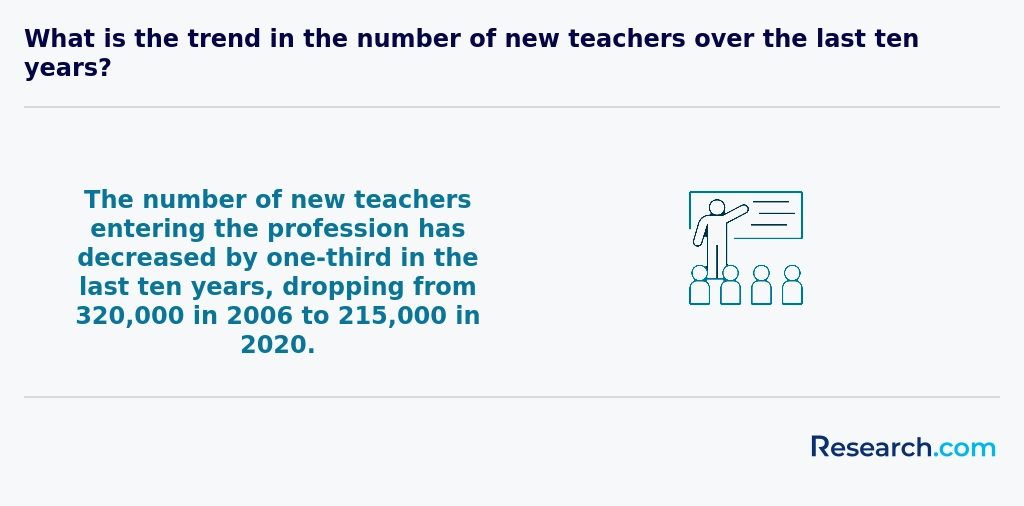
To find the most affordable online education programs! Consider exploring the cheapest education schools in Georgia, which offer a range of affordable options for prospective students. When evaluating these programs, it's essential to consider factors such as tuition costs, financial aid options, and the potential return on investment. Additionally, looking into institutions that offer scholarships, grants, or other forms of financial assistance can help make online education more accessible and affordable. By doing thorough research and comparing different programs, students can make informed decisions about their educational pursuits and find a path that aligns with their financial and professional goals.
Online education degree programs in Georgia offer courses designed to empower you with the skills and confidence to inspire future generations. Graduates from institutions like Kennesaw State University and Georgia Southern University often reflect on how foundational classes such as Introduction to Education helped them understand the vital role teachers play in shaping communities. These courses bring theory to life, blending educational psychology with practical strategies for real classrooms.
You'll engage deeply with subjects like Curriculum Development and Assessment and Evaluation, learning to craft lesson plans that excite students and measure progress effectively. Imagine designing a dynamic classroom experience that adapts to every learner's needs, just as many successful Georgia graduates do.
The addition of Classroom Management and Instructional Technology courses equips you to create positive, tech-savvy learning environments. For those aiming higher, electives in Educational Leadership and School Law prepare you to lead and innovate within Georgia's school systems, sparking change that lasts.
Online education degree specializations in Georgia open doors to inspiring careers tailored to your passion for teaching and leadership. Graduates from popular colleges often highlight how programs in Early Childhood Education gave them the confidence to nurture young learners with love and creativity. Others pursuing Elementary or Secondary Education appreciated how flexible online tracks let them balance work, family, and studies while focusing on subjects like math or social studies that truly excite them.
Many who choose Special Education share stories of meaningful impacts they've made supporting students with diverse needs, empowered by innovative teaching techniques learned through Georgia affordable education degree programs specialties. Instructional Technology prepares learners to bring dynamic digital tools into modern classrooms, a skill that graduates from major Georgia institutions say transforms their teaching experience.
Whether aiming for leadership roles or counseling careers, students in Georgia's online education degrees find pathways aligned with state certifications, making dreams achievable. Explore the Most Affordable Online Education Degrees to find your perfect fit and join a vibrant community making a difference.
Choosing the best online education degree in Georgia means finding a program that fits your unique lifestyle and career dreams. Graduates from the University of Georgia often share how the program's flexibility let them balance work and family, making learning a joyous part of their day rather than a burden. Many seek out top online teaching programs in Georgia that offer asynchronous courses, providing the freedom to study on their schedule without missing out on interactive, engaging content.
Accreditation is key-graduates appreciate programs recognized by respected bodies like CAEP, ensuring their degree is valued statewide and beyond. Cost matters too: public institutions in Georgia provide affordable options, but for added savings, consider exploring resources like the Cheapest Online Master's in Education Degree Programs Ranking in Wisconsin for insights on budget-friendly choices.
Student support services also transform the experience, giving encouragement and guidance that keeps motivation high. When you find a program that aligns with Georgia's certification requirements and taps into genuine faculty expertise, you're set to thrive personally and professionally on your education journey.
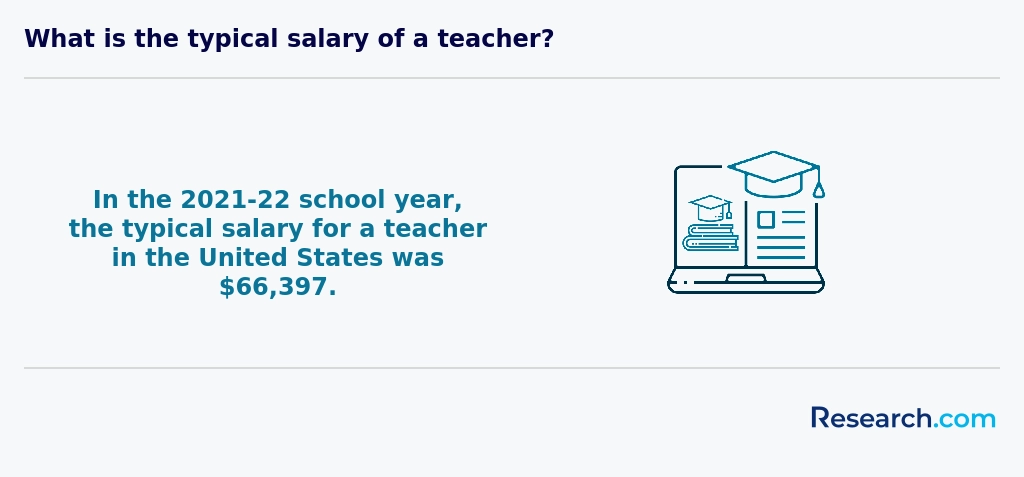
Graduates with an online education degree in Georgia find inspiring career paths that extend beyond traditional classrooms. Many become licensed K-12 teachers, passionately shaping young minds in subjects like math, science, and English at institutions such as the University of Georgia or Georgia State University. These graduates appreciate how local programs prepare them thoroughly for certification and real-world challenges.
Others discover rewarding opportunities as special education teachers or early childhood educators, roles that meet Georgia's growing demand for skilled professionals. Experiencing the joy of making a difference in diverse learning environments motivates graduates every day. Educational leadership positions, like school administrators or curriculum coordinators, also attract those eager to influence education policy or school culture, often accessible through affordable online graduate studies offered by Georgia colleges.
For those exploring alternative options, careers in instructional design or corporate training offer exciting ways to apply teaching skills in dynamic settings. Many find that flexible online programs empower them to pursue these paths while balancing life commitments. To explore affordable advancements in education, consider the Cheapest Online Master's in Education Degree Programs Ranking in Wisconsin for additional inspiration on how cost-effective options can expand your possibilities.
There is no shortage of exciting teaching job opportunities with Georgia online education degree graduates making positive impacts across various educational fields, each contributing to a brighter future for students statewide.
The job market for an online education degree in Georgia is vibrant and full of potential. Graduates from well-known institutions like the University of Georgia and Georgia State University often find rewarding careers in public K-12 schools, private institutions, and educational leadership roles. Their flexible online programs equip students with credentials recognized by the Georgia Professional Standards Commission, ensuring seamless entry into the local workforce. Many graduates express excitement about advancing their careers while balancing work and family, thanks to the convenience of online studies.
Employment opportunities for education graduates Georgia wide continue to grow steadily, supported by the state's commitment to education quality. With a 7% growth forecast through 2030, the sector offers competitive salaries-teachers earn between $53,000 and $59,000 annually, while education administrators can make up to $90,000. This positive outlook inspires students to pursue degrees online confidently, knowing their efforts translate into meaningful roles and stable income.
For those weighing costs, affordable programs paired with strong job prospects create a promising path. Exploring options like the cheapest phd online programs helps students maximize their returns on education investments while preparing for a fulfilling career.
2027 Most Affordable Online Education Degree Programs Ranking in Georgia
Investing in your education is a significant decision that can shape your future, and the Research.com team understands the importance of making informed choices. To assist prospective students in Georgia, we have meticulously crafted the "2027 Most Affordable Online Education Degree Programs Ranking in Georgia." Our commitment to quality, credibility, and accuracy is reflected in the extensive research and analysis conducted to compile this ranking.
We utilized the following reputable data sources to ensure a comprehensive evaluation of affordable online education degree programs:
By exploring this ranking, readers will gain valuable insights into the most cost-effective online education degree programs in Georgia, empowering them to make confident and well-informed decisions about their academic journeys. For more details on our methodology, please visit our Research.com methodology page.


Frequently Asked Questions About education
Students pursuing online education degrees in Georgia can enhance their learning by actively engaging with course materials and instructors. Universities like the University of Georgia and Georgia State University offer robust online platforms that support interactive discussions and timely feedback. According to the National Center for Education Statistics, learners who participate in regular virtual study groups and access resources, such as tutoring or academic advising, report higher satisfaction and better outcomes.
Additionally, managing time effectively is crucial; students should create consistent study schedules to balance coursework with personal responsibilities. Leveraging local educational resources, including public libraries and community centers, can also provide quiet study spaces and internet access. Following these strategies fosters a productive online learning environment aligned with standards set by Georgia's higher education system.
The education field in Georgia is expanding into several emerging niches that reflect current societal and technological trends. One growing area is educational technology, where professionals design and implement digital learning tools. This niche aligns with the increasing demand for online and hybrid teaching models.
Another significant growth area is special education, especially focused on inclusive practices for students with diverse learning needs. According to the Georgia Department of Education, over 15% of students receive special education services, highlighting the need for specialized educators.
Culturally responsive teaching is also gaining attention, preparing educators to support Georgia's increasingly diverse student population. This includes training on equity, diversity, and inclusion, which is becoming essential in many school districts.
Preparing for the job market after completing an online education degree in Georgia involves strategic steps tailored to local opportunities. Graduates should begin by researching Georgia's teacher certification requirements, as public schools typically require certification from the Professional Standards Commission. According to the Georgia Department of Education, obtaining certification can significantly increase employability in both urban and rural districts.
Networking is critical; joining organizations such as the Georgia Association of Educators provides connections and access to job listings that are not always publicly posted. Additionally, gaining practical experience through internships or substitute teaching roles can enhance resumes.
Utilize Georgia's job portals like Employ Georgia and Explore Careers to identify current vacancies in education. According to recent data, the education sector in Georgia shows steady growth, with projected increases in special education and early childhood teaching positions through 2030.
Employers in Georgia highly value education degree graduates who demonstrate strong communication skills. This is essential for effectively engaging with students, parents, and colleagues. According to the Georgia Department of Education, collaboration and adaptability are also top priorities, reflecting the need to work well in diverse classroom settings and adjust teaching methods.
Critical thinking and problem-solving skills are emphasized, especially as teachers must tailor instruction to meet varied student needs. Additionally, digital literacy has become crucial; graduates proficient in integrating technology into lessons are in higher demand, aligning with Georgia's push for STEM education.
Leadership and classroom management abilities further increase employability, shaping positive learning environments. These skills, supported by state education reports, prepare graduates for success in Georgia's evolving schools.
Finding internships in Georgia relevant to an education degree involves using several reliable strategies. First, many universities in Georgia, such as the University of Georgia and Georgia State University, offer resources through their career services that connect students with local school districts and educational organizations.
The Georgia Department of Education website also lists internship and practicum opportunities, especially for those seeking teaching certifications. Additionally, online job platforms like Handshake and Internships.com often feature education-focused roles in Georgia's public and private schools.
Networking through professional associations, such as the Georgia Association of Educators, can provide leads on internships designed for education students. According to Georgia's Board of Regents reports, internships completed in-state greatly increase employment prospects post-graduation.
In Georgia, earning an online education degree can significantly enhance career mobility and advancement opportunities. The state's demand for qualified educators is growing, with the Georgia Department of Education reporting a 6% increase in teacher openings from 2021 to 2023. Online degrees offer flexibility for working professionals seeking certifications or advanced qualifications without relocating.
Graduates from accredited online education programs in Georgia often qualify for licensure and higher pay scales, improving job prospects. According to the University System of Georgia, educators with a master's degree can earn up to 20% more annually than those with only a bachelor's degree.
Additionally, online education degrees help current teachers advance into specialized roles like administration or curriculum development, supported by Georgia's professional learning frameworks.
Studying for an education degree online in Georgia equips students with skills applicable to interdisciplinary roles by blending core teaching methodologies with knowledge in psychology, technology, and leadership. Georgia's universities often incorporate courses that promote collaboration across fields like social work and health education, reflecting labor market demands.
According to the Georgia Board of Regents, many education programs emphasize practical experiences and technology integration, preparing graduates for diverse environments beyond traditional classrooms. For example, proficiency in digital tools supports roles in curriculum design, administration, and community outreach.
Additionally, Georgia's focus on workforce readiness means students learn how to address varied learner needs and work with professionals from multiple disciplines, fostering flexibility essential for modern educational careers.
When choosing between a thesis and a non-thesis online education degree program in Georgia, consider your career goals carefully. Thesis programs typically require original research and are ideal for students planning to pursue a doctorate or academic roles. Non-thesis options focus more on practical skills and coursework, suiting professionals seeking advancement without research demands.
According to the Georgia Board of Regents, many public universities offer both options in education, with thesis tracks often taking longer to complete. Cost-wise, online programs in Georgia average around $6,200 per year for resident graduate students (NCES, 2023).
Evaluate your time availability and interest in research, as thesis programs demand strong writing and analytical skills. For professionals in school administration or counseling, a non-thesis path may be more efficient and aligned with state certification requirements.
Students in Georgia seeking online education degrees with an international focus have several options through U.S. institutions offering study-abroad partnerships. Many Georgia-based learners can enroll in programs that include virtual exchanges or short-term residencies in countries such as Ireland, Spain, or Australia. These programs often integrate global educational practices, enriching the student experience without requiring full-time relocation.
Public universities in Georgia, including the University of Georgia, often provide access to such global opportunities through their College of Education. According to Georgia's Board of Regents, participation in study-abroad programs by education students has risen steadily in recent years, highlighting increased interest.
Additionally, some accredited online education degrees allow credit transfers from recognized foreign universities, broadening the academic scope while maintaining Georgia residency.
Part-time job opportunities in Georgia that complement education degree studies often include roles that provide practical experience and enhance teaching skills. Many students pursue positions as teacher assistants or paraprofessionals, helping in classrooms while gaining insight into educational settings. According to the Georgia Department of Education, these roles are in high demand and provide valuable hands-on experience.
Other common jobs include tutoring services, either independently or through local education centers, which support skill development in various subjects. Additionally, early childhood education centers frequently hire part-time aides, offering exposure to foundational teaching methods. These jobs not only supplement income but also strengthen resumes for aspiring educators in Georgia.
Online education students in Georgia have multiple networking opportunities despite the virtual format. Many public universities, like the University of Georgia and Georgia State University, offer online forums, virtual study groups, and alumni networks geared toward remote learners. These platforms help students connect with peers and faculty.
Additionally, Georgia's education programs often provide access to statewide professional organizations such as the Georgia Association of Educators. These groups host events and conferences, sometimes virtually, which encourage networking beyond campus.
According to the Georgia Department of Education, building professional connections remains a priority, with online students benefiting from internships and practicum placements across over 180 school districts statewide, enhancing real-world contact.
Alumni networks provide significant benefits to students pursuing online education degrees in Georgia. These networks offer valuable connections that can lead to internships, job opportunities, and mentorship, which are crucial in a competitive job market. According to the Georgia Board of Regents, universities with strong alumni communities often report higher post-graduation employment rates.
For online students, who may lack on-campus interaction, alumni networks create a virtual space for engagement and professional growth. Networking events and online forums help graduates share resources and career advice, enhancing students' success after graduation.
Students pursuing online education degrees in Georgia have multiple options to tailor their programs to meet specific career goals. Many schools allow selection of concentrations such as curriculum development, special education, or educational leadership. According to the Georgia Department of Education, these specializations align with state educational standards and licensure requirements.
Flexible course scheduling and credit transfer policies further enable customization. For example, some programs offer evening or accelerated courses to balance work and study commitments. Additionally, practicum or internship placements can often be chosen based on the student's desired career path within education settings.
Engaging academic advisors and reviewing program accreditation through agencies like the Council for the Accreditation of Educator Preparation (CAEP) help ensure your degree supports professional advancement in Georgia's education sector.
Online education students in Georgia face several challenges that can impact their academic success. One common issue is limited access to reliable high-speed internet, especially in rural areas where nearly 20% of the population lives, according to the Georgia Department of Community Affairs.
Many students also struggle with balancing work, family responsibilities, and coursework, which can be demanding without the structure of in-person classes. Additionally, online learners often report feeling isolated and missing the social interaction found on traditional campuses.
Adapting to digital platforms and managing time effectively are other hurdles. A study by the Georgia Student Finance Commission highlights that 35% of online students find time management to be their biggest challenge.
With an online education degree in Georgia, you can pursue several professional certifications that enhance your career prospects. One prominent option is the Georgia Professional Standards Commission (GaPSC) teaching certification, which allows graduates to teach in public schools across the state. This certification requires passing the Georgia Assessments for the Certification of Educators (GACE) exams.
Additionally, online education graduates may seek certifications such as the National Board Certification, which recognizes teaching excellence at a national level. For those interested in administration, Georgia offers a School Leader Certification, qualifying candidates for leadership roles.
Specialized certificates in special education, ESL (English as a Second Language), or instructional technology are also available, supporting diverse teaching careers in Georgia's public and private sectors.
Writing a winning application for an online education program in Georgia requires clear focus and preparation. Start by researching accredited programs recognized by the Georgia Nonpublic Postsecondary Education Commission. Highlight your professional background, especially any teaching or educational experience, as Georgia programs often value practical skills. Craft a strong personal statement explaining your career goals and why the specific program fits your needs. Include up-to-date transcripts and letters of recommendation from relevant professionals. According to the Georgia Board of Regents, around 65% of admitted students submit well-rounded applications emphasizing both academic achievements and community involvement.
Pay close attention to application deadlines and requirements listed on each school's website. Verify your technology skills and access to reliable internet, as these are crucial for online success. Completing a practice online interview or writing sample can also boost your application quality. Finally, consider reaching out to admissions counselors for personalized advice, as many Georgia institutions provide tailored support for online learners.
The global perspective on an education career highlights a growing demand for skilled educators who can adapt to diverse learning environments. In the United States, including Georgia, education professionals are valued for their role in shaping future generations. According to the U.S. Bureau of Labor Statistics, employment for kindergarten through secondary school teachers is projected to grow 7% from 2022 to 2032, faster than the average for all occupations.
Georgia reflects this trend, with increasing opportunities in both public and online education sectors. The Georgia Department of Education reported a steady rise in online learning programs, promoting flexibility for students and teachers alike. Globally, educators are encouraged to develop cultural competence and technological skills to address varied student needs, which aligns with Georgia's push for innovative digital classrooms.
For prospective students considering online education degrees in Georgia, understanding these global and local shifts is essential for building a career that responds to evolving educational demands.
Gaining practical experience while pursuing an online education degree in Georgia is crucial for career readiness. Many programs include field-based requirements such as student teaching or internships, often arranged at schools near the student's residence. Georgia's Professional Standards Commission mandates at least one semester of supervised student teaching for initial teaching certification, which online students must complete in-person.
Additionally, Georgia offers partnerships between universities and local school districts to facilitate placements. Some institutions provide virtual practicum options that combine observation and interactive sessions.
Service learning and volunteer opportunities in Georgia schools or community programs also help build practical skills while studying remotely.
Choosing the right concentration within an online education degree in Georgia depends on your career goals and interests. The state offers diverse options, such as curriculum and instruction, educational leadership, and special education. According to the Georgia Professional Standards Commission, some concentrations lead to specific teaching certifications, which can impact job opportunities in Georgia's school districts.
Consider the demand for skills in your area. For example, special education teachers in Georgia earn an average salary of $50,000, slightly above the state teaching average, reflecting steady demand. Research program accreditation to ensure your degree meets state licensure requirements.
Lastly, assess the curriculum's flexibility and practicum options offered online to align with your professional and personal commitments.
- 2027 Most Affordable Online Education Degree Programs Ranking in South Carolina
- 2027 Most Affordable Online Education Degree Programs Ranking in Florida
- 2027 Most Affordable Online Education Degree Programs Ranking in North Carolina
- 2027 Most Affordable Online Education Degree Programs Ranking in Mississippi
- 2027 Most Affordable Online Education Degree Programs Ranking in Kentucky
- 2027 Most Affordable Online Education Degree Programs Ranking in Virginia
- 2027 Most Affordable Online Education Degree Programs Ranking in Missouri
- 2027 Most Affordable Online Education Degree Programs Ranking in Indiana
- 2027 Most Affordable Online Education Degree Programs Ranking in Ohio
- 2027 Most Affordable Online Education Degree Programs Ranking in Illinois
See What Experts Have To Say About Studying Education
Read our interview with Education experts

Alan J. Singer
Education Expert
Professor of Teaching, Learning and Technology
Hofstra University

Nooshan Ashtari
Education Expert
Professor & Book Author
University of Southern California

- Online Colleges in Georgia https://www.onlineschools.org/guides/georgia/
- Elementary Education Online https://www.gsw.edu/college-of-education/elementary-education-online
- Six Ways to Help Students Reach Their Potential https://all4ed.org/blog/six-ways-to-help-students-reach-their-potential/
- Online Master's in Education: Review Top Georgia Programs https://www.onlinemastersdegrees.org/best-programs/education/georgia-ga/
- College Students - Next Steps to Become a Georgia Educator https://teachinthepeach.org/plan/college-students/
- Guide to Online Education Degrees https://www.oedb.org/rankings/online-education-programs/
- Georgia Lawmakers Say Online College Learning Is ... https://www.encoura.org/resources/wake-up-call/georgia-lawmakers-say-online-college-learning-is-cheaper-are-they-right/
- Online Degree Programs and Certificates in Georgia https://www.phoenix.edu/blog/online-degree-and-certificate-programs-for-georgia-students.html
- Free Tuition – TCSG https://www.tcsg.edu/free-tuition/
- Georgia ONmyLINE: Find Online Degrees and Certificates https://georgiaonmyline.org/