
2027 Most Affordable Online Education Degree Programs Ranking in Illinois

Co-Founder and Chief Data Scientist
Choosing the right education degree program in Illinois can be a challenging journey. To support you, this article presents the 2027 Most Affordable Online Education Degree Programs Ranking in Illinois, created by the Research.com team of data scientists.
This ranking aims to guide you through the best programs that offer quality and value, helping you make a confident decision about your future. Whether you are starting fresh or advancing your career, earning a degree can open many doors and bring rewarding opportunities.
Explore the options and find the path that fits your goals and lifestyle.
Key benefits of getting online education degree in Illinois
- Education degree graduates in Illinois can expect competitive salaries, such as $76,000 annually for Special Education Teachers and $77,200 for Instructional Designers, offering financial stability and rewarding career growth.
- Graduates from Illinois universities often pursue diverse careers in teaching, curriculum design, or administration, reflecting the versatility and strong demand for education professionals statewide.
- Completing an education degree online at institutions like Northern Illinois University provides flexible learning schedules and allows students to balance work and life effectively while gaining the same respected credentials as traditional programs.
- 2027 Most Affordable Online Education Degree Programs Ranking in Illinois
- What can I expect from online education degree in Illinois?
- Where can I work with online education degree in Illinois?
What can I expect from online education degree in Illinois?
The average cost of an online education degree in Illinois typically ranges from $8,000 to $15,000 annually for undergraduate programs, with graduate tuition often running higher. Many students from well-known institutions like Northern Illinois University or Loyola University Chicago share how this affordability allowed them to pursue their teaching dreams without overwhelming financial stress. For example, one graduate recalls balancing work and study while appreciating how flexible tuition rates made continuing education possible.
Beyond tuition, these programs often reduce typical campus expenses such as commuting and housing, enabling students to invest more time into their coursework and family. Graduates commonly emphasize how the manageable costs combined with high-quality instruction gave them confidence in their career path. This balance is especially crucial for working professionals transitioning into education roles, demonstrating Illinois' commitment to accessible, valued online learning.
In essence, the financial aspect aligns well with the state's broader support systems, making online education degrees a practical choice that accommodates both budget and lifestyle demands.
Where can I work with online education degree in Illinois?
Graduates from online education programs at institutions like DePaul University or Illinois State University often find fulfilling careers as licensed teachers in Illinois' public K-12 schools, where the demand for certified educators remains strong. Many share how meeting the Illinois State Board of Education's certification standards through their online coursework gave them confidence stepping into diverse classrooms.
Others discover rewarding opportunities in private and charter schools across the state, where adaptability and tech-savvy skills learned online help them engage with different student communities. These graduates often describe a sense of pride in applying innovative teaching methods honed during their studies.
Beyond teaching, many pursue administrative roles-such as instructional coordinators or consultants-where their experience from Illinois-based programs proves invaluable. The steady growth in such positions creates optimism for those seeking leadership paths within education.
Some graduates also thrive in adult education or corporate training environments, applying skills in curriculum design and online learning platforms that were a core part of their Illinois online degrees. Their success stories highlight how flexible career paths can be when armed with a solid educational foundation.
Graduates with online education degrees in Illinois often find rewarding opportunities with competitive salaries. For example, those stepping into elementary school teaching roles can expect a mean annual wage around $70,740, reflecting solid compensation for their dedication. Special education teachers, who deliver crucial support to diverse learners, typically earn even more, with an average of $76,000 yearly. This aligns well with the demand reported by local school districts.
It's encouraging to hear from graduates of institutions like the University of Illinois or Northern Illinois University who appreciate how their online degrees translate into steady incomes and community respect. Instructional designers, an increasingly popular career path for education majors branching into curriculum development, command salaries near $77,200. This role often suits those who enjoy blending creativity with education technology.
Another rewarding path is teaching English as a Second Language (ESL), where Illinois graduates enjoy mean salaries near $65,430. These earnings reflect growing opportunities in diverse classrooms across metropolitan areas such as Chicago, where cultural richness meets educational innovation. Each salary figure presents not just income but a stepping stone toward lasting impact within Illinois schools.
- Online education degrees in Illinois cost between $10,000 and $20,000 at public universities for in-state students, while private schools can charge over $30,000 annually.
- Starting salaries for certified teachers in Illinois typically begin around $45,000 per year and can increase to a median of $65,000 after five to ten years.
- The job market is strong for education graduates, especially in K-12 public schools, special education, and education administration roles.
- Many online education programs in Illinois are accredited by bodies like the Council for the Accreditation of Educator Preparation.
- Graduates must pass the Illinois Licensure Testing System exams to become licensed teachers in the state.
Completing an online education degree in Illinois typically varies by the level of study and personal circumstances. Many graduates find that a bachelor's degree takes about four years full-time, though some motivated students have accelerated this path at Illinois universities, finishing in just three years. This flexibility allows learners juggling work or family commitments to balance their pace without losing momentum.
For those pursuing a master's degree, the timeline often spans between 1.5 and 3 years. Graduates from institutions like Illinois State University or Northern Illinois University share how enrolling full-time allowed them to complete their advanced certifications in around two years, while part-time study extended this to about three or four years, fitting their busy schedules.
Doctoral candidates commonly invest three to six years, navigating a mix of rigorous coursework, research, and dissertation work supplemented by residencies. This timeframe reflects a realistic blend of professional life and academic goals, making the journey demanding but deeply rewarding for many Illinois online learners.
Navigating the path from degree completion to classroom readiness requires understanding Illinois’ licensure process, overseen by the Illinois State Board of Education (ISBE). Upon earning your online Education degree, you must secure an Initial Educator License, which involves:
- Completion of an ISBE-approved educator preparation program
- Passing required Illinois Licensure Testing System (ILTS) content-area exams
- Successful submission of the edTPA performance assessment
- A fingerprint‐based background check Once these steps are complete, candidates apply through the Educator Licensure Information System (ELIS). After two years of teaching under the Initial License, educators become eligible for the Professional Educator License by meeting professional development requirements and maintaining a clean disciplinary record. Professional development in Illinois includes 150 professional development hours every five years, covering topics like diversity, digital instruction, and classroom management. Teachers may also personalize their growth by pursuing specialized certifications, such as bilingual or special education endorsements. For educators considering out‐of‐state or alternative low‐cost pathways, the landscape of affordable online education extends beyond Illinois. Interested readers can explore further options through Low Cost Online Education Degree Programs Ranking in Nebraska, highlighting comparable programs that facilitate licensure reciprocity and flexible career mobility.
Graduates from universities like the University of Illinois Urbana-Champaign often reflect on how their on-campus education degree immersed them in lively classroom discussions and practicum experiences. Being physically present on campus meant direct interaction with professors and peers, helping them develop hands-on teaching skills and build meaningful local connections for future employment.
In contrast, those who completed online education degrees from institutions such as DePaul University value the flexibility that allowed them to balance coursework with jobs or family. Studying remotely, they could access materials anytime and avoid commuting, which felt liberating for many working professionals. This format fits perfectly for Illinois residents who need to maintain daily routines yet want to advance their teaching careers.
Cost is another factor graduates often mention. Online programs usually trimmed expenses related to housing and transportation, which helped ease financial pressures, especially when afforded in-state tuition. Both formats, however, maintain strong accreditation standards set by Illinois educational authorities, ensuring the degree's credibility and licensure eligibility no matter the path chosen.
Navigating an online education degree comes with a unique set of challenges that, when anticipated, can be effectively managed to ensure academic success. Many students face obstacles such as time management struggles, technological hurdles, and the feeling of isolation without the immediate support of a physical classroom. However, developing a structured schedule, utilizing digital tools for organization, and actively engaging in virtual study groups can transform these challenges into opportunities for personal growth. For instance, setting clear daily goals and adhering to a consistent routine can mitigate the stress of self-paced learning. Moreover, establishing regular communication with peers and instructors not only enriches your learning experience but also builds a supportive network that is essential for long-term success in an online setting. Students are encouraged to explore resources like most affordable online education degrees ranking to gain further insights into effective online learning strategies and program choices that best address these challenges. This proactive approach empowers you to overcome hurdles early on and capitalize on the flexibility and innovation that online education offers, ultimately paving the way for a fulfilling and resilient academic journey.
The average cost of an online education degree in Illinois typically centers around $20,219 for total tuition, reflecting a balance between affordability and quality of instruction. Many graduates from well-known public universities in Illinois have noted that while the upfront investment feels sizable, the return in career opportunities and personal growth is deeply rewarding. For in-state students, the cost usually averages around $24,311, whereas out-of-state students can expect to pay closer to $27,390. These figures align closely with experiences at popular institutions like Northern Illinois University and University of Illinois Springfield, where students appreciate that the flexibility of online programs often helps reduce extra expenses like commuting or housing.
Many students pursuing affordable online education degrees Illinois 2027 highlight that the per-credit cost combined with scholarships and state grants makes the education journey feel more manageable. Typical tuition per credit hour ranges between $300 and $600, which means carefully planning your course load can help stretch your budget efficiently. Graduates often mention how technology fees or materials costs were small bumps compared to the overall investment. When weighing financial aid options or employer tuition reimbursement, students find practical ways to lower their expenses.
Those looking to compare schools should consider examining the cheapest education school in Illinois, which offers a detailed glimpse into cost-effective programs without undermining quality. This reflection from students who navigated these decisions with patience and insight provides a realistic perspective for anyone evaluating the average cost of online education degree Illinois.
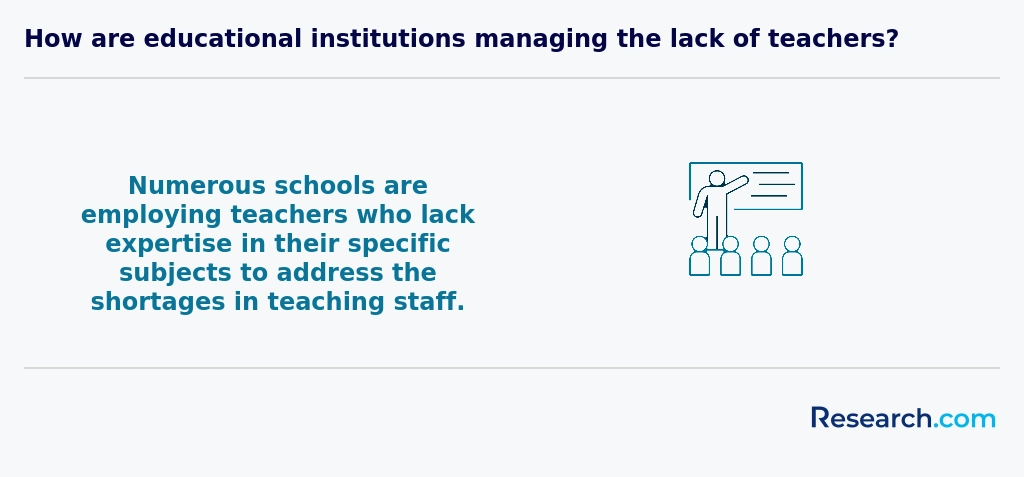
When selecting an online education degree program in Illinois, prospective students must prioritize several key factors that can profoundly influence their academic and professional trajectories. One crucial consideration is the cost of the program, and finding the cheapest education school in Illinois can be a significant factor in making a decision. Opting for programs accredited by recognized agencies like the Higher Learning Commission is also vital, as graduates often express relief knowing their degrees hold value in the job market, enhancing their employability. Seeking programs that offer diverse specializations, such as special education or educational leadership, can also align with their passion and career goals. Moreover, the structure of the program, including its flexibility and format, is crucial for balancing work and family commitments. Investigating the availability of robust student support resources, such as academic advising and career counseling, can significantly enhance the educational experience. Ultimately, choosing the right online education degree program in Illinois requires careful consideration of these factors to ensure a successful and fulfilling academic and professional journey.
Many graduates of education programs at universities like Southern Illinois University and Northern Illinois University recall how crucial federal and state financial aid was in easing their tuition worries. Pell Grants, providing up to $7,395 annually, offered a lifeline to low-income students, often making the difference between enrolling or postponing their goals. For Illinois residents, the Monetary Award Program (MAP) Grant is especially valuable, contributing up to $5,600 per year and directly reducing the financial strain of pursuing an online education degree.
Beyond these, institutional scholarships from universities often reward dedication and academic excellence, with some aimed specifically at adult learners returning to complete their degrees. Illinois Future Teacher Corps programs add another layer of support, offering forgivable loans or scholarships in exchange for teaching commitments, which graduates note provide both financial relief and meaningful career direction.
Completing FAFSA each year opens the door to these opportunities, and many find that consulting their school's financial aid office unearths personalized aid options, including employer tuition reimbursement or military benefits, making online education degrees attainable and rewarding.
Prospective educators in Illinois must meet specific certification and licensure requirements to transition from an online education degree into the classroom. First, candidates must complete a state-approved educator preparation program, which includes:
- A minimum 120 hours of field experience, often fulfilled through virtual or in-person student teaching placements
- Passing scores on the Illinois Test of Academic Proficiency (TAP) and the relevant Content-Area Test for your subject
- Completion of the edTPA performance assessment, demonstrating effective lesson planning, instruction, and assessment techniques After satisfying these academic and assessment criteria, graduates apply to the Illinois State Board of Education (ISBE) for their Initial Educator License. The application process requires: 1. Official transcripts verifying degree conferral from an accredited institution 2. Verification of fingerprinting and a background check 3. Submission of teaching endorsements aligned with your specialization (e.g., Early Childhood, Special Education, ESL) Many online education programs integrate licensure support directly into their curriculum, guiding students through each step of portfolio development and test registration. For candidates exploring additional low-cost options, the Low Cost Online Education Degree Programs Ranking in Nebraska offers alternative pathways with similar certification prerequisites. Finally, continuing professional development (CPD) is required to convert an Initial License to a Professional Educator License after four years of satisfactory service. CPD units, which may include workshops, graduate courses, or specialized training, ensure that Illinois teachers remain current with pedagogical best practices and evolving educational standards.
Enrolling in an online education degree in Illinois begins with clear academic milestones. Most programs at institutions like Northern Illinois University or the University of Illinois at Chicago expect undergraduates to hold a high school diploma or GED, while graduate applicants should present a bachelor's degree from an accredited college. Graduates often reflect on how meeting these baseline credentials gave them confidence to advance in their careers.
Official transcripts are essential, verifying your academic history and GPA, typically around 2.5 to 3.0, which Illinois schools value for maintaining competitive program standards. Many successful students share that providing strong letters of recommendation and well-crafted personal statements helped distinguish their applications. Some even highlight the importance of a background check for student teaching placements, a requirement echoed across Illinois teacher preparation pathways.
Additionally, demonstrating comfort with technology-such as navigating Blackboard or Canvas-and ensuring reliable internet access are practical prerequisites. Graduates fondly recall how gaining these skills early eased their transition into online learning, turning initial challenges into rewarding mastery. Completing the FAFSA is another crucial step, unlocking financial aid that eases the investment in your educational journey.
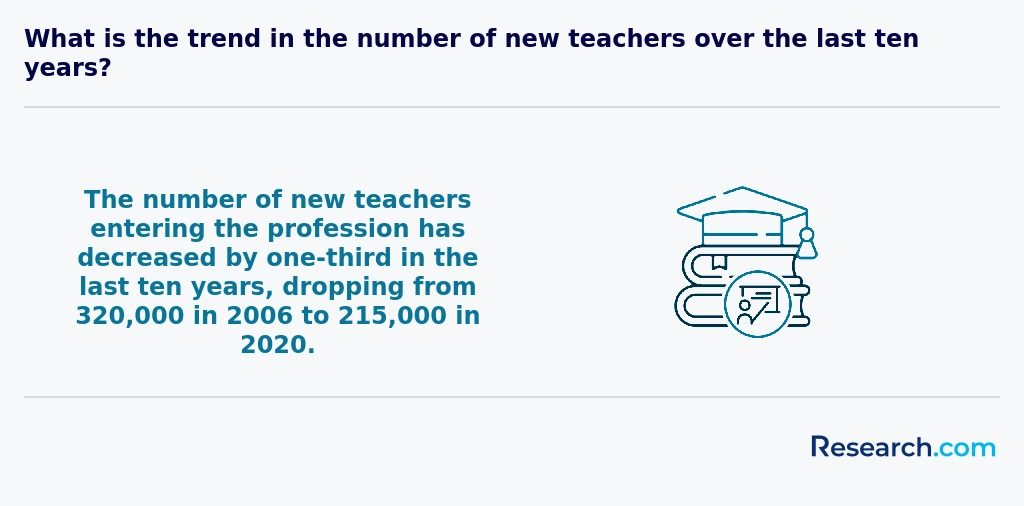
One of the most critical considerations for prospective educators is ensuring that your online program not only delivers academic rigor but also aligns with the Illinois State Board of Education’s (ISBE) licensure requirements. Accredited by the Higher Learning Commission and approved by ISBE, top Illinois institutions integrate targeted PRAXIS exam prep, virtual mock assessments, and comprehensive guidance on submitting licensure applications. Many programs boast first-attempt licensure pass rates exceeding 85%, reflecting the effectiveness of their curriculum and support systems. Field experiences are another cornerstone of certification readiness. Online students typically complete a minimum of 12 weeks of supervised student teaching in partnership with local school districts, allowing them to apply instructional strategies in real classrooms while receiving feedback from both university supervisors and in-class mentors. Virtual practicum seminars further reinforce best practices in classroom management, differentiated instruction, and data-driven assessment. To streamline the transition from candidate to certified educator, online programs often include dedicated licensure advisers who assist with residency documentation, background checks, and professional portfolio development, ensuring that every requirement-from fingerprinting to professional educator code training-is clearly understood and efficiently completed. For those comparing affordability and certification pathways across the Midwest, you may also find value in our Low Cost Online Education Degree Programs Ranking in Nebraska, which highlights similarly accredited options that balance cost with strong licensure outcomes.
Online education degree programs in Illinois commonly feature courses that ground students deeply in both theory and practical skills. Graduates from well-known institutions like the University of Illinois at Urbana-Champaign often reflect fondly on courses such as Introduction to Education, where exploring the history and philosophy of schooling helped them appreciate the broader context of their future roles.
Core subjects like Educational Psychology and Classroom Management frequently come up in conversations with alumni, who describe how understanding student development and fostering positive classrooms transformed their approach to teaching. Specialized methods courses, including Teaching Mathematics or Language Arts Instruction, enable students to visualize themselves actively engaging with diverse learners across different age groups.
Many graduates emphasize the value of courses on Illinois-specific education law and ethics, which bring clarity and confidence about professional responsibilities. At Eastern Illinois University, for example, students appreciate the real-life scenarios used in state certification preparation courses, making licensure requirements feel manageable rather than daunting.
Overall, these programs skillfully balance foundational knowledge and applied practice, inspiring students to envision meaningful futures in Illinois' classrooms or leadership roles with assurance and enthusiasm.
Illinois offers a diverse array of specializations within its online education degrees, crafted to fit the ambitions of aspiring educators and seasoned professionals alike. Graduates from well-known institutions often recall how programs focusing on Early Childhood Education and Elementary Education enriched their ability to nurture foundational skills for young learners. Others found their passion in Secondary Education or Special Education, where subject-specific expertise and inclusive teaching methods opened doors to meaningful classroom experiences. Popular colleges in Illinois emphasize practical application, often preparing students to meet Illinois State Board of Education certification standards, providing reassurance and confidence to those entering the workforce.
Many students appreciate programs that include leadership and administration tracks, equipping them with skills to influence school policy and operations. For those interested in literacy or curriculum design, these specializations offer tangible ways to impact student achievement statewide. When researching Illinois affordable online teaching programs, one can find a spectrum that reflects real challenges educators face. For guidance on navigating costs while pursuing these specializations, the most affordable online education degrees ranking provides helpful insight.
Choosing the best online education degree programs Illinois students appreciate means focusing first on accreditation and curriculum relevance. Graduates from popular institutions like the University of Illinois often share how knowing their program's Higher Learning Commission accreditation gave them confidence about their degree's value in the job market.
Many also highlight program flexibility, especially those balancing work and family. Online courses at colleges such as Northern Illinois University allow asynchronous learning, which helped one recent graduate manage full-time employment while progressing steadily toward licensure.
Cost can feel overwhelming, but exploring affordable online teaching degrees in Illinois often reveals competitive per-credit pricing and fewer hidden fees. For deeper insight into budget-friendly choices, reviewing the Low Cost Online Education Degree Programs Ranking in Nebraska proved helpful to a few students seeking comparison points beyond Illinois.
Finally, graduates emphasize the importance of strong student support and solid job placement rates. Institutions with robust advising and tutoring create a nurturing environment, making the challenging journey toward an education degree feel achievable and rewarding.

Graduates with an online education degree in Illinois often find themselves at the beginning of diverse and rewarding career paths. Many who studied at well-known universities like the University of Illinois or Northern Illinois University have become licensed K-12 teachers, embracing the fulfilling challenge of shaping young minds across the state's varied school districts. These graduates frequently praise the practical field experiences embedded in their programs, which helped them navigate real classroom environments confidently.
Others venture into educational administration, taking on roles such as principals or curriculum coordinators, where their knowledge of state policies and budget management proves invaluable. The Illinois education degree job opportunities are especially appealing for those seeking leadership roles, as they often come with encouraging salaries and the chance to impact whole school communities positively.
Some graduates pursue special education, responding to a call to support diverse learners in Illinois's inclusive schools, while others become instructional designers or education consultants, crafting innovative programs at community colleges or workforce centers. Many also appreciate that their degree opens doors to adult education, where they develop online curriculum and training that empowers non-traditional students. For those eager to extend their expertise quickly, considering 1 year doctorate programs online offers a meaningful next step in their professional journey.
The job market for graduates with an online education degree in Illinois remains encouraging, especially as local school districts face ongoing teacher shortages in areas like special education and STEM. Graduates from well-known institutions such as the University of Illinois and DePaul University share a common experience of finding rewarding roles relatively quickly due to this demand. Illinois' commitment to supporting alternative licensure through online pathways ensures that many who balance work and study can still transition smoothly into teaching positions.
Employment opportunities extend beyond classroom teaching into roles like early childhood education and school administration, reflecting a broadening job outlook. These graduates often express satisfaction knowing their degrees not only prepare them for licensure but also align well with what districts truly need. The online education degree job outlook Illinois shows a steady demand backed by favorable median wages, typically between $60,000 and $70,000 annually, which helps graduates feel optimistic about their career growth.
Many students find value in programs that emphasize flexibility, making it easier to pursue an easiest associates degree simultaneously or as a stepping stone. This practical approach offers graduates a tangible advantage when entering Illinois' diverse education workforce.
2027 Most Affordable Online Education Degree Programs Ranking in Illinois
Investing in your education is a significant decision that can shape your future, and the Research.com team understands the importance of making informed choices. To assist prospective students, we have meticulously crafted the "2027 Most Affordable Online Education Degree Programs Ranking in Illinois." Our commitment to quality, credibility, and accuracy is reflected in the extensive research and analysis conducted to compile this ranking.
We utilized the following reputable data sources to ensure a comprehensive evaluation of online education programs:
By exploring this ranking, readers will gain valuable insights into the most affordable and credible online education degree programs available in Illinois, enabling them to make well-informed decisions about their academic and professional futures. For more details on our methodology, please visit our Research.com methodology page.
# 1 position
University of Illinois at Urbana-Champaign
Master of International Education Administration and Leadership


# 4 position
University of Illinois Chicago
Master of Measurement, Evaluation, Statistics and Assessment


# 10 position
Erikson Institute
Master of Early Childhood Education (Licensure)

Frequently Asked Questions About education
Students pursuing online education degrees in Illinois can enhance their learning by actively engaging with course materials and instructors. Illinois has over 400 accredited higher education institutions, many offering robust online programs tailored for flexibility and accessibility (Illinois Board of Higher Education, 2023).
Regular participation in virtual discussions and timely submission of assignments helps maintain momentum. Using campus resources like tutoring centers, even remotely, can improve comprehension and academic performance. Additionally, balancing study schedules with personal and professional responsibilities is vital, as 58% of online students in Illinois reported working full-time (National Center for Education Statistics, 2022).
Taking advantage of state support programs and scholarships may ease financial pressures, allowing students to focus more on their studies.
The education field in Illinois is evolving, with several emerging niches gaining attention among online degree seekers. One fast-growing area is educational technology, reflecting the increased use of digital tools in classrooms statewide. According to the Illinois State Board of Education, schools are investing more in tech integration to support remote and hybrid learning.
Another niche is special education, driven by a rising awareness of individualized learning needs. Illinois reports more demand for qualified specialists skilled in supporting diverse learners.
Additionally, there is growing interest in bilingual education, as Illinois schools serve an increasingly multicultural population. This trend encourages programs focused on language acquisition and cultural competence.
These niches offer opportunities for students pursuing flexible, online education degrees with relevant career prospects in Illinois.
After completing an online education degree in Illinois, job market preparation is essential. Begin by leveraging the Illinois State Board of Education's resources, which provide guidance on teacher certification and licensure requirements specific to Illinois. Networking plays a critical role; joining professional organizations such as the Illinois Association of Colleges for Teacher Education can connect graduates with opportunities.
Illinois reports that nearly 90% of educators are hired through a combination of certification and demonstrated practical experience, so gaining student-teaching or practicum hours-even virtually-enhances employability. Additionally, familiarizing yourself with local school district hiring procedures can provide a competitive edge. According to the Illinois Department of Employment Security, education jobs in Illinois are projected to grow by 7% through 2030, emphasizing steady demand for qualified teachers.
Employers in Illinois seeking graduates with education degrees prioritize several key skills. Strong communication abilities rank highest, as educators must effectively convey information to diverse student populations. Illinois employers also value classroom management skills, which are essential for maintaining a productive learning environment.
Critical thinking and problem-solving are crucial, especially when adapting to varied student needs and state standards. According to the Illinois State Board of Education, proficiency in instructional technology is increasingly important due to the rise of online and hybrid learning models.
Lastly, cultural competency is emphasized given Illinois' diverse student body, helping educators create inclusive classrooms that support all learners.
Finding internships in Illinois related to an education degree involves strategic research and networking. Start by exploring partnerships your online program may have with local school districts or educational organizations, as many Illinois universities collaborate with nearby institutions to offer internship placements.
The Illinois State Board of Education (ISBE) and local Regional Offices of Education provide resources and sometimes lists of approved internship opportunities for teacher candidates. Check their official websites for up-to-date information.
Additionally, websites like Handshake and Indeed often list education internships specific to Illinois, including roles in public and private schools.
Consider contacting local school districts directly; Illinois has over 850 districts, many of which welcome interns for hands-on experience.
Networking through professional organizations like the Illinois Education Association can also increase your chances of securing an internship.
Obtaining an online education degree in Illinois significantly enhances career mobility and advancement prospects within the state's education sector. According to the Illinois Board of Higher Education, educators with bachelor's or master's degrees are more likely to qualify for promotions and leadership roles in schools and district offices. Online programs often align with state certification requirements, enabling graduates to meet licensure standards more conveniently.
Illinois schools increasingly prioritize candidates with advanced degrees to address evolving educational demands and diversity initiatives. Data from the Illinois Department of Employment Security indicates that education-related occupations offering higher pay and job growth frequently require formal qualifications such as education degrees.
Additionally, flexible online learning allows professionals to continue working while upgrading credentials, fostering career advancement without geographic constraints.
Studying for an online education degree in Illinois equips students with skills that transcend traditional teaching roles, preparing them for interdisciplinary positions. Illinois universities often integrate coursework from psychology, sociology, and technology to enhance a holistic understanding of diverse learning environments. According to the Illinois Board of Higher Education, many programs emphasize collaborative problem-solving and data-driven decision-making, essential for roles in educational policy, counseling, and administration.
These programs frequently incorporate state-specific educational standards, ensuring graduates can navigate Illinois' unique school systems effectively. The cross-disciplinary approach also fosters adaptability, a key quality sought by employers in the evolving education sector.
Choosing between a thesis and a non-thesis education degree program in Illinois depends largely on your career goals and time commitment. Thesis programs typically require original research, appealing to those interested in academic or research-focused careers. Non-thesis options often emphasize practical skills and may include additional coursework or internships instead.
According to the Illinois Board of Higher Education, many online education degrees in Illinois offer flexible formats, but thesis programs usually extend the duration of study by several months. If you plan to pursue a doctorate or a university teaching position, a thesis path is often recommended. However, non-thesis programs are more suitable for working professionals seeking advancement in schools or educational administration.
Students based in Illinois seeking to study education abroad through online degree programs have several pathways. Many Illinois colleges, such as the University of Illinois Urbana-Champaign, offer online education degrees that include international study components or partnerships with foreign institutions. These programs allow students to gain global teaching perspectives without leaving the state.
Illinois ranks highly in online education offerings, with over 50 accredited universities providing flexible formats. According to the Illinois Board of Higher Education, a growing number of programs incorporate virtual exchange initiatives, enabling cross-cultural learning experiences.
Additionally, students can choose programs recognized by the Council for the Accreditation of Educator Preparation, ensuring standards meet both U.S. and international educational criteria.
Part-time job opportunities in Illinois that complement education degree studies often involve roles in schools, community centers, and tutoring services. Positions like teacher's aide, substitute teacher, or after-school program assistant provide practical experience alongside online coursework. These jobs help students understand classroom dynamics while earning income.
According to the Illinois State Board of Education, the demand for qualified teaching assistants is expected to grow by 5% through 2028. Additionally, tutoring roles, either independently or through companies, offer flexible hours matching student schedules. Such jobs develop communication and instructional skills helpful for future educators.
Working within educational nonprofits or libraries also allows degree candidates to engage with learning environments and education-related projects.
Online education students in Illinois benefit from various networking opportunities despite studying remotely. Many universities offer virtual events, webinars, and discussion forums tailored to online learners, fostering peer interaction and professional connections. For example, Illinois State University and the University of Illinois provide online student organizations and career services that help build networks within education fields.
Additionally, Illinois has active regional chapters of national education associations like the Illinois Education Association, which hosts conferences accessible to online students. These events enable students to connect with educators statewide, expand professional contacts, and explore internship options.
According to the Illinois Board of Higher Education, over 40% of Illinois higher education students engage in some form of online networking, highlighting its growing importance in career development.
Alumni networks play a vital role in supporting online education degree students in Illinois. These networks offer access to a broad community of graduates who share professional experiences and career advice. In Illinois, many universities with online education programs, such as the University of Illinois and Northern Illinois University, maintain active alumni groups that provide job leads and mentorship opportunities.
According to the Illinois Board of Higher Education, alumni connections can increase job placement success by up to 25%. This is especially important for online students who may lack in-person networking chances. Additionally, alumni events and online forums create spaces for collaboration and continuous learning, enhancing students' professional growth beyond graduation.
Illinois offers a variety of online education degree programs that allow students to tailor their studies according to career goals. Many universities provide flexible curriculum options where you can choose electives or specializations in areas like educational leadership, special education, or curriculum development. This customization helps align your degree with specific K-12 or adult education careers.
Additionally, Illinois online programs often include practicum or internship opportunities, enabling hands-on experience in local schools or districts. According to the Illinois Board of Higher Education, over 60% of online education students select programs with credential or certification tracks, which support career advancement.
Before enrolling, review course offerings carefully and consult academic advisors to ensure your degree supports licensure requirements from the Illinois State Board of Education. Through flexible course selection and practical experience, you can effectively shape your online education degree to meet your professional objectives.
Students pursuing online education degrees in Illinois often face several common challenges. One major issue is balancing coursework with personal and professional responsibilities, as many learners juggle jobs and family. According to the National Center for Education Statistics, about 30% of Illinois online students report time management as a significant obstacle.
Connectivity and technology access can also be problematic, particularly in rural parts of Illinois where broadband internet is less reliable. This digital divide affects students' ability to participate fully in virtual classes and submit assignments on time.
Moreover, some students experience feelings of isolation due to limited face-to-face interaction with peers and instructors, which can impact motivation and engagement.
With an online education degree in Illinois, you can pursue various professional certifications to enhance your career. One common credential is the Illinois Professional Educator License (PEL), which qualifies graduates for teaching in public schools across the state. The state also offers endorsements in areas such as special education, bilingual education, and early childhood education.
Additionally, you may pursue the National Board Certification, a respected national credential improving job prospects and salary potential. Instructional Coordination and Educational Technology certifications are also popular choices for those interested in curriculum development or tech integration in schools.
According to the Illinois State Board of Education, nearly 80% of educators hold some form of certification beyond their degree, reflecting the importance of these credentials.
To write a winning application for an online education program in Illinois, start by carefully reviewing the program's requirements. Many Illinois public universities like the University of Illinois or Illinois State University emphasize both academic records and relevant teaching experience. Highlight your background in education clearly, including any certifications or classroom experience.
Craft a strong personal statement explaining your goals and why you want to pursue an online degree. Illinois institutions often seek candidates who demonstrate commitment to local communities and education improvement. Include specifics about how the program fits your career plans.
Additionally, ensure all standardized test scores, transcripts, and letters of recommendation meet the stated deadlines. According to the Illinois Board of Higher Education, timely and complete submissions increase acceptance chances significantly.
Education careers are increasingly viewed through a global lens, even for students in Illinois pursuing online degrees. International organizations like UNESCO highlight teacher quality as a key factor in improving education worldwide. In the U.S., education professionals must meet state-specific certification requirements, such as those set by the Illinois State Board of Education. According to the National Center for Education Statistics, Illinois ranks above the national average in teacher salaries, reflecting growing demand.
Globally, education careers emphasize adaptability and cultural awareness, skills that Illinois online programs incorporate into their curricula to prepare students for diverse classrooms. The collaborative exchange of teaching practices benefits educators locally and abroad.
Gaining practical experience while pursuing an online education degree in Illinois is essential for career readiness. Many Illinois universities incorporate student teaching or practicum components within their online programs. These opportunities allow candidates to apply theoretical knowledge in local schools under supervision. The Illinois State Board of Education requires candidates to complete specific clinical experience hours, often arranged in partnership with school districts statewide.
Additionally, online students can seek part-time roles or volunteer in educational settings to build hands-on skills. According to the Illinois Board of Higher Education, many institutions support partnerships with local schools to facilitate these placements. This practical involvement strengthens teaching competencies and meets certification prerequisites.
Choosing the right concentration within an online education degree program in Illinois requires careful consideration of your career goals and interests. Illinois offers various concentrations such as early childhood education, special education, and educational leadership. According to the Illinois State Board of Education, demand is highest for teachers in special education and STEM fields, which could influence your choice.
Consider the certification requirements linked to each concentration. For example, pursuing a concentration in administration often requires additional licensure in Illinois. Review university curriculum guides and ensure the program aligns with your long-term aspirations.
Researching job market trends through sources like the Illinois Department of Employment Security can help identify concentrations with growth opportunities.
- 2027 Most Affordable Online Education Degree Programs Ranking in Indiana
- 2027 Most Affordable Online Education Degree Programs Ranking in Wisconsin
- 2027 Most Affordable Online Education Degree Programs Ranking in Iowa
- 2027 Most Affordable Online Education Degree Programs Ranking in Missouri
- 2027 Most Affordable Online Education Degree Programs Ranking in Kentucky
- 2027 Most Affordable Online Education Degree Programs Ranking in Michigan
- 2027 Most Affordable Online Education Degree Programs Ranking in Minnesota
- 2027 Most Affordable Online Education Degree Programs Ranking in Ohio
- 2027 Most Affordable Online Education Degree Programs Ranking in Nebraska
- 2027 Most Affordable Online Education Degree Programs Ranking in Kansas
See What Experts Have To Say About Studying Education
Read our interview with Education experts

Alan J. Singer
Education Expert
Professor of Teaching, Learning and Technology
Hofstra University

Nooshan Ashtari
Education Expert
Professor & Book Author
University of Southern California

- Alternative Licensure Program/Education Programs (PEL) https://roe17.org/licensure/alternative-licensure-programeducation-programs-pel
- Cost & Fees | Illinois College https://www.ic.edu/online/tuition/costs
- The 8 challenges of education in a changing world https://casvitrescantos.com/en/the-8-challenges-of-education-in-a-changing-world/
- Seven Major Challenges Facing Education in the 21st Century https://www.internationalschoolparent.com/articles/seven-global-education-challenges/
- Benefits of Networking for Students https://www.melioeducation.com/blog/benefits-of-networking-for-students/
- 5 Tips on Choosing the Right Course or Study Program - Edunation https://www.edunation.co/5-tips-on-choosing-the-right-course-or-study-program/
- Bringing Career-Connected Learning to Life Across Chicago https://edsystemsniu.org/bringing-career-connected-learning-to-life-across-chicago/
- Online Degree vs. Traditional: Choosing the Right Path https://beal.edu/online-degree-vs-traditional/
- How To Become a Teacher in Illinois – Illinois Education Association https://ieanea.org/resources/how-to-become-a-teacher-in-illinois/
- Can Higher Education Improve Long-Term Career Success https://studysphereadvisors.com/how-higher-education-influences-long-term-career-growth/


