
2027 Most Affordable Online Education Degree Programs Ranking in Virginia

Co-Founder and Chief Data Scientist
Choosing the right education degree program can feel overwhelming, especially when considering cost and quality. To make this easier, the Research.com team of data scientists has developed the 2027 Most Affordable Online Education Degree Programs Ranking in Virginia. This ranking is designed to help students in Virginia find programs that offer strong value without sacrificing educational excellence.
By exploring this article, you'll gain insights to confidently select a degree program that fits your budget and career goals. Pursuing an education degree opens doors to meaningful opportunities and personal growth, and this guide supports your journey every step of the way.
Key benefits of getting online education degree in Virginia
- Graduates with an education degree can expect competitive salaries, such as $76,000 annually for special education teachers and $77,200 for instructional designers, offering financial stability in rewarding careers.
- Career paths include teaching at various levels or becoming instructional designers, with examples from Virginia universities showing successful transitions into diverse education roles.
- Online education degrees offer flexibility and convenience, allowing busy Virginians to balance work and study while earning respected credentials from institutions like Old Dominion University.
- 2027 Most Affordable Online Education Degree Programs Ranking in Virginia
- What can I expect from online education degree in Virginia?
- Where can I work with online education degree in Virginia?
What can I expect from online education degree in Virginia?
The average cost of an online education degree in Virginia varies but tends to be quite manageable, especially with in-state tuition benefits. Many public universities, like Old Dominion University and George Mason University, offer online education programs where residents pay rates comparable to on-campus tuition. This often means students can expect to invest roughly between $8,000 and $15,000 per year for undergraduate or graduate degrees, depending on the program length and level.
Graduates frequently share how financial aid and targeted scholarships specifically for online learners helped ease the burden, making it possible to balance tuition and living expenses without overwhelming debt. Imagine completing coursework from home after your day job, supported by flexible payment plans that respect your unique situation.
Since Virginia prioritizes expanding access to remote learning, online students often benefit from the same quality education and certification pathways as on-campus peers. This strategic investment in education not only opens doors to licensure but also prepares you for a rewarding career in Virginia's thriving school districts.
Where can I work with online education degree in Virginia?
Graduates with an online education degree in Virginia often find themselves thriving in diverse roles across the state's educational landscape. For instance, many alumni from well-regarded programs at institutions like James Madison University and Old Dominion University step confidently into teaching positions in public or private K-12 schools, especially in high-demand areas such as special education and STEM.
Others leverage their degree to become instructional coordinators or educational consultants, supporting school districts or educational nonprofits. One graduate shared how their online program connected them with local schools for supervised teaching, easing the path to licensure and employment.
Positions in early childhood education, adult education, and even corporate training also emerge as rewarding paths. The Virginia Employment Commission highlights steady growth in educational support roles, reflecting how graduates' skills in curriculum design and student engagement remain highly sought after.
Whether advising students at universities or developing programs in workforce development, graduates equipped with Virginia's licensure meet real community needs while building inspiring careers.
Graduates from online education programs in Virginia often find rewarding salary opportunities that reflect their dedication and expertise. For example, a graduate from a well-known Virginia university who becomes an elementary school teacher can expect to earn around $70,740 annually. Those specializing as special education teachers typically see higher earnings, with average salaries near $76,000, which speaks to the increasing demand for these essential skills.
Another welcomed path includes those entering instructional design, where salaries average about $77,200 in Virginia, offering a tech-savvy graduate exciting opportunities beyond the traditional classroom. Graduates who focus on English as a Second Language (ESL) teaching can anticipate around $65,430 per year, making a meaningful impact while enjoying a stable income.
Many online learners from institutions like George Mason University or University of Virginia report that earning a degree online gave them the flexibility to work while building these skills, leading to career advancement and higher pay. With experience and advanced degrees, you can confidently aspire to higher salary brackets, knowing that Virginia supports growth in education careers.
- Many public universities in Virginia, including Old Dominion University and James Madison University, offer fully online education degree programs that meet state teacher licensure requirements.
- Tuition for an online bachelor's degree in education at public universities ranges from about $7,000 to $12,000 per year for in-state students, while graduate programs cost between $10,000 and $20,000 in total tuition.
- Education graduates in Virginia start with median salaries around $45,000 to $50,000 per year, increasing to $60,000 to $70,000 with experience and certification.
- Job growth is expected in Virginia's education sector, especially in special education, STEM teaching roles, and school administration, according to state employment projections.
- Students must choose online programs approved by the Virginia Department of Education to be eligible for state certification and in-state tuition benefits.
Completing an online education degree in Virginia typically takes about four years for a full-time bachelor's student, especially at well-known institutions like George Mason University or Radford University. Many graduates share how balancing work and family meant enrolling part-time, which extended their studies to five or six years-but the flexibility made it worthwhile.
At the graduate level, a master's degree in education usually spans 18 to 24 months when studied full-time. Those attending schools such as Old Dominion University often appreciate part-time options that stretch the timeline to three or four years, allowing them to continue working while advancing their careers.
Some graduates have also benefited from accelerated programs offered by schools like James Madison University, completing their degrees in as little as three years by taking extra courses or studying year-round. Remember, leveraging transfer credits can significantly reduce your time to finish.
Virginia's online education programs embrace the unique challenges of adult learners, making it possible to customize your pace while staying on track toward your goals.
Ensuring that an online education degree program is properly accredited and meets state licensing standards is critical for future educators. In Virginia, reputable programs must hold regional accreditation from agencies such as the Southern Association of Colleges and Schools Commission on Colleges (SACSCOC) and programmatic accreditation from the Council for the Accreditation of Educator Preparation (CAEP) or the National Council for Accreditation of Teacher Education (NCATE). Accreditation guarantees that curricula align with rigorous quality standards, qualifies students for federal financial aid, and facilitates credit transfer between institutions. Licensure requirements in Virginia typically include:
- Completion of a Board of Education–approved educator preparation program.
- Satisfactory scores on Praxis Core Academic Skills for Educators and relevant Praxis II subject assessments.
- A specified number of supervised clinical hours or student teaching experiences.
- Background checks and other state-mandated clearances. Graduates should verify that their chosen program is approved by the Virginia Department of Education’s Office of Teacher Education and Licensure to ensure eligibility for initial licensure and endorsement areas (e.g., Elementary Education, Special Education, ESL). Prospective students seeking broader comparisons may also find value in examining other state rankings, such as the Most Affordable Online Master's in Education Degree Programs Ranking in Wisconsin, to understand how accreditation and licensure align across regions. By prioritizing accredited programs and understanding licensure pathways, candidates can confidently pursue a valid, recognized education degree that opens doors to teaching and administrative roles throughout Virginia.
Choosing between online and on-campus education degrees in Virginia means weighing flexibility against hands-on experience. Many graduates from George Mason University appreciate the freedom online programs offer-they can study after work or while managing family life, accessing lectures anytime without commuting. This flexibility often helps students stay motivated and juggle responsibilities smoothly.
On the other hand, graduates from Old Dominion University often highlight the power of face-to-face connections. Being on campus allowed them to engage directly with faculty and peers, join study groups, and build a supportive network that felt like a second family. The immediate access to libraries and campus events added richness to their learning journey.
Both paths lead to respected degrees recognized across Virginia. Online students must remain disciplined, especially during clinical practice, which usually happens in local schools. Meanwhile, on-campus attendees experience structured schedules and lively classroom debates. Your choice depends on your lifestyle and learning preferences-and both routes equip you to inspire future generations.
To navigate the complex landscape of online education in Virginia, it's essential to consider the affordability of programs. Prospective students can explore various options, including institutions that offer competitive pricing, financial aid, and scholarships. For instance, those interested in affordable education schools in Virginia can visit affordable education schools in Virginia to discover programs that align with their budget and career aspirations. By prioritizing affordability, students can make informed decisions about their educational investments, ultimately enhancing their career prospects and financial stability. This approach allows graduates to focus on developing the skills and competencies required by employers in the education sector, such as strong communication, adaptability, and proficiency in educational technology, setting them up for success in their future careers.
When planning for an online education degree in Virginia, students often ask about the average cost to expect. On average, the total cost for completing an education degree online in Virginia hovers around $31,124. For Virginia residents, the median in-state total cost is notably lower, approximately $22,591, making it a more affordable option than out-of-state tuition, which can reach upwards of $33,759. Graduates from public universities like Virginia Tech and Old Dominion University often share how this reasonable expense allowed them to pursue their ambitions without overwhelming financial stress.
Many hopeful educators find that these costs align well with the quality and flexibility of online programs available. Students have reported feeling encouraged by the ability to balance studies with work or family commitments while accessing competitive tuition rates. This realistic budget expectation is crucial for those seeking affordable online education degree programs in Virginia, as it empowers them to make confident financial and career decisions.
Additionally, the journey often becomes more attainable thanks to scholarships, grants, and financial aid designed specifically for online learners. These resources help to bridge the gap between dreams and wallet concerns. To explore schools that offer the best value, prospective students may want to research the affordable education schools in Virginia that combine strong program quality with cost-effective tuition.
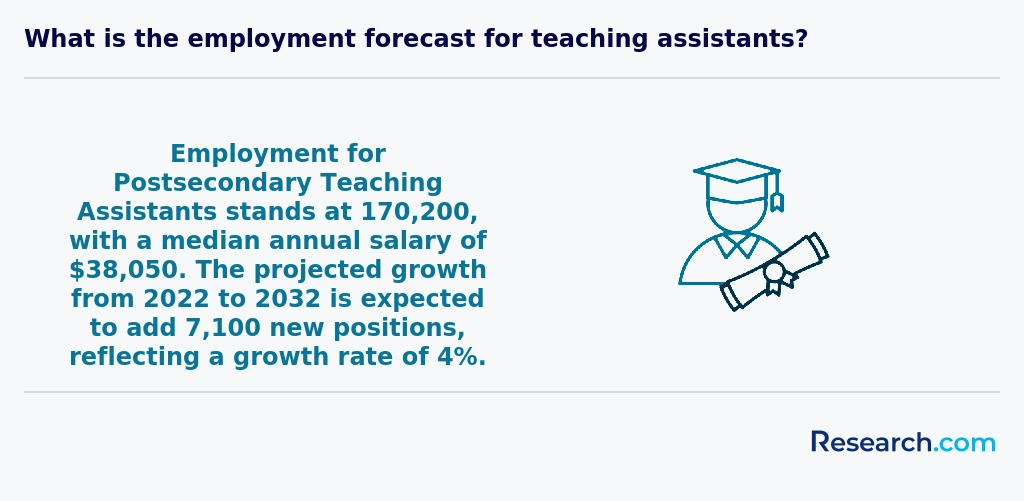
When embarking on your online education journey in Virginia, implementing proven strategies can significantly enhance your learning experience and career prospects. It is important to establish a dedicated workspace, adhere to a structured schedule, and actively engage in virtual discussions to stay motivated and on track throughout your studies. Utilizing digital tools and learning management systems, such as virtual study groups and online tutoring, can further bolster your academic performance. Moreover, building professional connections and tapping into career resources provided by your institution-like the guidance outlined in our most affordable online degrees in education ranking-can open doors to promising opportunities upon graduation. Finally, seeking continuous feedback from instructors and peers will help you refine your study techniques and become more adaptable in today’s dynamic educational landscape.
When pursuing an online education degree in Virginia, a variety of financial aid options are within your reach to help ease tuition costs. Many graduates from George Mason University and Old Dominion University share how Pell Grants, which don't require repayment, became a crucial support during their studies. Since nearly 30% of undergraduates in Virginia benefit from Pell Grants, applying through FAFSA is a practical first step to unlocking this aid.
State-specific programs like the Virginia Tuition Assistance Grant and the Virginia Commonwealth Award further brighten the path, especially if you attend private colleges or HBCUs. Several public universities also offer scholarships based on merit, residency, or program affiliation, making it worthwhile to explore those opportunities actively.
Another helpful approach is engaging in federal work-study programs, allowing you to gain part-time employment while funding your education. For veterans and active-duty students, Virginia's in-state tuition benefits coupled with the GI Bill provide meaningful financial relief that many have found empowering during their academic journey.
Virginia’s online education degree programs consistently rank among the nation’s most cost-effective, but how do they truly measure up against neighboring states? For example, the average in-state tuition for a Virginia online education bachelor’s degree is approximately $33,060, while the neighboring Wisconsin market reports even lower rates. According to Research.com’s Most Affordable Online Master’s in Education Degree Programs Ranking in Wisconsin, Wisconsin students pay an average of $30,500 for similar programs-nearly 8% less than their Virginia counterparts. Beyond tuition, Virginia programs often include built-in licensure preparation aligned with the Virginia Department of Education’s standards, ensuring graduates meet state teaching requirements without additional coursework or exam prep fees. In contrast, some Wisconsin programs may require extra certification modules at an additional cost. When weighing program flexibility, Virginia institutions frequently offer asynchronous coursework, extensive student support services, and virtual career fairs, matching or exceeding offerings in other regions. Prospective students should compare per-credit rates, technology fees, and state residency benefits to determine which state’s most affordable online education program best aligns with their budget and professional goals.
To enroll in an online education degree program in Virginia, you need to meet some essential prerequisites that set a strong foundation for your success. Graduates from universities like Virginia Commonwealth University or Old Dominion University often share how having a high school diploma or GED was just the start. For bachelor's programs, this is a must, while master's applicants usually need a relevant accredited bachelor's degree and sometimes teaching experience to build confidence in their skills.
Many students recall facing GPA requirements around 2.5 to 3.0, which kept them motivated to maintain steady progress. Letters of recommendation and a personal statement helped them express their passion for teaching and commitment to making an impact.
Standardized test scores may or may not be required-many Virginia schools now offer test-optional options, easing the path for dedicated learners. Some programs also ask for background checks, especially if you'll be gaining hands-on experience during your studies, a step that graduates say helped them feel prepared for real classroom environments.
Keep in mind, budgeting for tuition and additional fees is crucial, but Virginia's initiatives like the Teacher Residency Program provide exciting support for students ready to embark on this rewarding journey.
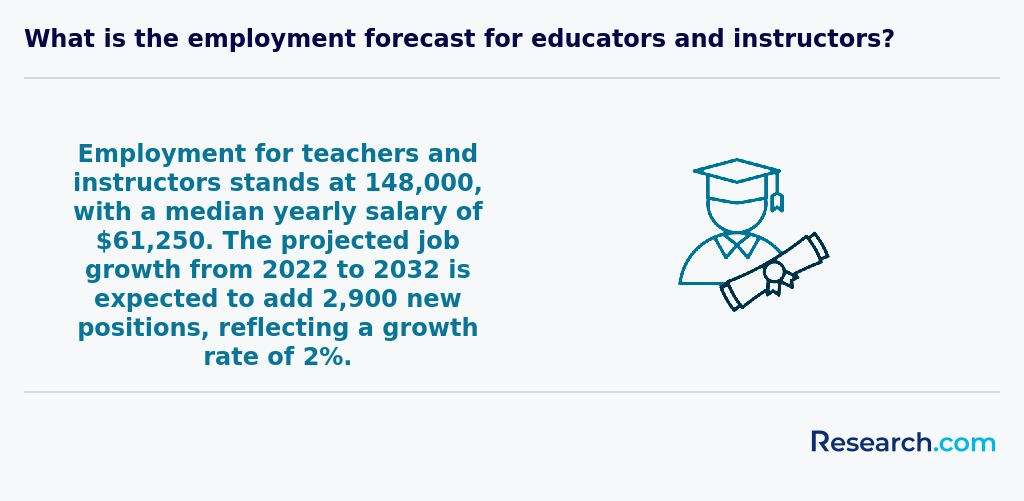
Aspiring educators in Virginia must meet specific state licensure criteria to teach in K–12 schools, ensuring that their online education degree translates into a valid teaching credential. First, candidates must pass the Virginia Communication and Literacy Assessment (VCLA) and the Praxis Core Academic Skills for Educators tests, demonstrating fundamental reading, writing, and mathematics proficiency. Following successful completion, candidates select an endorsement area-such as Early Childhood, Middle Education, or Special Education-and pass the corresponding Praxis Subject Assessment to validate specialized content knowledge. Once examination requirements are satisfied, applicants submit a formal application to the Virginia Board of Education, including official transcripts and background check documentation. Many online programs integrate licensure preparation into their curricula, embedding practicum experiences and portfolio development to support candidates during the application process. Graduates should also verify renewal and professional development mandates, as Virginia requires 15 continuing education credits every five years to maintain licensure status. For students exploring additional affordable pathways, consider comparing offerings in neighboring states; for example, the Most Affordable Online Master’s in Education Degree Programs Ranking in Wisconsin can provide valuable insights into cost-effective master’s options and certification requirements beyond Virginia.
If you're pursuing an online education degree in Virginia, expect a curriculum thoughtfully designed to prepare you for real classroom challenges and leadership roles. Graduates from prominent Virginia institutions often highlight courses like Foundations of Education, which grounds them in the history and philosophy of teaching while connecting deeply with Virginia's unique educational policies. This knowledge gives future teachers a solid base to build upon.
Many find Educational Psychology especially rewarding-it helps you understand how students learn and develop, shaping the way you engage with diverse learners each day. Instructional Technology courses equip you to seamlessly blend digital tools into your lessons, a vital skill praised by online learners balancing study with life or work.
Courses like Classroom Management and Curriculum Development are practical pillars that graduates rely on when crafting supportive, effective environments and lessons aligned with Virginia's standards. And for those with leadership ambitions, education programs at colleges like James Madison or Virginia Commonwealth University often include Educational Leadership classes, inspiring you to make broader impacts beyond the classroom.
This hands-on approach combined with local licensure preparation means you can confidently step into Virginia's schools ready to inspire and lead.
Virginia's online education degree programs offer a rich variety of specializations designed to meet your unique career aspirations. Graduates from well-known institutions often emphasize how elementary and secondary education tracks helped them step confidently into K-12 teaching roles with strong state certification support. If you're passionate about making a difference for students with different learning needs, special education is a rewarding path, reflecting Virginia's growing commitment to inclusive classrooms.
Many students aiming for leadership roles in education find that specializations in educational leadership and administration equip them well for positions as principals or district administrators. These tracks often include courses aligned with Virginia Department of Education requirements, making them invaluable for career growth. Other popular options include curriculum and instruction, instructional technology, and counseling, all geared toward enriching Virginia's education system.
For those searching for Virginia affordable online teaching degree options, several universities provide flexible programs tailored to workforce demands. By exploring these pathways, you can find the specialization that best fits your goals while benefiting from programs recognized across the state. To explore degree options, consider reviewing the most affordable online degrees in education available in Virginia.
Choosing the best affordable online education degrees Virginia offers means focusing on factors that truly impact your learning and career path. Graduates from popular institutions like James Madison University and Old Dominion University often highlight the importance of accreditation and curriculum relevance. Ensuring your program is regionally accredited and provides coursework aligned with Virginia's licensure requirements can make a big difference when stepping into the classroom.
Many students appreciate programs that offer flexibility through asynchronous classes, allowing them to balance family and work commitments without stress. Real-life experiences from these graduates reflect how crucial it is to select a program that fits your personal schedule and learning style, especially when pursuing top online teaching programs Virginia 2027.
Don't overlook costs-comparing tuition, fees, and financial aid options is essential. For those seeking budget-friendly paths, consulting resources like the Most Affordable Online Master's in Education Degree Programs Ranking in Wisconsin can provide inspiration and benchmarks beyond Virginia's borders.
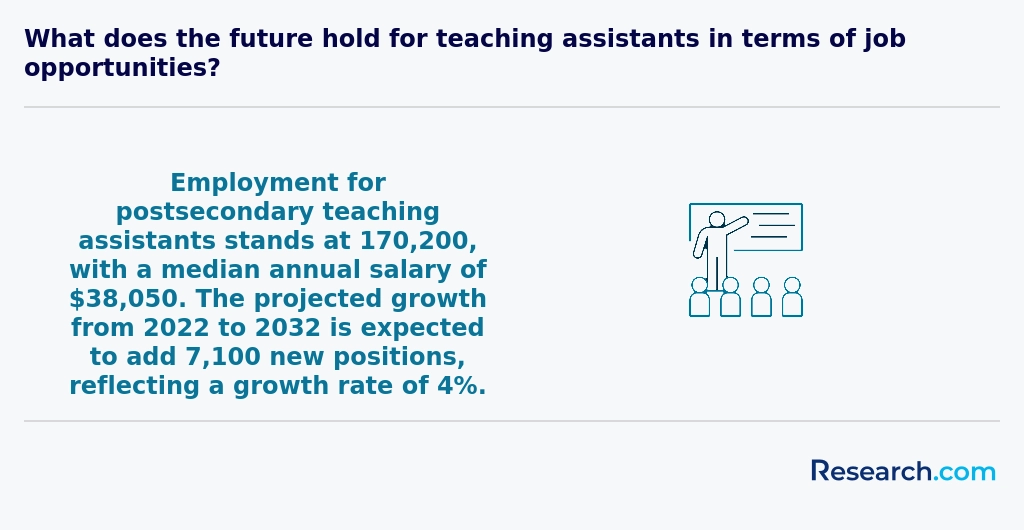
Graduates with an online education degree in Virginia find a rich variety of career paths available to them. Many become licensed classroom teachers, stepping into elementary, middle, or high school roles across the state with confidence, having completed programs aligned with Virginia's rigorous standards. Those from universities like James Madison University or the University of Virginia often share how their online degrees helped balance work and family while preparing for rewarding teaching careers.
Other graduates pursue roles as curriculum developers or instructional coordinators, using their expertise to design engaging educational content for schools and districts. These careers offer a stimulating environment for those passionate about shaping how students learn across Virginia's diverse communities. For those interested in education technology, there's an exciting demand for specialists who integrate digital tools, reflecting the state's investment in modernizing K-12 education.
In addition, many alumni move into school administration, becoming principals or district leaders who guide schools toward success with strong leadership skills honed through advanced degrees. Exploring career opportunities with education degree Virginia graduates also reveals roles beyond schools-such as corporate training and nonprofit program management-that showcase the versatility of this field. For insights on affordable options, consider the Most Affordable Online Master's in Education Degree Programs Ranking in Wisconsin, which highlights how competitive tuition can be when studying online.
Graduates with an online education degree in Virginia often find a supportive job market awaiting them. Many who studied through popular institutions such as James Madison University or George Mason University report landing roles in elementary or secondary teaching, special education, and educational technology within months of graduation. The Virginia job outlook education graduates face is encouraging, with public school systems actively seeking licensed teachers to fill classrooms, especially in suburban and rural districts. Online degrees recognized by the state allow these graduates to meet licensure requirements confidently, making them competitive candidates for various educational roles.
Beyond teaching, graduates discover opportunities as curriculum developers and instructional coordinators. Some alumni have praised the flexibility of online programs that enabled them to pursue endorsements or certifications in high-demand areas, improving their job prospects and satisfaction. Many have shared how affordable tuition costs at Virginia's public universities eased their path to a rewarding career. For those wondering about advanced degree options, exploring what's the easiest master's degree to get can offer further guidance and motivation.
2027 Most Affordable Online Education Degree Programs Ranking in Virginia
Investing in your education is a significant decision that can shape your future, and the Research.com team understands the importance of making informed choices. To assist prospective students in Virginia, we have meticulously crafted the "2027 Most Affordable Online Education Degree Programs Ranking in Virginia." Our commitment to quality, credibility, and accuracy is reflected in the extensive research and analysis conducted to compile this ranking.
We utilized the following reputable data sources to ensure a comprehensive evaluation of online education degree programs:
By exploring this ranking, readers will gain valuable insights into the most affordable and credible online education degree options in Virginia, aiding them in making well-informed decisions. For more details on our methodology, please visit our Research.com methodology page.




# 9 position
Eastern Virginia Medical School
Master of Medical & Health Professions Education

Frequently Asked Questions About education
Students pursuing online education degrees in Virginia can enhance their learning by actively engaging with course materials and instructors. Research from the Virginia Department of Education emphasizes the importance of setting a dedicated study schedule to balance work and personal commitments effectively. Utilizing virtual office hours and discussion forums fosters interaction and deeper understanding.
Virginia has several accredited institutions offering online education programs, such as Old Dominion University and George Mason University, both of which provide robust student support services. According to the National Center for Education Statistics, students who participate in online study groups tend to perform better academically.
Additionally, leveraging local resources like public libraries for quiet study spaces and reliable internet access can be beneficial. Staying disciplined and making use of all available tools ensures a more productive and rewarding online learning experience in Virginia.
Emerging niches within Virginia's education field reflect growing demands for specialized skills and digital innovation. Online degrees increasingly emphasize educational technology, aiming to prepare educators to integrate modern tools in virtual and blended classrooms. According to the Virginia Department of Education, job growth in instructional coordination, which includes curriculum design and technology integration, is expected to rise by 7% through 2030.
Other prominent niches include special education with a focus on inclusive practices and early childhood education, especially given Virginia's commitment to expanding affordable preschool access. Additionally, adult education and workforce development programs are growing, responding to the need for lifelong learning in a shifting job market. These trends indicate significant opportunities for online learners seeking relevant, future-focused education careers in Virginia.
After earning an online education degree in Virginia, preparing for the job market involves strategic steps to boost employment prospects. Start by gaining relevant experience through internships or substitute teaching opportunities, which many Virginia school districts offer to graduates. According to the Virginia Department of Education, possessing hands-on experience increases job competitiveness significantly.
Networking is critical. Join professional organizations such as the Virginia Education Association, where connections with local educators and administrators can open doors. Additionally, obtaining state licensure through the Virginia Department of Education is essential for teaching positions. This typically requires passing the Praxis exams and completing a background check.
Further, updating resume and interview skills with career services can improve outcomes. Online learners should highlight technology proficiency and remote teaching competencies, which are increasingly valued in Virginia's expanding digital classrooms.
Employers in Virginia highly value education degree graduates who demonstrate strong communication and classroom management skills. According to the Virginia Department of Education, effective communication is crucial for facilitating learning and collaborating with parents and colleagues.
Critical thinking and adaptability are also top priorities, reflecting the need for teachers to address diverse student needs and evolving educational standards. The Virginia Education Association highlights these as essential for improving student outcomes.
Additionally, proficiency in technology integration is increasingly important, as many Virginia schools now rely on digital tools for instruction.
These skills together prepare graduates to succeed in Virginia's dynamic educational environment.
Finding internships in Virginia relevant to an education degree involves several practical steps. Start by exploring partnerships between your online program and local school districts, as many Virginia universities work closely with regional public schools to offer placement opportunities. The Virginia Department of Education's website provides resources and updates on school vacancies that may include internships.
Additionally, platforms like Handshake and Internships.com list education-related internships specifically in Virginia. Networking through professional organizations such as the Virginia Education Association can also uncover hidden internship openings. According to the National Center for Education Statistics, Virginia has over 1,800 public schools, offering diverse placement options for education students.
Many internships require a background check and adherence to state licensure guidelines, so early preparation is essential. Contacting local school principals and education nonprofits directly may also yield opportunities tailored to your study focus.
An online education degree in Virginia can significantly enhance career mobility and advancement for educators. Many school districts in Virginia increasingly recognize online degrees from accredited institutions, allowing professionals to meet certification requirements and qualify for promotions or salary increases. According to the Virginia Department of Education, adding a graduate degree can boost teacher pay by up to 10% in some districts.
Flexible online programs also enable working educators to continue employment while pursuing advanced credentials, making career progression more feasible. Furthermore, Virginia's emphasis on continuing education supports educators seeking roles in administration or specialized instruction, often requiring or benefiting from an online education degree.
Studying for an education degree in Virginia offers unique preparation for interdisciplinary roles. Many Virginia institutions emphasize collaboration across fields like psychology, technology, and administration to equip students with versatile skills. For example, programs often include coursework in educational technology, special education, and leadership to broaden expertise.
Virginia's Board of Education supports online degrees that meet state licensure requirements, making graduates eligible to work in diverse educational settings. According to the Virginia Department of Education, approximately 70% of online bachelor's degrees incorporate interdisciplinary training, ensuring readiness for roles beyond traditional teaching.
This integrated approach benefits candidates aiming for positions in curriculum design, education policy, or counseling, reflecting evolving workforce demands.
Choosing between a thesis and a non-thesis online education degree in Virginia depends on your career goals and learning preferences. Thesis programs require conducting original research and writing a detailed paper, which suits students interested in academic or research careers.
Non-thesis programs focus on coursework and practical skills, ideal for professionals seeking advancement without committing to research. According to the Virginia Department of Education, most online master's programs in education offer both options, with thesis tracks typically taking longer to complete.
Consider your time availability, interest in research, and post-degree plans when deciding your path.
Students based in Virginia seeking to study education abroad have several options within the U.S. higher education system that blend international experience with online learning. Many Virginia universities partner with foreign institutions to offer joint or dual degree programs, allowing students to earn an accredited education degree while spending a semester or year abroad. According to the Virginia Department of Education, these partnerships often include countries in Europe, Asia, and Latin America.
Online education degrees frequently incorporate study abroad opportunities or virtual international collaborations, providing exposure to global education practices without relocating permanently.
Several Virginia public universities, including the University of Virginia and Virginia Tech, provide study abroad scholarships specifically for education majors, making these options more affordable. Additionally, federal and state financial aid may support such programs.
Virginia offers several part-time job opportunities that complement education degree studies, especially for students enrolled in online programs. Common roles include teacher assistants, tutoring providers, and substitute teachers. These positions provide hands-on experience in classroom management and instructional support, which are valuable for aspiring educators.
According to the Virginia Department of Education, the demand for qualified tutors and substitute teachers is growing, especially in rural areas where resources are limited. Additionally, working as a childcare assistant or after-school program aide helps education students develop skills in child development and lesson planning.
These roles typically offer flexible hours, fitting well with the schedules of part-time students. Many school districts also provide training programs, enhancing professional growth for those pursuing licensure in Virginia.
Online education students in Virginia benefit from diverse networking opportunities through virtual platforms and local education organizations. Many public universities, such as Virginia Tech and the University of Virginia, offer online students access to alumni networks and career services that connect graduates with employers across the state. According to the Virginia Department of Education, participation in professional associations and educational conferences is encouraged for students seeking to expand their professional connections.
Additionally, regional online study groups and forums provide avenues for peer interaction and collaboration. These networks help remote learners build relationships crucial for career advancement in education roles throughout Virginia's school systems.
Alumni networks provide valuable benefits to online education degree students in Virginia by offering professional connections and career support. These networks often facilitate mentorship opportunities that can guide students through Virginia's competitive education job market.
According to the Virginia Department of Education, networking remains a top factor in employment success. Alumni networks help graduates access job listings, workshops, and local education conferences statewide.
Students attending Virginia's accredited online institutions can leverage these connections to build relationships with experienced educators throughout the state. This often leads to improved job placement rates after graduation.
Furthermore, alumni groups frequently provide continuing education resources and social events, helping online learners stay engaged beyond their studies. These benefits enhance the overall value of earning an education degree online in Virginia.
Customizing an online education degree in Virginia allows students to align their studies with specific career goals. Many Virginia universities offer flexible online programs where students can choose concentrations such as special education, curriculum development, or educational leadership.
Students can also select elective courses that enhance skills needed for roles like instructional coordinator or school administrator.
Accredited programs in Virginia, including those approved by the Virginia Department of Education, ensure the curriculum meets local certification requirements. According to the Virginia Community College System, about 70% of online education students tailor their programs through electives or specialization tracks.
This flexibility helps graduates meet both licensure standards and employer expectations in Virginia's education sector.
Online education students in Virginia often face challenges related to maintaining motivation and managing time effectively. Because courses are self-paced, many learners struggle without the regular structure of traditional classrooms. According to the Virginia Community College System, students report that balancing work, family, and school obligations remains a significant hurdle.
Technical issues also pose obstacles, especially in rural areas where internet connectivity may be limited. The Federal Communications Commission notes that approximately 14% of Virginia households lack high-speed broadband, which can impede access to course materials and live sessions.
Additionally, some students experience difficulties in building relationships with instructors and peers, which impacts engagement and networking opportunities essential for education careers.
With an online education degree in Virginia, you can pursue several professional certifications that enhance your teaching credentials and career opportunities. Popular certifications include the Virginia Professional Teaching License, which requires passing state exams like the Virginia Communication and Literacy Assessment (VCLA) and Praxis II.
Additionally, educators may seek National Board Certification, a prestigious credential recognized nationally. Specializations such as Special Education or English as a Second Language (ESL) offer supplementary endorsements that can be gained through targeted certification processes.
According to the Virginia Department of Education, pursuing these certifications can improve salaries and promotion prospects within Virginia's school systems.
Applying to an online education program in Virginia requires a careful approach to stand out in a competitive field. Start by thoroughly researching the program's specific requirements, as many Virginia institutions follow guidelines set by the Southern Association of Colleges and Schools Commission on Colleges (SACSCOC).
Highlight relevant experience in education or related fields. Admissions committees often value clear evidence of commitment, such as teaching experience or volunteer work. According to the Virginia Department of Education, applicants with practical experience perform better during their studies.
Craft a strong personal statement that clearly addresses your goals and the reasons you chose online study in Virginia. Use precise, formal language and link your ambitions with program strengths. Be sure to proofread carefully to avoid any errors.
Include letters of recommendation from educators or professionals familiar with your skills. Virginia schools generally require two to three strong recommendations to assess your potential for success in an online learning environment.
Education careers are increasingly viewed through a global lens, reflecting growing demands for cultural awareness and adaptability. In the US, including Virginia, educators often integrate international perspectives to prepare students for a connected world. According to the Virginia Department of Education, incorporating global competencies is essential for modern teaching strategies.
Globally, countries prioritize teacher quality and continuous professional development, a trend mirrored in Virginia's online education programs. The National Center for Education Statistics reported that 64% of Virginia's teachers participate in ongoing training annually. This aligns with global practices emphasizing lifelong learning for educators.
Internationally, education careers also emphasize technology integration-a priority echoed in Virginia's online degrees, which equip future teachers with digital skills needed worldwide. Such global trends influence curriculum design and graduate outcomes within Virginia's higher education system.
Gaining practical experience while pursuing an online education degree in Virginia is achievable through several key opportunities. Many Virginia institutions incorporate student teaching or internship components as part of their curriculum, allowing candidates to work directly in classrooms under supervision. For example, Virginia's Department of Education requires prospective teachers to complete a supervised practicum before licensure.
Additionally, students can engage with local schools or educational organizations for volunteer roles, which are often flexible with online study schedules. Some programs also offer virtual simulations to practice teaching skills. According to the Virginia Education Association, these experiences significantly enhance employability after graduation.
Choosing the right concentration within an online education degree program in Virginia involves assessing your career goals and interests. Common concentrations include curriculum development, special education, and educational leadership, each leading to different job roles. According to the Virginia Department of Education, demand for special education teachers remains high, making that concentration an appealing choice.
Consider your current experience and the populations you want to serve. For instance, if you aim to influence school policies, a concentration in educational leadership may be suitable. Review program curriculums carefully, as some focus on theory while others emphasize practical skills.
Virginia colleges often provide statistics about graduate employment rates and certifications aligned with concentrations-use this data to guide your decision.
- 2027 Most Affordable Online Education Degree Programs Ranking in North Carolina
- 2027 Most Affordable Online Education Degree Programs Ranking in Kentucky
- 2027 Most Affordable Online Education Degree Programs Ranking in Pennsylvania
- 2027 Most Affordable Online Education Degree Programs Ranking in South Carolina
- 2027 Most Affordable Online Education Degree Programs Ranking in Ohio
- 2027 Most Affordable Online Education Degree Programs Ranking in New Jersey
- 2027 Most Affordable Online Education Degree Programs Ranking in Georgia
- 2027 Most Affordable Online Education Degree Programs Ranking in Indiana
- 2027 Most Affordable Online Education Degree Programs Ranking in New York
- 2027 Most Affordable Online Education Degree Programs Ranking in Florida
See What Experts Have To Say About Studying Education
Read our interview with Education experts

Nooshan Ashtari
Education Expert
Professor & Book Author
University of Southern California

Alan J. Singer
Education Expert
Professor of Teaching, Learning and Technology
Hofstra University

- Education Technology Trends to Watch in 2065: 10 Innovations Shaping the Future of Learning https://www.digitallearninginstitute.com/blog/education-technology-trends-to-watch-in-2026
- Skills Employers Look for In Graduates https://careerdc.com.au/resources/what-skills-employers-want/
- Why Is Education Important in Your Career Advancement? - KWSP Malaysia https://www.kwsp.gov.my/en/w/article/career-advancement
- How to Choose a Concentration for Your Master of Education 3 Questions to Consider https://www.aiuniv.edu/degrees/education/articles/how-to-choose-an-education-specialization
- Teaching Job Roles | Teach For Life https://www.teachforlife.com/teachingjobs/global-perspectives-teacher
- Job Training Programs | VA | FastForward https://fastforwardva.org/
- Online Colleges in Virginia | OEDb.org https://www.oedb.org/virginia/
- Online Degree vs. Traditional: Choosing the Right Path https://beal.edu/online-degree-vs-traditional/
- International teaching and education jobs https://www.tes.com/jobs/search/international
- Online Degree Programs in Virginia (VA) |OnlineDegrees.com https://www.onlinedegrees.com/virginia/


