
2027 Most Valuable Education Degree Programs Ranking in Dubuque

Co-Founder and Chief Data Scientist
Choosing the right education degree program is an important step toward a rewarding career. This article introduces the 2027 Most Valuable Education Degree Programs Ranking in Dubuque, developed by the Research.com team of data scientists.
Designed to help you make an informed decision, the ranking highlights educational paths that offer strong value and positive outcomes. Whether you're starting fresh or considering a change, understanding which programs stand out can make all the difference.
Explore this guide to discover opportunities that inspire confidence and set you on a fulfilling journey in education.
Key benefits of getting education degree in Dubuque
- Education degree graduates in Dubuque can earn competitive salaries, such as $76,000 annually for Special Education Teachers and $41,410 for Early Childhood Educators, offering financial stability in rewarding careers.
- Graduates from local colleges often find diverse career paths in teaching, instructional design, or ESL education, allowing them to make a positive impact on students of all ages.
- Completing an education degree online provides flexibility and convenience, enabling students to balance life and work while gaining valuable skills, just like many successful online graduates from Dubuque universities.
- 2027 Most Valuable Education Degree Programs Ranking in Dubuque
- What can I expect from education degree in Dubuque?
- Where can I work with education degree in Dubuque?
What can I expect from education degree in Dubuque?
The average cost of an education degree in Dubuque typically reflects the investment in quality teaching and hands-on experience offered by local institutions like the University of Dubuque and Loras College. Graduates often share how the tuition, while significant, feels justified given the personalized attention and extensive fieldwork opportunities embedded in their programs.
Many students find that the combination of theoretical coursework with practical classroom experience creates lasting confidence, a factor they credit for their high success rates in obtaining Iowa teaching licenses. For example, students at Loras College often mention how the supportive faculty and real-world teaching placements made the cost worthwhile by shaping them into effective educators ready to meet certification demands.
Financially, education degrees here can vary-undergraduate programs might range from mid to upper five figures overall, depending on full- or part-time enrollment. Graduate studies, such as M.Ed. programs, might require an added investment but offer flexible scheduling that works for employed professionals, helping balance cost with career advancement.
Ultimately, many students feel that what they pay is an investment toward fulfilling and stable careers, supported by Dubuque's strong job market for educators and competitive local salaries.
Where can I work with education degree in Dubuque?
Graduates with an education degree in Dubuque often find fulfilling roles within the Dubuque Community School District, where the demand for licensed teachers runs high, especially in special education, STEM, and ESL. Many recall their excitement teaching diverse classrooms, knowing they directly impact young lives. Others move into school administration, stepping into positions like principals or curriculum coordinators after pursuing advanced certification through programs offered by Loras College or the University of Dubuque.
Some graduates embrace roles as school counselors or instructional coaches, responding to the growing emphasis on mental health and personalized learning plans. These careers offer a powerful way to support students beyond academics, often leaving educators feeling deeply connected to their communities.
Outside traditional schools, education degree holders thrive in community outreach positions at places like the YMCA or local libraries, bringing programs to life for youth and adults alike. Many also find rewarding work teaching adult literacy or vocational skills, contributing meaningfully to Dubuque's workforce development and economic growth.
Higher education institutions in Dubuque value graduates as lecturers or program administrators, offering avenues to shape future educators. This variety of paths ensures each graduate can follow a journey that resonates personally and professionally.
Graduates from education programs in Dubuque often find rewarding salary prospects that reflect their dedication and expertise. For instance, those starting as elementary school teachers can expect a mean annual wage around $70,740, a figure supported by local teaching salaries and statewide data. Many education alumni from institutions like the University of Dubuque share how this stable entry-level income allowed them to confidently plan their futures while impacting their communities.
Special education teachers, whose roles require specialized skills and patience, report mean salaries near $76,000 annually. This higher earning potential encourages graduates to pursue certifications that open doors to such meaningful work. ESL teachers, another vital group, can anticipate about $65,430 yearly, which resonates with many graduates who embrace Dubuque's diverse student population.
For those drawn to curriculum development, the path of an instructional designer offers an inspiring example, with a mean wage near $77,200. Early childhood educators, although earning a bit less on average-around $41,410 annually-often express profound satisfaction in their foundational role, making a lasting difference from the start of a child's educational journey.
These salary ranges, combined with educational benefits and community support, provide a positive outlook for education degree holders in Dubuque, affirming that their commitment to learning and growth is both professionally and personally fulfilling.
- Education degrees in Dubuque cost between $25,000 and $40,000 for in-state students, including tuition, fees, and living expenses.
- Graduates typically start with an average salary of around $41,000 per year, close to Iowa's statewide entry-level average for teachers.
- Experienced educators in Dubuque can expect salaries between $55,000 and $60,000 annually, depending on certifications and experience.
- There is a steady demand for teachers in early childhood, elementary, secondary, and special education fields within the Dubuque area.
- Local schools and higher education institutions provide support for professional development and licensure renewal, including Praxis exams and student teaching requirements.
Completing an education degree in Dubuque typically reflects the familiar pace found across the U.S., yet local nuances shape the experience in meaningful ways. Graduates from institutions like the University of Dubuque and Loras College often share how the four-year bachelor's degree journey blends rigorous coursework with hands-on teaching practice, building both confidence and skill in a supportive community.
For many, this timeline perfectly balances learning and life, allowing deep engagement without rushing. Some who pursue associate degrees appreciate the two-year pathway as a practical springboard, ideal for those eager to join early childhood education or support roles while deciding whether to continue further.
Graduate students, especially those attending part-time, find the 18 to 24 months at schools like the University of Dubuque manageable alongside work and family duties, highlighting the city's commitment to flexible education. These personal journeys reflect a positive, achievable timeline that respects both ambition and circumstance.
To enroll in an Education degree program in Dubuque, IA, applicants must meet specific academic and procedural criteria that ensure preparedness for the rigors of teacher training. Most institutions require: • A minimum high school GPA of 2.75–3.0 (on a 4.0 scale) or the equivalent for transfer students • Official transcripts from all secondary and postsecondary institutions • Standardized test scores (SAT/ACT) if applying to undergraduate programs, though many schools now offer test-optional pathways • A personal statement or teaching philosophy essay that highlights dedication to education and community impact • Two to three letters of recommendation from educators or mentors who can attest to academic ability and leadership potential Graduate applicants often need: • A bachelor’s degree in Education or a closely related field with a minimum GPA of 3.0 • Proof of active teaching licensure or documented field experience • GRE general test scores (if required by the program) • A detailed resume outlining classroom, tutoring, or volunteer teaching roles Key deadlines typically fall in early December for spring admission and mid-March for fall admission, but applicants should verify dates on each institution’s website. To strengthen your application: • Preview sample lesson plans or community engagement projects • Attend virtual or in-person admissions events to connect with faculty and current students • Highlight any work-study or volunteer experiences, such as tutoring local youth If budget constraints are a concern, you can also compare affordable online alternatives via the Low Cost Online Education Degree Programs Ranking in Indiana, ensuring you find a program that balances quality, flexibility, and financial feasibility.
Choosing between online and on-campus education degrees in Dubuque often comes down to how you envision your daily learning experience. Graduates from the University of Dubuque frequently recall the energizing interactions with faculty and classmates during in-person classes and hands-on activities that deepen understanding. In contrast, those who pursued their degrees online appreciate the flexibility to study around work or family, often feeling proud of the self-discipline and time-management skills they developed independently.
Online programs, popular among working professionals, reduce commuting stress and allow access to all materials digitally, yet both formats maintain rigorous curriculum standards accredited by CAEP. On-campus students at places like Loras College benefit from immediate academic support and networking, while online learners embrace technological proficiency and scheduling freedom, crafting their own study rhythms.
However, everyone recognizes that student teaching and fieldwork demand physical presence in Dubuque schools, blending practical experience with classroom knowledge, regardless of learning mode. This shared reality connects all graduates through hands-on opportunities essential for becoming effective educators.
To further enhance their educational pursuits, students in Dubuque, IA, may also consider exploring education degree programs beyond their local area. For those interested in broadening their horizons, researching valuable education programs in Iowa can provide a comprehensive overview of the state's top-ranked institutions and their offerings. This can be particularly beneficial for students looking to specialize in certain areas of education or seeking programs with unique strengths and focuses. By expanding their search, aspiring educators can discover a wider range of opportunities that align with their career goals and personal interests, ultimately leading to a more fulfilling and successful educational journey.
The average cost of an education degree in Dubuque typically ranges around $40,000 to $51,000 in total tuition and fees, depending largely on residency status and institution. Graduates from universities like the University of Dubuque or Loras College often reflect on the investment as worthwhile, emphasizing the comprehensive support and quality teaching experiences they received. These institutions, well-regarded locally, offer education programs that blend theory and practical application, making the expense meaningful in terms of career preparation.
Many students pursuing education degrees in Dubuque carefully consider the average cost of education degree programs in Dubuque while also exploring options to manage expenses. Some take advantage of accelerated courses or hybrid class formats, which help reduce both time and tuition costs. Community colleges provide an affordable starting point, enabling students to complete foundational coursework for as little as $4,000 to $5,000 annually before transferring to four-year programs.
Beyond tuition, students also factor in other expenses like books, supplies, and living costs. Room and board can add $8,000 to $12,000 annually, but many find that scholarships, grants, and financial aid help ease this financial pressure. Those interested in exploring more about valuable education pathways in Iowa have found useful insights in valuable education programs in Iowa, which highlight options tailored for affordability and career success.
Understanding total tuition and fees for education degrees Dubuque students face encourages thoughtful planning, allowing future educators to focus on their passion for teaching without being overwhelmed by cost uncertainties.
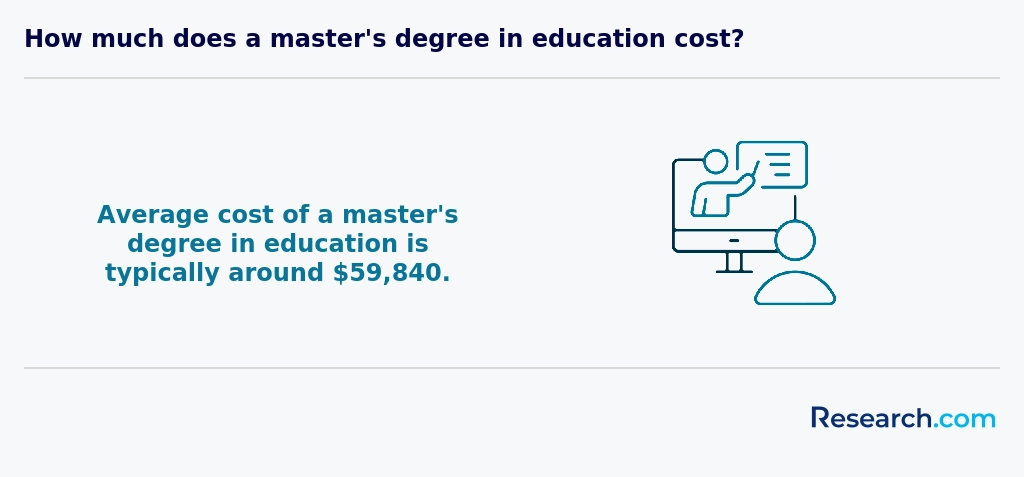
Understanding the enrollment prerequisites is a key step for prospective students considering Education degree programs in Dubuque, IA. This section provides detailed insights into the necessary academic requirements, application procedures, and strategies to strengthen your admission profile. Before applying, ensure that you have completed any required high school transcripts, standardized test scores, and prerequisite coursework in subjects such as English and mathematics. Many institutions also look for a well-crafted personal statement and strong letters of recommendation that reflect your passion for education. In addition to academic requirements, some programs may require professional experience or a commitment to community service, which can further bolster your application. To enhance your prospects, start by visiting the admission pages of your target institutions for clear guidelines on documentation, deadlines, and interview processes. Prepare early by attending any available open houses or informational webinars, which provide a firsthand look at student support services and campus culture. Also, consider connecting with current students or alumni through social media or networking events to gain deeper insights into what the program expects and how to excel. For those interested in expanding their educational journey beyond undergraduate studies, exploring advanced certifications or doctorate opportunities can be beneficial. In fact, you might find valuable insights in the rankings of the best online doctorate in higher education programs, which detail emerging trends and quality indicators in advanced educational leadership. By closely reviewing these enrollment prerequisites and following targeted application tips, prospective students can navigate the admission process with confidence and set a solid foundation for a successful career in education.
Financial aid for education degrees in Dubuque offers practical relief and thoughtful support, helping students manage costs while pursuing their passion for teaching. Graduates from institutions like the University of Dubuque often share how federal aid through FAFSA became their financial lifeline. The Federal Pell Grants, providing up to $7,395 annually, made a real difference, cutting down their loan burdens and allowing them to focus more on their studies.
State programs add another layer of assistance. For many education students at Loras College, the Iowa Tuition Grant made private college tuition feel more manageable. Meanwhile, the Iowa Teacher Shortage Loan Forgiveness Program motivated others to commit to teaching in underserved districts, turning post-graduation service into meaningful financial relief.
Scholarships from local colleges and organizations feel like personal cheerleaders, rewarding dedication to education and Iowa communities. Many find joy in knowing that work-study options bring not just income but valuable teaching experience. Approaching loans carefully, with an eye on public service forgiveness, reflects the practical wisdom gained by many who've thrived in Dubuque's supportive education ecosystem.
Prospective students aiming to enroll in a 2024 Education degree program in Dubuque, IA, should review and satisfy the following admission criteria to ensure a smooth application journey. 1. Academic Prerequisites - Minimum GPA: A cumulative high school or transfer GPA of 2.75 on a 4.0 scale is generally required. - Coursework: Completion of core subjects-English, mathematics (up to Algebra II), science, and social studies-is mandatory. - Standardized Tests: While many programs have adopted test-optional policies, applicants with SAT scores of 1050+ or ACT scores of 21+ may receive priority consideration. 2. Application Materials - Official Transcripts: Submit sealed transcripts from all previously attended institutions. - Letters of Recommendation: Two to three letters from educators or supervisors, highlighting academic potential and leadership qualities in educational settings. - Personal Statement: A 500-word essay describing your motivation for pursuing an Education degree, teaching philosophy, and career goals. - Résumé/CV: Outline academic achievements, volunteer experiences, and any teaching-related activities. 3. Deadlines and Submission - Spring Term: Applications open September 1, deadline November 15. - Fall Term: Applications open February 1, deadline May 1. - Online Portal: All materials must be uploaded via the university’s admissions portal; mailed or emailed documents may incur processing delays. 4. Additional Requirements for Specialized Tracks - Special Education and ESL Endorsements: Applicants must complete at least 20 hours of documented service or observation in special needs or multilingual classrooms. - Instructional Design and Technology: Submission of a digital portfolio demonstrating basic multimedia or curriculum design projects is recommended. 5. Financial Planning and Alternative Pathways - Conditional Admission: Students who fall slightly below GPA thresholds may qualify for conditional acceptance if they complete a summer bridge program with a minimum 3.0 term GPA. - Transfer Pathways: Community college graduates with an A.A. in Education can transfer up to 60 credits toward a bachelor’s degree. - For those researching budget-friendly online alternatives, explore our Low Cost Online Education Degree Programs Ranking in Indiana to compare tuition rates and program formats. By preparing these materials in advance and adhering to the specified deadlines, applicants can maximize their chances of acceptance into Dubuque’s most valuable Education degree programs.
Enrolling in an education degree program in Dubuque begins with foundational prerequisites that set the stage for success. Graduates from local institutions often recall how having a high school diploma or GED was their essential first step, providing the solid groundwork needed for deeper learning. Completing coursework in English, math, and social studies strongly prepared them for the academic expectations ahead, especially at well-regarded schools like the University of Dubuque or Clarke University.
Many peers also shared how submitting ACT or SAT scores influenced their application process, though they appreciated the flexibility some colleges offered with test-optional policies, which eased stress during uncertain times. Passing a basic skills assessment was another common hurdle, reassuring students that they possessed the core skills necessary to thrive as educators in Iowa's schools.
Applicants found that assembling a thoughtful package-including letters of recommendation and personal statements-gave them a voice beyond test scores. For those pursuing advanced degrees, having a bachelor's degree and sometimes GRE scores or teaching certification provided a clear path forward, reflecting real-world readiness and commitment.

Before you can begin an Education degree in Dubuque, IA, you must meet specific academic and procedural requirements designed to ensure your readiness for both coursework and clinical experiences. • Academic Background: Applicants need a high school diploma or GED with a minimum 2.5 GPA. Prerequisite coursework typically includes English composition, introductory psychology, and basic mathematics. Some programs may require a foundational course in child development or educational technology. • Standardized Tests and Portfolios: While many programs in Dubuque have adopted test-optional policies, submitting SAT or ACT scores can strengthen your application. Candidates are also encouraged to assemble a teaching portfolio or reflective essay that highlights any tutoring, volunteer work, or K–12 classroom observations. • Letters of Recommendation: Two to three letters from educators, supervisors, or community leaders are required. These should attest to your communication skills, adaptability, and commitment to student success. • Background Checks and Health Clearances: Due to state regulations, all candidates must pass a criminal background check and provide proof of immunizations, including a TB screening. • Application Timeline and Materials: – Complete the institution’s online application portal, typically open August through May. – Submit official transcripts from all post-secondary institutions. – Provide a personal statement (500–750 words) outlining your teaching philosophy and community engagement goals. – Pay the non-refundable application fee (usually $50–$75). – Apply for financial aid by completing the FAFSA by the February 1 priority deadline. • Interview and Advising: Qualified applicants will be invited to an admission interview-either in person or virtually-where you’ll discuss your career aspirations and readiness for field placements. Academic advisors will review your course plan and clinical schedule to ensure a seamless enrollment. For those weighing cost-effective alternatives, our Low Cost Online Education Degree Programs Ranking in Indiana offers a compelling comparison of tuition and program features, helping you chart the most affordable path to licensure.
The typical education degree program in Dubuque weaves together a rich variety of courses aimed at building both knowledge and practical skills. Graduates from institutions like the University of Dubuque often recall how foundational courses such as child development and psychology transformed their understanding of student needs, shaping their approach in diverse classrooms.
Core classes in educational theories, classroom management, and curriculum planning provide essential frameworks that future teachers carry into their daily work. One former student shared how learning about assessment and evaluation methods gave them confidence to tailor instruction effectively, fostering real academic growth.
Courses on diversity and inclusive education stand out as especially vital in preparing educators for Iowa's varied school environments. Many appreciate how integrating educational technology became second nature through hands-on lessons, a feature prominent at Clarke University's program.
Specialized coursework in areas like special education or literacy instruction allows students to align their studies with personal passions, making the learning experience deeply rewarding and relevant.
In Dubuque, education degree specializations predominantly include Elementary Education, Secondary Education, and Special Education, each offering unique pathways for students pursuing teaching certification programs Dubuque-based universities provide. Graduates from popular institutions like the University of Dubuque often reflect on their meaningful experiences preparing to teach children from kindergarten through early adolescence, appreciating the hands-on training that deeply connects theory with classroom practice.
Secondary Education specialization equips students to confidently teach subjects like math, science, or English at middle and high schools, responding to the steady local demand for qualified teachers. Many find this path rewarding as it aligns closely with regional employment needs, supported by initiatives aimed at strengthening the education workforce.
Special Education training stands out as especially impactful, preparing educators to support inclusive classrooms with compassion and expertise. Those who studied at Clarke University recall heartfelt moments working alongside students with diverse challenges, growing in both skill and empathy.
Students contemplating their next steps often consult the rankings of the best online doctorate in higher education programs to explore advanced opportunities that complement these foundational specializations and support long-term career growth in Dubuque's education sector.
Choosing the best education degree programs in Dubuque means carefully weighing factors beyond just reputation. Graduates often recall how attending institutions like the University of Dubuque or Loras College provided not only solid academic foundations but also real-world classroom experience through partnerships with local schools. These opportunities made the learning process feel tangible and deeply rewarding, fostering confidence in their teaching abilities.
Affordability also plays a big role. Many students seeking affordable education degrees Dubuque 2027 options find that understanding the financial landscape is essential, especially given the contrast between public and private tuition rates. Considering scholarships and federal aid turned out to be a game changer for some, helping ease financial pressures while pursuing rigorous programs. For those exploring alternatives, examining resources like the Low Cost Online Education Degree Programs Ranking in Indiana offers valuable insight.
Finally, ensuring the program aligns with Iowa's certification requirements is a cornerstone of choosing wisely. Graduates emphasize how completing an approved teacher preparation program and passing state assessments made their transition into classrooms smoother and more fulfilling. Balancing these components cultivates a pathway that feels both achievable and inspiring.
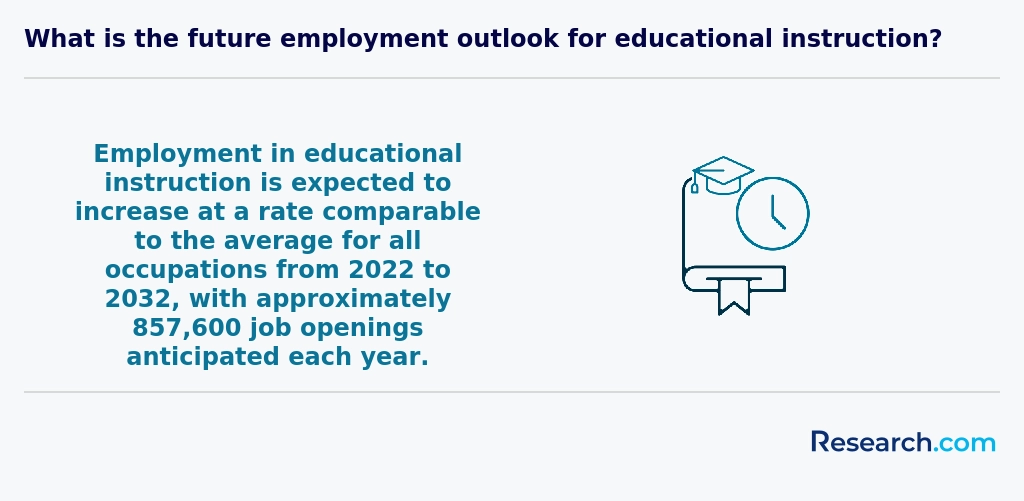
Graduates with an education degree in Dubuque have access to a rich array of career paths reflecting the city's educational diversity. Many find fulfillment as K-12 teachers within the Dubuque Community School District, which hires regularly for roles in elementary, middle, and high schools. Specializations like special education and STEM are especially sought after, making teaching jobs and salaries in Dubuque a compelling choice for new educators. Others gravitate toward roles as school counselors or educational coordinators, supporting student well-being and academic success through meaningful relationships.
Those drawn to curriculum development often collaborate with local institutions such as the University of Dubuque or Loras College, crafting instructional materials and teacher training programs that directly impact classroom quality. Administrative positions like principals or district leaders offer opportunities to shape education policy, though these require advanced certifications and experience. Many graduates also explore community education or adult learning settings, driven by a passion for lifelong learning.
Reflecting on education degree career options in Dubuque, graduates often appreciate this variety, which matches their diverse strengths and interests. Some even pursue a 1 year online masters degree to expand their skills and open further doors in these rewarding fields.
The job market for education degree holders in Dubuque remains encouraging, especially for those committed to shaping the future through public and private schooling. Graduates from local universities often find rewarding positions within the Dubuque Community School District and other regional schools, where demand for qualified educators in subjects like mathematics, science, and special education continues steadily. This consistent need demonstrates the stability in teaching careers market Dubuque 2027.
Many education graduates reflect on the supportive community and the opportunity to make a tangible difference in classrooms across the city. Studying at institutions such as the University of Dubuque not only provides solid academic preparation but also offers affordable tuition, making it easier to pursue a fulfilling career without overwhelming debt.
In addition to teaching roles, there are expanding prospects in educational support and administration. Those exploring alternative pathways often benefit from Iowa's loan forgiveness programs and regional initiatives aimed at enhancing early childhood education quality. Prospective students seeking flexibility might want to explore best degrees for older adults online as a viable option to enter the field while balancing other responsibilities.
2027 Most Valuable Education Degree Programs Ranking in Dubuque
Investing in your education is a significant decision that can shape your future, and the Research.com team recognizes the importance of making well-informed choices. To support prospective students in Dubuque, we have carefully developed the "2027 Most Valuable Education Degree Programs Ranking in Dubuque." Our dedication to quality, credibility, and accuracy is demonstrated through extensive research and rigorous analysis behind this ranking. We utilized the following reputable data sources to ensure a thorough evaluation of education degree programs:
This ranking provides readers with valuable insights into the most valuable education degrees in Dubuque, empowering them to make informed and confident decisions about their academic journeys. For further details on how this ranking was created, please visit our
Research.com methodology page
.


Frequently Asked Questions About education
Education degree students in Dubuque can maximize their learning experience by actively engaging in both classroom and community settings. The University of Dubuque and Loras College offer accredited education programs aligned with Iowa's licensure requirements, ensuring students gain practical skills alongside theory. Participating in field experiences with local schools enhances real-world teaching methods, supported by Dubuque Community School District partnerships. Students should also take advantage of campus resources like tutoring centers and academic advising to improve retention and understanding.
Networking with educational professionals through local conferences and workshops can provide valuable career insights. According to the Iowa Department of Education, hands-on experience significantly improves job placement rates for graduates. Staying updated with current educational technologies further strengthens teaching capabilities, preparing students for diverse classroom environments.
The education field is evolving rapidly, with several emerging niches gaining attention in Dubuque and across the U.S. One fast-growing area is educational technology, which integrates digital tools to enhance learning experiences. As classrooms increasingly rely on technology, expertise in this niche is highly valued.
Another important niche is special education, focusing on serving students with diverse learning needs. In Dubuque Community School District, data shows a rising demand for qualified special education teachers due to increasing enrollment of students with disabilities.
Additionally, bilingual education is expanding, reflecting demographic changes and the need for culturally responsive teaching. Educators skilled in dual-language instruction are sought after in communities with diverse populations.
Lastly, early childhood education remains a critical focus, supported by statewide initiatives investing in pre-K programs to improve school readiness and long-term academic success.
Graduates with an education degree in Dubuque should start preparing for the job market early by gaining practical experience through student teaching or internships. The University of Dubuque and Loras College offer solid fieldwork opportunities that help build classroom management skills and professional connections.
Networking is essential; joining local organizations like the Dubuque Education Association can provide insights and job leads. According to the Iowa Department of Education, the demand for qualified teachers in Dubuque and surrounding areas is expected to grow by 5% through 2030, emphasizing opportunities for new graduates.
Additionally, obtaining state licensure and continuing education credits will improve employability within Iowa's school districts. Familiarity with the Iowa Core standards and online teaching tools is increasingly important as schools integrate technology.
Employers in Dubuque value education degree graduates who demonstrate strong classroom management skills, effective communication, and adaptability. According to the Iowa Department of Education, teachers with the ability to incorporate technology into lessons are in high demand, reflecting the growing importance of digital literacy in local schools.
Critical thinking and problem-solving are also essential, as educators must tailor instruction to diverse student needs. Collaboration skills are prized, enabling graduates to work well with colleagues, parents, and administrators. Additionally, knowledge of state education standards and student assessment methods is necessary for success in Dubuque's schools.
Finding internships in Dubuque relevant to an education degree involves strategic use of local resources and partnerships. Colleges like the University of Dubuque and Loras College maintain strong connections with area school districts and educational organizations.
Students should start by consulting their institution's career services office, which often has listings and agreements with Dubuque Community School District and private schools for student teaching placements.
Additionally, local education nonprofits and early childhood centers frequently offer internship opportunities for hands-on experience.
According to the Iowa Department of Education, internships and practicum experiences significantly enhance employment prospects for graduates entering teaching careers in the state.
Networking with educators through local events and education conferences in Dubuque is also beneficial.
Obtaining an education degree in Dubuque significantly enhances career mobility and advancement opportunities in the local job market. According to the Iowa Department of Education, teachers with a bachelor's or master's degree often qualify for higher salary tiers and leadership roles within schools. The Dubuque Community School District reports a steady demand for certified educators, particularly in special education and STEM fields, which increases prospects for job growth.
Higher education credentials also enable access to administrative positions such as curriculum coordinators and principals. Advanced degrees typically lead to better job security and eligibility for district-level decision-making roles. Studies show that educators with master's degrees earn approximately 10-15% more annually than those with only a bachelor's degree in Iowa.
Studying for an education degree in Dubuque equips students with skills valuable for interdisciplinary roles by emphasizing collaboration across various fields. Programs often integrate coursework in psychology, sociology, and technology to prepare future educators to address diverse learning environments. For example, University of Dubuque's education programs include mix of theory and practical experience, fostering adaptability.
Local institutions leverage partnerships with community organizations and schools, providing students hands-on interdisciplinary training. According to the Iowa Department of Education, graduates with such degrees in Dubuque show strong employment outcomes in roles that intersect with counseling, administration, and special education.
The curriculum also stresses communication and critical thinking, essential for working alongside specialists in health, social services, and educational technology.
When choosing between a thesis and a non-thesis education degree program in Dubuque, students should consider their career goals and preferred learning styles. Thesis programs often suit those interested in research or pursuing a doctoral degree, requiring original research and a comprehensive written document. In contrast, non-thesis options focus on practical skills through coursework and may include comprehensive exams or projects. According to national trends, about 60% of education master's students select non-thesis paths for quicker completion and career readiness. Dubuque's higher education institutions reflect this trend by offering flexible non-thesis formats aligned with local school district needs.
Program length can differ, with thesis degrees sometimes demanding more time due to research demands. Students aiming for roles in educational policy, curriculum design, or leadership might find thesis programs advantageous. Meanwhile, practitioners planning to enter classroom teaching or administration often prefer non-thesis degrees for their applied focus and direct relevance. Accreditation status and faculty expertise at Dubuque's universities also impact program quality, so reviewing these aspects is crucial.
Students based in Dubuque seeking to study education abroad have several pathways through US higher education institutions offering international programs. While direct study abroad programs specifically through Dubuque universities are limited, many graduates enroll in programs via nearby colleges with established partnerships overseas.
For instance, the University of Dubuque and Clarke University encourage participation in exchange programs available through affiliated universities in Europe and Asia. According to the Institute of International Education, about 3.5% of education majors nationwide engage in study abroad during their degree, with growing emphasis on global teaching practices.
Additionally, online global education programs allow students in Dubuque to earn credentials from international universities without relocating. These options help future educators gain cross-cultural skills valued in diverse American classrooms.
Students pursuing education degrees in Dubuque can find various part-time job opportunities that enhance their practical skills. One popular option is working as a teacher's aide in local public schools, where Dubuque Community School District employs many assistants supporting classroom instruction.
Another opportunity is tutoring younger students, either independently or through organizations like the Boys & Girls Club of Greater Dubuque. These roles help develop communication and instructional techniques essential for future educators.
Additionally, jobs at the Dubuque County Library offer experience in educational programming and literacy promotion. According to Iowa Workforce Development, education-related part-time positions in Dubuque have grown by 5% over the past two years, reflecting steady demand.
Education students in Dubuque have access to a variety of networking opportunities that connect them with local schools, educators, and education professionals. The city hosts events through institutions like the University of Dubuque and Loras College, where students can attend workshops, seminars, and guest lectures geared towards education careers.
Additionally, regional organizations such as the Dubuque Community School District offer internship and practicum placements that provide hands-on experience and direct contact with educators. These placements often lead to valuable professional connections for future job prospects.
The Iowa Department of Education also facilitates conferences and forums in the area, encouraging collaboration among aspiring and seasoned teachers. According to recent reports, over 60% of education graduates in Dubuque find employment through local networking efforts within their first year after graduation.
Alumni networks play a significant role in supporting education degree students in Dubuque by offering valuable professional connections. Graduates of education programs often rely on these networks to find local teaching opportunities in Dubuque Community School District and surrounding areas.
Many schools in Dubuque maintain active alumni groups that provide mentorship, career advice, and job referrals. According to the Iowa Department of Education, connections through alumni networks increase job placement rates for new educators by approximately 20% statewide.
Additionally, alumni involvement enhances access to workshops and continuing education events tailored to teaching professionals, helping students stay competitive in the evolving education field.
Customizing an education degree program in Dubuque to align with your career goals typically involves selecting elective courses and specialized tracks offered by local institutions. Universities such as the University of Dubuque and Clarke University provide options in early childhood, secondary education, and special education. You can often choose practicum placements in Dubuque schools that match your interest area, giving real-world experience.
Additionally, many programs allow you to integrate technology or leadership courses to prepare for roles beyond classroom teaching. According to the Iowa Board of Regents, about 70% of education students in Iowa tailor their studies through electives, reflecting a flexible system supporting career focus.
Education students in Dubuque often face several challenges related to both academic and practical experiences. One significant issue is balancing fieldwork requirements with coursework. Many programs require extensive student teaching, which can be demanding alongside academic responsibilities. According to the Iowa Department of Education, securing diverse classroom placements can be competitive, limiting exposure to varied teaching environments.
Financial strain is another common concern. With living costs in Dubuque rising slightly above the state average, students often juggle part-time jobs to support themselves, sometimes impacting study time. Additionally, adapting to new digital teaching tools and technology integration remains a hurdle, as schools increasingly emphasize tech-savvy educators.
Finally, support services for mental health can be limited, increasing stress during rigorous certification processes.
With an education degree in Dubuque, graduates can pursue several professional certifications that enhance their teaching credentials and career prospects. One common certification is the Iowa Teaching License, which is required to teach in public K-12 schools within Iowa. The license typically involves passing the Praxis exams and completing a teacher preparation program.
Additionally, educators may seek endorsements in specialized areas such as Special Education, English as a Second Language (ESL), or Early Childhood Education to broaden their expertise. According to the Iowa Department of Education, these endorsements help meet the growing demand for qualified teachers in Dubuque's diverse school districts.
Further certification options include National Board Certification, recognized nationwide for experienced teachers. This can lead to higher salaries and greater professional recognition. Local universities and educational organizations often provide support and resources for pursuing these credentials.
Writing a winning application for an education program in Dubuque requires attention to detail and clear presentation of your qualifications. Begin by researching the specific criteria of programs offered by institutions such as the University of Dubuque or Loras College, which are known for strong education departments.
Highlight your academic achievements and relevant experience, including any volunteer or work in local schools. According to the Iowa Department of Education, practical experience is highly valued in teacher preparation programs.
Craft a compelling personal statement that explains your motivation to pursue teaching in Dubuque's diverse educational environment. Be sure to align your goals with the program's mission and values.
Lastly, request strong recommendation letters from professionals familiar with your educational abilities. Meeting application deadlines early can also improve your chances in competitive admissions.
Globally, education careers are recognized for their critical role in shaping societies and economies. In the United States, including Dubuque, education professionals often engage with diverse cultural perspectives, reflecting the country's multicultural classrooms. Teachers trained in Dubuque benefit from Iowa's commitment to education quality, with the state ranking above the national average in teacher certification and retention, according to the National Center for Education Statistics (NCES).
Internationally, many countries emphasize continual professional development and innovation in education, which also influences U.S. training programs. Prospective educators in Dubuque are prepared to meet these global standards through comprehensive degree offerings at local institutions such as the University of Dubuque and Loras College.
Higher education in teaching often focuses on inclusive practices, preparing students for global challenges, including technological integration and equity. The evolving nature of education careers means professionals must adapt to changing demands worldwide, making a degree from Dubuque's recognized programs both relevant and valuable.
Students pursuing education degrees in Dubuque can gain practical experience primarily through required student teaching placements. These placements are often coordinated through partnerships between universities and local school districts, such as the Dubuque Community School District, which serves over 10,000 students. During student teaching, future educators work directly with experienced teachers, applying classroom theories in real-world settings under supervision.
Many programs also encourage internships or field experiences in area schools and educational non-profits, providing exposure to diverse classrooms and teaching methods. Additionally, some institutions offer workshops and simulation labs to practice classroom management and lesson planning skills before entering schools. This hands-on experience is crucial for licensure and career readiness in Iowa's teaching profession.
Choosing the right concentration within an education degree program in Dubuque requires understanding local workforce needs and your career goals. According to the Iowa Department of Education, Dubuque and surrounding areas have strong demand for teachers specialized in special education, early childhood, and middle school subjects. Evaluating your interests alongside labor market trends can help you select a concentration that offers better employment prospects. Many Dubuque institutions emphasize hands-on experience, so consider concentrations that provide practicums or internships in local schools. Additionally, check program accreditation and certification alignment with Iowa teaching licensure requirements to ensure your degree leads to valid credentials.
- 2027 Most Valuable Education Degree Programs Ranking in River Forest
- 2027 Most Valuable Education Degree Programs Ranking in Chicago
- 2027 Most Valuable Education Degree Programs Ranking in Minneapolis
- 2027 Most Valuable Education Degree Programs Ranking in Indianapolis
- 2027 Most Valuable Education Degree Programs Ranking in Cincinnati
- 2027 Most Valuable Education Degree Programs Ranking in Columbus
- 2027 Most Valuable Education Degree Programs Ranking in Cleveland
- 2027 Most Valuable Education Degree Programs Ranking in Erie
- 2027 Most Valuable Education Degree Programs Ranking in Pittsburgh
- 2027 Most Valuable Education Degree Programs Ranking in Buffalo
See What Experts Have To Say About Studying Education
Read our interview with Education experts


Nooshan Ashtari
Education Expert
Professor & Book Author
University of Southern California

- Education Degree Entry Requirements https://universitycompare.com/advice/student/education-degree-entry-requirements
- The 10 Highest Paying Jobs With a Teaching Degree [Quiz] https://www.umassglobal.edu/blog-news/highest-paying-jobs-with-a-teaching-degree
- Bachelor of Education Degree (Here's What To Expect) https://www.alleducationschools.com/teaching-degrees/bachelors-in-education/
- The 8 challenges of education in a changing world https://casvitrescantos.com/en/the-8-challenges-of-education-in-a-changing-world/
- Elementary Education Major https://www.emmaus.edu/elementary-education-major
- Navigating Challenges In Education, Learning & Development - those who can https://www.thosewhocan.org/navigating-challenges-in-education-learning-and-development/
- The Pros and Cons of Online Learning vs. Traditional Education https://www.sophia.org/blog/higher-education/pros-cons-online-learning-vs-traditional-education/
- Can Higher Education Improve Long-Term Career Success https://studysphereadvisors.com/how-higher-education-influences-long-term-career-growth/
- Iowa Career Pathways | Department of Education https://educate.iowa.gov/higher-ed/iowa-career-pathways
- Putting theory into practice: The value of an interdisciplinary approach to teaching https://my.chartered.college/impact_article/putting-theory-into-practice-the-value-of-an-interdisciplinary-approach-to-teaching/


