2027 Most Affordable Online Bachelor's in Education Degree Programs Ranking in Alabama

Co-Founder and Chief Data Scientist
Choosing the right education degree program can be challenging, especially when balancing affordability and quality. This article presents the 2027 Most Affordable Online Bachelor's in Education Degree Programs Ranking in Alabama, carefully compiled by the Research.com team of data scientists to guide you toward smart choices.
Whether you're starting fresh or advancing your career, earning an education degree offers rewarding opportunities in shaping the future. Exploring this ranking will help you find affordable programs that align with your goals and budget.
Take this step confidently toward a meaningful career in education.
Key benefits of getting online education degree in Alabama
- Graduates with education degrees in Alabama can expect competitive salaries such as $77,200 for Instructional Designers, $76,000 for Special Education Teachers, and $65,430 for ESL Teachers, providing strong financial stability in rewarding careers.
- Alabama education graduates from schools like the University of Alabama often pursue diverse careers including classroom teaching, curriculum design, and student support services, offering flexibility and growth opportunities.
- Completing an education degree online through universities like Auburn University enables students to balance work and study with greater convenience, accelerating career advancement without sacrificing personal commitments.
- 2027 Most Affordable Online Bachelor's in Education Degree Programs Ranking in Alabama
- What can I expect from online education degree in Alabama?
- Where can I work with online education degree in Alabama?
What can I expect from online education degree in Alabama?
The average cost of an online education degree in Alabama is notably affordable, making it an excellent option for those eager to start a rewarding teaching career. Many well-regarded public universities offer in-state tuition rates starting around $200 per credit hour for online learners. This accessible pricing allows students to pursue their dreams without overwhelming financial burdens.
Graduates from institutions like the University of Alabama and Auburn University often share how the cost-effectiveness of their online programs helped them focus entirely on their studies and internships within local schools. Imagine completing your coursework from home while knowing your tuition is competitive compared to many out-of-state options-this financial peace of mind brings confidence and motivation to keep advancing.
Beyond tuition, scholarships and financial aid tailored for education majors further ease expenses, fueling hopes for a brighter future. This combination of affordable tuition and strong support makes pursuing an education degree in Alabama a positive and empowering journey toward making a real difference in classrooms across the state.
Where can I work with online education degree in Alabama?
Graduates with an online education degree in Alabama often find enriching career opportunities in diverse educational settings. Many who studied at well-known institutions like the University of Alabama or Auburn University are welcomed into K-12 public schools, where over 500,000 students benefit from passionate, certified teachers. Achieving certification through state-required exams allows graduates to confidently step into classrooms, making a real difference in young learners' lives.
Beyond traditional schools, graduates join early childhood centers and special education programs, supporting Alabama's expanding efforts to enhance early learning. Imagine working in a vibrant preschool or helping children with special needs thrive-these roles provide rewarding daily experiences that inspire lifelong growth.
Others leverage their degrees in roles like educational administration or curriculum design within local school districts, helping shape the future of teaching and learning. Alumni from these programs also thrive in tutoring, adult education, and nonprofit organizations focused on literacy, making a positive impact throughout Alabama's communities.
Graduates from online education programs in Alabama, such as those at the University of Alabama or Auburn University, often step into careers with promising earnings. For example, elementary school teachers in the state can expect to earn a mean annual wage of about $70,740, a rewarding salary reflecting both dedication and expertise. Special education teachers, whose roles are critically important, enjoy even higher mean wages, around $76,000 per year, highlighting the value placed on these specialized skills.
ESL teachers, who support diverse student populations, earn a mean annual wage of approximately $65,430, with a healthy hourly rate of $31.46. Early childhood educators-in high demand given the state's focus on foundational learning-make about $41,410 annually, an inspiring starting point for many new teachers. Graduates pursuing roles as instructional designers benefit from competitive salaries near $77,200 per year, combining creativity with educational impact.
These figures reflect not just numbers but the tangible rewards of pursuing an education degree online in Alabama. Many graduates share stories of flexibility balancing work, family, and studies while thriving in rewarding careers. Earning a strong income while making a meaningful difference in local communities is a reality made possible through Alabama's accessible online education programs.
- Many Alabama universities offer fully online bachelor's degrees in education aligned with state certification requirements.
- Tuition for in-state students typically ranges from $6,000 to $10,000 per year, with credit hours costing between $300 and $400.
- The average starting salary for graduates in Alabama is around $41,000, rising to about $55,000 with experience and certifications.
- Job growth is near the national average, with high demand in subjects like math, science, and special education.
- Teacher licensing requires completing an accredited program, passing state exams, and doing a supervised internship or practicum.
Completing an online education degree in Alabama is a rewarding journey that fits perfectly with your lifestyle and ambitions. Full-time students at institutions like the University of Alabama and Auburn University often finish their bachelor's degrees in about four years, just like many graduates who have balanced coursework with their busy lives. Imagine studying on your own schedule, knowing that your future as an educator is just a few semesters away.
For those juggling work or family, part-time options open doors to success without sacrificing other priorities. Many students extend their studies to five or six years, turning challenges into opportunities and gradually building their expertise.
Graduate programs, including master's degrees, offer an inspiring path as well, with many completing in one to two years. Accelerated tracks-ideal for motivated learners-can shorten this to around three years, turning dreams into reality faster while maintaining a supportive online community.
With flexibility, dedication, and the strong reputations of Alabama's top colleges, your goal of becoming an educator is well within reach.
Choosing between an online and on-campus education degree in Alabama means embracing different paths to the same rewarding goal. Graduates from Auburn University treasure the flexibility of online programs, juggling work and family while accessing lectures anytime, anywhere. This freedom sparks confidence and independence, empowering students to learn on their own terms without compromising quality.
Meanwhile, those attending the University of Alabama on-campus often highlight the vibrant community spirit. The energy of in-person classes, face-to-face mentoring, and hands-on practicum experiences fosters deep connections and invaluable support networks. Walking campus grounds and using abundant resources like libraries and tutoring centers builds a strong foundation that many find inspiring.
Both options shine with practical opportunities, including student teaching tailored to fit your lifestyle. Whether thriving in a virtual classroom or engaging in-person, Alabama's accredited education degrees open doors to fulfilling careers while fitting your unique story perfectly.
The average cost of an online education degree in Alabama typically centers around $45,780, reflecting a balance between affordability and quality. Many graduates from institutions like the University of Alabama at Birmingham share how this investment empowered them to advance their teaching careers without the overwhelming financial strain often associated with higher education.
Alabama's online programs stand out for their accessibility and value, especially for students seeking affordable online bachelor's in education programs Alabama. These programs often tailor their offerings to fit working adults' schedules, allowing learners to pursue their degrees while managing personal and professional commitments, fostering a fulfilling and motivating experience.
One common scenario among education students is the benefit of attending regional public universities or community colleges, where tuition rates can be even more budget-friendly. Graduates often speak about how these options provided both cost savings and a strong educational foundation. Many also take advantage of financial aid and scholarships designed specifically for education majors, making the journey less daunting and more inspiring.
Prospective students should also explore resources like 1 year certificate programs that pay well, complementing their degree and improving career prospects in education fields. With careful planning and support, future educators in Alabama can confidently pursue their dreams without letting costs hold them back.
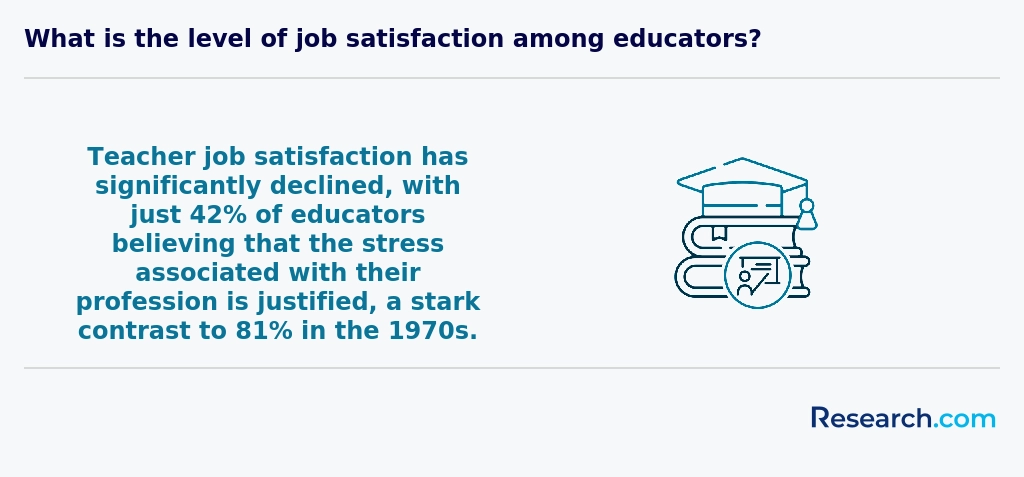
Students pursuing online education degrees in Alabama can confidently tap into a wealth of financial aid options designed to make their dreams achievable. For many, the journey begins with completing the FAFSA, unlocking access to federal grants, loans, and work-study programs that ease tuition burdens. Imagine a graduate from the University of Alabama who relied on the Pell Grant-a powerful, no-repayment-needed award-to help cover tuition costs, freeing them to focus on mastering their craft.
Beyond federal aid, Alabama's own Student Assistance Program offers need-based grants tailored to residents enrolled in accredited online education programs, such as those at Auburn University. Many hopefuls also benefit from scholarships recognizing academic excellence and dedication, like the Alabama Teaching Scholars Scholarship, which rewards future educators committed to shaping K-12 classrooms.
Loans are available for those needing extra support, with federal student loans offering lower interest and flexible repayment, making debt manageable. Some universities, including Troy University, provide institutional aid and payment plans designed specifically for online learners, while teacher residency pathways offer stipends or loan forgiveness, delivering a bright, hopeful path toward a career in education.
To embark on an online education degree in Alabama, prospective students typically start with a high school diploma or GED, showcasing their readiness to take on college-level challenges. Graduates from popular schools like the University of Alabama or Auburn University often recall how securing their transcripts and meeting GPA requirements-usually around 2.5 to 3.0-felt like the first step toward their rewarding teaching careers. These benchmarks not only affirm academic strength but also build confidence for the journey ahead.
Many applicants share that submitting SAT or ACT scores, when required, helped focus their preparation and clarify their goals. The background checks required for licensure programs reflect Alabama's dedication to safe, nurturing classrooms, giving future educators a sense of responsibility that enhances their commitment.
- Personal essays often become a moment to reflect on one's passion for teaching, with applicants expressing their unique motivations.
- Letters of recommendation have opened doors, providing encouraging voices from mentors who believe in their potential.
Alabama's commitment to preparing educators shines through the requirement to pass the Alabama Educator Certification Assessments before student teaching, a milestone many graduates describe as empowering and affirming their readiness to inspire future generations.
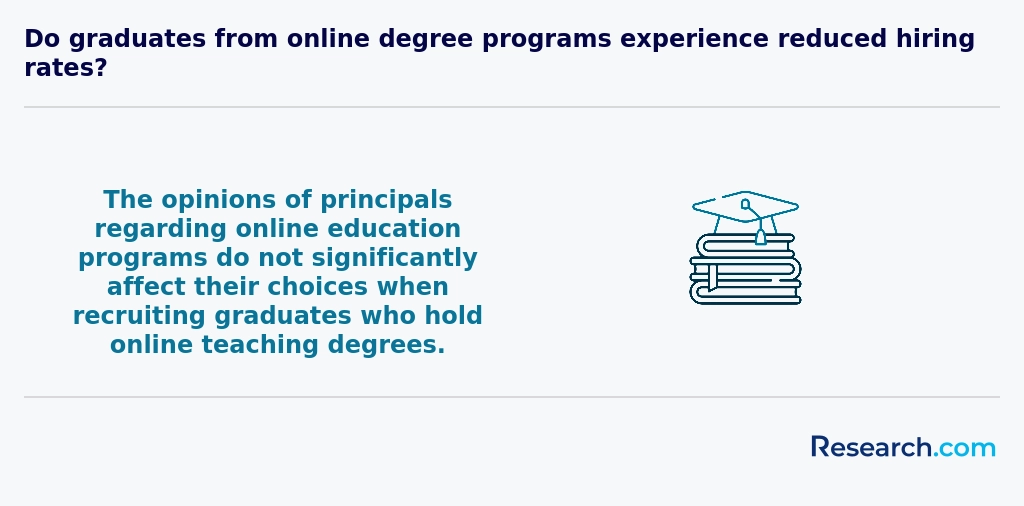
Online education degree programs in Alabama offer a well-rounded mix of courses that build a strong foundation for future educators. Graduates from popular institutions like the University of Alabama and Auburn University often recall their early courses such as Introduction to Education, where they connected classroom theory with the rich history of Alabama's schools, making their learning truly meaningful.
Many students find courses like Educational Psychology inspiring, as they discover how understanding student learning processes shapes impactful teaching approaches. Practical classes such as Classroom Management Techniques empower future teachers to create positive, engaging environments where every child can thrive.
Courses in Curriculum Design and Instructional Strategies and Assessment and Evaluation equip learners to craft dynamic lesson plans and meaningful assessments, skills graduates often praise for boosting their classroom confidence. Plus, Instructional Technology courses help students embrace digital tools, preparing them to innovate in Alabama's modern classrooms.
These courses, combined with hands-on practicum experiences in local schools, make studying education online in Alabama both deeply practical and personally rewarding.
Online education degrees in Alabama offer a rich variety of specializations designed to empower future educators. Graduates from popular institutions like the University of Alabama and Auburn University often share how their chosen tracks, such as Elementary Education or Early Childhood Education, have prepared them to confidently engage and inspire young learners across the state. These specializations meet the growing demand for passionate teachers equipped with the latest teaching strategies in settings ranging from vibrant classrooms to virtual environments.
Students pursuing Alabama online teaching degree concentrations also find rewarding paths in Secondary Education and Special Education, opening doors to careers where they can make profound impacts on adolescents or students with special needs. Instructional Technology specializations ignite creativity, enabling graduates to design innovative digital learning experiences.
By choosing a specialization that resonates with their calling, future educators embrace the chance to positively shape communities. Many appreciate the flexibility to pursue these degrees online, allowing them to balance life and work while advancing their qualifications. For those exploring the best pathways in academia, college majors in education offer inspiring futures.
Choosing the best online education degree in Alabama starts with finding programs that truly fit your lifestyle and ambitions. Graduates from popular Alabama colleges often share how flexible scheduling and asynchronous classes helped them balance work, family, and studies smoothly. This flexibility empowers you to learn at your own pace without sacrificing your daily responsibilities. When exploring programs, prioritize those accredited by recognized bodies like the Southern Association of Colleges and Schools Commission on Colleges, which ensures quality education that employers respect.
Affordability is also a key factor for many. Alabama's public universities provide affordable online teaching degrees Alabama options that make pursuing your dream career more accessible. Many graduates appreciate how scholarships and tuition assistance specifically for online learners ease financial concerns, letting them focus on their passion for teaching.
Look for programs that prepare you for Alabama's teacher certification requirements and include hands-on experiences like student teaching or internships. These opportunities bring your learning to life and build confidence. Those who completed education degrees at Alabama's top colleges often credit these practical components for their career readiness and success.
Finally, explore rankings and student reviews, and don't overlook the value of fast track degree programs that can accelerate your journey toward impact. By focusing on accredited, affordable, and flexible programs aligned with certification needs and strong graduate outcomes, you can find the best online education degree programs Alabama has to offer and step confidently into your future.

Graduates holding an online education degree in Alabama step into a world full of rewarding opportunities tailored to local educational needs. Many find joy becoming licensed K-12 teachers in Alabama's public and private schools, where their passion shapes the future generation. Popular universities in Alabama provide strong programs that prepare these graduates for success, inspiring them to make a real difference in classrooms across the state. Those who pursue teaching jobs with online education degree Alabama often celebrate the fulfillment that comes from impacting children's lives directly.
Others explore careers in school counseling or educational technology, supporting student well-being and integrating digital learning tools in schools. Educational specialists in Alabama's urban and rural districts thrive by responding to evolving demands, bringing innovation to classrooms. For those interested in versatile careers, opportunities in early childhood and adult education unlock meaningful roles in preschools and workforce training programs.
Many students choose to advance their careers through programs like a 1 year master's programs online, which offer flexibility and growth. This wide variety of career paths shows just how promising online education degree careers Alabama can be, empowering graduates to succeed and inspire future leaders.
Graduates holding an online education degree in Alabama enter a job market brimming with opportunity and steady growth. With a teacher shortage projected to reach about 2,500 in the state, especially in vital fields like special education, math, and science, the demand is clear and encouraging. Many graduates from popular Alabama universities and colleges find rewarding careers in the public school system, which employs over 70,000 teachers statewide, as well as in private and charter schools expanding their reach.
Students pursuing online education programs often share stories of how affordable tuition and flexible schedules helped them earn their degree while balancing life's demands. The state's certification requirements ensure graduates are well-prepared and competitive, with many enhancing their resumes through continuing education. For those seeking to accelerate their journey, an accelerated bachelor's degree online program can open doors even faster. Overall, the outlook for online education degree jobs Alabama offers a fulfilling and promising path into teaching careers.
2027 Most Affordable Online Bachelor's in Education Degree Programs Ranking in Alabama
Investing in your education is a significant decision that can shape your future, and the Research.com team understands the importance of making informed choices. To assist prospective students in Alabama, we have meticulously crafted the "2027 Most Affordable Online Bachelor's in Education Degree Programs Ranking in Alabama." Our commitment to quality, credibility, and accuracy is reflected in the extensive research and analysis conducted to compile this ranking.
We utilized the following reputable data sources to ensure a comprehensive evaluation of education degree programs:
By exploring this ranking, readers will gain valuable insights into the most affordable online bachelor's in education programs in Alabama, empowering them to make well-informed decisions about their educational investments. For more details on our methodology, please visit our Research.com methodology page.
# 1 position
The University of Alabama
Bachelor of Human Environmental Sciences, Early Childhood Education


# 3 position
Judson College
Bachelor of Education

Frequently Asked Questions About education
Online education degree students in Alabama can enhance their learning by actively engaging with course materials and participating in virtual discussions. Research from the Alabama Commission on Higher Education highlights that students who allocate regular study times tend to perform better. Utilizing campus resources such as online tutoring and academic advising, even remotely, also supports success.
Building a study community with peers through social media or university forums encourages collaboration and deeper understanding. Additionally, students benefit from setting clear goals and seeking internships within Alabama's school districts to gain practical experience alongside their studies.
Consistent communication with instructors and leveraging Alabama's state educational technology initiatives can significantly improve learning outcomes.
Emerging niches in the education field reflect growing demands for specialized skills and innovative teaching methods. In Alabama, areas such as educational technology, special education, and bilingual education are gaining prominence. The state's increasing focus on integrating digital tools in classrooms creates opportunities for educators skilled in technology-enhanced learning.
Special education continues to expand due to rising awareness and support for students with diverse needs. Additionally, Alabama's growing Hispanic population drives demand for bilingual educators able to support English language learners effectively.
According to Alabama State Department of Education data, these niches show higher employment growth compared to traditional teaching roles.
After completing an online education degree in Alabama, preparing for the job market involves several key steps. First, graduates should obtain proper licensure through the Alabama State Department of Education, which requires passing the required Praxis exams and completing background checks. This ensures eligibility for teaching positions across the state.
Building a professional network is crucial. Joining Alabama-based education organizations such as the Alabama Education Association can open opportunities and provide support. Additionally, gaining practical experience through internships or substitute teaching can enhance employability.
According to the Alabama Department of Labor, demand for teachers, especially in special education and STEM subjects, is expected to grow by over 5% through 2030. Staying informed about local job openings via school district websites and education job boards helps graduates target their applications effectively.
Employers in Alabama highly value education degree graduates who demonstrate strong communication and classroom management skills. According to the Alabama State Department of Education, effective verbal and written communication is essential for fostering student engagement and collaboration with parents and colleagues.
Critical thinking and adaptability are also prioritized, especially as schools integrate new technologies into teaching. Graduates proficient in digital literacy and instructional design have an edge in Alabama's evolving educational landscape.
Data from a 2023 report by the Alabama Education Association highlights that over 70% of school administrators seek graduates with practical experience in diverse learning environments and cultural competency.
Finally, organizational skills and professionalism remain fundamental, ensuring teachers can handle multiple responsibilities efficiently while maintaining ethical standards.
Finding internships in Alabama relevant to an education degree involves exploring partnerships between universities and local school districts. Many Alabama colleges offering online education degrees have established connections with K-12 schools that provide hands-on teaching experiences.
Statewide, the Alabama State Department of Education supports internship and student teaching programs as requirements for certification, making school-based placements essential. According to recent data, over 100 public school systems statewide participate in these programs.
Students should also utilize resources like university career centers and platforms such as Handshake, which list education internships specific to Alabama.
Networking with local educators and attending regional education job fairs can further increase internship opportunities.
Obtaining an online education degree in Alabama can significantly enhance career mobility and advancement opportunities within the state's education sector. Alabama's growing emphasis on improving K-12 and postsecondary education increases demand for qualified teachers and administrators. According to the Alabama State Department of Education, educators with advanced degrees often qualify for higher salary scales and leadership roles.
Many Alabama school districts recognize online degrees from accredited institutions, expanding access for working professionals. Graduates with online education degrees can pursue roles such as curriculum specialists, instructional coordinators, or school counselors, which often require specialized credentials beyond initial teaching licenses.
Moreover, data from the National Center for Education Statistics shows that advanced degrees correlate with increased job stability and promotion rates in education careers nationally, which holds true in Alabama's competitive job market.
Studying for an education degree online in Alabama equips students with skills beyond traditional teaching. Programs often emphasize interdisciplinary approaches, combining education theory with psychology, technology, and special education training. This integration prepares graduates to address diverse student needs in various environments.
Alabama's online education degrees align with state standards set by the Alabama State Department of Education, ensuring relevance in multiple professional roles. According to the National Center for Education Statistics, Alabama also prioritizes teacher readiness to support inclusive classrooms, reflecting the interdisciplinary focus.
Students gain practical experience through virtual simulations and community partnerships, broadening their ability to collaborate across sectors such as healthcare, social work, and administration.
Choosing between a thesis and a non-thesis education degree program in Alabama depends on your career goals and learning preferences. Thesis programs require original research and are suited for students aiming to pursue advanced degrees or careers in academia. Non-thesis options focus more on practical skills and coursework, making them ideal for professionals seeking immediate entry or advancement in teaching positions.
Alabama's online education degrees generally follow this framework, with the Alabama Commission on Higher Education reporting increased enrollment in non-thesis programs due to flexible schedules. Consider your long-term plans, availability for research, and desire for professional practice when deciding.
Students based in Alabama seeking to study education degrees abroad have several options, primarily through online programs offered by internationally affiliated universities. Although physical study abroad programs may be limited, many Alabama institutions partner with global universities to offer exchange opportunities and joint degrees. The Alabama Commission on Higher Education reports that 2% of Alabama students participate in study abroad programs, showing modest interest in international education experiences.
Many online education degree programs also include global perspectives in their curriculum, allowing students to learn about international teaching methods without leaving Alabama. Additionally, organizations like the Council on International Educational Exchange provide resources specifically for U.S. students exploring education abroad options.
For Alabama students, accredited online degrees recognized by the U.S. Department of Education ensure that international credits can often be transferred, facilitating smoother transitions for study abroad. Students are advised to consult their schools' study abroad offices for updated partnerships and programs.
In Alabama, part-time jobs that complement education degrees offer practical experience and income for students studying online. Popular roles include teacher's assistant positions in local schools, which provide hands-on classroom management skills. According to the Alabama State Department of Education, these roles often pay between $10 and $15 per hour. Another option is tutoring younger students, either privately or through organizations like Sylvan Learning Centers, supporting literacy and math skills development.
Additionally, school administrative assistant roles help build organizational skills relevant to education careers. Childcare provider positions also offer experience working with children's developmental needs. These part-time jobs align well with education degree curricula and strengthen future job prospects in Alabama's education sector.
Online education students in Alabama have several networking opportunities despite the distance learning format. Many universities in Alabama with online education programs offer virtual events, webinars, and online student forums designed to connect peers, faculty, and alumni. For example, the University of Alabama's online education department hosts regular virtual meetups to foster collaboration.
Additionally, students can engage with professional organizations such as the Alabama Education Association, which provides online workshops and networking platforms. According to the Alabama Commission on Higher Education, about 30% of educators in the state participate in such groups to share resources and job leads.
Local education conferences and regional chapters of national groups also welcome online learners, creating hybrid networking options that combine online and occasional in-person interactions.
Alumni networks offer significant advantages for students pursuing online education degrees in Alabama. These networks connect current students with graduates who have experience in Alabama's education system, providing valuable mentorship and career guidance. According to the Alabama Commission on Higher Education, nearly 60% of education graduates find employment within the state, often through connections made via alumni groups.
These networks also host local events and virtual meetups, helping students build professional relationships despite completing their degrees remotely. Additionally, alumni often share job opportunities and insights into school districts across Alabama, supporting smoother transitions into the workforce. For online students, this community is vital for both personal and professional growth.
Customizing an online education degree program in Alabama begins with selecting a school accredited by the Southern Association of Colleges and Schools Commission on Colleges (SACSCOC), ensuring quality and recognition.
Many Alabama institutions offer flexible curricula allowing students to choose concentrations such as elementary education, special education, or educational leadership. This specialization helps align studies with specific career goals.
Students can often select elective courses tailored to their interests or professional needs, enhancing skills in areas like technology integration or curriculum development. Additionally, some programs include options for practicum or internship placements within Alabama school districts, providing practical experience.
Consulting academic advisors early in the program helps personalize course sequences and certification paths.
Online education students in Alabama often face several challenges that can affect their academic success. One common issue is limited access to reliable high-speed internet, particularly in rural areas where connectivity remains inconsistent. According to the Alabama Broadband Accessibility Office, approximately 20% of rural households still lack adequate internet service.
Another challenge is balancing coursework with personal and professional responsibilities. Many students enroll online due to work or family commitments, making time management critical yet difficult. Additionally, some students report feeling isolated due to less face-to-face interaction with instructors and peers.
Finally, navigating financial aid and understanding licensure requirements specific to Alabama's education system can be confusing without personalized guidance. These combined factors require robust support systems for online learners to thrive.
With an online education degree in Alabama, graduates can pursue several professional certifications to enhance their teaching careers. The most common certification is Alabama's Class B or Class A teaching certificate, which is required for K-12 public school educators. These certifications typically require passing the Alabama Educator Certification Testing Program (AECTP).
Moreover, teachers can obtain specialized certifications, such as endorsements in Special Education, ESL (English as a Second Language), or Reading, which are valuable in Alabama's diverse school districts. According to the Alabama State Department of Education, these endorsements improve job prospects and salary potential.
Additionally, online education graduates interested in administration can aim for a Principal or Supervisor Certification through Alabama's Leadership Preparation programs. These certifications require additional coursework and exams but open opportunities for leadership roles within the state's public school system.
Writing a winning application for an online education program in Alabama requires careful attention to both content and presentation. Start by clearly stating your career goals and how the degree aligns with the needs of Alabama's education system. According to the Alabama Commission on Higher Education, demonstrating understanding of local educational challenges can strengthen your application.
Highlight relevant experience, such as teaching, tutoring, or volunteering in Alabama schools. Include any certifications or achievements valued in the state's education sector. Ensure your personal statement is concise and free of errors, as Alabama universities often emphasize strong communication skills in candidates.
Gather solid recommendation letters from professionals familiar with your academic or professional background in Alabama education. Finally, meet all deadlines and follow application instructions precisely to avoid disqualification.
Globally, an education career is viewed as a vital and respected profession that shapes future generations and supports societal development. In the United States, including Alabama, teaching is recognized not only as a job but as a commitment to lifelong learning and community improvement. According to the U.S. Bureau of Labor Statistics, employment for kindergarten and elementary school teachers is projected to grow 7% from 2022 to 2032, reflecting steady demand.
Within Alabama, universities offering online education degrees prepare students to meet both state certification standards and national teaching competencies. This ensures graduates are equipped to work locally or adapt their skills internationally. The global perspective values educators who understand diverse cultural contexts and inclusive teaching strategies, making online programs in Alabama appealing for those aiming at broader career opportunities.
Gaining practical experience while pursuing an online education degree in Alabama is essential for career readiness. Many programs incorporate virtual simulations and interactive teaching labs to build skills. Additionally, students often complete supervised field experiences or clinical practice in local schools, which Alabama's education department requires for certification.
Institutions frequently assist learners in finding internships or student teaching placements in nearby school districts. According to the Alabama State Department of Education, hands-on training enhances teaching effectiveness and job placement.
Online students can also join education-related workshops and webinars to stay informed on classroom technologies and methods.
When choosing a concentration within an online education degree program in Alabama, start by considering your career goals. Different concentrations, such as early childhood education or special education, prepare you for specific teaching roles. Alabama requires teachers to complete state-approved programs aligned with K-12 standards, so confirm the concentration supports necessary licensure.
It is important to research the demand for educators in various fields. According to the Alabama State Department of Education, special education and STEM-related teaching roles are experiencing higher growth due to state initiatives. Selecting a concentration aligned with these needs can improve job prospects.
Additionally, evaluate whether the online program offers practical components like virtual student teaching or internships, which are essential for Alabama teacher certification. Review university resources and accreditation to ensure quality and state recognition.
- 2027 Most Affordable Online Bachelor's in Education Degree Programs Ranking in Georgia
- 2027 Most Affordable Online Bachelor's in Education Degree Programs Ranking in Kentucky
- 2027 Most Affordable Online Bachelor's in Education Degree Programs Ranking in North Carolina
- 2027 Most Affordable Online Bachelor's in Education Degree Programs Ranking in Missouri
- 2027 Most Affordable Online Bachelor's in Education Degree Programs Ranking in Indiana
- 2027 Most Affordable Online Bachelor's in Education Degree Programs Ranking in Texas
- 2027 Most Affordable Online Bachelor's in Education Degree Programs Ranking in Virginia
- 2027 Most Affordable Online Bachelor's in Education Degree Programs Ranking in Ohio
- 2027 Most Affordable Online Bachelor's in Education Degree Programs Ranking in Kansas
- 2027 Most Affordable Online Bachelor's in Education Degree Programs Ranking in Pennsylvania
See What Experts Have To Say About Studying Education
Read our interview with Education experts


Nooshan Ashtari
Education Expert
Professor & Book Author
University of Southern California

- Top 10 Effective Networking Tips for Students https://www.unfc.ca/blog/networking-tips-for-students
- International teaching and education jobs https://www.tes.com/jobs/search/international
- Know more about thesis vs non- thesis: what is the difference? https://studyfans.com/en/blogs/816
- The Future of Education: Emerging Trends Reshaping Learning Environments http://www.gesseducation.com/gess-talks/articles/future-education-emerging-trends-reshaping-learning-environments
- Teaching Job Roles | Teach For Life https://www.teachforlife.com/teachingjobs/global-perspectives-teacher
- Online Education Degree Programs | University of Phoenix https://www.phoenix.edu/online-education-degrees.html
- The Advantages of Studying an Online Degree https://www.falmouth.ac.uk/news/advantages-studying-online-degree
- Education Cover Letter: 6 Steps to Write a Job-Winning One [+Example & Template] | Cake https://www.cake.me/resources/cover-letter/education-cover-letter
- Events & Opportunities https://connect.teachforall.org/events-opportunities
- How to Choose a Concentration for Your Master of Education 3 Questions to Consider https://www.aiuniv.edu/degrees/education/articles/how-to-choose-an-education-specialization