
2027 Best Education Degree Programs Ranking in Reading

Co-Founder and Chief Data Scientist
Choosing the right education degree program can shape your future in meaningful ways. Our article presents the 2027 Best Education Degree Programs Ranking in Reading, crafted by the Research.com team of data scientists to guide you through top options available locally.
By exploring this ranking, you'll discover reputable programs that match your goals and aspirations. Earning an education degree opens doors to rewarding careers, personal growth, and lasting impact in your community.
Take a confident step toward your dreams with insights backed by solid research and real data.
Key benefits of getting education degree in Reading
- Salary for education degree graduates: Graduates can expect competitive salaries, such as $70,740 annually for elementary school teachers and up to $77,200 for instructional designers, reflecting rewarding financial opportunities in education careers.
- Career paths in Reading: A graduate from the University of Reading often finds rewarding roles in teaching, special education, or designing instructional materials, showcasing diverse and fulfilling local job options.
- Benefits of online education degrees: Online graduates from institutions like the University of Reading enjoy flexible schedules and lower costs, making it easier to balance studies with life and work commitments.
- 2027 Best Education Degree Programs Ranking in Reading
- What can I expect from education degree in Reading?
- Where can I work with education degree in Reading?
What can I expect from education degree in Reading?
The average cost of earning an education degree in Reading can vary quite a bit depending on whether you choose a public college, private school, or an online program. For instance, graduates from popular local colleges often mention how balancing part-time work with hybrid classes helped keep expenses manageable. Tuition at public institutions usually hovers around $10,000 to $15,000 per year, while private colleges can be significantly higher.
Many Reading students talk about the relief of tapping into financial aid or scholarships specifically aimed at education majors, which really lightens the load. Plus, the option of online courses means you can work full-time and study, making it easier to spread out costs without rushing through your degree. Graduates often say that despite the cost, the hands-on experience in local classrooms and the strong community feel make every penny worthwhile.
So, while dollars matter, what really stands out is the investment in real-world teaching skills tailored for Reading's unique schools and diverse student needs.
Where can I work with education degree in Reading?
If you're studying education in Reading, you'll find plenty of great job options nearby once you graduate. Many grads land teaching gigs in local public and private K-12 schools, like those in the Reading School District or Exeter Township. Whether it's elementary, middle, or high school, you'll often see high demand for special education teachers, ESL instructors, or STEM educators, so there's a cool variety to explore.
A lot of education grads from places like Albright College also find rewarding roles beyond just teaching. Some jump into school counseling, curriculum coordination, or instructional coaching, helping both students and fellow teachers thrive. Plus, with Reading's community growing, early childhood centers and nonprofits offer chances to work with little kids or run after-school programs.
Many grads say networking through local spots like the Berks Career and Technology Center really boosts their chances. Whether you want to stay in classrooms or try out educational administration or tech, Reading's got paths that can fit your vibe.
If you're studying education in Reading, you can expect to earn a solid salary once you graduate. Many grads from local schools like Albright College or Penn State Berks find jobs as elementary school teachers making about $70,740 a year on average. That income fits nicely with what the article says about local salaries topping out near $65,000, so you're looking at a steady paycheck in a community that values teachers.
Special education teachers in the area often earn even more, around $76,000 annually. That extra pay often comes with the rewarding experience of working closely with students who need specialized support. Some grads who loved their time designing lesson plans go into instructional design, where the average salary hits about $77,200-definitely a great move if you want to mix creativity with education.
If you're thinking about teaching younger kids, early childhood educators earn around $41,410, which is a solid starting point with room to grow. And for those who want to branch into ESL teaching, salaries average about $65,430, reflecting the growing demand for language skills in schools around Reading.
Many graduates say the lower cost of living in Reading means their salaries stretch further, letting them enjoy local life while making a real difference in education. Plus, with opportunities to earn extra for advanced degrees or certifications, your earning potential can grow as you build experience.
- Tuition for education degrees in Reading ranges from about $10,000 to $15,000 per year at public universities and can exceed $20,000 annually at private institutions.
- Additional costs such as books, supplies, and living expenses can add several thousand dollars to the total cost of attendance.
- Starting salaries for new graduates with education degrees in Reading typically range from $40,000 to $45,000 per year.
- Experienced education professionals in Reading often earn between $55,000 and $65,000 annually.
- The job market is stable with steady demand, especially for teachers in special education, STEM, and early childhood.
- Many programs include practicum experiences within local schools, which are important for licensure and improving job prospects.
Getting an education degree in Reading usually takes about four years if you're going for a bachelor's, like a B.S. or B.A. in Education. That's pretty standard for full-time students at places like Albright College or Penn State Berks, where many grads mention balancing campus life and studies as a rewarding experience.
If you're thinking about starting with an associate degree, maybe at a local community college, plan on around two years full-time. Many folks use this as a stepping stone to a bachelor's or to jump into teaching support roles quickly.
For those eyeing a master's degree, the timeline varies quite a bit. Full-timers can wrap things up in 1 to 2 years, but part-time students-often working teachers-may take 3 years or more, making the process flexible around busy schedules.
Doctoral programs around Reading, like Ph.D.s or Ed.D.s, can span from 3 to 6 years depending on your research pace and course load, so it's all about fitting the degree into your life.
Accreditation and state licensure ensure your education degree leads to a valid teaching certification in Pennsylvania. Look for programs that meet these criteria:
- Regional accreditation (e.g., Middle States Commission) and approval by the Pennsylvania Department of Education
- At least 12–15 weeks (or 600 hours) of supervised student teaching in Reading’s schools
- Passing scores on Praxis Core Academic Skills and Praxis II Subject Assessments required for PA certification
- A minimum cumulative GPA (often 3.0) for licensure application
- Explore online degree programs accredited for flexible, recognized pathways
If you're thinking about studying education in Reading, the choice between online and on-campus often comes down to how you like to learn and live day-to-day. On-campus programs at places like local colleges give you the chance to be in the classroom, chatting with professors face-to-face and connecting with classmates during practical teaching sessions. Many graduates rave about the energy in these labs and how student-teaching at nearby schools really made things click for them.
On the flip side, online education degrees are a lifesaver if you're juggling work or family. You can watch lectures whenever it suits you, which many say makes studying feel less stressful. Even though you're remote, you still get those essential teaching practicums in Reading schools, so you don't miss out on hands-on experience.
Tuition costs? They usually hover in the same range, roughly $10,000 to $20,000 a year, whether you're on campus or online. But online students often save on commuting or housing, which helps.
Evaluating the return on investment (ROI) is crucial when choosing an Education degree in Reading, PA. To calculate ROI, compare the total cost of attendance-approximately $27,146 per year for in-state students at public four-year institutions, totaling around $108,584 over four years-with average starting salaries. ESL teachers in Reading earn a mean annual wage of $63,130, while Early Childhood Educators start at about $38,640. Assuming an average entry-level salary of $50,000, graduates can expect to recoup their tuition investment in roughly 4–5 years. Beyond salary, consider long-term earning potential. Instructional Designers average $73,080 annually, reducing payback time to under three years. Factoring in federal grants and scholarships-such as Pell Grants up to $6,195 per year-the effective cost declines, further improving ROI. Graduates who pursue advanced degrees or specialize in high-demand fields like special education or educational technology often see even faster returns, thanks to higher salaries and leadership opportunities. For students seeking cost-effective online alternatives, reviewing affordable bachelor’s rankings can be beneficial. Programs with lower tuition can shorten payback periods without sacrificing quality-see the Cheapest Online Bachelor’s in Education Degree Programs Ranking in Kansas to explore budget-friendly options that maintain strong accreditation and student outcomes.
The average cost of a education degree in Reading typically lands around $37,000 for in-state students and can reach about $51,000 for out-of-state students. This gives you a clear picture of what many who study education locally expect to pay overall, including tuition, fees, and other expenses. Graduates from well-known colleges near Reading often mention that this investment felt worthwhile because of the smaller class sizes and personal attention they received while studying education.
When thinking about the average cost of education degree programs in Reading, it's helpful to remember that public universities nearby generally offer rates on the lower end, around $8,000 to $15,000 annually for Pennsylvania residents. Private colleges, however, can be more expensive, sometimes charging between $20,000 and $35,000 each year. Add in costs like books, supplies, and living expenses, and the total can add up-but many students find financial aid options helpful in managing these costs.
In fact, scholarships and state grants, including the Pennsylvania State Grant program, can make a big difference. Many education students share stories of being able to reduce their expenses significantly thanks to these supports. If you want to explore some of the most budget-friendly options, check out the most affordable education programs in pennsylvania as a great starting point to plan smart for your degree.
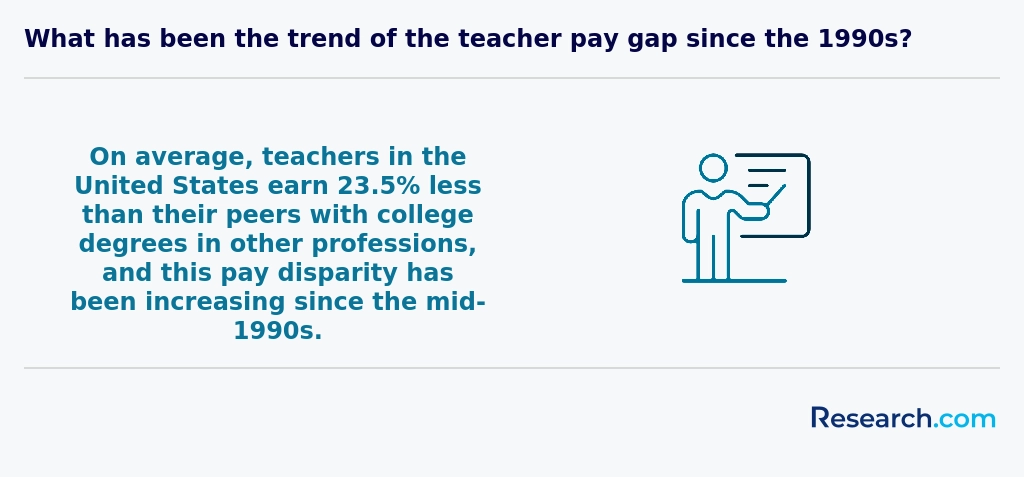
After completing your education degree, you must secure Pennsylvania teacher certification before entering the classroom:
- Confirm eligibility: graduate from an accredited program and clear a state background check
- Pass required exams: take the Praxis Core (or PAPA) plus Praxis Subject Assessments in your chosen specialization
- Fulfill student teaching: complete 12–16 weeks of supervised practicum under a certified mentor in Reading schools
- Apply through PDE: submit official transcripts, exam scores, and clearances via the Pennsylvania Department of Education portal
- Receive your certificate: select the appropriate certificate type (e.g., Elementary, Special Education) and pay the licensing fee
Maintain your certification by earning 180 hours of continuing education every five years. For perspective on potential earnings across disciplines, see our guide to college majors that make the most money.
If you're studying education in Reading, you're in luck-there's quite a bit of financial aid out there to help ease the cost. Many undergrads rely on Federal Pell Grants and FSEOG, which can put thousands toward tuition without needing to be paid back. One graduate from a well-known Reading college shared how these grants made focusing on studies, not bills, totally doable.
For folks sticking around for a master's or advanced education degree, federal loans like Direct Unsubsidized and Grad PLUS can fill the gap. These loans have government-set interest rates, so they're usually more manageable than private ones. Plus, payments usually don't start until after you graduate, giving you breathing room.
State support is big here, too. The Pennsylvania State Grant Program offers aid to residents enrolled in approved programs. Several students at Reading-area schools have told me this grant really helped put their degrees within reach.
And don't forget local scholarships offered by Berks County groups-they often reward community involvement and academic effort, which is a win-win. Many campuses also have work-study jobs or staff tuition discounts, which means you can earn while you learn and feel good about staying local.
Graduates of education degree programs in Reading, PA, must complete the teacher certification and licensure process to officially embark on their teaching careers. The certification journey typically involves passing state-required examinations, such as the Praxis assessments, and completing a background check administered by the Pennsylvania Department of Education. Prospective teachers should be prepared to provide evidence of their academic preparation, undergo professional development programs, and participate in supervised field experiences. Meeting these requirements not only validates a candidate’s readiness to teach but also enhances their standing in a competitive job market. Staying informed about certification standards and updates is crucial for long-term career success. Institutions in the area often offer workshops and advising services to guide students through the licensure process, ensuring compliance with state education regulations. Additionally, exploring options like the most affordable education programs in pennsylvania can help candidates manage both educational expenses and certification costs effectively, making it easier to transition seamlessly from student to certified educator.
If you're looking to enroll in an education degree in Reading, the basic must-have is a high school diploma or GED. Graduates from places like Albright College often mention how having that solid foundation made jumping into college classes way smoother. Your GPA usually matters too-most schools expect around a 2.5 to 3.0, which shows you're ready to tackle the coursework without too much stress.
Many students in Reading recall submitting SAT or ACT scores, though some programs now let you skip that part. It never hurts to check the latest from Alvernia University's website so you're not caught off guard. Volunteering or working in schools before enrolling can really set you apart. Graduates say their classroom observation hours helped them feel confident and familiar with real teaching vibes.
Also, you might need to finish some prep classes in English or math if those weren't covered in high school. It's all about building a strong, well-rounded base so you feel ready and excited to dive into education studies here in Reading.
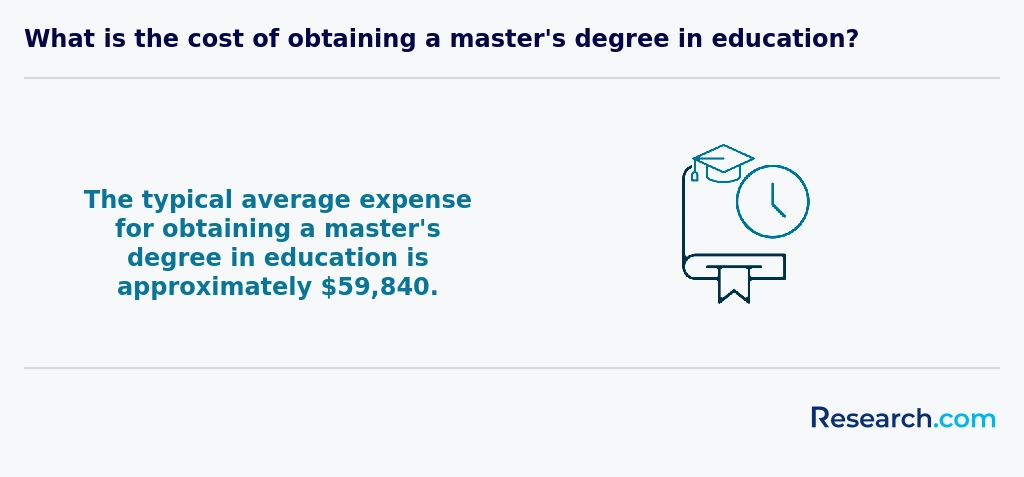
To teach in Reading, PA, graduates must secure Pennsylvania Department of Education (PDE) certification, a multi-step process that ensures readiness for the classroom. Below is a concise roadmap: 1. Academic Preparation • Complete an accredited Education degree program, including student teaching/practicum hours. • Consider accelerated pathways such as a 1 year masters in education for those seeking advanced credentials and streamlined certification. 2. Required Examinations • Praxis Core Academic Skills for Educators (Basic Skills): Reading, Writing, and Mathematics. • Praxis Subject Assessments: Specific to the subject and grade level you plan to teach (e.g., Elementary Education, Middle School English). • Test scores must meet or exceed PDE’s minimum benchmark; consult the PDE website for current cut scores. 3. Background Clearances and Documentation • Obtain Act 34 (Pennsylvania State Police) and Act 151 (Child Abuse History) clearances. • Secure FBI fingerprinting (Act 114) through PDE-approved vendors. • Submit official transcripts reflecting degree completion and any additional coursework. 4. Application Submission • Create a PDE e-Library account and complete the online application for Instructional II or Instructional I (initial) certificate. • Pay the application fee and upload test score reports, clearances, and degree credentials. • Monitor the application status via PDE’s e-Library dashboard. 5. Induction and Professional Development • Upon issuance, newly certified teachers enter an induction program, typically lasting two years, which includes mentoring and performance evaluations. • Maintain certification through ongoing professional development (Act 48), accumulating at least 180 hours of PDE-approved credit every five years. By understanding and following these steps, Education graduates in Reading, PA, can confidently navigate the certification process, ensuring compliance with state standards and readiness to embark on a successful teaching career.
If you're diving into an education degree in Reading, expect to tackle courses that really get you ready for the classroom and beyond. Graduates from popular spots like Albright College often mention how foundational classes on the history and philosophy of education helped them see the bigger picture of teaching today. You'll study child and adolescent development to better understand how students think and grow, which really clicked for many who loved connecting theory to everyday school life.
Alongside that, courses on classroom management show you how to create positive, productive spaces where kids feel safe to learn and be themselves. A lot of graduates say their favorite part was learning how to tailor lessons-known as differentiated instruction-so every student's needs are met, especially in diverse classrooms.
Plus, you'll get hands-on experience through student teaching placements in local Reading schools, which many found invaluable for turning all that coursework into real teaching skills. Educational technology classes also come up a lot, giving students tools to make lessons engaging with the latest tech. It's a solid mix of learning and doing that feels practical and exciting.
When you're looking at an education degree in Reading, you'll find several popular specializations that really help set you up for success. A lot of graduates from local universities choose Elementary Education because it's perfect for those who love working with younger kids-from kindergarten through fifth grade. They often share how rewarding it feels to help little ones build their first reading and math skills. Others go for Secondary Education, focusing on teaching middle and high school students in subjects like English or science, fitting perfectly if you've got a passion for a particular topic.
Another big draw around here is Special Education. Graduates often tell stories about making a real difference supporting students with special needs in Reading's public schools. If leadership sounds more your style, Educational Leadership prepares you for roles like principal or school district manager, mixing hands-on management skills with education know-how.
Many students exploring teaching certification programs Reading find it useful to check out options like a 1 year masters in education, which can boost their credentials fast while focusing on their chosen area.
When picking the best education degree programs in Reading, think about what really matters to you. Graduates from local universities often mention how important accreditation was-it's the stamp that makes your degree recognized everywhere, especially when aiming for certification in Pennsylvania. It also helps if the program offers specializations that fit your interests, like special education or educational leadership, so you feel excited and prepared for your future role.
Cost is another big deal. Many students share how finding affordable education degrees Reading UK options made a huge difference, especially with scholarships or financial aid. Popular colleges in Reading usually have solid ties to nearby schools, so you get hands-on experience that really boosts confidence during student teaching. Plus, flexible formats like online or hybrid classes make balancing work and study much easier.
If you're curious about saving money, check out the Cheapest Online Bachelor's in Education Degree Programs Ranking in Kansas to get some ideas on where affordability meets quality.
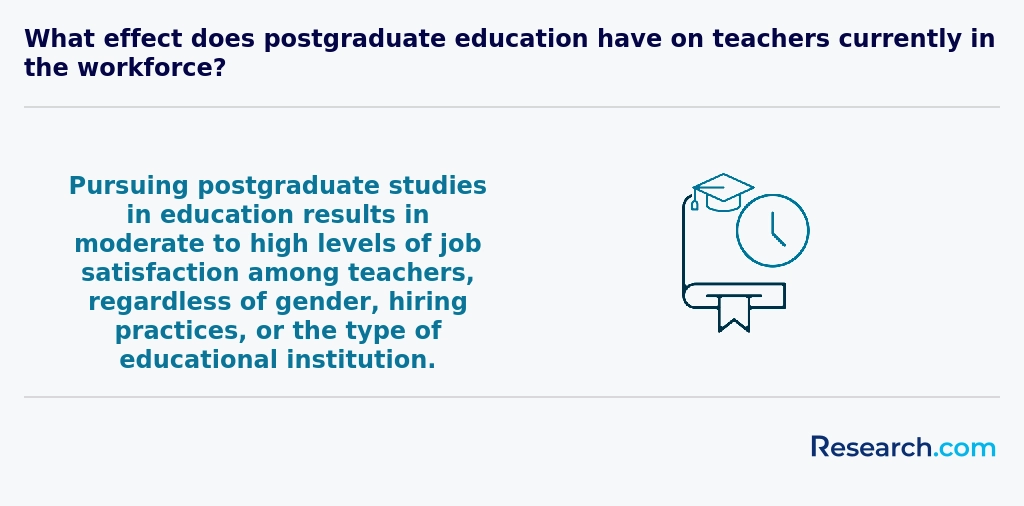
If you're thinking about an education degree careers in Reading, you've got plenty of paths to explore. Graduates from local schools like Alvernia University often jump right into teaching jobs, whether it's at an elementary, middle, or high school in the Reading area. The cool part? The demand for teachers is growing steadily, so job opportunities feel pretty solid.
Some grads find their passion working in special education, supporting students with unique learning needs. Others get excited about moving into school counseling or administration roles, where you help shape the school environment and guide students beyond just classrooms. These higher-level jobs usually mean extra certifications but also bigger paychecks.
Plus, education degrees here open doors outside teaching too. Graduates get involved with educational technology, creating new digital tools that make learning fun and interactive-especially since Reading's tucked close to Philly's tech scene. For those curious about research or policy, advanced degrees can lead to impactful roles improving education statewide.
If you want to start with something quick and accessible, check out the top 6 month associate degree online programs that can be a great stepping stone into these careers.
The job market for education degree job opportunities in Reading is looking solid, especially if you're aiming to teach in the local public or private schools. Many recent graduates from well-known colleges in the area share how their degree opened doors not just in elementary or middle schools, but also in specialized areas like special education and bilingual teaching. There's a real push for skills in STEM instruction too, which makes the career outlook for Reading 2027 pretty promising.
One graduate mentioned how the steady turnover in the Reading School District means plenty of openings all year long, boosted by retirements and district growth. Plus, Pennsylvania offers handy scholarships and loan forgiveness programs if you choose to work in high-need urban districts like Reading, making it easier financially to start teaching.
If you're concerned about tuition costs, many turn to open admission colleges online to get affordable education degrees. Salaries hover around $61,000, which stretches further here thanks to Reading's reasonable cost of living. All in all, it's a friendly market for new educators ready to make a difference.
2027 Best Education Degree Programs Ranking in Reading
Investing in your education is a significant decision that can profoundly impact your career and personal growth, and the Research.com team recognizes the importance of making well-informed choices. To support prospective students interested in Reading, we have carefully developed the "2027 Best Education Degree Programs Ranking in Reading." Our dedication to quality, credibility, and accuracy is evident through the thorough research and meticulous analysis behind this ranking.
We utilized the following reputable data sources to ensure a comprehensive evaluation of education degree programs:
By reviewing this ranking, readers will gain valuable insights to identify top education degree programs in Reading, empowering them to choose programs that align with their goals. For a more detailed explanation of our process, please visit our Research.com methodology page.
# 1 position
Pennsylvania State University-Penn State Berks
Bachelor of Science in Early Childhood Education


Frequently Asked Questions About education
Education degree students in Reading can maximize their learning experience by engaging actively in both theoretical and practical components of their programs. Research from the National Center for Education Statistics shows that hands-on experiences, such as student teaching and internships, significantly improve knowledge retention and career readiness. In Reading, students benefit from partnerships between local schools and universities, providing diverse classroom environments for practice.
Utilizing campus resources like tutoring centers, academic advising, and study groups enhances understanding and skill development. Attending education workshops or seminars in the area also helps students stay current with teaching trends. Additionally, networking with local educators and joining professional organizations supports professional growth and job placement after graduation.
The education field is evolving with new niches gaining importance, especially relevant for students in Reading seeking education degrees. One emerging area is educational technology, focusing on integrating digital tools into classrooms to enhance learning experiences. According to the National Center for Education Statistics, the use of technology in schools has grown by over 40% in the last decade.
Another niche is special education, where professionals focus on personalized approaches for students with disabilities. Demand for special education teachers is projected to grow faster than average, reflecting the increasing awareness of inclusive practices.
Additionally, STEM education specialists are in demand, driven by the country's push to improve science, technology, engineering, and math skills among younger students.
Graduates with an education degree in Reading should focus on developing practical skills to improve employability. According to the U.S. Bureau of Labor Statistics, teaching roles in Pennsylvania, including Reading, are expected to grow by 5% from 2022 to 2032, indicating consistent demand. Gaining hands-on experience through student teaching internships is essential. These placements, often required by Pennsylvania's Department of Education, allow students to build classroom management and lesson planning skills.
Networking with local school districts in Reading can open doors to job opportunities. Additionally, obtaining state teaching certification boosts a graduate's competitiveness. Many education programs in Reading partner with local schools, facilitating smoother transition into the workforce.
Employers seeking education degree graduates in Reading prioritize a blend of practical and interpersonal skills. According to the National Center for Education Statistics, effective communication is essential, as teachers must clearly convey information to students, parents, and colleagues.
Classroom management abilities are also highly valued, helping to maintain a productive learning environment. Furthermore, critical thinking and problem-solving skills enable educators to adapt lessons to diverse student needs. Familiarity with educational technology is increasingly important, given the rise of digital learning tools in schools.
Local reports from the Reading School District underscore the demand for adaptability and cultural competency, reflecting Reading's diverse student population. These combined skills improve student engagement and overall academic success.
Finding internships in Reading relevant to an education degree involves several practical steps. Start by connecting with local school districts such as the Reading School District, which often partners with universities to provide field experience opportunities for education students. These internships allow you to engage in classroom teaching and gain hands-on experience.
Additionally, universities in Pennsylvania, including nearby institutions, typically offer listings for education internships on their career services portals. According to the Bureau of Labor Statistics, internships improve employment chances by 65%, stressing their importance for education majors.
Networking with local educators and attending education-related events in Reading can also uncover hidden internship opportunities. Remember to check online internship directories focused on Pennsylvania for updated listings.
An education degree significantly enhances career mobility and advancement opportunities in Reading. According to the U.S. Bureau of Labor Statistics, professionals with degrees in education experience a 9% faster job growth rate than those without. In Reading, educators holding bachelor's or master's degrees are more likely to secure leadership roles such as department heads or curriculum coordinators in local school districts.
Schools in Berks County often prioritize candidates with formal education credentials, reflecting a wider national trend. Advanced degrees can result in salary increases; for example, Reading School District reports that master's degree holders earn approximately 15% more on average than those with only a bachelor's degree.
Moreover, continuing education supports career flexibility, enabling educators to transition into administrative or specialized instructional roles within schools or educational organizations in the area.
Studying for an education degree in Reading equips students with skills that extend beyond traditional teaching roles. Programs typically emphasize interdisciplinary approaches, integrating knowledge from psychology, sociology, and technology. This prepares graduates to work collaboratively across various fields, such as curriculum design, educational technology, and community outreach.
According to the U.S. Department of Education, graduates with interdisciplinary training are 25% more likely to adapt to diverse educational settings. Local institutions in Reading often partner with health and social services, offering practical experiences that strengthen this preparation.
Such degrees cultivate critical thinking and problem-solving abilities necessary for addressing complex educational challenges today.
Choosing between a thesis and a non-thesis education degree program in Reading depends largely on your career goals and learning preferences. Thesis programs typically require original research and a formal dissertation, which is ideal for students aiming for academic or research-oriented careers. Non-thesis programs often focus on practical coursework and may include a capstone project or comprehensive exams, making them suitable for those pursuing administrative or teaching roles.
In Reading, data from the National Center for Education Statistics shows that approximately 40% of education graduates opt for thesis programs, reflecting strong interest in research careers. Consider your time commitment and interest in scholarly work when deciding.
Students based in Reading who wish to study education abroad have several options within the US higher education system. Many American universities offer exchange programs and joint degrees that allow students to gain international experience while earning credits toward their education degree. These programs often include opportunities to study teaching methods and educational systems in diverse cultural contexts.
Additionally, some institutions provide online education degrees with international components, enabling students from Reading to access global coursework remotely. According to the Institute of International Education, over 350,000 US students studied abroad in 2022, with education being a popular major for such experiences.
To find suitable programs, students can consult campus international offices or study abroad advisors, who provide tailored guidance based on degree requirements and career goals.
Students pursuing education degrees in Reading have several part-time job options that complement their academic training. Working as teacher aides in local elementary and secondary schools provides valuable hands-on experience. These roles help develop classroom management and lesson planning skills while connecting theory to practice.
Another common opportunity is tutoring younger students, particularly in literacy and math, which reinforces the tutor's subject knowledge and communication abilities. According to the Reading School District's employment reports, over 30% of education students engage in tutoring or classroom assistance roles.
Additionally, positions in after-school programs or early childhood centers offer practical insight into child development and educational strategies. These part-time jobs build relevant skills for future certified teaching positions and enhance resumes.
Education students in Reading have multiple networking opportunities to enhance their academic and professional growth. Local universities often host education-focused workshops and guest lectures, enabling students to connect with experienced teachers and education leaders. According to the National Center for Education Statistics, over 60% of education graduates find employment through networking during their studies.
The Reading Teachers Association regularly organizes events and conferences where students can meet and collaborate with active educators in the region. Additionally, internships and student-teaching placements in nearby schools provide hands-on experience and build valuable contacts.
Statewide education forums and online communities also support networking by sharing resources and job openings, helping students stay informed and connected with peers and mentors.
Alumni networks provide substantial benefits to education degree students in Reading by offering valuable connections within the teaching community. Graduates often share job openings, mentorship, and professional advice, which helps current students navigate the competitive education sector more effectively.
Research from the National Center for Education Statistics highlights that students with access to strong alumni networks have a 30% higher employment rate within their first year after graduation. In Reading, local alumni groups frequently collaborate with schools, enhancing internship and practicum opportunities for education students.
These networks also provide ongoing professional development through workshops and seminars, supporting lifelong learning. For education degree candidates, this access can be crucial in advancing certification and specialized skills necessary for career growth in teaching roles throughout the US.
Customizing your education degree in Reading allows you to align your studies with specific career goals. Many local institutions offer various specializations such as early childhood education, special education, or educational leadership. By selecting electives and practicum opportunities strategically, you can develop expertise relevant to your desired role.
Reading's education programs often provide options for certifications or endorsements alongside the degree, which can enhance job prospects. For instance, obtaining a literacy specialist or ESL endorsement is possible while completing your primary coursework.
Engaging in internships or field experiences within the Reading public school system also helps tailor your skills and network locally. The National Center for Education Statistics reports that practical experience significantly boosts employment rates after graduation, particularly in education.
Education students in Reading often encounter several challenges during their degree programs. One major issue is balancing demanding coursework with field placements, as practical experience is essential but time-consuming. This can affect students' work-life balance and stress levels. According to data from the National Center for Education Statistics, about 45% of education majors nationwide report difficulty managing coursework alongside internships, a trend likely relevant in Reading.
Additionally, many students face financial pressures, especially since education programs often require additional certification fees and resources. Limited local resources for tutoring or mentoring specific to teaching students may also hinder academic performance.
Language diversity in Reading's schools presents a challenge for future teachers, necessitating strong preparation in ESL strategies. Finally, adapting to evolving educational technologies demands continuous learning and flexibility from education students.
With an education degree in Reading, graduates can pursue several professional certifications to advance their careers in the US education system. Among the most common is the state-issued teaching certification, essential for working as a licensed teacher in public schools. In Pennsylvania, where Reading is located, this involves meeting specific requirements set by the Pennsylvania Department of Education, including passing assessments like the Praxis tests.
Other valuable certifications include the Reading Specialist certification, which prepares educators to support literacy development. This is particularly relevant in districts in and around Reading, where literacy programs are a priority according to local education reports. Additionally, certifications in Special Education, English as a Second Language (ESL), and Educational Leadership offer further career pathways.
Aspiring school counselors or administrators can also pursue certifications in guidance counseling or principalship, which often require a master's degree and additional exams. Such credentials enhance job prospects in Reading's growing educational institutions, as reported by regional workforce data.
Writing a winning application for an education program in Reading requires careful attention to detail and clear communication of your goals. Start by thoroughly researching programs offered in Reading, such as those at Reading Area Community College or nearby universities, to understand their specific requirements and focus areas.
Admissions committees often value a strong statement of purpose that highlights your passion for education and any relevant experience. Support your application with well-documented academic records and letters of recommendation from educators or employers familiar with your skills.
Additionally, standardized test scores, like the GRE if required, should meet or exceed program averages to increase competitiveness. According to the National Center for Education Statistics, about 65% of education applicants in Pennsylvania submit GRE scores, with successful candidates typically scoring above the 50th percentile.
Education careers are increasingly viewed through a global lens, emphasizing cultural awareness and adaptability. In the United States, including Reading, educators are encouraged to understand diverse learning styles influenced by worldwide trends. According to the National Center for Education Statistics, U.S. schools continuously integrate global perspectives to prepare students for interconnected societies.
For prospective educators in Reading, recognizing international teaching methods and educational policies is crucial. Exposure to comparative education studies can enhance classroom effectiveness and career mobility.
Professionals with a strong global outlook in education often find expanded opportunities, especially as schools aim to meet international standards and promote inclusivity within diverse communities.
Gaining practical experience while studying for an education degree in Reading is essential for career readiness. Many universities and colleges in the area collaborate with local schools to offer field placements and student teaching opportunities. For instance, student teachers typically complete 12 to 16 weeks in partner schools, applying pedagogical theory in real classrooms.
Additionally, internships and volunteer programs are available through the Reading School District, allowing students to engage with diverse student populations. According to the National Center for Education Statistics, nearly 85% of education majors nationwide participate in such hands-on experiences before graduation, which enhances job prospects.
Workshops and seminars focusing on classroom management and inclusive education often complement practical training, providing a well-rounded experience crucial for future educators.
Choosing the right concentration within an education degree program in Reading involves several key considerations. First, identify your career goals, whether it's teaching at the elementary level, special education, or educational administration. Each focus area prepares you for distinct roles in schools or education-related organizations.
Next, research local demand. According to the Pennsylvania Department of Education, Reading and Berks County show growing needs in early childhood and special education teachers. Programs aligned with state certification requirements can better position you for employment.
Additionally, evaluate program offerings at Reading-area institutions, such as Albright College and Alvernia University, which provide concentrations linked to state teaching licenses. Look for accreditation to ensure quality and eligibility for financial aid.
Finally, consider practical components like student teaching opportunities and partnerships with local school districts to gain valuable experience during your studies.
- 2027 Best Education Degree Programs Ranking in Chester
- 2027 Best Education Degree Programs Ranking in Immaculata
- 2027 Best Education Degree Programs Ranking in West Chester
- 2027 Best Education Degree Programs Ranking in Bethlehem
- 2027 Best Education Degree Programs Ranking in Gwynedd Valley
- 2027 Best Education Degree Programs Ranking in Doylestown
- 2027 Best Education Degree Programs Ranking in Glenside
- 2027 Best Education Degree Programs Ranking in Newark
- 2027 Best Education Degree Programs Ranking in Philadelphia
- 2027 Best Education Degree Programs Ranking in New Castle
See What Experts Have To Say About Studying Education
Read our interview with Education experts

Nooshan Ashtari
Education Expert
Professor & Book Author
University of Southern California

Alan J. Singer
Education Expert
Professor of Teaching, Learning and Technology
Hofstra University

- Fees and how to pay - Reading College https://reading.activatelearning.ac.uk/college-life/supporting-you/fees-and-how-to-pay/
- How to Choose a Concentration for Your Master of Education 3 Questions to Consider https://www.aiuniv.edu/degrees/education/articles/how-to-choose-an-education-specialization
- Bachelor of Education Degree (Here's What To Expect) https://www.alleducationschools.com/teaching-degrees/bachelors-in-education/
- Navigating Challenges In Education, Learning & Development - those who can https://www.thosewhocan.org/navigating-challenges-in-education-learning-and-development/
- How to Write a Great Letter of Intent for a Teaching Job | Zen Educate https://www.zeneducate.com/us/resources/becoming-a-teacher/how-to-write-letter-of-intent-teaching-job/
- Fees and Intakes https://www.reading.edu.my/admissions/fees
- Which Science of Reading Training Should I Take? - Campbell Creates Readers https://www.campbellcreatesreaders.com/blog/sortrainings
- Networking Tips and Advice for Students https://schoolshouldbe.com/post/networking-tips-and-advice-for-students/
- Sources of Financial Aid | Reading Hospital School of Health Sciences https://reading.towerhealth.org/financial-information/financial-aid/sources-of-financial-aid/
- Reading Specialist Jobs and Salary Outlook | CUNE https://www.cune.edu/news/reading-specialist-jobs-salary


