
2027 Best Education Degree Programs Ranking in Newark

Co-Founder and Chief Data Scientist
Choosing the right education degree program is a big step for your future, especially in Newark's vibrant learning community. This article introduces the 2027 Best Education Degree Programs Ranking in Newark, carefully crafted by the Research.com team of data scientists to help you navigate your options with confidence.
By exploring this ranking, you'll discover programs that truly stand out in quality and value. Earning an education degree can open doors to meaningful careers and personal growth. Dive in to make an informed choice that suits your goals and passions.
Key benefits of getting education degree in Newark
- Education degree graduates in Newark can earn competitive salaries, such as Elementary School Teachers making around $70,740 and Special Education Teachers earning about $76,000 annually, offering financial stability and rewarding career options.
- Graduates from Newark's popular universities often pursue diverse careers like Instructional Designers, Early Childhood Educators, or ESL Teachers, giving them flexible paths to match their passions and skills.
- Obtaining an education degree online from Newark institutions allows for greater schedule flexibility and accessibility, enabling students to balance work and study effectively while still advancing their careers.
- 2027 Best Education Degree Programs Ranking in Newark
- What can I expect from education degree in Newark?
- Where can I work with education degree in Newark?
What can I expect from education degree in Newark?
The average cost of earning an education degree in Newark typically ranges between $10,000 and $25,000 per year for in-state students, depending on the institution and program level. For example, graduates from Rutgers University-Newark often share how the investment was worthwhile, highlighting the combination of affordable tuition and valuable hands-on student teaching experiences in urban classrooms. These practical placements help build confidence and real-world skills while managing costs effectively.
Many students find that financial aid and scholarships, specifically targeted at Newark residents pursuing education, significantly ease the burden. Those attending community colleges before transferring also report feeling relieved by lower initial costs without sacrificing quality.
Overall, the financial commitment aligns with the strong job placement rates reported by Newark's institutions, making the experience feel like a smart, achievable step toward a meaningful career in education. Graduates emphasize that the balance of cost, community involvement, and skill-building cannot be overstated in preparing for success in Newark's diverse schools.
Where can I work with education degree in Newark?
Graduates with an education degree in Newark often find rewarding roles within the Newark Public Schools system, which is the city's largest employer of education professionals. Many alumni from Rutgers University-Newark and Essex County College have landed jobs teaching special education or STEM subjects, reflecting the high demand for these skills in local schools. This makes it practical to focus your studies on these in-demand areas to enhance your employability.
Beyond classroom teaching, education degree holders frequently work as curriculum developers or instructional coaches, helping to improve teaching practices across schools. For instance, graduates have shared how their roles designing educational programs gave them a sense of meaningful impact and career growth within the Newark school system.
Additionally, some graduates pursue positions in higher education or community organizations, such as adult literacy programs or youth services, gaining valuable experience while supporting Newark's diverse community. These opportunities often require a willingness to engage with local nonprofits or government agencies, which can be deeply fulfilling careers.
Private and charter schools also offer dynamic teaching opportunities. Graduates mention the excitement of contributing innovative teaching methods in these settings, which are growing rapidly and value passionate educators prepared to foster student achievement.
Graduates with an education degree in Newark can expect a range of salary outcomes tailored to their chosen path. Elementary school teachers earn a mean annual wage of about $70,740, reflecting stable opportunities in Newark's urban schools. Special education teachers often see a boost, with salaries around $76,000, which attracts many graduates focused on making a meaningful impact in inclusive classrooms.
For those interested in language education, English as a Second Language (ESL) teachers in Newark earn an average of $65,430 annually, a solid choice given the city's diverse population. Early childhood educators start somewhat lower, averaging $41,410 per year, but gain valuable experience in community programs and preschools linked with local colleges.
Instructional designers, a growing career for education graduates exploring corporate or tech training fields, can make approximately $77,200 annually. Newark students from institutions known for practical training often share stories of quickly landing roles that leverage this expertise.
Graduates often find that combining their degrees with certifications or advanced studies enhances earning potential, supported by Newark's educational networks and union structures that reward experience and specialization.
- Undergraduate tuition at public universities in Newark ranges from $12,000 to $15,000 per year, while private institutions charge between $25,000 and $40,000 annually.
- Additional costs such as textbooks, supplies, and living expenses should be included in financial planning.
- The teaching job market in Newark is expected to grow by about 5% over the next decade, with steady demand for licensed teachers.
- Starting salaries for education graduates typically range from $50,000 to $58,000 per year, increasing to $70,000 to $85,000 with experience and specialization.
- Certification in New Jersey requires passing standardized tests and completing supervised student teaching before licensure.
- Continuing education and professional development are necessary to maintain certification and advance careers.
An education degree in Newark generally takes two to four years to complete, depending on the level you pursue. Graduates from Rutgers University-Newark, for example, often report that earning a bachelor's degree in education requires about four years of full-time study. This allows them sufficient time to balance rigorous coursework with valuable classroom experience.
Those aiming for an associate degree at local community colleges typically finish in around two years. Many find this pathway an encouraging start, as it builds essential teaching skills and can lead smoothly into a bachelor's program.
Master's degree seekers in Newark often spend one to two years full-time, with part-time and online options extending study time flexibly around personal commitments. Graduates express satisfaction in gaining specialized expertise that opens doors to leadership roles or niche educational fields.
Choosing full-time study in-person at established institutions in Newark supports quicker completion, while part-time or hybrid formats help balance work and life commitments. Practical student teaching, required for licensure, may add time but offers rewarding real-world teaching experience, fueling students' motivation and confidence.
For students looking to pursue an education degree in Newark, DE, without accumulating significant debt, exploring the most affordable options is crucial. One of the key considerations is the cost of tuition, which can vary widely among institutions. Prospective students can check out the cheapest education programs in Delaware to find programs that fit their budget. Many institutions in Newark, such as the University of Delaware and Wilmington University, offer competitive pricing for their education programs, making higher education more accessible. Additionally, students can leverage financial aid, scholarships, and grants to further reduce their educational expenses. By opting for affordable education options, students can focus on their studies and career goals without the burden of excessive debt, ultimately enhancing their overall educational experience and future prospects.
Choosing between an online and on-campus education degree in Newark means weighing how you want to experience learning. On-campus students at Rutgers University-Newark often share how engaging face-to-face discussions and hands-on projects create a supportive community. They enjoy direct access to campus resources like libraries and technology labs, which makes tackling assignments and group work easier and more interactive. This setup suits those who thrive in structured environments and value personal connections with professors and classmates.
In contrast, online programs offer flexibility crucial for working professionals or those with busy schedules. Newark graduates choosing online degrees appreciate being able to access lectures and submit assignments on their own time without commuting. Hybrid options from local colleges allow combining occasional in-person sessions with digital classes, helping balance interaction and convenience. However, succeeding online requires strong self-discipline and time management to stay on track.
Financially, online degrees can be more budget-friendly, with lower tuition compared to the average $14,000 yearly for in-state students at public institutions. Consider technology costs and exam fees, but overall, both paths in Newark lead to accredited degrees tailored to different lifestyles and career goals.
For prospective Education degree students in Newark, DE, minimizing expenses is crucial. Start by exploring in-state tuition benefits and community college pathways. Dual enrollment or transfer agreements between Delaware Technical Community College and the University of Delaware can significantly reduce per-credit costs, while CLEP exams allow you to test out of general education requirements. Many institutions also offer installment payment plans, early-bird billing discounts and employer tuition reimbursement programs. For those open to online learning, out-of-state programs sometimes deliver greater affordability without sacrificing quality. For example, our Most Affordable Online Education Degree Programs Ranking in Virginia highlights Virginia-based online degrees with total costs up to 40% lower than traditional on-campus options. Finally, actively pursue merit-based scholarships-such as Delaware’s SEED scholarship or private foundation awards-and maximize federal aid through Pell Grants and TEACH Grants. By combining these cost-saving strategies, students can substantially reduce debt while earning a respected Education degree.
The average cost of an education degree in Newark varies by residency status and institution type, but typically, in-state students can expect a median total tuition and fees around $16,810. This figure reflects a practical expense for many families, especially compared to out-of-state or private institution costs, which can significantly exceed this amount. Graduates from Newark's public universities often share how managing tuition alongside living expenses was challenging but rewarding, thanks to accessible financial aid and scholarship programs tailored for education students.
Many students beginning their education journey at Newark's community colleges enjoy lower tuition costs, making this an affordable option before transferring to a four-year program. When budgeting, students also factor in costs for textbooks, supplies for hands-on teaching experiences, and everyday living expenses, which together contribute to the total investment needed to complete the degree.
To effectively plan around the average cost of education degree in Newark, prospective students should research all funding options. Grants and scholarships available through local authorities often reduce the final expense substantially, allowing learners to focus fully on their training. Newark students also benefit from tools like online education degree rankings to explore programs that offer both quality and affordability, enhancing their educational experience while staying within budget.

Accreditation is a critical factor when choosing an education degree program in Newark, DE, as it ensures that your coursework meets rigorous quality standards set by recognized bodies. The Council for the Accreditation of Educator Preparation (CAEP) and the National Council for Accreditation of Teacher Education (NCATE) are among the leading organizations that evaluate teacher preparation programs nationwide. In Delaware, the Department of Education (DEDOE) also reviews and approves programs to align with state licensure requirements, ensuring graduates are eligible for certification upon completion. Teacher licensure in Delaware typically requires successful completion of a state-approved education program, a minimum GPA (often 2.75 or higher), and passing scores on the Praxis exams. The Praxis Core Academic Skills for Educators assesses basic reading, writing, and mathematics, while Praxis subject assessments test content knowledge in areas such as Early Childhood Education, Elementary Education, or Special Education. Many Newark institutions publish their program completion and Praxis pass rates, offering transparency that helps prospective students gauge their likelihood of certification success. After fulfilling program and exam requirements, graduates must submit an application to the Delaware Department of Education, including official transcripts, test score reports, and background check clearance. Initial teaching certificates are typically valid for five years, during which educators must complete professional development hours and may pursue advanced credentials-such as the Delaware Advanced Certification in Educational Leadership-to maintain and enhance their licensure. Cost-conscious students seeking accredited online options may also want to compare tuition rates across states. For a broader perspective on affordability, explore the Most Affordable Online Education Degree Programs Ranking in Virginia, which highlights wallet-friendly, accredited programs that meet CAEP and state requirements.
Education students at Newark's well-known institutions often benefit from diverse financial aid that makes pursuing their degree more manageable. Many undergraduates rely on federal Pell Grants, which can cover up to $7,395 annually, significantly easing tuition costs at local colleges. For example, a graduate from Rutgers-Newark recalls how the Pell Grant allowed them to focus more on studies than on financial stress.
Beyond federal aid, New Jersey's Educational Opportunity Fund (EOF) offers support tailored for students facing economic challenges, providing both funds and academic counseling. Newark institutions also grant merit scholarships through partnerships with organizations like the New Jersey Education Association, rewarding academic excellence and dedication to serving underserved communities.
Federal student loans with low interest rates are common, and loan forgiveness programs like Teacher Loan Forgiveness motivate graduates who commit to teaching in Newark's low-income schools. Finally, many students bank on work-study jobs within campus facilities, gaining practical experience while offsetting living expenses, a strategy praised by recent alumni from Essex County College.
Navigating the certification process is a critical step for Education degree graduates in Newark, DE, to become licensed teachers in public schools. Delaware’s licensure pathway ensures candidates meet state standards for classroom readiness and student safety. Delaware Initial Teacher Certification Requirements:
- Earn a bachelor’s degree from a CAEP-accredited institution with a major in Education or a state-approved educator preparation program.
- Complete student teaching or practicum hours under the supervision of a certified mentor teacher.
- Pass the Praxis Core Academic Skills assessments (Reading, Writing, Mathematics) and the Praxis II content test relevant to your endorsement area.
- Submit to a state and federal background check and fingerprinting, as mandated by the Delaware Department of Education. Application and Renewal Process: 1. Create an account on the Delaware Department of Education’s eLicense portal. 2. Upload official transcripts, Praxis scores, and supervisor evaluations. 3. Pay the non-refundable application fee and await approval (typically 6–8 weeks). 4. Maintain a valid teaching certificate by completing 120 professional development hours every five years, including workshops on student diversity, instructional technology, and classroom management. Alternative and Accelerated Pathways:
- Out-of-state teachers with valid certification may apply for reciprocity; additional coursework in Delaware law and ethics may be required.
- Career changers can pursue an accelerated alternate route certification program, combining online coursework with district-based mentoring.
- Prospective teachers seeking flexible program options can compare costs and features through our Most Affordable Online Education Degree Programs Ranking in Virginia for insights into budget-friendly online training. By understanding Delaware’s certification framework, aspiring educators can strategically plan their coursework, testing timeline, and professional development to launch a successful teaching career in Newark, DE.
To enroll in an education degree program in Newark, start by securing a high school diploma or GED, a foundation all Newark colleges require. Graduates from local campuses recall that submitting official transcripts showcasing strengths in English, math, and social studies was crucial, as these subjects build strong communication and analytical skills essential for education careers.
Many Newark institutions ask for standardized test scores like the SAT or ACT, though some have adopted test-optional policies, easing the process for certain applicants. Personal statements explaining your passion for teaching often make a positive impression; as one recent graduate shared, "Writing honestly about why I wanted to teach helped me feel connected to the admissions team."
Letters of recommendation from mentors who know your character and abilities are commonly needed. Background checks are mandatory in Newark due to working with children, ensuring safety and trust. Finally, some programs require prerequisite courses such as psychology, so reviewing your chosen college's specific guidelines is key for smooth enrollment.

Graduates holding an Education degree in Newark, DE, must secure state certification from the Delaware Department of Education (DDOE) before entering the classroom. The process ensures that educators meet rigorous standards of subject matter knowledge and professional practice, ultimately safeguarding student learning outcomes. Below are the key steps to achieving initial licensure in Delaware: 1. Complete an Approved Educator Preparation Program Prospective teachers must graduate from a DDOE-approved program-such as those offered by the University of Delaware or Wilmington University-that aligns with national accreditation standards (e.g., CAEP). Completion is verified via an official transcript and program verification form submitted to the DDOE. 2. Pass Required Praxis Examinations • Praxis Core Academic Skills for Educators: Assesses fundamental reading, writing, and mathematics skills. • Praxis II Subject Assessments: Measures content knowledge specific to the candidate’s intended teaching field (e.g., Elementary Education, Secondary Mathematics). 3. Submit the Initial Teaching License (ITL) Application After passing the required tests, candidates complete the ITL application online through DDOE’s DELSIS portal. Applicants must upload: • Official transcripts • Praxis score reports • Fingerprinting and background check clearance • Application fee (currently $50) 4. Engage in Mentorship and Professional Development During the first three years of teaching, Delaware requires participation in a mentoring program and periodic professional development workshops. This support system helps new educators refine classroom management techniques, integrate instructional technologies, and meet performance benchmarks for the Professional Teaching Certificate (PTC). 5. Maintain and Renew Certification To renew the ITL and advance to the PTC, teachers must complete 90 hours of approved continuing education every five years or obtain a Delaware-approved master’s degree in education. Renewals are submitted online, with a nominal renewal fee. For graduates exploring alternative career avenues beyond classroom instruction-such as curriculum design, educational consulting, or corporate training-our guide to jobs for people with education degree provides valuable insights into licensure-flexible pathways and emerging roles in the education sector.
Education degree programs in Newark typically include a variety of foundational courses designed to prepare you for effective teaching. Graduates often recall how courses like Foundations of Education helped them understand the historical and sociocultural contexts of schooling, making classroom challenges easier to navigate. In Newark's well-regarded institutions, students also dive into Child Development and Adolescent Psychology to recognize and respond to different learning stages and emotional needs of their future students.
Courses such as Curriculum Design and Instructional Strategies are praised by graduates for offering practical methods to create engaging lesson plans that resonate with diverse classrooms. Students appreciate hands-on learning in Classroom Management, where they develop skills to foster safe and productive environments, essential for Newark's urban school settings.
Many students highlight the value of Educational Assessment and Evaluation, which trains them to use data effectively to improve teaching outcomes. Those who completed Special Education and Technology Integration in Education courses feel confident accommodating all learners and enhancing lessons with digital tools.
Student teachers at Newark universities often reflect on practicum experiences within local public schools as transformative, connecting theory with real-world teaching challenges.
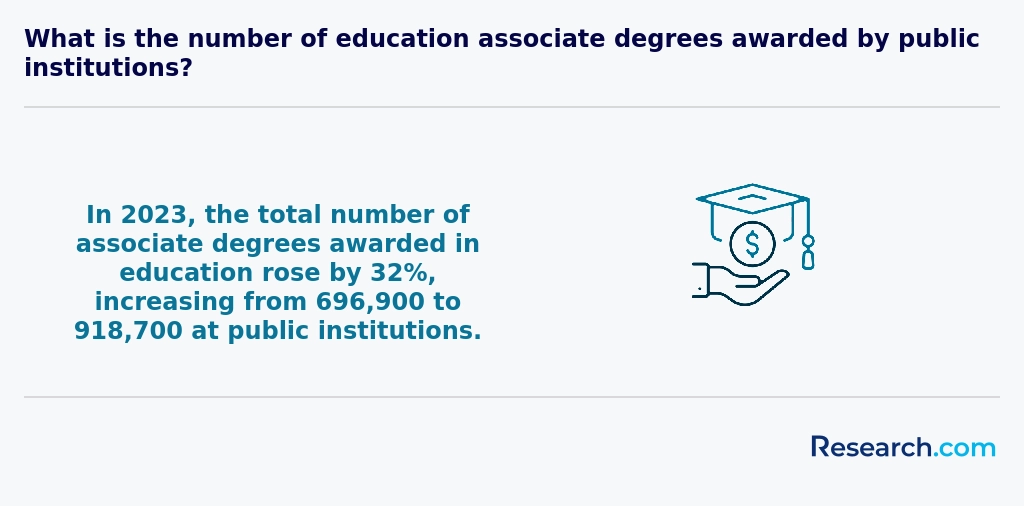
Education degrees in Newark typically offer specializations that directly address local needs and student career goals. Popular tracks include Early Childhood Education, preparing graduates to teach children from birth to third grade, which is highly valued by Newark Public Schools focusing on early education outcomes. Graduates often describe their practicum experiences in Newark-area preschools as rewarding and essential for building confidence.
Elementary Education is another common specialization, targeting grades 1 through 6. With Newark's large student population, graduates frequently share how their teacher training programs Newark New Jersey gave them practical skills in core subjects like math and reading, helping them step confidently into classrooms.
Secondary Education focuses on teaching middle and high school students, often with subject-specific preparation. Special Education is also critical, equipping educators to support students with diverse learning needs through hands-on practicum placements in local schools.
Additional options like English as a Second Language and Educational Leadership help meet Newark's multicultural and administrative demands. Many students appreciate flexible options like accelerated bachelor's courses to advance their careers efficiently.
When choosing the best education degree programs Newark offers, start by confirming the program's accreditation to ensure your degree holds value with employers and licensing boards. Graduates from Rutgers University-Newark often share how program accreditation boosted their confidence in job applications. Next, focus on what specialization fits your passion-whether it's special education, urban teaching, or educational leadership. Many find that programs emphasizing culturally responsive teaching resonate deeply with those aiming to work in diverse Newark classrooms.
Cost is a practical concern; many look for affordable teaching degrees in Newark, which often come with financial aid options from local colleges, making quality education accessible. Hands-on field experience is essential, so prioritize schools partnering with Newark Public Schools for student teaching placements, as graduates repeatedly highlight this as key to real-world readiness.
Also consider program flexibility, especially if balancing work, with some institutions offering evening and online classes. For a broader perspective on teacher training pathways, explore nevada teacher preparation programs, which provide useful insights transferable to Newark's environment.

Graduates with an education degree in Newark have access to a wide range of career paths tailored to their strengths and aspirations. Many pursue teaching roles within Newark's public and private schools, where there is a consistent demand for skilled educators in subjects like math and special education. These positions allow graduates to directly influence student success and experience daily fulfillment from their impact in the classroom.
Beyond classroom roles, education degree jobs in Newark also include positions such as school counselors, who assist students with academic challenges and emotional well-being, and educational administrators, who lead schools or develop district-wide programs. Curriculum developers and adult education instructors provide other meaningful career options, designing learning experiences or supporting lifelong learners. Graduates from popular Newark institutions often share how hands-on internships within local schools prepared them for these diverse roles.
To expand career opportunities, many consider advanced qualifications, including pursuing an affordable online master's in early childhood education. This flexibility helps balance work and study while opening doors to specialized fields and higher salaries, making the career journey more rewarding.
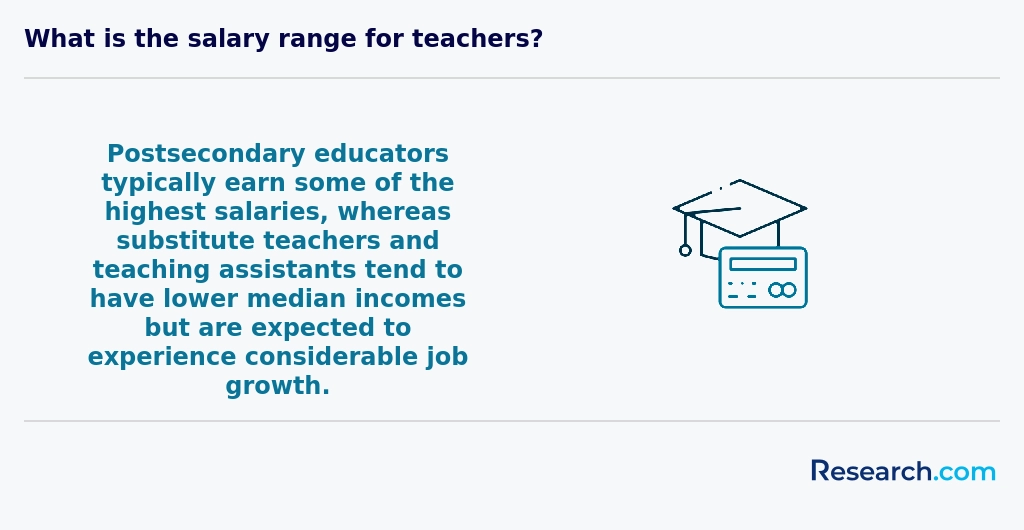
The job market for education degree graduates in Newark presents solid opportunities, especially within Newark Public Schools and nearby districts. Graduates often find roles as classroom teachers, administrative coordinators, or counselors. Due to Newark's diverse community, demand is strong for educators in special education, STEM, and bilingual teaching fields. Many graduates from local colleges describe their experiences with hands-on training in urban classrooms as invaluable, making them confident and market-ready.
Salary prospects for education degree job opportunities in Newark start around $50,000 to $60,000 and increase with experience and advanced degrees. This aligns well with regional standards and reflects growth potential, encouraging graduates to pursue continuing education. The city's investments in education reforms add to the positive outlook, supporting career advancement for credentialed educators.
For those still exploring options, exploring teaching degrees online campus visits can provide insights into programs that balance quality and convenience. This approach helps meet certification requirements efficiently while preparing for rewarding careers in Newark's educational sector.
2027 Best Education Degree Programs Ranking in Newark
Investing in your education is a significant decision that can shape your future, and the Research.com team understands the importance of making informed choices. To assist prospective students in Newark, we have meticulously crafted the "2027 Best Education Degree Programs Ranking in Newark." Our commitment to quality, credibility, and accuracy is reflected in the extensive research and analysis conducted to compile this ranking.
We utilized the following reputable data sources to ensure a comprehensive evaluation of education programs:
By exploring this ranking, readers will gain valuable insights into the best education degree programs available in Newark, helping them make informed decisions about their educational paths. For more details on our methodology, please visit our Research.com methodology page.

Frequently Asked Questions About education
Education degree students in Newark can maximize their learning experience by engaging actively with local schools through practicum placements and internships. Newark's diverse school district offers real-world teaching opportunities, allowing students to apply theory in varied classroom settings. According to the New Jersey Department of Education, hands-on experience significantly improves teacher preparedness and confidence.
Students should also take advantage of professional development workshops offered by nearby universities, such as Rutgers-Newark, which frequently hosts seminars on the latest educational technologies and pedagogical strategies. Joining study groups or education-focused student organizations can enhance collaboration and peer learning, which research shows strengthens knowledge retention.
Finally, utilizing Newark Public Library's extensive educational resources, including access to academic journals and teaching materials, provides important academic support outside the classroom.
Emerging niches within the education field reflect broader changes in technology and society, especially relevant to students in Newark. One key area is educational technology, which integrates digital tools to improve learning outcomes. According to the National Center for Education Statistics, demand for specialists who design e-learning platforms is growing by 8% annually.
Another rising niche is special education with a focus on inclusive practices. Newark Public Schools report increasing enrollment of students with disabilities, prompting need for experts trained in adaptive teaching techniques.
Additionally, early childhood education remains vital, with New Jersey investing heavily in preschool programs to support developmental milestones. Lastly, culturally responsive teaching is gaining importance as Newark's diverse population requires educators skilled in multicultural curricula.
Preparing for the job market after completing an education degree in Newark involves several focused steps. First, gaining practical experience through student teaching or internships is crucial, as Newark Public Schools often prioritize candidates with hands-on classroom exposure.
Networking within local education communities, including attendance at events by the Newark Teachers Union or local hiring fairs, can open doors. According to the New Jersey Department of Education, Newark has a steady demand for qualified teachers, especially in special education and STEM subjects.
Graduates should also obtain any required state certifications and consider additional endorsements to increase employability. Maintaining up-to-date knowledge of educational technology and standardized testing requirements can further enhance job prospects.
Employers seeking graduates with education degrees in Newark prioritize a combination of strong communication and classroom management skills. Effective communication is essential for engaging diverse student populations and collaborating with parents and colleagues.
According to the New Jersey Department of Education, proficiency in instructional technology is increasingly important, as schools integrate digital learning tools.
Additionally, cultural competence is highly valued given Newark's diverse community. Graduates who understand and respect different backgrounds can better support student success.
Data from the Newark Public Schools highlight problem-solving abilities and adaptability as critical skills, reflecting the dynamic nature of urban education environments.
Finding internships in Newark relevant to an education degree involves several strategic steps. First, consider contacting local school districts such as Newark Public Schools, which often partner with area colleges to offer internship opportunities in classrooms. According to the New Jersey Department of Education, Newark has initiatives supporting student placements for aspiring educators.
Additionally, universities in Newark, including Rutgers University-Newark, maintain career centers that list internships specifically in education. Networking through local professional associations like the Newark Education Association can also open doors to school-based internships.
Online platforms such as Handshake or local job boards frequently post education-related internship listings in Newark. Early application and tailored resumes highlighting relevant skills increase chances of placement.
In Newark, obtaining an education degree significantly enhances career mobility and advancement opportunities within the local school system. According to the New Jersey Department of Education, teachers with bachelor's or master's degrees are favored for higher-paying positions and leadership roles in Newark Public Schools. A degree often qualifies candidates for state certification, which is essential for employment in public schools across the city.
Data from the National Center for Education Statistics show that educators with advanced degrees can earn up to 15% more annually compared to those without. Additionally, many Newark schools encourage continuing education to meet evolving teaching standards, making degrees crucial for promotions.
Investing in an education degree in Newark also opens doors to specialized roles such as curriculum coordinators or school administrators, roles that commonly require graduate-level credentials.
Studying for an education degree in Newark prepares students for interdisciplinary roles by offering a curriculum that integrates multiple fields such as psychology, technology, sociology, and special education. Newark's education programs emphasize practical skills and collaboration, reflecting the diverse needs of urban schools. According to the New Jersey Department of Education, interdisciplinary expertise is essential for addressing complex classroom dynamics and community challenges.
Many Newark institutions partner with local schools and organizations, providing hands-on experience in varied educational settings. This real-world exposure develops competencies in communication, leadership, and problem-solving across disciplines, essential for future educators.
Choosing between a thesis and a non-thesis education degree program in Newark depends on your career goals and learning preferences. Thesis programs generally suit those interested in research or pursuing a doctorate later. They require conducting original research and writing a detailed thesis, providing strong analytical skills.
Non-thesis programs focus more on practical experience, coursework, and often include internships or projects. These are ideal if you aim to enhance teaching skills or administrative expertise quickly. According to the New Jersey Department of Education, many Newark education professionals progress through non-thesis routes for immediate workforce entry.
Consider your long-term plans and consult advisors at Newark institutions before deciding.
Students in Newark seeking education degrees with an international focus have several options to study abroad through U.S. higher education institutions. Many universities in New Jersey, including nearby Rutgers University-Newark, offer exchange programs with universities in Europe, Asia, and Latin America.
These partnerships allow students to earn credits during semesters abroad that count toward their education degrees. According to the Institute of International Education, about 2% of U.S. education majors participate in study abroad annually, a number steadily growing.
Additionally, summer programs or short-term workshops hosted by education faculties provide flexible opportunities for Newark students to gain global perspectives without a full semester commitment.
Local education advisors often recommend planning early and consulting program coordinators to align abroad experiences with licensure requirements in New Jersey.
Newark offers several part-time job opportunities that can enhance the education degree experience for students. Working as a teacher aide or substitute teacher in Newark Public Schools provides hands-on classroom experience, reinforcing theoretical knowledge. According to the Newark Board of Education, over 40% of education students find employment in local schools during their studies.
Additionally, tutoring positions in community centers or private tutoring businesses allow students to develop communication and instructional skills. Libraries and after-school programs in Newark also frequently hire part-time assistants, offering valuable exposure to educational environments.
These roles not only support students financially but also build practical skills essential for future educators in Newark's diverse communities.
Education students in Newark have access to multiple networking opportunities through local universities and community organizations. Institutions like Rutgers University-Newark and New Jersey Institute of Technology offer career fairs and education-focused events that connect students with local schools and educational leaders.
The Newark Teachers Union and city education boards frequently hold workshops and seminars, providing platforms for students to engage with experienced educators and policymakers. According to the New Jersey Department of Education, Newark's district collaborates with colleges for student teaching placements, enhancing professional networking.
Additionally, Newark's proximity to New York City expands connections through regional educational conferences and associations, broadening opportunities for students.
Alumni networks offer significant benefits for education degree students in Newark by providing valuable connections for job opportunities and professional growth. Graduates of Newark-area institutions like Rutgers University-Newark often access these networks for mentorship and advice, which can improve career readiness. According to the National Association of Colleges and Employers, 85% of jobs are filled through networking, highlighting the importance of these connections.
Additionally, alumni events and online platforms facilitate collaboration among current students and graduates, fostering community support. For education students aiming to work in Newark's public schools, leveraging alumni ties can provide insights into local hiring trends and school cultures.
Customizing an education degree program in Newark to fit career goals involves selecting specializations and electives aligned with your professional interests. Many Newark institutions offer concentrations such as early childhood education, special education, or educational leadership, allowing students to tailor their studies.
Course scheduling flexibility is another option, with evening and online classes designed to accommodate working students. Newark's education programs often collaborate with local schools, providing practical teaching experiences that can match your career focus.
The New Jersey Department of Education also supports alternative certification pathways, which can be useful for career changers. According to the Newark Public Schools system, partnerships with universities help align curriculum with local workforce needs, enhancing job readiness.
Education students in Newark often face several key challenges during their studies. One major difficulty is balancing rigorous coursework with required field experiences in local schools, which can demand significant time and emotional energy. Newark Public Schools serve a diverse student population, with many learners facing socioeconomic hardships, requiring future educators to develop strong cultural competence and adaptive teaching strategies.
Funding remains an issue; although Newark offers various scholarships, many students struggle with the overall cost of higher education and living expenses. According to the New Jersey Department of Education, retention rates for education majors are below the state average, influenced by academic demands and stress.
Moreover, navigating certification requirements, including passing Praxis exams, adds pressure to students. Limited access to mentorship and professional networks in Newark's competitive job market can also hinder their transition from student to teacher.
With an education degree in Newark, graduates can pursue various professional certifications that enhance teaching credentials and career prospects. One common certification is the New Jersey Standard Teaching Certificate, required for public school teachers in Newark and the state. This includes specializations such as elementary education, special education, or subject-specific endorsements.
Additional certifications include the Teacher of Students with Disabilities (TOSD) endorsement, crucial due to Newark's focus on inclusive education. Many educators also seek National Board Certification, recognized nationwide for demonstrating advanced teaching skills.
Moreover, certifications in educational leadership, such as the Principal or Supervisor Certificate, are available for those aiming to move into administration roles. These certifications often require passing state exams and completing approved programs. According to the New Jersey Department of Education, over 60% of Newark teachers hold at least one specialized certification, reflecting the city's commitment to qualified educators.
Applying for an education degree program in Newark requires attention to several key factors. Start by thoroughly researching local universities, such as Rutgers University-Newark, known for its strong education department. Admissions committees value clear, well-organized personal statements that highlight your commitment to teaching and community impact.
Include specific examples of your experience with children or educational settings, as practical involvement strengthens your application. Newark Public Schools data shows a growing demand for educators skilled in urban education, so emphasize adaptability and cultural competence.
Also, submit all required documents punctually and prepare for possible interviews by reviewing your goals and knowledge of education trends in Newark.
Education careers in the United States, including Newark, are highly valued for their global impact and opportunities. According to the U.S. Bureau of Labor Statistics, employment for teachers is expected to grow by 7% through 2031, reflecting steady demand nationwide. Newark, as a diverse urban center, offers unique training environments that prepare graduates for global teaching challenges.
Many education programs in Newark emphasize multicultural competence, a skill increasingly essential in today's interconnected world. Graduates from Newark's institutions can apply their knowledge internationally, supported by U.S. credentials recognized worldwide.
Global perspectives highlight that U.S.-trained educators often lead innovation in curriculum design, technology integration, and inclusive education.
Students pursuing education degrees in Newark can gain practical experience through several key opportunities integrated within local higher education programs. Many universities require or encourage supervised fieldwork or student teaching placements in Newark Public Schools, offering hands-on classroom experience.
Internships with area education nonprofits and after-school programs are also common, allowing students to develop skills working directly with children and educators. Newark's strong partnerships between colleges and K-12 schools help facilitate these placements.
According to the New Jersey Department of Education, over 60% of teacher preparation programs in Newark include a minimum 100-hour practicum, emphasizing experiential learning to build classroom management and instructional techniques.
This practical experience is vital for employment readiness and is often paired with reflective seminars to connect theory with practice effectively.
Choosing the right concentration within an education degree program in Newark requires understanding local demand and personal interests. Newark's public schools emphasize special education and bilingual education due to diverse student populations. According to the New Jersey Department of Education, educators with certifications in these areas are in higher demand, offering stronger job prospects.
Students should consider concentration options aligned with Newark's community needs, such as STEM education or literacy development. Reviewing course offerings and speaking with academic advisors can clarify which path fits career goals. Also, gaining insights from local school districts' hiring trends helps make informed decisions about specialization.
- 2027 Best Education Degree Programs Ranking in New Castle
- 2027 Best Education Degree Programs Ranking in West Chester
- 2027 Best Education Degree Programs Ranking in Chester
- 2027 Best Education Degree Programs Ranking in Immaculata
- 2027 Best Education Degree Programs Ranking in Glassboro
- 2027 Best Education Degree Programs Ranking in Philadelphia
- 2027 Best Education Degree Programs Ranking in Dover
- 2027 Best Education Degree Programs Ranking in Glenside
- 2027 Best Education Degree Programs Ranking in Gwynedd Valley
- 2027 Best Education Degree Programs Ranking in Reading
See What Experts Have To Say About Studying Education
Read our interview with Education experts

Alan J. Singer
Education Expert
Professor of Teaching, Learning and Technology
Hofstra University

Nooshan Ashtari
Education Expert
Professor & Book Author
University of Southern California

- Graduation Requirements - Newark Board of Education https://www.nps.k12.nj.us/departments/student-support-services/studentlife/college-access/graduation-requirements/
- How to Write a Great Letter of Intent for a Teaching Job | Zen Educate https://www.zeneducate.com/us/resources/becoming-a-teacher/how-to-write-letter-of-intent-teaching-job/
- Navigating Challenges In Education, Learning & Development - those who can https://www.thosewhocan.org/navigating-challenges-in-education-learning-and-development/
- Teacher of Global Perspectives (IGCSE) https://www.scie.com.cn/jobs-global-perspectives/
- Newark Youth Career Pathways https://mynycp.org/
- Education Study Abroad https://www.ciee.org/go-abroad/college-study-abroad/programs/subjects-disciplines/education-study-abroad
- Online Learning vs Traditional Learning Comparison https://advantagesschool.com/online-learning-vs-traditional-learning/
- Can Higher Education Improve Long-Term Career Success https://studysphereadvisors.com/how-higher-education-influences-long-term-career-growth/
- EDUCATION AS A KEY IN CAREER BUILDING https://journals.vilniustech.lt/index.php/JBEM/article/download/15399/10674
- Mentor Teachers https://teachnewark.com/your-career/career-pathways/





