2027 Best Education Degree Programs Ranking in Philadelphia

Co-Founder and Chief Data Scientist
Choosing the right education degree program in Philadelphia can shape your future career and impact your community. Our 2027 Best Education Degree Programs Ranking in Philadelphia offers clear guidance, created by the Research.com team of data scientists to help you make an informed decision.
Exploring this ranking lets you discover top programs that fit your goals and values. Earning an education degree opens doors to rewarding opportunities, personal growth, and the chance to inspire others. Dive in and find the best path for your educational journey.
Key benefits of getting education degree in Philadelphia
- Education degree graduates in Philadelphia can expect rewarding salaries, such as $76,000 annually for Special Education Teachers and $77,200 for Instructional Designers, reflecting strong financial prospects in the field.
- Graduates from Philadelphia universities often find diverse career paths, including roles as Elementary School Teachers or Early Childhood Educators, offering fulfilling opportunities to make a positive impact in various educational settings.
- Obtaining an education degree online from a Philadelphia university offers flexible scheduling and the ability to balance work and study, making it easier to advance your career without disrupting your daily life.
- 2027 Best Education Degree Programs Ranking in Philadelphia
- What can I expect from education degree in Philadelphia?
- Where can I work with education degree in Philadelphia?
What can I expect from education degree in Philadelphia?
On average, pursuing an education degree in Philadelphia can range widely in cost, but many students find that completing a bachelor's degree typically requires budgeting for about $20,000 to $35,000 per year at well-known institutions like Temple University or Drexel University. Graduate programs such as a Master of Education usually fall between $15,000 and $30,000 annually, depending on the school and program length.
Graduates often recall balancing tuition with financial aid opportunities, scholarships, or part-time work-these supports make the investment feel more manageable. One inspiring story shared by alumni involves a graduate who stretched their budget by taking advantage of university-led career services, which eased financial pressures while preparing for certification exams and job placements locally.
Choosing Philadelphia for your education degree means you benefit from programs embedded in the city's diverse school system. The real-world student teaching experiences in urban classrooms are invaluable, teaching practical skills that inspire confidence and a deep connection to your future career path.
Where can I work with education degree in Philadelphia?
Graduates with education degrees in Philadelphia find rewarding opportunities across a broad spectrum of settings. Many of my former students from institutions like Temple University or Drexel University step confidently into K-12 classrooms, shaping young minds with enthusiasm and expertise. Imagine yourself teaching in the Philadelphia School District, one of the largest employers of educators in the city, where over 20,000 teachers thrive in diverse environments.
Beyond classrooms, education graduates often move into leadership roles such as principals or curriculum coordinators, influencing policies and educational standards. Working in charter schools like Mastery Charter or KIPP Philadelphia offers a dynamic place to apply creative teaching methods that truly impact urban communities.
Early childhood education roles within local preschools or daycare centers hold promise too, especially with support from city initiatives improving quality care. Graduates from local universities have also found meaningful careers in nonprofit education programs or academic advising at community colleges, each path blending passion with purpose in Philadelphia's vibrant educational landscape.
Graduates with education degrees in Philadelphia often find rewarding salary opportunities that reflect both their dedication and the city's commitment to education. For example, a graduate from a local institution like Temple University starting as an elementary school teacher can anticipate an average annual salary of about $70,740. Those pursuing special education roles see even greater rewards, with median wages near $76,000, signaling strong demand and value for specialized skills.
Early childhood educators earning degrees in Philadelphia typically start with salaries around $41,410, offering a solid foundation for those passionate about shaping young minds. ESL teachers, who make an incredible impact in diverse classrooms, earn around $65,430 annually, combining meaningful work with competitive compensation. Instructional designers, a growing field in education technology, often see salaries reaching $77,200, demonstrating the lucrative potential of combining education expertise with innovation.
Graduates from colleges like the University of Pennsylvania or Drexel University often share how advancing certifications and experience in Philadelphia's supportive districts have led them to exceed these averages. Your investment in education here not only prepares you to make a difference but also to earn a salary that honors your efforts and growth.
- Education degrees in Philadelphia include bachelor's, master's, and doctoral programs with focuses on teacher preparation, leadership, and specialized teaching areas.
- Undergraduate tuition typically ranges from $15,000 to $35,000 per year, while graduate programs cost between $20,000 and $40,000 annually.
- Entry-level teacher salaries average about $50,000 per year, increasing to $65,000-$85,000 for experienced educators and leadership roles.
- The Philadelphia School District and other local schools actively hire teachers, especially in special education, STEM, and bilingual education fields.
- Pennsylvania teacher certification requires passing exams and supervised teaching, affecting the overall time and cost of earning an education degree.
Completing an education degree in Philadelphia typically takes dedication and clear planning, but the journey is truly rewarding. Most undergraduate students at institutions like Temple University or the University of Pennsylvania embrace a full-time four-year program, balancing general education, major courses, and hands-on practicum experiences. Many graduates share how the structure of these programs helped them build confidence while gaining real classroom experience.
If you're aiming for a master's degree, expect about one to two years of focused study. Graduate students often find that programs, such as Temple's M.Ed., offer immersive learning opportunities that deepen both knowledge and practical teaching skills within 18 to 24 months. This balance of theory and application is inspiring to many, especially those passionate about making a difference in local schools.
For career changers, alternative certification programs provide flexible part-time options, often extending the timeline to two years but accommodating work and life commitments. These programs mirror the controlled pace of many Philadelphia educators who have successfully transitioned into teaching, showing it's never too late to pursue your dream.
Pursuing an education degree in Philadelphia, PA, is a significant investment, and understanding the affordability and accessibility of these programs is crucial for prospective students. The cost of tuition, living expenses, and other fees can vary widely among institutions, making it essential to research and compare prices. For those seeking affordable options, exploring affordable education schools in Pennsylvania can provide valuable insights into institutions that offer quality education at a lower cost. Additionally, many schools in Philadelphia offer financial aid, scholarships, and payment plans to help make education more accessible. By considering these factors, students can make informed decisions about their educational futures and choose programs that align with their financial situation and career goals.
Choosing between online and on-campus education degrees in Philadelphia means weighing flexibility against hands-on experience. Graduates from institutions like the University of Pennsylvania or Temple University often describe the value of face-to-face interactions with professors and peers, which deepens understanding and builds lasting connections. They remember the energy in campus classrooms and the ease of accessing libraries and tutoring centers-all vital for those who thrive in structured environments.
Meanwhile, online students appreciate the freedom to balance studies with work or family, studying anywhere in Philadelphia at their own pace. Many feel empowered by this autonomy, especially when schedules demand flexibility. They point out how digital platforms make coursework accessible without commuting hassles, though they note the extra effort needed to secure local practicum placements on their own.
Ultimately, those choosing on-campus often cherish the immersive, traditional experience, while online learners embrace adaptability. Both paths open doors to rewarding education careers in Philadelphia's vibrant school communities.
To teach in Philadelphia, PA, candidates must secure a Pennsylvania Instructional I or II Certificate through the Pennsylvania Department of Education (PDE). The process typically involves the following steps: 1. Complete an Approved Educator Preparation Program – Enroll in a PDE-approved teacher preparation program at a regionally accredited institution. – Ensure coursework covers both content knowledge and pedagogy, including student teaching or practicum experiences. 2. Pass Required Certification Examinations – Pennsylvania Educator Certification Tests (PECT): • Core Academic Skills for Educators (Reading, Writing, Mathematics) • Specialty Area Test in your chosen subject or grade band – Optional: Educator Liability Insurance exam for specific certifications. 3. Submit Clearance and Background Checks – Obtain Act 34 (State Police) and Act 151 (Child Abuse) clearances. – Complete FBI fingerprinting for federal background clearance (Act 114). 4. Apply for Your Initial Certificate – Create an e-Certification account on the PDE website. – Upload official transcripts, exam scores, and clearance documents. – Pay the non-refundable application fee (currently $50 for Initial Certification). 5. Maintain and Upgrade Certification – Instructional I Certificate (valid for three years) requires 24 hours of continuing professional development or completion of a PDE-approved master’s program to advance to Instructional II. – Instructional II is renewable every five years upon completion of 24 continuing education credits or enrollment in a doctoral program. 6. Alternative Routes and Graduate Pathways – Career and Technical Education: complete an industry-specific program and pass related PECT exams. – Troops to Teachers: veterans may qualify through streamlined admission and exam waivers. – For educators seeking cost-effective graduate credentials to satisfy PDE requirements, consider our Inexpensive Online Master’s in Education Degree Programs Ranking in Georgia for accredited, affordable master’s options. By understanding and following these certification and licensing steps, aspiring teachers can confidently navigate Pennsylvania’s regulatory framework, ensuring compliance and readiness to join Philadelphia’s vibrant educational community.
When considering the average cost of a education degree in Philadelphia, you'll find that tuition and fees often total around $39,870 for in-state students, while out-of-state students might expect to pay closer to $57,898. Graduates from well-known institutions in the city, such as Temple University or the University of Pennsylvania, frequently reflect on how these costs felt substantial yet manageable, especially when balanced against the quality of education and career opportunities gained. A strong education program in Philadelphia can be a powerful investment if you plan wisely.
Many students who start at community colleges, like Community College of Philadelphia, find more affordable routes to an education degree, with significantly lower tuition. These pathways make it easier to gain valuable certifications or associate degrees before transferring to a four-year university. It's important to factor in additional expenses beyond tuition, such as fees, textbooks, and materials, which can add $1,000 to $2,000 annually. Living in Philadelphia also influences your budget, from housing to commuting costs, but many find the city's vibrant education community and urban environment inspiring and rewarding daily.
Understanding education degree tuition and fees Philadelphia-wise, students who seek financial aid and scholarships often share how such support has eased their journeys, allowing them to focus on their passion for teaching. For those exploring your options, checking out some of the affordable education schools in Pennsylvania can highlight accessible programs that align with your goals and budget.

Ensuring that your chosen Education program holds the right accreditation and leads to state certification is critical for long-term career success. In Pennsylvania, reputable programs are accredited by the Middle States Commission on Higher Education (MSCHE) and recognized by the Council for the Accreditation of Educator Preparation (CAEP). These endorsements guarantee that coursework aligns with the rigorous standards set by the Pennsylvania Department of Education (PDE) and prepares you for the required Praxis exams. Upon completing an accredited program, graduates must apply for an Instructional I teaching certificate through the PDE, demonstrating proficiency in both content knowledge and teaching methodology. Key steps include passing the appropriate Praxis Subject Assessments, submitting official transcripts, and completing a background clearance. Once you hold your initial certificate, maintaining it requires ongoing professional development-typically 180 clock hours every five years-ensuring your skills remain current with evolving educational best practices. For aspiring educators who wish to advance their credentials online without breaking the bank, explore our Inexpensive Online Master’s in Education Degree Programs Ranking in Georgia. This resource highlights budget-friendly, fully accredited master’s pathways that meet both regional and CAEP standards, making it easier to achieve advanced certification while minimizing debt.
When pursuing an education degree in Philadelphia, financial aid can be a game-changer. Many graduates from Temple University or local community colleges recall how completing the FAFSA opened doors to federal grants and work-study programs that significantly eased their financial stress. Pell Grants, which typically average $4,400 annually, provide vital support without the burden of repayment, making them especially valuable if you qualify based on income.
State aid through the Pennsylvania Higher Education Assistance Agency (PHEAA) is another invaluable resource. Imagine attending Temple while receiving up to $5,000 a year from the Pennsylvania State Grant-this often makes in-state tuition much more affordable. Many students benefit from these grants alongside local scholarships offered by organizations like the Philadelphia Education Fund, which specifically targets future educators dedicated to the city's schools.
Work-study is an excellent way to gain hands-on experience while earning money, and loans remain an option, though mindful planning is key due to interest rates ranging from about 5% to 6.5%. Exploring all these avenues early can set you up for success in your educational journey.
Pursuing a master’s in education can be a significant investment, but online options offer both flexibility and cost savings for busy professionals. Many reputable universities now provide fully online master’s programs that mirror campus curricula, incorporating interactive lectures, collaborative projects, and real-time feedback mechanisms. These programs allow you to balance work, family, and study without sacrificing the rigor and accreditation standards you expect from a traditional degree. When evaluating online master’s options, consider factors such as tuition rates, technology fees, and financial aid eligibility. To explore some of the most budget-friendly and high-quality programs, visit Inexpensive Online Master's in Education Degree Programs Ranking in Georgia. This ranking highlights programs renowned for their affordability, accreditation, and strong support services, providing a benchmark for comparing costs and outcomes before making your commitment. In addition to tuition savings, online master’s students often benefit from extensive digital libraries, virtual tutoring, and dedicated career services. By choosing an affordable online program, you not only reduce your debt burden but also gain access to a network of peers and faculty across diverse geographic regions-enhancing your professional portfolio and expanding your impact on educational practice.
To embark on your journey toward an education degree in Philadelphia, you'll need to meet specific prerequisites that set a strong foundation for success. For undergraduate programs, graduates from universities like Temple or Drexel often recall how having a solid high school diploma or GED was their first key step, accompanied by maintaining a GPA around 2.5 to 3.0. Many of these schools either request SAT or ACT scores, though increasingly, test-optional paths make it easier for diverse applicants to enter.
When advancing to graduate programs, graduates frequently emphasize the importance of holding a bachelor's degree with at least a 3.0 GPA. Personal statements and recommendation letters become vital here, especially if you aim to specialize in teacher certification or leadership-all common at schools like the University of Pennsylvania's Graduate School of Education.
Additionally, Pennsylvania law requires background checks and fingerprinting for teacher certification, something many local students recount navigating early on. Passing the Praxis exams is another hurdle, but conquering these steps brings you closer to impacting future generations with pride and confidence.
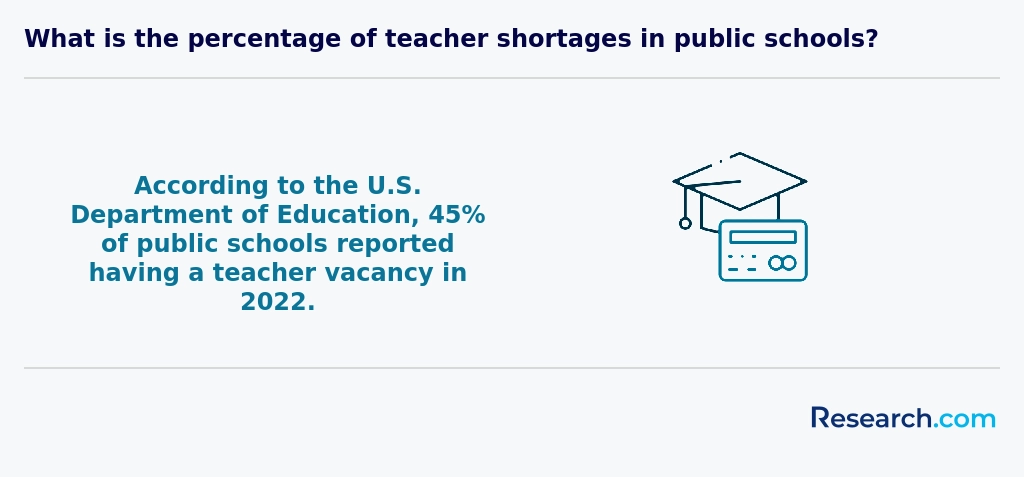
Today’s education landscape in Philadelphia is rapidly evolving, with traditional programs increasingly integrating innovative tools and methodologies to meet diverse student needs. Institutions are embracing digital transformation by incorporating adaptive learning technologies, blended learning methods, and real-time data analytics to enhance classroom engagement and educational outcomes. These emerging trends are not only revolutionizing teaching strategies but also preparing graduates to thrive in dynamic educational environments. Many programs are now encouraging interdisciplinary learning, which combines education with fields such as technology, psychology, and business. This approach fosters a deeper understanding of student behavior and innovative curriculum development, ensuring educators can address the challenges of a modern classroom. In addition, as online learning continues to advance, more institutions are offering hybrid models and fully digital platforms that expand access to quality instruction. For example, students interested in advanced studies can explore the best rated online doctorate in higher education programs to further enhance their credentials and career trajectories. Moreover, there is an increasing focus on social and emotional learning, diversity, equity, and inclusion (DEI) initiatives, and the integration of mental health support within educational institutions. These developments signal a commitment to creating supportive, holistic learning environments both in Philadelphia and beyond. As these trends continue to shape the future of education, prospective students are encouraged to seek programs that not only deliver academic excellence but also prepare them for the industry’s evolving demands.
In education degree programs in Philadelphia, you will dive into courses that build both your understanding and passion for teaching in diverse urban classrooms. Graduates from institutions like Temple University often recall how classes in child and adolescent development equipped them to recognize unique learning stages, making their lesson plans truly effective.
Instructional strategies courses focus on crafting engaging, culturally responsive lessons tailored to Philadelphia's vibrant student population. You'll learn practical techniques to reach every learner, from young children to teens, ensuring no one is left behind.
Many students find courses on classroom management invaluable-these prepare you to create positive, disciplined environments despite common urban school challenges. Real classroom simulations and fieldwork at Philadelphia schools bring theory to life, providing confidence before you step into your own classroom.
Specialized subjects like literacy, math, and science education allow you to deepen your expertise. Plus, inclusive teaching courses open your eyes to supporting students with disabilities. This blend of theory and hands-on practice is what makes education degrees in Philadelphia both inspiring and empowering.
Philadelphia's education degree programs offer a rich variety of specializations tailored to meet the city's diverse student needs and educational priorities. Graduates from well-known local colleges often highlight how focusing on areas like Early Childhood Education or Special Education helped them make a real difference in classrooms from infancy through high school. For example, specialization in Secondary Education equips future teachers with subject-specific skills to thrive in middle or high schools, enhancing their confidence and effectiveness.
Many prospective educators find that exploring Educational Leadership or Curriculum Development opens doors to administrative roles or innovative instructional design, which are vital in Philadelphia's evolving school systems. Those drawn to supporting multilingual students often pursue English as a Second Language, responding to the city's dynamic cultural fabric.
Students engaging with teacher certification programs in Philadelphia also benefit from specializations in educational technology, responding to modern teaching needs. For those planning advanced studies, exploring the best rated online doctorate in higher education programs can be a strategic next step toward leadership in education.
Choosing the best education degree in Philadelphia means looking beyond just the name of a university or college. Graduates from top local schools often emphasize how crucial it was to verify program accreditation by CAEP or state agencies to ensure their degree met certification requirements in Pennsylvania. They also highlight the value of programs that offer hands-on experience through student teaching placements in Philadelphia-area schools-these real-world opportunities build confidence and practical skills.
Cost is another factor to weigh thoughtfully. Affordable education degrees Philadelphia options vary widely; public institutions offer more accessible tuition, while private colleges may demand higher fees but sometimes provide substantial scholarships. Many students recommend exploring available financial aid and local scholarships to ease the financial burden. For those seeking alternatives, consulting rankings like the Inexpensive Online Master's in Education Degree Programs Ranking in Georgia can offer helpful insights.
Finally, consider alignment with your career goals. Philadelphia programs offer diverse specializations, from early childhood to educational leadership. Graduates attest that reviewing licensure exam pass rates and job placement statistics specific to this city helps predict future success and satisfaction in teaching careers here.
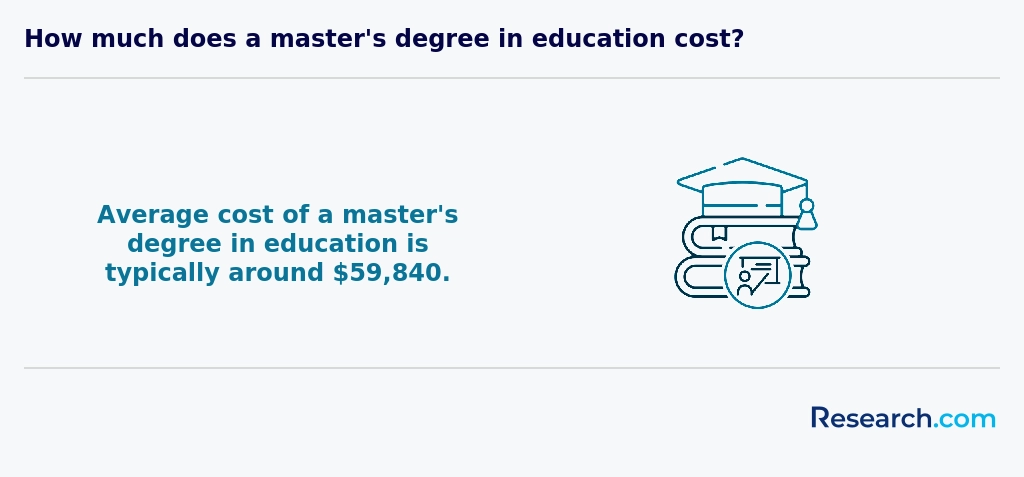
Graduates with an education degree in Philadelphia unlock a range of inspiring career paths within the city's vibrant public school system and beyond. Many find fulfillment in classroom teaching at elementary, middle, or high school levels, shaping young minds daily. Others pursue specialized roles such as special education specialists or school counselors, directly impacting students with unique needs. Instructional coordinators and curriculum developers also play a vital role, crafting enriching academic programs for diverse learners.
Those studying education in Philadelphia often share how their experiences at well-known institutions enrich their understanding of the urban education landscape. From leadership roles like principals and vice principals to community education program leaders, these career opportunities reflect the city's commitment to educational advancement. Students considering teaching jobs and education careers Philadelphia can benefit from programs that build practical skills alongside theory.
For those eager to further their qualifications, many graduates explore continuing education options, including Inexpensive Online Master's in Education Degree Programs Ranking in Georgia, which some Philadelphia educators use to gain advanced credentials without relocating.
Graduates with an education degree in Philadelphia find themselves stepping into a stable and diverse job market. The city's large school district consistently hires teachers, especially in areas like special education, STEM, and bilingual programs. Many education graduates from Temple University or the University of Pennsylvania share stories of quickly securing roles within local schools or district offices. The opportunity extends beyond K-12 classrooms; some find fulfilling careers in educational policy, curriculum development, or working with educational technology firms.
Understanding Philadelphia education career outlook 2027, you'll see steady growth backed by demographic needs and ongoing educational reforms. Salaries start near $47,000 but can increase significantly with experience and specialization. Benefits such as strong retirement plans and loan forgiveness add to the appeal, making education careers rewarding both emotionally and financially.
For those aiming to accelerate their path, exploring programs like the degree fast track can help quickly launch a career in this growing field. Philadelphia's blend of opportunity and community support makes it an inspiring place to begin your education journey.
2027 Best Education Degree Programs Ranking in Philadelphia
Investing in your education is a significant decision that can shape your future, and the Research.com team understands the importance of making informed choices. To assist prospective students in Philadelphia, we have meticulously crafted the "2027 Best Education Degree Programs Ranking in Philadelphia." Our commitment to quality, credibility, and accuracy is reflected in the extensive research and analysis conducted to compile this ranking.
We utilized the following reputable data sources to ensure a comprehensive evaluation of education programs:
By exploring this ranking, readers will gain valuable insights into the best education degree programs available in Philadelphia, helping them make well-informed decisions about their academic and professional futures. For more information on how this ranking was created, please visit our Research.com methodology page.


# 9 position
Temple University
Bachelor of Science in Education Degree Early and Elementary Education

Frequently Asked Questions About education
Education degree students in Philadelphia can enhance their learning by engaging in practical experiences such as student teaching placements and internships, which Philadelphia school districts actively support. According to the Pennsylvania Department of Education, hands-on training increases teacher effectiveness by up to 20%. Students should also utilize resources from local colleges like Temple University or University of Pennsylvania, both offering extensive academic support and research opportunities. Networking with education professionals through city-based organizations provides valuable insights into urban education. Additionally, staying informed about state teaching standards and participating in workshops can further develop essential skills for successful careers in Philadelphia's diverse classrooms.
The education field in Philadelphia is evolving, with several emerging niches gaining attention among students and professionals. One prominent area is educational technology, which focuses on integrating digital tools to enhance learning experiences. According to the National Center for Education Statistics, demand for educators with technology skills is rising nationally and in Philadelphia's urban districts. Another growing niche is special education, where Philadelphia public schools report a continuous need for trained specialists to support diverse learners.
Additionally, bilingual and ESL (English as a Second Language) education is expanding due to Philadelphia's increasingly diverse population. Local universities offer targeted programs to prepare educators for multilingual classrooms.
Lastly, urban education leadership and policy are attracting candidates who wish to address challenges unique to city schools, such as equity and access. These niches reflect broader national trends tailored to Philadelphia's distinct educational landscape.
Preparing for the job market after earning an education degree in Philadelphia involves several strategic steps. Graduates should actively pursue Pennsylvania state certification, essential for teaching positions in public schools. According to the Pennsylvania Department of Education, over 30,000 educators work statewide, with demand steady for qualified teachers in urban districts like Philadelphia.
Networking plays a critical role: attending local education job fairs and joining organizations such as the Philadelphia Education Fund can open opportunities. Internships or student teaching placements within Philadelphia Public Schools often lead to job offers.
Enhancing resumes with skills in digital learning tools is increasingly important as schools adopt technology. The Bureau of Labor Statistics projects a 5% growth in education jobs regionally through 2030, underscoring the need for readiness and local engagement.
Employers hiring education degree graduates in Philadelphia prioritize strong communication and classroom management skills. According to the Pennsylvania Department of Education, effective interaction with diverse student populations is crucial in local schools. Graduates must demonstrate the ability to adapt teaching methods to meet various learning needs, reflecting the city's multicultural environment.
Data from the Philadelphia School District highlights the demand for proficiency in digital literacy, as technology integration is increasingly emphasized. Collaboration skills are also vital since teachers often work closely with colleagues, parents, and community partners.
Finally, problem-solving and critical thinking are consistently ranked among top competencies by Philadelphia employers, ensuring graduates can handle dynamic classroom situations responsibly and creatively.
Finding internships in Philadelphia relevant to an education degree involves several practical steps. Many universities like Temple University and the University of Pennsylvania offer dedicated career centers that partner with local schools and educational organizations. According to the Philadelphia School District's annual report, over 70% of education majors gain internship placements through these institutional connections.
Additionally, students should explore local community centers, public schools, and nonprofits focused on education. The Pennsylvania Department of Education's website lists approved internship programs that align with state licensure requirements. Networking through local events or educational conferences in Philadelphia can also open doors to internships.
Online job platforms specific to education, such as the Pennsylvania Internship and Training Placement System, provide updated listings tailored for education students in Philadelphia.
Obtaining an education degree in Philadelphia significantly enhances career mobility for aspiring educators and administrators. According to the Pennsylvania Department of Education, individuals with higher education credentials, such as a bachelor's or master's degree in education, often qualify for better-paying teaching positions within the Philadelphia School District. Additionally, advanced degrees are frequently required for roles like school counselors, instructional coordinators, and principals.
Career advancement in Philadelphia's education sector depends heavily on academic qualifications. Teachers holding a master's degree can earn salaries approximately 10-20% higher than those with only a bachelor's degree, as reported by the district's salary framework. Furthermore, certification and degree upgrades can lead to leadership opportunities and increased job security in this competitive job market.
The city's commitment to professional development, supported by local universities and education centers, also fosters continuous career growth for degree holders. This environment enables educators to stay current with pedagogical trends and attain specialized certifications, further improving their career prospects.
Studying for an education degree in Philadelphia equips students with diverse skills essential for interdisciplinary roles. Programs often integrate coursework in psychology, sociology, and technology, reflecting the city's commitment to comprehensive teacher preparation. According to the Pennsylvania Department of Education, many Philadelphia institutions emphasize collaborative learning, which fosters adaptability across various educational settings.
Philadelphia's educational landscape also benefits from partnerships with local schools and community organizations, offering real-world interdisciplinary experiences. Data from the Philadelphia Education Fund highlights that over 70% of education graduates engage in internships that blend subjects like special education, counseling, and administration. This approach readies graduates for roles beyond traditional teaching.
Furthermore, the region's focus on inclusive education prepares candidates to address diverse learner needs, a key interdisciplinary challenge in today's schools.
When choosing between a thesis and a non-thesis education degree program in Philadelphia, consider your career goals and learning preferences. Thesis programs often emphasize research skills, which can benefit those aiming for doctoral studies or roles in educational research. Non-thesis options typically focus more on practical application and coursework, better suited for professionals pursuing classroom teaching or administrative careers.
Philadelphia's universities, such as the University of Pennsylvania and Temple University, offer both formats with varying requirements. According to the National Center for Education Statistics, about 40% of education graduate programs in the area include thesis options, reflecting strong research opportunities.
Additionally, a thesis may require extra time and faculty supervision, so evaluate your schedule and commitment capacity carefully.
Students based in Philadelphia pursuing education degrees have several options for studying abroad through partnerships facilitated by local universities. Institutions like the University of Pennsylvania and Temple University offer exchange programs with recognized universities worldwide, enabling education students to gain international experience.
These programs typically last a semester or an academic year and allow students to earn credits toward their degree. According to NAFSA: Association of International Educators, nearly 10% of Philadelphia college students participate in study abroad annually, reflecting growing interest in global education.
Additionally, some programs focus on education systems abroad, offering firsthand exposure to teaching methodologies in countries such as the United Kingdom, Ireland, and Spain. This international experience can enhance cultural competence, an increasingly valued skill for education professionals in Philadelphia and across the U.S.
Part-time job opportunities in Philadelphia that complement education degree studies are abundant and beneficial for practical experience. Positions such as teacher's assistants and substitute teachers in local public schools allow students to engage directly with classroom environments. The School District of Philadelphia, serving over 200,000 students, often hires part-time support staff, providing valuable exposure.
Tutoring roles, especially through community centers or private services, help education students apply instructional skills. Philadelphia also has numerous after-school program positions focused on youth development and educational support.
Additionally, jobs in libraries and educational nonprofits offer experience in curriculum development and literacy programs. According to Philadelphia Works, these roles enrich an education degree by combining theory with hands-on practice.
Education students in Philadelphia have numerous networking opportunities through local universities and professional organizations. Institutions like Temple University and University of Pennsylvania offer access to education-focused events, workshops, and career fairs. These events allow students to connect with experienced educators and potential employers in the region.
Additionally, the Philadelphia Education Fund and the Pennsylvania State Education Association provide platforms for networking, mentorship, and professional development. According to recent data from the Philadelphia Education Fund, over 1,500 education professionals engage annually in their programs, creating valuable contacts for students.
Local conferences and school district partnerships further expand opportunities, helping students build relationships within diverse educational settings. These connections are essential for future teaching and administrative careers.
Alumni networks provide considerable support to education degree students in Philadelphia by connecting them with experienced professionals in the local school systems. These networks often offer mentorship opportunities, which are critical for new teachers navigating classroom challenges. According to data from the Pennsylvania Department of Education, over 45% of educators in Philadelphia's public schools find employment through personal referrals, making alumni connections highly valuable.
Many Philadelphia institutions maintain active alumni organizations that host job fairs, workshops, and networking events specific to educational careers. This access helps students gain insights into district hiring trends and credential requirements.
Furthermore, alumni involvement can facilitate internships and practicum placements, enhancing practical experience essential for certification and career advancement. Research by the Consortium for Policy Research in Education highlights strong alumni engagement as a positive predictor of graduate employment rates, a key consideration for prospective education students in Philadelphia.
Customizing an education degree program in Philadelphia to align with career goals requires understanding the flexible options available at local institutions. Many universities, such as Temple University and University of Pennsylvania, offer specialization tracks within education degrees, allowing students to focus on areas like early childhood development, special education, or educational leadership.
Students can often choose elective courses that reflect their professional interests or participate in internships with nearby Philadelphia schools and educational organizations. This practical experience strengthens resumes and builds networks in the local education community.
Additionally, part-time and evening class options accommodate working professionals, supporting career advancement while studying. According to the National Center for Education Statistics, tailored programs increase student engagement and completion rates, making customization a strategic choice for Philadelphia students.
Education students in Philadelphia often face several challenges unique to the city's educational and social landscape. One common issue is balancing rigorous academic coursework with fieldwork in under-resourced local schools, where student populations frequently encounter challenges such as poverty and language barriers. According to the Philadelphia School District, nearly 70% of public school students qualify for free or reduced-price meals, highlighting economic hardship that impacts classroom dynamics.
Additionally, many students struggle with limited access to up-to-date teaching technology during their training, making it harder to develop digital literacy skills essential for modern classrooms.
Time management is a further obstacle, as many education students juggle part-time jobs while completing clinical hours.
With an education degree in Philadelphia, graduates can pursue a variety of professional certifications to advance their careers. The most common certification is Pennsylvania's teaching certification, which allows individuals to teach in public schools across the state. This includes certifications for early childhood, elementary, and secondary education.
Additionally, there are specialized certifications such as TESOL (Teaching English to Speakers of Other Languages), which is valuable in Philadelphia's diverse communities.
School counseling and administration certifications are also available for those interested in supporting students beyond the classroom or managing educational institutions. According to the Pennsylvania Department of Education, over 3,000 educators received such certifications in Philadelphia in recent years.
These certifications typically require passing standardized exams and completing designated coursework or internships.
Writing a winning application for an education program in Philadelphia requires a clear demonstration of your commitment to teaching and local community impact. Start by researching specific programs at institutions such as the University of Pennsylvania or Temple University, which are renowned for their education degrees. Highlight relevant experience working with diverse urban populations, as Philadelphia schools serve a broad spectrum of students.
Include a concise personal statement that outlines your career goals and how the program aligns with them. According to the Philadelphia Education Research Consortium, successful applicants often emphasize knowledge of city-specific educational challenges and solutions.
Be sure to submit all required documents on time, including transcripts, recommendation letters, and any necessary test scores. Attention to detail in presentation and proofreading also plays a crucial role in standing out in the highly competitive field of education programs in Philadelphia.
The global perspective on an education career values versatility and cultural competence. Educators trained in the U.S., including those studying in Philadelphia, benefit from a system that emphasizes diversity, inclusion, and innovation. The U.S. ranks highly in producing educational research and develops teaching standards recognized worldwide.
As Philadelphia hosts over 50 higher education institutions, its education degrees often include global content. For instance, students learn to address multicultural classrooms and varied learning needs, reflecting broader international trends.
According to the National Center for Education Statistics, education graduates in the U.S. see a steady demand, with employment growing by 5% through 2030. Philadelphia's diverse population requires educators skilled in global best practices, making education careers locally relevant and globally informed.
Gaining practical experience while studying for an education degree in Philadelphia is essential to develop effective teaching skills. Many local universities, such as the University of Pennsylvania and Temple University, offer supervised student teaching placements in nearby public schools. These partnerships allow students to apply classroom theory in real-world settings, working alongside experienced educators.
Additionally, Philadelphia's School District collaborates with higher education institutions to provide internships and practicum opportunities. According to the Pennsylvania Department of Education, over 70% of education students in Philadelphia engage in field experiences before graduation, enhancing their readiness for certification exams.
Volunteering with community programs and tutoring initiatives also helps build classroom management and instructional skills during the degree program.
Choosing the right concentration within an education degree program in Philadelphia involves evaluating your career goals and interests alongside local educational needs. For instance, Philadelphia's School District emphasizes special education and bilingual instruction due to its diverse student population, a factor supported by reports from the Philadelphia Education Fund.
Consider concentrations like early childhood education or secondary education if you aim to work directly with specific age groups. Data from the Pennsylvania Department of Education shows strong demand for STEM and literacy specialists in Philadelphia schools, which might influence your choice.
Research each program's curriculum and faculty expertise to ensure alignment with your aspirations. Also, investigate licensure requirements in Pennsylvania, since some concentrations lead to specific teaching certifications.
- 2027 Best Education Degree Programs Ranking in Glenside
- 2027 Best Education Degree Programs Ranking in Gwynedd Valley
- 2027 Best Education Degree Programs Ranking in Glassboro
- 2027 Best Education Degree Programs Ranking in Immaculata
- 2027 Best Education Degree Programs Ranking in West Chester
- 2027 Best Education Degree Programs Ranking in Doylestown
- 2027 Best Education Degree Programs Ranking in Chester
- 2027 Best Education Degree Programs Ranking in Lawrenceville
- 2027 Best Education Degree Programs Ranking in New Castle
- 2027 Best Education Degree Programs Ranking in Newark
See What Experts Have To Say About Studying Education
Read our interview with Education experts

Nooshan Ashtari
Education Expert
Professor & Book Author
University of Southern California


- Bachelor of Education Degree (Here's What To Expect) https://www.alleducationschools.com/teaching-degrees/bachelors-in-education/
- Philadelphia Education Costs: Tuition, Fees, and Financial Aid https://northeasttimes.com/2025/02/28/philadelphia-education-costs/
- Is a thesis always mandatory in a master's degree program? https://euler.euclid.int/is-a-thesis-always-mandatory-in-masters-degree-program/
- How to Build Work Experience While Studying - EN Global Education Ltd https://englobaleducation.co.uk/how-to-build-work-experience-while-studying/
- Education Degree Entry Requirements https://universitycompare.com/advice/student/education-degree-entry-requirements
- Why Experience is Just as Important as Education https://lateral-connect.com/why-experience-is-just-as-important-as-education/
- Philadelphia University Tuition and Financial Aid https://www.prepscholar.com/sat/s/colleges/Philadelphia-University-tuition-financial-aid
- International teaching and education jobs https://www.tes.com/jobs/search/international
- How To Write A Great Cover Letter For Teacher Training - Engage Education https://engage-education.com/blog/how-to-write-a-great-cover-letter-for-teacher-training/
- The importance of networking in the education sector https://www.tlclive.com/blog/the-importance-of-networking-in-the-education-sector