
2027 Fastest Online Doctorate in Education Degree Programs Ranking in District of Columbia

Co-Founder and Chief Data Scientist
For aspiring educators in the District of Columbia, pursuing an online doctorate in education can open doors to advanced career opportunities and personal growth. This article presents the 2027 Fastest Online Doctorate in Education Degree Programs Ranking in District of Columbia, carefully crafted by the Research.com team of data scientists. It is designed to help you navigate your options and find programs that fit your goals and timeline.
Reading this ranking will empower you to make confident decisions about your education journey, making your aspirations more achievable and rewarding.
Key benefits of getting online education degree in District of Columbia
- Graduates with an education degree can earn strong salaries in District of Columbia, with positions like Academic Dean averaging $100,720 annually and top roles such as Provost or University President reaching $258,900 per year.
- Education degree holders from local universities often pursue careers as University Professors or Department Chairs, finding rewarding leadership and teaching opportunities that impact the community positively.
- Online education degrees offer flexibility and convenience, allowing graduates to balance work and study easily while gaining credentials from respected institutions in District of Columbia that boost career growth.
- 2027 Fastest Online Doctorate in Education Degree Programs Ranking in District of Columbia
- What can I expect from online education degree in District of Columbia?
- Where can I work with online education degree in District of Columbia?
What can I expect from online education degree in District of Columbia?
The average cost of an online education degree in the District of Columbia can vary, but many students appreciate the financial advantages compared to traditional on-campus programs. Graduates from universities like The George Washington University and American University often share how their online studies allowed them to save significantly on commuting and housing expenses.
While tuition rates differ by institution, students typically find competitive pricing bolstered by access to federal financial aid and scholarships tailored for online learners. This financial flexibility empowers working professionals and busy educators to pursue advanced degrees without undue financial stress.
Imagine balancing a full-time career while engaging in live virtual discussions and coursework designed to fit your unique schedule-many students highlight this adaptability as a key motivator. These programs deliver excellent academic rigor with hands-on experiences through partnerships with local public schools, making each moment invested feel purposeful and rewarding.
Where can I work with online education degree in District of Columbia?
Graduates with an online education degree in the District of Columbia step into a vibrant job market filled with rewarding career paths. Many find themselves shaping young minds as teachers or leaders within the District of Columbia Public Schools, where over 50,000 students create an inspiring environment to make a real difference. Others embrace dynamic roles beyond K-12, joining prestigious institutions like The George Washington University or American University as faculty members or educational researchers, bringing fresh insights to higher education.
For those pursuing advanced degrees, doors open to influential positions in federal agencies such as the Department of Education, where shaping national educational policy feels both impactful and fulfilling. Private sector opportunities also abound-consulting firms and educational technology companies seek passionate graduates to innovate and lead.
Graduates who studied online at local universities often share how their flexible programs allowed them to balance real-world challenges, building confidence to pursue leadership roles and make meaningful contributions in the diverse educational landscape of the District.
Graduates with online education degrees in the District of Columbia find rewarding career paths leading to impressive earnings. For example, many alumni from well-known institutions like George Washington University and American University step confidently into roles such as university professors, earning a mean annual wage of about $96,570. Achieving leadership positions like academic dean boosts this figure to approximately $100,720, reflecting a blend of experience and advanced qualifications.
For those ambitious about top-tier academic leadership, roles such as provost or university president can be within reach, with salaries soaring to an inspiring $258,900 a year. This financial potential showcases how powerful an online education degree can be in D.C.'s dynamic environment, where education professionals are highly valued.
Graduates often share how earning their degree online allowed them to balance work and study, accelerating their career growth in schools or universities. This path not only offers steady income but also the chance to impact education quality in a vibrant city known for its rich academic culture.
- Tuition for online education degrees in D.C. typically ranges from $20,000 to $35,000 per year depending on the institution and degree level.
- Public universities in D.C. usually offer lower tuition rates than private institutions for online education programs.
- Early-career graduates can expect salaries between $50,000 and $60,000 annually, with experienced professionals earning $80,000 or more in administrative or specialist roles.
- Accreditation from bodies like CAEP or regional accreditors is essential for degree recognition and eligibility for teaching licensure in D.C.
- The D.C. job market for education professionals is strong, with demand in teaching, administration, curriculum development, and policy roles.
- Many online programs offer part-time and asynchronous classes, allowing working professionals to balance study with their careers.
Completing an online education degree in the District of Columbia is an achievable and rewarding journey that fits a variety of lifestyles. Undergraduate students at well-known DC institutions often find themselves finishing a Bachelor of Science in Education in about four years when studying full time. Many graduates share how the flexibility of online programs allowed them to balance family and work, accelerating their studies during quieter seasons or extending them when life got busy.
For graduate degrees like a Master's in Education, DC students typically complete their programs in 1.5 to 3 years. Popular universities here offer robust online options where motivated learners embraced summer courses or heavier academic loads to finish faster and transition swiftly into impactful careers.
Those pursuing a Doctorate of Education (Ed.D.) enjoy engaging deeply over three to five years post-master's, often juggling research and professional roles. Many graduates describe this time as a meaningful period of growth, supported by the vibrant academic communities found in DC's prestigious colleges.
This flexibility in pacing helps every student tailor their path, making the dream of an education degree attainable and inspiring for those living in the heart of the nation's capital.
Choosing between an online and an on-campus education degree in the District of Columbia opens exciting paths tailored to your unique lifestyle. Online programs, like those offered by Howard University, empower learners with flexibility-imagine studying innovative teaching methods late at night after work, balancing family life, and connecting virtually with passionate peers. Graduates often celebrate gaining technological skills and self-discipline, feeling confident managing their education on their own terms.
On-campus degrees at institutions such as The George Washington University deliver vibrant, face-to-face experiences. Picture engaging directly with professors during lively classroom discussions or joining study groups in the heart of the city's campuses. Many students treasure the immediate feedback and personal connections that inspire their growth and motivation.
Both options honor rigorous academic standards and open doors to rewarding careers. Whether you thrive in a dynamic campus environment or embrace the independence of online learning, the District's diverse offerings ensure you're supported every step of the way.
The average cost of an online education degree in the District of Columbia generally centers around a total tuition investment of about $54,150. While this figure may seem significant, graduates from local institutions share stories of balancing affordability and value, especially when enrolled at public universities like the University of the District of Columbia, where tuition is notably competitive. These students often find their journey rewarding not just financially but through the supportive online learning environments tailored to foster success.
Many online learners appreciate the flexibility that programs at George Washington University or American University offer, even though private institutions might have higher tuition rates. A graduate reflecting on their experience noted that the investment translated into meaningful career advancement and lifelong connections, underscoring the intangible benefits beyond numbers. Consideration of the total tuition and fees for online doctorate in education DC also includes additional costs such as technology fees and course materials, which most students find manageable given the programs' value.
Prospective students keen to make the most of their education expenses often explore financial aid options and scholarships, especially those designed for DC residents. This financial support can markedly ease the path. For those who wish to diversify their skill set, there are also certifications online that pay well, which complement degree programs and optimize earning potential.
Ultimately, understanding the average cost of online education degree District of Columbia empowers students to plan confidently, knowing they are investing in a future filled with opportunity and growth.
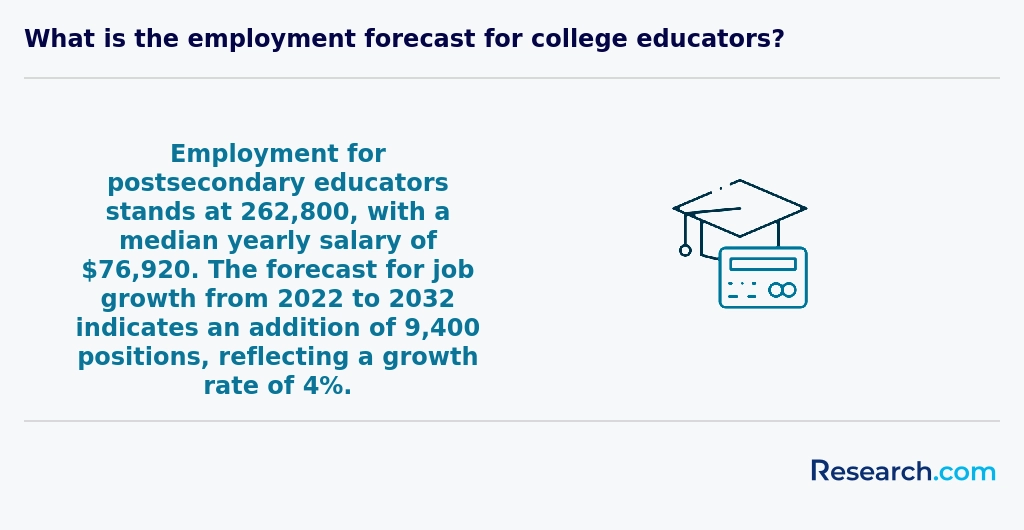
Many students pursuing an online education degree in the District of Columbia find financial aid to be a powerful stepping stone toward their dreams. Graduates from institutions like Gallaudet University and Howard University often highlight how federal aid-such as Pell Grants and graduate PLUS loans-played a crucial role in easing their financial burden. By completing the FAFSA, students unlock access to these helpful resources, making advanced education dreams feel within reach.
Local opportunities also brighten the path. Although D.C. lacks state grants for graduate students in education, the Tuition Assistance Program (TAP) supports local government employees in their educational journey. Numerous graduates share how community scholarships and fellowships offered by D.C.-based organizations provided not just funds but also encouragement and recognition of their passion.
Many online learners thrive thanks to institutional aid, such as scholarships and assistantships from universities like The University of the District of Columbia. These aids reward academic merit and professional dedication, inspiring students to excel. Furthermore, private scholarships like the Teach Grant empower those committed to serving high-need areas, while employer tuition reimbursement programs help working students balance careers and education seamlessly.
Enrolling in an online education degree in the District of Columbia is an exciting step that opens doors to meaningful careers. Most programs, like those offered at prominent DC universities, ask applicants to have a solid foundation-a high school diploma for bachelor's programs or a completed undergraduate degree for graduate studies. Many successful graduates recall how meeting these academic milestones gave them confidence to start their journey in education.
Standardized tests such as the GRE might be requested, but many programs understand busy professionals balancing work and family, often waiving this requirement for experienced candidates. This flexibility encourages more learners across DC's vibrant communities to pursue their educational dreams.
Applicants also prepare documents like transcripts that show a strong GPA, personal statements that reflect their passion, and letters of recommendation from mentors or colleagues. International students join the community by demonstrating English proficiency, embracing the opportunity to learn and grow in DC's diverse academic landscape.
These prerequisites, combined with reliable internet and technology access, empower students to thrive in online classrooms and become tomorrow's education leaders right from the nation's capital.
Online education degree programs in the District of Columbia offer inspiring and dynamic courses designed to empower future educators. Graduates from popular institutions like Howard University and The George Washington University often share how foundational classes such as Educational Psychology opened their eyes to the unique ways students learn in diverse, urban classrooms.
Courses in Curriculum Development and Instructional Design prepare students to craft engaging lesson plans, just as a recent graduate described turning theory into vivid classroom activities that captivate learners. Hands-on subjects like Classroom Management and Student Assessment build confidence in maintaining positive environments, essential for meaningful student growth.
Many students appreciate the inclusion of Educational Technology, which introduces modern tools that transform teaching, perfectly suiting the tech-savvy educational landscape of D.C. Moreover, the focus on Foundations of Education deepens understanding of the local educational system's social and historical context, a highlight frequently mentioned by learners passionate about making an impact in their communities.
Online education degree specializations in District of Columbia universities offer vibrant pathways that empower students to shape their futures with confidence. Graduates often share how specializations like educational leadership have prepared them to lead schools and districts with vision and compassion, while others in curriculum and instruction develop creative teaching strategies that transform classrooms in D.C.'s diverse communities.
Many students pursuing a District of Columbia online doctorate in education concentrations find inspiration in special education, embracing the rewarding challenge of fostering inclusive environments for learners with disabilities. These experiences become deeply meaningful as graduates witness their impact firsthand in urban schools. Additionally, adult education specializations open doors to careers focused on workforce development, helping adult learners thrive as they acquire new skills.
For those exploring what are the best college majors for the future, programs in the District often include innovative fields like TESOL and educational technology, enabling graduates to meet evolving urban educational needs with flexibility and expertise.
Choosing the best online education degree programs District of Columbia means focusing on accredited universities that offer strong curriculum and real-world relevance. Graduates from local institutions often share how flexible, asynchronous classes fit perfectly with busy lives, allowing them to balance work and family while advancing their careers. Programs that emphasize hands-on learning in K-12 settings or educational leadership prepare students to make meaningful changes in their communities, a common goal among learners here.
For those seeking an affordable online doctorate education DC, exploring tuition costs alongside financial aid options can make advanced degrees more accessible. Many graduates highlight the value of connections made through local school districts, which the area's schools actively facilitate to boost employment prospects. With accelerated paths available, driven students achieve their goals efficiently while staying engaged with the dynamic educational policy environment unique to the capital.
To begin, consider looking into easy two year degrees that build a foundation before advancing to graduate-level studies. This step often inspires confidence and clarity in your academic journey, just as it did for many successful learners in D.C.
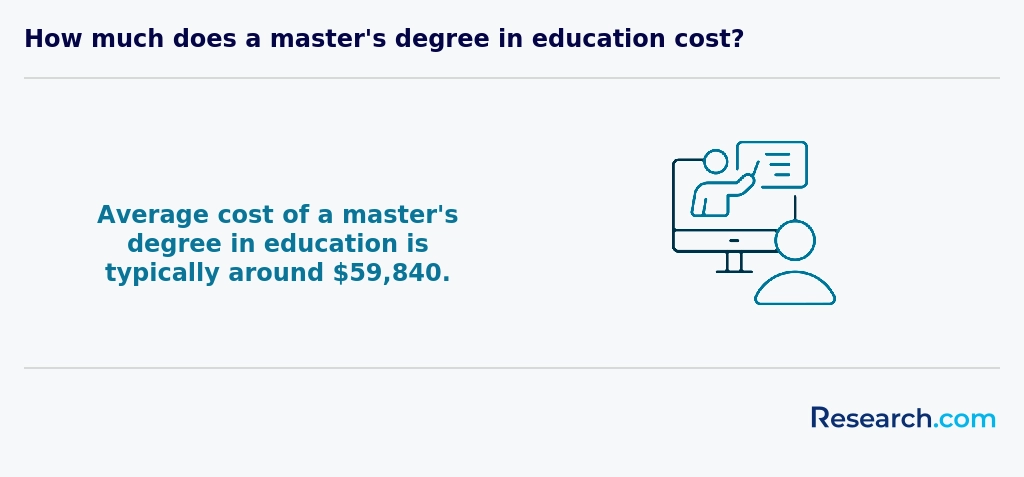
Graduates with an online education degree in District of Columbia unlock a world of rewarding career opportunities, from classroom teaching in the District's vibrant public schools to curriculum development and higher education administration. Many graduates from well-known universities thrive as instructional coordinators or education consultants, creating innovative teaching materials and integrating new educational technologies that cater to diverse student needs. These roles perfectly suit those passionate about shaping the future of learning in a city that values educational excellence.
For those aiming higher, pursuing leadership positions such as school principals or academic deans offers a fulfilling path. Graduates often find themselves influencing policy or leading academic teams at prominent local colleges, combining strong research skills with practical knowledge. The demand for online education degree jobs in District of Columbia continues to grow, especially with the rise of digital instructional design and hybrid learning models that require adaptive experts.
With affordable programs ranging from $15,000 to $45,000, many students appreciate the balance of quality and cost. Exploring the quickest degrees that make the most money is an excellent way to plan a prosperous future in education right here in DC.
Additional career opportunities bloom in roles like educational technology specialists, counselors, and training managers-all vital to the District's mission for innovative and equitable education. These paths offer not only job satisfaction but also the chance to be part of a transformative journey impacting countless learners every day.
The job market for graduates with an online education degree in the District of Columbia is vibrant and full of possibility. Many graduates from well-regarded local universities find fulfilling careers in public schools, charter schools, and private educational institutions throughout the city. Their roles often extend beyond classrooms into administration, curriculum design, and educational leadership, reflecting the growing need for skilled professionals in various education sectors. This dynamic environment perfectly suits those seeking the fastest online doctorate in education jobs District of Columbia offers, combining the flexibility of online study with a thriving local job market.
Students pursuing online education degrees in DC benefit from strong career prospects in government agencies and nonprofit organizations focused on education policy and reform. Graduates often share inspiring stories of securing leadership positions with competitive salaries, thanks to the region's demand for education experts. Choosing programs from best accredited non profit online universities ensures solid preparation, creating smooth pathways to success in the diverse and expanding education career outlook DC provides.
2027 Fastest Online Doctorate in Education Degree Programs Ranking in District of Columbia
Investing in your education is a significant decision that can shape your future, and the Research.com team understands the importance of making informed choices. To assist prospective students in the District of Columbia, we have meticulously crafted the "2027 Fastest Online Doctorate in Education Degree Programs Ranking." Our commitment to quality, credibility, and accuracy is reflected in the extensive research and analysis conducted to compile this ranking.
We utilized the following reputable data sources to ensure a comprehensive evaluation of online Doctorate in Education programs:
By exploring this ranking, readers will gain valuable insights into the fastest online Doctorate in Education programs available in the District of Columbia, supporting informed decisions that align with their educational and career goals. For more details on our methodology, please visit our Research.com methodology page.


Frequently Asked Questions About education
Online education degree students in District of Columbia can maximize their learning by leveraging the region's strong digital infrastructure and academic resources. DC ranks highly in internet accessibility, which supports seamless participation in virtual classes. Engaging actively with peer discussion forums and faculty through scheduled video conferences helps deepen understanding and build professional networks.
Time management is critical; students are encouraged to create structured study plans, given many juggle work and family commitments. Utilizing DC public libraries' digital offerings can supplement coursework at no extra cost. Additionally, seeking out local virtual workshops and education-focused seminars can enhance practical knowledge.
According to the National Center for Education Statistics, DC's online graduate enrollment has steadily increased, signaling growing acceptance and support for flexible degree programs. Students should verify accreditation status to ensure quality education and future employment prospects within the District's competitive education sector.
Emerging niches within the education field are rapidly expanding, driven by technological advances and changing workforce needs. In the District of Columbia, online education degrees increasingly focus on educational technology, special education, and leadership in diverse urban settings. According to the National Center for Education Statistics, demand for specialists in digital learning tools grew by over 15% between 2019 and 2023.
Another key area is culturally responsive teaching, which addresses the needs of DC's diverse student population. Programs specializing in equity and inclusion are gaining traction, reflecting local education policies prioritizing diversity.
Additionally, data analytics in education is a growing niche, preparing professionals to assess and improve student outcomes using evidence-based practices. These emerging fields offer promising paths for students pursuing online doctorates in education within the District.
Preparing for the job market after completing an online education degree in the District of Columbia requires strategic planning. Graduates should first focus on building a strong professional network, leveraging local education organizations such as the D.C. School Reform Act offices and the Washington Teachers' Union.
It is important to gain practical experience through internships or substitute teaching positions, which often lead to full-time roles. The D.C. Office of the State Superintendent of Education reports that educators with advanced degrees increase their earning potential by up to 15% locally. Certification renewal and staying current with D.C.'s unique licensure requirements also improve employment prospects.
Furthermore, tailoring resumes to highlight skills aligned with local education priorities-like equity and digital integration-can differentiate candidates in this competitive market.
Employers in the District of Columbia highly value education degree graduates who demonstrate strong communication and classroom management skills. According to the D.C. Office of the State Superintendent of Education, effective interpersonal abilities are essential for collaborating with diverse student populations.
Critical thinking and adaptability are also key, as educators often encounter rapidly changing curricula and student needs. Familiarity with digital tools and online teaching platforms has grown in importance, especially given the rise of remote learning.
Leadership and organizational skills boost employability, particularly for those interested in administrative roles within schools or educational agencies. Data from the Bureau of Labor Statistics shows that these competencies align with broader national trends focused on improving educational outcomes.
Finding internships related to education degrees in the District of Columbia involves leveraging local resources and institutions. Many DC public schools and educational nonprofits offer internship programs, providing practical experience for aspiring educators. The District's Office of the State Superintendent of Education (OSSE) frequently posts internship opportunities relevant to education students.
Online education degree seekers should also explore partnerships between universities and local schools, as some programs facilitate placements directly. Additionally, websites like Handshake and Indeed often list education internships in DC. Networking through local education conferences or professional groups, such as the DC Association of Teachers, can increase chances of securing valuable internships.
In the District of Columbia, obtaining an online education degree can significantly enhance career mobility and advancement opportunities. Given D.C.'s strong emphasis on education policy and administration-with numerous government and nonprofit organizations headquartered in the city-professionals with advanced education degrees are in high demand.
According to the U.S. Department of Education, individuals with graduate degrees in education earn approximately 20% more than those with only a bachelor's. Online education programs accredited by regional bodies, such as the Middle States Commission on Higher Education, ensure credentials are respected locally.
Additionally, nationwide trends show that educators with doctoral degrees often qualify for leadership roles like school principals or policy advisors, roles frequently available in D.C.'s large public and charter school systems. This dynamic makes online education degrees a valuable tool for advancing one's career in the capital's competitive education landscape.
Studying for an education degree online in the District of Columbia equips students with skills that support interdisciplinary roles. Programs emphasize collaboration across fields such as psychology, technology, and social services to address complex educational challenges.
District universities often integrate curricula aligned with DC's diverse urban environment, preparing graduates to work in multiple settings including schools, nonprofits, and government agencies. According to the DC Office of the State Superintendent of Education, interdisciplinary training enhances employability in education leadership and policy roles.
Online formats also foster communication and digital literacy, critical in modern education careers that intersect with health, community development, and innovation sectors.
When choosing between a thesis and a non-thesis education degree program in District of Columbia, consider your career goals and learning preferences. Thesis programs require original research and typically lead to roles in academia or specialized research positions. Non-thesis programs focus more on coursework and practical skills, suitable for professionals aiming for leadership or administrative roles. According to the National Center for Education Statistics, about 35% of education doctorates in D.C. include a thesis component, reflecting strong research emphases. Additionally, online programs in the District often offer flexible schedules for both options, allowing working students to balance study and career commitments effectively.
Students in the District of Columbia seeking to study education abroad through online programs have several viable options within the U.S. higher education system. Many universities offer accredited online education degrees that allow learners to study internationally while residing in DC. These programs often include partnerships or exchange opportunities with institutions abroad to provide global perspectives.
According to the National Center for Education Statistics, DC has a high concentration of students enrolling in online graduate degrees, reflecting growing interest in flexible learning.
Additionally, DC-based students can consider programs that specialize in international education curricula or comparative education, expanding their expertise without relocating.
Part-time job opportunities in the District of Columbia that complement education degree studies often align with gaining practical experience in teaching and school support. Many students find positions as teacher assistants, which provide hands-on classroom involvement while managing flexible hours. According to the U.S. Bureau of Labor Statistics, education-related roles in D.C. have a strong presence in local public and charter schools.
Other common roles include tutoring positions and after-school program coordinators, which enhance instructional skills and student engagement techniques. These jobs also help build valuable networks in the education community of the District. Working in libraries or administrative roles within educational institutions can further develop organizational skills relevant to education careers.
These part-time jobs not only support income but also strengthen resumes and facilitate smoother transitions into full-time teaching or educational leadership roles after graduation.
Online education students in the District of Columbia benefit from various networking opportunities despite physical distance. Many local universities offer virtual events, workshops, and career fairs tailored to online learners. For instance, institutions such as George Washington University and American University provide access to alumni networks and professional groups focused on education careers.
The proximity to numerous federal agencies and nonprofits creates unique chances for collaboration and internships, often shared through online platforms connected to local schools. According to the DC Higher Education Plan (2023), nearly 60% of online students engage with virtual student organizations and discussion forums that enhance networking.
Additionally, regional education conferences and webinars are frequently promoted to online students, widening professional contacts within the District's education community.
Alumni networks play a significant role in supporting online education degree students in the District of Columbia. These networks offer access to professional connections within the region's extensive education sector, including numerous K-12 and higher education institutions. According to the DC Higher Education Power Alliance, strong alumni ties can increase job placement rates by as much as 20% for graduates. Through mentorship programs and networking events, alumni help current students navigate career challenges and find local opportunities. For online students, who may lack traditional campus engagement, active alumni communities provide essential social and professional support that enhances their educational experience.
In the District of Columbia, customizing an online education degree program involves selecting specializations that align with your career goals. Many accredited institutions offer flexible curricula allowing you to focus on areas like curriculum development, educational leadership, or special education. This flexibility lets you tailor course choices to meet specific professional requirements.
Most programs incorporate electives and practicum options, which provide practical experience relevant to your career path. According to the DC Higher Education Licensure Commission, local online degrees must meet state education standards, ensuring your customized program is recognized by employers.
Consult advisors early to design a plan that meets licensing or certification standards in DC, such as those for school administrators or counselors.
Online education students in the District of Columbia often face challenges related to balancing rigorous coursework with professional and personal commitments. According to the National Center for Education Statistics, many working adults in DC enroll in part-time programs, which can extend degree completion time and increase stress.
Technology access and reliable internet connections are essential but can be inconsistent for some students despite DC's relatively high broadband availability, creating barriers in synchronous learning activities.
Additionally, limited opportunities for face-to-face interaction may affect networking and collaboration, which are important in education fields.
Time management and self-motivation remain key hurdles for most online learners across the district.
With an online education degree in the District of Columbia, you can pursue a variety of professional certifications that enhance your career opportunities. Common certifications include the Licensed Teacher Certificate, which is required to teach in DC public schools and is issued by the D.C. Office of the State Superintendent of Education (OSSE).
Additionally, you might seek National Board Certification, recognized nationwide for experienced teachers. Many educators pursue certifications in special education, ESL, or educational leadership, aligned with DC's specific endorsement requirements.
Online degree programs often align with these certification pathways, making it easier to meet state standards while studying remotely.
Writing a winning application for an online education program in the District of Columbia requires attention to detail and clear communication. Start by thoroughly researching programs, focusing on those accredited by recognized bodies like the Council for the Accreditation of Educator Preparation (CAEP). Highlight your professional experience and how the degree aligns with your career goals. D.C. schools often emphasize leadership and community impact, so include examples of your contributions in these areas.
Ensure your personal statement is concise, focused, and tailored specifically to the program. According to the National Center for Education Statistics, D.C. offers numerous reputable institutions with competitive admission standards, so demonstrating dedication and readiness is crucial.
Provide strong letters of recommendation from academic or professional sources familiar with your skills. Lastly, carefully follow application instructions and submit all required documents on time to stand out in the competitive pool.
Globally, education careers are valued for their role in shaping societies and economies. In the United States, including the District of Columbia, education professionals often focus on meeting diverse student needs and incorporating technology in learning environments. According to the National Center for Education Statistics, the demand for qualified educators is expected to grow steadily through the next decade.
In the District of Columbia, online education degrees offer flexibility for working professionals and address local education challenges, such as high student diversity and achievement gaps. Globally, education careers emphasize cultural competence, policy understanding, and lifelong learning skills, aligning well with evolving US educational priorities.
Gaining practical experience while studying for an online education degree in the District of Columbia is crucial for applying theoretical knowledge in real-world settings. One common method is through internships or practicum placements offered by local schools and educational organizations. These programs allow students to work directly with teachers and administrators, gaining hands-on skills.
Students can also participate in DC Public Schools' mentorship initiatives or collaborate with nonprofit educational groups active in the area. Additionally, volunteering in community education programs, such as after-school tutoring or adult education, provides valuable experience.
Many online programs require a residency or fieldwork component, ensuring students meet licensure standards set by the DC Office of the State Superintendent of Education (OSSE).
Choosing the right concentration within an online education degree program in the District of Columbia depends on your career goals and the region's educational needs. Many online programs offer specializations such as curriculum design, educational leadership, or special education. DC's public school system, serving over 48,000 students (DC Public Schools, 2023), often requires expertise in urban education and policy, which can guide your selection.
Consider also licensure requirements unique to DC. Concentrations aligned with administrative roles or counseling often require state-specific certifications. Research programs accredited by the Council for the Accreditation of Educator Preparation (CAEP), which assures quality.
Review faculty expertise, funding opportunities, and alumni outcomes to ensure a strong fit with your goals.
- 2027 Fastest Online Doctorate in Education Degree Programs Ranking in California
- 2027 Fastest Online Doctorate in Education Degree Programs Ranking in Arizona
- 2027 Fastest Online Doctorate in Education Degree Programs Ranking in Colorado
- 2027 Fastest Online Doctorate in Education Degree Programs Ranking in Nebraska
- 2027 Fastest Online Doctorate in Education Degree Programs Ranking in Texas
- 2027 Fastest Online Doctorate in Education Degree Programs Ranking in Minnesota
- 2027 Fastest Online Doctorate in Education Degree Programs Ranking in Missouri
- 2027 Fastest Online Doctorate in Education Degree Programs Ranking in Mississippi
- 2027 Fastest Online Doctorate in Education Degree Programs Ranking in Michigan
- 2027 Fastest Online Doctorate in Education Degree Programs Ranking in Indiana
See What Experts Have To Say About Studying Education
Read our interview with Education experts

Nooshan Ashtari
Education Expert
Professor & Book Author
University of Southern California


- Globeducate Career Site https://globeducate.schoolrecruiter.com/
- Master's in Innovation in Teaching and Learning | Columbia College https://www.columbiasc.edu/academics/graduate/masters-innovation-teaching-and-learning
- Working in Ed Tech: How to Identify Your Niche and Build Relevant Skills https://www.highfivepartners.com/blog/working-in-ed-tech-how-to-identify-your-niche-and-build-relevant-skills
- Top 10 Effective Networking Tips for Students https://www.unfc.ca/blog/networking-tips-for-students
- Online Colleges in Washington DC | OEDb.org https://www.oedb.org/washington-dc/
- How To Write A Great Cover Letter For Teacher Training - Engage Education https://engage-education.com/blog/how-to-write-a-great-cover-letter-for-teacher-training/
- Education Technology Trends to Watch in 2065: 10 Innovations Shaping the Future of Learning https://www.digitallearninginstitute.com/blog/education-technology-trends-to-watch-in-2026
- DC’s Education Through Employment Data System https://educationtoworkforce.org/dcs-education-through-employment-data-system
- Education Study Abroad | CIEE https://www.ciee.org/go-abroad/college-study-abroad/programs/subjects-disciplines/education-study-abroad
- Skills Employers Look for in Business Graduates – EU Business School https://www.euruni.edu/blog/skills-employers-look-for-in-business-graduates/


