
2027 Fastest Online Doctorate in Education Degree Programs Ranking in Michigan

Co-Founder and Chief Data Scientist
Choosing the right online doctorate in education program can feel overwhelming, especially in Michigan's diverse academic landscape. This article introduces the 2027 Fastest Online Doctorate in Education Degree Programs Ranking in Michigan, carefully developed by the Research.com team of data scientists to guide you toward the best options.
By exploring these fast and reputable programs, you can find one that fits your goals and lifestyle, empowering your professional growth.
Investing in your education opens doors to exciting opportunities and lasting impact in the field of education.
Key benefits of getting online education degree in Michigan
- Education degree graduates in Michigan can expect competitive salaries such as $96,570 annually for University Professors and Department Chairs, or up to $258,900 for University Presidents and Provosts, reflecting strong earning potential.
- Graduates often pursue diverse career paths including teaching, academic leadership, and administration, as demonstrated by many Michigan graduates from popular universities like the University of Michigan.
- Obtaining an education degree online offers flexibility and convenience, allowing students from anywhere in Michigan to balance work and study effectively, as seen with successful online graduates from Eastern Michigan University.
- 2027 Fastest Online Doctorate in Education Degree Programs Ranking in Michigan
- What can I expect from online education degree in Michigan?
- Where can I work with online education degree in Michigan?
What can I expect from online education degree in Michigan?
Students pursuing online education degrees in Michigan typically face total tuition costs ranging from about $20,000 to $40,000, depending on whether they attend public or private institutions. For example, graduates from Michigan State University praise the affordability of public university programs, especially with in-state tuition discounts, which ease financial stress and allow focusing on coursework and career growth.
Private universities often have higher tuition, but many offer scholarships or financial aid tailored for online learners, making these options more accessible. Graduates share how this support helped them manage expenses while balancing jobs and family life-highlighting the value of flexible financing alongside the flexibility of online formats.
Online learners at the University of Michigan often note that investing in their education feels worthwhile due to strong program reputations and career opportunities that follow. As tuition costs remain a key consideration, Michigan's mix of affordability and aid options helps make advanced education degrees achievable for many prospective students.
Where can I work with online education degree in Michigan?
Graduates with an online education degree in Michigan find themselves stepping into a variety of fulfilling roles. Many alumni from the University of Michigan and Michigan State University share how their degrees opened doors to teaching positions ranging from elementary schools to specialized STEM classrooms, where they inspire young minds daily. The demand for certified teachers remains strong, and the joy of shaping future generations creates a rewarding career path.
Others move into higher education, taking on roles like academic advisors or curriculum developers at Michigan's numerous colleges. One graduate remarked on the excitement of crafting programs that enhance student success, a clear example of how these degrees extend beyond the classroom.
Educational administration and technology are thriving fields too. Graduates often land administrator or instructional designer positions, leading innovative digital learning projects across school districts or corporate training environments. The blend of leadership and tech-savvy skills offers an energizing challenge that many find deeply satisfying.
Graduates from online education programs in Michigan often find rewarding salary prospects, especially when pursuing advanced roles in higher education leadership. For example, those stepping into positions like University Professor or Department Chair can expect a mean annual wage of approximately $96,570, which aligns well with the strong academic culture at institutions such as the University of Michigan and Michigan State University. Alumni from these programs frequently share excitement about securing roles that combine teaching with research, offering both intellectual fulfillment and financial stability.
Looking ahead, graduates aiming for top-tier administration roles, such as Academic Dean, can anticipate even higher compensation, with reported salaries averaging $100,720 annually. Moreover, the fastest-growing and most lucrative paths include Provost and University President positions, where mean wages soar to $258,900 per year, reflecting significant responsibility and leadership impact within Michigan's higher education landscape.
Such roles often attract candidates who have earned doctorates online while balancing work and family commitments, highlighting a flexible yet ambitious career trajectory. This trend signals an encouraging future for those pursuing online education degrees in Michigan, with strong institutional support and growing access to high-paying leadership opportunities.
- Michigan offers accredited online education degree programs at the bachelor's, master's, and doctoral levels from both public and private institutions.
- Tuition for a bachelor's degree typically ranges from $10,000 to $25,000 per year for in-state students, while graduate programs cost between $12,000 and $30,000 annually.
- Employment for kindergarten and elementary school teachers in Michigan is expected to grow by about 3% through 2030, matching national trends.
- Early-career graduates in education usually earn $45,000 to $55,000 per year, with experienced professionals making $75,000 to $90,000 annually.
- The Michigan Department of Education supports online learning and requires that online programs be approved for state teaching certification.
Completing an online education degree in Michigan often aligns with traditional timelines, but flexibility is reshaping student experiences. Graduates from institutions like Michigan State University appreciate how a full-time bachelor's degree typically takes around four years, yet some accelerated programs at universities such as Western Michigan University enable ambitious students to finish in about three years, sparking excitement about earning their credential sooner.
Master's students at Eastern Michigan University frequently share how part-time enrollment extends their journey to three or four years, balancing work and family while feeling empowered rather than overwhelmed. Others who study full-time finish within 1.5 to 2 years, celebrating the focus and momentum they gain from immersive online courses.
Doctoral candidates enrolled in online programs at the University of Michigan talk about the rewarding challenge of a 3 to 6-year commitment. This journey involves conducting meaningful research and managing life responsibilities, with the program's flexibility offering a valuable lifeline.
These evolving pathways reflect a growing appreciation for personalized pacing, helping Michigan students pursue their goals confidently amid busy lives.
Graduates from universities like the University of Michigan and Michigan State University often describe their online education degrees as empowering, thanks to the flexibility it offers. They balance busy work schedules and family life while progressing through coursework at their own pace. This adaptability is especially valued by professionals already working in schools who want to advance without relocating or disrupting their routines.
In contrast, on-campus students at these institutions share experiences of vibrant campus life, face-to-face interactions, and real-time collaboration with peers and professors. They benefit from direct access to resources like libraries and labs, which enhances hands-on learning and networking opportunities. For example, a future educator might forge lasting connections during in-person group projects or practicum placements.
Tuition for public Michigan universities averages around $15,000 annually for in-state students regardless of format, but online learners sometimes save money by avoiding housing and commuting expenses. Both paths require clinical practicums, with online students arranging local placements, maintaining a practical edge in training. This blended reality suggests a dynamic future where hybrid models could merge the best of both worlds for Michigan students.
While online education offers flexibility and a broad array of opportunities, prospective students should be prepared to overcome several challenges that could impact their learning experience. One of the most common hurdles is time management; balancing professional obligations, personal commitments, and coursework can be demanding. Effective strategies such as setting a consistent study schedule and leveraging digital planning tools can significantly enhance productivity. Additionally, building digital literacy is essential for navigating various platforms and online resources, which are critical to a seamless learning experience. Another challenge is managing the feeling of isolation that can emerge in a virtual environment. To counteract this, many students benefit from actively participating in discussion forums, online study groups, and virtual networking events. Such interactions not only enrich learning but also build long-lasting professional connections. Furthermore, technical issues like unstable internet connections or unfamiliarity with online educational platforms may arise, so having a backup plan and a proactive approach to troubleshooting can prove invaluable. For example, exploring programs that also prioritize robust support services-such as tutoring, academic advising, and tech support-can help mitigate these challenges. Prospective students are encouraged to research and compare offerings, and they might find additional insights by checking out affordable online EDD programs to better understand how different institutions address these common concerns. By addressing these challenges head-on and implementing effective strategies, students can turn potential obstacles into opportunities for growth and ultimately achieve a rewarding online education experience.
The average cost of an online education degree in Michigan generally reflects a balance between affordability and quality, with many in-state students paying around $21,666 for their entire program. Graduates from popular institutions like Michigan State University or the University of Michigan often share stories of managing the tuition with a combination of scholarships and employer tuition reimbursement, easing the financial pressure while enjoying flexible online learning formats.
For prospective students exploring Michigan online doctorate in education tuition fees, costs typically hover higher, but the investment is often seen as worthwhile considering the advanced career opportunities these programs offer. Private colleges such as Walsh College may have tuition rates reaching up to $40,000, but many students find that accelerated programs help reduce time and expenses, allowing quicker entry into educational leadership roles.
Financial aid plays a vital role in making these costs manageable. Various state grants and incentives specifically aimed at in-state learners help bridge gaps, reinforcing the potential for affordable access to high-quality online education. Students interested in comparing options can explore the most affordable education programs in Michigan, where tuition and fee details clearly highlight cost-effective pathways aligned with their career goals.
Many graduates recall the positive experience of studying in Michigan's evolving online education environment, noting how careful planning and available resources brought their academic ambitions within reach without overwhelming debt. With tuition rates steadily adapting to the market, Michigan remains an attractive state for those seeking to earn an education degree online without excessive financial burden.
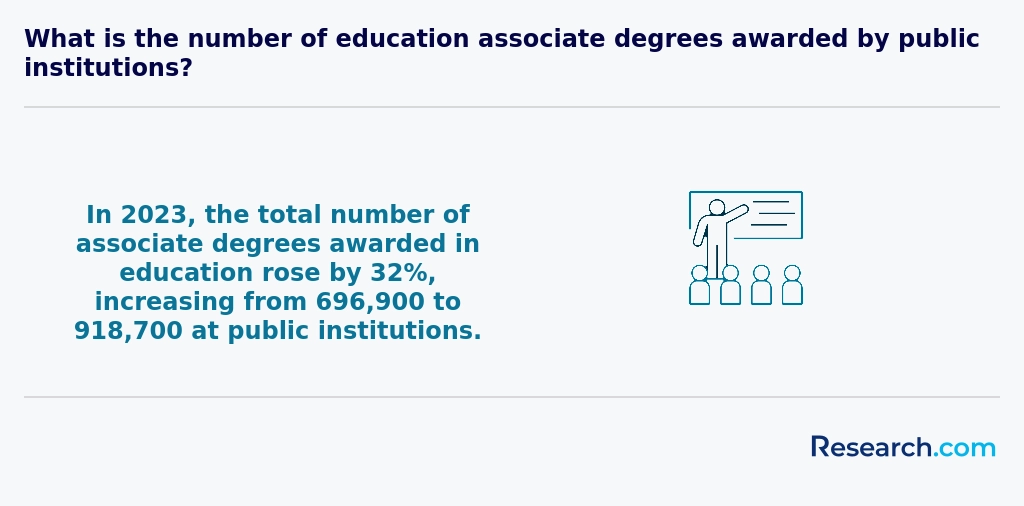
Ensuring your online Doctorate in Education is regionally accredited by agencies recognized by the U.S. Department of Education (such as the Higher Learning Commission) is critical for transferability of credits, eligibility for federal financial aid, and recognition by employers and state licensure boards. Regional accreditation evaluates an institution’s academic rigor, faculty qualifications, and student support services, whereas national accreditation often applies to vocational or career-focused schools. Choosing an accredited program safeguards your investment and professional future. Accredited institutions undergo periodic reviews to maintain standards in curriculum design, faculty expertise, and student outcomes. For example, graduates from regionally accredited Michigan universities have reported smoother pathways to licensure and higher job placement rates compared to those from non-accredited programs. Accreditation status also impacts access to grants, scholarships, and loan forgiveness programs, which can substantially lower your overall cost of study. To verify accreditation, consult the Council for Higher Education Accreditation (CHEA) database or the U.S. Department of Education’s accreditation database. Additionally, compare tuition and accreditation by exploring cost-effective accredited options in other regions-see our Inexpensive Online Education Degree Programs Ranking in Fort Lauderdale, FL for a curated list of affordable, quality-assured degrees. Prioritizing institutional credibility will ensure you earn a respected doctorate that meets both academic and professional standards.
Students pursuing online education degrees in Michigan often find financial aid opportunities that significantly lighten their financial load. For instance, a graduate from a well-known Michigan public university shared how completing the FAFSA unlocked Pell Grants, which covered a substantial portion of her tuition. Many find federal aid, including Direct Unsubsidized Loans and the TEACH Grant, to be reliable resources, especially when aiming for careers in high-need teaching areas.
Michigan residents studying online at institutions like Western Michigan University or Eastern Michigan University sometimes tap into state-specific programs such as the Michigan Tuition Grant or the Competitive Scholarship Program. These boosts can be game-changers, enabling students to focus on learning without the constant stress of tuition bills.
Another inspiring path involves institutional scholarships tailored for online education majors, often awarded based on merit and need. Graduates report that proactive outreach to university financial aid offices uncovered hidden gems of funding.
Looking ahead, it's exciting to consider how employer tuition reimbursement programs could evolve, making advanced education degrees even more accessible for working professionals across Michigan.
When evaluating an online doctorate in education in Michigan versus traditional, on-campus Ph.D. or Ed.D. programs, prospective students should consider flexibility, cost, and learning format. Online programs often allow for asynchronous coursework, enabling full-time educators to balance teaching, research, and family responsibilities without relocating. In contrast, traditional programs typically require residency, on-campus seminars, and cohort-based schedules that may prolong completion time but offer face-to-face mentorship and access to campus resources. From a financial standpoint, online doctorates generally have lower overhead costs-no campus fees or commuting expenses-while still maintaining rigorous accreditation standards set by bodies like the Higher Learning Commission. For those exploring cost-effective options beyond Michigan, see our Inexpensive Online Education Degree Programs Ranking in Fort Lauderdale, FL to compare tuition and outcomes. Traditional programs may offer richer funding packages, assistantships, and research grants, but competition for these awards can be high. In terms of networking and institutional reputation, on-campus doctorates provide direct access to faculty, peers, and local education authorities, fostering relationships that can lead to teaching or administrative positions in Michigan schools. Online programs, however, leverage virtual collaboration tools and nationwide cohorts, expanding your professional network across districts and states. Ultimately, the choice hinges on your career goals: choose an online doctorate for maximum flexibility and broader peer connections, or select a traditional program for immersive campus experiences and robust institutional funding.
To enroll in an online education degree in Michigan, students must typically hold a bachelor's degree from an accredited institution, often with a focus in education or a related field. Graduates from universities like Wayne State or the University of Michigan-Flint often share how their prior coursework laid a solid foundation, making the transition to online graduate studies smoother and more engaging. A minimum GPA around 2.75 to 3.0 is usually expected, reflecting the academic readiness necessary to tackle graduate-level challenges.
Many students appreciate that programs acknowledge diverse backgrounds by allowing relevant professional experience to complement traditional prerequisites. For example, those with several years teaching or counseling in Michigan schools find their practical insights valued in classroom discussions, especially in doctoral programs at institutions such as Oakland University.
While some traditional requirements like GRE scores are becoming optional, many candidates still prepare personal statements and gather references, which encourage self-reflection and confidence. This blend of academic preparedness and real-world experience shapes a positive, supportive learning atmosphere for Michigan's online education students.
When considering an online education degree in Michigan, understanding the financial implications and planning accordingly is crucial. Prospective students should explore the various financial aid options available, including scholarships, grants, and loans, to help offset the costs of tuition, living expenses, and supplies. For instance, those looking for affordable options may want to research the most affordable education programs in Michigan, which can provide valuable insights into budget-friendly pathways. By doing so, students can make informed decisions about their educational investments and set themselves up for long-term financial stability and success in their future careers as educators.
Online education degree programs in Michigan commonly include courses that blend theory with practical application, creating a dynamic learning experience for students from institutions like the University of Michigan and Michigan State University. Graduates often describe engaging deeply with educational psychology, allowing them to understand how diverse learners grow, which proved invaluable when they applied these insights in their own classrooms.
Curriculum development and instructional design courses frequently empower students to craft innovative lesson plans, tailored to online and in-person settings alike, fostering creativity and adaptability.
Many students also appreciate courses on assessment and evaluation methods, which demystify measuring student progress with real-world tools.
Technology integration stands out as a pivotal topic, especially as online educators in Michigan harness digital tools to connect with learners, reflecting a broader trend of edtech growth statewide.
Graduates often recount how diversity and inclusion courses helped them cultivate inclusive classrooms that respect Michigan's multicultural communities, making their teaching more empathetic and effective.
Online education degree specializations Michigan students pursue often include Educational Leadership and Administration, allowing graduates from popular institutions like the University of Michigan to confidently step into roles as school principals or district policy makers. These specializations respond to the state's priorities, preparing future leaders who feel empowered to drive change in K-12 systems.
Another common focus is Special Education, where graduates from colleges such as Michigan State University share a strong sense of fulfillment in supporting diverse learners. Their training helps meet Michigan's legislative standards and growing demand for specialized teaching skills.
Curriculum and Instruction is increasingly chosen by students inspired to innovate learning frameworks. They envision themselves as instructional coordinators improving classroom outcomes across Michigan's schools, demonstrating real impact through this specialization. Other visible trends include Early Childhood Education and Educational Technology, which tap into evolving digital classrooms and early learner development.
Prospective students weighing options might explore the affordable online EDD programs offered statewide, balancing cost and specialization to fit their unique career goals within Michigan's educational landscape.
Choosing the best online education degree in Michigan means looking beyond traditional factors to anticipate the evolving needs of both learners and local schools. Graduates from well-known Michigan universities often share how crucial accreditation was for their confidence and future employment, especially when pursuing a best online doctorate in education Michigan. These programs increasingly emphasize hybrid models, mixing asynchronous coursework with occasional in-person practicums that reflect the hands-on nature of teaching.
Affordability also shapes decision-making, with many students comparing tuition and scholarships to secure an affordable online education degree programs Michigan that fits their budgets. One graduate recalled balancing work and study easily thanks to flexible schedules offered by candidates at popular state colleges, which reduced stress and improved learning outcomes.
Moreover, staying connected to Michigan's labor market trends helps students feel optimistic about their career paths. Some programs develop strong partnerships with school districts, offering internships that lead to smooth transitions into local jobs. For those seeking to explore options and budget wisely, consulting rankings like Inexpensive Online Education Degree Programs Ranking in Fort Lauderdale, FL can inspire confidence in making financially sound choices.

Graduates of online education doctorate careers Michigan programs often find themselves stepping into leadership roles such as school principals or curriculum developers, where their advanced knowledge directly impacts student success. For instance, many alumni from popular institutions like the University of Michigan or Michigan State University share how their online degrees opened doors to administrative positions within public and private schools across the state.
Others pursue specialized teaching careers in high-demand areas like STEM and special education, meeting Michigan's critical need for licensed instructors. The flexibility of online programs allows current educators to advance credentials without leaving their classroom positions, fueling both personal growth and statewide educational improvement. Graduates also highlight emerging opportunities in educational technology, designing digital learning experiences that are increasingly vital in Michigan's evolving education system, a key trend among online education degree job opportunities Michigan.
Community education and adult learning roles are expanding as well, providing chances to shape workforce development. Prospective students curious about alternative paths might explore degrees for 60 year olds, showcasing the inclusivity and adaptability of online education degrees in Michigan's diverse landscape.
The job market for holders of an online education degree in Michigan is rapidly evolving with promising opportunities. Graduates from popular education programs at state universities often share stories of landing positions in K-12 schools where demand is high for subjects like math, science, and special education. This steady need aligns with the broader online education degree job outlook Michigan, which points to growth in teaching, administration, and specialized educator roles. Many find the flexibility of online learning especially valuable when balancing work and studies.
Michigan's career opportunities for education graduates are expanding beyond traditional classrooms. Experienced educators increasingly move into administrative and instructional coordinator roles, responding to retirements and quality improvement initiatives across the state. Graduates from well-regarded institutions appreciate how their online credentials open doors. Some even pursue cheap phd programs to boost their qualifications and salary potential.
2027 Fastest Online Doctorate in Education Degree Programs Ranking in Michigan
Investing in your education is a significant decision that can shape your future, and the Research.com team understands the importance of making informed choices. To assist prospective students in Michigan, we have meticulously crafted the "2027 Fastest Online Doctorate in Education Degree Programs Ranking." Our commitment to quality, credibility, and accuracy is reflected in the extensive research and analysis conducted to compile this ranking.
We utilized the following reputable data sources to ensure a comprehensive evaluation of these programs:
By exploring this ranking, readers will gain valuable insights into the fastest online Education doctorate programs offered in Michigan, empowering them to make well-informed decisions about their academic journey. For more details on how the ranking was created, please visit our Research.com methodology page.


Frequently Asked Questions About education
Online education degree students in Michigan can maximize their learning experience by creating a structured study schedule that aligns with their personal and professional commitments. According to the Michigan Virtual Learning Research Institute, organization and time management are key factors in online success. Engaging actively with instructors and peers through discussion boards and video conferences helps deepen understanding and combat isolation common in remote learning.
Utilizing Michigan's public university library resources, many of which offer remote access, can enhance research quality. Additionally, students should take advantage of academic advising and tutoring services widely available via Michigan's online campuses.
Setting clear goals and regularly assessing progress promotes motivation and completion rates, which Michigan's Department of Education reports as critical for graduate degree attainment in the state's online programs.
The education field is evolving rapidly, with several emerging niches gaining attention among educators and policymakers in Michigan. One growing area is educational technology, where professionals design and implement digital tools to improve learning outcomes. According to the Michigan Department of Education, demand for specialists in this niche increased by 15% over the last five years.
Another important niche is special education leadership, focusing on improving programs for students with diverse needs. Additionally, culturally responsive teaching is becoming essential in Michigan's diverse classrooms, addressing equity and inclusion. Researchers also note growth in early childhood education administration, reflecting expanding state support for pre-K programs.
After completing an online education degree in Michigan, preparing for the job market involves several key steps. Start by obtaining relevant teaching certifications or licenses required by the Michigan Department of Education, especially for K-12 positions. Networking is crucial; join local education associations such as the Michigan Education Association to connect with professionals and stay informed about job openings.
Michigan's education sector shows steady growth, with a 3.4% rise in education-related jobs projected through 2028, according to the Michigan Talent Dashboard. Building a strong resume and gaining practical experience through internships or substitute teaching can increase employability. Additionally, use Michigan-specific job boards and attend career fairs focused on education roles.
Employers in Michigan highly value several key skills in graduates of education degree programs. Strong communication abilities are essential, as educators must effectively convey information to diverse student populations. According to the Michigan Department of Education, adaptability and technological proficiency are increasingly important due to the integration of digital tools in classrooms.
Leadership and classroom management skills also rank highly, preparing graduates to maintain supportive, organized learning environments. Critical thinking and problem-solving abilities enable educators to tailor their instruction to meet student needs, a priority noted by numerous Michigan school districts.
Additionally, collaboration skills are vital, as teachers often work closely with colleagues and parents to support student success.
Finding internships in Michigan related to education degrees requires focused research and networking. Many universities in Michigan, such as the University of Michigan and Michigan State University, offer career services and internship placement support for education students. These resources connect students with local school districts and educational organizations.
Additionally, job platforms like Handshake and Michigan Talent Connect list education internships targeted to Michigan residents. According to the Michigan Department of Labor, school districts often look for interns during the academic year, especially in urban districts like Detroit Public Schools Community District.
Connecting with professional groups like the Michigan Education Association can also open doors to internships and field experiences, which are crucial for practical skill development in education careers.
In Michigan, earning an online education degree can significantly enhance career mobility by opening doors to advanced teaching positions and administrative roles. According to the Michigan Department of Education, educators with higher qualifications, such as a doctoral degree, are more likely to receive promotions and salary increases compared to those with only a bachelor's or master's degree.
Online degrees offer flexibility, allowing professionals to continue working while advancing their education. This is crucial in Michigan, where nearly 300,000 educators work in K-12 schools. Many districts value candidates who pursue advanced credentials despite full-time commitments.
For those aiming at leadership roles like principal or superintendent, an advanced online education degree often meets state licensure requirements and enhances competitiveness. Moreover, research from the National Center for Education Statistics highlights that educators with doctoral degrees tend to have wider job options and greater job security.
Studying for an education degree in Michigan offers strong preparation for interdisciplinary roles by emphasizing collaboration across different fields. Many Michigan institutions integrate coursework that connects education theory with psychology, technology, and administration. For example, Michigan State University highlights interdisciplinary approaches in their education programs to develop skills valuable in diverse educational settings.
The state's emphasis on data-driven decision-making trains graduates to apply research methods in varied contexts, supporting roles beyond traditional teaching. According to the Michigan Department of Education, educators with interdisciplinary training are better equipped for leadership and policy-making positions.
Online programs also stress flexibility, allowing students to tailor studies with electives from other departments. This adaptability is crucial for careers that blend education with social services, counseling, or technology integration.
When choosing between a thesis and a non-thesis education degree program in Michigan, students should consider their career goals and learning preferences. Thesis programs typically require original research and a written dissertation, preparing students for roles in academia or research. Non-thesis options often focus more on practical application and coursework, appealing to professionals aiming for leadership or administrative positions.
According to Michigan's public universities, thesis programs can take longer-often 3 to 4 years-due to research demands, while non-thesis programs might be completed more quickly, sometimes in 2 to 3 years. Students should assess their interest in conducting research and their timeline flexibility.
Additionally, Michigan data from the National Center for Education Statistics (NCES) highlights that about 40% of education doctoral graduates pursue careers in higher education, where a thesis may be advantageous. Those targeting K-12 or district leadership roles might benefit from non-thesis pathways.
Students in Michigan interested in studying education abroad through online programs have several viable options. Many U.S. universities with global partnerships offer joint or dual-degree programs, allowing students to earn credentials recognized both domestically and internationally while studying online. According to the Michigan Department of Education, institutions like the University of Michigan often facilitate international collaborations, enhancing global perspectives.
Moreover, Michigan-based students can enroll in accredited online education degrees that include study-abroad components, such as virtual exchanges or short-term residencies abroad. These options help meet state licensure requirements while providing international experience. This approach suits working professionals needing flexible schedules.
By leveraging online platforms, Michigan students can connect with programs accredited through U.S. regional accreditors and international bodies, ensuring high academic standards without relocating abroad.
Part-time job opportunities that complement education degree studies in Michigan often include roles such as teaching assistants, substitute teachers, and tutoring positions. These roles provide practical classroom experience, critical for developing instructional skills. According to the Michigan Department of Education, substitute teaching opportunities are available across the state's over 1,500 public school districts, making this a flexible option for students pursuing an education degree online.
Additionally, tutoring services in core subjects offer both paid work and skill refinement. Organizations like the Michigan Tutoring Association report growing demand for tutors in K-12 subjects, especially in math and literacy. These jobs align well with the learning schedule of part-time students, adding valuable hands-on experience to academic knowledge.
Networking opportunities for online education students in Michigan have grown significantly in recent years. Many universities offering online education degrees provide virtual events, webinars, and discussion forums to connect students with peers and faculty. For example, Michigan State University and the University of Michigan organize regular online networking sessions tailored to education professionals.
Additionally, Michigan's strong education community includes professional organizations such as the Michigan Education Association, which offers online memberships and virtual conferences. These allow students to engage with experienced educators and expand their professional networks.
Local workshops and regional meetups frequently open their virtual doors to online students, further supporting meaningful connections across the state. According to the Michigan Department of Education, these initiatives enhance career opportunities and collaboration within the state's education sector.
Alumni networks provide valuable support to students pursuing online education degrees in Michigan. They offer access to professional connections that can help with job placements and career advancement within the state's education sector. According to the Michigan Department of Education, networking is often cited among the most important factors in securing education-related positions.
These networks also facilitate mentorship opportunities, where experienced graduates guide current students through challenges such as research, internships, and certification processes. This is especially beneficial for online learners who may lack direct campus interactions.
Additionally, many Michigan universities maintain active alumni groups that organize local events and online forums, fostering a sense of community and engagement beyond graduation.
Customizing an online education degree program in Michigan allows students to align their studies with specific career goals. Many Michigan universities offer specializations or concentrations such as curriculum development, educational leadership, or special education. This flexibility helps students focus on areas relevant to their professional aspirations.
Additionally, students can often choose electives, complete practicums, or engage in research projects tailored to their interests. Some programs provide options for accelerated tracks, which may appeal to working professionals aiming to advance quickly.
According to the Michigan Department of Labor and Economic Opportunity, education-related jobs are expected to grow 5% from 2022 to 2032, highlighting the value of targeted credentials.
Online education students in Michigan face several common challenges that can affect their learning experience. One major issue is access to reliable high-speed internet, especially in rural areas where about 10% of Michigan's population resides, according to the U.S. Census Bureau. This digital divide can hinder participation in live lectures and timely submission of assignments.
Another challenge relates to balancing coursework with work and family responsibilities. Many students enrolled in online programs are adults who must juggle jobs and caregiving, causing time management stress. Additionally, some Michigan students report limited opportunities for in-person networking and peer support, which can impact motivation and engagement.
Finally, there is concern about the perceived credibility of online degrees. Although many accredited Michigan institutions offer respected online education programs, some employers and faculty still favor traditional degrees, complicating career advancement for graduates. Awareness of these challenges can help prospective students prepare adequately.
With an online education degree in Michigan, you can pursue several professional certifications to enhance your career. Common certifications include the Michigan Professional Educator Certificate (PEC), which qualifies you to teach in public schools across the state.
Specialist endorsements such as reading interventionist, special education, and ESL are also available upon completing required coursework and exams. According to the Michigan Department of Education, about 87% of educators hold a valid PEC, reflecting strong demand in the state.
Additionally, online education graduates can pursue National Board Certification, recognized nationwide for advanced teaching standards. This can lead to higher salaries and professional growth for Michigan educators.
Crafting a winning application for an online education program in Michigan starts with thorough research on the specific school and degree offerings. According to the Michigan Department of Education, programs must meet state accreditation standards, so highlighting your familiarity with these standards strengthens your application.
Focus on demonstrating your commitment to educational advancement by detailing relevant experiences and goals clearly. Michigan universities increasingly value applicants who show adaptability and self-motivation, important traits for succeeding in online formats.
Additionally, be sure to present strong letters of recommendation from professional or academic contacts, as these enhance credibility. Finally, follow all application instructions precisely and submit before deadlines to maintain a competitive edge.
The career outlook for education professionals is influenced by global trends that emphasize the importance of skilled educators in shaping societies. In the U.S., and specifically Michigan, demand for qualified teachers and education leaders remains steady, with the Bureau of Labor Statistics projecting a 5% growth in education careers through 2031. This aligns with a global focus on improving education access and quality.
Michigan's commitment to online education degrees reflects a broader trend toward flexible learning paths, which are crucial in meeting diverse student needs worldwide. According to the Michigan Department of Education, the state supports programs that equip educators with skills for multicultural and digital classrooms.
Globally, education careers are valued for their role in fostering innovation and economic development. Educators with advanced online degrees in Michigan can engage with these international perspectives while addressing local challenges in schools across urban and rural areas.
Students pursuing an online education degree in Michigan can gain practical experience through several key avenues. Many programs incorporate fieldwork or practicum requirements, allowing learners to engage in supervised teaching or administrative roles within local schools or educational organizations.
In Michigan, partnerships between universities and K-12 schools often facilitate internship placements, providing hands-on experience aligned with program goals. According to the Michigan Department of Education, such collaborations increase candidate readiness by 30% compared to solely online coursework.
Additionally, some programs encourage virtual simulations and case studies, offering practical problem-solving scenarios relevant to education administration and instruction.
Beyond coursework, joining professional organizations like the Michigan Education Association can provide networking and mentorship opportunities that support applied learning.
Choosing the right concentration within an online education degree program in Michigan depends on your career goals and interests. Popular concentrations include curriculum development, educational leadership, special education, and instructional technology. Each targets different roles: for example, educational leadership prepares students for administrative positions, while special education focuses on teaching students with disabilities.
Review Michigan's workforce data from the Bureau of Labor Statistics, which shows strong demand for education administrators and special education teachers. Consider how each concentration aligns with licensing requirements in Michigan, since some roles require specific certifications.
Additionally, examine program flexibility and faculty expertise. Michigan offers several accredited online programs through universities like Eastern Michigan University and Western Michigan University, known for tailored options. Finally, think about how your chosen concentration can impact your long-term earning potential and job stability in the state's education sector.
- 2027 Fastest Online Doctorate in Education Degree Programs Ranking in Indiana
- 2027 Fastest Online Doctorate in Education Degree Programs Ranking in Minnesota
- 2027 Fastest Online Doctorate in Education Degree Programs Ranking in Pennsylvania
- 2027 Fastest Online Doctorate in Education Degree Programs Ranking in Kentucky
- 2027 Fastest Online Doctorate in Education Degree Programs Ranking in Missouri
- 2027 Fastest Online Doctorate in Education Degree Programs Ranking in Virginia
- 2027 Fastest Online Doctorate in Education Degree Programs Ranking in Georgia
- 2027 Fastest Online Doctorate in Education Degree Programs Ranking in Mississippi
- 2027 Fastest Online Doctorate in Education Degree Programs Ranking in Nebraska
- 2027 Fastest Online Doctorate in Education Degree Programs Ranking in Florida
See What Experts Have To Say About Studying Education
Read our interview with Education experts

Nooshan Ashtari
Education Expert
Professor & Book Author
University of Southern California

Alan J. Singer
Education Expert
Professor of Teaching, Learning and Technology
Hofstra University

- Teacher of Global Perspectives (IGCSE) https://www.scie.com.cn/jobs-global-perspectives/
- Networking Tips and Advice for Students https://schoolshouldbe.com/post/networking-tips-and-advice-for-students/
- Education in Michigan can improve, if it's done right - The Education Trust - Midwest https://midwest.edtrust.org/news/education-in-michigan-can-improve-if-its-done-right/
- 2025 Best Online Colleges in Michigan https://www.onlineu.com/best-online-colleges/michigan
- Putting theory into practice: The value of an interdisciplinary approach to teaching https://my.chartered.college/impact_article/putting-theory-into-practice-the-value-of-an-interdisciplinary-approach-to-teaching/
- Top 10 Effective Networking Tips for Students https://www.unfc.ca/blog/networking-tips-for-students
- Students: This is How You Should Prepare for the Job Market https://www.agencycentral.co.uk/articles/students-this-is-how-you-should-prepare-for-the-job-market/
- Why Is Education Important in Your Career Advancement? - KWSP Malaysia https://www.kwsp.gov.my/en/w/article/career-advancement
- Finding Networking Opportunities as a Student | National Society of High School Scholars https://www.nshss.org/resources/blog/blog-posts/how-to-find-networking-opportunities-as-a-student/
- Online Colleges in Michigan | OEDb.org https://www.oedb.org/michigan/


