
2027 Fastest Online Doctorate in Education Degree Programs Ranking in Indiana

Co-Founder and Chief Data Scientist
Choosing the right online doctorate in education program can be challenging, especially for busy students in Indiana. This article introduces the 2027 Fastest Online Doctorate in Education Degree Programs Ranking in Indiana, created by the Research.com team of data scientists to guide you through your options.
By exploring this ranking, you'll discover programs that balance speed and quality, helping you advance your career with confidence. Pursuing an education degree opens doors to rewarding opportunities and personal growth. Let this guide support your journey toward making an informed choice that fits your goals and lifestyle.
Key benefits of getting online education degree in Indiana
- Graduates with education degrees in Indiana can expect promising salaries, such as $96,570 annually for University Professors and Department Chairs, and even up to $258,900 for University Presidents and Provosts, reflecting strong earning potential.
- Career paths for education degree holders range from teaching and administrative roles to leadership positions at institutions like Indiana University, offering diverse and rewarding opportunities.
- Online education degrees provide flexible learning schedules, allowing students to balance work and life while gaining skills recognized by employers, as seen with graduates from Indiana's respected online programs.
- 2027 Fastest Online Doctorate in Education Degree Programs Ranking in Indiana
- What can I expect from online education degree in Indiana?
- Where can I work with online education degree in Indiana?
What can I expect from online education degree in Indiana?
The average cost of an online education degree in Indiana typically ranges between $7,000 and $12,000 per year at public universities, making it a financially manageable option for many students. Graduates from schools like Indiana State University and Ball State University often share how this affordability, combined with flexible scheduling, allowed them to balance work, family, and coursework without overwhelming debt. For example, one graduate found that paying approximately $8,500 annually for a Master's degree gave them the freedom to keep a full-time job while advancing their career.
Private institutions may charge higher tuition, but many students find financial aid, scholarships, or employer tuition reimbursement programs that help reduce out-of-pocket costs. These practical supports make pursuing licensure or advanced roles in K-12 education or administration both achievable and motivating.
Knowing these typical costs ahead of time helps students plan budgets realistically while taking advantage of accredited programs that meet Indiana's professional standards and open doors for career advancement.
Where can I work with online education degree in Indiana?
Graduates with an online education degree in Indiana often find teaching roles in K-12 public schools, especially if they complete a state-approved licensure program. For example, those who studied through Indiana University or Purdue University frequently step confidently into classrooms, teaching subjects from elementary basics to specialized STEM courses.
Beyond the classroom, many graduates pursue careers in school administration as instructional coordinators or assistant principals. The Indiana Department of Workforce Development projects steady growth in these roles, making them practical career targets after gaining initial teaching experience.
Working at Indiana's colleges and universities is also a viable path, with roles like academic advisors or education program managers welcoming online degree holders-especially those who earned graduate-level credentials. These positions offer a chance to impact higher education while leveraging flexible learning skills developed online.
Others find fulfilling employment in charter schools, private institutions, and adult education programs, where Indiana's growing charter school network opens varied opportunities. Some graduates even advance into education policy and nonprofit work, contributing to state-wide reform efforts that align with their leadership-focused graduate studies.
Graduates who earn an online education degree from Indiana institutions such as Indiana University or Purdue University often find solid earning potential in the state's education sector. For example, a graduate who moves into a university professor role can expect a mean annual salary of around $96,570, reflecting a stable and respected career path.
Those advancing into leadership roles benefit even more. University department chairs earn a similar $96,570 annually, while academic deans, often responsible for managing entire faculties, report mean salaries near $100,720. These positions typically attract graduates who pursued advanced degrees online and gained campus experience through Indiana's accessible programs.
For professionals aiming at the highest university administration levels, the earnings are especially rewarding. Provosts and university presidents, often the pinnacle for education graduates, earn mean wages of about $258,900 per year. This income reflects the significant responsibilities and leadership duties held in such prestigious roles.
Such salaries demonstrate how Indiana online education degrees can open doorways to both teaching and top-tier administrative careers, making the investment in advanced online study a strategic and practical decision.
- Online education degrees in Indiana generally cost between $10,000 and $25,000 for the entire program.
- Public universities like Indiana State University and Ball State University offer more affordable tuition rates for in-state students.
- There is strong demand for certified teachers, especially in STEM, special education, and bilingual education fields.
- Starting salaries for education graduates range from $40,000 to $45,000, with experienced teachers earning $55,000 to $65,000 after 10 years.
- School administrators and specialized roles can earn salaries above $70,000.
- Graduates with online education degrees can obtain Indiana state licensure required for teaching in public schools by meeting academic and testing requirements.
Completing an online education degree in Indiana typically takes about four years for a bachelor's when studying full-time at institutions like Indiana University or Ball State University. Graduates often share how pacing their courses around work or family demands helps them stay on track without burnout. For those pursuing a master's degree online, such as at Purdue University's College of Education, expect roughly two years if enrolled full-time. Many find part-time study rewarding, even if it extends the timeline to around three years, as it balances career and personal life more smoothly.
Doctoral candidates at schools like Notre Dame or Indiana State University often see a three-to-five-year window, influenced by dissertation progress or course intensity. Transfer credits and self-paced formats at these schools can accelerate this timeline. Practical strategies such as planning coursework during less busy seasons or prioritizing transfer credits have helped past graduates reduce completion time while maintaining morale and confidence in their progress.
Choosing between online and on-campus education degrees in Indiana boils down to how you prefer to learn and manage your time. Graduates from Indiana University's School of Education, for example, share that on-campus programs offer energizing face-to-face interactions-group projects and lively class discussions help build strong local networks and a sense of community.
Meanwhile, others who studied online appreciate the freedom to fit coursework around full-time jobs or family life. With Ball State University's flexible online courses, students access lectures anytime, making it easier to juggle life responsibilities while progressing steadily through their degree.
Keep in mind, online education demands solid self-discipline and reliable technology-a few graduates mention that having a quiet workspace and steady internet made all the difference. Tuition costs in Indiana, around $10,000 to $12,000 annually for public master's programs, may be similar, but online learners save on commuting and housing expenses, which adds to that flexibility.
The average cost of an online education degree in Indiana varies considerably based on residency and institution type, but a pragmatic planner can expect median total tuition and fees around $36,360 for in-state students. Graduates of popular public universities like Indiana University often mention the benefit of tuition rates ranging roughly from $600 to $900 per credit hour, which keeps the overall price manageable when spread over a 30- to 60-credit-hour program.
For those exploring total tuition and fees for online doctorate Indiana programs, costs tend to rise; however, options like Purdue University Global offer flat rates near $371 per credit hour, which is appealing for planning budgets limited by upfront costs. Many students feel positive about these rates because they avoid traditional campus expenses such as commuting and housing.
Private institutions in Indiana can push costs noticeably higher, sometimes exceeding $1,200 per credit hour, yet many learners report this comes with additional resources and support, making it a worthwhile investment. It's wise to add a few thousand dollars annually to your budget for textbooks and technology fees, as these are common necessities in online learning.
Financial aid can shift your actual expenses significantly. Numerous students recommend thoroughly researching scholarships or assistantships. Those aiming for advanced degrees sometimes pursue a doctoral degree without dissertation, which can provide more affordable and flexible pathways toward completion.
When estimating the average cost of online education degree Indiana options, keeping these details in mind-residency, school choice, and program length-helps you approach the commitment confidently and financially prepared.
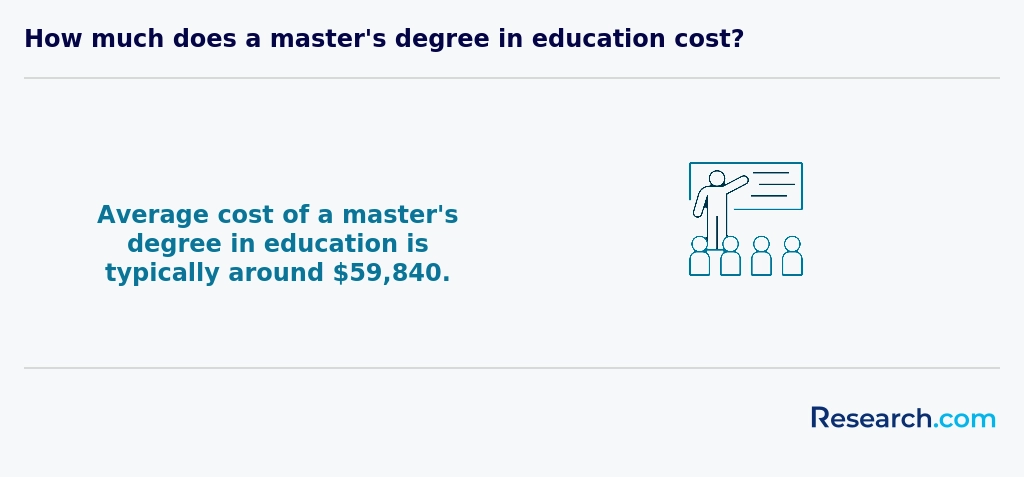
Students pursuing online education degrees in Indiana can access several financial aid options to ease the burden of tuition. Federal aid remains a major source, including Direct Subsidized and Unsubsidized Loans, which many online education graduates from Indiana University have successfully used to manage costs without immediate repayment pressure.
State aid programs through the Indiana Commission for Higher Education provide some scholarships targeting graduate students entering education fields. Graduates from Purdue University Global often benefit from these, especially those aiming for public service roles.
Institutional scholarships at Indiana's top online education schools also play a crucial role. Many students share how merit-based grants from their universities significantly lowered their expenses, especially in-state residents.
Employer tuition assistance is another practical option. Education professionals working in Indiana schools frequently receive employer support, reducing financial stress and boosting motivation to continue their degrees.
The savings from studying online-cutting costs on commuting and housing-further brighten the path, making advanced education in Indiana both affordable and accessible.
To enroll in an online education degree in Indiana, start by ensuring you have a high school diploma or GED if you're pursuing an undergraduate program. Graduates from schools like Ball State University often emphasize how submitting official transcripts early helped smooth their application process. For graduate degrees, such as a master's or doctorate, a bachelor's degree from an accredited institution is essential, usually coupled with transcripts showing at least a 3.0 GPA.
Many successful applicants at Indiana University share that having relevant teaching experience or even a current teaching license boosts their chances, especially for programs aimed at licensure renewal or specialized certifications. Some programs may request GRE scores, but many Indiana schools are waiving this requirement lately, making the path easier.
Practical advice from recent students includes preparing letters of recommendation and a clear personal statement that highlights your passion for education. This approach helps admissions committees at places like Purdue University recognize your commitment and potential.

When pursuing an online education degree in Indiana, you'll typically encounter courses designed to build both foundational knowledge and practical skills. Graduates from programs like Indiana University and Ball State University often share how courses in Educational Psychology helped them understand student behavior, making classroom challenges easier to handle.
Courses in Curriculum Design and Instruction provide step-by-step strategies for creating effective lesson plans tailored to diverse learners, a skill many grads found immediately useful in their teaching roles.
Educational Technology classes prepare you to confidently use digital tools, essential for the growing online and hybrid learning environments common in Indiana schools today. Practical courses like Classroom Management and Assessment teach you how to foster positive learning spaces and measure student progress accurately.
Many students appreciate the flexibility of asynchronous classes, allowing them to balance work with study. Educational Leadership and Research Methods courses also appeal to those aiming for administrative roles or advanced degrees, equipping them with policy insight and analytical skills essential in Indiana's educational landscape.
When choosing an online education degree in Indiana, you'll find specializations that fit various career stages and goals. Graduates from popular institutions often highlight Curriculum and Instruction as a practical choice, preparing them to create impactful lesson plans and improve student engagement. With this focus, many have stepped into roles where they lead educational programs confidently.
For those aiming higher in the administrative track, Educational Leadership offers training for becoming principals or district administrators. These graduates appreciate the hands-on knowledge in school law and finance they gained, which they apply daily managing school operations in Indiana's diverse settings.
Indiana also emphasizes inclusive teaching through Special Education specializations, where educators prepare to support students with disabilities. This focus aligns with Indiana schools' priorities and gives graduates a meaningful way to impact individual lives.
Other popular paths include Adult and Continuing Education, Early Childhood Education, and Educational Technology, giving flexibility to fit your passion and local workforce needs. Exploring options like these ensures you're aligned with Indiana online education degree focus areas and career outcomes.
Many find it useful to review the highest paying bachelor degrees entry-level to align specializations with salary expectations, making informed decisions about their future.
Start by verifying the program's accreditation, ideally from the Higher Learning Commission, which many reputable Indiana universities hold. Graduates often share how this accreditation gave their degrees credibility when pursuing teaching licenses or advanced roles. Next, focus on affordability; Indiana public institutions typically average around $10,000 annually for in-state online students, though some affordable online education degrees Indiana offer competitive rates with fewer additional fees.
Flexibility is critical-working professionals appreciate asynchronous courses available at popular Indiana schools, allowing study around their schedules. Others prefer synchronous classes for real-time interaction, but it requires careful time management. Graduates commonly note that selecting a program matching their lifestyle minimized stress and boosted completion success.
Look closely at program specializations like curriculum development or educational leadership, as these can shape your career. Many students from Indiana colleges highlight how curriculum quality and faculty expertise drove their professional growth. Also, investigate student support services, essential for online learners facing limited face-to-face contact.
For those curious about quick degree paths, researching the what is the easiest degree to get can help make informed choices. If aiming higher, explore options for the fastest online doctorate in education Indiana offers to expedite your career advancement.

Graduates with an online education degree in Indiana often find practical pathways to careers such as K-12 teachers, where the steady demand in subjects like math and special education opens doors in many districts. Those who studied at prominent Indiana institutions report feeling prepared to meet licensure requirements, enabling smooth entry into classroom roles. Meanwhile, school administration positions-ranging from assistant principals to curriculum coordinators-offer leadership opportunities for those holding advanced degrees. Instructional coordinators and education consultants also provide viable options, especially for graduates interested in shaping curriculum and driving policy in school systems.
For students at universities well-regarded for education, pursuing an online education doctorate careers Indiana can lead to roles like higher education instructors, enabling teaching future educators. Many find this a rewarding path that combines expertise with impactful mentorship. Additionally, some graduates explore dual fields by enrolling in dual degree programs in usa, broadening their job opportunities.
Graduates pursuing an online education degree careers in Indiana find a steady and growing job market thanks to the state's focus on education quality and workforce development. Popular institutions like Indiana University and Ball State University offer flexible online programs that prepare candidates for K-12 licensure and administrative roles, enabling students to balance work and study effectively.
Indiana's education job outlook is positive, with expected sector growth around 7% through 2030. Graduates often secure positions as teachers, instructional coordinators, or education administrators, benefiting from competitive salaries-around $57,000 for teachers and $72,000 for coordinators. Practical experience from these programs, combined with state certification preparation, equips students to meet local demand in public and private schools alike.
Many graduates appreciate how affordable Indiana's online master's degrees are, costing nearly half the national average, making it easier to invest in their career paths. For those considering further advancement, exploring anchors part-time Ph.D. in economics programs can also enhance leadership opportunities in the education field.
2027 Fastest Online Doctorate in Education Degree Programs Ranking in Indiana
Investing in your education is a significant decision that can shape your future, and the Research.com team understands the importance of making informed choices. To assist prospective students in Indiana, we have meticulously crafted the "2027 Fastest Online Doctorate in Education Degree Programs Ranking in Indiana." Our commitment to quality, credibility, and accuracy is reflected in the extensive research and analysis conducted to compile this ranking.
We utilized the following reputable data sources to ensure a comprehensive evaluation of online doctorate programs in education:
By exploring this ranking, readers will gain valuable insights into the fastest online Doctorate in Education programs available in Indiana, helping them make well-informed decisions about their educational paths. For more details on our methodology, please visit our Research.com methodology page.
# 1 position
Indiana State University
Doctor of Educational Administration: Higher Education Leadership


Frequently Asked Questions About education
Students pursuing online education degrees in Indiana can maximize their learning by actively engaging with their courses and utilizing available resources. Research from the Indiana Commission for Higher Education highlights that students who participate in virtual study groups and seek regular feedback from instructors tend to improve retention and completion rates. Effective time management is crucial, with experts recommending a dedicated weekly schedule equal to traditional classroom hours. Additionally, Indiana students should take advantage of local online library access and state-supported tutoring services offered by institutions like Indiana University. Staying connected with peers through forums and leveraging technology strengthens understanding and motivation in online programs.
The education field in Indiana is seeing growth in several emerging niches, particularly within online degree programs. One rapidly expanding area is educational technology, which focuses on integrating digital tools to enhance learning experiences. According to the Indiana Commission for Higher Education, enrollment in technology-related education degrees increased by over 12% between 2020 and 2023.
Special education remains a critical focus, with rising demand for experts able to support diverse learners in inclusive settings. Data from the Indiana Department of Education highlights a 9% increase in vacancies for special education teachers statewide.
Another niche gaining momentum is instructional design and curriculum development, driven by the growing need for effective online and hybrid learning models. Professionals skilled in these roles are essential as Indiana schools continue adopting blended instruction approaches.
Graduates with an online education degree in Indiana should begin preparing for the job market early. Building a strong professional network is essential; joining state education associations such as the Indiana Association of Colleges for Teacher Education (IACTE) can provide valuable connections.
It is important to gain practical experience through internships or substitute teaching roles, as Indiana employers prioritize hands-on skills. According to the Indiana Department of Workforce Development, the education sector expects a 3.5% growth through 2028, signaling steady job availability.
Additionally, obtaining relevant teaching certifications, including Indiana's Professional Teaching License, can improve employment prospects. Staying informed about evolving education technologies and continuing professional development will also enhance competitiveness.
Employers in Indiana prioritize a variety of skills when hiring graduates with education degrees, especially those who earned their credentials online. Strong classroom management and effective communication skills remain essential, enabling teachers to engage diverse student groups successfully.
According to the Indiana Department of Education, adaptability and proficiency with digital learning tools are increasingly important, reflecting the rise of hybrid and remote teaching methods.
Furthermore, critical thinking and the ability to develop individualized learning plans are highly valued, as Indiana schools emphasize personalized education approaches.
Data from the National Center for Education Statistics shows that collaboration skills, such as working with colleagues and families, also strongly influence hiring decisions across Indiana's districts.
Finding internships relevant to an education degree in Indiana involves utilizing both online resources and local networks. The Indiana Department of Education provides valuable listings and guidance for student internships in schools across the state. Additionally, many universities in Indiana partner with K-12 schools to offer field experience opportunities for education students.
Online platforms like Handshake and Parker Dewey are commonly used by Indiana students to discover internships tailored to their education majors. According to the National Center for Education Statistics, Indiana has over 1,800 public schools where internships may be available.
Engaging with local education organizations and attending career fairs at Indiana colleges can further increase internship opportunities relevant to an education degree.
Obtaining an online education degree in Indiana can significantly enhance career mobility and advancement opportunities. According to the Indiana Department of Education, nearly 75% of school administrators and instructional coordinators hold advanced degrees, highlighting the importance of higher education credentials for leadership roles.
Online degrees offer flexibility for working professionals, allowing them to upskill without interrupting their careers. This flexibility is especially valuable in Indiana, where rural educators often face challenges attending traditional programs.
Employers in Indiana increasingly recognize the credibility of accredited online programs, which can open doors to higher salaries and promotions within school districts. Data from the Bureau of Labor Statistics shows that education administrators in Indiana earn a median wage above the national average, partially due to advanced qualifications.
Furthermore, online education programs in Indiana are designed to meet state licensure requirements, ensuring graduates remain competitive in the job market. This alignment with state standards supports career growth and access to specialized roles such as curriculum development and educational policy.
Studying for an education degree online in Indiana equips students with skills applicable across multiple disciplines. Programs emphasize collaboration, critical thinking, and adapting teaching methods to various subject areas. Indiana universities often integrate coursework addressing educational psychology, technology, and policy, fostering versatile expertise.
According to the Indiana Commission for Higher Education, nearly 40% of education graduates pursue roles beyond traditional classrooms, including administration and counseling. Online programs prepare students to navigate diverse environments, blending pedagogy with leadership and communication skills needed for interdisciplinary careers.
This comprehensive approach ensures graduates can contribute effectively in evolving education landscapes, meeting the demands of varied educational settings.
Choosing between a thesis and a non-thesis education degree program in Indiana depends on your academic and career goals. Thesis programs typically require original research and a written dissertation, which can prepare you for roles in academia or research. Non-thesis options often focus on practical application and coursework, appealing to professionals seeking advancement in K-12 or administrative positions.
Indiana universities offer both formats for online education degrees, with thesis tracks often taking longer to complete due to research demands. According to Indiana Commission for Higher Education, about 40% of education graduate students opt for non-thesis paths for faster completion.
Evaluate your interest in research, time availability, and job aspirations when deciding between these options.
Students based in Indiana who wish to study education abroad while pursuing online degrees have several options through partnerships and exchange programs coordinated by their home institutions. Many Indiana universities with education departments, such as Indiana University and Ball State University, offer study abroad experiences integrated with online coursework.
Programs often focus on countries with strong educational systems, including the United Kingdom and Australia. These allow students to gain international perspectives on teaching methods without pausing their degree progress.
According to the Indiana Commission for Higher Education, around 7% of Indiana students participate in study abroad programs, with education majors increasingly involved due to growing interest in global education practices.
Online education degrees combined with strategic abroad experiences prepare graduates to meet diverse classroom challenges, benefitting from Indiana's emphasis on global competency in its education workforce development planning.
Part-time job opportunities in Indiana that complement an education degree often include roles such as teacher assistants, after-school program coordinators, and tutoring positions. According to the Indiana Department of Education, these roles provide practical experience and improve classroom management skills. Working as a substitute teacher is another common choice, offering flexible hours and exposure to various school settings.
Additionally, positions in educational nonprofits or community centers can enhance understanding of educational outreach. The Bureau of Labor Statistics notes that these roles can help build valuable skills in communication and curriculum development, which are essential for education professionals.
Online education students in Indiana benefit from a variety of networking opportunities that support their academic and professional growth. Many Indiana universities offering online education degrees provide virtual events, discussion forums, and group projects to encourage interaction among students.
Additionally, organizations such as the Indiana Association of Colleges and Schools promote statewide networking through conferences and workshops, often accessible to online learners. Indiana also has active chapters of national groups like the American Educational Research Association (AERA) that host local meetups and seminars.
Moreover, career services at Indiana institutions often include virtual job fairs and alumni networking platforms, helping online students connect with educators and administrators across the state.
Alumni networks play a key role for students pursuing online education degrees in Indiana by offering valuable career support and connections. Many Indiana universities, such as Indiana University and Purdue University, maintain active alumni associations that provide access to job postings, mentoring programs, and networking events.
Data from the Indiana Commission for Higher Education shows that graduates involved in alumni networks experience higher employment rates within six months of graduation, helping online students overcome geographic limitations. These networks also enable students to build professional relationships within the state's education sector, which is vital in a field heavily based on connections.
Additionally, alumni often share insights on workforce trends and continuing education opportunities, keeping current students informed and competitive in Indiana's evolving educational landscape.
In Indiana, online education degree programs often offer flexibility to tailor coursework to individual career aspirations. Many institutions provide various specialization options, such as curriculum design, educational leadership, or special education. Students can select electives that align with their professional goals, enhancing skills needed in specific educational settings.
Additionally, some programs allow for practical experiences like internships or capstone projects within local school districts, supporting real-world application. Indiana's Commission for Higher Education reports an increasing number of online learners opting for customizable tracks to better meet workforce demands.
Review each program's curriculum carefully to find one offering these adaptive learning paths.
Online education students in Indiana often face challenges related to time management and balancing coursework with professional and personal responsibilities. According to the Indiana Commission for Higher Education, many adult learners enroll part-time, which can prolong program completion and increase stress.
Technical difficulties also pose a barrier, especially for students in rural areas where high-speed internet access is limited. The USDA reports that about 15% of Indiana residents lack reliable broadband, impacting online learning quality.
Another issue is limited interaction with faculty and peers, which can affect motivation and engagement. Research shows that students with stronger social connections tend to perform better academically.
With an online education degree in Indiana, you can pursue various professional certifications that enhance your career opportunities. Common certifications include the Indiana Professional Educator License (PEL), which allows teaching in public schools across the state. This license often requires completing an approved teacher preparation program and passing state exams.
Other popular certifications include the Reading Specialist License and the Administrator License, aimed at specialists in literacy and school leadership respectively. National certifications like the National Board Certification are also accessible and can increase salary potential. According to the Indiana Department of Education, certification requirements are evolving to support digital and online learning skills.
Writing a successful application for an online education program in Indiana requires clear demonstration of your academic goals and professional experience. Start by thoroughly researching the program's requirements, as Indiana schools often emphasize teaching credentials and relevant work history.
Highlight your commitment to education through well-crafted personal statements that align your goals with the program's strengths. Include specific examples of leadership or instructional success if applicable.
Submit all required documents on time, such as transcripts, letters of recommendation, and standardized test scores if required. According to the Indiana Commission for Higher Education, up to 30% of graduate applicants are rejected due to incomplete files, so punctuality matters.
Consider emphasizing any connection to Indiana's educational priorities, such as improving local schools or advancing statewide literacy efforts.
Global perspectives on an education career emphasize its essential role in societal development and cross-cultural understanding. In the United States, including Indiana, education professions are viewed as both impactful and stable career paths. According to the U.S. Bureau of Labor Statistics, teacher employment is projected to grow nationally by 5% from 2021 to 2031, reflecting steady demand.
Indiana's education system mirrors this trend, highlighting the need for qualified educators across urban and rural areas. The Indiana Department of Education reports increased investment in professional development, encouraging educators to pursue advanced degrees, including online options that provide flexibility.
Worldwide, education careers are valued for fostering innovation and inclusivity, aligning with Indiana's emphasis on preparing educators to meet diverse student needs.
Gaining practical experience while studying for an online education degree in Indiana is essential for applying theory to real-world teaching. Many Indiana programs incorporate required internships or practicum courses, allowing students to work in local schools under supervision. According to the Indiana Department of Education, these hands-on opportunities help candidates meet state licensure requirements.
Additionally, students can engage in virtual simulations and collaborate with peers on projects tailored to Indiana's curriculum standards. Some universities offer partnerships with Indiana school districts, providing structured mentorship and classroom experience. This blended approach equips online learners with both knowledge and practical skills needed in Indiana's diverse educational settings.
Choosing the right concentration within an online education degree program in Indiana depends on your career goals and interests. Common concentrations include curriculum development, educational leadership, special education, and instructional technology. The Indiana Department of Education reports a growing need for leaders and special education experts across the state. It's important to review how each concentration aligns with Indiana's licensing requirements if you plan to work in public schools.
Consider the demand for specific roles: for example, educational leadership positions are expected to grow by 8% statewide through 2030, according to 2021 labor market data. Also, explore how concentrations prepare you for certificate exams or professional development relevant to Indiana educators.
Finally, evaluate program flexibility and access to faculty support. Strong programs often provide mentorship and research opportunities tailored to Indiana's educational landscape.
- 2027 Fastest Online Doctorate in Education Degree Programs Ranking in Kentucky
- 2027 Fastest Online Doctorate in Education Degree Programs Ranking in Michigan
- 2027 Fastest Online Doctorate in Education Degree Programs Ranking in Missouri
- 2027 Fastest Online Doctorate in Education Degree Programs Ranking in Minnesota
- 2027 Fastest Online Doctorate in Education Degree Programs Ranking in Pennsylvania
- 2027 Fastest Online Doctorate in Education Degree Programs Ranking in Georgia
- 2027 Fastest Online Doctorate in Education Degree Programs Ranking in Mississippi
- 2027 Fastest Online Doctorate in Education Degree Programs Ranking in Virginia
- 2027 Fastest Online Doctorate in Education Degree Programs Ranking in Florida
- 2027 Fastest Online Doctorate in Education Degree Programs Ranking in Nebraska
See What Experts Have To Say About Studying Education
Read our interview with Education experts

Alan J. Singer
Education Expert
Professor of Teaching, Learning and Technology
Hofstra University

Nooshan Ashtari
Education Expert
Professor & Book Author
University of Southern California

- Get the skills employers want | Study UK https://study-uk.britishcouncil.org/why-study/succeed-your-career/get-skills-employers-want
- Cost and Financial Aid https://academics.iusb.edu/online-education/cost-financial-aid.html
- Online networking opportunities for teacher educators https://www.teachingenglish.org.uk/professional-development/teacher-educators/taking-responsibility/online-networking-opportunities
- The Advantages of Studying an Online Degree https://www.falmouth.ac.uk/news/advantages-studying-online-degree
- How to Write a Great Letter of Intent for a Teaching Job | Zen Educate https://www.zeneducate.com/us/resources/becoming-a-teacher/how-to-write-letter-of-intent-teaching-job/
- Online Degree Admissions | Indiana Wesleyan University https://www.indwes.edu/admissions/online/
- Online Teaching Jobs | Elevate K-12 https://www.elevatek12.com/online-teaching-jobs/
- Your career at KIDS&Co. - dwujęzyczne przedszkola KIDS&Co. https://kids-co.pl/en/career/
- How to Choose a Concentration for Your Master of Education 3 Questions to Consider https://www.aiuniv.edu/degrees/education/articles/how-to-choose-an-education-specialization
- Finding Your Path: How to Align Studies with Career Goals https://www.alfabetaglobal.com/blogs/finding-your-path-how-to-align-your-studies-with-your-career-goals


