
2027 Fastest Online Education Degree Programs Ranking in Maryland

Co-Founder and Chief Data Scientist
Choosing the right education degree program can be overwhelming, especially with so many online options available in Maryland. To help you navigate this, our article presents the 2027 Fastest Online Education Degree Programs Ranking in Maryland created by the Research.com team of data scientists.
This ranking offers clear insights on programs that stand out for their speed and quality, making it easier for you to decide where to invest your time and effort.
Whether you're starting your journey or advancing your career, earning an education degree opens doors to meaningful opportunities and personal growth.
Key benefits of getting online education degree in Maryland
- Graduates with an education degree in Maryland can expect strong salary prospects, such as $76,000 for Special Education Teachers and $77,200 for Instructional Designers, reflecting rewarding financial opportunities.
- Many career paths are open, from teaching young children to designing instructional materials, giving graduates from schools like Towson University flexibility to find roles that match their passions.
- Online degrees from institutions like University of Maryland Global Campus offer convenience and allow students to balance work and study, making earning a degree more accessible without sacrificing quality.
- 2027 Fastest Online Education Degree Programs Ranking in Maryland
- What can I expect from online education degree in Maryland?
- Where can I work with online education degree in Maryland?
What can I expect from online education degree in Maryland?
Understanding the average cost of an online education degree in Maryland is essential for planning your journey. Graduates from institutions like Towson University and University of Maryland Global Campus often share that tuition for a bachelor's degree ranges from approximately $7,000 to $10,000 per year for in-state students, while master's programs typically fall between $10,000 and $15,000 annually. These costs reflect the quality and flexibility of programs designed to fit busy lives, offering 24/7 access and rigor tailored to Maryland's certification standards.
Many students express relief in finding these programs affordable compared to traditional on-campus options, which often include added costs like commuting and housing. The investment feels worthwhile as they balance coursework with work and family responsibilities. For example, a graduate from Johns Hopkins University's online education track notes how streamlined payment plans and financial aid options eased their path, making the pursuit of an advanced degree both accessible and encouraging.
Where can I work with online education degree in Maryland?
Graduates with an online education degree in Maryland often find rewarding careers within K-12 public schools, where the demand for certified teachers in core subjects like math, science, and English remains strong. Many who studied through institutions such as Towson University or the University of Maryland have shared how their regional accreditation helped them quickly secure teaching roles across various Maryland districts. This practical pathway offers a fulfilling way to impact young lives directly, fostering both personal and professional satisfaction.
Beyond classroom teaching, Maryland's evolving educational landscape opens doors in administration, curriculum development, and instructional coordination. Graduates from programs at Coppin State University, for example, often feel prepared to contribute to innovative digital learning initiatives, reflecting the state's commitment to technology integration in education.
Private schools and nonprofit organizations also form a meaningful part of employment options, offering graduates environments where they can nurture individual student growth. Furthermore, the proximity to major universities and federal agencies allows those with education degrees to engage in corporate training or postsecondary support roles, blending educational expertise with broader professional development interests.
Graduates who earn online education degrees in Maryland often find rewarding salary opportunities that reflect both the state's commitment to education and its higher cost of living. For example, those stepping into roles as elementary school teachers typically expect mean annual salaries around $70,740. This aligns well with the wages reported by graduates from institutions like Towson University and University of Maryland, who appreciate the balance of solid pay and fulfilling work.
Special education teachers, who often carry additional certifications, can look forward to salaries near $76,000 annually. Many graduates from local colleges specializing in these areas express satisfaction with the financial stability this role provides, allowing them to invest further in their professional growth.
ESL teachers in Maryland earn approximately $65,430 on average, with hourly wages of about $31.46, a figure that helps those passionate about language education maintain a comfortable lifestyle. Early childhood educators start a bit lower, with mean wages around $41,410, but often find joy and meaning that go beyond salary alone.
Instructional designers, a growing profession in Maryland's education landscape, bring in about $77,200 yearly. Graduates entering this field through online programs describe the flexibility and innovation involved as uniquely motivating, blending technology with pedagogy to shape future learners.
- Online education degrees in Maryland cost between $10,000 and $25,000 per year, depending on the program and institution.
- Early-career teachers in Maryland earn about $55,000 annually, with experienced educators making up to $90,000 in high-demand roles.
- Maryland expects steady demand for teachers through 2030, especially in special education, math, and science fields.
- Online education programs must be approved by the Maryland State Department of Education to meet certification requirements for K-12 teaching.
- Students have access to strong online support services like academic advising and career placement to help with job transitions.
Completing an online education degree in Maryland typically depends on the level of study and the student's personal pace. Graduates from the University of Maryland, known for its flexible online education programs, often share how bachelor's degrees generally take about four years for full-time students but can be accelerated to as little as two or three years by those who are highly motivated and manage their time well. Part-time students balancing work and family life often find it rewarding to take around five years without feeling overwhelmed.
At institutions like Towson University, master's students appreciate the accelerated pathways that enable finishing within 12 to 18 months. Many recount how staying committed to year-round courses made this possible without sacrificing work or family responsibilities.
Doctoral candidates at Johns Hopkins University experience a more extended journey, typically three to six years online, valuing the deep research and leadership skills gained. They often express pride in managing their timetable around jobs and other commitments, proving dedication truly shapes completion time in Maryland's robust education system.
When evaluating the fastest online education degree programs in Maryland, it’s important to balance program length with overall affordability. Maryland’s accelerated tracks deliver rapid completion times, but tuition rates can vary widely-especially for out-of-state students. For learners prioritizing cost savings, the Most Affordable Online Education Degree Programs Ranking in Mississippi offers a complementary perspective, highlighting institutions where in-state tuition often falls well below the national median. By comparing Maryland’s fastest offerings against Mississippi’s most budget-friendly programs, prospective students can identify a pathway that aligns with both their timeline and financial goals. For example, an accelerated bachelor’s in Maryland may shave off a semester in exchange for higher per-credit fees, whereas certain Mississippi universities allow completion in the same timeframe at substantially lower cost. Prospective candidates should request detailed tuition breakdowns, factor in technology or graduation fees, and consider transfer policies that may reduce credit-hour requirements. Ultimately, assessing both speed and affordability across state lines empowers you to make an informed decision that maximizes return on investment while meeting your educational objectives.
Graduates from institutions like the University of Maryland and Towson University often reflect on how their choice between online and on-campus education shaped their journey. Online education degrees in Maryland provide unmatched flexibility, allowing working professionals or parents to balance life commitments while progressing at their own pace. Imagine attending classes from home, logging into discussions after work, and accessing course materials anytime-this flexibility brings a sense of empowerment and control over learning.
Conversely, on-campus programs immerse students in a vibrant campus atmosphere. Walking through UMBC's campus, participating in live discussions, and collaborating face-to-face creates strong social bonds and immediate engagement with faculty and peers. This direct interaction fosters confidence and a deep sense of belonging.
Cost is another practical consideration. Some Maryland graduates appreciate that online degrees may reduce fees tied to campus facilities, easing financial strain without sacrificing quality. Both pathways maintain rigorous accreditation, ensuring that whether learning virtually or in person, the value of the education remains consistently high.
When evaluating affordable online education degree programs in Maryland, prospective students should benchmark tuition rates, mandatory fees, and living-expense estimates to ensure they’re making a value-driven choice. Start by calculating the total program cost-tuition per credit, technology fees, and any proctoring or resource charges-then compare in-state versus out-of-state rates, part-time versus full-time enrollment, and payment-plan options. Exploring state grants and institutional scholarships can further reduce the net price, while federal aid eligibility often hinges on program accreditation and enrollment status. To gain additional perspective, students may review cost structures in other regions: for example, the Most Affordable Online Education Degree Programs Ranking in Mississippi offers insight into tuition models and financial-aid strategies that Maryland institutions could mirror. By analysing these benchmarks, applicants can identify schools with transparent fee schedules, robust scholarship pools, and flexible payment plans. Finally, leverage net-price calculators on university websites and consult financial-aid offices early-this proactive approach uncovers hidden funding opportunities and minimizes loan dependence, ultimately maximizing return on investment for your online education degree in Maryland.
The average cost of an online education degree in Maryland reflects a balance between quality and affordability, with in-state students typically investing about $21,816 to complete their programs. Graduates from well-known institutions like the University of Maryland Global Campus or Towson University often share how manageable tuition rates, coupled with support services, made pursuing their degrees online a rewarding experience. These costs align well with expectations for Maryland residents, showing a tangible path to advancing their education without undue financial strain.
Understanding the tuition and fees for Maryland online education degrees helps prospective students anticipate their financial commitments. For example, many undergraduate and graduate education students find that their total expenses are in line with the median costs, which can vary depending on program length and residency status. Those who made the most of scholarships, employer tuition assistance, or federal aid expressed satisfaction not only in saving money but in feeling supported throughout their educational journey.
For students considering options, exploring detailed rankings and comparing programs is essential. Some graduates highlight the advantage of choosing schools featured among the cheapest education programs in Maryland, giving them access to quality instruction with lower tuition rates. By weighing these factors, students can find a degree that fits both their career goals and budget.
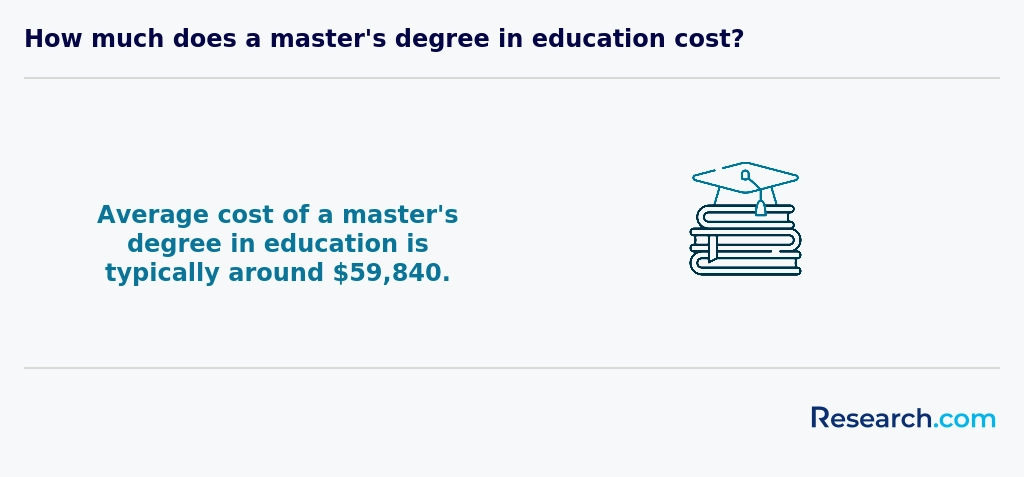
To make informed decisions about their education, prospective students often seek not just the fastest or most reputable programs, but also those that offer the best financial value. When considering affordability, it's essential to look into the cheapest education programs in Maryland, which can significantly reduce the financial burden of pursuing a higher education degree. By exploring these affordable options, students can find programs that meet their academic needs while also being mindful of their budget, ensuring a more accessible and sustainable educational journey.
Many graduates pursuing online education degrees in Maryland find significant relief through federal financial aid, such as Pell Grants, which can offer up to $7,395 for eligible undergraduates. This aid often provides a meaningful foundation when balancing work, family, and study commitments.
State-specific programs like those from the Maryland Higher Education Commission deepen this support. Graduates from institutions such as Towson University or the University of Maryland Global Campus have benefited from merit-based Delegate and Senatorial Scholarships, easing tuition burdens by thousands annually.
Additionally, the Educational Assistance Grant proves invaluable for those demonstrating financial need, averaging around $2,500. Many online learners from colleges like Stevenson University also take advantage of institutional scholarships, often tailored to academic achievements or professional backgrounds.
Employer tuition assistance in Maryland offers another practical pathway. Graduates juggling careers find this especially empowering, as employers contribute toward advancing their degree without adding financial stress.
For those committed to teaching within Maryland's public schools, the Maryland Teacher Loan Assistance Repayment Program provides up to $5,000 yearly, turning education into a rewarding investment both professionally and financially.
Ensuring your online education degree holds the right accreditation and meets Maryland’s licensure requirements is critical for both program quality and eligibility for state certification. Prospective students should verify: • Regional Accreditation: Look for institutions accredited by the Middle States Commission on Higher Education (MSCHE). Regional accreditation ensures transferability of credits and access to federal financial aid. • CAEP or State-Approved Program Status: Programs accredited by the Council for the Accreditation of Educator Preparation (CAEP) or explicitly approved by the Maryland State Department of Education (MSDE) guarantee alignment with Maryland’s educator standards. • MSDE Approval: Only MSDE-approved educator preparation programs qualify graduates for initial or advanced teacher certification in Maryland. Confirm that online coursework, student teaching, and practicum placements are sanctioned by MSDE and can be completed within your local district. Maryland Teacher Certification Checklist – Complete a state-approved educator preparation program (online or hybrid) – Pass required Praxis exams (Core Academic Skills for Educators plus content-area test) – Submit official transcripts, a fingerprint-based background check, and MSDE application fees Choosing a CAEP-accredited, MSDE-approved online program not only streamlines your path to licensure but also enhances your credibility with hiring boards. For students comparing costs across regions, it’s worth exploring the Most Affordable Online Education Degree Programs Ranking in Mississippi to see how tuition and accreditation standards align in nearby states.
To enroll in an online education degree program in Maryland, you'll first need to meet foundational prerequisites that confirm your readiness. For example, graduates from popular Maryland institutions like Towson University or the University of Maryland often recall the importance of having a high school diploma or GED, especially if aiming for a bachelor's degree. Many found standardized test scores such as the SAT became less critical over time, reflecting a shift toward a more holistic review.
For those pursuing a master's degree in education online, the journey typically begins with holding a bachelor's degree, ideally from a regionally accredited school. Many successful alumni from institutions like Johns Hopkins University emphasize how maintaining at least a 3.0 GPA and preparing thoughtful letters of recommendation and personal statements were necessary steps. These elements demonstrate your academic commitment and clarify your professional goals, which resonate strongly with admissions committees.
Additionally, Maryland's unique focus on educator certification requires some applicants to present transcripts proving specific coursework, aligning with state teaching standards. This thorough preparation often makes students feel confident and well-supported as they advance toward licensure and meaningful careers.
Online education is not just about earning a degree-it’s about setting the stage for lifelong success. Many institutions offer robust post-graduation support programs that include career counseling, mentoring networks, and professional development resources to help graduates navigate the competitive job market. These services are designed to maintain the connection between alumni and the institution, ensuring that students continue to grow their professional network long after graduation. Students can take advantage of workshops, webinars, and alumni networking events, all of which provide valuable insight into evolving industry trends and best practices in education. This focus on continuous development is particularly beneficial in adapting to emerging educational technologies and methodologies. For those considering further advancement, resources like Most Affordable Online EDD Programs offer additional pathways to enhance leadership and administrative skills, enabling educators to meet both current and future career challenges. Ultimately, the ongoing support provided post-graduation plays a crucial role in transforming academic achievements into tangible career success, ensuring that Maryland’s online education graduates remain competitive and confident in their professional endeavors.
Graduates from prominent Maryland institutions often reflect on how the core courses in their online education programs deeply shaped their teaching philosophies and practical skills. Topics like Educational Psychology helped them understand how students learn uniquely, which proved invaluable when adapting lessons for diverse classrooms at schools across the state.
Curriculum Design and Instructional Strategies courses offered clear frameworks for planning engaging lessons that meet Maryland's state standards, while Assessment and Evaluation classes provided the tools to track student progress effectively. Many alumni recall applying classroom management techniques shortly after their practicum experiences, which were often arranged through partnerships between universities and local schools.
Courses in Educational Technology stood out as especially relevant, enabling them to incorporate digital tools that resonate with today's tech-savvy learners. Special Education training also left a lasting impact by equipping future teachers with strategies for supporting students with varied learning needs, reflecting Maryland's inclusive education priorities embraced by schools such as Towson University and University of Maryland Global Campus.
Online education degree programs in Maryland typically offer a range of specializations designed to suit various career paths within the education sector. Graduates from notable institutions, such as universities near Baltimore or the D.C. suburbs, often praise options like Early Childhood Education, which immerses students in developmental psychology and family engagement to prepare them for working with young children. Elementary and Secondary Education specializations are popular for those aiming to teach multiple subjects or focus deeply on content areas like math or English within Maryland's diverse school systems.
Another deeply rewarding specialization is Special Education, which equips aspiring teachers with skills to support students with disabilities through individualized education plans and adaptive methods. Many graduates find Educational Leadership appealing, as it prepares them to oversee schools or districts while developing strong organizational and policy skills. Those seeking certification pathways appreciate programs that align with Maryland standards, often blending practical student teaching within local schools.
Finding Maryland accredited online education programs can enhance your qualifications, especially when looking at flexible options that allow endorsements in growing fields like STEM education. For more detailed cost information and program choices, exploring the Most Affordable Online EDD Programs is highly recommended.
Choosing the best online education degree in Maryland means looking beyond just course lists. Graduates from well-known Maryland institutions often stress the importance of accreditation-programs approved by bodies like the Middle States Commission on Higher Education provide credentials that employers trust and that prepare you well for the realities of teaching in Maryland classrooms.
Many students share how selecting a program with specializations aligned to their goals-whether it's early childhood or special education-helped them feel prepared and confident for licensure exams. Flexibility matters, too; online degrees from institutions around Maryland frequently offer asynchronous classes, letting learners juggle work, family, and studies without stress.
Cost can be a significant worry. By exploring options like those in the Most Affordable Online Education Degree Programs Ranking in Mississippi, prospective students find programs that fit budgets while maintaining quality. Affordable online education degrees Maryland residents choose often combine value with strong student support and local practicum arrangements, leading to rewarding careers and a sense of accomplishment.
Graduates holding an online education degree in Maryland find themselves at a crossroads filled with rewarding career paths. Many pursue roles as licensed K-12 teachers, benefiting greatly from programs at well-known institutions like the University of Maryland or Towson University, where students gain hands-on experience through virtual practicums that mirror real classroom challenges. The excitement of passing Maryland's certification exams and stepping into classrooms reflects the fulfillment deeply rooted in these journeys.
Beyond teaching, education graduates often explore roles in school administration or as educational counselors, where they influence policy and directly support student well-being. Others thrive as instructional coordinators, crafting curriculums that embrace Maryland's diverse student population. Those passionate about innovation gravitate toward e-learning specialists or adult education instructors, roles growing rapidly especially with rising remote learning demand across metro areas.
Maryland's evolving job market and strong educational system create promising job opportunities for education graduates Maryland, as anyone seeking to make a difference finds their skills in high demand. Many aspiring educators wisely research pathways through the best accredited online non profit universities to align their career ambitions with local needs and certification requirements.
The job market for graduates holding an online education degree in Maryland reflects steady and reliable opportunities across diverse educational settings. Many graduates from well-known institutions in Maryland find gratifying roles in public K-12 schools or private and charter schools throughout the state, benefiting from Maryland's strong emphasis on teacher retention and professional growth. This demand is especially vibrant in areas such as special education and STEM, where schools actively seek licensed, skilled educators.
Those entering the field appreciate the flexibility that online education programs offer, allowing them to balance work and study without sacrificing quality. Graduates often share their excitement about landing positions in adult education or educational technology roles, fields that continue to expand in Maryland. For prospective students, weighing the investment in tuition against salary expectations-typically ranging from $58,000 to $73,000-can be encouraging, particularly compared to other regions' markets. For those considering the easiest bachelor's degree paths, online education programs in Maryland are an accessible gateway to rewarding careers in teaching and related professions.
Maryland job outlook for education graduates also benefits from ongoing statewide initiatives to improve instructional quality, making it a promising environment for professionals committed to lifelong learning and community impact.
2027 Fastest Online Education Degree Programs Ranking in Maryland
Investing in your education is a significant decision that can shape your future, and the Research.com team understands the importance of making informed choices. To support prospective students in Maryland, we have carefully developed the "2027 Fastest Online Education Degree Programs Ranking in Maryland." Our dedication to quality, credibility, and accuracy is demonstrated through thorough research and analysis conducted to ensure this ranking's reliability.
We utilized the following reputable data sources to create a comprehensive and trustworthy evaluation:
By consulting this ranking, readers will gain valuable insights into the fastest online education degree programs available in Maryland, empowering them to make well-informed decisions about their academic and professional futures. For more information about how this ranking was created, please visit our Research.com methodology page.
# 1 position
University of Maryland-Baltimore County
Master of Teaching English to Speakers of Other Languages (TESOL)

# 2 position
University of Maryland Global Campus
Master of Distance Education and E-learning


Frequently Asked Questions About education
Online education degree students in Maryland can maximize their learning experience by actively engaging with course materials and participating in virtual discussions. Research from the Maryland Higher Education Commission shows that students who interact regularly with instructors and peers tend to perform better. Utilizing state resources, such as Maryland's public library databases, provides reliable academic support at no extra cost. Time management skills are crucial; setting a consistent study schedule helps balance work and family commitments. Additionally, students should take advantage of Maryland's online tutoring services and academic advising available through institutions like the University System of Maryland to stay on track.
Emerging niches within the education field reflect shifts in technology, inclusivity, and specialized skills. In Maryland, online education degrees are increasingly focusing on areas like educational technology, special education, and bilingual education. The Maryland State Department of Education reports a rising demand for educators skilled in digital learning tools, responding to the growth of remote and hybrid classrooms.
Special education remains crucial, as Maryland schools work to better serve diverse learner needs. Additionally, multilingual education is expanding due to increasing cultural diversity in the state. These niches offer opportunities for online degree students aiming to meet evolving educational demands with relevant expertise and certifications.
Preparing for the job market after completing an online education degree in Maryland requires strategic planning. Graduates should begin by gaining practical experience through internships or substitute teaching opportunities, which strengthen resumes and build professional networks.
Maryland's Department of Labor highlights that education-related jobs in the state are projected to grow by 5% from 2022 to 2032, signaling steady demand. To stand out, consider obtaining Maryland State Department of Education (MSDE) certification if aiming for K-12 teaching roles.
Additionally, actively using Maryland's career counseling resources and local job fairs can increase chances of employment. Building skills in digital tools and education technology is also valuable, given the rise of online and hybrid learning environments across Maryland schools.
Employers in Maryland prioritize several key skills when hiring graduates of education degree programs. According to the Maryland State Department of Education, strong communication abilities are essential, enabling teachers to effectively engage with students and parents. Classroom management is also highly valued, as it directly impacts learning outcomes. Additionally, proficiency in digital tools and technology integration is increasingly important due to the rise of remote and hybrid learning environments.
Critical thinking and adaptability rank strongly, reflecting the dynamic nature of modern classrooms. Data from the U.S. Bureau of Labor Statistics highlights that Maryland educators with these skills tend to have better employment prospects and higher job performance ratings.
Finding internships in Maryland relevant to an education degree involves leveraging state resources and higher education partnerships. Many Maryland public schools and districts offer practicum and internship opportunities to students enrolled in education programs. According to the Maryland State Department of Education, partnerships with local universities facilitate placements that meet certification requirements.
Students should also explore the Maryland Higher Education Commission's resources, which often list internship openings. Additionally, online platforms like Handshake and Maryland's workforce development sites provide access to education-related internships.
Networking through university career centers and attending local education job fairs can significantly improve chances of securing hands-on experience.
Obtaining an online education degree in Maryland can significantly enhance career mobility and advancement opportunities. Many school districts across Maryland prioritize candidates with advanced degrees when considering promotions or salary increases. According to the Maryland State Department of Education, educators with master's degrees earn approximately 15-20% more than those with only a bachelor's degree. Additionally, an online degree offers flexibility, enabling working professionals to continue gaining experience while studying.
Maryland's commitment to supporting educators through programs like the Maryland Teacher Shortage Incentive Program further increases demand for qualified graduates. Those holding online education degrees are better positioned to access leadership roles or specialized positions within schools and districts.
Furthermore, Maryland institutions offering accredited online education programs meet regional standards, ensuring degrees are recognized by employers statewide. This recognition supports smoother transitions into new roles or districts.
Studying for an education degree online in Maryland equips students with skills that are valuable across multiple disciplines. Programs often include coursework in psychology, technology, and communication, reflecting the state's emphasis on interdisciplinary teaching methods. According to the Maryland Higher Education Commission, many universities integrate collaborative projects that mirror real-world educational challenges, preparing graduates for roles beyond traditional classrooms.
Online education degree programs in Maryland also emphasize culturally responsive teaching and data analysis, essential for adapting to diverse learning environments. This combination fosters versatility, enabling graduates to work in areas such as curriculum design, educational technology, and administration.
Such interdisciplinary training aligns with Maryland's growing demand for educators who can navigate complex educational systems, making online degree holders highly competitive in the job market.
When choosing between a thesis and a non-thesis education degree program in Maryland, consider your career goals and learning preferences. Thesis programs emphasize research skills and original work, ideal for students aiming for doctoral studies or academic careers.
Non-thesis programs often focus on practical knowledge and coursework, suiting professionals seeking advancement without extensive research demands. Maryland institutions report that nearly 60% of online education master's students opt for non-thesis tracks for faster completion.
Additionally, thesis options may require more time, often 6 to 12 extra months, while non-thesis programs can be completed within 1 to 2 years. Check specific Maryland university guidelines and speak with advisors to align your choice with your professional objectives and schedule.
Students in Maryland interested in obtaining education degrees online with an international perspective have several options to consider. Many US institutions offer study abroad programs integrated with online education degrees, allowing students to complete coursework remotely while participating in short-term study abroad experiences.
Maryland public universities, such as the University of Maryland Global Campus, provide access to global partnerships and exchange programs supporting international education, though these are often combined with on-campus visits rather than fully remote foreign study.
Additionally, Maryland students can explore accredited online education degrees from institutions that include international curriculum components, preparing graduates to work in diverse educational settings worldwide. For detailed program offerings, resources like the Maryland Higher Education Commission provide updated listings.
Maryland offers a variety of part-time job opportunities well-suited to complement online education degree studies. Tutoring is a prominent option, especially given the state's focus on improving K-12 achievement. According to the Maryland State Department of Education, many districts actively seek qualified tutors to assist students, providing practical teaching experience.
Additionally, working as a substitute teacher is a flexible role that helps build classroom management skills. The Maryland Teacher Job Bank frequently lists part-time substitute positions.
Other roles include after-school program assistants and educational support staff, both valuable for gaining insight into diverse learning environments and reinforcing educational theory in practice.
Online education students in Maryland have access to various networking opportunities that enhance their learning and career prospects. Many universities offer virtual events, such as webinars, career fairs, and alumni meetups. For example, the University System of Maryland provides online platforms where students can connect with peers and faculty across campuses.
Professional organizations in Maryland, like the Maryland State Education Association, host online forums and workshops tailored for educators seeking advanced degrees. Additionally, local chapters of national groups such as the National Education Association offer virtual networking events.
These options help students build meaningful relationships despite studying remotely, promoting career growth within Maryland's education sector.
Alumni networks offer significant benefits to online education degree students in Maryland by providing access to a broad professional community. Many Maryland universities maintain active online alumni groups, facilitating networking opportunities and mentorship that are vital for career advancement.
These connections help students gain insights into the education field, secure job leads, and attend exclusive events. According to the Maryland Higher Education Commission, institutions with strong alumni networks report higher graduate employment rates.
Furthermore, alumni often share resources such as study materials and industry updates, which can enhance the online learning experience in Maryland's competitive education sector.
Maryland offers a variety of online education degree programs that allow students to tailor their studies according to career goals. Many institutions provide elective courses or concentrations within programs such as Curriculum and Instruction or Educational Leadership. This flexibility helps students focus on areas such as special education, technology integration, or administration.
Students can also benefit from choosing programs accredited by the Council for the Accreditation of Educator Preparation (CAEP), ensuring the quality and relevance of their education toward licensure and job readiness.
Maryland's Department of Education supports online learners by approving programs aligned with state certification standards. This approval enables easier career progression in Maryland's public schools.
Online education students in Maryland often face challenges related to limited access to reliable high-speed internet, particularly in rural areas where connectivity remains inconsistent. According to the Maryland Office of State Broadband, nearly 5% of households in some counties struggle with broadband access, affecting participation in live classes and research activities.
Time management is another significant hurdle. Many students balance work, family, and studies, making it difficult to keep up with coursework deadlines without the structured environment of traditional campuses.
Additionally, some students report feelings of isolation and reduced interaction with peers and instructors, which can impact motivation and academic success. Maryland's education institutions are gradually addressing these concerns through enhanced online support services and virtual engagement initiatives.
With an online education degree in Maryland, graduates can pursue several professional certifications to advance their careers. One of the most common is the Maryland State Teacher Certification, essential for public school teachers in the state. This certification requires passing the Praxis exams and meeting state-specific requirements. Additionally, many graduates pursue National Board Certification, a prestigious credential recognized nationwide that signifies advanced teaching expertise.
Other options include certifications in special education, reading specialist credentials, and administrative licenses for aspiring school leaders. According to the Maryland State Department of Education, these certifications enhance job prospects and earning potential for educators.
Writing a winning application for an online education program in Maryland requires careful attention to detail and understanding the state's higher education trends. Maryland boasts several accredited institutions offering online degrees, including the University of Maryland Global Campus, which enrolled over 30,000 online students in recent years according to NCES data. Applicants should clearly articulate their educational goals and how the program aligns with Maryland's growing demand for qualified educators.
Include specific examples of your teaching experience or relevant skills, supported by measurable outcomes when possible. Highlight familiarity with digital tools used in online education, reflecting the tech-forward approach of Maryland schools.
Strong letters of recommendation from academic or professional sources within Maryland's education sector can enhance credibility. Also, proofread the application thoroughly to avoid errors, as Maryland institutions have strict admission standards.
Globally, an education career is valued for its critical role in shaping future generations and promoting social development. In the U.S., including Maryland, the demand for qualified teachers remains strong due to population growth and education reform efforts. According to the Maryland State Department of Education, the state expects a steady increase in teacher job openings through 2028, reflecting a national trend emphasizing educational improvement.
Internationally, education professionals are recognized not only for classroom instruction but also for leadership in curriculum development and policy-making. For Maryland students pursuing online education degrees, understanding these global perspectives can help align their careers with broader educational goals and emerging challenges, such as technology integration and equity in education.
Gaining practical experience while pursuing an online education degree in Maryland is essential for career readiness. Many Maryland institutions incorporate student teaching or practicum components within their online programs, ensuring hands-on learning.
For example, prospective teachers often complete student teaching hours in local Maryland schools, allowing them to apply theory in real classrooms. According to the Maryland State Department of Education, student teaching requirements typically range between 12 to 16 weeks, depending on the program.
Additionally, Maryland offers partnerships with nearby school districts facilitating internships and mentorships. These opportunities help online students build networks and develop key skills essential for licensure and employment.
Choosing the right concentration within an online education degree in Maryland involves assessing your career goals and interests. Maryland offers diverse options, including special education, educational leadership, and curriculum development. According to the Maryland Higher Education Commission, concentrations aligned with growing education fields improve job prospects statewide.
Consider the demand for specific skills in Maryland classrooms. For example, special education specialists are in high demand due to state policies supporting inclusive education. Research program accreditation and faculty expertise to ensure quality instruction and relevant coursework.
Finally, review the flexibility of the concentration's online format to match your schedule as a working professional.
- 2027 Fastest Online Education Degree Programs Ranking in Virginia
- 2027 Fastest Online Education Degree Programs Ranking in Pennsylvania
- 2027 Fastest Online Education Degree Programs Ranking in New Jersey
- 2027 Fastest Online Education Degree Programs Ranking in New York
- 2027 Fastest Online Education Degree Programs Ranking in Ohio
- 2027 Fastest Online Education Degree Programs Ranking in North Carolina
- 2027 Fastest Online Education Degree Programs Ranking in Kentucky
- 2027 Fastest Online Education Degree Programs Ranking in South Carolina
- 2027 Fastest Online Education Degree Programs Ranking in Indiana
- 2027 Fastest Online Education Degree Programs Ranking in Maine
See What Experts Have To Say About Studying Education
Read our interview with Education experts


Nooshan Ashtari
Education Expert
Professor & Book Author
University of Southern California

- Education Study Abroad | CIEE https://www.ciee.org/go-abroad/college-study-abroad/programs/subjects-disciplines/education-study-abroad
- How to choose the best bachelor's in education program for you | edX https://www.edx.org/resources/how-to-choose-a-bachelors-in-education
- Top Online Colleges In Maryland https://www.affordablecollegesonline.org/online-colleges/maryland/
- Online Colleges in Maryland | OEDb.org https://www.oedb.org/maryland/
- Online Colleges in Maryland | The Best Online Schools in MD https://www.onlinecolleges.net/maryland/
- Online Degree vs. Traditional: Choosing the Right Path https://beal.edu/online-degree-vs-traditional/
- Education Technology Trends to Watch in 2065: 10 Innovations Shaping the Future of Learning https://www.digitallearninginstitute.com/blog/education-technology-trends-to-watch-in-2026
- FAQ MA/MSc (Thesis/Non-thesis) Applicants – Graduate School https://lee.yasar.edu.tr/en/faq-ma-msc-with-without-thesis-candidates/
- 10 Strategies for Networking as a High School Student https://riseglobaleducation.com/blogs/best-strategies-for-networking-as-a-high-school-student
- Can Higher Education Improve Long-Term Career Success https://studysphereadvisors.com/how-higher-education-influences-long-term-career-growth/


