
2027 Best Education Degree Programs Ranking in Ponce

Co-Founder and Chief Data Scientist
Choosing the right education degree program is an important step for anyone looking to make a positive impact in Ponce's schools and communities.
This article introduces the 2027 Best Education Degree Programs Ranking in Ponce, developed by the Research.com team of data scientists. It offers clear, data-driven insights to help you find programs that match your goals and aspirations.
By exploring this ranking, you'll discover options that can open doors to a rewarding career in education. Whether you're just starting out or planning your next move, this guide supports confident, informed decisions.
Key benefits of getting education degree in Ponce
- Graduates with an education degree in Ponce can expect competitive salaries, such as $76,000 for Special Education Teachers and $77,200 for Instructional Designers, offering financial stability and rewarding career choices.
- Career paths include roles like elementary school teacher or instructional designer, with opportunities for growth supported by strong local universities known for their education programs.
- Obtaining an education degree online offers flexibility and convenience, allowing graduates from Ponce to balance work and study while accessing quality training comparable to traditional programs.
- 2027 Best Education Degree Programs Ranking in Ponce
- What can I expect from education degree in Ponce?
- Where can I work with education degree in Ponce?
What can I expect from education degree in Ponce?
Students pursuing education degrees in Ponce benefit from notably affordable tuition compared to mainland U.S. universities. For instance, graduates from the University of Puerto Rico at Ponce report that in-state tuition costs are considerably lower, making the pursuit of a Bachelor or Master of Education degree financially accessible. This affordability enables many to focus on their studies without the heavy burden of debt often experienced elsewhere.
Many students describe this financial advantage as a key factor in their decision to remain in Ponce, allowing them to build strong community ties while gaining practical classroom experience during supervised fieldwork. The lower costs also mean access to extended graduate programs, like the M.Ed., where students can balance advanced coursework with internships or assistantships without excessive financial strain.
Overall, the reasonable tuition structure at prominent institutions such as UPR Ponce supports students in attaining quality education training while fostering a sense of confidence and optimism about their future teaching careers within Puerto Rico's education system.
Where can I work with education degree in Ponce?
Graduates with an education degree in Ponce commonly find rewarding careers within the city's extensive public and private school systems. Many secure teaching positions in elementary, middle, or high schools, benefiting from stable employment and opportunities for advancement. For instance, graduates from prominent institutions like the Pontifical Catholic University of Puerto Rico often share how their training prepared them to confidently manage classrooms and develop engaging lesson plans tailored to local student needs.
Beyond classroom roles, education degree holders often advance into leadership positions such as school principals or curriculum specialists, especially after obtaining additional certifications. These roles offer meaningful challenges and allow graduates to influence educational outcomes citywide. Others are drawn toward community-centered careers, working with nonprofit organizations that run after-school programs and adult literacy initiatives-experiences that alumni describe as deeply fulfilling and impactful.
Within higher education, colleges in Ponce employ graduates as academic advisors and instructors, which provides a stimulating environment for those passionate about shaping future educators. The diversity of career paths available locally ensures that education graduates from Ponce's universities can confidently pursue roles aligned with their skills and aspirations.
Graduates with an education degree in Ponce can expect varied salaries depending on their chosen career path. For example, elementary school teachers typically earn around $70,740 annually, reflecting a solid middle-class income within the local context. Special education teachers enjoy even higher average earnings, with mean annual wages near $76,000, highlighting a rewarding specialization for graduates passionate about inclusive education.
Those interested in teaching English as a Second Language (ESL) may find attractive opportunities with a mean salary of approximately $65,430 per year and an hourly wage of $31.46, a notable advantage for bilingual educators in Ponce's diverse communities. Early childhood educators earn an average of $41,410 annually, providing a stable foundation for those starting their careers in education.
Instructional designers, often graduates who have moved into curriculum development roles, earn a mean wage of $77,200 annually, surpassing many traditional teaching positions. Graduates from prominent institutions in Ponce report satisfaction with these salary prospects, emphasizing the blend of financial stability and meaningful work in education careers locally.
- The average cost of a bachelor's degree in education in Ponce ranges from $6,000 to $14,000 per year depending on the institution.
- Entry-level salaries for education graduates in Ponce start around $30,000 annually and can increase to about $45,000 with experience and certifications.
- There is steady demand for certified teachers, especially in math, science, and special education subjects.
- Licensure in Puerto Rico requires passing standardized exams and completing supervised teaching practica as part of degree programs.
- Many universities in Ponce offer bilingual or ESL education tracks to prepare graduates for diverse student populations.
Completing an education degree in Ponce generally requires four years of full-time study for a bachelor's degree, as experienced by many graduates from institutions like the University of Puerto Rico at Ponce. These students often balance rigorous coursework in teaching methods, educational psychology, and subject-specific pedagogy while engaging in practical classroom experiences.
Some students choose shorter paths, such as associate degrees or certification programs, which typically take about two years. These options suit individuals entering the workforce quickly or those seeking foundational knowledge before advancing. However, most teaching positions in Ponce prioritize a bachelor's degree as the essential credential.
For educators aiming to deepen their expertise, master's programs usually extend study by one to two years beyond the bachelor's degree, focusing on areas like administration or special education. Many graduates appreciate the flexibility offered by part-time and online options, which accommodate those balancing work and family life, making the pursuit of their education degree in Ponce both achievable and rewarding.
- Bachelor's degree: 4 years full-time
- Associate degree or certification: about 2 years
- Master's degree: 1-2 years post-bachelor's
Online education degrees in Ponce offer exceptional flexibility, ideal for students balancing work or family commitments. Graduates from institutions such as the Universidad de Puerto Rico en Ponce often recall accessing lectures at their convenience, which enabled them to maintain professional responsibilities without sacrificing academic progress. This format eliminates commuting challenges common in Ponce, especially for those living farther from campuses.
Conversely, on-campus programs at universities like Pontificia Universidad Católica de Puerto Rico foster a vibrant academic atmosphere through face-to-face interactions. Students benefit from immediate feedback, collaborative projects, and enriched networking opportunities with professors and peers. The seamless integration of hands-on experiences such as student teaching placements aligns naturally with on-campus learning, enhancing practical skills essential for education careers.
Financially, online degrees can reduce expenses related to transportation and housing, though technology requirements are an added consideration. Both formats in Ponce maintain high standards of accreditation and program quality, ensuring that graduates earn credentials respected throughout the US education system.
The average cost of an education degree in Ponce reflects a balance between affordability and quality, with the median total cost around $18,956. For in-state students attending public institutions such as the University of Puerto Rico at Ponce, the median in-state total cost is approximately $6,650. Graduates of these programs often express satisfaction with the value received, citing comprehensive curriculum offerings and dedicated faculty support that foster both personal and professional growth.
Private colleges in Ponce, including well-regarded institutions like Pontificia Universidad Católica de Puerto Rico, generally have higher tuition fees. Educators graduating from these schools report deeper engagement through smaller class sizes and enriched academic resources, which justify the larger financial investment. These perspectives underscore the importance for prospective students to weigh not only tuition costs but also the enhanced educational experiences that come with different types of institutions.
When considering the average cost of education degree in Ponce, it is essential to include expenses beyond tuition. Many students budget for books, technology fees, transportation, and certification exam costs, which can significantly impact overall affordability. Understanding these factors early helps in planning a sustainable educational journey.
For those prioritizing accessible education paths while aiming to excel within the field, Ponce offers competitive options. Additionally, exploring financial aid and scholarships designed specifically for education majors in Puerto Rico can make this investment more manageable. Students interested in educational careers may also benefit from reviewing the top college majors for the future to align career goals with financial considerations effectively.

Accelerated graduate options help you boost your credentials quickly and meet licensure or leadership requirements in Ponce.
- One-year master’s degrees in educational leadership, special education or curriculum design
- Post-bachelor certification tracks aligned with Puerto Rico Department of Education standards
- Specialized certificates in bilingual education, instructional technology or instructional design
- Combined bachelor’s-to-master’s programs that reduce total study time
Key considerations when choosing a fast-track option:
- Confirm your program meets teacher licensure requirements in Puerto Rico.
- Compare delivery formats-online, on-campus or hybrid-to fit your schedule.
- Review practicum and internship components to ensure sufficient hands-on experience.
Explore our guide to 1 year graduate programs to find accredited offerings that match your career goals.
Students pursuing education degrees in Ponce benefit from multiple financial aid options designed to ease their financial burden. Federal aid through FAFSA is a primary resource, providing Pell Grants up to $7,395 annually, which many education students at institutions like Universidad de Puerto Rico en Ponce rely on to cover tuition and fees. Additionally, Federal Supplemental Educational Opportunity Grants and Work-Study programs offer part-time opportunities that support living expenses while gaining valuable experience.
Local scholarships, often awarded by Puerto Rican nonprofits dedicated to education, are another critical aid source. Graduates frequently share how scholarships from the Ponce Educational Foundation enabled them to focus fully on their studies without financial worry. Institutional grants at universities like Pontificia Universidad Católica de Puerto Rico reward academic excellence and community engagement, further reducing costs.
For those needing extra assistance, federal Direct Subsidized Loans provide flexible borrowing options with favorable terms during enrollment. Students encouraged to complete FAFSA early and connect with financial aid advisors to ensure they maximize all available support uniquely tailored to education majors in Ponce.
Prospective students aiming to enroll in education degree programs in Ponce must first hold a high school diploma or a GED certificate. Graduates from popular universities in Ponce recall that maintaining a minimum GPA of about 2.5 on a 4.0 scale was essential, although some institutions are flexible depending on individual cases. Many found that providing standardized test scores like the SAT or ACT remained common, yet some universities had begun adopting test-optional policies, reflecting broader national trends.
Applicants are routinely required to submit official transcripts, letters of recommendation from high school teachers or mentors, and a personal statement outlining their passion for education and career aspirations. Graduates emphasize how preparing these materials allowed them to express their dedication meaningfully.
Non-native English speakers often needed to demonstrate proficiency through TOEFL or IELTS scores, a step that some students described as initially challenging but ultimately rewarding in showcasing their readiness for academic success.
Furthermore, completing an education degree in Ponce usually involves undergoing criminal background checks prior to student teaching, ensuring safety in classroom environments-something many graduates appreciated as a critical professional standard.

To become a licensed teacher in Ponce, you must complete Puerto Rico’s educator certification process:
- Earn a bachelor’s degree in education (or a related field) from an accredited college or university.
- Complete required pedagogical coursework and a supervised practicum in a local school.
- Pass the Puerto Rico Certification Examination (Praxis or equivalent subject test).
- Submit an application to the Puerto Rico Department of Education, including official transcripts, exam scores, and a clear background check.
- Maintain and renew your license through ongoing professional development; consider courses from self paced online colleges to fulfill credit requirements.
Education degree programs in Ponce, particularly at institutions like the University of Puerto Rico at Ponce, typically include a robust selection of courses designed to prepare students thoroughly for teaching careers. Graduates often reflect positively on the comprehensive curriculum, which begins with Introduction to Education, where students explore the history and purpose of education in the U.S., grounding them in essential pedagogical philosophy.
Other core courses such as Child Development and Psychology provide vital insights into student growth, helping future teachers understand their pupils' cognitive and emotional needs. Graduates frequently recall hands-on experiences from Practicum or Student Teaching, where working in local classrooms allowed them to apply theory in practical settings, building confidence and real-world skills.
Classes like Curriculum Design and Instructional Strategies and Educational Assessment and Evaluation teach how to create and measure effective lessons, ensuring that teaching methods meet diverse learning styles. Many students also value courses like Special Education and Educational Technology, which equip them to handle varied classroom needs with modern tools.
In Ponce, these courses are tailored to meet both U.S. standards and Puerto Rico's unique cultural and bilingual context, providing graduates with a deep sense of purpose and readiness to serve local schools effectively.
Students pursuing education degrees in Ponce can choose from multiple specializations that align with both their interests and local educational demands. Popular options include Early Childhood Education, which prepares graduates to work confidently with young learners in preschools and elementary settings. Many graduates reflect positively on their hands-on experiences in prominent Ponce colleges, where they develop practical skills crucial for foundational teaching roles.
Special Education is another vital pathway, equipping future educators to support students with diverse learning challenges prevalent in Puerto Rico's schools. Graduates often share how this specialization fosters a deep sense of fulfillment by enhancing educational equity in their communities. Additionally, Secondary Education emphasizes subject-specific expertise for middle and high school levels, a common choice among those aiming to teach core disciplines.
The education degree specializations in Ponce also include Curriculum and Instruction, ideal for students interested in shaping educational resources and policy rather than direct classroom teaching. Some institutions offer niche fields like bilingual education and educational leadership, broadening career prospects. For students seeking more flexible options, open enrollment college courses online complement traditional programs effectively.
Choosing the best education degree in Ponce involves prioritizing accredited programs that align with your career goals. Graduates from popular universities in Ponce often highlight the importance of accreditation by agencies like CAEP, ensuring their credentials are respected statewide and beyond. Specializations also matter; many students find success by selecting tracks such as bilingual education or special education, tailored to the diverse needs of local communities.
Cost is a decisive factor. Many prospective students seek affordable education degrees Ponce 2027 options that balance tuition and quality. For example, public institutions in Ponce usually offer lower tuition fees, which graduates appreciate for minimizing debt while providing solid academic support. Equally vital are student-teacher ratios and practicum opportunities; those who have experienced rigorous hands-on training in Ponce's schools report feeling confident entering the workforce.
Flexible program formats, including evening and online classes, cater to students managing work and family life. Some graduates have enhanced their qualifications through online phd cheap pathways, allowing them to advance without relocating. Examining graduation and job placement rates also aids in identifying programs that deliver strong career outcomes in education.
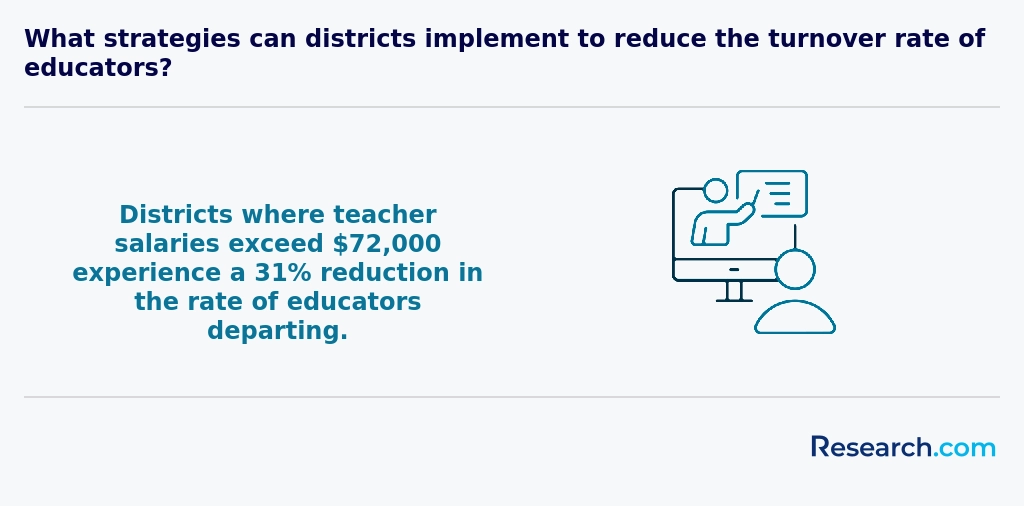
Graduates holding an education degree in Ponce find diverse career paths readily available, from becoming licensed teachers in elementary to high school settings, to specialized roles in bilingual and STEM education. Popular universities and colleges in Ponce equip their students with practical experience, allowing them to confidently meet the consistent local demand for qualified educators. Many graduates recall the rewarding challenge of teaching in community schools, which fuels their passion and professional growth. These education degree career opportunities in Ponce also extend into administrative positions, such as school principals and curriculum coordinators, where leaders actively contribute to improved student outcomes and school policies.
Additionally, special education presents a promising avenue, aligning with Puerto Rico's growing focus on inclusive learning environments. Graduates from well-known Ponce institutions often feel a deep sense of fulfillment working in this field, supporting children with diverse learning needs. Career prospects further include educational counseling, advising, and roles in educational technology, reflecting current trends in innovative teaching. For those seeking affordable programs with strong local ties, considering options like a cheap online college provides a cost-effective path toward these rewarding opportunities. These Ponce education degree job prospects resonate strongly with the region's evolving educational landscape.
The education degree job opportunities in Ponce are shaped by a stable demand for qualified teachers in both public and private schools. Graduates from well-regarded local institutions often secure roles within the Puerto Rico Department of Education, a major employer of education professionals in the region. Many recent graduates share positive experiences about their ability to step into positions such as elementary and secondary teachers, special education instructors, and educational coordinators. This local market offers a meaningful pathway to contribute to ongoing educational reforms that aim to enhance student success across Ponce.
The Ponce teaching career market outlook remains promising, especially considering programs that support new educators willing to work in high-need areas, including special education and STEM subjects. Salaries align with regional scales, which are lower than national averages but balanced by Ponce's lower cost of living. Students from popular universities express satisfaction with the practical skills gained, which prepare them well for real classroom environments.
Those interested in education careers might also explore options related to what are all the trade school jobs for alternative pathways to serving the community and expanding career prospects.
2027 Best Education Degree Programs Ranking in Ponce
Investing in your education is a significant decision that can profoundly influence your future, and the Research.com team is committed to helping you make well-informed choices. To guide prospective students in Ponce, we have carefully developed the "2027 Best Education Degree Programs Ranking in Ponce." Our dedication to quality, credibility, and accuracy is demonstrated through rigorous research and thorough analysis.
We utilized the following reputable data sources to ensure a comprehensive evaluation of education degree programs:
By consulting this ranking, readers will gain valuable insights into the top education degree programs available in Ponce, empowering them to choose the path that best aligns with their career and academic goals. For a detailed explanation of our methodology, please visit our Research.com methodology page.
# 1 position
Pontifical Catholic University of Puerto Rico-Ponce
Bachelor of Science in Education
# 2 position
Pontifical Catholic University of Puerto Rico-Ponce
Master of Education

# 4 position
Caribbean University-Ponce
Master of Arts in Teaching
Frequently Asked Questions About education
Education degree students in Ponce can maximize their learning experience by engaging deeply with both theoretical and practical coursework. Participating in local internships within Ponce's diverse school districts offers hands-on experience that complements classroom study. According to the Puerto Rico Department of Education, Ponce schools have numerous partnerships with nearby universities, creating valuable opportunities for student-teachers.
Students should also take advantage of academic resources such as tutoring centers and research libraries available at institutions like the Pontifical Catholic University of Puerto Rico. Collaborative projects and study groups help reinforce learning and build professional networks.
Finally, integrating technology through online modules and educational software enhances understanding of teaching strategies, preparing students for modern classrooms.
Emerging niches within the education field reflect shifting demands in teaching and learning methods. One rapidly growing area is educational technology, where specialists design and implement digital tools for classrooms. Given Ponce's increasing investment in technology-infused education, degrees focusing on this niche offer strong career prospects.
Another area gaining attention is special education, particularly programs addressing autism spectrum disorders and learning disabilities. According to the Puerto Rico Department of Education, services for students with special needs continue expanding in Ponce, creating demand for qualified professionals.
Additionally, bilingual education remains a critical focus in Ponce. With a diverse population, educators skilled in both English and Spanish bilingual instruction are essential for local schools adapting to multicultural classrooms.
After completing an education degree in Ponce, preparing for the job market involves several key steps. First, gaining practical experience through internships or student teaching is essential, as it builds classroom skills and professional connections. According to the Puerto Rico Department of Education, teachers with hands-on experience during their studies have a higher employment rate within six months of graduation.
Joining local teaching associations in Ponce can also provide networking opportunities and access to job listings. Additionally, obtaining state certification is mandatory for teaching positions in Puerto Rico's public schools, so graduates should focus on meeting those requirements promptly.
Strong communication and continuing professional development through workshops or advanced courses increase marketability in a competitive job environment. Starting early in job search efforts, including resume building and interview practice, is highly recommended.
Employers in Ponce prioritize several key skills when hiring education degree graduates. Communication skills rank highly, as educators must convey information clearly to diverse student groups. According to the Puerto Rico Department of Education, proficiency in both English and Spanish enhances job prospects. Classroom management is another essential skill, enabling teachers to maintain a productive learning environment. Additionally, adaptability and problem-solving abilities are valued, given the evolving educational standards and student needs in Ponce schools. Data from the National Center for Education Statistics highlights that graduates with strong technological literacy, especially in educational software, are preferred. These skills collectively prepare graduates for effective teaching roles locally.
Finding internships in Ponce relevant to education degrees involves connecting with local schools and educational organizations. Many universities in Puerto Rico require practical experience for graduation, so partnerships between schools and universities often facilitate internship placements. According to the University of Puerto Rico at Ponce, education students typically complete internships at public and private schools throughout the city.
Additionally, contacting the Ponce Regional Educational Office can provide leads on available positions. Internships frequently focus on classroom management, curriculum development, and student assessment.
Networking with educators and using university career services are also effective strategies to secure meaningful internships in Ponce's education sector.
Obtaining an education degree in Ponce significantly enhances career mobility and advancement opportunities within the region's education sector. According to the Puerto Rico Department of Education, educators holding a bachelor's or higher degree have access to faster promotion tracks, often moving from teaching roles into administrative or specialized positions.
In Ponce, schools emphasize accredited degrees from recognized US institutions or local universities, which ensures compliance with state licensing requirements. Professionals with advanced education degrees typically see a 15-20% higher wage potential over those without degrees, based on recent salary data from the Bureau of Labor Statistics.
Moreover, an education degree enables graduates to qualify for specialized roles, such as curriculum coordinator or educational technologist, which are growing fields in Ponce's school districts.
Studying for an education degree in Ponce equips students with skills that extend beyond traditional teaching roles. Programs often emphasize interdisciplinary approaches, combining education theory with psychology, technology, and community development. This broad foundation prepares graduates to work effectively in varied settings such as schools, social services, and educational policy.
Local institutions incorporate practical experiences tied to Ponce's diverse cultural and socioeconomic landscape, enhancing students' adaptability. According to the Puerto Rico Department of Education, nearly 30% of graduates pursue roles requiring collaboration across disciplines, highlighting the value of interdisciplinary training in the region.
The integration of technology and multicultural education further strengthens graduates' readiness for contemporary educational challenges.
When choosing between a thesis and a non-thesis education degree program in Ponce, students should consider their career goals and learning preferences. Thesis programs typically involve conducting original research, ideal for those interested in academic careers or advanced study. Non-thesis options focus more on coursework and practical skills, suitable for educators aiming to enhance classroom practice.
In Ponce, most universities offering education degrees provide both options, often lasting around two years. According to the Puerto Rico Council of Education, thesis programs may require 6 to 12 credit hours of research compared to mostly course-based credits for non-thesis paths.
Financial and time commitments also differ. Thesis programs might extend study duration due to research demands. Reviewing program details and discussing with advisors can help clarify which path aligns better with individual goals.
Students based in Ponce seeking education degrees abroad have several pathways within the US higher education system. Many pursue transfer options to mainland universities offering strong education programs, such as those in Florida or New York, which often provide online and hybrid formats. This flexibility suits Ponce residents who balance local commitments with advanced study. According to the National Center for Education Statistics, programs with national accreditation help ensure credits transfer efficiently.
Additionally, scholarship programs by US federal and state agencies can assist those looking to study education outside Puerto Rico, easing financial burdens. Some universities partner with Puerto Rican institutions, facilitating smoother admissions processes. These options provide diverse avenues for Ponce residents aiming for respected education degrees in the US.
Part-time job opportunities in Ponce that complement education degree studies typically involve roles within local schools and community centers. Many students find positions as teacher aides or tutors, assisting elementary and secondary school students with literacy and math skills. These roles provide practical experience aligned with education coursework.
Additionally, working in after-school programs or childcare facilities offers valuable insight into classroom management and child development. According to the Puerto Rico Department of Education, Ponce has a growing demand for support staff in public schools, increasing part-time openings for education students.
Such positions often offer flexible hours, allowing students to balance work and study effectively while gaining relevant professional skills.
Education students in Ponce have multiple networking opportunities to enhance their academic and professional growth. Local universities such as Pontificia Universidad Católica de Puerto Rico and Universidad de Puerto Rico at Ponce often organize career fairs and education-focused workshops. These events connect students with experienced educators, school administrators, and local education agencies.
Additionally, Ponce benefits from active chapters of professional organizations like the Puerto Rico Teachers Association, offering mentorship programs and networking events tailored to education majors. Collaborative projects with nearby schools provide practical experience and valuable contacts.
These resources support students in building networks crucial for future employment in education within southern Puerto Rico.
Alumni networks play a significant role for education degree students in Ponce by offering valuable connections within the local and regional teaching community. These networks provide mentorship opportunities, helping current students learn from experienced educators who graduated from the same institutions.
According to data from the Puerto Rico Education Department, active alumni associations in Ponce have contributed to a 15% increase in student internships over the past five years. Such connections often lead to job placements and collaborations in schools across the municipality.
Additionally, alumni often organize workshops and informational sessions that keep students updated on educational trends and certification requirements in Puerto Rico. This ongoing support enhances career readiness and professional growth for education students in Ponce.
Customizing an education degree program in Ponce involves selecting courses and specializations that align with your career goals. Local universities often offer concentrations such as early childhood education, special education, or administration. These options enable you to focus on areas most relevant to your interests.
Many programs in the U.S., including those in Ponce, allow for electives tailored to individual goals. Additionally, students can engage in internships or practicum experiences within Ponce schools to build practical skills. According to the Puerto Rico Council on Education, flexibility in curriculum design helps increase job placement rates post-graduation.
Consulting academic advisors at your chosen institution is essential. They can guide course selection to meet certification requirements and personal ambitions, ensuring your degree supports your desired career path.
Education students in Ponce frequently confront challenges related to limited local resources and funding constraints. According to the Puerto Rico Department of Education, shortages in classroom materials and technology affect training quality. Many students also struggle with balancing full-time studies and part-time jobs, as financial support options remain limited in the region.
Practicum placements can be competitive, with a high demand for quality schools suitable for hands-on experience. Language barriers may also arise, as bilingual proficiency in Spanish and English is often essential for effective teaching within the diverse educational settings of Ponce.
With an education degree in Ponce, you can pursue various professional certifications aimed at enhancing your teaching career in the US educational system. Common certifications include State Teaching Licensure, which allows you to teach in public schools. Additionally, many graduates seek National Board Certification, recognized nationwide as a mark of advanced teaching proficiency.
Specialized certifications in areas like special education, English as a Second Language (ESL), and school administration are also popular. These credentials can increase job opportunities and earning potential. According to the Puerto Rico Department of Education, demand for certified teachers in Ponce continues to grow, especially in bilingual education programs.
Applying for an education degree program in Ponce requires careful preparation. Start by researching accredited universities in the area, such as Pontificia Universidad Católica de Puerto Rico, which offers reputable education degrees. Your application should highlight relevant academic achievements, particularly coursework or experience related to teaching or child development.
Strong letters of recommendation from educators or employers can significantly boost your application. Also, include a well-written personal statement outlining your passion for education and career goals. According to the U.S. Department of Education, programs increasingly value candidates who demonstrate both academic ability and practical commitment to teaching.
Additionally, verify application deadlines and submit all required documents, including transcripts and test scores. Meeting deadlines and presenting a complete application reflects professionalism and dedication.
The global perspective on a career in education highlights its growing importance and evolving role in society. In the United States, including Ponce, education professionals play a crucial role in shaping future generations and addressing diverse learner needs. According to the U.S. Bureau of Labor Statistics, employment for kindergarten and elementary school teachers is projected to grow 7% from 2022 to 2032, indicating steady demand. Ponce, with its strong community focus and local institutions, offers programs that align with these national trends, preparing students to work in diverse classroom environments.
Internationally, educators are increasingly expected to integrate technology and cultural competency into their teaching. U.S. education programs emphasize these skills to ensure graduates are competitive globally. Additionally, the field supports various career paths beyond teaching, including administration and curriculum development.
Gaining practical experience while pursuing an education degree in Ponce is crucial for developing effective teaching skills. Many universities in Ponce offer supervised fieldwork opportunities through local public schools. This hands-on experience enables students to apply theoretical knowledge in real classrooms.
Student teaching assignments, usually lasting one or two semesters, are a standard requirement in most education programs. These placements allow students to design lesson plans, manage classrooms, and receive feedback from certified mentors.
Additionally, participating in volunteering or tutoring programs within Ponce's community schools can supplement formal training. These experiences build communication and instructional skills essential for future educators.
According to data from the Puerto Rico Department of Education, over 70% of education students in Ponce complete fieldwork by their senior year, boosting their readiness for licensure and employment.
Choosing the right concentration within an education degree program in Ponce requires careful consideration of your career goals and local educational needs. Common concentrations include early childhood, special education, and curriculum development, each addressing different student populations. According to the Puerto Rico Institute of Statistics, Ponce's public schools have a growing demand for special education professionals, making that concentration a strategic choice.
Evaluate your interests by reviewing course offerings at institutions like the Pontifical Catholic University of Puerto Rico. Additionally, consider practical experience opportunities through local schools to understand real classroom challenges. Aligning your concentration with Ponce's educational priorities can enhance job prospects and community impact.
See What Experts Have To Say About Studying Education
Read our interview with Education experts


Alan J. Singer
Education Expert
Professor of Teaching, Learning and Technology
Hofstra University

- Is a thesis always mandatory in a master's degree program? - EFMU: The Euler-Franeker Memorial University and Institute https://euler.euclid.int/is-a-thesis-always-mandatory-in-masters-degree-program/
- Get the skills employers want | Study UK https://study-uk.britishcouncil.org/why-study/succeed-your-career/get-skills-employers-want
- The Pros and Cons of Online Learning vs. Traditional Education https://www.sophia.org/blog/higher-education/pros-cons-online-learning-vs-traditional-education/
- Careers https://phsu.edu/about/employment.php
- 10 of the biggest problems facing education today https://www.concern.net/news/problems-with-education-around-the-world
- Skills Employers Look for in Business Graduates – EU Business School https://www.euruni.edu/blog/skills-employers-look-for-in-business-graduates/
- Putting theory into practice: The value of an interdisciplinary approach to teaching https://my.chartered.college/impact_article/putting-theory-into-practice-the-value-of-an-interdisciplinary-approach-to-teaching/
- Teaching Degree Requirements in 2023 | Teachers of Tomorrow https://www.teachersoftomorrow.org/blog/insights/teaching-degree-requirements/
- University of Puerto Rico at Ponce Majors and Degrees | CollegeData https://waf.collegedata.com/college-search/university-of-puerto-rico-at-ponce/academics
- Teacher of Global Perspectives (IGCSE) https://www.scie.com.cn/jobs-global-perspectives/


