
2027 Most Popular Education Degree Programs Ranking in East Lansing

Co-Founder and Chief Data Scientist
Choosing the right education degree program can shape your future in meaningful ways. In East Lansing, students face many options, and making an informed decision is essential for a rewarding career.
This article features the 2027 Most Popular Education Degree Programs Ranking in East Lansing, developed by the Research.com team of data scientists. It offers clear insights to help you identify which programs stand out based on reliable data.
Exploring these rankings can guide you toward programs that match your goals and passions, making your educational journey exciting and worthwhile.
Key benefits of getting education degree in East Lansing
- Graduates with an education degree in East Lansing can expect strong salary prospects, such as elementary school teachers earning about $70,740 annually and special education teachers around $76,000, offering financial stability and rewarding careers.
- Education degree holders from Michigan State University, a leading institution in East Lansing, can pursue diverse paths including teaching, instructional design, or early childhood education, helping them find a career that fits their passion.
- Online education degrees provide flexibility, allowing students to balance work and study while accessing quality programs like those at Michigan State University, making it easier and more convenient to earn a respected degree.
- 2027 Most Popular Education Degree Programs Ranking in East Lansing
- What can I expect from education degree in East Lansing?
- Where can I work with education degree in East Lansing?
What can I expect from education degree in East Lansing?
The average cost of pursuing an education degree in East Lansing, particularly at Michigan State University's College of Education, typically ranges from $15,000 to $25,000 per year for in-state students, while out-of-state tuition can be higher. Graduates often describe the investment as rewarding, given the university's strong reputation and hands-on experiences integrated into the curriculum.
Many students appreciate how the tuition supports access to valuable resources like the Education Library and partnerships with local schools, which provide real classroom experience. For example, a recent graduate recalled feeling confident stepping into their first teaching role after engaging with MSU's practical fieldwork opportunities, which are part of the program's core design.
Looking ahead, the blend of affordability and robust academic offerings creates hope that future education students in East Lansing will continue to benefit from quality training without prohibitive costs. This balance encourages a positive outlook for aspiring educators focused on making a difference in increasingly diverse and dynamic school environments.
Where can I work with education degree in East Lansing?
Graduates with education degrees in East Lansing often find rewarding career paths in local public schools like East Lansing Public Schools, where they can serve as classroom teachers, special education instructors, or curriculum specialists. Many reflect on their first years teaching in neighborhood schools with enthusiasm, feeling the direct impact of their work on students' growth and confidence. The stable demand for teachers in subjects such as math and science offers a positive outlook for job security and career development within these districts.
Others explore opportunities at Michigan State University, a hub for education innovation. Here, graduates work as academic advisors or instructional coordinators, contributing to cutting-edge educational research and program development. Many recall how their experience at MSU's College of Education helped them envision broader roles beyond traditional teaching, including leadership and policy-making.
Emerging trends also point toward involvement in community programs and nonprofit youth services, where education graduates apply their skills in creative, supportive environments. This variety of roles in East Lansing allows graduates to feel connected to their community, fostering a sense of fulfillment as they contribute to lifelong learning and youth development.
Graduates with education degrees in East Lansing commonly find rewarding career paths aligned with stable and promising salaries. For example, elementary school teachers in the area can expect mean annual wages around $70,740, reflecting strong local demand supported by institutions like Michigan State University.
Those pursuing specialization, such as special education, often see higher earning potential with average salaries near $76,000. Similarly, ESL teachers enjoy competitive pay, earning approximately $65,430 annually, which helps reflect the region's diverse and inclusive school communities.
Early childhood educators, a critical group shaping future generations, typically earn about $41,410 per year, balancing passion with livable wages. Additionally, graduates interested in instructional design roles, a growing field fueled by evolving educational technologies, report mean salaries around $77,200, suggesting exciting opportunities beyond traditional classrooms.
East Lansing education graduates commonly share enthusiasm for how these salaries enable them to thrive while contributing meaningfully to their communities. Many imagine career growth paired with ongoing benefits in a town enriched by academic vibrancy and community support.
- Michigan State University in East Lansing offers well-known undergraduate and graduate education programs focusing on research and practical experience.
- In-state tuition for a bachelor's in education at public universities like MSU is about $15,000 per year, while out-of-state students pay around $40,000 annually.
- Starting salaries for education graduates range from $45,000 to $50,000 per year, with experienced educators earning up to $80,000.
- Job opportunities for education graduates are stable, with growing demand for teachers, special education specialists, and administrators in the region.
- Certification in Michigan requires completing an accredited program, passing state exams, and ongoing continuing education credits.
- Scholarships and financial aid from local and state programs can help reduce the cost of education degrees in East Lansing.
Completing an education degree in East Lansing often reflects a balance between structured program lengths and individual pacing, especially at Michigan State University (MSU). Many graduates recall the four-year journey for a bachelor's degree, filled with engaging coursework and hands-on student teaching that brought theory into vibrant classroom realities. This immersive experience not only solidified their passion but also prepared them practically for certification.
For master's students at MSU, the typical one to two years full-time can feel intensely rewarding, packed with specialized studies in leadership or curriculum design. Some graduates fondly describe managing their classes alongside jobs, extending their timelines but enriching their perspectives with real-world application.
Doctoral candidates often navigate a flexible, three to six-year path, where research and teaching intertwine. Many cherish the freedom to explore original scholarship while contributing to East Lansing's academic community. This adaptive timeline acknowledges diverse career goals and life commitments, making advanced education both ambitious and achievable.
Graduates with an Education degree in East Lansing, MI, must obtain state licensure through the Michigan Department of Education (MDE) to teach in K–12 schools. The certification process ensures educators meet rigorous standards and possess the content knowledge required for classroom instruction. Below is a step-by-step overview: 1. Complete an MDE-approved educator preparation program, such as those offered by Michigan State University or Lansing Community College. 2. Pass the Michigan Test for Teacher Certification (MTTC) or relevant subject-area assessments, demonstrating proficiency in your teaching field. 3. Submit an Application for Michigan Educator’s Certificate, including official transcripts, test scores, and a criminal background check. 4. Select endorsements based on grade level and content area-options include Elementary Education (K–5), Secondary Specializations (6–12), Special Education, and English as a Second Language (ESL). 5. Maintain your license by earning 6 Continuing Education Clock Hours (CECHs) annually or completing graduate coursework every five years. For educators holding out-of-state certification, Michigan offers reciprocity pathways. Applicants must submit their existing license, verify teaching experience, and pass any required Michigan content exams, speeding entry into local classrooms. Integrating advanced credentials can further enhance classroom effectiveness and salary potential. For those seeking cost-effective graduate pathways to meet endorsement or continuing education requirements, consider the Cheapest Online Master's in Education Degree Programs Ranking in the West. By understanding and following these certification steps, Education degree graduates in East Lansing can smoothly transition into teaching roles, uphold professional standards, and advance their careers within Michigan’s dynamic education system.
Choosing between an online and an on-campus education degree in East Lansing means weighing distinct experiences that shape your learning journey. Graduates from Michigan State University often recall the energizing atmosphere of in-person classes, where spontaneous hallway chats with professors and hands-on student teaching in local schools deepen connections and boost confidence. This face-to-face dynamic creates a supportive community that many find motivating.
On the flip side, online students appreciate the freedom to balance job and family commitments, accessing coursework anytime through robust digital platforms. Imagine completing a lesson after putting kids to bed, then joining a lively discussion board with classmates from diverse backgrounds. Many online learners in East Lansing feel proud mastering technology that replicates real classroom scenarios through virtual simulations, fostering skills critical for modern teaching.
- Future trends hint at hybrid models combining the best of both worlds, blending in-person collaboration with flexible online tools tailored to each student's pace and lifestyle.
- Emerging partnerships between East Lansing schools and online programs promise enriched local practicum opportunities, keeping hands-on training vibrant.
Aspiring educators with an Education degree in East Lansing, MI, must obtain state certification to teach in Michigan’s public schools. The process begins with completing an approved teacher preparation program, which includes both coursework and supervised field experiences. After graduation, candidates must pass the Michigan Test for Teacher Certification (MTTC) in their subject area, demonstrating proficiency in core teaching competencies. In addition, Michigan requires a background check and fingerprinting to ensure the safety of K–12 students. Once certified, teachers must maintain their credentials through Continuing Professional Development (CPD) credits, typically earned by attending workshops, conferences, or additional coursework. Many educators choose to pursue advanced degrees or endorsements-such as Reading Specialist or ESL certifications-to broaden their career opportunities and increase earning potential. For educators seeking advanced credentials while preparing for licensure, exploring affordable graduate options such as the Cheapest Online Master’s in Education Degree Programs Ranking in the West can provide both flexibility and cost savings. Michigan also participates in the National Association of State Directors of Teacher Education and Certification (NASDTEC) Interstate Agreement, simplifying licensure reciprocity for teachers relocating from other states. Candidates holding out-of-state certification should verify that their credentials meet Michigan’s subject-specific coursework and assessment requirements. By understanding and fulfilling these certification steps, graduates can seamlessly transition from degree completion to impactful teaching careers in East Lansing and beyond.
The average cost of an education degree in East Lansing typically centers around $16,458 for in-state students, reflecting the affordability that Michigan State University offers within the area. Many graduates share that while tuition forms the largest portion of their expenses, additional costs like books, supplies, and room and board create a fuller picture of the total expense for education degree programs East Lansing. It's common for students to budget around $1,200 annually on books and supplies, plus $12,000 to $14,000 for housing, which makes the overall investment feel substantial but manageable in the long term.
Graduates often describe the value of their education in East Lansing as worth more than just the cost, emphasizing the rich campus experience and strong community connections that help them grow personally and professionally. For out-of-state students, the median total cost is higher, typically near $57,786, representing the premium for access to these comprehensive education programs. That said, emerging trends in academic delivery, including part-time and online options, are starting to lower barriers, making it easier for students to tailor expenses to their lifestyles.
For example, some students exploring master's in ESL programs online find flexibility that helps them balance work and study while reducing commuting and housing costs. This evolving landscape suggests that future students might find even more accessible paths to achieving their education goals in East Lansing without compromising quality or experience.

Selecting a program accredited by the Council for the Accreditation of Educator Preparation (CAEP) and approved by the Michigan Department of Education (MDE) is essential to secure a valid teaching license in East Lansing, MI. Accredited programs ensure you complete the required coursework, supervised clinical practice hours, and preparation for the Michigan Test for Teacher Certification (MTTC). Upon finishing an accredited bachelor’s or master’s pathway, graduates receive an official recommendation for state certification, streamlining the licensure process and boosting employability in K-12 schools. Key steps to meet Michigan’s certification standards:
- Enroll in a CAEP-accredited degree program with MDE approval
- Complete mandated field experiences and student-teaching internships under certified mentors
- Pass the appropriate MTTC subject-area exams and the basic skills assessment
- Submit an application through MI Web Account Manager with official transcripts For candidates seeking flexible options that still satisfy accreditation and licensure criteria, our most affordable online elementary education programs guide highlights CAEP-accredited curricula that balance quality, cost-effectiveness, and state certification support.
Students pursuing education degrees in East Lansing often find relief through well-established financial aid avenues tied closely to Michigan State University (MSU). Graduates frequently recall how federal grants like Pell and FSEOG significantly lessened their tuition burden, enabling them to focus more on their studies rather than finances.
State scholarships such as the Michigan Competitive Scholarship and the Tuition Incentive Program (TIP) also play a crucial role for residents, as these programs funnel vital funds directly toward MSU's education programs. This kind of support often sparks a sense of security and motivation among education majors.
On-campus merit-based scholarships and assistantships further enrich student experiences by not only reducing costs but also providing meaningful work, such as research or teaching assistance, that enhances professional development. Many graduates highlight these assistantships as pivotal in shaping their careers.
Looking ahead, integration of more personalized aid packages and increased collaboration between federal, state, and university support could further transform accessibility to education degrees in East Lansing, fostering a stronger, more confident generation of educators.
To make an informed decision, prospective students should consider several factors, including the availability of popular education programs in their desired location, program accreditation, curriculum relevance, and faculty expertise. Evaluating these aspects can help students align their educational goals with the right program, ultimately leading to a fulfilling career in education. Additionally, understanding the local job market and the skills in demand can further guide students in selecting a program that offers the best possible outcomes. By carefully considering these factors, students can set themselves up for success and make the most of their educational investment.
Prospective students aiming for education degrees in East Lansing often find themselves preparing with a clear set of prerequisites that evolve alongside educational trends. Graduates from Michigan State University recall submitting official transcripts with solid GPAs around 3.0, alongside showing dedication through volunteer work in local schools. Many felt that these requirements reflected not just academic ability but a genuine passion for teaching and community engagement.
Looking ahead, it's likely that new students will increasingly demonstrate experiential learning, such as internships or virtual teaching simulations, which graduates have found inspiring and confidence-building. Some students share how fulfilling hands-on experiences in real classrooms helped them connect theory with practice, creating a sense of readiness and excitement for their careers.
Additionally, background checks and fingerprinting remain essential for those seeking teacher certification in East Lansing, ensuring safety and trust in schools. Emerging requirements might also include digital portfolios or video interviews that showcase communication skills-tools that recent graduates found powerful in expressing their commitment beyond test scores.

Navigating the application process for Education degree programs in East Lansing, MI, can be straightforward when you follow a clear timeline and checklist. First, research each institution’s submission deadlines-most fall between November and February for fall entry, with a secondary window in May for spring enrollment. Create a master calendar that includes deadlines for transcripts, test scores (SAT/ACT for bachelor’s, GRE for graduate programs), and letters of recommendation. Next, compile all required documents: official transcripts, a polished personal statement, and two to three recommendation letters from academic or professional references. Tailor your personal statement to highlight your passion for teaching, experiences in local schools, and long-term career goals. Many applicants find it helpful to review sample essays and seek feedback from mentors or writing centers. Once your materials are ready, complete each institution’s online application portal. Pay attention to supplemental questions-some schools may request a teaching philosophy statement or a portfolio of lesson plans. As you compare program features and costs, you can also explore affordability options in our Cheapest Online Master's in Education Degree Programs Ranking in the West. After submission, monitor application status portals and promptly schedule any required interviews or campus visits. Finally, confirm your enrollment by submitting deposits by the stated deadlines, typically April 1 for fall admission. By following this structured approach, you’ll ensure no critical step is overlooked and position yourself competitively for acceptance into top Education programs in East Lansing.
Education degrees in East Lansing typically include courses that blend foundational knowledge with hands-on experiences, preparing students to thrive in modern classrooms. Graduates from local universities often mention how courses like Educational Psychology helped them understand the unique ways children develop and learn, enabling them to connect deeply with their future students.
Curriculum and Instruction classes are especially valued, as they teach how to design engaging lesson plans tailored for diverse learners, something many students found immediately applicable during their student teaching placements in nearby schools.
Classroom Management and Assessment courses also stand out, offering practical strategies to create positive environments and effectively measure student progress. Students often recall how integrating Technology in Education made lessons more interactive and current, reflecting the push for digital literacy in Michigan schools.
Special Education is another key area, guiding aspiring teachers to support all learners. These courses, combined with practicum opportunities in East Lansing's vibrant school districts, help students feel confident and excited about their teaching futures.

Education degree specializations in East Lansing are evolving to meet future demands, with students at well-known local universities often choosing areas like Elementary Education, Secondary Education, and Special Education. Graduates frequently share how hands-on experiences in these programs build confidence for varied classroom environments, whether teaching multiple subjects or supporting students with learning differences. School partnerships in East Lansing deepen this engagement, allowing students to apply innovative teaching methods early in their careers.
In particular, concentrations such as Educational Leadership and Curriculum and Instruction are becoming more prominent, reflecting a shift toward training future administrators and policy influencers. These specializations prepare students for leadership roles that shape educational systems in Michigan and beyond. Early Childhood Education also remains a favorite, emphasizing foundational development stages that graduates find deeply rewarding.
Those exploring East Lansing education program concentration options often appreciate how practical skills are prioritized alongside theory, fostering a sense of readiness that translates into real-world success. For students considering teaching outside Michigan, pathways like Montana teaching license reciprocity add further flexibility and confidence in their career prospects.
Choosing the best education degree in East Lansing means focusing on what future trends and personal goals align with programs like those offered at Michigan State University. Graduates often share how selecting a specialization-such as educational leadership or special education-helped them engage deeply with their chosen field while accessing emerging online or hybrid formats designed to fit busy lives. As more students balance work or family, curriculum flexibility becomes a key factor in affordable education degrees in East Lansing, offering options like evening classes or remote learning.
Consider how well a program integrates hands-on experiences with local K-12 schools, giving students practical skills that stand out in the ever-evolving education job market. Graduates frequently express enthusiasm about programs that pair rigorous coursework with real-world teaching, boosting confidence and career prospects. Investigating graduation and job placement rates can signal program success, just as reviewing faculty expertise ensures high-quality instruction.
For those exploring financial support, it's wise to look beyond tuition to scholarships or assistantships. Some find inspiration through accredited MFA programs online affordable, which reflect a growing trend of accessible advanced education options.

Graduates with an education degree in East Lansing find an expanding range of career paths beyond traditional teaching roles, shaped by the dynamic educational landscape surrounding Michigan State University. Many pursue teaching jobs in elementary, middle, or high schools across the region, especially in high-demand fields like special education and STEM, where the need continues to grow. These graduates frequently share how the supportive academic environment prepares them for both classroom success and adaptive leadership roles.
Others venture into education degree career options East Lansing, exploring positions in educational administration, curriculum development, or school counseling. The rich resources available through East Lansing's institutions foster innovative approaches, such as integrating technology into learning or providing community-focused adult education. Recent graduates often describe the excitement of contributing to cutting-edge initiatives or pursuing further specialization via programs like a doctorate in higher education programs online, enhancing their impact within the evolving education sector.
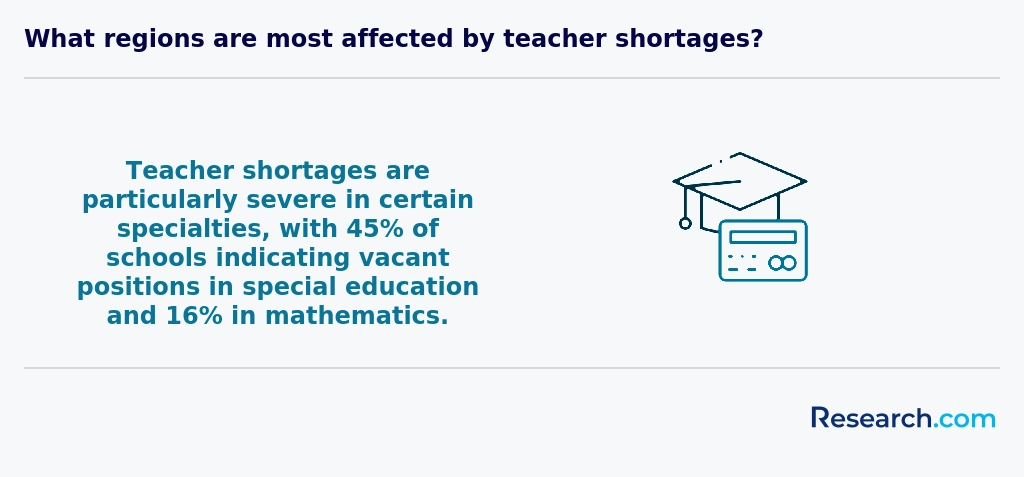
The job market for education degree holders in East Lansing continues to show promising growth, with graduates benefiting from a supportive academic network centered around Michigan State University. Education students often share stories of hands-on experiences through local internships and school partnerships, which open doors to various roles in public and private K-12 schools, as well as educational administration. This real-world preparation enhances their confidence and adaptability as they enter the workforce.
With East Lansing's education sector expanding steadily, those pursuing an education degree job outlook East Lansing remain optimistic about opportunities not only in teaching but also in vocational training and youth-focused nonprofit organizations. Access to state education agencies nearby further broadens career trajectories, providing a dynamic job market reflected in regional demand projections.
Students weighing their options often explore popular education programs at MSU, where the combination of affordable in-state tuition and significant financial aid makes the investment accessible. Graduates frequently highlight how these programs helped them transition smoothly into the workforce, affirming the value and vibrancy of East Lansing's education degree employment opportunities. More details can be found through popular education programs.
2027 Most Popular Education Degree Programs Ranking in East Lansing
Investing in your education is a significant decision that can shape your future, and the Research.com team understands the importance of making informed choices. To assist prospective students in East Lansing, we have meticulously developed the "2027 Most Popular Education Degree Programs Ranking." Our commitment to quality, credibility, and accuracy is demonstrated through extensive research and thorough analysis applied to create this ranking.
We utilized the following reputable data sources to ensure a comprehensive evaluation of education degree programs:
By exploring this ranking, readers will gain valuable insights to help identify top education programs in East Lansing, facilitating more confident and informed educational decisions. For more information on how this ranking was developed, please visit our Research.com methodology page.

Frequently Asked Questions About education
Education degree students in East Lansing can maximize their learning experience by engaging fully with the resources available at local institutions such as Michigan State University (MSU), known for its top-ranked College of Education. Participating in field experiences and student teaching placements within the surrounding public school districts provides practical exposure crucial for skill development. Research shows that students who combine classroom learning with hands-on practice tend to perform better in professional settings. Additionally, students should take advantage of MSU's extensive support services, including tutoring and career counseling, which contribute to graduation rates above the national average for education majors.
Active involvement in education-focused student organizations and attending conferences hosted in East Lansing can broaden understanding of current educational issues. Access to diverse learning environments alongside faculty mentorship helps build critical thinking and adaptability. Finally, staying informed about the latest pedagogical research through the university's libraries and online resources ensures students keep pace with emerging trends in education.
Emerging niches within the education field reflect changing societal needs and technological advancements, particularly in areas relevant to East Lansing students. One rapidly growing niche is educational technology, where specialists develop and implement digital tools to enhance learning experiences. According to the National Center for Education Statistics, demand for professionals skilled in educational technology is expected to grow by 15% through 2030.
Another important area is special education, with increased focus on inclusive practices for students with diverse learning needs. East Lansing's proximity to Michigan State University supports research and training in this field. Additionally, STEM education, especially in early childhood and K-12 settings, is gaining prominence as schools prioritize science and math proficiency.
Finally, culturally responsive teaching and equity coaching are emerging as vital specialties addressing diversity and inclusion challenges in classrooms nationwide.
Preparing for the job market after earning an education degree in East Lansing involves several key steps. Graduates should engage in student teaching or internships to gain valuable classroom experience, as most employers prioritize practical skills alongside academic knowledge.
Networking through local education organizations and attending job fairs hosted by institutions like Michigan State University can significantly increase employment opportunities. According to the National Center for Education Statistics, approximately 70% of education graduates find employment within six months of graduation, often aided by these activities.
Additionally, obtaining teaching certification specific to Michigan is essential, as it ensures compliance with state requirements and improves job eligibility.
Employers in East Lansing seek education degree graduates with strong communication and classroom management skills. According to the Michigan Department of Education, effective verbal and written communication ranks as a top priority for K-12 schools in the region. Graduates must also demonstrate adaptability to diverse learning styles and technological proficiency, reflecting the growing integration of digital tools in East Lansing classrooms.
Critical thinking and problem-solving abilities are highly valued, enabling teachers to create engaging lesson plans tailored to student needs. Collaboration skills are important as well, given the emphasis on teamwork with parents and fellow educators. Data from the National Center for Education Statistics shows that employers increasingly prioritize these competencies to ensure student success.
Finding internships in East Lansing related to an education degree involves leveraging local university resources and community partnerships. Michigan State University (MSU), a major institution in East Lansing, offers a comprehensive internship program through its College of Education, supporting hundreds of students annually. These internships often take place in nearby public schools, educational nonprofits, and government agencies focused on education.
Students should utilize MSU's Career Services and Education Career Development Center to access internship listings and application guidance. Networking at local education conferences and volunteering in schools can also open internship opportunities. Additionally, platforms like Handshake frequently list region-specific internships for education majors.
According to MSU's 2023 Career Success Report, over 70% of education undergraduates completed internships before graduation, demonstrating strong community ties beneficial for hands-on learning experiences in East Lansing.
In East Lansing, holding an education degree significantly enhances career mobility and advancement opportunities. According to the Michigan Department of Education, educators with advanced degrees often see increased salary scales and access to leadership roles such as curriculum specialists or administrative positions. The city's public school district prioritizes certified professionals, which means possessing valid teaching credentials directly impacts job eligibility and progression.
Furthermore, East Lansing's proximity to Michigan State University offers ongoing professional development, helping degree holders stay competitive. National data from the Bureau of Labor Statistics also show that educators with bachelor's or master's degrees in education experience lower unemployment rates and higher job stability compared to non-degree holders in adjacent fields.
Studying for an education degree in East Lansing offers a strong foundation for interdisciplinary roles. Programs often emphasize collaboration across fields such as psychology, sociology, and technology, which enhances teaching methods and curriculum design. Michigan State University, located in East Lansing, is known for integrating research with practice, offering students access to diverse resources and community partnerships that support interdisciplinary learning.
Courses frequently include training in educational technology and cultural competence, preparing graduates to adapt to varied learning environments. This holistic approach aligns with national trends highlighting the value of interdisciplinary skills in education careers, supported by data from the National Center for Education Statistics.
Choosing between a thesis and a non-thesis education degree program in East Lansing depends largely on your career goals and learning preferences. Thesis programs typically require conducting original research, appealing to those interested in academic or research-focused roles. Non-thesis options often emphasize coursework and practical experience, suitable for educators aiming to enter or advance in classroom teaching.
In East Lansing, programs at Michigan State University offer both tracks, reflecting national trends where roughly 40% of education master's students pursue thesis options. This flexibility allows students to tailor their degree to future plans, whether for doctoral studies or immediate professional application.
Cost and time also play roles; thesis degrees may take longer and demand more faculty supervision, while non-thesis programs often finish faster with internships or projects substituting research. Consulting academic advisors early can clarify program expectations and align choices with personal aspirations.
Students based in East Lansing seeking education degrees with an international focus have several options to consider. Michigan State University (MSU), the largest institution in East Lansing, offers study abroad programs specifically tailored for education majors. These programs often include placements in countries such as Spain, China, and the United Kingdom, allowing students to gain global perspectives on teaching methodologies.
According to MSU's Office of Education Abroad, approximately 5% of education students participate in these programs annually, reflecting growing interest. In addition, students can engage through partner networks like the School for International Training (SIT), which provides education-focused internships abroad.
Beyond direct study abroad, East Lansing students can also pursue dual degree or certificate options incorporating international education by leveraging MSU's extensive global partnerships. These pathways enrich graduate and undergraduate education curricula by providing practical experience in diverse cultural settings.
Students pursuing education degrees in East Lansing often find valuable part-time job opportunities that align with their academic goals. Local schools and community centers frequently hire education majors as teacher aides, tutors, or after-school program assistants. These roles provide practical classroom experience and enhance communication skills essential for educators.
Additionally, Michigan State University's Education Department reports that part-time tutoring positions in literacy and math are in high demand, offering flexible hours suitable for students. Many education students also work as substitute teachers in nearby districts, gaining hands-on exposure to varied teaching environments while earning income.
Such jobs not only support financial needs but also enrich resumes, making graduates more competitive in the education job market.
Education students in East Lansing benefit from a variety of strong networking opportunities thanks to the city's vibrant academic community. Michigan State University, the largest in East Lansing, hosts numerous events connecting education majors with local schools and education professionals. The College of Education organizes workshops, guest lectures, and career fairs that attract hundreds of participants annually.
Student organizations like the Michigan State University Student Education Association offer regular meetings and networking socials, fostering peer connections and mentorship. According to MSU's Career Services, 75% of education students secured internships through these networking channels in 2023.
In addition, partnerships with local school districts provide practical experience and access to practicing educators, broadening students' professional networks during their studies.
Alumni networks provide valuable support for education degree students in East Lansing. Graduates from local institutions often join these networks, creating strong professional communities that offer mentorship, job leads, and advice tailored to the regional educational landscape.
According to a 2023 report from the National Education Association, approximately 78% of education graduates who engage with alumni communities in Michigan find employment within six months post-graduation. These networks also facilitate connections with experienced educators in nearby districts, which is crucial for internship placements and hands-on training.
Furthermore, alumni events in East Lansing promote collaboration and continuous learning, enhancing students' career prospects by expanding their professional contacts within the state's education sector.
In East Lansing, students pursuing education degrees can tailor their programs by choosing from a variety of specializations such as early childhood education, curriculum development, or educational leadership. Many institutions offer elective courses and certificate options that align with specific career goals, providing flexibility within a broader degree framework.
Internships and practicums are commonly integrated, allowing hands-on experience in local schools or educational organizations. This practical exposure helps students refine their skills in real-world settings relevant to their aspirations.
Advisors in East Lansing universities often collaborate closely with students to create customized study plans. These plans can incorporate part-time study, online courses, or interdisciplinary classes to better match professional objectives.
According to the National Center for Education Statistics, East Lansing benefits from strong educational resources, which supports program diversity and customization. Prospective students should engage with academic counselors early to maximize these opportunities.
Education students in East Lansing often face several common challenges during their studies. One major hurdle is balancing rigorous coursework with field placements in local schools, which demand significant time and effort. According to Michigan State University's College of Education, students spend hundreds of hours in classroom observations and teaching practice, which can be stressful alongside academic responsibilities.
Another challenge relates to adapting theoretical knowledge to diverse urban and suburban classrooms around East Lansing. Students must be prepared to meet varying student needs, including those with disabilities and from different cultural backgrounds. This requires both strong teaching skills and cultural competence.
Financial strain is also notable, as education programs can be costly and teaching salaries in Michigan remain moderate compared to national averages. Many students rely on loans or part-time jobs during their studies, which adds pressure.
With an education degree in East Lansing, you can pursue several professional certifications that expand your career opportunities. Common certifications include the Michigan Professional Educator Certificate, required for teaching in public schools. This credential validates your teaching skills and knowledge in specific grade levels or subject areas.
Additionally, you might consider certifications such as Reading Specialist, School Counselor, or Special Education endorsement, depending on your specialization. According to the Michigan Department of Education, over 70% of education graduates in the state seek these certifications to increase their employability.
For higher education roles, certifications in educational leadership or administration are also available, preparing graduates for roles like principal or educational coordinator.
To write a winning application for an education program in East Lansing, begin by thoroughly researching programs at institutions like Michigan State University, a major educator in the region. Focus your personal statement on your passion for teaching and your commitment to educational growth, highlighting any relevant experience or volunteer work. Admissions committees value clarity and sincerity. Include specific goals aligned with the program's strengths, such as curriculum development or educational leadership. Be sure to request strong recommendation letters from professionals familiar with your abilities. Finally, carefully proofread your application and adhere to submission guidelines, increasing your chances in this competitive academic environment.
Education careers in the United States attract global attention due to the country's diverse schooling systems and strong emphasis on teacher preparation. In East Lansing, where Michigan State University is a leading institution, education degrees incorporate both practical and research-based skills, reflecting national trends. According to the National Center for Education Statistics, nearly 83% of U.S. teachers hold at least a bachelor's degree, with many opting for advanced credentials to enhance their careers.
Globally, education professionals are increasingly valued for their role in fostering inclusive and innovative learning environments. U.S. education programs often incorporate global perspectives, preparing students to understand different cultural and pedagogical approaches. This international outlook is critical as educators in East Lansing and beyond face increasingly diverse classrooms.
The demand for qualified education professionals in Michigan remains steady, with the Bureau of Labor Statistics projecting a 5% growth for teachers through 2031. Such data provides hopeful insights for prospective students considering careers in education in East Lansing.
Students pursuing education degrees in East Lansing can gain practical experience through various structured opportunities. Michigan State University, the primary institution in the area, offers extensive student teaching placements across local public and private schools, allowing hands-on classroom experience. These internships are often a mandatory part of teacher certification programs. Additionally, students may engage in research projects or community outreach initiatives coordinated by the university's College of Education.
The local school district collaborates closely with universities to provide observation hours and assistant teaching roles. According to the National Center for Education Statistics, over 70% of education majors in Michigan participate in field experiences before graduation, emphasizing its importance in teacher preparation.
Choosing the right concentration within an education degree program in East Lansing involves understanding your career goals and local education needs. East Lansing, home to Michigan State University, offers diverse education tracks such as elementary education, special education, and educational leadership. According to the Michigan Department of Education, there is strong regional demand for special education professionals, reflecting nationwide trends.
Prospective students should consider program accreditation, faculty expertise, and available resources. Exploring internships or partnerships with East Lansing schools can provide practical experience. Additionally, reviewing job placement rates and speaking with academic advisors will help align your concentration choice with your aspirations in the education field.
- 2027 Most Popular Education Degree Programs Ranking in Cleveland
- 2027 Most Popular Education Degree Programs Ranking in Chicago
- 2027 Most Popular Education Degree Programs Ranking in River Forest
- 2027 Most Popular Education Degree Programs Ranking in Columbus
- 2027 Most Popular Education Degree Programs Ranking in Indianapolis
- 2027 Most Popular Education Degree Programs Ranking in Erie
- 2027 Most Popular Education Degree Programs Ranking in Pittsburgh
- 2027 Most Popular Education Degree Programs Ranking in Dubuque
- 2027 Most Popular Education Degree Programs Ranking in Louisville
- 2027 Most Popular Education Degree Programs Ranking in Wilkes-Barre
See What Experts Have To Say About Studying Education
Read our interview with Education experts


Alan J. Singer
Education Expert
Professor of Teaching, Learning and Technology
Hofstra University

- International teaching and education jobs https://www.tes.com/jobs/search/international
- Skills Employers Look for in Business Graduates – EU Business School https://www.euruni.edu/blog/skills-employers-look-for-in-business-graduates/
- What Can I Do With a Teaching Degree (Besides Teach)? https://www.alleducationschools.com/blog/what-can-i-do-with-a-teaching-degree-besides-teach/
- Tips for Choosing Your Graduate Concentration - Graduate Programs for Educators https://www.graduateprogram.org/blog/tips-for-choosing-your-graduate-concentration/
- Get the skills employers want | Study UK https://study-uk.britishcouncil.org/why-study/succeed-your-career/get-skills-employers-want
- Education Technology Trends to Watch in 2065: 10 Innovations Shaping the Future of Learning https://www.digitallearninginstitute.com/blog/education-technology-trends-to-watch-in-2026
- How to Write a Great Letter of Intent for a Teaching Job | Zen Educate https://www.zeneducate.com/us/resources/becoming-a-teacher/how-to-write-letter-of-intent-teaching-job/
- Networking Tips and Advice for Students https://schoolshouldbe.com/post/networking-tips-and-advice-for-students/
- Know more about thesis vs non- thesis: what is the difference? https://studyfans.com/en/blogs/816
- Is a thesis always mandatory in a master's degree program? - EFMU: The Euler-Franeker Memorial University and Institute https://euler.euclid.int/is-a-thesis-always-mandatory-in-masters-degree-program/





