
2027 Most Affordable Online Bachelor's in Education Degree Programs Ranking in the USA

Co-Founder and Chief Data Scientist
Choosing the right online bachelor's in education degree can shape your future and open doors to rewarding career opportunities. This article introduces the 2027 Most Affordable Online Bachelor's in Education Degree Programs Ranking in the USA, created by the Research.com team of data scientists to support your decision-making process.
By exploring this ranking, you'll discover affordable programs that balance quality and accessibility. Pursuing an education degree not only equips you with valuable skills but also empowers you to make a positive impact in communities. Let this guide help you take the next confident step toward your goals.
Key benefits of getting online education degree in America
- Education degree graduates enjoy rewarding salaries such as $76,000 for Special Education Teachers and $77,200 for Instructional Designers, reflecting strong earning potential in the field.
- Graduates from popular universities often pursue diverse careers, including Elementary School Teaching, ESL instruction, and Early Childhood Education, opening many fulfilling doors in education.
- Online education degrees, like those from well-known online programs, offer flexibility and convenience, allowing graduates to balance studies with work or family while earning a respected credential.
- Key benefits of getting online education degree in America
- What can I expect from online education degree in America?
- Where can I work with online education degree in America?
- How much can I make with online education degree in America?
- 2027 Most Affordable Online Bachelor's in Education Degree Programs Ranking in the USA
- Key Findings
- How long does it take to complete online education degree in America?
- Navigating Financial Aid and Scholarships for Online Education Degrees
- What's the difference between online and on-campus education degree?
- Licensing and Certification Requirements for Aspiring Teachers
- What is the average cost of online education degree in America?
- Accreditation and Teacher Certification Requirements
- What financial aid is available to online education degree students in America?
- State Certification and Licensure Requirements
- What are the prerequisites for enrolling in online education degree program in America?
- Tips for Success in an Online Education Program
- What courses are typically in online education degree programs in America?
- What types of specializations are available in online education degree programs in America?
- How do you choose the best online education degree in America?
- What career paths are available for online education degree students in America?
- What is the job market for online education degree in America?
- Top Trending Education Rankings
- See What Experts Have To Say About Studying Education
What can I expect from online education degree in America?
The average cost of an online education degree in America can feel pretty manageable, especially when you compare it to traditional on-campus programs. Graduates from well-known universities often mention how they saved a bunch by avoiding commuting, housing, and those annoying campus fees. For example, many top public universities offer flat tuition rates for online students, so whether you're in-state or out-of-state, you can expect to pay around $10,000 to $12,000 per year.
Some grads share that this steady cost allowed them to juggle work and family without stressing too much about tuition spikes. Plus, online programs often provide flexible payment options, which is a big relief if you're balancing bills and schooling.
It's also worth noting that accredited programs ensure you get quality education without wasting money. Having that local student teaching or internship component means you gain real experience, without racking up extra costs relocating. A lot of grads feel this balance between affordability and hands-on learning made their online degree totally worth it.
Where can I work with online education degree in America?
If you're wondering where an online education degree from a U.S. school can take you, the possibilities are pretty exciting. Graduates from popular programs at places like Arizona State University or Penn State often land jobs as teachers in K-12 schools, covering subjects from early childhood education to special ed or even high school science. Many of them share how their online credentials helped them get licensed in states like California or Texas without ever setting foot on campus.
Beyond teaching, lots of alumni find themselves stepping into roles like curriculum specialists or instructional coordinators, shaping how schools teach and grow. Others work as advisors or faculty members at universities, or jump into education nonprofits, helping communities thrive. Some even use their skills for corporate training gigs, making work better for employees. It's all about leveraging that flexible online education degree to fit what you love, wherever you want to work in America's education landscape.
How much can I make with online education degree in America?
If you're earning an online education degree in America, you're probably curious about the paycheck waiting on the other side. Graduates from schools like the University of Florida or Arizona State report starting salaries that are pretty encouraging. For example, elementary school teachers typically earn about $70,740 a year, which is solid for jumping into the workforce.
Special education teachers do even better, averaging around $76,000 annually-something many grads find motivating knowing their specialized skills pay off. If you're thinking about teaching English as a Second Language (ESL), expect to make roughly $65,430 a year, with hourly wages close to $31, which is pretty nice for flexible schedules.
Those who dive into instructional design after an online degree often see salaries near $77,200. It's a great path if you enjoy creating learning materials and curriculum, common among grads from colleges like Penn State.
Even early childhood educators start out earning around $41,410. While it's lower, many find huge satisfaction working with little kids and know advancement can boost pay over time. The key takeaway? An online education degree from a recognized American university opens doors to a range of solid-paying jobs that match your passion and lifestyle.
2027 Most Affordable Online Bachelor's in Education Degree Programs Ranking in the USA
How do we rank schools?
Investing in your education is a significant decision that can shape your future, and the Research.com team understands the importance of making informed and confident choices. To support prospective students seeking affordable online bachelor's degrees in education, we have carefully developed the "2027 Most Affordable Online Bachelor's in Education Degree Programs Ranking in the USA." Our dedication to quality, credibility, and accuracy is demonstrated through rigorous research and thorough analysis.
We utilized the following reputable data sources to ensure a comprehensive and trustworthy evaluation of programs:
By exploring this ranking, readers will gain valuable insights into affordable online education degree programs, enabling them to make well-informed decisions tailored to their goals and budgets. For more information about how this ranking was created, please visit our Research.com methodology page.
# 1 position
Appalachian State University
Bachelor of Middle Grades Education Science and Social Studies

# 2 position
University of Central Florida
Bachelor of Exceptional Student Education, Learning and Language


# 4 position
Bethel University, Minnesota
Bachelor of Special Education


# 9 position
University of Missouri
Bachelor of Human Development and Family Science with an emphasis in Early Childhood Education in a Mobile Society


# 11 position
State University of New York at Oswego
Bachelor of Career and Technical Educator Preparation


# 16 position
Mississippi State University
Bachelor of Elementary Education with concentrations in Early Childhood or Middle School


# 18 position
Florida State College at Jacksonville
Bachelor of Early Childhood Education


Key Findings
- Many accredited universities offer fully online bachelor's degree programs in education that let students study while managing work and family.
- The total tuition cost typically ranges from $15,000 to $40,000, with public universities generally charging less than private ones.
- Financial aid options like federal grants, loans, and scholarships are widely available for students enrolling in online education degrees.
- Graduates typically start with salaries between $40,000 and $45,000 annually, which can grow to around $60,000 or more with experience and certifications.
- Teacher employment is projected to grow by 5% from 2021 to 2031, with special education and STEM roles seeing potentially higher demand.
- Online education degrees must be regionally accredited and meet state licensure requirements for graduates to qualify for teaching certification.
How long does it take to complete online education degree in America?
If you're thinking about an online education degree in America, most grads from schools like Arizona State or University of Florida find that a bachelor's usually takes about four years if you're studying full-time. But here's the cool part-online programs give you a chance to speed things up and finish in around three years if you really hustle, thanks to accelerated courses and year-round options.
On the flip side, many folks balancing work or family go part-time and stretch their studies out to five or six years. That flexibility is a real lifesaver for those juggling responsibilities. Some grads even tap into transfer credits to knock off a year or two, which makes the whole process feel way less overwhelming.
And don't forget about master's degrees! For a master's in education, expect somewhere between 1.5 to 3 years depending on whether you're full- or part-time. Lots of programs at places like Boston University cater to working pros, offering that extra wiggle room.
It really comes down to your pace, but the flexibility online education gives you means you can tailor your timeline around your life.
Navigating Financial Aid and Scholarships for Online Education Degrees
To make informed decisions about pursuing an online education degree, understanding the financial aid options is crucial. Many students are eligible for federal student aid, grants, and scholarships that can significantly reduce the financial burden of higher education. For instance, students can explore the most affordable education schools to find programs that fit their budget and career goals. Additionally, some institutions offer specialized scholarships for education majors, such as the TEACH Grant, which provides financial assistance to students who commit to teaching in high-need areas. By researching and leveraging these financial aid options, prospective students can embark on their educational journey with greater financial stability and peace of mind.
What's the difference between online and on-campus education degree?
The main difference between online and on-campus education degrees in America comes down to how you attend classes. If you're juggling work or family, online programs from schools like Arizona State University or the University of Florida can be a lifesaver. You can log in from your couch, manage your time, and still earn a respected degree without the daily commute. Graduates often mention how the flexibility helped them keep their jobs and personal life balanced.
On the flip side, going on-campus at places like Michigan State or Boston University means more face-to-face time with professors and classmates. Many students highlight how being in a classroom boosts motivation and makes networking easier-plus, student teaching placements happen in person either way, so you still get hands-on experience.
Costs can vary, too. Online degrees usually skip the housing and meal plans, so tuition can be lower, but sometimes tech fees sneak in. In the end, both pathways are legit, as long as your program's accredited, and employers recognize them equally.
Licensing and Certification Requirements for Aspiring Teachers
Before you can lead a classroom, most states require an official teaching license or certification. Even the most affordable online bachelor’s in education programs integrate these steps into their curriculum, but you must still complete student-teaching hours, pass standardized exams (often the Praxis series), and satisfy state-specific background checks. For example, many programs include a supervised practicum or internship component that aligns with state licensure guidelines, ensuring you gain hands-on experience under the mentorship of a certified teacher. After finishing your degree, you’ll typically register with your state’s department of education, submit official transcripts, and document your field experiences. Next, you’ll prepare for and pass the required exams-most commonly Praxis Core for basic skills and Praxis II for subject-specific pedagogy. Some states also mandate additional assessments in classroom management or special education. Once exams are cleared and paperwork approved, you’ll receive an initial or provisional teaching certificate, valid for one to three years while you complete mentoring or induction programs. Continuing education is often necessary to maintain licensure. States require periodic renewals, which may involve completing approved professional development credits or earning a higher-level credential. If you relocate, you may need to meet new state standards or go through reciprocity agreements. Prospective students interested in cost-effective pathways can compare regional offerings via our Cheapest Online Education Degree Programs Ranking in Manhattan, KS, ensuring both affordability and alignment with local certification requirements.
What is the average cost of online education degree in America?
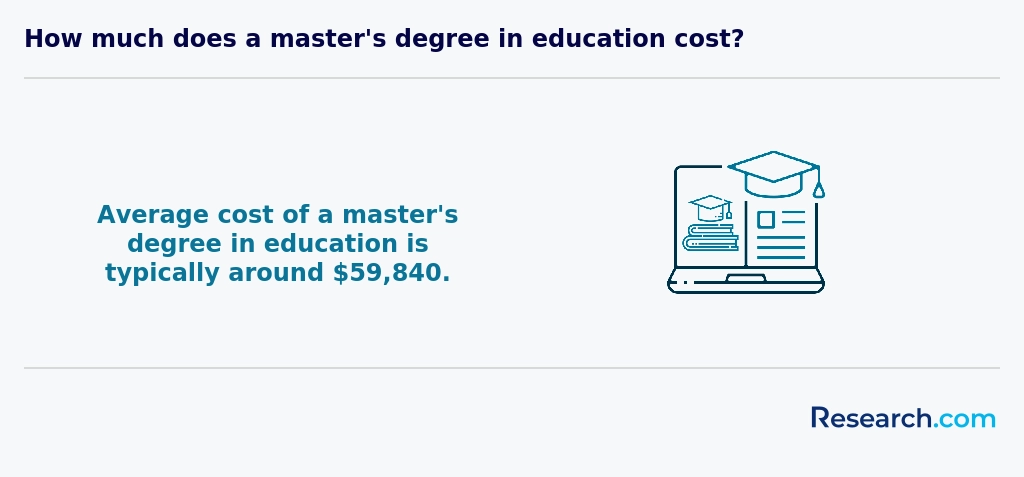
The average cost of an online education degree in America typically falls around $50,386 for total expenses, but this number can shift quite a bit depending on where you study. Graduates from popular universities known for their education programs often mention that in-state tuition can be a real money-saver, usually averaging close to $37,692, while out-of-state students might face prices closer to $60,764. Imagine a student attending a well-known state university online: by qualifying for in-state rates, they could save thousands compared to their peers paying out-of-state tuition.
Many folks looking for an affordable online bachelor's in education tuition USA find that choosing schools with flat-rate tuition or exploring financial aid options can make a huge difference. Students balancing work and study also appreciate how many programs let them stretch their degree over a few years, easing the pressure on both time and finances. Some graduates share that programs at state universities felt especially flexible and budget-friendly, helping them avoid the sticker shock often associated with private institutions.
If you're curious about finding the most affordable education schools, plenty of resources list options that keep costs reasonable without sacrificing quality. Think of it as investing wisely in your future without breaking the bank-something many students have successfully managed by carefully planning their path.
Accreditation and Teacher Certification Requirements
When evaluating online education programs, accreditation and certification pathways are paramount for ensuring that your degree leads to a valid teaching license. Accredited programs-ideally by the Council for the Accreditation of Educator Preparation (CAEP) or regional accreditors recognized by the U.S. Department of Education-guarantee that coursework meets rigorous quality standards. Graduates from CAEP-accredited institutions report smoother transitions into teacher preparation workflows and higher success rates on licensing exams. State licensure requirements vary, but most require passing the Praxis® series or state-specific exams, completing a supervised student-teaching practicum, and submitting an application to the state board of education. For example, aspiring teachers in California must pass the CBEST and CSET exams, whereas those in Texas take the TExES content and pedagogy tests. Online programs often include embedded exam preparation modules and support for arranging field experiences in your local district. Reciprocity agreements can simplify certification if you move to another state. Programs with national accreditation typically include guidance on demonstrating compliance with reciprocity standards, helping you obtain licensure more efficiently. To explore cost-effective, accredited options that align with state certification pathways, consider our regional rankings-such as the Cheapest Online Education Degree Programs Ranking in Manhattan, KS-to find programs that balance affordability with the accreditation credentials you need.
What financial aid is available to online education degree students in America?
If you're tackling an online education degree in America, there's plenty of financial aid to ease the load. Tons of students at places like Arizona State University or the University of Florida have leaned on federal aid through FAFSA to grab grants, loans, and work-study gigs. The Pell Grant, for example, can cover up to $7,395 a year without adding any debt, which feels like a huge relief when tuition runs about $10,940 for many public schools.
Lots of online learners also score state-specific scholarships, especially if they're studying close to home. Universities like the University of Central Florida often help students find these tailored grants that really take the sting out of tuition. Plus, there are federal Direct Loans with steady interest rates that graduates say helped them manage payments after finishing their degree.
- Teacher loan forgiveness programs are a game changer, wiping out up to $17,500 if you teach in low-income schools for five years, which many grads have found hugely motivating.
- Work-study options let you earn some cash while juggling classes, something online students appreciate since it doesn't add debt.
- Plus, plenty of private scholarships from nonprofits and education groups pop up if you do a bit of digging.
Most online students find that finishing the FAFSA early and chatting with their school's financial aid office really sets them up for success. It's all about knowing the options and making them work for you, just like many others have done across the country.
State Certification and Licensure Requirements
Before embarking on an online bachelor’s in education, understanding state certification and licensure requirements is essential to ensure your degree leads to classroom eligibility. Each state sets its own criteria, typically involving coursework, supervised teaching experiences, and passing scores on standardized exams such as the Praxis® series. Accreditation by a recognized body-such as CAEP (Council for the Accreditation of Educator Preparation)-is often a prerequisite for licensure, so verify that your chosen program meets both regional and national standards. Most states require:
- A bachelor’s degree from an accredited institution.
- Completion of a teacher preparation program with a minimum number of fieldwork hours.
- Passing state or national assessments in basic skills, pedagogy, and subject-specific content.
- Submission of fingerprints and background checks. For candidates who wish to teach outside the state where they earned their degree, reciprocal agreements can simplify certification transfers. However, requirements vary significantly, so it’s wise to consult your state’s Department of Education website and consider programs with built-in guidance for licensure. To explore affordable pathways that align with your state’s standards, check out this ranking of Cheapest Online Education Degree Programs Ranking in Manhattan, KS.
What are the prerequisites for enrolling in online education degree program in America?
If you're thinking about jumping into an online education degree in America, the first thing to know is that most programs want to see you've finished high school or have an equivalent like a GED. This is pretty standard across schools, whether you're eyeing a state university or a private college known for education, like those popular in places such as New York or California.
For anyone aiming higher, say a master's in education, you'll generally need a bachelor's degree. Graduates often mention how having a solid GPA-usually around a 2.5 to 3.0-makes a big difference in getting accepted, especially at competitive programs.
Many students share how writing a personal statement or getting letters of recommendation really helped show their passion for teaching. Plus, online programs also want to make sure you're tech-savvy enough to handle virtual classes, so having a good computer and reliable internet is a must.
Lastly, budget matters. Tuition can be around $10,000 a year, so preparing your finances or applying for aid ahead of time keeps everything smooth and stress-free.

Tips for Success in an Online Education Program
Succeeding in an online education program requires a blend of self-discipline, effective time management, and proactive engagement with both course materials and peers. Establishing a dedicated study space and following a consistent scheduling routine can significantly boost productivity, while utilizing digital calendars or task management apps helps in meeting deadlines. Building a network through discussion boards and virtual study groups not only provides academic support but also cultivates professional relationships. It’s important to take advantage of instructor feedback-regularly reviewing comments on assignments and seeking clarification on challenging topics can deepen your understanding and improve performance. Moreover, integrating interactive tools like video conferencing sessions and virtual office hours enhances engagement and simulates a closer connection to an on-campus experience, fostering a collaborative atmosphere. For additional insights on program selection and success strategies, consider exploring affordable online education degrees to discover practical tips and program rankings that align with your goals. By incorporating these strategies, online education students can thrive academically while preparing for future professional challenges.
What courses are typically in online education degree programs in America?
If you're diving into an online education degree in America, you'll quickly notice the courses cover quite a bit. Graduates from well-known schools like the University of Florida or Arizona State University often mention starting with basics like Foundations of Education, which digs into the history and philosophy behind the U.S. education system. It's like getting a solid map before exploring.
Then, there's a bunch of hands-on stuff. Classes in Instructional Methods teach you how to create lesson plans that actually work for different age groups. Imagine learning how to adjust a math lesson so it clicks whether you're teaching fifth graders or high schoolers. Graduates often talk about how Classroom Management courses helped them handle real challenges like keeping restless classrooms engaged.
Online students also get a good dose of Educational Technology. With so much teaching happening remotely these days, knowing your way around digital tools is a huge plus. Plus, if you're aiming for teacher certification, expect courses tailored to specific subjects like literacy or science. Many grads share stories about how these helped them feel confident stepping into their first classroom in states across the country.
What types of specializations are available in online education degree programs in America?
If you're exploring an online education degree in America, you'll find a great mix of specializations tailored to what really lights your fire. Many graduates from popular colleges love the Elementary Education track because they get to focus on teaching kids kindergarten through 6th grade-perfect if you enjoy those "aha" moments when little ones grasp new ideas. For those into teaching teens, Secondary Education offers options to specialize in subjects like Math, Science, or History, which lots of students from well-known universities say prepared them well for real classrooms.
Special education is another vital path, training you to support students with diverse learning needs-graduates often share how rewarding this work feels. On the flip side, if you're thinking bigger picture, Educational Leadership or Curriculum and Instruction can gear you up for roles like principals or instructional coordinators, a fit for those excited by shaping schools from the ground up.
Fans of early childhood or adult education will find programs focused on those unique student groups too. Many have found excellent options by checking out affordable online education degrees, which allow you to pursue specialized teaching programs in America without breaking the bank.
How do you choose the best online education degree in America?
Choosing the best online education degree in America means focusing on what really matters to you. Graduates from popular schools often mention how accreditation made a huge difference-it's not just fancy paperwork, but a key to getting certified and transferring credits smoothly. Think regional accreditation from recognized bodies to make sure your hard work counts where it should.
Don't forget specialization! Whether you want to teach kids or aim for leadership, programs at top colleges in America tailor courses for skills you'll actually use. Many people find that picking a program aligned with their career goals keeps motivation high and makes the experience way more rewarding. And yes, while hunting for affordable online teaching degrees in America, comparing total costs including fees helps avoid surprises-some students have saved thousands this way.
Plus, student support and flexibility really shine in online learning. Graduates rave about advising and career counseling that felt like having a personal coach. If you want a solid starting point, check out the Cheapest Online Education Degree Programs Ranking in Manhattan, KS for great value options that don't compromise on quality.
What career paths are available for online education degree students in America?
If you're thinking about what career paths are available for online education degree in America, there's actually a bunch to explore. Many graduates from popular universities like Arizona State or University of Florida find themselves stepping into classrooms as licensed teachers, especially in public and private schools, where demand is pretty steady. Others dive into educational administration-think principals or curriculum coordinators-roles that keep the school running smoothly and let you shape how education happens.
Some grads love blending tech with teaching, working in educational technology managing online learning tools, a field that's really taken off since the pandemic. Then there are careers like special education teacher or adult education instructor, helping students with unique needs or those aiming for GEDs and workforce skills. You'll also find opportunities as instructional designers or educational consultants, crafting courses or advising schools on the best ways to deliver education-often where those studying open enrollment college courses online get a head start. It's pretty inspiring to see how online education degree careers in the USA can open doors beyond just teaching!
One thing graduates often share is how flexible and meaningful these roles are, especially when they see the difference they make day-to-day. Whether it's cheering on a shy student or helping a school adopt new digital tools, there's a lot of heart in these jobs. And with plenty of teaching job opportunities with online education degree America-wide, it's a great time to jump in.
What is the job market for online education degree in America?
The job market for an online education degree in America is actually pretty solid right now. Graduates from popular universities often share how their flexible online programs helped them balance work and study, making it easier to jump into teaching roles sooner. Whether aiming to become a classroom teacher or stepping into positions like instructional coordinators, many find steady opportunities in K-12 schools across the country.
One great thing about education degrees earned online is the growing respect from employers, especially when the degree comes from accredited programs that meet state certification needs. This means graduates aren't just stuck in one role-they can explore paths like curriculum development or even educational tech, which is booming as schools adopt more digital tools.
If you're worried about costs, many programs fall within a reasonable range, often $20,000 to $40,000, which can be less than traditional college expenses once you factor in saving on commuting or relocation. Plus, there are plenty of accredited colleges online offering free applications to get started without upfront costs.
For anyone curious about job market for education graduates in America, know that demand stays steady-especially with a 7% growth projected for teachers through 2031. So if you're considering an education degree online, it's definitely a career path with some promising doors opening.
Frequently Asked Questions About education
Students pursuing online education degrees in America can maximize their learning by actively engaging with course materials and participating in discussion forums. Research from the National Center for Education Statistics shows that over 30% of college students take at least one online course, highlighting the importance of self-discipline in remote learning.
Setting a regular study schedule and creating a dedicated learning space can improve focus and productivity. Utilizing campus resources such as online tutoring or academic advising also supports success.
Additionally, connecting with peers and instructors via virtual office hours fosters a deeper understanding of content and helps build a professional network.
Emerging niches in the education field reflect shifts in technology, diversity, and specialized learning needs. One notable area is educational technology, where experts design digital tools to improve remote learning experiences. The U.S. Bureau of Labor Statistics projects a 7% growth in instructional coordinators, many focusing on tech integration by 2030.
Another growing niche is special education with emphasis on inclusive practices for students with disabilities. According to the National Center for Education Statistics, about 14% of public school students received special education services in 2021.
Culturally responsive teaching and bilingual education also see increased demand due to changing demographics in American schools. These fields require educators skilled in diversity and language acquisition to support multicultural classrooms effectively.
After completing an online education degree in America, preparing for the job market requires targeted steps. First, graduates should obtain relevant teaching certifications or licenses, as nearly all states mandate these for public school employment. The American Board for Certification of Teacher Excellence offers alternative pathways compatible with online degrees.
Networking plays a crucial role; joining professional organizations like the National Education Association or local education groups helps build connections. Additionally, gaining practical experience through substitute teaching or volunteering increases employability.
According to the Bureau of Labor Statistics, employment for preschool, kindergarten, and elementary teachers is projected to grow 7% from 2021 to 2031, signaling steady demand for qualified educators.
Employers in America highly value education degree graduates who possess strong communication skills. According to the National Center for Education Statistics (NCES), the ability to convey ideas clearly to diverse student populations is essential.
Critical thinking and problem-solving are also key, as teachers often adapt lessons to meet varied learning needs. The U.S. Bureau of Labor Statistics (BLS) highlights these skills as vital for successful classroom management and student engagement.
Additionally, technology proficiency has become increasingly important. With the growth of online and hybrid education, graduates fluent in educational software stand out in the job market.
Lastly, collaboration skills are fundamental, supporting teamwork with colleagues and parents to improve student outcomes. These competencies reflect the evolving demands in American education careers.
Finding internships relevant to an education degree in America involves several strategic steps. Many universities with online education programs maintain partnerships with local schools and educational organizations that offer internship opportunities. According to the National Center for Education Statistics, over 70% of education degrees incorporate some form of practicum or field work, which often includes internships.
Students should use their institution's career services, which typically list approved internships that meet degree requirements. Additionally, websites like Handshake and Internships.com often feature education-related internship listings specific to U.S. states and regions.
Networking with faculty and joining professional organizations such as the National Education Association can also provide access to internships. Early preparation and proactive communication significantly improve chances of securing relevant internships.
Online education degrees in America have significantly increased career mobility and advancement opportunities for many professionals. According to the U.S. Department of Education, employers increasingly recognize accredited online degrees as equivalent to traditional degrees, which helps graduates compete effectively in the job market.
Many teaching positions, especially in K-12 schools, require state licensure, and online programs have adapted to ensure coursework aligns with these requirements. Graduates can often qualify for promotions or specialized roles, such as curriculum coordinators or instructional coaches, which typically offer higher salaries and leadership opportunities.
Data from the National Center for Education Statistics indicates that online degree holders report career advancement at rates comparable to their on-campus peers, highlighting the growing acceptance of online credentials.
Studying for an education degree in America often equips students with skills applicable across various fields. Many programs emphasize interdisciplinary learning by integrating courses from psychology, sociology, and technology. This broad foundation prepares graduates to work collaboratively in diverse settings, such as schools, community organizations, and policy development.
According to the National Center for Education Statistics, graduates with education degrees increasingly engage in roles that require communication, problem-solving, and leadership beyond traditional classrooms. Online education programs frequently include practical training in curriculum design, assessment methods, and educational technology, supporting adaptability in multidisciplinary environments.
Such preparation aligns with labor market demands, where educators contribute to areas like special education, counseling, and administration, reflecting a versatile career path.
When choosing between a thesis and a non-thesis online education degree program in America, consider your career goals and learning preferences. Thesis programs typically require original research and are suited for students aiming for academic or research careers. They demand strong writing and analytical skills and often take longer to complete.
Non-thesis programs usually emphasize practical skills and coursework, appealing to professionals seeking advancement or certification in teaching. According to the National Center for Education Statistics, nearly 60% of online graduate education students choose non-thesis options for flexibility and faster completion.
Earning a thesis degree may open doors to doctoral programs, while a non-thesis path often aligns better with immediate employment needs.
Students based in America looking to study education abroad have several options through US institutions offering online degrees with international partnerships. Many American universities provide online bachelor's and graduate education programs that incorporate global perspectives and cross-cultural training.
Some programs include study-abroad components or virtual exchanges, enabling students to engage with overseas educational systems without traveling. According to the Institute of International Education, about 6% of US students pursue education degrees incorporating international experiences, often supported by scholarships or federal financial aid.
Additionally, accredited online education programs in the US follow standards recognized internationally, facilitating credit transfer and degree recognition abroad for students interested in global careers.
Part-time jobs that complement education degree studies in America often include roles such as teacher assistants, tutors, and substitute teachers. These positions provide practical experience and enhance classroom management skills, which are critical for education majors. According to the National Center for Education Statistics (NCES), nearly 40% of education students engage in work-study or related employment during their studies.
Many students also find opportunities as after-school program aides or childcare providers, which help develop communication and leadership abilities. Additionally, roles in educational nonprofits or libraries can deepen understanding of educational resources and student development. These jobs offer flexible hours suitable for part-time study schedules.
Online education students in America have increasing access to diverse networking opportunities despite studying remotely. Many universities provide virtual events such as webinars, workshops, and career fairs tailored specifically for online learners to connect with peers and industry professionals. According to the National Center for Education Statistics, roughly 14% of all undergraduates enrolled exclusively online in 2021, prompting institutions to enhance digital networking platforms.
Students can also join online student organizations, discussion boards, and social media groups focused on education careers. Additionally, some programs facilitate mentorship matching with alumni, helping students build professional relationships. These digital environments aim to replicate the networking benefits traditionally found on campus.
Alumni networks serve as a vital resource for students pursuing online education degrees in America. These networks provide opportunities for mentorship, career advice, and professional connections. According to the National Association of Colleges and Employers (NACE), 70% of jobs are secured through networking, highlighting the importance of alumni relationships for job placement after graduation.
Many universities offer exclusive online communities for their alumni, fostering long-term engagement and continuous learning. This can be especially valuable for online students, who may miss traditional on-campus interactions. Alumni connections also increase access to internships and workshops, which enhance practical skills and employability in the education sector.
Americans seeking to customize their online education degrees can tailor their studies by choosing specializations aligned with their career goals. Many accredited programs offer concentrations like early childhood education, special education, or educational technology. According to the National Center for Education Statistics (NCES), about 60% of online education degrees provide elective options, allowing customization.
Students can also select courses that fulfill state certification requirements if they plan to become licensed teachers. Additionally, practical components such as internships or practicum experiences can often be arranged near the student's location, offering real-world teaching exposure. Personalized academic advising ensures the curriculum matches career objectives and licensing demands.
Students pursuing online education degrees in America often face challenges related to technology access and digital literacy. According to the National Center for Education Statistics (NCES), about 14% of U.S. households with school-age children lack reliable internet, which can affect participation in online courses.
Another common issue is time management and self-discipline. Without the structure of a physical classroom, many students struggle to balance coursework with work and family responsibilities.
Additionally, some students report feelings of isolation and limited interaction with peers and instructors, which can impact motivation and learning effectiveness.
Technical issues and limited access to campus resources also pose difficulties, particularly for those attending less-resourced institutions.
With an online education degree in the United States, you can pursue several professional certifications that enhance your teaching credentials and career prospects. The most common certification is the state-issued teaching license, which allows you to teach in public schools. Requirements vary by state but generally include passing exams such as the Praxis series.
Beyond licensing, you may also earn National Board Certification, a prestigious credential recognized nationwide that demonstrates advanced teaching skills. According to the National Board for Professional Teaching Standards, certified teachers often see higher salaries and improved career opportunities.
Other certifications include specialized endorsements in areas like Special Education, English as a Second Language (ESL), or Reading Instruction. These certifications further qualify educators to address diverse student needs in American classrooms.
Writing a winning application for an online education program in America requires clear focus and adherence to specific requirements. Start by thoroughly researching the program's goals and values to tailor your personal statement effectively. Admissions committees value applicants who demonstrate a strong understanding of educational theories and practical teaching skills.
Highlight relevant experiences, such as volunteer work or previous teaching roles, and use concrete examples to support your claims. According to the National Center for Education Statistics, personalized statements improve admission chances by showing genuine motivation.
Be sure to follow all application instructions carefully, including submitting transcripts and letters of recommendation from academic or professional sources familiar with your skills.
Education careers are valued worldwide, but the perspectives differ by region. In the United States, teaching remains a respected profession with steady demand. According to the U.S. Bureau of Labor Statistics, employment for kindergarten and elementary school teachers is projected to grow 7% from 2021 to 2031, faster than average for all occupations.
Globally, many countries emphasize education as a key to economic development. The Organisation for Economic Co-operation and Development (OECD) notes that nations investing in teacher training see improved student outcomes. However, America's focus on online education degrees allows students nationwide to access quality training without relocating.
The flexibility of online programs supports diverse learners, including working professionals. This trend aligns with global shifts toward lifelong learning and technology integration in classrooms, preparing educators for evolving career demands.
Gaining practical experience while studying for an online education degree in America is essential for career readiness. Many accredited programs incorporate virtual student teaching or internships. These opportunities allow students to engage with K-12 classrooms remotely or in-person, depending on state regulations.
Additionally, partnerships between universities and local schools often provide field placement options. According to the National Center for Education Statistics, about 80% of education programs require supervised practicum experiences before graduation.
Some students also volunteer or work as teaching assistants to build skills. Utilizing these options enhances real-world knowledge and fulfills licensure requirements.
Choosing the right concentration within an online education degree program in America starts with understanding your career goals. Concentrations vary widely-from special education and curriculum development to educational technology and administration. According to the National Center for Education Statistics (NCES), special education remains one of the fastest-growing fields, reflecting a 7% job growth rate projected through 2031. It is important to research which areas offer the best job prospects and align with your interests.
Next, consider the accreditation status of the program, as regional accreditation ensures quality and eligibility for federal aid. The Council for the Accreditation of Educator Preparation (CAEP) also certifies specific teacher preparation programs, signaling strong training standards. Finally, evaluate how each concentration fits your schedule and learning preferences, especially with fully online or hybrid formats increasingly common among U.S. institutions.
Top Trending Education Rankings
See What Experts Have To Say About Studying Education
Read our interview with Education experts


Alan J. Singer
Education Expert
Professor of Teaching, Learning and Technology
Hofstra University

References
- Navigating Challenges In Education, Learning & Development - those who can https://www.thosewhocan.org/navigating-challenges-in-education-learning-and-development/
- Best Online Degrees in USA 2026 https://www.jobaajlearnings.com/blog/best-online-degrees-in-usa-2026
- Finding Your Path: How to Align Studies with Career Goals https://www.alfabetaglobal.com/blogs/finding-your-path-how-to-align-your-studies-with-your-career-goals
- What Employers Actually Want From Graduates https://bodyswaps.co/resources/blog/what-employers-actually-want-from-graduates
- Improving Teaching: Strengthening the College Learning Experience https://www.amacad.org/daedalus/improving-teaching-strengthening-college-learning-experience
- Networking For Educators: How To Grow A Professional Circle - Carlow University https://www.carlow.edu/networking-for-educators/
- Types of Financial Aid for Online Colleges https://www.umassglobal.edu/blog-news/types-financial-aid-online-colleges
- Working in Ed Tech: How to Identify Your Niche and Build Relevant Skills https://www.highfivepartners.com/blog/working-in-ed-tech-how-to-identify-your-niche-and-build-relevant-skills
- My Experience with Online Learning | Leeds Beckett University https://www.leedsbeckett.ac.uk/blogs/student-blog-squad/2020/09/my-experience-with-online-learning/
- 10 Reasons Why Education Helps to Advance Your Career - Insight Training https://insight.edu.au/blog/career-advancement-through-education/


