
2027 Most Popular Education Degree Programs Ranking in Wingate

Co-Founder and Chief Data Scientist
Choosing the right education degree program in Wingate can be a key step toward a fulfilling career. To help you make an informed decision, this article presents the 2027 Most Popular Education Degree Programs Ranking in Wingate. Created by the Research.com team of data scientists, this ranking offers valuable insights into the best options available.
Reading this article will guide you through popular programs that align with your goals and passions. Pursuing an education degree opens doors to rewarding opportunities and personal growth. Discover what programs stand out and take confident steps toward your future in education.
Key benefits of getting education degree in Wingate
- Graduates with education degrees can expect rewarding salaries, such as $76,000 for Special Education Teachers and $65,430 for ESL Teachers, reflecting stable financial opportunities in teaching careers.
- A graduate from Wingate's education program might pursue diverse roles including Early Childhood Educator or Instructional Designer, offering flexible and meaningful career paths in education.
- Completing an education degree online from Wingate can provide convenience and balance for busy students, making it easier to gain skills and enter the workforce quickly while managing personal commitments.
- 2027 Most Popular Education Degree Programs Ranking in Wingate
- What can I expect from education degree in Wingate?
- Where can I work with education degree in Wingate?
What can I expect from education degree in Wingate?
When considering the cost of pursuing an education degree in Wingate, most students find that Wingate University offers a competitive tuition rate compared to other regional institutions. Graduates often mention that investing in this program feels worthwhile, given the hands-on training and extensive fieldwork integrated into the curriculum, which prepares them for real classroom challenges. The average cost for completing a Bachelor of Science in Education at Wingate University can range from $25,000 to $35,000 per year, depending on residency status and available financial aid.
Many students share how scholarships and work-study options helped lower their expenses, making their education more affordable without sacrificing quality. Attending Wingate also means benefiting from strong state support and access to programs aligned with North Carolina's teaching certification standards, which adds great value to the degree. The sense of community and practical experience gained often leaves graduates feeling confident and ready to impact local schools positively.
Where can I work with education degree in Wingate?
Graduates holding education degrees from Wingate's respected institutions often find rewarding roles in local K-12 schools, where their passion shapes young minds. Many alumni from colleges here share excitement about teaching in Union County's public schools, ranging from engaging elementary classrooms to dynamic high school environments. They've thrived teaching diverse subjects like STEM and special education, nurturing students' potential every day.
Beyond teaching, some graduates pursue careers as instructional coordinators or curriculum specialists, crafting learning materials and elevating educational standards. This path offers a chance to impact countless students indirectly, a role growing steadily in Wingate's school districts.
Others find joy in early childhood education centers, supporting little learners' critical developmental stages with warmth and expertise. With North Carolina's focus on expanding early childhood programs, this field offers meaningful opportunities close to home.
Leadership roles as principals or assistant principals also attract many education degree holders, drawn by the chance to guide schools toward excellence. Additionally, community education programs-like adult education and literacy nonprofits-offer fulfilling career avenues that contribute deeply to Wingate's vibrant educational landscape.
Graduates from education programs in Wingate can anticipate strong earning potential, especially as they build experience and credentials. For example, new teachers often start with salaries around $40,000 to $45,000 annually, which aligns well with local district offerings near popular colleges in the area. Those who advance their education, earning master's degrees, may see salaries rise closer to $50,000 or more, reflecting the value of continued learning and dedication.
Looking at specific roles, Elementary School Teachers in Wingate typically earn about $70,740 per year, showing that perseverance through your education degree can lead to rewarding pay. Special Education Teachers command even higher salaries, around $76,000, recognizing the specialized skills they bring to schools. ESL Teachers earn approximately $65,430 annually, a testament to the growing demand for language education in diverse classrooms.
Graduates who pursue roles like Instructional Designers can expect to make an average of $77,200 yearly, demonstrating how education degrees open doors beyond traditional teaching. Early Childhood Educators start around $41,410 but often find their passion and impact grow as they gain experience at local Wingate institutions.
These figures reflect real opportunities for Wingate graduates who are motivated to impact their communities while enjoying stable, competitive salaries in education careers.
- Education programs in Wingate offer bachelor's and master's degrees focused on teaching and educational administration.
- Tuition and fees for in-state students range from $8,000 to $12,000 per academic year, with additional costs for books and living expenses.
- Entry-level salaries for graduates typically range from $40,000 to $45,000 annually, increasing to $65,000 to $75,000 with experience and leadership roles.
- The job market is steady, with strong demand for teachers in early childhood and special education, as well as roles in instructional coordination and adult education.
- Licensure requires completing a North Carolina-approved teacher preparation program, passing exams, and completing student teaching hours.
Completing an education degree in Wingate is a journey shaped by your goals and pace. Most graduates earn their bachelor's in about four years at popular institutions like Wingate University, balancing foundational courses and hands-on teaching experiences that shape them into confident educators.
For those pursuing a master's, many find programs tailored to their lives, with flexible options that might extend to two or even four years if studying part-time. This flexibility, embraced by schools in Wingate, allows students to work or care for family while advancing their careers.
Doctoral paths demand a deeper commitment, often taking three to six years beyond the master's degree. Graduates remember how this time was rich with research and leadership training, preparing them to transform schools and inspire future teachers.
Some ambitious students take advantage of accelerated bachelor's programs, compressing their journey to about three years by joining summer sessions-pushing forward with energy and clear focus.
Many prospective educators in Wingate, NC, are turning to online degree options to minimize costs while maintaining academic quality and accreditation. Accredited online programs eliminate campus fees, reduce commuting expenses, and often offer flexible, accelerated terms that let students progress at their own pace. By leveraging digital libraries, virtual classroom tools, and asynchronous coursework, learners can balance work, family, and study without sacrificing instructional rigor. For those seeking the most economical pathways, consulting a dedicated affordability ranking can be invaluable. Prospective students should explore the Low Cost Online Education Degree Programs Ranking in North Dakota, which highlights programs with exceptionally low tuition and fees, strong student support, and proven outcomes. While the ranking focuses on institutions in North Dakota, the cost-saving strategies and program models it showcases-such as competency-based pricing and flat-rate tuition-are increasingly adopted by universities nationwide, including those serving Wingate, NC. By comparing these best-value online offerings, students can identify a program that aligns with both their professional goals and budgetary constraints.
Choosing between online and on-campus education degrees in Wingate truly depends on your lifestyle and learning preferences. Graduates from Wingate's universities often share how on-campus programs offered them rich face-to-face interaction with professors and peers, creating a vibrant campus community that fostered networking and hands-on experiences in libraries and labs. They found joy in structured schedules that kept them motivated and connected.
On the other hand, many students pursuing online education degrees appreciated the freedom to study anytime, balancing coursework with jobs or family life. Those enrolled in Wingate's accredited online programs still enjoyed the same rigorous curriculum and expert faculty as their on-campus peers, ensuring their degree carried equal respect in North Carolina's teaching job market.
Consider the extra costs too-on-campus students managing housing and commuting expenses contrasted with online learners who often saved money while studying comfortably from home. Both paths lead to certification, but your choice shapes your journey and daily rhythm in meaningful ways.
Graduates of Education degree programs in Wingate, NC must satisfy North Carolina Department of Public Instruction (NCDPI) requirements to earn their initial teaching license. Wingate’s Thayer School of Education offers robust support, including dedicated Praxis® preparation workshops, mock interviews, and one-on-one mentoring by licensed faculty. In 2023, Wingate candidates achieved an impressive 92% first-attempt pass rate on Praxis Core and a 88% pass rate on Praxis Subject Assessments, surpassing the state average of 85% and 80%, respectively. Students begin clinical experiences in their sophomore year, accumulating over 120 hours of supervised fieldwork prior to student teaching. During the capstone semester, interns complete a 16-week residency under the guidance of experienced mentor teachers and a Wingate supervisor, ensuring readiness for classroom licensure. Upon successful completion of coursework, field experiences, and Praxis exams, candidates apply to NCDPI for the Standard Professional 2 (SP2) license. To further support career flexibility, Wingate graduates frequently explore complementary online programs. For insights into budget-friendly, fully online certification pathways, see the Low Cost Online Education Degree Programs Ranking in North Dakota. By combining high pass rates with comprehensive licensure support, Wingate’s programs empower aspiring educators to join North Carolina classrooms as confident, certified teachers.
The average cost of an education degree in Wingate reflects the realities many students face when choosing to invest in their future here. Median total costs hover around $55,682, with in-state students benefiting from a somewhat lower median cost near $41,636. Graduates from Wingate University's education programs often recall balancing these expenses with part-time jobs and financial aid, which helped them maintain focus on their studies without overwhelming financial stress.
Education degree tuition and fees Wingate students encounter are aligned with private university pricing nationwide, but the value goes beyond just numbers. Many alumni emphasize how smaller class sizes and dedicated faculty at Wingate University cultivated deep connections and personalized learning experiences, which large public universities often struggle to offer. For example, the tuition cost of about $950 per credit hour for graduate education courses may seem steep, but the hands-on mentorship gained makes it worthwhile.
Aspiring educators should also factor in additional costs like textbooks, supplies, and living expenses, which add to the overall investment. Fortunately, exploring financial aid paths is essential; scholarships, grants, and loans can significantly ease the burden, as many graduates attest. If you're considering options outside Wingate, remember that public universities in North Carolina offer more affordable in-state tuition, but with different educational dynamics.
For those aiming to fast-track their teaching careers, examining oklahoma teaching certificate programs may offer alternative routes that balance cost and time.

Our 2024 Most Popular Education Degree Programs Ranking highlights the five most sought-after programs in Wingate, NC, based on enrollment data, graduate outcomes, and student satisfaction:
- Bachelor of Arts in Elementary Education (Wingate University): Renowned for its small class sizes and hands-on student teaching partnerships with local schools.
- Bachelor of Science in Special Education (Wingate University): Emphasizes inclusive practices and individual learning plans, with practicum placements in diverse classroom settings.
- Bachelor of Science in Early Childhood Education (Wingate University): Focuses on developmental psychology and curriculum design for ages 0–8, including internships at regional childcare centers.
- Master of Arts in Curriculum and Instruction (Gardner-Webb University, Online): Offers customizable tracks in literacy, STEM, and instructional technology, ideal for working professionals seeking flexibility.
- Master of Education in Educational Leadership (Wingate University): Prepares candidates for administrative licensure with coursework in school finance, law, and strategic planning, plus a capstone residency. For students prioritizing affordability without sacrificing quality, our Low Cost Online Education Degree Programs Ranking in North Dakota offers additional perspectives on cost-effective online options.
When pursuing an education degree in Wingate, financial aid can make a remarkable difference. Many graduates from Wingate University recall how federal Pell Grants, which award up to $7,395 annually, dramatically eased their financial burden, allowing them to focus on their studies without constant worry about tuition costs. These grants don't require repayment, making them a lifeline for those with demonstrated financial need.
Direct Subsidized Loans also play a crucial role; the government covers interest while you're in school, giving future educators a manageable path to financing their degrees. Additionally, state scholarships provided through the North Carolina Education Lottery offer targeted support, which past students in Wingate have often combined with institutional aid from Wingate University-these scholarships reward both academic merit and financial need.
For those passionate about teaching in high-need areas, programs like the TEACH Grant and North Carolina's loan forgiveness options provide invaluable assistance, rewarding your commitment with debt relief. Completing the FAFSA early is a smart first step-graduates who did this found themselves better positioned to secure the most aid possible.
To maximize the potential of your education degree, it's crucial to consider specializations that are in high demand. By exploring the various paths available, such as early childhood education, elementary education, or special education, you can tailor your degree to align with your passions and the needs of the job market. For instance, if you're interested in in demand education schools, you can focus on areas like instructional design or educational technology, which are increasingly sought after in today's educational landscape. This strategic approach will not only enhance your employability but also prepare you for a fulfilling career that makes a meaningful impact on students' lives.
To enroll in education degree programs in Wingate, you'll need a high school diploma or an equivalent like a GED. Many graduates from local colleges emphasize how this foundation gave them the confidence to tackle their coursework. Some programs ask for SAT or ACT scores-while certain schools have moved to test-optional policies, submitting your scores can highlight your academic strengths and boost your application.
Besides academics, letters of recommendation are crucial. Imagine a teacher or employer who truly believes in your passion for teaching writing about you; it creates a compelling story that admissions committees in Wingate colleges appreciate. A thoughtful personal statement is another way to shine-sharing your goals and dedication inspires programs and connects you to the community.
For graduate education programs at institutions in Wingate, having a bachelor's degree, relevant work experience, or even a teaching license opens doors. Many graduates recall how these prerequisites gave them a clear path forward, fueling their motivation and success in advanced study.
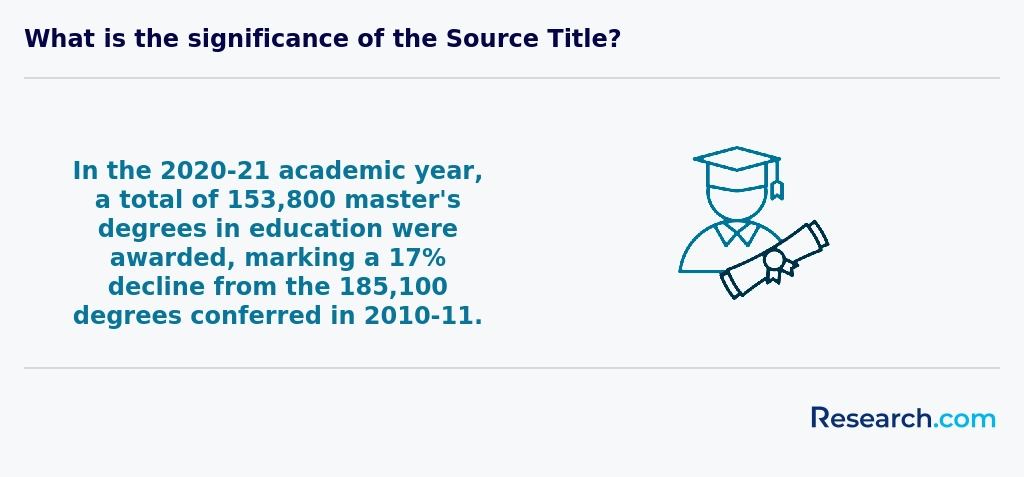
Investing in an education degree requires understanding both the up-front costs and future earnings potential. By comparing average tuition, living expenses, and typical starting salaries, prospective students can estimate how long it will take to recoup their educational investment. On average, in-state undergraduates at Wingate University spend about $27,146 per year (including tuition and fees), while private nonprofit students face roughly $58,628 annually. With graduates earning between $38,640 (Early Childhood Educator) and $73,080 (Instructional Designer) per year, the break-even point typically falls between 3 and 6 years, depending on specialization and financial aid. Key factors that influence ROI: • Scholarships & Grants: Institutional grants (average $20,063) and Pell Grants can reduce tuition by up to 40%, cutting payback time by 1–2 years. • Work-Study & Part-Time Teaching: Earnings from campus jobs or assistantships can offset living costs while building classroom experience. • Specialization Choice: High-demand fields like Instructional Design or ESL Teaching often command salaries 15–20% above the state average, improving long-term returns. To explore which paths combine ease of entry and strong earnings, review career paths with teaching degree. • Loan Terms & Repayment Plans: Income-based repayment options can stretch out loan payments but may increase interest. Graduates who consolidate debt typically save up to 25% in interest over time. Overall, an education degree in Wingate, NC, offers both tangible and intangible returns-steady job growth, community impact, and professional fulfillment-making careful ROI analysis essential for maximizing lifelong benefits.
In Wingate, education degree programs immerse you in key courses that build a solid foundation for your teaching career. Graduates from local colleges often share how courses like Educational Psychology opened their eyes to student learning processes, helping them understand diverse minds in real classrooms. You'll explore Curriculum and Instruction classes where you learn to craft lesson plans that truly resonate with varied learning styles, an essential skill for any aspiring teacher here.
Classroom Management courses prepare you to foster positive environments, a vital skill reflected in stories from Wingate student teachers who confidently handle real classroom challenges. Assessment and Evaluation classes train you to fairly measure progress, ensuring every student's growth is acknowledged. Special Education is another core area, emphasizing inclusive strategies that graduates say transformed their approach to teaching.
Practicum experiences in Wingate's local schools offer hands-on training, bridging theory with practice-many graduates call these moments "eye-opening" and "empowering." Technology integration and lessons about Educational Law and Multicultural Education further equip you for today's dynamic classrooms.
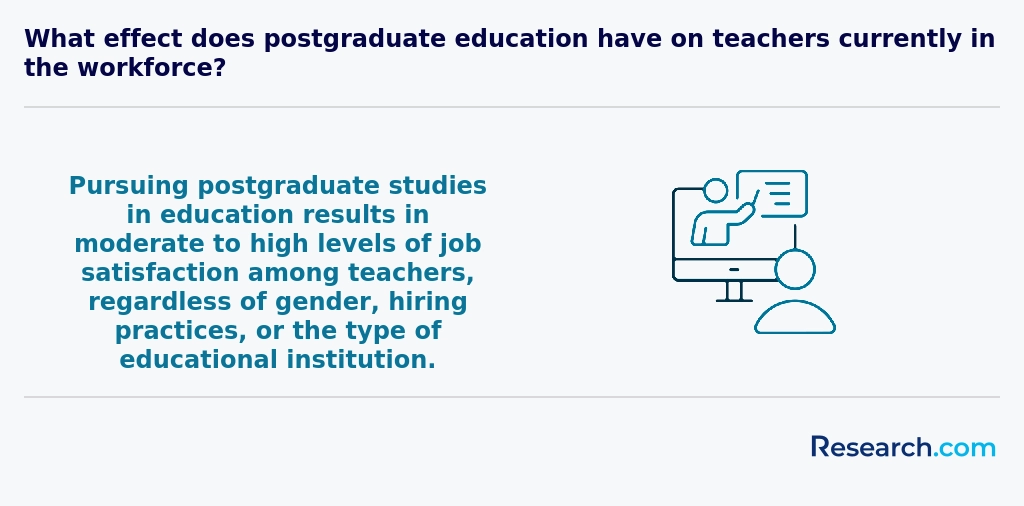
Choosing an education degree specialization in Wingate unlocks a range of fulfilling paths tailored to your passion for shaping young minds. Graduates from local colleges often highlight programs like Early Childhood Education, which equips you to nurture children's growth from birth to age eight, or Elementary Education, where you learn to confidently teach multiple subjects across the primary grades. Those drawn to specific subjects find Secondary Education rewarding, focusing on areas like math or science for middle and high school students. Special Education offers a deeply meaningful way to make a difference by supporting learners with diverse needs, while Educational Leadership prepares you to take on inspiring roles such as principals or district coordinators. Curriculum and Instruction programs provide the tools to innovate teaching methods and design impactful learning experiences.
Exploring Wingate education degree concentration options gives you a real advantage, especially at institutions known for their supportive faculty and hands-on training. Many graduates feel energized by how their specialization aligns with local and state needs. If you're a mature learner, consider this teaching degree for mature students, designed to fit your unique journey.
Choosing the best education degree in Wingate means focusing on programs that align with your passion and career goals. Graduates from popular colleges here often share how specialized tracks-like elementary or special education-helped them find their true calling. Consider programs accredited by respected bodies to ensure quality training and smooth certification processes. Many students appreciate hands-on experiences such as student teaching in nearby schools, which build confidence and real-world skills.
Affordability is equally important. With the variety of options, seeking affordable education degrees Wingate NC offers can ease financial stress. Graduates frequently recommend connecting early with financial aid offices for scholarships and grants. Flexible formats, including hybrid and online courses, allow working learners to progress steadily without sacrificing current responsibilities.
Finally, exploring programs' support for certification and job placement helps ensure your investment pays off. If you're curious about specialized paths, like library science, check out the library science degree requirements from local institutions to see if they meet your ambitions.

Graduates pursuing an education degree in Wingate find themselves stepping into rewarding career paths that genuinely make a difference. Many begin as elementary and secondary school teachers at respected local colleges, inspiring young minds in subjects like math, science, or English. Others specialize as special education teachers, meeting the unique needs of diverse learners. Graduates often share how fulfilling it feels to guide students as counselors or academic advisors, or to take on leadership roles as educational administrators managing school operations.
For those drawn towards innovation, educational technology and training offer exciting opportunities to enhance learning with digital tools. The strong demand for education degree career options in Wingate is bolstered by the state's focus on early childhood education programs, where many graduates find roles in preschools nurturing essential early development.
If you envision further growth, some graduates explore advancement through programs like 1 year edd programs online, embracing leadership and policy roles. Teaching jobs for education graduates Wingate promise not only financial stability but also a deep sense of purpose and community impact.

The education degree job outlook in Wingate shows promising opportunities as local schools in Union County steadily expand to meet population growth. Graduates from institutions like Wingate University often find rewarding careers teaching in K-12 schools or stepping into roles involving curriculum development and special education. Many report the satisfaction of contributing to a community that values education, even as salary ranges from about $47,000 to $55,000-competitive given local living costs-reflect the region's balance of demand and economic conditions.
Wingate teaching careers salary and demand also improve significantly for those pursuing advanced degrees, with roles in early childhood education and educational technology becoming more accessible. Graduates who invest in further credentials often rise quickly in leadership or specialized instructional positions. For those interested in pushing academic boundaries, exploring options like an applied doctorate no dissertation can open unique career pathways while accommodating busy schedules.
2027 Most Popular Education Degree Programs Ranking in Wingate
Investing in your education is a significant decision that can shape your future, and the Research.com team understands the importance of making informed choices. To assist prospective students in Wingate, we have meticulously crafted the "2027 Most Popular Education Degree Programs Ranking in Wingate." Our commitment to quality, credibility, and accuracy is reflected in the extensive research and analysis conducted to compile this ranking.
We utilized the following reputable data sources to ensure a comprehensive evaluation of education degree programs:
By exploring this ranking, readers will gain valuable insights into the most popular education degree programs in Wingate, empowering them to make well-informed decisions about their academic and professional futures. For more details on our methodology, please visit our Research.com methodology page.

Frequently Asked Questions About education
Education degree students in Wingate can enhance their learning by actively engaging in both classroom and practical experiences. Wingate University, a prominent local institution, offers hands-on teaching opportunities through its affiliated schools, allowing students to apply theory in real classroom settings. According to the National Center for Education Statistics, students who participate in fieldwork and internships tend to have higher employment rates after graduation. Additionally, joining campus organizations related to education helps build professional networks and develop leadership skills. Utilizing campus resources such as tutoring centers and academic advising can further support academic success in this competitive field.
The education field is evolving rapidly, presenting new opportunities for students in Wingate. One emerging niche is educational technology, where professionals design digital tools to enhance learning experiences. This area is growing due to increased demand for remote and hybrid education formats.
Special education remains vital, with a focus on individualized learning plans to support diverse student needs. Experts predict a 10% job growth in this sector nationwide through 2030, according to the U.S. Bureau of Labor Statistics.
Another rising field is data-driven education, which uses analytics to improve teaching methods and student outcomes. Local Wingate institutions are beginning to integrate data science principles into their education programs, reflecting national trends.
Graduates with education degrees in Wingate should begin preparing for the job market by gaining practical experience. Participating in student teaching internships and local volunteer opportunities strengthens classroom skills and expands professional networks. According to the North Carolina Department of Public Instruction, around 80% of new teachers in the region secure jobs within a year of graduation.
Furthermore, earning state licensure is essential for teaching positions; Wingate students must pass the required Praxis exams. Developing strong resumes that highlight relevant coursework, certifications, and experience increases competitiveness.
Networking through local education associations and job fairs in Wingate enhances employment prospects. Continuing professional development is also encouraged to stay current with teaching strategies and technology.
Employers in Wingate seeking education degree graduates prioritize strong communication and classroom management skills. According to the North Carolina Department of Public Instruction, effective teachers in the region demonstrate the ability to engage diverse student populations and adapt lessons to meet individual needs.
Critical thinking and problem-solving are also highly valued. Graduates who can assess student progress and modify instructional strategies accordingly tend to succeed in local schools.
Technological proficiency is increasingly important, as many Wingate schools integrate digital tools to enhance learning. Familiarity with educational software is a plus.
Additionally, collaboration skills are essential since educators often work in teams and with parents to support student development.
Finding internships in Wingate relevant to an education degree involves exploring opportunities through local school districts, universities, and community organizations. Wingate University, a key institution in the area, often assists education students in securing internships in public and private schools for hands-on teaching experience.
Contacting the Wingate University Center for Experiential Learning can provide tailored internship listings and support. Additionally, connecting directly with Cabarrus and Union County Schools, which serve the Wingate region, may reveal openings in classrooms, tutoring programs, and educational support roles.
National databases such as Handshake, frequently used by Wingate students, also list internships in education sectors accessible to local candidates.
Obtaining an education degree in Wingate significantly enhances career mobility and advancement opportunities. Professionals with this qualification often access higher-paying positions within local school districts, where leadership roles such as instructional coordinators or principals require advanced degrees. According to the North Carolina Department of Public Instruction, certified educators in Wingate with bachelor's or master's degrees typically see a salary increase of 10-20% compared to those without formal education credentials.
The degree also opens doors to specialized roles in curriculum development and educational technology, sectors growing steadily in the region. Moreover, teachers with education degrees are more competitive for promotions, benefiting from continuing education pathways supported by statewide initiatives.
Studying for an education degree in Wingate equips students with skills applicable across multiple disciplines, preparing them for interdisciplinary roles in varied educational settings. Wingate's programs emphasize critical thinking, communication, and collaboration, key abilities needed to bridge education with fields like psychology, technology, and social work. According to data from the North Carolina Department of Public Instruction, educators trained in this region demonstrate increased adaptability, integrating diverse subject areas to improve student outcomes.
Courses often include elements of curriculum design, educational psychology, and data analysis, fostering a broad understanding of learning environments. This integrative approach ensures graduates can work effectively in teams addressing complex challenges in schools and community organizations.
Choosing between a thesis and non-thesis education degree program in Wingate depends on your career goals and learning preferences. A thesis program typically involves conducting original research, which suits students aiming for academic or research-oriented careers. In contrast, a non-thesis option emphasizes practical skills and coursework, ideal for those targeting administrative or teaching positions.
Wingate University and other nearby institutions offer both paths, with thesis programs usually requiring a dissertation defense. According to the National Center for Education Statistics, about 55% of graduate education students nationally choose non-thesis options, valuing hands-on experience over research.
Consider your time availability, interest in research, and professional objectives before deciding. Many Wingate graduates find that a thesis degree opens doors to doctoral studies, while a non-thesis degree accelerates entry into the workforce.
Students based in Wingate seeking to study education abroad have several pathways within the US higher education system. They can enroll in exchange programs or study abroad initiatives offered by universities with partnerships worldwide. While Wingate University itself focuses mainly on local degrees, many nearby institutions provide opportunities for international education experience.
Popular options include semester-long programs in countries like the UK, Canada, and Australia, which are recognized for strong education faculties. According to NAFSA data, about 13% of US education students participate in some form of study abroad, gaining valuable cultural and pedagogical insights.
Financial aid and scholarships specifically for education majors are available through federal and institutional resources, further supporting Wingate students in these international experiences.
In Wingate, students pursuing education degrees can find valuable part-time job opportunities that enhance their academic experience and professional skills. Common options include working as teacher's aides or substitute teachers in local K-12 schools, where hands-on classroom experience is highly beneficial. According to the North Carolina Department of Public Instruction, Wingate-area schools often seek qualified aides to support student learning and classroom management.
Additionally, tutoring services are in demand, allowing students to assist peers or younger learners in subjects like reading and math. Local community centers and after-school programs also offer roles that align well with education majors aiming to develop leadership and communication skills.
Education students in Wingate benefit from a variety of networking opportunities essential for their professional growth. Wingate University, a key institution in the area, hosts education-focused events and workshops that connect students with experienced educators and school administrators. According to Wingate University's Career Services, over 70% of education students participate in internships or field experiences, which foster valuable relationships within local schools. Additionally, students can join the North Carolina Association of Educators, providing access to statewide conferences and collaborative learning sessions. These connections often lead to mentoring and job placement support in the competitive education job market.
Alumni networks offer significant advantages for education degree students in Wingate. These networks connect current students with graduates who often work in local schools and educational organizations. This creates valuable opportunities for mentorship, internships, and job placements, which are crucial in the competitive US education job market.
Many Wingate alumni remain actively involved in supporting students through events and workshops. According to the National Center for Education Statistics, schools with strong alumni engagement see higher employment rates for graduates, often exceeding 75% within six months after degree completion.
Additionally, alumni networks help students build professional contacts early, providing insights into regional education trends and career paths. This support system is especially beneficial given Wingate's focus on practical teacher preparation and community partnerships.
In Wingate, students pursuing an education degree can often tailor their programs to align with specific career goals. Many institutions provide elective courses allowing specialization in areas such as early childhood education, special education, or educational leadership. By choosing relevant electives, students build expertise targeted to their desired job role.
Additionally, some programs offer clinical experiences or internships in local schools, helping students gain practical skills and networking opportunities. This hands-on learning is crucial for those aiming to become licensed teachers or administrators.
Academic advisors play a key role by helping students select courses that match state certification requirements, which is vital for employment in North Carolina schools.
Education students in Wingate often face several challenges common to teacher preparation programs across the United States. One key difficulty is balancing rigorous coursework with required field experiences, such as student teaching, which demand significant time and commitment.
The financial burden is another concern; tuition and associated costs can be high, with many students relying on financial aid or loans. According to the National Center for Education Statistics, about 60% of education majors nationwide report financial stress, which is likely reflective of Wingate students as well.
Additionally, adapting to evolving educational technologies and diverse classroom needs requires continuous learning, which some students find challenging. Local internship placements may be limited, making it tougher to gain hands-on experience in a variety of school settings.
Graduates with an education degree in Wingate have several professional certifications available to enhance their career prospects. One common path is obtaining state teaching licensure, which allows individuals to teach in public schools. This requires passing exams such as the Praxis series, endorsed by the North Carolina Department of Public Instruction.
Additional certifications include Special Education Licensure and English as a Second Language (ESL) endorsements, both growing fields locally due to demographic shifts in North Carolina schools. Educators can also pursue National Board Certification, a highly regarded credential that recognizes advanced teaching skills nationwide.
These certifications help educators meet regional demands documented by the North Carolina Department of Public Instruction's 2023 report.
To write a winning application for an education program in Wingate, start by clearly demonstrating your passion for teaching and commitment to student success. Admission committees highly value candidates who show genuine motivation and understanding of the educational field.
Highlight your academic achievements, particularly in relevant coursework like psychology, child development, or education theory. According to the National Center for Education Statistics, applicants with strong academic records tend to have higher acceptance rates.
Include well-crafted personal statements that reflect your goals and experiences. Use concrete examples such as volunteer work or tutoring to showcase your practical skills.
Lastly, ensure all application materials are error-free and submitted on time to create a professional impression.
Education careers in the United States, including in Wingate, reflect a global trend emphasizing adaptability and cultural awareness. Educators increasingly need skills to teach diverse student populations, especially as classrooms become more multicultural. According to the U.S. Bureau of Labor Statistics, employment of kindergarten and elementary school teachers is expected to grow 7% from 2021 to 2031, indicating steady demand.
Globally, many education systems stress the importance of technology integration and inclusive teaching methods. In Wingate, programs often prepare students to meet these evolving standards.
The U.S. education system focuses on both foundational knowledge and practical experience, which aligns with international efforts to improve educational quality and accessibility. This shared focus positions education careers as both locally important and globally relevant.
Students pursuing an education degree in Wingate can gain practical experience through student teaching placements, a key requirement in most teacher preparation programs. These placements allow students to work directly in local classrooms under the mentorship of experienced educators. Wingate University and nearby institutions often coordinate with local schools in Union and Mecklenburg counties to provide such opportunities.
Additionally, many programs encourage internships or volunteer work in educational settings, helping students develop classroom management and instructional skills. According to the North Carolina Department of Public Instruction, hands-on experience increases employment prospects for graduates.
Attending local workshops and education conferences can also enhance practical skills and networking in the Wingate area.
Choosing the right concentration within an education degree program in Wingate depends on your career goals and interests. Wingate University, a prominent institution in the area, offers concentrations such as Elementary Education, Special Education, and Educational Leadership. According to the North Carolina Department of Public Instruction, demand for special education teachers in Wingate and nearby counties has grown by 12% over the last five years.
Consider your passion for working with specific age groups or student needs. Research local school districts' hiring trends, as some areas prioritize early childhood educators while others need skilled special education professionals.
Consulting academic advisors at Wingate can provide personalized guidance based on program strengths and local employment data.
- 2027 Most Popular Education Degree Programs Ranking in Columbia
- 2027 Most Popular Education Degree Programs Ranking in Orangeburg
- 2027 Most Popular Education Degree Programs Ranking in Greenville
- 2027 Most Popular Education Degree Programs Ranking in Charleston
- 2027 Most Popular Education Degree Programs Ranking in Knoxville
- 2027 Most Popular Education Degree Programs Ranking in Macon
- 2027 Most Popular Education Degree Programs Ranking in Atlanta
- 2027 Most Popular Education Degree Programs Ranking in Jacksonville
- 2027 Most Popular Education Degree Programs Ranking in Washington
- 2027 Most Popular Education Degree Programs Ranking in Nashville
See What Experts Have To Say About Studying Education
Read our interview with Education experts


Alan J. Singer
Education Expert
Professor of Teaching, Learning and Technology
Hofstra University

- Benefits of Networking for Students https://www.melioeducation.com/blog/benefits-of-networking-for-students/
- Wingate University - NCICU https://ncicu.org/find-your-college/wingate-university/
- Education degree - Tłumaczenie po angielsku - Słownik angielsko-polski Diki https://www.diki.pl/slownik-angielskiego
- About Levinsky-Wingate Academic College - המרכז האקדמי לוינסקי-וינגייט https://www.l-w.ac.il/about-levinsky-wingate-academic-college/
- Education Technology Trends to Watch in 2065: 10 Innovations Shaping the Future of Learning https://www.digitallearninginstitute.com/blog/education-technology-trends-to-watch-in-2026
- The 10 Highest Paying Jobs With a Teaching Degree [Quiz] https://www.umassglobal.edu/blog-news/highest-paying-jobs-with-a-teaching-degree
- How to Pick Your Concentration for Your M.Ed. Degree | ACE Blog https://ace.edu/blog/how-to-pick-your-med-concentration/
- Why Is Education Important in Your Career Advancement? - KWSP Malaysia https://www.kwsp.gov.my/en/w/article/career-advancement
- What Can I Do With a Teaching Degree (Besides Teach)? https://www.alleducationschools.com/blog/what-can-i-do-with-a-teaching-degree-besides-teach/
- Can Higher Education Improve Long-Term Career Success https://studysphereadvisors.com/how-higher-education-influences-long-term-career-growth/


