
2027 Most Affordable Education Degree Programs Ranking in Huntsville

Co-Founder and Chief Data Scientist
Choosing the right education degree in Huntsville can feel overwhelming. To help, this article presents the 2027 Most Affordable Education Degree Programs Ranking in Huntsville, created by the Research.com team of data scientists. It offers clear insights based on thorough data analysis, making it easier for you to find programs that fit your budget and career goals.
Reading this guide will empower you with knowledge to make confident decisions. An education degree can open doors to meaningful opportunities, and this ranking highlights options worth considering on your path forward.
Key benefits of getting education degree in Huntsville
- Graduates with an education degree in Huntsville can earn competitive salaries, such as $76,000 for Special Education Teachers and $77,200 for Instructional Designers, providing financial stability and rewarding career options.
- Potential career paths include teaching roles like Early Childhood Educator or ESL Teacher, reflecting strong opportunities for growth and impact within local schools and educational programs.
- Online education degrees offer flexibility and convenience; graduates from Huntsville's popular institutions can balance work and study while gaining skills that employers value, often with a more affordable and personalized learning experience.
- 2027 Most Affordable Education Degree Programs Ranking in Huntsville
- What can I expect from education degree in Huntsville?
- Where can I work with education degree in Huntsville?
What can I expect from education degree in Huntsville?
Students pursuing education degrees in Huntsville often find the cost to be surprisingly manageable. For those attending institutions like the University of Alabama in Huntsville (UAH), in-state tuition for undergraduate programs generally falls between $8,000 and $10,000 annually. This affordability allows many local graduates to focus more on their learning and practicum experiences rather than financial strain. One graduate recalled feeling relieved knowing the tuition aligned well with their budget, letting them pursue their passion without overwhelming debt.
Beyond tuition, scholarships targeting future teachers who commit to working in Alabama schools make the financial path even smoother. These opportunities reflect the community's investment in education, giving hopeful educators a real chance to succeed. When weighing the cost, graduates often emphasize that the balance of reasonable tuition and scholarship availability makes Huntsville's education programs both accessible and worthwhile.
Graduate degrees, while sometimes more costly, offer flexible scheduling and specialized training that many find valuable for career advancement. This adaptability helps students maintain employment while acquiring new skills, making the financial commitment feel like a meaningful investment in their future.
Where can I work with education degree in Huntsville?
Graduates with an education degree in Huntsville often find rewarding roles within Huntsville City Schools, where the demand for passionate teachers and specialists remains strong. Many alumni from the University of Alabama in Huntsville and Alabama A&M University have shared how their hands-on training prepared them well for engaging with students from elementary to high school levels. These schools offer stable career paths and a chance to make a real difference in young learners' lives.
Beyond K-12, graduates also step into roles at local universities, contributing to faculty teams or developing innovative teacher training programs. The steady growth in postsecondary education jobs offers a hopeful outlook for those eager to impact adult learners or shape educational curricula.
Others have expressed fulfillment working with early childhood programs or nonprofits in Huntsville, where nurturing foundational skills in young children feels especially meaningful. Additionally, Huntsville's aerospace companies provide unique opportunities to apply educational expertise in STEM training and corporate outreach, highlighting the degree's versatile value.
Graduates from education programs in Huntsville often find their earnings reflect a rewarding blend of stability and growth. For example, those stepping into elementary teaching roles can anticipate mean annual wages around $70,740, which provides a solid starting point for those fresh out of universities like the University of Alabama in Huntsville or Alabama A&M University.
Special education teachers see even higher earning potential, with mean salaries near $76,000, highlighting the value placed on specialized skills in the local school districts. Meanwhile, ESL teachers typically earn about $65,430, offering another pathway for those passionate about supporting diverse student communities in Huntsville's growing population.
Early childhood educators usually start with mean salaries close to $41,410, but many graduates appreciate the vital role they play in building strong foundations for children. Instructional designers, often pursued by educators looking to branch into curriculum development or training, enjoy salaries averaging $77,200, reflecting the demand for innovative educational methods.
Having witnessed classmates advance from student teaching to full-time roles, many describe the sense of accomplishment and financial reassurance that comes with these salary ranges. These figures mirror a community that values both educational expertise and dedication, making Huntsville a promising place for graduates to launch their careers.
- Tuition at public universities in Huntsville for education degrees ranges from $8,000 to $12,000 per year for in-state students.
- Private institutions charge between $15,000 and $25,000 annually, depending on the program and study length.
- Starting salaries for education graduates in Huntsville are between $40,000 and $50,000 per year.
- Experienced teachers or those in administrative roles can earn $60,000 to $70,000 annually in the Huntsville area.
- Certification in Alabama requires passing exams and completing supervised teaching experiences to meet state standards.
- Local schools and universities provide internships and student teaching placements to help students gain practical experience.
Completing an education degree in Huntsville typically takes about four years for most undergraduates, especially those enrolled at institutions like the University of Alabama in Huntsville or Alabama A&M University. Graduates often reflect on how a traditional full-time schedule provides a steady pace, allowing them to balance coursework, student teaching, and personal commitments without feeling overwhelmed.
For those pursuing a Master of Education, the timeframe varies more. Some full-time graduate students finish in one to two years, while others, particularly working professionals taking online or part-time courses, may stretch their program over three or more years. Graduates often appreciate the flexibility this offers, especially when juggling family or job responsibilities.
Many students also share how accelerated programs can shorten the journey to as little as three years when entering with prior credits. However, hands-on requirements like student teaching can add important time but contribute greatly to feeling prepared and confident in the classroom.
Aspiring educators in Huntsville, TX, must obtain a Texas Educator Certificate to teach in public schools, ensuring they meet both state requirements and local district standards. To qualify, candidates need:
- A bachelor’s degree from an accredited institution with a major in education or a related field.
- Completion of an approved educator preparation program, which includes supervised student teaching and professional development workshops.
- Passing scores on the relevant Texas Examinations of Educator Standards (TExES), such as the Core Subjects EC–6 and specific subject-area exams for secondary teaching. Once these prerequisites are met, applicants submit their certification package-transcripts, test scores, and fingerprinting clearance-through the Texas Education Agency’s online TEAL system. Processing typically takes 4–6 weeks; during this period, candidates can monitor their application status and address any additional requests for documentation. For those looking to enhance their qualifications or pursue specialized endorsements, earning a master’s degree can provide both deeper pedagogical knowledge and exemption from certain certification fees. Educators balancing work and study may find value in exploring the Cheapest Online Master's in Education Degree Programs Ranking in Colorado as a model for cost-effective graduate pathways. After certification, Texas requires teachers to renew their credentials every five years by completing 150 continuing professional education (CPE) hours, including Ethics Training and mandated TEA updates. Staying current not only ensures compliance but also strengthens classroom practice, supporting career advancement into roles such as instructional coordinator or campus administrator.
Graduates from Huntsville's popular universities often reflect on how online and on-campus education degrees shaped their journeys differently. Online learners cherish the freedom to study after work or during family time, which is invaluable for those balancing careers in NASA or the local tech sector. One graduate shared how accessing lectures late at night made the pursuit manageable and deeply rewarding.
Conversely, students enrolled on-campus enjoyed the rich, immediate connection with professors and peers. They found hands-on experiences like practicums and classroom observations at Huntsville colleges vital for mastering teaching skills. The buzz of campus life and access to advising centers created a supportive environment that many found motivating and inspiring.
Cost-wise, online options often eased financial pressure, avoiding some campus fees, yet required strong discipline to stay on track. Those who preferred face-to-face interaction valued the collaborative learning atmosphere and felt better prepared for Alabama's licensure demands, which sometimes call for in-person training.
After earning your Education degree in Huntsville, TX, the next critical step is obtaining state certification, which validates your expertise and enables you to teach in Texas public schools. First, complete an accredited educator preparation program-many candidates pursue the best online bachelors in education program to ensure alignment with Texas Education Agency (TEA) standards. Upon program completion, register for and pass the required Texas Examinations of Educator Standards (TExES), including the Pedagogy and Professional Responsibilities (PPR) exam and any subject-specific assessments relevant to your specialization. Once you’ve met testing requirements, submit your application through the TEA Educator Certification Online System (ECOS). You’ll need to provide official transcripts, fingerprinting clearance via the Texas Department of Public Safety, and a background check from the FBI. Processing typically takes 6–8 weeks; plan accordingly to align with local school hiring cycles. Maintaining your certificate involves completing 150 continuing education hours or an advanced degree within five years. The Texas State Board for Educator Certification (SBEC) offers workshops, online modules, and professional development credits. Engaging with professional networks-such as the Texas Classroom Teachers Association-can help you stay informed about policy changes, renewals, and leadership opportunities. By understanding each licensing phase-from preparation to renewal-you’ll be well-equipped to launch a successful teaching career in Huntsville and beyond, reinforcing your commitment to educational excellence and student achievement.
Understanding the average cost of a education degree in Huntsville can help students make informed decisions about their academic journey. In Huntsville, many graduates from institutions like the University of Alabama in Huntsville find the median in-state tuition and fees for education programs to be around $9,228 total. This figure reflects a balance between quality education and affordability, which appeals to many local students aiming to enter the field without incurring overwhelming debt. Out-of-state students, however, should expect costs closer to $32,168, a factor that often leads some to pursue residency status or local scholarships.
Community colleges offer an attractive alternative with lower expenses for those starting their education careers or looking for associate degrees. Those who have progressed through these affordable programs often share a sense of relief and pride, having achieved their credentials with manageable financial strain. When weighing affordable education degree programs Huntsville 2027, it's important to consider not only tuition but also additional fees, supplies, and living costs that collectively shape the true investment in education.
Additionally, graduate students pursuing education degrees at local universities experience tuition rates that vary significantly by credit hour, which means budgeting carefully is essential. Many students find that leveraging financial aid options enhances their access to these programs. For prospective educators exploring their career paths in this vibrant city, it is worth visiting https://research.com/careers/education-careers to gain further clarity on opportunities and costs involved.

After earning your education degree, you must secure a Texas teaching certificate before entering the classroom. This process ensures you meet state standards and are fully prepared to teach.
- Complete an accredited educator preparation program with a supervised student teaching placement.
- Pass the relevant TExES exams (Pedagogy and Professional Responsibilities plus your subject-area test).
- Submit your application to the Texas Education Agency, including fingerprinting and a criminal background check.
- Receive your Standard Teaching Certificate, valid for five years.
- Maintain certification through ongoing professional development and renewals.
Many students begin with easy associate degrees and transfer credits to a bachelor’s program, accelerating their path to certification.
Students pursuing an education degree in Huntsville often find that federal financial aid forms the foundation of their funding journey. Graduates from the University of Alabama in Huntsville recall how completing the FAFSA opened doors to Pell Grants, which provide substantial non-repayable support-up to $7,395 for 2023-2024-helping ease the hefty $40,000 average tuition cost. Coupled with this, Federal Supplemental Educational Opportunity Grants have been a lifeline for those facing exceptional need, often bridging critical financial gaps.
State aid programs like the Alabama Student Assistance Program (ASAP) offer additional grant opportunities that many Alabama A&M University students have gratefully accessed, complementing federal aid and lightening their financial load.
Scholarship hunting is another hopeful avenue. Many education students discover scholarships from local Huntsville organizations or foundations focused on nurturing future teachers here. For instance, awards from the Alabama Education Association Foundation inspire commitment to Alabama's schools while easing tuition worries.
Merit-based scholarships at local institutions also reward strong academics or leadership, encouraging students to explore university-specific options thoroughly. Beyond grants and scholarships, thoughtful graduates appreciate work-study roles that provide income and classroom experience simultaneously, reducing reliance on loans.
To enroll in an education degree program in Huntsville, students must first have completed a high school diploma or equivalent, such as a GED. Many graduates reflect on how meeting this basic requirement felt like unlocking the first door to a meaningful career in teaching. Institutions like the University of Alabama in Huntsville commonly expect applicants to maintain a GPA around 2.5 to 3.0, reinforcing the importance of consistent academic effort during high school.
Several education students have shared how submitting a personal statement helped them express their passion for shaping young minds and their understanding of the teaching profession. It's a chance to connect with admissions committees beyond test scores and grades.
Though some programs still request SAT or ACT scores, recent trends show flexibility, which reassures many hopefuls. Additionally, practical classroom experiences or volunteer work are highly valued; these moments often inspire confidence and genuine enthusiasm, making applicants stand out in a competitive field.

After completing your Education degree in Huntsville, TX, you must secure a Texas teaching certificate to enter the classroom. The process includes:
- Earn a bachelor’s degree in education from an accredited institution.
- Complete required supervised student-teaching hours in a public school setting.
- Pass the appropriate Texas Examinations of Educator Standards (TExES) content and pedagogy exams.
- Submit fingerprints for a criminal background check to the Texas Education Agency (TEA).
- Apply online through TEA’s educator portal and pay the certification fee.
- Maintain and renew your certificate every five years through approved continuing professional education.
For those aiming to streamline both coursework and exam preparation, explore accelerated online degree programs that integrate certification support.
Students pursuing education degrees in Huntsville often find themselves immersed in courses that blend foundational theory with hands-on practice. Many graduates from the University of Alabama in Huntsville share how starting with Foundations of Education and Educational Psychology opened their eyes to the complexities of how students learn and grow. These early classes build essential understanding for managing real classrooms, especially when faced with diverse student needs.
In later semesters, courses like Instructional Strategies and Curriculum Design and Assessment challenge students to develop lesson plans that are both effective and adaptable. One graduate recalled how their work designing assessments helped them see the direct impact of good evaluation on student success. Such classes prepare candidates to meet Alabama's certification standards while fostering creativity and confidence.
The inclusion of a Student Teaching Practicum brings everything together. Graduates often describe this as the turning point where theory becomes reality, praising local partnerships between colleges and Huntsville schools that make this experience possible. Through these placements, students gain invaluable insights into classroom dynamics and build lasting connections in their community.

Education degree specializations in Huntsville offer a comprehensive range of paths that reflect both community needs and educational aspirations. Graduates from popular institutions like the University of Alabama in Huntsville often speak warmly of the diverse options available, from Elementary Education to Secondary Education, enabling them to tailor their studies to personal passion and career goals. These programs prepare future teachers to confidently guide students through foundational skills or specialized subjects in real classroom settings.
Many students find themselves drawn to Special Education or Early Childhood Education, where they can make meaningful differences by supporting children with unique learning challenges or developmental needs. Others explore Leadership and Administration, gaining insights to become influential school leaders. The Huntsville teaching certification programs are designed to integrate practical experience with academic rigor, helping students feel ready for dynamic roles.
For those interested in blending modern tools with teaching, Instructional Technology programs at local universities provide valuable skills. Additionally, students seeking elementary education degree scholarships often find targeted financial support that reflects Huntsville's dedication to accessible, high-quality education careers.
Choosing the best affordable education degree programs Huntsville requires trusting both data and lived experience. Graduates from institutions like the University of Alabama in Huntsville often reflect on how selecting a program with regional accreditation gave them confidence that employers respected their qualification. They emphasize the importance of matching your specialization-such as early childhood or educational leadership-to your career vision. One former student recalled balancing coursework with family commitments by enrolling in a program offering evening and online classes, which transformed their educational journey.
Cost is naturally a major factor. Students appreciate that Huntsville's tuition generally aligns with Southeastern public university averages, helping make education accessible without sacrificing quality. Reviewing job placement rates alongside faculty expertise also proves invaluable. When budgeting, remember to explore available financial aid and scholarships to ease the financial load, just as many recent graduates have done.
For those uncertain about certification options, considering paths similar to the Montana initial teaching certificate framework can offer perspective. Ultimately, hearing directly from alumni opens a window into the supportive culture and real-world readiness that top education degrees cost Huntsville Alabama institutions aim to deliver.
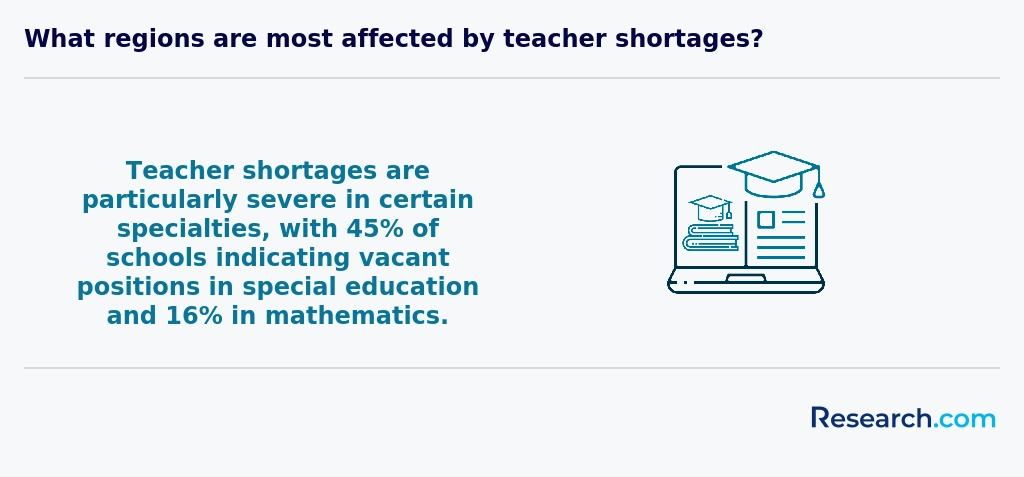
Graduates with an education degree in Huntsville find a rich variety of career options rooted in the city's robust educational system. Many step confidently into teaching job opportunities in Huntsville AL, taking positions across elementary, middle, and high schools. These roles provide a rewarding foundation to grow professionally while making a tangible impact on young lives.
Others explore specialized roles such as school counselors or instructional coordinators, leveraging skills gained at prominent institutions like the University of Alabama in Huntsville. The city's focus on STEM education creates exciting pathways for educators passionate about science and technology. Many graduates also share how opportunities in adult education or online education specialist positions align perfectly with the evolving demands of today's learners.
Those pursuing alternative careers often consider becoming educational consultants or joining nonprofits that focus on community outreach and program administration. For students interested in expanding their expertise, programs with child development degree accreditation offer additional avenues to enrich their qualifications and influence.
Ultimately, education degree career options in Huntsville reflect the city's deep commitment to fostering thriving educational environments, making it an inspiring place for graduates to begin meaningful, stable careers.
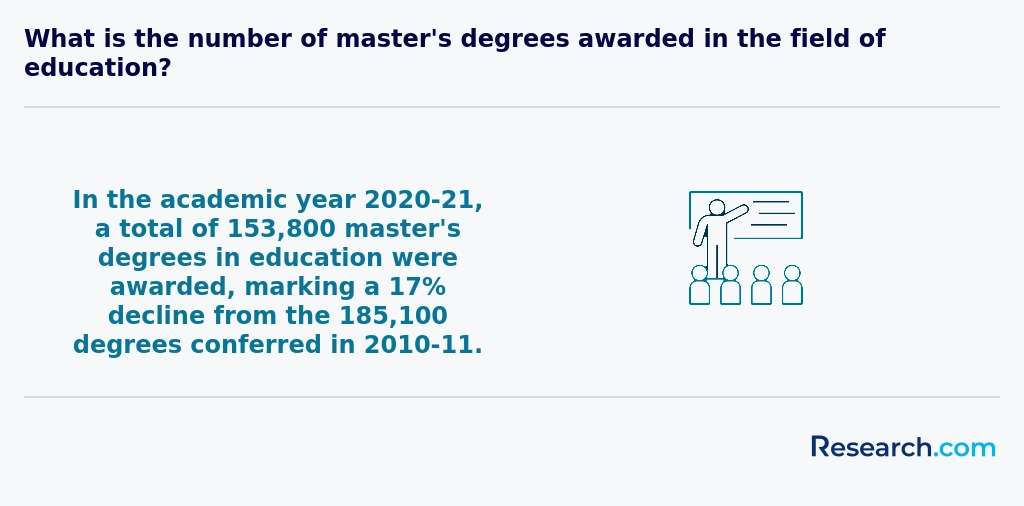
Education degree job opportunities in Huntsville reflect a healthy demand rooted in the city's strong public school systems and growing higher education institutions. Graduates from universities like the University of Alabama in Huntsville and Alabama A&M often find themselves well-positioned to enter roles ranging from classroom teaching to educational leadership. Many graduates share a sense of fulfillment when transitioning into careers that support expanding STEM and special education programs within local schools, which are notably seeking licensed educators.
For those weighing the cost of their education, Huntsville's community colleges and public universities offer affordable tuition, easing the path without overwhelming debt. This accessibility encourages more aspiring teachers to enter the field with confidence. Reflecting on Huntsville teaching career outlook 2027, it's clear that steady employment is balanced with emerging opportunities in curriculum development and administration, making it an encouraging environment for new educators.
Students interested in exploring pathways beyond Alabama can also compare options among the most affordable education schools in Texas, helping make informed decisions about their future career landscapes.
2027 Most Affordable Education Degree Programs Ranking in Huntsville
Investing in your education is a significant decision that can shape your future, and the Research.com team understands the importance of making informed choices. To assist prospective students in Huntsville, we have meticulously developed the "2027 Most Affordable Education Degree Programs Ranking in Huntsville." Our dedication to quality, credibility, and accuracy is demonstrated through rigorous research and careful analysis in compiling this ranking.
We utilized the following reputable data sources to ensure a comprehensive evaluation of education degree programs:
By exploring this ranking, readers will gain valuable insights into the most affordable education degree programs available in Huntsville, empowering them to make well-informed decisions about their educational paths. For more details on our methodology, please visit our Research.com methodology page.

Frequently Asked Questions About education
Education degree students in Huntsville can maximize their learning experience by actively engaging with both theory and practice. Local universities like the University of Alabama in Huntsville offer programs that combine classroom instruction with hands-on student teaching opportunities in nearby schools. According to the Alabama Commission on Higher Education, students who participate in internships and fieldwork gain essential classroom management skills and increase job placement rates by approximately 20%.
Additionally, connecting with local education organizations and attending workshops can provide networking advantages and up-to-date knowledge on teaching methods. Utilizing campus resources such as tutoring centers and academic advising tailored to education majors also supports success throughout the degree program.
The education field in Huntsville is evolving, with emerging niches reflecting national trends and local needs. One fast-growing area is educational technology, driven by Huntsville's focus on STEM education and online learning platforms. Professionals skilled in integrating technology in classrooms are increasingly in demand.
Another niche is special education, responding to a rise in identified learning disabilities. Programs emphasize inclusive practices and behavioral intervention strategies.
Career and technical education (CTE) is also expanding to support Huntsville's workforce development goals, particularly in fields like aerospace and engineering.
These emerging areas suggest promising opportunities for students pursuing education degrees in Huntsville.
To prepare for the job market after completing an education degree in Huntsville, students should start by gaining hands-on experience through local internships or student teaching placements. According to the Alabama State Department of Education, practical experience significantly improves employability in the region's schools.
Networking is also essential. Joining professional organizations, such as the Alabama Education Association or local teacher groups in Huntsville, provides valuable connections and job leads.
Huntsville shows a growing demand for qualified educators due to expanding schools and populations. The Bureau of Labor Statistics projects a steady growth of about 6% in education jobs across the Southeast, which can benefit new graduates.
Lastly, certification and continuous professional development are vital in Alabama to meet state licensure requirements and stay competitive in the job market.
Employers in Huntsville highly value education degree graduates who demonstrate strong classroom management and communication skills. According to data from the Alabama State Department of Education, nearly 70% of school administrators in Huntsville prioritize these abilities when hiring new teachers.
In addition, adaptability and proficiency in educational technology are crucial, especially as Huntsville schools increasingly use digital tools for instruction. The Huntsville City Schools system reports a 30% rise in technology integration since 2020, reflecting the need for tech-savvy educators.
Critical thinking and cultural competency skills are also important, given Huntsville's diverse student population. These skills help teachers address various learning needs and promote inclusive classrooms.
Finding internships in Huntsville for education degree students often begins with exploring local school districts such as Huntsville City Schools, which frequently offers internship and practicum opportunities. These placements provide valuable classroom experience and are often required components of teacher preparation programs.
Additionally, universities like the University of Alabama in Huntsville collaborate with nearby K-12 schools to facilitate internships specific to education majors. Networking through university career centers and attending local job fairs can also increase chances of securing a suitable internship.
Utilizing online resources like Handshake or the Alabama Career Center can help identify additional opportunities within Huntsville's education sector. These internships strongly enhance practical skills and professional connections for future educators.
In Huntsville, earning an education degree significantly enhances career mobility and advancement opportunities within the local job market. According to the U.S. Bureau of Labor Statistics, educators in Alabama with a bachelor's or master's degree typically experience a higher employment rate and greater salary potential than those without degrees. The city's focus on improving its public school system and expanding educational programs fuels demand for qualified teachers and administrators.
Additionally, holding an advanced degree can open doors to leadership roles such as school principals or district coordinators, roles that require specialized knowledge and credentials. The Alabama State Department of Education highlights that educators with master's degrees earn approximately 15% more on average compared to bachelor's degree holders in the state. This financial incentive encourages ongoing professional development and contributes to career growth in Huntsville's education sector.
Studying for an education degree in Huntsville equips students with skills that extend beyond traditional teaching roles. Local universities emphasize interdisciplinary collaboration, blending education theory with technology, psychology, and community engagement. This approach reflects Huntsville's strong ties to STEM industries and military installations, offering students unique opportunities to apply educational practices across diverse fields.
Programs often include coursework on educational technology and special education, encouraging graduates to work effectively with varied populations. According to Huntsville's University of Alabama in Huntsville, over 40% of education graduates pursue careers intersecting with healthcare, counseling, or administrative roles, highlighting the city's support for diverse career pathways in education.
Choosing between a thesis and a non-thesis education degree program in Huntsville depends on your career goals and learning preferences. A thesis option usually involves conducting original research and writing a detailed paper, which suits students interested in academic or research careers. In contrast, non-thesis programs focus more on coursework and practical skills, appealing to those aiming for immediate employment in teaching or administration.
According to data from the Alabama Commission on Higher Education, local institutions like the University of Alabama in Huntsville offer both tracks to accommodate diverse student needs. The thesis route often requires 6 to 12 additional credit hours dedicated to research.
For working professionals balancing jobs and studies, the non-thesis option may offer greater flexibility and a faster path to degree completion, often taking about two years. Understanding these distinctions helps prospective students make informed decisions aligned with Huntsville's educational job market.
Students based in Huntsville who wish to study education abroad have several pathways through U.S. higher education institutions offering international study options. Universities such as the University of Alabama in Huntsville facilitate study abroad programs, often in collaboration with partner schools worldwide. These programs allow education majors to gain global perspectives on teaching methods and education systems.
Financial aid and scholarships for study abroad are frequently available, helping students manage costs. According to the Institute of International Education's 2023 Open Doors Report, about 2% of education majors nationally participate in study abroad, emphasizing growing interest.
Huntsville students can also explore internships and student exchanges designed to enhance practical teaching experience in diverse cultural settings.
Huntsville offers several part-time job opportunities that can complement education degree studies, especially for students aiming to gain practical experience. Positions such as teacher's aides or classroom assistants in local schools provide firsthand experience with lesson planning and student engagement. According to the Alabama Department of Education, Huntsville's public schools employ many aides to support teachers, reflecting a steady demand.
Additionally, tutoring roles in subjects like math and reading are common and help future educators develop strong instructional skills. Community centers and libraries in Huntsville frequently hire tutors and program assistants, offering flexible hours. These jobs not only enhance resumes but also build essential communication and organizational skills for education majors.
Education students in Huntsville benefit from various networking opportunities that connect them with local schools, educational professionals, and higher education institutions. The University of Alabama in Huntsville and Alabama A&M University often host career fairs and education-specific events where students can meet experienced educators and administrators. These events help students gain insights into teaching methods and job openings.
Additionally, local chapters of national organizations like the Alabama Education Association provide networking platforms through workshops and conferences. Students also engage in internships with Huntsville City Schools, offering practical connections that can lead to job offers. According to the Alabama State Department of Education, Huntsville's strong school system supports these experiential learning opportunities.
Alumni networks play a crucial role for education degree students in Huntsville by fostering connections that support career development. These networks provide access to experienced educators who offer mentorship and guidance tailored to the local K-12 system, which is one of the fastest growing in Alabama according to the Huntsville City Schools report 2023.
Through alumni associations, students can find job shadowing opportunities and internships within Huntsville's expanding school districts. Additionally, many alumni collaborate on professional development workshops, enhancing teaching skills and resume strength.
Networking events and online platforms maintained by universities in Huntsville connect students with alumni working in diverse educational roles, helping graduates transition smoothly into the workforce while strengthening the regional education community.
In Huntsville, education degree programs often offer customizable tracks to align with your career goals. Many local institutions provide options to select specialized areas such as curriculum development, educational leadership, or special education. This flexibility allows students to tailor coursework, field experiences, and internships to meet specific professional interests.
For example, the University of Alabama in Huntsville and Calhoun Community College emphasize hands-on practicum opportunities in local schools, supporting practical skill development. Additionally, some programs include elective courses in emerging fields like educational technology.
Research from the Alabama Commission on Higher Education shows that about 60% of education students in Huntsville customize their plans to advance in specialized roles. This approach helps graduates meet regional education needs effectively.
Education students in Huntsville often face challenges related to balancing academic demands with practical experience requirements. Many programs include extensive student-teaching components, which require significant time commitments alongside coursework. According to the Alabama State Department of Education, securing diverse practicum placements can be difficult due to limited partnerships with local schools, impacting hands-on learning opportunities.
Financial constraints also affect many students. The average in-state tuition for public universities in Alabama is around $10,000 per year, which presents a barrier for some prospective educators. Additionally, navigating certification processes after graduation can be complex and time-consuming, requiring careful planning.
Finally, preparing for state licensing exams remains a challenge; pass rates for the Praxis exam in Alabama hover around 75%, emphasizing the need for strong academic support in teacher preparation programs.
With an education degree in Huntsville, you can pursue various professional certifications that enhance your career opportunities. One common path is obtaining state teaching certification, which qualifies you to teach in Alabama public schools. The Alabama State Department of Education requires passing the Praxis exams and completing a teacher preparation program. Additionally, educators often pursue National Board Certification, recognized nationwide for advanced teaching standards.
Other valuable certifications include Special Education licensure and ESL (English as a Second Language) endorsements, both in demand within Huntsville's diverse school districts. According to the Alabama Department of Labor, jobs in special education and ESL are projected to grow steadily through 2028.
For those interested in administration, you can seek principal or educational leadership certification, requiring additional graduate coursework. These credentials support career advancement beyond classroom teaching roles.
Writing a winning application for an education program in Huntsville starts with thorough research of local institutions like the University of Alabama in Huntsville or Alabama A&M University. These schools value clear, focused personal statements explaining your motivation and goals in education.
Highlight relevant experience, such as volunteering in schools or internships, since practical exposure strengthens applications. Huntsville's education programs often emphasize community involvement, so mention any ties to local schools or educational projects.
Strong letters of recommendation from educators or employers familiar with your skills are essential. Finally, ensure your academic records meet requirements and prepare to meet any standardized testing criteria. According to the Alabama Commission on Higher Education, strong applications tend to share these qualities.
The global perspective on an education career highlights its growing importance in fostering innovation and cultural understanding. In the United States, including Huntsville, education professionals face increasing demand due to evolving technologies and diverse student needs. According to the U.S. Bureau of Labor Statistics, employment for kindergarten to 12th-grade teachers is expected to grow about 9% from 2021 to 2031. Huntsville's schools emphasize STEM education, reflecting a national trend that values educators capable of preparing students for a global economy. This supports many local education degree programs designed to equip future teachers with relevant, modern skills.
Internationally, education careers are also respected as vital for social development, with varying requirements and certifications. However, U.S. education degrees, including those offered in Huntsville's universities, maintain strong recognition due to accreditation standards and practical experience components. The integration of multicultural awareness and technology in coursework prepares graduates to contribute in diverse classrooms both domestically and abroad. Students choosing education degrees in Huntsville benefit from this mix of local career opportunities and a broad global outlook on teaching as a profession.
Gaining practical experience while studying for an education degree in Huntsville is essential for career readiness. Many local universities, such as the University of Alabama in Huntsville, offer fieldwork placements in nearby schools as part of their curriculum. This hands-on training allows students to apply teaching theories directly in classrooms under supervision.
Additionally, Huntsville's public school system frequently partners with higher education institutions to provide internships and student-teaching opportunities. These programs enable future educators to develop classroom management skills and build professional networks.
The Alabama State Department of Education encourages candidates to complete at least 600 hours of practicum or clinical experience for certification, aligning with national standards.
Choosing the right concentration within an education degree program in Huntsville involves considering your career goals and local job market demands. The Huntsville metropolitan area is growing, with increased demand for teachers in STEM fields, special education, and early childhood education, according to the Alabama Department of Labor.
Students should research concentrations offered by local institutions like the University of Alabama in Huntsville and Alabama A&M University. Both schools provide specialized tracks aligned with Alabama state certification requirements. Understanding these requirements ensures your chosen concentration meets licensure standards.
Additionally, internships and practicum opportunities in Huntsville schools can provide practical experience and help clarify your interests. Networking with local educators and attending education job fairs can also inform your decision based on real-world needs.
- 2027 Most Affordable Education Degree Programs Ranking in Houston
- 2027 Most Affordable Education Degree Programs Ranking in Austin
- 2027 Most Affordable Education Degree Programs Ranking in San Antonio
- 2027 Most Affordable Education Degree Programs Ranking in Abilene
- 2027 Most Affordable Education Degree Programs Ranking in Memphis
- 2027 Most Affordable Education Degree Programs Ranking in Mobile
- 2027 Most Affordable Education Degree Programs Ranking in Wichita
- 2027 Most Affordable Education Degree Programs Ranking in Birmingham
- 2027 Most Affordable Education Degree Programs Ranking in Montgomery
- 2027 Most Affordable Education Degree Programs Ranking in Kansas City
See What Experts Have To Say About Studying Education
Read our interview with Education experts

Alan J. Singer
Education Expert
Professor of Teaching, Learning and Technology
Hofstra University

Nooshan Ashtari
Education Expert
Professor & Book Author
University of Southern California

- Financial Aid | Calhoun Community College https://catalog.calhoun.edu/financial-aid
- Online Degree vs. Traditional: Choosing the Right Path https://beal.edu/online-degree-vs-traditional/
- Higher Education in Huntsville | Choose Huntsville | Live Here https://choosehuntsville.com/live-here/huntsville-education/colleges-universities/
- Get the skills employers want | Study UK https://study-uk.britishcouncil.org/why-study/succeed-your-career/get-skills-employers-want
- What Employers Actually Want From Graduates https://bodyswaps.co/resources/blog/what-employers-actually-want-from-graduates
- Skills Employers Look for in Business Graduates – EU Business School https://www.euruni.edu/blog/skills-employers-look-for-in-business-graduates/
- Bachelor of Education Degree (Here's What To Expect) https://www.alleducationschools.com/teaching-degrees/bachelors-in-education/
- Know more about thesis vs non- thesis: what is the difference? https://studyfans.com/en/blogs/816
- MONPERATOTO Jati Diri Situs Togel Online Resmi Bersama Agen Toto Togel 4D Terpercaya https://writerslife.org/educational-markets/
- Teaching Degree Requirements in 2023 | Teachers of Tomorrow https://www.teachersoftomorrow.org/blog/insights/teaching-degree-requirements/


