
2027 Most Affordable Education Degree Programs Ranking in Birmingham

Co-Founder and Chief Data Scientist
Choosing the right education degree program in Birmingham can feel overwhelming. That's why we're sharing the 2027 Most Affordable Education Degree Programs Ranking in Birmingham, created by the Research.com team of data scientists. This ranking offers clear insights to help you find programs that balance quality and affordability.
Exploring these options can open doors to rewarding careers and personal growth. By reading this article, you'll gain confidence in your decision and discover opportunities within reach. Taking this step toward an education degree is both exciting and empowering.
Key benefits of getting education degree in Birmingham
- Graduates with an education degree in Birmingham can expect competitive salaries, such as $70,740 annually for elementary school teachers and $76,000 for special education teachers, reflecting strong earning potential.
- Career paths for education degree holders include teaching, instructional design, and early childhood education, with local universities supporting hands-on experience and connections to schools.
- Obtaining an education degree online offers flexibility for working students in Birmingham, allowing them to balance studies and life, as demonstrated by successful online graduates from well-known regional universities.
- 2027 Most Affordable Education Degree Programs Ranking in Birmingham
- What can I expect from education degree in Birmingham?
- Where can I work with education degree in Birmingham?
What can I expect from education degree in Birmingham?
The average cost of pursuing an education degree in Birmingham is notably accessible, especially when compared to national figures. For example, at the University of Alabama at Birmingham (UAB), in-state undergraduate tuition averages around $10,440 per year. Graduates from UAB often recall the relief of managing tuition within a reasonable budget while still accessing quality instruction and hands-on learning experiences. Birmingham-Southern College and Miles College offer competitive tuition rates as well, though private institutions may have different pricing structures.
Many students appreciate that, beyond tuition, scholarship opportunities and grants targeted at education majors further ease financial burdens. One graduate described how winning a local education grant helped them focus more on student teaching placements rather than worrying about fees. This practical support complements Birmingham programs' emphasis on classroom readiness.
While this cost can be a deciding factor, prospective students should also consider the value of experiential learning embedded in these programs, which can significantly impact long-term career success despite upfront expenses. Thus, the investment in education training in Birmingham often feels balanced against the practical opportunities it affords.
Where can I work with education degree in Birmingham?
Graduates with an education degree in Birmingham often find rewarding careers in local public and private schools, teaching students from elementary through high school. For many, working within Birmingham City Schools is a fulfilling choice, as the district supports over 24,000 students and offers a stable workforce environment. One graduate described the hands-on classroom experience as both challenging and emotionally gratifying, knowing their efforts directly impact young lives.
Others pursue roles as instructional coordinators, helping design curricula and guide teachers, a path that graduates from the University of Alabama at Birmingham frequently explore. This avenue requires adaptability and a passion for improving teaching methods, aligning with national trends predicting steady growth. Graduates also embrace specialized roles in special education, where demand remains high given the city's diverse student needs.
Beyond K-12, education alumni engage in college administration or tutoring within Birmingham's higher education institutions, finding their skills valuable in fostering student success. Some take up roles as policy analysts or community coordinators, highlighting that an education degree here is a gateway to varied, meaningful career paths.
Graduates with an education degree in Birmingham can expect a range of salaries influenced by local conditions and job roles. For example, elementary school teachers in the U.S. earn about $70,740 annually on average, but in Birmingham, starting salaries often begin closer to $38,000 to $42,000. Graduates from universities such as the University of Alabama at Birmingham or Samford University often share experiences of modest starting pay yet highlight promising growth opportunities over time.
Special education teachers report a bit higher earnings, roughly $50,000 in Birmingham, aligning with national average salaries near $76,000. Early childhood educators locally earn around $41,410 annually, echoing national figures and reflecting a rewarding career path with emotional fulfillment. Some graduates pursue roles like Instructional Designers, nationally averaging $77,200 annually, demonstrating how advanced certifications can significantly improve income.
These ranges emphasize the importance of experience, advanced degrees, and certifications. Many education graduates find joy in impacting students' lives while steadily advancing their earnings in Birmingham's diverse educational landscape.
- Education degrees in Birmingham cost between $20,000 and $35,000 for in-state bachelor's students and $30,000 to $50,000 for out-of-state students.
- Graduate programs like a Master of Education typically range from $10,000 to $25,000 depending on the school and program length.
- Entry-level teachers in Birmingham earn an average salary of about $40,000 per year, close to the national average for new educators.
- Experienced teachers can expect salaries between $55,000 and $65,000 annually with additional certifications and years of service.
- There is strong demand for education professionals in subjects such as special education, mathematics, and science in the Birmingham area.
- Job opportunities exist not only in K-12 teaching but also in school administration and educational support roles.
Completing an education degree in Birmingham typically takes four years for a bachelor's degree, as seen at universities like the University of Alabama at Birmingham (UAB) and Samford University. Graduates often describe balancing a full course load with community involvement, making the timeline feel both challenging and rewarding.
For those pursuing advanced degrees such as a Master of Education (M.Ed.) or Master of Arts in Teaching (MAT), the duration usually ranges from one to two years. However, part-time students often experience a longer path lasting up to three years, reflecting the need to manage work and personal commitments alongside studies. Many appreciate this flexibility, enabling them to maintain careers while advancing their education.
Factors like enrolling full-time versus part-time, taking summer classes, or specializing in areas like special education can shorten or extend this timeframe. Graduates frequently note that student-teaching requirements and state licensure exams add practical time before entering the professional field, further illustrating that completion is not solely about coursework but real-world preparation.
Below is our curated list of the most budget-friendly education degree programs in Birmingham, AL. Each entry includes award level, estimated annual tuition for in-state students, delivery format, and a brief overview of key features. 1. University of Alabama at Birmingham (UAB) – Bachelor of Science in Early Childhood Education • Estimated In-State Tuition: $8,947/year • Format: On-campus with hybrid practicum • Highlights: State-approved licensure pathway, extensive local school partnerships 2. Samford University – Bachelor of Science in Elementary Education • Estimated In-State Tuition: $9,200/year • Format: Online with regional teaching residencies • Highlights: Small cohort sizes, embedded technology training 3. Jefferson State Community College – Associate of Arts in Education • Estimated In-State Tuition: $4,500/year • Format: On-campus and online options • Highlights: Seamless transfer agreements to UAB and Auburn 4. Miles College – Bachelor of Science in Secondary Education • Estimated In-State Tuition: $7,800/year • Format: On-campus • Highlights: Focus on STEM pedagogy and community engagement 5. Lawson State Community College – Associate of Science in Education • Estimated In-State Tuition: $4,200/year • Format: Online • Highlights: Accelerated track for transfer to four-year institutions 6. Concordia College Alabama – Bachelor of Arts in Christian Education • Estimated In-State Tuition: $8,300/year • Format: On-campus with service-learning components • Highlights: Integrates faith-based leadership and curriculum design 7. Birmingham Southern College – Bachelor of Arts in Special Education • Estimated In-State Tuition: $9,000/year • Format: On-campus • Highlights: Low student-faculty ratio, individualized education plan practicums 8. Auburn University at Birmingham – Master of Education in Instructional Design • Estimated In-State Tuition: $10,200/year • Format: Fully online • Highlights: Project-based coursework, portfolio development 9. Shelton State Community College – Certificate in Early Childhood Development • Estimated In-State Tuition: $3,800/year • Format: Online and evening classes • Highlights: Quick-start credential, credit-for-experience options 10. Faulkner University – Bachelor of Arts in Adult and Continuing Education • Estimated In-State Tuition: $8,500/year • Format: Hybrid • Highlights: Focus on adult learning theories, flexible scheduling For a comparative analysis of affordability trends in other states, see our Cheapest Online Education Degree Programs Ranking in Kansas.
Choosing between online and on-campus education degrees in Birmingham often comes down to personal circumstances and learning preferences. Graduates from the University of Alabama at Birmingham who completed on-campus programs frequently share how direct interaction with professors and peers enriched their understanding of teaching methods through hands-on experiences like internships and student teaching in local schools.
Conversely, those who pursued online degrees value the flexibility to study around work and family commitments, often describing how asynchronous lectures and virtual discussions made it possible to balance daily responsibilities without sacrificing progress toward certification.
Yet, cost and environment also play significant roles. On-campus learners at Birmingham-Southern College encounter extra expenses such as commuting and housing but gain immersion in campus life that many find motivating. Online students typically incur lower fees and appreciate reduced logistical burdens.
Both formats meet Alabama's credentialing standards, though prospective educators should thoughtfully consider how each mode aligns with their career goals and learning style.
Pursuing an education degree in Birmingham, AL, is a significant step towards a fulfilling career that can transform lives. With its rich history, diverse cultural landscape, and strong educational institutions, Birmingham offers a unique environment for aspiring educators to grow and thrive. The city is home to esteemed universities such as the University of Alabama at Birmingham and Samford University, which provide high-quality education programs that equip students with the skills and knowledge necessary to succeed in the field of education. For those interested in affordable options, exploring affordable education schools in alabama can be a great starting point. By choosing to pursue an education degree in Birmingham, individuals can position themselves for a career that is not only rewarding but also in high demand, with opportunities ranging from teaching and administration to educational consulting and beyond.
The average cost of an education degree in Birmingham varies significantly depending on factors like residency status and the chosen institution. Graduates who studied at major institutions such as the University of Alabama at Birmingham (UAB) report paying around $40,150 for in-state tuition over the course of their degree, which offers a more affordable path compared to out-of-state tuition. Out-of-state students often see total tuition costs near $62,456, demonstrating how residency status strongly influences the financial commitment required to complete an education degree.
Many students seeking affordable education degree tuition fees Birmingham find the pricier private colleges like Birmingham-Southern College to be a bigger investment, with costs easily surpassing $80,000 for a four-year program. However, these graduates often reflect positively on their education experience and the opportunities created through these programs, which can make the expense feel worthwhile despite its heaviness on the wallet.
In real-life terms, a student attending UAB may feel relieved to find scholarships and financial aid options that reduce out-of-pocket expenses, a vital factor when budgeting for education. The burden of tuition, combined with living costs, emphasizes the importance of carefully exploring all available financial aid resources. Prospective students can evaluate their options more thoroughly by exploring the list of affordable education schools in alabama, helping them choose a program that fits their financial and academic goals.
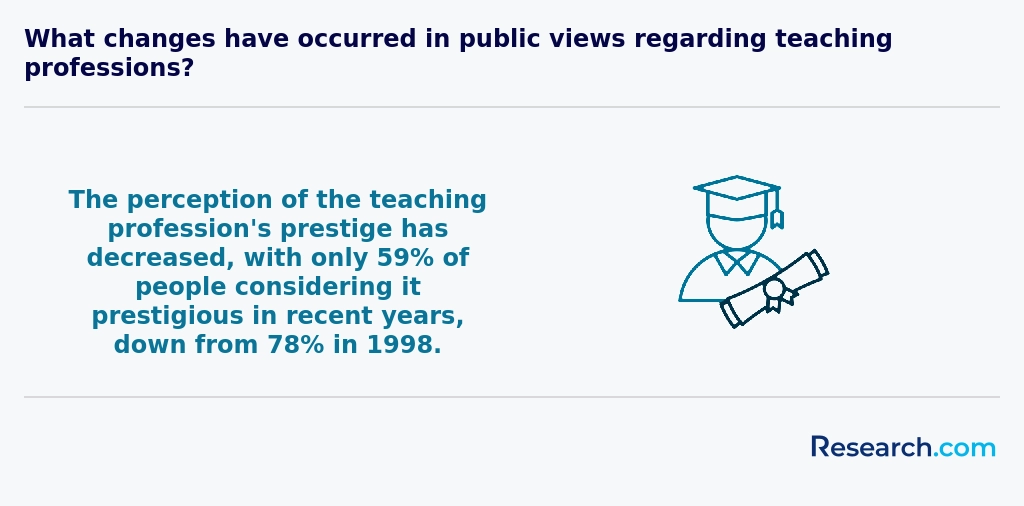
Ensuring your education degree program is fully accredited and aligned with Alabama’s State Board of Education licensure requirements is critical for both employability and professional credibility. Prospective teachers should verify that their chosen institution holds regional accreditation from the Southern Association of Colleges and Schools Commission on Colleges (SACSCOC) and programmatic approval from the Council for the Accreditation of Educator Preparation (CAEP). These endorsements guarantee that your coursework meets rigorous standards for curriculum quality, faculty expertise, and field experience. In Alabama, all teacher candidates must pass the Praxis Core Academic Skills for Educators tests and the Praxis Subject Assessments in their specialization areas. Additionally, completion of a state-approved educator preparation program-including a minimum number of supervised teaching hours-is required before applying for an initial Class B teaching certificate. Familiarize yourself with the Alabama Teacher Certificate Renewal Requirements to maintain active licensure and access opportunities for mentorship, advanced endorsements, and leadership roles. For students seeking cost-effective online pathways that still satisfy accreditation standards, it’s worthwhile to compare programs beyond Birmingham’s borders. Researching the Cheapest Online Education Degree Programs Ranking in Kansas can reveal nationally recognized institutions that offer flexible schedules, accredited curricula, and streamlined licensure support for out-of-state candidates. By selecting a program that balances affordability with accreditation, you’ll position yourself for a seamless transition into Alabama classrooms and a sustainable teaching career.
Students pursuing education degrees in Birmingham often rely on a mix of financial aid that can make the steep costs more manageable. For instance, graduates from the University of Alabama at Birmingham (UAB) frequently mention scholarships based on academic merit and teaching commitment, which can reduce tuition by up to $5,000 annually. These awards offer a tangible sense of relief and motivation to continue.
Federal aid through FAFSA remains a cornerstone, granting access to Pell Grants that don't require repayment, potentially providing up to $7,395 yearly, which many students find essential for balancing living expenses alongside tuition. However, some caution that reliance on loans-such as the unsubsidized federal loans available to graduate students up to $20,500-must be weighed carefully given the average debt load of about $30,000 nationwide for education majors.
State programs like Alabama Student Assistance Program (ASAP) offer additional need-based funds, often tipping the scales for students at local colleges. Meanwhile, work-study positions on campuses and within Birmingham's school districts provide both income and practical experience, a dual benefit that many recent graduates value as they step into teaching roles.
Enrolling in an education degree program in Birmingham typically requires completing a high school diploma or equivalent, with a GPA around 2.5 to 3.0. Graduates from popular institutions like the University of Alabama at Birmingham often recall how maintaining strong SAT or ACT scores helped them stand out, especially as some schools still value these benchmarks despite a general trend toward test-optional admissions.
For graduate programs, such as a Master's in Education, holding a bachelor's degree-often related but not limited to education-is crucial. Many graduates emphasize how submitting GRE scores and demonstrating hands-on experience, whether through internships or volunteering in schools, eased their acceptance into Birmingham's competitive programs.
Local universities stress the importance of practical experience combined with academic achievements. For example, students appreciate how their letters of recommendation and personal statements provide a platform to convey their genuine passion and commitment to teaching.
Many remember navigating background checks and health screenings required before student teaching, which some initially found daunting but ultimately reassuring as these steps ensure a safe learning environment for children.

Becoming a licensed teacher in Alabama requires more than earning an education degree; you must also satisfy state certification standards set by the Alabama State Board of Education. First, candidates must complete a state-approved teacher preparation program, which includes coursework in educational psychology, teaching methods, and a supervised student-teaching practicum. Next, you’ll apply for certification through the Educator Certification System (ECS) portal, submitting official transcripts, fingerprint clearance, and completion documentation for your program. All prospective teachers must pass the relevant Praxis exams: Core Academic Skills for Educators (reading, writing, math) and a subject-specific Praxis II assessment for your chosen endorsement area. For example, early childhood educators take the Early Childhood Praxis II, while secondary math teachers sit for the Mathematics Content Knowledge exam. Scores must meet or exceed Alabama’s cut scores, which can be reviewed on the State Board’s website. If you hold an out-of-state certificate, Alabama offers reciprocity through the National Association of State Directors of Teacher Education and Certification (NASDTEC) Interstate Agreement. You’ll need to verify your credentials and potentially complete additional coursework if your endorsement area differs from Alabama’s standards. To maintain your license, Alabama requires 30 clock hours of continuing education every five years, which can include workshops, graduate coursework, or professional conferences. For aspiring educators exploring flexible pathways, consider programs beyond Alabama’s borders for inspiration. Many of our readers have compared affordable online routes-see the Cheapest Online Education Degree Programs Ranking in Kansas to discover alternative cost-effective models and build a continuing education plan that aligns with Alabama’s renewal requirements.
Education degree programs in Birmingham commonly include courses that blend theory with practice, aiming to prepare future teachers and leaders effectively. Graduates from local universities often describe how core classes such as Foundations of Education provide deep insights into the history and philosophy behind teaching, helping them understand why certain methods work best in diverse classrooms.
Many find Educational Psychology particularly enlightening, as it explains the cognitive and social development processes of students, making day-to-day teaching moments more meaningful. For instance, students in Birmingham's colleges frequently share how Classroom Management courses equip them with strategies to create positive learning environments, reducing stress and increasing engagement.
Practical elements like Curriculum Development and Assessment and Evaluation are highly appreciated because they link theory to real tasks, such as designing lesson plans or interpreting student progress data. Graduates often recall their hands-on experiences during student teaching placements in Birmingham-area schools, where applying Technology Integration in Education made lessons more interactive and enjoyable for pupils.
Education degree specializations in Birmingham cover a broad spectrum tailored to the varied roles within the educational field. Graduates from local institutions often highlight Elementary Education as a foundational specialization, which equips them to teach children from kindergarten through fifth or sixth grade. These programs commonly blend theory with hands-on experiences, allowing students to build confidence managing classrooms and addressing child development in real Birmingham schools.
Teaching program options Birmingham also include Secondary Education, focusing on core subjects like math and science for middle and high school students. Students pursuing this path frequently emphasize the value of student teaching placements in local schools, which bring practical challenges and rewards into their learning journey. Special Education is another vital track, where graduates gain specialized skills working with students with disabilities, reflecting a community-oriented and empathetic approach in line with federal standards such as IDEA.
Other fields like Educational Leadership, Curriculum and Instruction, and School Counseling provide pathways for those seeking roles beyond traditional classroom teaching. Many students appreciate how these options encourage innovation and leadership skills. For those curious about affordable study paths in related areas, exploring what is the cheapest online library science masters degree can reveal cost-effective opportunities aligned with education careers.
Choosing the best education degree in Birmingham involves more than just comparing tuition costs. Graduates from the University of Alabama at Birmingham often share how accreditation, particularly from recognized bodies like CAEP, gave their degree credibility when applying for teaching positions. This aspect cannot be overlooked when seeking reputable affordable education degree programs Birmingham offers.
Equally important is program specialization. Some students thrive by selecting early childhood education tracks, while others find fulfillment in educational leadership pathways that set them up for administrative roles. Considering how flexible class schedules at local institutions support working adults shows the value of programs offering evening or online options, which many graduates say helped them balance study with personal obligations.
Regarding costs, prospective students can find tuition significantly lower at public universities in Birmingham compared to private colleges. Financial aid and scholarships remove barriers, making education degrees more accessible. For those comparing options beyond Birmingham, viewing the Cheapest Online Education Degree Programs Ranking in Kansas can offer helpful perspective.
Finally, employment outcomes matter deeply. Graduates appreciate how program reputations influence job placement and salary potential-key points to consider when aiming for the best education degrees in Birmingham Alabama tailored to long-term career goals.
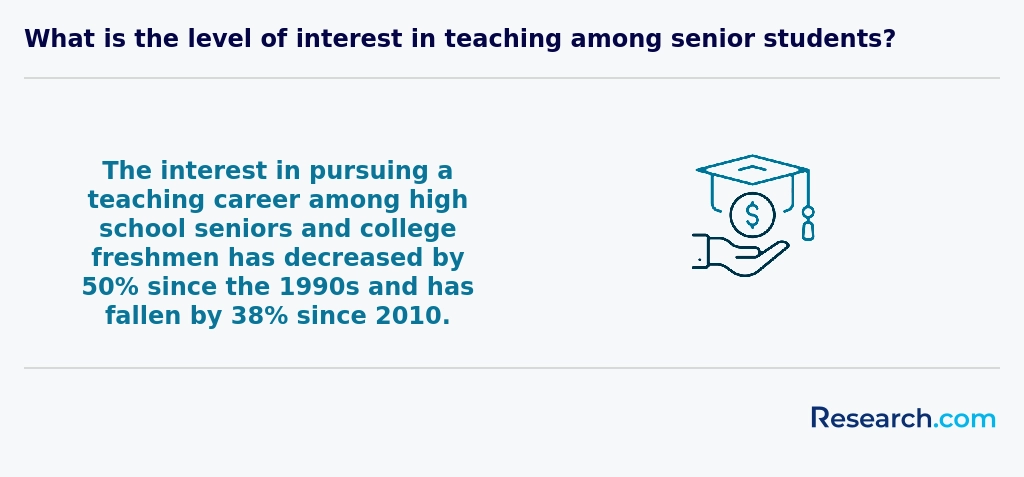
Graduates with an education degree in Birmingham find a variety of career paths reflecting the city's strong focus on educational development. Many start as teachers in elementary or secondary schools within Birmingham City Schools, where demand remains high for subjects like English, math, and special education. These roles offer a tangible way to impact local communities, with average starting salaries around $40,000 to $45,000, providing stability for new educators. This practical experience is often gained through student teaching placements at universities popular in Birmingham, allowing graduates to build confidence and local connections early.
Beyond classroom roles, jobs with education degree in Birmingham extend to school counseling, educational administration, and curriculum development. Graduates report feeling motivated by opportunities to influence school leadership or support student well-being, which align with emerging needs shown by steady employment growth projections. Some also pursue specialized careers, such as speech-language pathology, requiring additional certification but offering rewarding, focused work.
For those weighing time and cost, exploring top online associate degrees in 6 months can provide flexible pathways into education fields, especially relevant in Birmingham's evolving educational landscape.
The education degree job opportunities Birmingham graduates face are steady but competitive, particularly in public and private school systems. Graduates from well-known universities and colleges here often enter teaching roles, earning between $40,000 and $50,000 annually as entry-level teachers. Many share that certification exams and local teaching internships play a crucial role in securing positions within Birmingham's diverse school districts, which increasingly demand specialists in special education, STEM, and ESL. This demand aligns with broader shifts in the Birmingham education degree employment outlook.
Some graduates pursue roles beyond the classroom, such as curriculum developers or education consultants, with salaries ranging from $50,000 to $65,000. While tuition costs at local public universities are relatively moderate, averaging $9,000 to $12,000 per year, early-career salary constraints and typical student debt can affect initial financial flexibility. For those balancing work and study, exploring programs for older adults online may provide additional pathways. Ultimately, a practical immersion in Birmingham schools helps graduates connect theory to real classroom challenges, offering meaningful and hopeful career starts in education.
2027 Most Affordable Education Degree Programs Ranking in Birmingham
Investing in your education is a significant decision that can shape your future, and the Research.com team understands the importance of making informed choices. To assist prospective students in Birmingham, we have meticulously crafted the "2027 Most Affordable Education Degree Programs Ranking in Birmingham." Our commitment to quality, credibility, and accuracy is reflected in the extensive research and analysis conducted to compile this ranking.
We utilized the following reputable data sources to ensure a comprehensive evaluation of education degree programs:
By exploring this ranking, readers will gain valuable insights into the most affordable and high-quality education degree programs available in Birmingham, empowering them to make well-informed decisions about their academic future. For more details on our methodology, please visit our Research.com methodology page.


Frequently Asked Questions About education
Education degree students in Birmingham can maximize their learning experience by actively engaging with local schools through practicum placements. Hands-on experience helps bridge theory and practice, which is crucial in teacher preparation. According to the National Center for Education Statistics, students who complete internships or student teaching are 30% more likely to secure employment after graduation.
Utilizing Birmingham's diverse community resources also enhances cultural competency, an essential skill for modern educators. Joining study groups and education-focused student organizations offers peer support and networking opportunities.
Finally, making use of university academic advising and tutoring services has been shown to improve GPA by up to 0.5 points, supporting overall student success.
The education field in Birmingham is expanding into several emerging niches driven by evolving student needs and technology. One key area is educational technology, where professionals design digital learning tools, reflecting a national trend of over 60% growth in edtech jobs according to the U.S. Bureau of Labor Statistics.
Special education remains a vital niche with Birmingham schools increasing demand for teachers trained in autism spectrum disorders and inclusive practices. The Alabama State Department of Education reports a 15% rise in special education vacancies locally over the past three years.
Another growing area is curriculum design focused on culturally responsive teaching. Educators skilled in developing materials that reflect diverse communities are increasingly valued in Birmingham's urban schools.
Lastly, school counseling, particularly in mental health support, is expanding due to heightened awareness of student wellbeing post-pandemic, consistent with national increases in counseling positions.
Graduates with an education degree in Birmingham should start preparing early for the job market. Networking plays a crucial role; connecting with local schools and education organizations can open opportunities. The Alabama State Department of Education highlights that gaining classroom experience through student teaching or internships increases employability by 30%.
Additionally, obtaining required certifications such as Alabama's teaching license is essential. Candidates should also focus on developing skills in technology integration and special education, which are in high demand locally. Career services at Birmingham universities often provide resume workshops and job fairs tailored to education professionals.
Familiarity with Birmingham's diverse student population enhances readiness to meet community needs effectively.
Employers in Birmingham value education degree graduates who demonstrate strong communication skills. According to the National Center for Education Statistics, effective verbal and written communication remains essential for classroom success and collaboration with parents and colleagues.
Classroom management is another top skill sought by employers. Graduates must show the ability to create supportive and structured learning environments that accommodate diverse student needs.
Data from the U.S. Bureau of Labor Statistics highlights adaptability and problem-solving as critical traits. Teachers face constantly changing curricula and student challenges, especially in urban areas like Birmingham.
Finally, proficiency with educational technology is increasingly important. Many Birmingham schools prioritize candidates comfortable with digital tools to enhance instruction and student engagement.
Finding internships in Birmingham relevant to an education degree involves several practical steps. Start by exploring partnerships between local universities and Birmingham area schools, as many institutions coordinate placement opportunities for education students. For example, the University of Alabama at Birmingham offers resources through its School of Education to connect students with internships in public and private schools.
Another useful step is visiting Birmingham's school district websites, which sometimes post internship openings, especially during the academic year. Career services offices at colleges can also help by providing listings and guidance on application procedures.
Local education nonprofits and community centers often seek interns for tutoring or program support, giving practical experience outside traditional classrooms. Networking through education conferences or workshops in Birmingham can also lead to internship leads.
According to the National Center for Education Statistics, hands-on experiences like internships improve employment chances by up to 20% for education graduates. Therefore, actively engaging with these resources is critical for students aiming to build a strong resume in Birmingham's education field.
Obtaining an education degree in Birmingham significantly enhances career mobility and advancement opportunities within the city's educational sector. According to the Alabama Department of Education, holders of a bachelor's or master's degree in education often receive priority for teaching positions and leadership roles in local schools. This credential is essential for certification and licensure, which are mandatory for public school employment in Birmingham and the state of Alabama.
Higher degrees, such as a master's in education or educational leadership, correlate with higher salaries and eligibility for administrative roles. The Birmingham Business Alliance reports that educators with advanced degrees earn approximately 15-20% more than their counterparts with only undergraduate qualifications.
Moreover, the demand for qualified teachers and administrators in Birmingham remains steady, with the Alabama State Department projecting a 5% job growth rate in education through 2030. Thus, earning an education degree in Birmingham can act as a solid foundation for career progression within the city's school systems.
Studying for an education degree in Birmingham equips students with skills essential for interdisciplinary roles by blending core education theory with practical applications across multiple fields. Programs often emphasize collaboration with social sciences, psychology, and technology, reflecting the complexity of modern educational environments. According to the National Center for Education Statistics, schools in the Birmingham area have increasingly adopted integrated curricula that highlight cross-disciplinary knowledge.
Students engage in research methods and communication courses that prepare them to work with diverse teams, including health professionals and community organizations. This broad perspective supports careers beyond traditional classrooms, such as educational policy, counseling, and program development.
The University of Alabama at Birmingham, a prominent local institution, reports that many education graduates find roles requiring adaptability and cross-sector collaboration, underscoring the region's focus on interdisciplinary preparation.
Choosing between a thesis and a non-thesis education degree program in Birmingham depends on your academic and career goals. Thesis programs typically require original research and are ideal if you plan to pursue a PhD or a research-intensive career. Non-thesis options focus more on practical skills and coursework, fitting those aiming for leadership or administrative roles in education.
In Birmingham, universities like the University of Alabama offer both types, with thesis programs usually taking longer-around two years compared to 18 months for non-thesis tracks. According to the National Center for Education Statistics, about 40% of education graduate students in Alabama opt for non-thesis programs, valuing flexibility and direct application.
When deciding, consider your time availability, interest in research, and long-term goals. Speak with academic advisors to understand specific program requirements and outcomes in Birmingham's education sector.
Students based in Birmingham seeking to study education abroad have various options within the US higher education system. Many universities offer online and hybrid education degree programs, allowing flexibility while gaining international credentials. For example, schools in states like New York and California provide affordable Bachelor's and Master's degrees in education with remote learning components.
Moreover, some US institutions have partnerships with universities in Birmingham, England, enabling student exchange programs focused on education studies. According to the Institute of Education, about 15% of Birmingham students engaged in education degrees participate in study abroad or exchange programs annually.
Financial aid and scholarships are commonly available for such international education opportunities, often reducing overall costs significantly. Students should consult US university international offices for specific program details and eligibility.
Students pursuing education degrees in Birmingham have access to several part-time job opportunities that complement their academic training. Working as a teacher's aide or paraprofessional in local schools offers hands-on classroom experience, enhancing practical skills alongside theoretical knowledge. According to the Alabama State Department of Education, Birmingham public schools often seek part-time aides, especially in literacy and special education support roles.
Another common option is tutoring, which allows education students to strengthen their instructional skills while earning income. Numerous community centers and after-school programs in Birmingham regularly hire tutors for K-12 subjects, especially in reading and math.
Additionally, some higher education institutions in Birmingham offer part-time positions as research assistants or peer mentors, which provide valuable exposure to educational methodologies and student support services. These experiences align well with career goals in education and increase employability post-graduation.
Education students in Birmingham have access to a variety of networking opportunities that support their academic and professional growth. Local universities such as the University of Alabama at Birmingham (UAB) frequently host education-focused events, workshops, and career fairs connecting students with faculty and regional school districts. These events allow students to meet experienced educators, administrators, and potential employers.
Additionally, professional organizations like the Alabama Association of Colleges for Teacher Education provide platforms for students to engage with education professionals statewide. According to UAB, over 60% of education degree students reported participating in internships or networking activities during their studies. Such connections often lead to job placement and mentorship opportunities.
Alumni networks are valuable resources for education degree students in Birmingham, providing connections that support career development. Graduates often find job opportunities through recommendations and referrals within these communities. According to the National Center for Education Statistics, nearly 70% of job seekers secure positions via networking, highlighting its importance for new educators.
In Birmingham, universities like the University of Alabama at Birmingham facilitate active alumni groups, offering mentorship programs that help students transition into teaching roles. These networks also provide access to workshops and continuing education, enhancing professional skills. Such support can be crucial in a competitive job market.
Additionally, alumni networks foster a sense of belonging and shared experience that motivates students during their studies. They also provide insights into local education trends and employer expectations in the Birmingham area.
Customizing an education degree program in Birmingham to align with your career goals involves selecting specialized courses and practical experiences that match your interests. Many universities in the area offer concentrations such as special education, educational leadership, or curriculum development. For example, the University of Alabama at Birmingham provides flexible options allowing students to tailor their coursework toward K-12 teaching or administration.
Internships and student teaching placements within Birmingham schools also enhance practical skills relevant to local educational settings. Additionally, choosing electives in educational technology or counseling can open niche career pathways. According to the Alabama Commission on Higher Education, over 60% of education students in the region customize programs through such tracks, supporting diverse professional goals.
Education students in Birmingham face several common challenges during their studies. One major obstacle is balancing fieldwork requirements with academic demands. Practicum and student teaching placements often require significant time outside regular classes, creating stress for students managing jobs or family responsibilities.
Financial concerns are also prevalent. According to the National Center for Education Statistics, many students struggle with tuition costs and supplementary expenses such as materials and transportation to local schools. Birmingham's cost of living, while lower than national averages, still impacts budgeting for education program participants.
Additionally, access to diverse classroom settings for practicum experience can be limited. Students report difficulties finding placements that offer varied learning environments, which is crucial for developing practical teaching skills. This challenge is supported by survey data from the Council for the Accreditation of Educator Preparation.
With an education degree, several professional certifications become accessible, enhancing your career opportunities in Birmingham and beyond. One popular certification is the State Teaching License, required for public school educators in Alabama, including Birmingham. This credential ensures you meet state standards for teaching in K-12 settings. Additionally, the Reading Specialist certification allows educators to focus on literacy, a critical area given Alabama's emphasis on improving reading proficiency, as noted by the Alabama State Department of Education.
Special education credentials are also highly sought after, enabling teachers to work with students who have disabilities. Another option is the National Board Certification, a voluntary but prestigious credential demonstrating advanced teaching skills. These certifications can lead to higher salaries and leadership roles in educational institutions throughout Birmingham.
Writing a winning application for an education program in Birmingham starts with understanding the specific requirements of each institution. Most universities, such as the University of Alabama at Birmingham, expect a well-structured personal statement that clearly explains your motivation for teaching and how the program aligns with your career goals.
Strong academic records are essential; the average accepted GPA for education programs in Birmingham is typically around 3.0 on a 4.0 scale, according to recent admissions data. Additionally, demonstrating relevant experience, such as volunteer work or internships in educational settings, can enhance your application.
Prepare to submit letters of recommendation from academic or professional contacts who can attest to your skills and dedication to education. Finally, ensure all materials are submitted before deadlines to maximize your chances of admission.
Careers in education hold a significant global value, with teaching recognized as a vital profession worldwide. In the United States, including cities like Birmingham, education degrees are designed to prepare students for diverse roles, from classroom teaching to leadership positions. According to the National Center for Education Statistics, demand for qualified educators is expected to grow by 9% from 2020 to 2030, reflecting steady opportunities.
Globally, the profession emphasizes cross-cultural understanding and adapting to various educational systems. Birmingham's programs often include training that respects these international perspectives, preparing graduates for careers both domestically and abroad.
Furthermore, education careers offer stability and meaningful community impact, factors valued across all countries.
Gaining practical experience while pursuing an education degree in Birmingham is essential for developing effective teaching skills. Many local universities and colleges incorporate internships or practicum placements within their programs. These opportunities allow students to work directly in Birmingham area schools alongside experienced educators.
According to the Alabama State Department of Education, students in teacher preparation programs typically complete at least 12 to 15 weeks of supervised classroom experience. This hands-on training helps build confidence and classroom management abilities before graduation.
Additionally, some programs encourage volunteer work or tutoring in community centers, providing supplemental practical exposure. Engaging in these activities enhances a student's resume and prepares them for certification requirements.
Choosing the right concentration within an education degree in Birmingham begins with understanding local employment trends. According to the Alabama Department of Labor, there is increasing demand for special education and STEM-focused teachers in Birmingham-area schools. Students should evaluate personal interests alongside these opportunities to find a concentration that aligns with both passion and job availability.
Next, consider program offerings from Birmingham's universities, such as the University of Alabama at Birmingham, which provides concentrations in early childhood education, secondary education, and educational leadership. Reviewing course structure and practicum opportunities can inform your decision.
Additionally, accreditation and certification paths matter. Concentrations that align with Alabama State Department of Education certification requirements may improve employability upon graduation. Researching licensure alignment can clarify long-term career prospects.
- 2027 Most Affordable Education Degree Programs Ranking in Montgomery
- 2027 Most Affordable Education Degree Programs Ranking in Atlanta
- 2027 Most Affordable Education Degree Programs Ranking in Nashville
- 2027 Most Affordable Education Degree Programs Ranking in Macon
- 2027 Most Affordable Education Degree Programs Ranking in Mobile
- 2027 Most Affordable Education Degree Programs Ranking in Memphis
- 2027 Most Affordable Education Degree Programs Ranking in Knoxville
- 2027 Most Affordable Education Degree Programs Ranking in Tallahassee
- 2027 Most Affordable Education Degree Programs Ranking in Greenville
- 2027 Most Affordable Education Degree Programs Ranking in Louisville
See What Experts Have To Say About Studying Education
Read our interview with Education experts

Alan J. Singer
Education Expert
Professor of Teaching, Learning and Technology
Hofstra University

Nooshan Ashtari
Education Expert
Professor & Book Author
University of Southern California

- Education and Teacher Training https://www.bcu.ac.uk/subject-areas/education-and-teacher-training
- How to Write a Great Letter of Intent for a Teaching Job | Zen Educate https://www.zeneducate.com/us/resources/becoming-a-teacher/how-to-write-letter-of-intent-teaching-job/
- International teaching and education jobs https://www.tes.com/jobs/search/international
- Online Learning vs Traditional Learning Comparison https://advantagesschool.com/online-learning-vs-traditional-learning/
- Post 16 options – Birmingham Careers Service https://www.birminghamcareersservice.co.uk/post-16-options/
- Can Higher Education Improve Long-Term Career Success https://studysphereadvisors.com/how-higher-education-influences-long-term-career-growth/
- Page not found – Birmingham Adult Education Service https://learnbaes.org/into-employment/
- Birmingham Newman University - Courses - BA Single Honours Studies in Primary Education https://newman.ac.uk/courses/course/ba-single-honours-studies-in-primary-education-full-time/
- What else can I do with an education or teaching degree? https://targetjobs.co.uk/careers-advice/career-ideas/what-else-can-i-do-education-or-teaching-degree
- Primary Education degrees & courses in West Midlands https://universitycompare.com/courses/degrees/primary-education/west-midlands


