
2027 Most Valuable Education Degree Programs Ranking in Tempe

Co-Founder and Chief Data Scientist
Choosing the right education degree program is a big step toward a fulfilling career in Tempe. This article features the 2027 Most Valuable Education Degree Programs Ranking in Tempe, created by the Research.com team of data scientists to help you make an informed decision.
Exploring this ranking can guide you toward programs that offer strong returns on your investment of time and effort. Pursuing an education degree not only opens doors but also empowers you to make a meaningful impact on future generations.
Let this ranking be your starting point for a rewarding educational journey.
Key benefits of getting education degree in Tempe
- Education degree graduates in Tempe can expect competitive salaries, such as $77,200 annually for Instructional Designers and $76,000 for Special Education Teachers, offering strong financial stability.
- Graduates from popular Tempe institutions often pursue diverse career paths, including early childhood education, ESL teaching, and instructional design, providing many fulfilling opportunities to impact student lives.
- Obtaining an education degree online from a well-known Tempe university allows flexibility and balance, making it easier for working adults to earn their degree without compromising current responsibilities.
- 2027 Most Valuable Education Degree Programs Ranking in Tempe
- What can I expect from education degree in Tempe?
- Where can I work with education degree in Tempe?
What can I expect from education degree in Tempe?
When exploring the cost of an education degree in Tempe, students often find the investment surprisingly manageable, especially at Arizona State University (ASU), the city's flagship for teacher training. Graduates frequently share how the tuition fees balance well with the exceptional hands-on experiences offered, from classroom placements in nearby schools to access to cutting-edge educational technology labs. Many report feeling energized rather than burdened by the financial commitment, knowing the skills gained prepare them thoroughly for their careers.
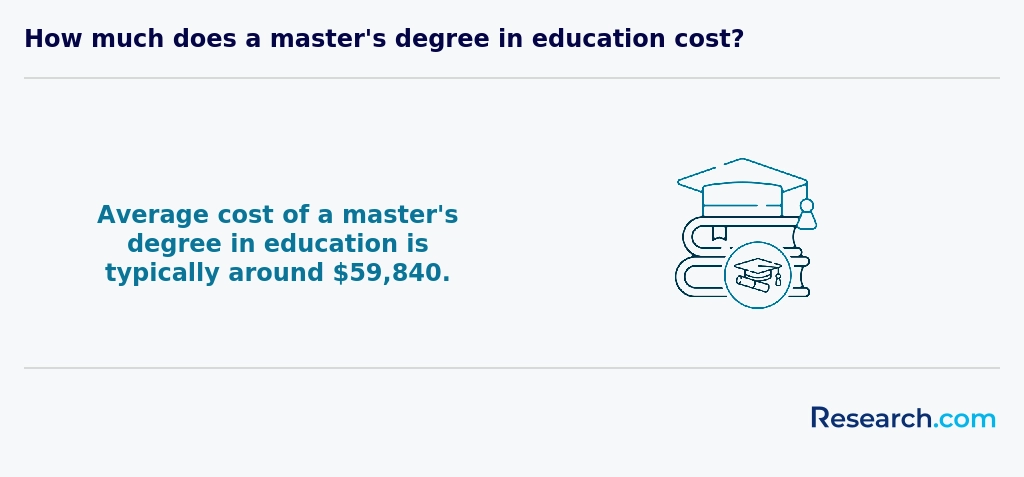
On average, a bachelor's degree in education at ASU can range from $11,000 to $15,000 per year for in-state students, which includes not only coursework but also invaluable fieldwork opportunities. Those pursuing advanced degrees or specialized certifications might expect slightly higher costs, but financial aid and scholarships often help ease the journey. The real value shines when graduates step into their first teaching roles, confident their degree was a rewarding investment in both knowledge and future income.
Where can I work with education degree in Tempe?
With an education degree in Tempe, your career adventure might begin right in vibrant local school districts like Tempe Elementary or Kyrene, where many graduates find themselves shaping young minds in classrooms buzzing with energy. Imagine stepping into a second-grade room, crafting lessons that spark curiosity every day - this is the reality for many who choose early childhood or elementary education paths.
But the journey doesn't stop there. Many education graduates discover exciting roles beyond teaching, such as curriculum development or becoming instructional coordinators who design the very materials other teachers use. At Arizona State University's Mary Lou Fulton Teachers College, graduates often talk about how their academic advising or faculty roles let them shape future educators while engaging in innovative research projects.
Other graduates find rewarding opportunities in community organizations around Tempe, leading after-school programs or literacy initiatives that bring learning to life for underserved youth. The blend of real-world impact and professional growth fills many with a sense of fulfillment, reflecting Tempe's welcoming and diverse educational landscape.
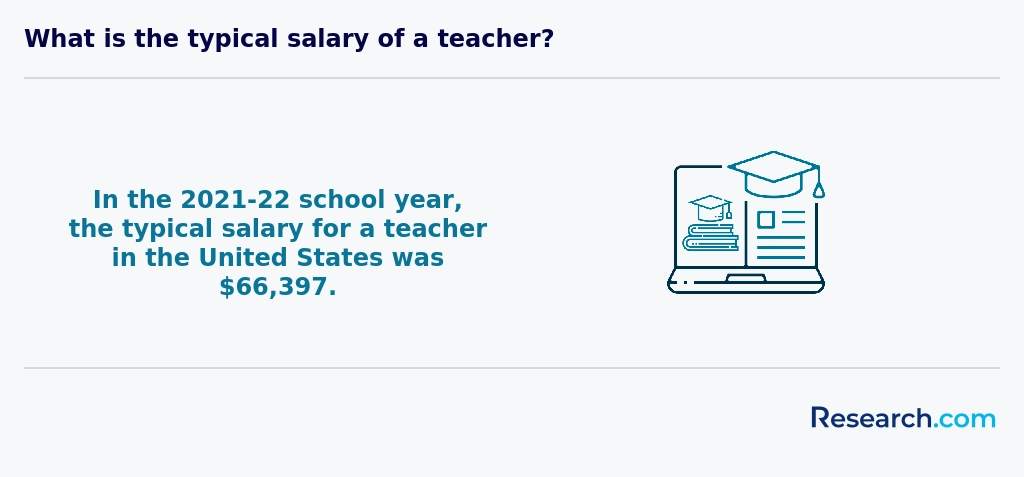
Graduates from education programs in Tempe, including those from Arizona State University, often find rewarding salary prospects awaiting them. For instance, early childhood educators earn around $41,410 annually, making a meaningful impact from the start of a child's learning journey. Elementary school teachers typically see mean wages near $70,740, which aligns with vibrant classroom experiences in local districts like Tempe Elementary.
Special education teachers can expect to earn about $76,000 per year, often fueled by their passion for creating inclusive, supportive environments. ESL teachers in Tempe report median salaries near $65,430, with hourly wages of $31.46, perfect for those ready to embrace culturally diverse classrooms across the city.
Instructional designers, who craft innovative learning programs, often make close to $77,200 annually. Graduates stepping into these roles at universities or schools find joy in shaping future education.
These figures reflect not just paychecks but exciting career paths where education graduates turn their degrees into fulfilling vocations in Tempe's dynamic community.
- Arizona State University in Tempe offers education degrees from bachelor's to doctoral levels, preparing students for teaching, counseling, and administration roles.
- In-state undergraduate tuition for education programs at public universities in Tempe ranges from $11,000 to $12,500 per year, while out-of-state tuition exceeds $29,000 annually.
- Graduate education tuition for in-state students typically costs between $12,000 and $15,000 per year.
- Entry-level teachers with education degrees in Tempe earn about $43,000 annually, with salaries rising to around $62,000 with experience.
- There is steady demand for education graduates in Tempe, especially in special education, STEM, bilingual education, administration, and counseling roles.
- Program accreditation, student teaching opportunities, and alignment with state certification are important factors for successful entry into the teaching profession in Tempe.
Completing an education degree in Tempe typically takes about four years if you're diving in full-time, much like many graduates from Arizona State University who cherish the vibrant campus life and immersive classes. Imagine balancing lectures, group projects, and lively campus events-all within a solid four-year journey.
However, the adventure can stretch beyond that. Many students juggling jobs or family choose part-time or online options, gracefully extending their timeline to six years or more. This approach, popular among flexible learners at Tempe's institutions, offers the freedom to explore education while maintaining other life passions.
If you're aiming higher with a master's degree, expect about one to two years of focused study, similar to peers speeding through 30 to 36 credit hours at ASU's graduate programs. Some even accelerate their path, fueled by motivation and targeted certificates that enhance their teaching skills.
Whether full-time, part-time, or hybrid, the journey in Tempe adapts beautifully to your pace, weaving ambition with real life in a rich educational tapestry.
Education is not solely about classroom learning-it’s also about cultivating an environment where students thrive both academically and personally. In Tempe, AZ, many institutions offer robust student support systems and vibrant campus life that play a pivotal role in shaping your overall educational experience. Comprehensive student services, including tutoring centers, career counseling, mental health resources, and dynamic extracurricular clubs, empower you to balance your academic challenges with social and professional growth. Whether you join a study group in one of ASU’s well-equipped libraries or participate in community outreach initiatives, you’re also building networking skills essential for long-term success. For insights on choosing programs that maximize these benefits, check out the valuable education programs in arizona available to you. This holistic approach ensures that beyond acquiring technical teaching skills, you learn to navigate real-life challenges, build lasting relationships, and emerge as a well-rounded professional ready to lead and inspire.
Choosing between online and on-campus education degrees in Tempe opens two distinct journeys. Online programs whisk you away into a flexible world where classes unfold through digital platforms, perfect for balancing work or family life. Imagine a student logging in from home or a cozy café, shaping their own daily rhythm while earning credits recognized by institutions like Arizona State University.
On-campus learners, meanwhile, immerse themselves in the vibrant ASU campus life-engaging directly with passionate professors, wandering through buzzing libraries, and networking with peers. They soak up the energy that only face-to-face interaction can ignite, building bonds over practicum experiences crucial for Arizona teaching credentials.
Graduates often reflect on how online courses challenged their self-discipline, while on-campus programs sparked spirited discussions and mentorship moments. Cost also matters: online students may save on commuting and housing, but tuition remains comparable. Both paths converge on the same goal in Tempe's education landscape, yet offer delightfully different adventures tailored to your lifestyle and dreams.
To teach in Tempe and throughout Arizona, graduates must obtain state certification through the Arizona Department of Education (ADE). First, candidates complete an approved teacher preparation program, many of which can be found in our comprehensive list of best online bachelors in education programs, ensuring all coursework aligns with ADE standards. After finishing an accredited program, aspiring educators register for and pass the Arizona Educator Proficiency Assessments (AEPA), which include General Curriculum, Professional Knowledge, and subject-specific exams. Special education candidates may also need to pass the Reading Instruction Competence Assessment (RICA) to demonstrate proficiency in literacy instruction. In addition to exam requirements, Arizona mandates a fingerprint clearance card and a background check through the Arizona Department of Public Safety. Candidates must submit official transcripts, exam scores, and verification of student teaching hours to the ADE certification office. Once certified, teachers maintain their license through renewal every five years, completing at least 90 clock hours of continuing professional education (CPE). These credits can be earned via workshops, graduate courses, or district-approved professional development. Prospective educators should plan ahead by reviewing ADE’s current certification pathways for elementary, secondary, and special education endorsements. By understanding these licensing stages-program completion, AEPA/RICA exams, background clearance, and ongoing CPE-students ensure a smooth transition from graduation to the classroom in Tempe, AZ.
When considering the average cost of a education degree in Tempe, students often think about the full spectrum of expenses beyond tuition. At Arizona State University, widely recognized for its education programs, in-state students typically face a median total cost around $12,223, which covers tuition, fees, and some additional costs. Out-of-state students generally encounter a higher median total cost close to $49,298, reflecting the broader expenses of studying away from home.
Graduates from ASU often describe their educational journey as a blend of academic challenge and vibrant campus life, where the investment feels rewarding. Living in Tempe, with its energetic student community and scenic spots, adds a layer of excitement to the cost equation that many find valuable. A typical budget also includes living expenses and supplies, so understanding the total tuition and fees for education programs Tempe offers helps students plan effectively.
Some students, particularly those exploring flexible options, find that online program alternatives can shift the balance of costs and living expenses, making it feel like an adventure in learning tailored to personal needs. For those curious about how Tempe stacks up academically and financially, exploring https://research.com/rankings/education/best-education-tempe-az reveals insightful data on local education offerings and costs, making the path to a degree clear and exciting.
- Arizona State University: Bachelor of Arts in Elementary Education – Balanced tuition with a median graduate salary of $50,200
- Arizona State University: Master of Education in Instructional Design – High ROI, average salary $73,080 and growing demand for e-learning specialists
- Grand Canyon University: Bachelor of Science in Special Education – Robust practicum opportunities, median salary $56,000
- Grand Canyon University: Master of Education in Educational Leadership – Prepares graduates for administrative roles with an average principal salary of $85,000
- University of Phoenix: Bachelor of Science in Early Childhood Education – Flexible online format and a median salary of $38,640
Several of these programs also appear among the best bachelor degrees.
Diving into education degrees in Tempe opens a world of financial aid treasures that many graduates eagerly discover. At Arizona State University, for example, students often share how Pell Grants, offering up to $7,395 annually, provide critical support without the worry of repayment. Imagine unlocking this aid simply by completing the FAFSA-a key that opens doors to federal loans and work-study jobs on campus, blending learning with earning.
State-specific boosts like AzLEAP act as hidden gems, matching federal grants to stretch budgets further. Many graduates recall how these combined funds lifted their financial burdens, allowing them to focus on their passion for teaching.
Loans with flexible terms, merit-based scholarships for future educators, and employer tuition assistance programs add layers of support. One graduate might juggle a part-time work-study role in a local school, gaining hands-on experience while easing tuition costs. The path to becoming an educator in Tempe feels less daunting with these options lighting the way.
After completing your education degree, securing a teaching license is essential to work in Arizona public schools. The state’s certification process ensures all educators meet professional standards and legal requirements.
- Degree Requirement: Hold a Bachelor of Arts or Science in Education from an accredited institution.
- Fingerprint Clearance Card: Obtain and maintain an Arizona DPS fingerprint clearance card, required for all school employees.
- Certification Exams: Pass the Arizona Educator Proficiency Assessments (AEPA) specific to your endorsement area, plus the professional knowledge test.
- Application Submission: Apply online through the Arizona Department of Education portal, including official transcripts and exam scores.
- Alternative Pathways: Consider district-run or university alternative certification programs if you already hold a degree in another field.
For individuals exploring foundational pathways, an easiest associates degree can offer a quick entry point into education roles while you prepare for full licensure.
Ensure you stay current with renewal requirements by completing professional development credits every five years to maintain your credential.
Ready to dive into education studies in Tempe? One recent graduate from a well-known Tempe university shared how starting with a high school diploma opened the door to their bachelor's degree journey. For most undergrad programs here, that diploma or its equivalent is your golden ticket. Imagine submitting transcripts and maybe a few test scores, like the SAT or ACT, then adding a personal statement that tells your story-that's how you begin shaping your unique path.
If you're eyeing a Master of Education, things get a bit more selective. Graduates recall the thrill of meeting GPA requirements, typically around a 3.0, and sometimes submitting GRE scores. Plus, showing volunteer experience in classrooms around Tempe gave them confidence and edge. At community colleges like Rio Salado, the vibe is more welcoming, with fewer hoops to jump through-perfect for those just starting out or shifting gears.
For teacher certification seekers, the adventure includes background checks and hands-on fieldwork in local schools, making the whole process feel purposeful and real. Each step feels like a new chapter in a rewarding career story unfolding right in Tempe.
Exploring online degree programs can help prospective Tempe students minimize expenses without sacrificing quality. While in-state tuition at ASU averages $9,750 per year, many accredited online programs offer competitive pricing and flexible schedules. Start by comparing per-credit costs and technology fees, then evaluate factors such as student support services, clinical practicum opportunities, and graduation outcomes. For a broader perspective on budget-friendly online pathways, consider reviewing the Low Cost Online Education Degree Programs Ranking in Fort Lauderdale, FL, which highlights institutions balancing low tuition with strong student satisfaction metrics. When selecting an online program, prioritize those that:
- Hold CAEP or NCATE accreditation
- Provide virtual tutoring, career counseling, and library access
- Include synchronous sessions to foster peer interaction
- Offer clear pathways for licensure or certification in Arizona By aligning affordability with accredited quality measures and robust student support, Tempe learners can secure an online Education degree that maximizes return on investment while preparing them for a dynamic teaching career.
Educational Psychology, where understanding how students learn transforms classrooms into inspiring spaces. Picture yourself crafting dynamic lesson plans in Curriculum Development, or confidently managing lively classes through strategies learned in Classroom Management.
Many students also marvel at learning to weave technology seamlessly into teaching via Instructional Technology, making every lesson feel fresh and accessible. The journey continues with practical skills in Assessment and Evaluation, where graduates recount moments of discovering how to measure student progress creatively yet effectively.
Tempe's programs emphasize real-world experience, too - the Student Teaching or Practicum places you inside classrooms, bridging theory and hands-on practice. Specializations like Diversity and Inclusion or Special Education open doors to understanding how to create welcoming, equitable environments for all learners.

In Tempe, education degrees offer a vibrant array of specializations that truly invite you to explore diverse educational paths. Many graduates from local universities findElementary Education especially rewarding, as it immerses you in teaching young learners foundational skills in lively classrooms filled with eager kindergartners and curious fifth graders. For those who prefer the challenge of adolescence, Secondary Education prepares you to inspire middle and high school students in subjects like science or English, making every lesson an adventure in discovery.
Special education in Tempe is gaining momentum, with passionate students trained to support children with unique learning needs-making inclusive classrooms a welcoming space for all. Early Childhood Education programs are also popular, emphasizing hands-on experiences from birth to age eight and fostering family connections that strengthen community ties.
Other intriguing paths include Curriculum and Instruction, Educational Leadership, and Instructional Technology, where graduates can innovate beyond the classroom. Tempe students often enhance their careers with a leadership development plan, opening doors to exciting roles. These options reflect the dynamic range of education degree specializations in Tempe, matching a variety of passions and aspirations.
Choosing the best education degree in Tempe means diving into options that truly resonate with your passion and goals. Many graduates from Arizona State University share how the Mary Lou Fulton Teachers College prepared them not just with knowledge but real-world experiences, boosting their confidence to step confidently into classrooms. Imagine balancing studies on campus with part-time work or family commitments-many find that online or hybrid formats provide the flexibility they need without sacrificing quality.
Financial peace of mind is another adventure in itself; securing affordable education degrees Tempe AZ often involves exploring scholarships and in-state tuition benefits, which lighten the burden so you can focus on growth. Graduates frequently emphasize the value of accredited programs aligning with state licensure-this ensures you're ready to meet Arizona's educational standards and step into your career smoothly.
For those curious about specialized fields, programs may spark new interests, like exploring library science master's programs online, opening unexpected pathways. Embracing this journey with an open mind transforms the challenge of choosing into an exciting step toward a fulfilling future.
Graduates pursuing an education degree in Tempe discover a world rich with possibilities that extend beyond traditional teaching roles. Many find excitement stepping into K-12 classrooms across vibrant local schools, especially in math, science, and special education, where demand is eager and steady. Those drawn to shaping student experiences from behind the scenes often take on roles like school counselors or instructional coordinators, blending their passion for education with leadership in Phoenix-area districts.
Tempe's dynamic blend of family communities and educational institutions offers fertile ground for early childhood educators to thrive, creating nurturing spaces in daycare and preschool settings. Education degree careers in Tempe also catch the eye of tech-savvy graduates who dive into educational technology or corporate training, leveraging the city's innovation hub and ties to Arizona State University. For anyone curious about higher education, careers as academic advisors or student services professionals open doors to campus life and guidance roles.
Students eager to explore specialized fields can consider an online master's in inclusive education, broadening avenues for impact and career growth. The variety of job opportunities for education graduates Tempe offers lets each individual shape a path uniquely suited to their talents and passions.
The job market for education degree holders in Tempe is vibrant and full of promise, especially for those eager to dive into teaching career opportunities Tempe Arizona offers. Graduates from Arizona State University and other local institutions often share how real classroom experiences and community engagement have boosted their confidence and opened doors to roles in public schools, private academies, and higher education. Imagine stepping into a bustling classroom or advising students at a local college-these scenarios capture the dynamic energy of Tempe's education landscape.
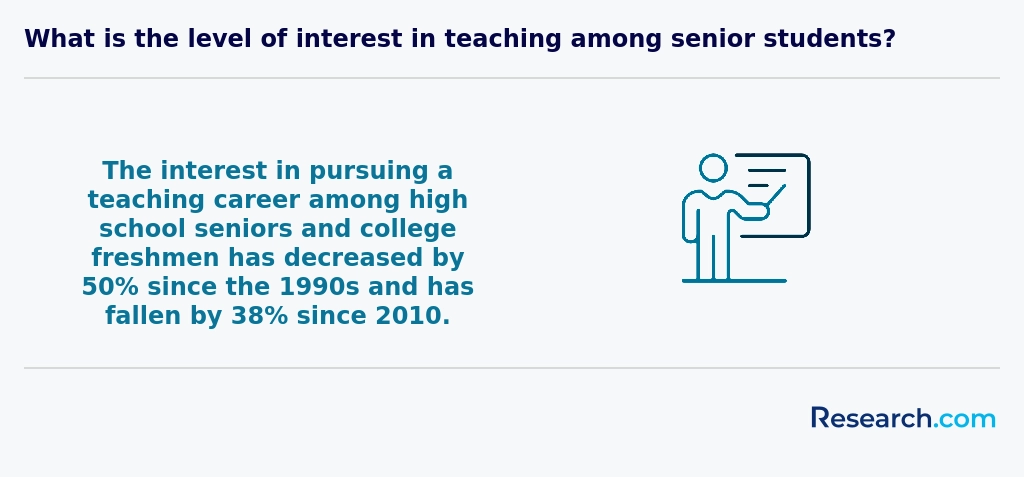
With the demand for skilled educators growing alongside Tempe's diverse population, recent grads find themselves well-positioned to fill critical shortages, particularly in math, science, and special education. Many feel excited by the chance to make a genuine impact while thriving in a city that values educational innovation. Explore the most in-demand education careers to discover where your passion might lead within this thriving market.
For those curious about their future paths, the education degree job prospects Tempe presents are rich with opportunities for growth, meaningful connections, and the adventure of contributing to a community that's eager to learn and evolve.
2027 Most Valuable Education Degree Programs Ranking in Tempe
Investing in your education is a significant decision that can shape your future, and the Research.com team understands the importance of making informed choices. To support prospective students in Tempe, we have carefully developed the "2027 Most Valuable Education Degree Programs Ranking in Tempe." Our commitment to quality, credibility, and accuracy is demonstrated through rigorous research and thorough analysis in compiling this ranking. We utilized the following reputable data sources to ensure a comprehensive evaluation of education degree programs:
By engaging with this ranking, readers will access valuable insights to identify the most worthwhile education degrees in Tempe, empowering them to make well-informed educational and career decisions. For more information on how this ranking was created, please visit our Research.com methodology page.

Frequently Asked Questions About education
Education degree students in Tempe can enhance their learning experience by actively engaging with local teaching communities and fieldwork opportunities. Arizona State University, based in Tempe, offers partnerships with nearby schools where students gain hands-on experience. Research from ASU highlights that practical placements increase teaching effectiveness by over 30%. Students are encouraged to attend workshops and seminars offered on campus, which often focus on innovative teaching methods and technology integration. Utilizing ASU's extensive education resources and connecting with peer study groups can also reinforce classroom concepts. Staying informed about state certification requirements through the Arizona Department of Education ensures students meet all professional standards.
Emerging niches within the education field reflect the growing demand for specialized skills in learning environments. In Tempe, Arizona, there is an increased focus on educational technology, where professionals develop and implement digital tools for classrooms. According to the U.S. Bureau of Labor Statistics, roles in instructional coordination may grow by 7% through 2032, reflecting a need for experts who can effectively integrate technology into education.
Another niche gaining attention is special education, especially in response to evolving federal mandates and inclusion practices. Tempe schools have reported rising enrollment of students requiring individualized education programs (IEPs), increasing job opportunities in this area.
Finally, bilingual education and culturally responsive teaching are vital, considering Tempe's diverse student population. Educators skilled in these methods help support academic success for English language learners and multicultural classrooms.
After completing an education degree in Tempe, job market preparation involves several key steps. First, gaining classroom experience through student-teaching placements is essential. Local school districts such as Tempe Elementary and Kyrene offer valuable practical training opportunities, which many employers highly value.
Networking is another crucial strategy. Joining professional organizations like the Arizona Education Association helps graduates connect with educators across the state and discover job openings. Tempe's proximity to Phoenix expands these networking possibilities.
Additionally, obtaining state certification from the Arizona Department of Education is mandatory. This credential ensures eligibility to teach in public schools and boosts employability.
Finally, staying informed about Tempe's K-12 district hiring trends and salary averages can guide career decisions and negotiations.
Employers hiring education degree graduates in Tempe prioritize strong communication skills. Candidates must effectively convey ideas to students, parents, and colleagues. According to the Arizona Department of Education, nearly 70% of local school districts emphasize verbal and written communication in job listings.
Classroom management is another key skill. Graduates who can maintain a productive, disciplined learning environment are in high demand. Data from Tempe's public schools show lower turnover rates among teachers with proven classroom management abilities.
Additionally, cultural competency is essential. Tempe's diverse student body requires educators who understand and respect multiple backgrounds, fostering inclusive classrooms.
Finally, technology integration is increasingly critical. Familiarity with digital tools aligns with Tempe Unified School District's push for innovative teaching methods.
Finding internships in Tempe relevant to an education degree involves leveraging local resources and university partnerships. Arizona State University (ASU), headquartered in Tempe, is a key hub offering numerous internship opportunities through its Mary Lou Fulton Teachers College. Many students secure placements in local K-12 schools, where they can gain hands-on teaching experience.
Additionally, the Tempe Union High School District and Kyrene School District actively collaborate with higher education institutions, providing internship spots for education majors. Using ASU's Career and Professional Development Services can increase the chances of finding paid or unpaid internships appropriate to educational fields.
Networking with local school administrators, attending education job fairs in Tempe, and exploring community education programs also help identify internships. The U.S. Bureau of Labor Statistics reports that internships significantly improve employment prospects in education careers nationwide, emphasizing their importance in practical training.
In Tempe, obtaining an education degree significantly enhances career mobility and advancement. According to the U.S. Bureau of Labor Statistics, education professionals with degrees are more likely to secure leadership roles such as curriculum coordinators or school administrators. Locally, schools in the Tempe Union High School District prioritize candidates holding advanced education credentials for promotions.
Additionally, the Arizona Department of Education highlights that teachers with a Master's degree in education can earn up to 20% more than those with only a bachelor's degree. This pay increase supports upward mobility within local districts. Furthermore, continuing education in Tempe offers pathways to specialized roles, including special education and educational technology.
Studying for an education degree in Tempe offers a strong foundation for interdisciplinary roles by integrating diverse fields such as psychology, technology, and social sciences. Arizona State University, located in Tempe, emphasizes collaboration across departments, equipping students with skills applicable in various professional settings.
Students gain practical experience through partnerships with local schools and community organizations, fostering skills in communication and problem-solving. The curriculum often includes coursework in educational technology and multicultural studies, crucial for adapting to diverse learner needs.
According to the National Center for Education Statistics, interdisciplinary training increases employment opportunities by 15% for education graduates. This approach prepares Tempe students for roles beyond traditional teaching, including curriculum development, counseling, and policy-making.
Choosing between a thesis and a non-thesis education degree program in Tempe depends on your career goals and learning preferences. A thesis option is research-intensive, aimed at students interested in academic roles or pursuing further graduate studies. It typically requires completing and defending original research, which helps develop strong analytical and writing skills.
Non-thesis programs focus more on coursework and practical skills, suitable for those targeting applied positions in education or administration. According to the National Center for Education Statistics, over 60% of education master's students in Arizona choose non-thesis tracks for faster completion and hands-on experience.
Local universities like Arizona State University offer both options, with thesis students often engaging in projects aligned with Tempe's diverse school districts. Understanding program requirements and consulting advisors can guide your choice based on your future plans.
Students based in Tempe seeking education degrees with an international perspective have several options through U.S. institutions offering study abroad or exchange programs. Arizona State University (ASU), located in Tempe, is highly active in global education opportunities, with partnerships across more than 150 countries. ASU's Mary Lou Fulton Teachers College supports education students in participating in programs that include classroom teaching experiences abroad, language immersion, and cultural exchanges.
Additionally, many U.S. education degree programs encourage or require international components to build cross-cultural competencies vital for modern educators. Students can typically study abroad for a semester or participate in summer programs to gain valuable insights into teaching methods worldwide.
Financial aid and scholarships for studying abroad are available for ASU students, helping reduce costs associated with international education experiences. According to the Institute of International Education, participation in study abroad for education majors continues to rise as global awareness grows.
Part-time job opportunities in Tempe that complement education degree studies often involve roles within the local public and private school systems. Positions such as teacher's assistants, after-school program coordinators, and tutoring are commonly available. According to the Arizona Department of Education, Tempe's schools frequently seek paraprofessionals to support classroom instruction, providing practical experience for education students.
Additionally, the city's expanding community centers offer roles in youth mentoring and program facilitation, which align well with education-focused studies. These opportunities help students develop classroom management and lesson planning skills.
For students aiming to work in early childhood education, local daycare centers often hire part-time aides, giving hands-on experience relevant to degree programs in Tempe.
Education students in Tempe benefit from numerous networking opportunities supported by local universities and community organizations. Arizona State University (ASU), the city's primary higher education institution, offers access to education-focused clubs and events, such as the ASU Teachers for a New Era initiative. These programs connect students with veteran educators and administrators through workshops and symposiums.
Additionally, Tempe hosts job fairs and networking events tailored for future educators, often in partnership with the Tempe Elementary School District. These events help students build professional relationships early in their careers.
Local conferences and seminars provide further chances to engage with education professionals and scholars from the broader Phoenix metropolitan area, enhancing students' practical knowledge and industry contacts.
Alumni networks play a significant role in supporting education degree students in Tempe by creating valuable connections within the local education community. These networks offer mentorship and guidance, connecting current students with experienced graduates who understand the regional job market and educational policies.
In Tempe, where education programs often collaborate with local schools and districts, alumni can provide direct pathways to internships, student-teaching opportunities, and employment. According to data from the National Center for Education Statistics, states like Arizona benefit from strong alumni engagement in educator preparation programs, increasing employment rates among graduates.
Additionally, alumni networks facilitate professional development events and workshops, which can help students build leadership skills and stay updated on educational trends specific to the region. Such engagement not only enhances practical knowledge but also strengthens a student's resume and professional reputation locally.
Customizing an education degree program in Tempe enables students to tailor their studies to align with specific career goals, such as becoming a classroom teacher, administrator, or educational consultant. Many institutions in Tempe offer flexible degree tracks, allowing students to select concentrations like special education, curriculum development, or educational technology. According to the U.S. Department of Education, programs accredited by the Council for the Accreditation of Educator Preparation (CAEP) provide pathways for licensure aligned with Arizona state requirements.
Students can often choose from internships, practicum experiences, or elective courses to build practical skills. Additionally, some Tempe colleges support online or evening classes to accommodate working professionals seeking advanced degrees or certifications.
Education students in Tempe often face challenges related to balancing coursework with field experiences. Many programs require extensive classroom observations or student teaching, which can be time-consuming alongside rigorous academic demands.
Financial concerns are another notable challenge. According to the National Center for Education Statistics, the average undergraduate loan debt for education majors is substantial, and Tempe students frequently seek scholarships or part-time jobs to manage costs.
Additionally, adapting to diverse classroom environments presents difficulties. Arizona schools serve a wide range of student populations, requiring future teachers to develop strong cultural competence and inclusive practices early in their training.
With an education degree, individuals in Tempe can pursue several professional certifications that enhance their teaching careers. The most common is the Arizona Teaching Certificate, which is required to teach in public K-12 schools. This certification involves passing the Arizona Educator Proficiency Assessments (AEPA) and completing fingerprint clearance.
Specialized certificates such as the Reading Specialist or English Language Learner (ELL) endorsements are also available and can increase job opportunities and salaries. These certifications typically require additional coursework and exams.
For those interested in school administration, the Principal or Superintendent Certification is an option, requiring a master's degree plus specific leadership training.
Data from the Arizona Department of Education shows that certified teachers in Tempe earn an average salary above the state median of $54,000, reflecting the value of these credentials.
To write a winning application for an education program in Tempe, start by carefully researching each institution's requirements, such as Arizona State University's Mary Lou Fulton Teachers College, a leading provider of education degrees. Highlight your academic achievements, relevant experience, and passion for teaching in a clear and concise personal statement. According to the National Center for Education Statistics, strong applications usually include a minimum GPA of 3.0 or higher.
Include any volunteer work or classroom experience to demonstrate commitment. Use specific examples to show problem-solving and leadership skills. Make sure to meet all deadlines and submit transcripts, test scores, and letters of recommendation early. Thorough preparation increases your chances of acceptance in this competitive market.
The global perspective on an education career increasingly values adaptability and cultural competence. Educators today are expected to prepare students for a connected world, emphasizing skills like critical thinking and digital literacy. In the U.S., including Tempe, education degrees focus on these areas to meet international standards.
According to the U.S. Department of Education, enrollment in teacher preparation programs remains steady, reflecting ongoing demand for qualified educators. Tempe's local universities, such as Arizona State University, offer programs that integrate global educational trends and technology.
Furthermore, data from the National Center for Education Statistics shows that teachers with advanced degrees often have better job prospects worldwide. This highlights the importance of pursuing robust education programs in places like Tempe, where resources support such growth.
Students pursuing education degrees in Tempe can gain practical experience through multiple established avenues. Local universities, such as Arizona State University, often incorporate student teaching placements in nearby schools. These placements allow candidates to apply theory in real classrooms under the supervision of experienced educators.
Additionally, Tempe offers volunteer and internship opportunities within public and charter schools, helping students develop classroom management and lesson planning skills. The Tempe Elementary School District frequently collaborates with education programs to provide hands-on experiences.
Workshops and seminars conducted by community education centers in Tempe also enable students to engage with diverse learner populations. According to the Arizona Department of Education, nearly 80% of education programs in Tempe require some form of practicum or fieldwork as part of their curriculum.
Choosing the right concentration within an education degree program in Tempe involves considering your career goals, interests, and the specific needs of local schools. Concentrations often include early childhood education, special education, or secondary education, each offering specialization that aligns with different student populations and teaching environments.
The Arizona Department of Education highlights that Tempe's schools increasingly seek educators skilled in bilingual education and STEM fields, reflecting regional priorities. Research shows that specializing in areas with high demand can improve job prospects post-graduation.
Prospective students should review program options at Tempe's institutions, such as Arizona State University, and consult academic advisors to understand required certifications and field experiences tied to each concentration.
- 2027 Most Valuable Education Degree Programs Ranking in Phoenix
- 2027 Most Valuable Education Degree Programs Ranking in Riverside
- 2027 Most Valuable Education Degree Programs Ranking in San Diego
- 2027 Most Valuable Education Degree Programs Ranking in La Jolla
- 2027 Most Valuable Education Degree Programs Ranking in Irvine
- 2027 Most Valuable Education Degree Programs Ranking in Los Angeles
- 2027 Most Valuable Education Degree Programs Ranking in Colorado Springs
- 2027 Most Valuable Education Degree Programs Ranking in Denver
- 2027 Most Valuable Education Degree Programs Ranking in Stockton
- 2027 Most Valuable Education Degree Programs Ranking in San Francisco
See What Experts Have To Say About Studying Education
Read our interview with Education experts

Nooshan Ashtari
Education Expert
Professor & Book Author
University of Southern California


- Education Study Abroad Programs | Go Overseas https://www.gooverseas.com/study-abroad/education
- In-Demand Tempe Jobs You Won’t Want to Miss | BestCompaniesAZ https://bestcompaniesaz.com/blog/in-demand-tempe-jobs-you-wont-want-to-miss/
- Alternative Programs & Credits https://www.tempeunion.org/programs/alternative-programs-credits
- Comprehensive Guide to Choosing the Right Educational Program https://veritaseedcenter.gr/blog/comprehensive-guide-to-choosing-the-right-educational-program
- Working in Ed Tech: How to Identify Your Niche and Build Relevant Skills https://www.highfivepartners.com/blog/working-in-ed-tech-how-to-identify-your-niche-and-build-relevant-skills
- Bachelor of Education Degree (Here's What To Expect) https://www.alleducationschools.com/teaching-degrees/bachelors-in-education/
- Get the skills employers want | Study UK https://study-uk.britishcouncil.org/why-study/succeed-your-career/get-skills-employers-want
- How to Choose a Concentration for Your Master of Education 3 Questions to Consider https://www.aiuniv.edu/degrees/education/articles/how-to-choose-an-education-specialization
- Promising Niches in the Global EdTech Landscape - Blog https://rocketech.it/blog/post/global-edtech-landscape-what-niches-are-the-most-promising
- What Employers Actually Want From Graduates https://bodyswaps.co/resources/blog/what-employers-actually-want-from-graduates


