
2027 Most Valuable Education Degree Programs Ranking in Moscow

Co-Founder and Chief Data Scientist
Choosing the right education degree program in Moscow can feel overwhelming. To guide you, the 2027 Most Valuable Education Degree Programs Ranking in Moscow was created by the Research.com team of data scientists. This ranking helps you understand which programs offer the best value and future opportunities.
By exploring this article, you'll gain clear insights to make a confident decision about your studies. Pursuing an education degree now can open doors to a rewarding career and personal growth. Let's discover the top programs worth your attention together.
Key benefits of getting education degree in Moscow
- Graduates with an education degree can earn competitive salaries, such as Special Education Teachers making around $76,000 annually and Instructional Designers earning about $77,200 per year, reflecting strong financial rewards.
- Education degree holders from Moscow universities often find diverse career paths, including roles in teaching, curriculum development, and educational consulting, providing exciting opportunities to impact students and communities.
- Completing an education degree online from a Moscow institution offers flexibility and convenience, allowing graduates to balance study with work or family life while gaining the same respected qualification as traditional students.
- 2027 Most Valuable Education Degree Programs Ranking in Moscow
- What can I expect from education degree in Moscow?
- Where can I work with education degree in Moscow?
What can I expect from education degree in Moscow?
When it comes to the cost of education degrees in Moscow, you'll be pleasantly surprised by how wallet-friendly it is compared to the US. Most public universities, like Moscow State University or the Higher School of Economics, charge international students around $1,500 to $3,000 per year. That price tag covers programs packed with hands-on teaching practice, internships, and cutting-edge courses on educational tech-things that graduates often rave about as game-changers for their careers.
One graduate from a popular Moscow program shared how the affordable tuition let them focus fully on mastering classroom strategies and educational psychology without stressing over huge student loans. Plus, since many programs blend solid theory with real school experiences, you get both the brainy and practical sides covered.
So, if budgeting for a degree is on your mind, studying education in Moscow offers solid quality without breaking the bank-a rare win!
Where can I work with education degree in Moscow?
If you're studying education in Moscow, you'll find plenty of job options once you graduate. Most grads land teaching gigs in the city's many public and private schools-imagine working at one of the 1,200+ schools around Moscow, teaching everything from preschool kids to high schoolers in subjects like math, languages, or science. It's pretty common for students from popular universities here to jump right into those classrooms and feel that rewarding buzz of helping kids learn every day.
But teaching isn't the only path. Many graduates work behind the scenes in school administration or curriculum development, especially in places that blend education with tech or bilingual programs. Others find exciting roles in private language schools or international schools, where they tailor lessons to diverse groups of kids. It's super encouraging to hear from education grads who've thrived in these roles, enjoying the mix of teaching and innovation.
Plus, if you're into training teachers or working with NGOs on education projects in Moscow, those opportunities exist too. Some even start as teaching assistants at big universities and climb the ladder from there. The key thing is, with an education degree in Moscow, you're stepping into a stable, growing field that really values your skills.
If you've earned an education degree in Moscow, your salary can vary quite a bit depending on where and how you work. Graduates from well-known places like the Moscow State Pedagogical University often start out teaching in public schools, earning around 40,000 to 55,000 rubles a month-which is about $540 to $740 USD. It's a decent start, especially if you're fresh out of your program.
When you gain experience or move into specialized roles-say, teaching special education or taking a master's degree-you can expect to earn more. Monthly pay in those cases jumps to between 60,000 and 85,000 rubles, translating roughly to $810-$1,150 USD. Many grads from Moscow's Pedagogical Institute have shared stories of landing roles in private or international schools where salaries climb above 100,000 rubles (about $1,350 USD), especially if you add certifications like IB or Cambridge to your resume.
Interestingly, roles like instructional designers or ESL teachers in the US give a good benchmark too. For instance, ESL teachers earn an average of $65,430 annually, and instructional designers make even more, around $77,200. These numbers give a glimpse of what's possible with solid experience.
So, if you're studying education in Moscow and aiming high, your path could start modestly but grow steadily, with some folks eventually earning up to $2,000 USD a month in leadership or consultancy roles within the education sector. It's all about building skills and grabbing the right opportunities!
- Tuition fees for education degrees in Moscow range from $3,000 to $7,000 per academic year for international students, with lower costs for local students due to government subsidies.
- Starting salaries for education graduates are about 40,000 to 50,000 Russian Rubles per month, roughly $500-$650 USD.
- Experienced education professionals can earn between 80,000 and 120,000 Rubles monthly, equivalent to $1,000 to $1,500 USD.
- Salaries depend on education level taught, type of institution, and skills like foreign language proficiency.
- Moscow universities often offer joint programs and exchange opportunities with U.S. institutions for enhanced credentials.
If you're thinking about getting an education degree in Moscow, here's the lowdown on how long it usually takes. Most students at popular universities like Moscow State Pedagogical University find that a bachelor's degree wraps up in about four years. That's full-time study, balancing lectures, hands-on teaching practice, and all the theory you need to nail your future career.
Many grads mention how the program's pace felt just right-not too rushed, but steady enough to keep them motivated without burnout. If you want to take it further with a master's, plan for an extra two years. This means going deeper into specializations like curriculum design or educational psychology, which opens up more career doors.
Some of those who've completed their master's share that combining both degrees means investing around six years in total, which matches nicely with what students experience back home in the US. Plus, studying in Moscow gives you a unique cultural vibe while following an international standard-so you really get the best of both worlds.
Here’s a quick glance at leading degree options:
- University of Idaho – B.S. in Elementary Education: NCATE-accredited, hands-on student teaching, 90% job placement within six months.
- University of Idaho – M.Ed. in Curriculum & Instruction: small cohorts, leadership practicum, advanced instructional design training.
- Boise State University (Online) – B.S. in Education: flexible schedule, interactive virtual labs, ideal for working professionals.
For more budget-friendly online pathways, explore the cheapest online college guide.
Choosing between online and on-campus education degrees in Moscow really comes down to what fits your lifestyle best. On-campus programs at places like Moscow State Pedagogical University give you that classic college vibe - think face-to-face chats with professors, meeting classmates in person, and using campus libraries or study spots. Graduates often mention how being physically present helped them build strong networks and get local internships more easily.
On the flip side, online degrees offer a lot of freedom. If you're juggling work or family, studying from home with Moscow City University's digital courses can be a lifesaver. It's flexible, but you've got to be disciplined since no one's watching when you log in. Some grads love avoiding long commutes across Moscow's busy streets, but others find it tricky to lock down hands-on experience without that on-campus connection.
Both paths are legit and recognized in Moscow, so if you're planning to work internationally, just double-check your program's creds to make sure they line up with US or global standards.
Becoming a licensed educator in Idaho involves a sequence of steps designed to ensure quality teaching standards and student safety. First, candidates must graduate from a state-approved teacher preparation program, which includes supervised student teaching in a K–12 classroom. Next, prospective teachers register for and pass the required Praxis exams: the Praxis Core Academic Skills for Educators (Core) to demonstrate basic literacy and numeracy, followed by the Praxis Subject Assessments in their chosen specialization. Once exam scores are received, applicants submit an online application through the Idaho State Board of Education portal, providing official transcripts, background-check fingerprints, and proof of completed pedagogy coursework. The state mandates a criminal records check to uphold student safety, so planning ahead for fingerprinting appointments is crucial. After credential review, candidates receive an initial teaching certificate valid for three years, during which they must accrue professional development credits and complete a mentored induction year under a master teacher’s guidance. Teachers seeking to expand beyond classroom instruction can explore career options with education degree-from instructional coaching to district administration-which often require additional endorsements or postgraduate certification. To advance to a professional teaching certificate in Idaho, educators must complete 90 hours of approved continuing education or hold a master’s degree in education, ensuring ongoing growth and alignment with evolving state standards.
If you're wondering about the average cost of education degree in Moscow, it's pretty affordable compared to many places. Graduates from well-known universities like Moscow State Pedagogical University usually share that the total cost of their education hovers around $40,000, covering tuition and fees over the entire program. This is quite reasonable when you consider that similar degrees in the US can be much more expensive, especially for out-of-state students.
Tuition and fees for education degrees Moscow wide typically vary between $2,000 and $6,000 annually for international students, with Russian nationals often paying less thanks to government subsidies. One graduate mentioned how this made it much easier to focus on studies without stressing over huge debt. Living costs are also pretty low-expect to spend around $300 to $700 every month on food and housing, which is friendly on the wallet compared to major US cities.
Plus, Moscow offers some great scholarship options through its universities and government programs, reducing expenses even further. It's a good idea to check these out early. For those curious about what you can do with an education degree, you might find this https://research.com/degrees/what-can-you-do-with-a-teaching-degree helpful.
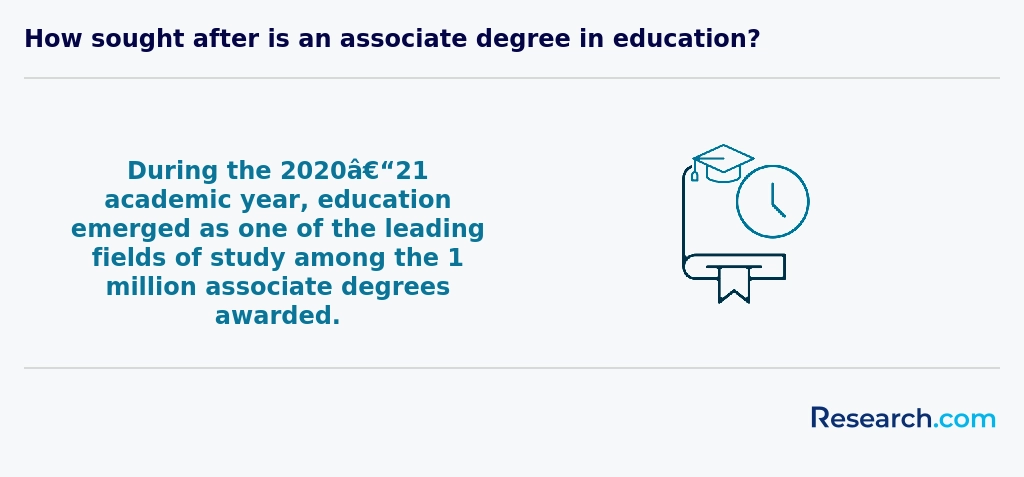
Navigating your career after earning an education degree can be as challenging as it is rewarding. To help you transition successfully into the workforce, here are a few practical strategies that have proven beneficial for many graduates: • Develop a strong professional network by attending local education conferences, workshops, and career fairs. This can open doors to mentorship opportunities and insider information on job openings. • Enhance your resume and interview skills continuously by seeking feedback from peers and career advisors. Consider engaging in volunteer work or part-time projects that add value to your teaching portfolio. • Stay updated on evolving trends in education technology, policy changes, and innovative teaching methodologies. Continuous learning and professional development are essential for long-term career growth in this dynamic field. • Research and compare comprehensive program outcomes to gain additional insights into post-graduation success. For more detailed comparisons, explore valuable education schools in idaho to evaluate program performance and future career prospects. By incorporating these strategies, you can not only secure a promising position within the education sector but also set the stage for ongoing professional development and success.
When you're diving into an education degree in Moscow, finding financial aid can feel like a game-changer. Lots of students studying at well-known places like Moscow State Pedagogical University have snagged merit-based scholarships that don't require paying back a dime-these are often awarded for good grades or financial needs. Imagine starting your semester knowing a part of your tuition is already covered-it really takes the edge off.
Many grads also tapped into US federal aid like Pell Grants or Direct Subsidized Loans, but there's a catch: your Moscow university needs to be part of the US Federal Student Aid program. It's definitely worth calling the financial aid office early to figure that out.
- On top of that, private scholarships aimed at study abroad students, such as the Fulbright or Gilman programs, have helped plenty of American education majors in Moscow get extra support.
- Some students manage to balance part-time jobs or work-study gigs, but the tricky Russian visa rules mean you'll want to double-check what's allowed with your school's international student office.
Before stepping into your first classroom, graduates must secure state licensure through the Idaho State Board of Education. This process ensures that every educator in Moscow, ID, meets rigorous standards of knowledge and professional readiness. To become a certified teacher in Idaho, you will need to:
- Complete an accredited education degree program with a student teaching component.
- Pass the Praxis® Core Academic Skills for Educators (reading, writing, math) and the Praxis® Subject Assessment in your teaching field.
- Submit to a state and federal background check and fingerprinting, as required by Idaho Code.
- Apply online through the Idaho State Board of Education portal, providing official transcripts, test scores, and verification of supervised teaching hours.
- Pay the licensure fee and, once approved, receive your Initial Level I certificate valid for up to five years. After earning your Initial certificate, maintain active status by completing 60 professional development hours or by enrolling in a Master’s-level course sequence. If affordability is a concern during advanced certification or endorsement, consider programs outside Idaho-many candidates explore the Most Affordable Online Education Degree Programs Ranking in Slippery Rock, PA to fulfill specialized coursework at lower tuition rates. Continuous renewal and endorsement options allow you to teach additional subjects or advance into leadership roles, ensuring a long and adaptable career in education.
If you're thinking about diving into an education degree in Moscow, the first big step is having your high school diploma or GED ready. Graduates from popular universities like Moscow State Pedagogical University often mention how important it was to get their transcripts translated and notarized in Russian-it's a key part of making the whole process smooth.
Knowing Russian really helps too. Most programs are taught in Russian, so you'll likely need to pass the Test of Russian as a Foreign Language (TORFL). One graduate shared how brushing up on Russian before starting eased their daily life and studies. A few programs offer courses in English, but even then, some Russian knowledge is almost always needed.
Another thing to keep in mind is the money side. Tuition at Moscow universities for education degrees runs around 150,000 to 350,000 rubles a year, which feels like a bargain compared to many places in the US. But don't forget about living costs and visa fees, which graduates say can add up.
And speaking of visas, you'll need an official admission letter plus proof you can support yourself financially. Starting the visa process early saved many students from last-minute stress and headaches, especially when dealing with Moscow's busy admission offices.
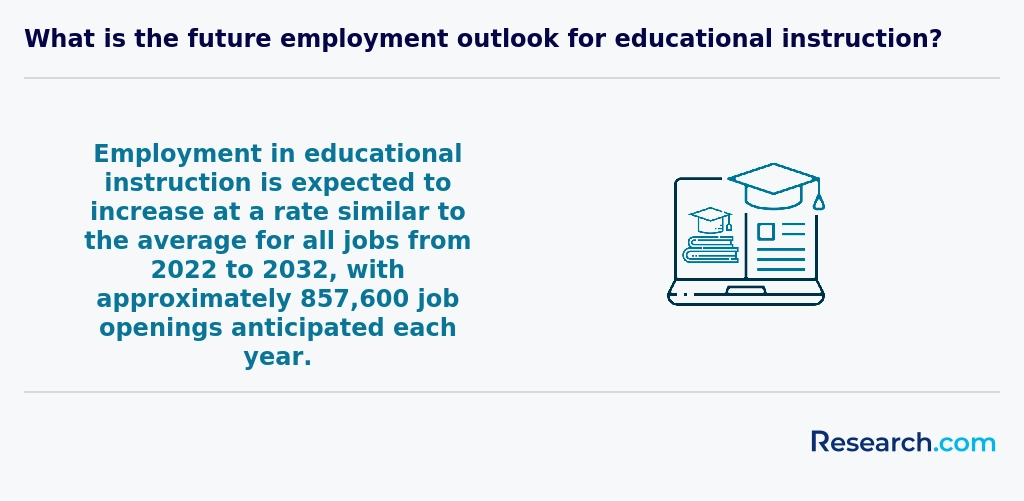
Graduates must obtain an Idaho teaching certificate before entering public schools. Key steps include:
- Complete a state-approved, accredited education program.
- Pass required assessments, including Praxis Core and subject-specific Praxis exams.
- Satisfy a criminal background check and fingerprinting.
- Apply for an initial teaching certificate through the Idaho State Department of Education.
- Begin a first-year induction program with mentoring and professional development.
- Renew your certificate every five years by completing continuing education credits.
- Begin with the easiest associate degree to get to gain foundational skills and transfer credits toward licensure.
When you dive into an education degree program in Moscow, you'll quickly notice the lineup of courses covers everything from big-picture ideas to real classroom action. Graduates from popular spots like the National Research University Higher School of Economics often talk about how courses like Foundations of Education gave them a solid grasp of how teaching has evolved over time, connecting history and philosophy to today's classrooms.
You'll get a taste of Educational Psychology, which breaks down how kids learn and develop - super useful whether you're working with kindergartners or high schoolers. Curriculum Development classes actually show you how to build lessons that work in the real world, while Teaching Methods teach strategies tailored for different age groups and subjects, so you're never stuck with a one-size-fits-all approach.
Students also dig inclusive Education classes, which open your eyes to teaching diverse learners, including those with special needs. And because technology is everywhere, Educational Technology courses let you experiment with digital tools that make lessons come alive. Plus, many students share how practica in local Moscow schools helped turn theory into confident, hands-on teaching skills - making the whole experience feel lively and meaningful.
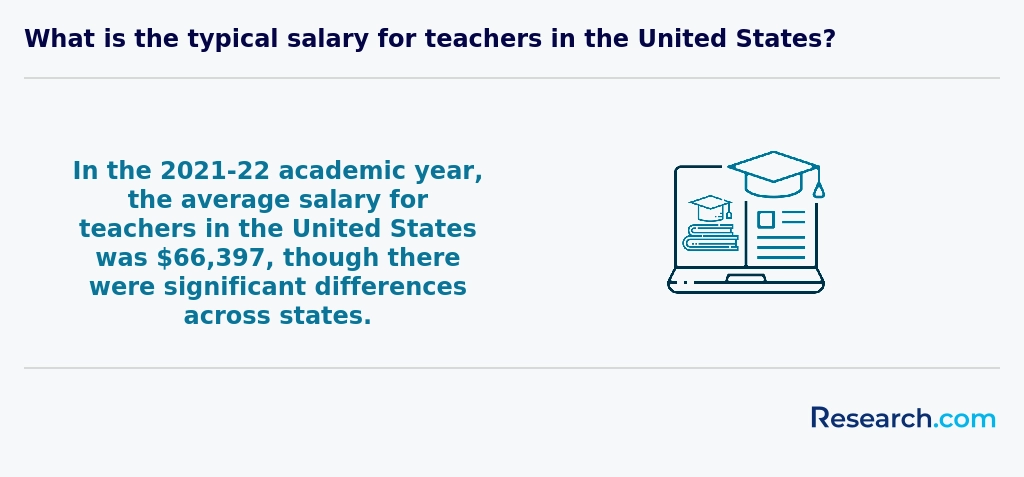
When you choose to study education in Moscow, you'll find a variety of specializations that really cover all the educational bases. Many students at popular Moscow universities enjoy focusing on areas like Early Childhood Education, which is great if you love working with little kids and want to understand modern teaching strategies used internationally. Others dive into Special Education, gearing up to support students with unique learning needs-this field is increasingly important and really rewarding.
Educational Psychology is another popular choice, perfect for those curious about how kids learn and think, while School Administration and Management prepares you to take on leadership roles in schools. Plus, with Moscow's international vibe, lots of students pick Foreign Language Teaching, especially English as a Second Language-something that graduates find particularly useful here.
Many who explore education degree specializations in Moscow appreciate how these programs blend global and local insights. If you want to explore cost-effective options like affordable online special education degrees alongside your studies, Moscow offers a smart path without breaking your budget.
When picking the best education degree programs in Moscow, think beyond just the name of the school. Graduates from well-known universities often share how important it was to check if the program offers hands-on internships in local schools-this really helped them feel ready for real-world teaching. Also, since many programs are in Russian, make sure you're comfortable with the language or find one that's offered in English, which about 20% of big universities provide. Cost is a big plus too-affordable education degrees Moscow offers often come with tuition fees much lower than what you'd pay back in the States, making it easier to focus on your studies without stressing your budget.
Some grads also loved programs with connections to international research or exchange options, which opened doors beyond Moscow. For US students aiming to advance further, looking into options like an online edd in educational leadership can be a smart next step after Moscow.
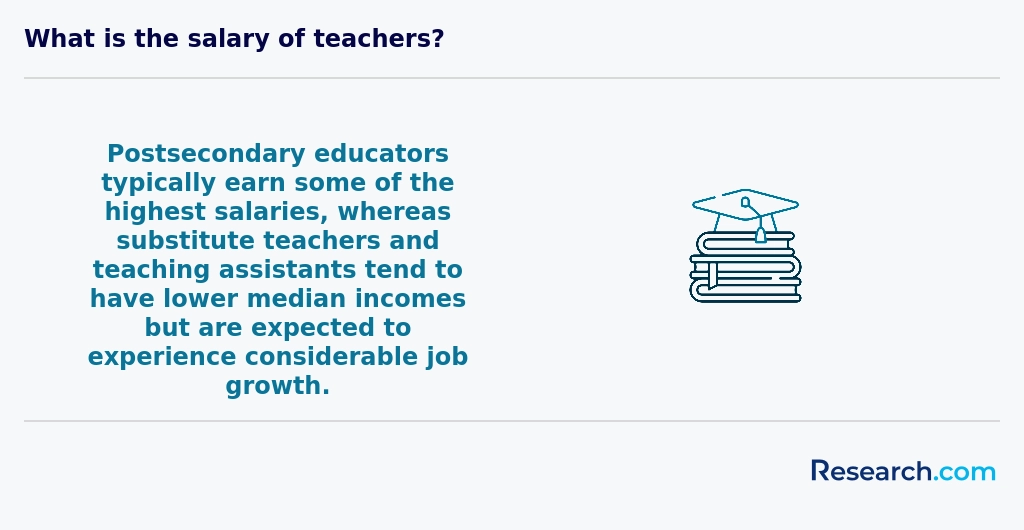
If you have an education degree in Moscow, you're looking at a range of exciting career paths that suit different interests. Many grads from popular colleges jump straight into teaching roles at primary or secondary schools, where they get to work with diverse student groups and try out fresh, modern teaching styles. Others find their sweet spot in school administration or curriculum design, helping shape how schools run and what students learn. A few even lean into educational research or advising at Moscow's universities, using their expertise in really dynamic ways.
Some graduates have shared how they became special education instructors, supporting kids with unique learning needs, or corporate training specialists, creating programs for local businesses. You'll find that jobs for education graduates in Moscow open doors in places you might not expect, like working as educational consultants or teacher trainers. If you want to see what the best in-demand education careers look like, Moscow offers plenty of paths.
Studying in Moscow also means tuition fees that are way friendlier than back home, usually between $2,000 and $5,000 per year, plus the chance to really connect with the educational pulse of Russia's capital.

The job market for education degree graduates in Moscow is pretty dynamic and promising, especially if you're coming from popular universities or colleges known for strong teacher training programs. Many graduates find themselves in public schools or private language centers where there's a real hunger for teachers skilled in modern educational technology and multilingual abilities. It's not uncommon for these grads to share stories of how their hands-on experience with innovative teaching methods helped them land solid jobs quickly. This demand reflects broader efforts in the city to boost educational standards, so having an education degree from Moscow really opens doors.
If you're looking into education degree job opportunities in Moscow, keep in mind there's also a niche for roles in administration and curriculum development, though those usually need a bit more experience. Some graduates from Moscow's colleges even explore teaching degrees online specialization to enhance their skills and stand out. Overall, while salaries might start modest, recent reforms aim to raise them, making the field more attractive for fresh educators.
2027 Most Valuable Education Degree Programs Ranking in Moscow
Investing in your education is a significant decision that can profoundly impact your future, and the Research.com team is keenly aware of the importance of making well-informed choices. To support students and professionals seeking advanced education opportunities in Moscow, we have carefully developed the "2027 Most Valuable Education Degree Programs Ranking in Moscow." Our dedication to quality, credibility, and accuracy is demonstrated through thorough research and analysis underpinning this ranking.
We utilized the following reputable data sources to ensure a comprehensive evaluation of education degree programs:
By exploring this ranking, readers will gain valuable insights into the most valuable education degrees available in Moscow, helping them make well-founded decisions about their academic investments. For further information on our approach, please visit our Research.com methodology page.

Frequently Asked Questions About education
Education degree students in Moscow can maximize their learning experience by combining rigorous academic study with practical application. Enrolling in programs that emphasize both theory and hands-on teaching practice is crucial. According to the Moscow Department of Education, over 70% of local universities integrate internships in their curriculum, allowing students to gain real classroom experience early on.
Students should also seek opportunities to engage with diverse learning communities. Collaborative projects and peer discussions enhance critical thinking and communication skills essential for future educators. Access to resources like the Moscow State Pedagogical University's digital library, hosting thousands of educational journals and materials, further supports comprehensive learning.
Finally, leveraging professional development workshops and networking events offered by institutions in Moscow can significantly broaden knowledge and career prospects.
Emerging niches within the education field reflect shifts in society and technology, especially relevant for students pursuing education degrees in Moscow. One key area is educational technology, driven by increased use of digital tools and online learning platforms. According to a 2023 report by the Moscow Department of Education, over 40% of schools have integrated digital learning, prompting demand for specialists who can develop and manage these systems.
Another growing niche is special education, focusing on inclusive practices and support for students with disabilities. Moscow's inclusive education reforms have expanded this sector significantly in recent years.
Lastly, early childhood education remains vital. With declining birth rates in Russia, quality early education programs are prioritized to enhance childhood development outcomes.
Preparing for the job market after completing an education degree in Moscow involves several key steps. First, gaining practical experience through internships or student teaching placements is essential. Many Moscow universities collaborate with local schools, providing valuable hands-on training. According to the Moscow Department of Education, over 70% of graduates secure employment within six months when they engage in such programs.
Second, building a strong professional network aids job search success. Attending education conferences and joining teacher associations in Moscow can connect graduates with experienced educators. Additionally, enhancing skills in English and digital technologies increases employability given Moscow's diverse school environments.
Lastly, tailoring resumes to US education standards may benefit students seeking international opportunities while maintaining Moscow's competitive edge in the job market.
Employers seeking education degree graduates in Moscow prioritize a combination of strong communication and classroom management skills. According to recent surveys by Moscow's Department of Education, over 75% of school administrators value the ability to engage diverse student populations effectively.
Technological proficiency is another vital skill, especially familiarity with digital teaching tools. The integration of e-learning platforms has grown by 40% in Moscow's schools since 2020, emphasizing tech-savvy educators.
Additionally, adaptability and problem-solving skills are crucial as Moscow's education system continues to evolve post-pandemic. Research from the Higher School of Economics highlights that graduates who demonstrate cultural awareness and collaborative teamwork rank higher in employment opportunities within education sectors.
Finding internships in Moscow relevant to an education degree involves targeted research and networking. Many U.S. students pursue internships through educational institutions partnered with Moscow universities, which streamline placement processes. Key platforms include the U.S. Department of Education's Study Abroad portal and Moscow-based organizations like the Moscow City Pedagogical University, known for offering practical teaching internships.
Statistically, about 40% of education degree students in Moscow secure internships at public schools or international educational centers, providing hands-on experience. Enrollment in Moscow's teacher training programs often includes mandatory internships, helping students connect with local schools through official channels.
Utilizing career services and attending education fairs in Moscow increases chances to find internships aligned with U.S. education standards.
In Moscow, holding an education degree significantly enhances career mobility, especially in teaching and administrative roles. According to the Moscow City Education Department, graduates with relevant degrees often experience faster promotions compared to those without formal education credentials. For example, teachers with a bachelor's or master's in education have a 30% higher chance of advancing to senior or specialized positions within five years.
Employers in Moscow prioritize certified qualifications, reflecting trends in the broader Russian education sector. Additionally, an education degree can open opportunities in curriculum development and educational consulting, fields experiencing steady growth.
Furthermore, possessing a recognized degree improves eligibility for competitive public sector roles and increases salary potential by up to 25%, based on recent government labor reports.
Studying for an education degree in Moscow offers students strong preparation for interdisciplinary roles by emphasizing diverse teaching methods and broad subject knowledge. Programs often integrate psychology, sociology, and technology, equipping graduates to address complex learning environments.
According to recent statistics from the Moscow City Education Committee, over 60% of education programs include interdisciplinary coursework, preparing students for roles beyond traditional classrooms. This approach fosters collaboration across fields like special education, curriculum design, and educational policy.
Additionally, many Moscow universities maintain partnerships with international institutions, exposing students to global perspectives essential for interdisciplinary work. These connections help future educators develop flexible problem-solving skills applicable in various educational contexts.
Choosing between a thesis and a non-thesis education degree program in Moscow largely depends on your career goals and learning preferences. A thesis option involves conducting original research and writing a substantial paper, which is ideal for students considering academic or research careers.
Non-thesis programs typically require additional coursework or a comprehensive exam instead. This option suits professionals aiming to apply practical knowledge directly in educational settings without a research focus.
According to recent data from the Russian Ministry of Education, Moscow universities tend to offer both formats, with thesis programs often taking longer to complete-usually two years compared to 1.5 years for non-thesis tracks.
Financially, thesis programs may incur higher costs due to extended enrollment, so it is vital to consider budget and time constraints when deciding.
Students based in Moscow interested in studying education abroad often consider the United States due to its diverse and well-established higher education system. American universities offer a variety of education degrees, including Bachelor's, Master's, and Doctoral programs focusing on areas such as curriculum development, educational psychology, and administration.
The U.S. is known for its flexible study options, including online and hybrid programs, which can accommodate international students. Additionally, many institutions provide scholarships and assistantships specifically for education students, helping to offset tuition costs.
According to the Institute of International Education, Russia ranked within the top 25 countries sending students to the U.S. in recent years, largely due to interest in STEM and education fields.
Admissions typically require proof of English proficiency, standardized test scores like the GRE for graduate degrees, and credential evaluation. Recognizing these factors can help Moscow-based students effectively plan their applications.
For students pursuing an education degree in Moscow, part-time job opportunities often align with gaining practical experience in the field. Roles such as teaching assistants or private tutors are common, allowing students to apply theoretical knowledge while earning income. According to a 2023 report by the National Research University Higher School of Economics, tutoring demand in Moscow increased by 15% over the last five years, especially in language and math subjects.
Additionally, educational support staff positions in local schools and language centers offer valuable hands-on experience with classroom management and curriculum development. These roles help students build essential skills and professional networks.
Campus-based research assistantships in education departments are also available, providing insight into pedagogical studies and educational technologies. Such roles typically offer flexible hours suitable for students balancing coursework.
Education students in Moscow have access to diverse networking opportunities that can enhance their academic and professional growth. Many universities collaborate with US institutions, offering joint seminars, workshops, and exchange programs that connect students internationally. For example, Moscow State University frequently hosts conferences attracting educators from the US, fostering valuable connections.
Local education fairs and career expos are common, providing platforms where students meet potential employers and learn about practical job market trends. Additionally, professional organizations such as the Moscow Teachers' Association offer memberships and events designed for networking and mentorship.
Digital platforms also play a role, with online forums and LinkedIn groups specialized in US-Russia education collaborations growing steadily. These opportunities enable education students in Moscow to build meaningful contacts aligned with US education standards and practices.
Alumni networks offer significant benefits to education degree students in Moscow, even when considering the US higher education context. Students connected to active alumni groups tend to access enhanced mentoring opportunities, which can be crucial for early career development. According to a 2023 survey by the National Association of Colleges and Employers (NACE), 65% of graduates found jobs through alumni referrals.
In Moscow, students pursuing US-accredited education programs often leverage these networks to build professional relationships and secure internships both locally and internationally. Alumni events and online platforms provide a structured way to share insights about emerging educational trends, funding opportunities, and employment prospects.
Such engagement also fosters a sense of community, which research by the Institute of Education Sciences shows is linked to higher retention and graduation rates. Overall, active alumni networks help create valuable professional connections and practical support beyond the classroom.
In Moscow, customizing your education degree program to fit career goals involves selecting electives, specializations, and practical experiences aligned with your interests. Many universities, such as Moscow State University and the Russian Academy of Education, offer flexible curriculums where students can focus on areas like educational psychology, curriculum design, or administration.
Students often combine coursework with internships or research projects to gain relevant skills. According to the National Research University Higher School of Economics, over 60% of education students in Moscow tailor their study plans through elective modules to match evolving job market demands.
Additionally, engaging with faculty mentors helps refine career focus. It is advisable to explore programs that integrate theory with applied practice and international perspectives, which are increasingly important in global education careers.
Education students in Moscow face several notable challenges that reflect both local and broader academic trends. One major issue is adapting to a curriculum that often emphasizes theory over practical experience, which can limit hands-on teaching skills development. According to a 2023 report by the Higher School of Economics, nearly 40% of education students in Moscow expressed concerns about insufficient practicum opportunities.
Language barriers can also be a challenge, especially for international students or those aspiring to adopt bilingual education methods. Moreover, navigating the competitive job market post-graduation adds pressure, as Moscow's education sector increasingly seeks candidates with both teaching credentials and advanced digital literacy.
Financial constraints are another factor; tuition fees combined with living costs in Moscow often make degree completion difficult without scholarships or part-time work. Lastly, mental health issues related to academic stress have been rising, with a 2022 Moscow State University survey noting a 15% increase in reported anxiety among education students over the past five years.
With an education degree, you can pursue several professional certifications that enhance teaching careers across the United States. Common certifications include state teaching licenses, which are mandatory for public school educators. For example, the Praxis exams are frequently required to demonstrate subject mastery and teaching skills.
Additionally, you can obtain National Board Certification, a prestigious voluntary credential that indicates advanced teaching expertise. Other options include certifications in special education, English as a Second Language (ESL), and school administration.
While these certifications come from U.S. agencies, many Moscow-based universities design their education programs to prepare students for such qualifications, catering to those aiming to work internationally or return to the U.S. for teaching careers.
Writing a winning application for an education program in Moscow requires careful attention to detail and a strong presentation of your academic background. Start by clearly stating your goals and why you want to study education in Moscow. Highlight any relevant experience in teaching or educational settings, as many programs value practical knowledge alongside academic achievements.
Include well-crafted personal statements that reflect your passion and understanding of education. According to the US Department of Education, clarity and specificity in your goals improve acceptance chances. Additionally, ensure your transcripts and credentials are officially translated and evaluated for equivalency to US standards.
Strong letters of recommendation from academic or professional sources boost your application. Lastly, researching specific Moscow institutions' requirements, such as those of Moscow State University, can help tailor your documents for better success.
The career outlook for education graduates varies considerably worldwide, with the United States placing strong emphasis on teacher preparation and ongoing professional development. In the US, employment for education professionals is expected to grow by around 5% from 2021 to 2031, according to the U.S. Bureau of Labor Statistics. This steady growth is driven by increasing student enrollment and a focus on improving educational outcomes.
For students in Moscow pursuing education degrees, understanding these trends is valuable. Many US education programs emphasize skills such as curriculum design, educational technology, and special education, which are in growing demand globally.
The US system also supports diverse career paths beyond teaching, including educational administration, policy, and counseling. Graduates often have opportunities to work in various settings-from public schools to private institutions-reflecting global perspectives on flexibility within education careers.
Gaining practical experience while studying for an education degree in Moscow can significantly enhance your professional skills. Many universities in Moscow offer structured student teaching placements, allowing you to work directly in local schools under supervision. For example, the Higher School of Economics collaborates with Moscow's public schools to provide hands-on teaching opportunities.
Additionally, internships at educational organizations or NGOs focused on youth development can supplement classroom learning. According to Moscow Department of Education statistics, nearly 70% of education students participate in practical training before graduation.
Volunteering in after-school programs or tutoring centers also provides valuable experience. These options help build classroom management and communication skills essential for teachers in the US and abroad.
Choosing the right concentration within an education degree program in Moscow requires careful consideration of your career goals and interests. Education programs in Moscow often offer concentrations such as early childhood education, special education, educational technology, and administration, reflecting trends common in US higher education.
Research from the Moscow City University highlights that choosing a concentration aligned with market demand increases employability. For example, educational technology is growing rapidly worldwide, including in Moscow's schools. Meanwhile, special education remains critical due to increased awareness of diverse learning needs.
Students should also evaluate faculty expertise and resources available at their chosen institution. According to a 2023 report by the Russian Ministry of Education, practical training opportunities in Moscow can vary significantly based on concentration. Therefore, consulting program advisors and examining internship prospects is advisable before deciding.
- 2027 Most Valuable Education Degree Programs Ranking in Portland
- 2027 Most Valuable Education Degree Programs Ranking in Eugene
- 2027 Most Valuable Education Degree Programs Ranking in Stockton
- 2027 Most Valuable Education Degree Programs Ranking in San Francisco
- 2027 Most Valuable Education Degree Programs Ranking in Denver
- 2027 Most Valuable Education Degree Programs Ranking in Colorado Springs
- 2027 Most Valuable Education Degree Programs Ranking in Los Angeles
- 2027 Most Valuable Education Degree Programs Ranking in Riverside
- 2027 Most Valuable Education Degree Programs Ranking in Irvine
- 2027 Most Valuable Education Degree Programs Ranking in Phoenix
See What Experts Have To Say About Studying Education
Read our interview with Education experts

Alan J. Singer
Education Expert
Professor of Teaching, Learning and Technology
Hofstra University


- How to Build Work Experience While Studying - EN Global Education Ltd https://englobaleducation.co.uk/how-to-build-work-experience-while-studying/
- Skills Employers Look for in Business Graduates – EU Business School https://www.euruni.edu/blog/skills-employers-look-for-in-business-graduates/
- Moscow State Pedagogical University http://en.ukc-sputnik.ru/mspu
- Education degree - Tłumaczenie po angielsku - Słownik angielsko-polski Diki https://www.diki.pl/slownik-angielskiego
- International teaching and education jobs https://www.tes.com/jobs/search/international
- The importance of networking in the education sector https://www.tlclive.com/blog/the-importance-of-networking-in-the-education-sector
- Education Study Abroad Programs | Go Overseas https://www.gooverseas.com/study-abroad/education
- Online Degree vs. Traditional: Choosing the Right Path https://beal.edu/online-degree-vs-traditional/
- Best Educational Programs: PEDAGOGICAL EDUCATION https://hedclub.com/en/library/Best_Educational_Programs_041
- Education & Teaching in Russia 2026 | Top Universities & Course Programs | Standyou https://www.standyou.com/course-program/education-and-teaching/russia/


