
2027 Most Valuable Online Master's in Education Degree Programs Ranking in Illinois

Co-Founder and Chief Data Scientist
Choosing the right online master's in education program can be overwhelming, especially in Illinois. This article features the 2027 Most Valuable Online Master's in Education Degree Programs Ranking in Illinois, created by the Research.com team of data scientists. It's designed to help you make an informed decision about which programs truly stand out.
Whether you want to advance your career or deepen your knowledge, earning a degree in education can open many doors. Reading this ranking will give you valuable insights to find a program that fits your goals and lifestyle.
Key benefits of getting online education degree in Illinois
- Graduates with an education degree in Illinois can earn competitive salaries, such as $129,330 annually for Education Managers and $104,920 for Education Program Managers, reflecting strong financial opportunities.
- Popular Illinois universities offer career paths that include roles like Curriculum Specialist or Education Consultant, allowing graduates to impact schools and communities while enjoying diverse job options.
- Online education degrees provide flexibility and convenience, helping students balance work and study, as experienced by many graduates from Illinois institutions who value saving time and learning at their own pace.
- 2027 Most Valuable Online Master's in Education Degree Programs Ranking in Illinois
- What can I expect from online education degree in Illinois?
- Where can I work with online education degree in Illinois?
What can I expect from online education degree in Illinois?
The average cost of an online education degree in Illinois often surprises aspiring educators by being more accessible than expected. Graduates from popular programs at Illinois State University or University of Illinois Urbana-Champaign frequently recount how tuition ranges between $400 and $600 per credit hour for in-state students, making the full program cost between $24,000 and $36,000. This affordability is significant when balancing work and family commitments, especially considering many perceive advanced degrees as prohibitively expensive.
One common experience among these students is discovering financial flexibility through online learning, which allows them to invest in their future without sacrificing current responsibilities. The tuition prices reflect a strategic balance-challenging yet achievable-encouraging students to consider not just the price tag but the value of quality education paired with convenient, adaptable schedules.
Such insights debunk the myth that quality education has to come with overwhelming debt, especially in Illinois, where rigorous licensure preparation is embedded in these affordable online programs. This realistic cost awareness empowers potential educators to envision themselves successfully advancing their careers without financial strain.
Where can I work with online education degree in Illinois?
Graduates with an online education degree in Illinois frequently find themselves stepping into classrooms across public and private K-12 schools, where they become certified teachers, instructional coordinators, or school counselors. Imagine an alum from the University of Illinois system thriving while adapting lesson plans for both in-person and hybrid learning-showing how digital skills transform traditional roles. Others leverage their degrees at institutions like Northwestern University, developing online curricula or advising students remotely, reinforcing their value in higher education's evolving landscape.
Illinois graduates also discover rewarding opportunities in the tech hubs of Chicago, working with education technology companies that create innovative digital learning tools. Their mix of pedagogy and technology helps reshape education delivery, making it more accessible. Moreover, some find purpose in state education agencies, driving policies and training programs that impact thousands of teachers statewide. Nonprofits focusing on tutoring and community outreach also draw online education graduates eager to support underserved populations, turning passion into meaningful change.
Graduates from online education programs in Illinois often find themselves stepping into roles with compelling salary prospects that challenge average expectations. For example, a graduate from a well-known Illinois university who moves into an Education Manager role can anticipate a mean annual wage near $129,330, according to BLS data. This is a substantial leap compared to more traditional positions, underscoring the tangible value of advanced degrees pursued online.
Others who choose to specialize as Education Program Managers or Curriculum Specialists also experience strong earning potential, with mean salaries of $104,920 and $77,200 respectively. These figures reflect how focused expertise, often gained through Illinois' reputable online master's degree programs, translates into rewarding careers. Graduates recall how skills learned remotely at institutions like Illinois State University equipped them for these high-demand roles.
Even becoming a Higher Education Professor or Education Consultant in Illinois offers solid compensation, at $96,570 and $95,600 annually. The common theme is clear: online education degrees from Illinois empower graduates to secure positions that pay well above the median, blending flexibility with financial growth in a state known for diverse educational opportunities.
- Illinois offers accredited online master's and bachelor's degrees in education, including specializations like curriculum development and educational leadership.
- Tuition for online master's education programs at public universities ranges from $10,000 to $20,000, while private schools may charge over $30,000.
- Employment in education is expected to grow by about 5% in Illinois over the next decade, following national trends.
- Starting salaries for education graduates average around $50,000 per year, with experienced educators earning up to $70,000 annually.
- Graduates can work in teaching, educational technology, counseling, or administration, especially if they hold Illinois Professional Educator Licenses.
Completing an online education degree in Illinois usually takes around two years for full-time students, but this can vary widely. Graduates from well-regarded institutions like Governors State University or Northeastern Illinois University often share how their journeys stretched from as short as 18 months to over three years, depending on whether they studied full- or part-time. One graduate described balancing a busy work schedule with family commitments, which extended their timeline but allowed them the flexibility to truly absorb course material.
Many master's programs require 30 to 40 credit hours, and students can accelerate progress through summer sessions or by transferring prior credits. Yet, the emotional relief and confidence gained when pacing studies to match life's demands often outweigh the desire for speed.
Doctoral programs, including Ed.D. or Ph.D. tracks offered online, typically span three to five years, reflecting the extensive research and dissertation work. The real takeaway? Completing an education degree in Illinois online hinges less on a fixed timeline and more on personal circumstances and institutional support.
Achieving success in an online education program requires self-discipline, effective time management, and leveraging available resources. Begin by setting realistic goals and establishing a dedicated study schedule that aligns with your work and personal life. To optimize your learning experience, familiarize yourself with the digital tools and learning management systems used by your program. Regularly participating in online discussions and seeking clarification during virtual office hours can further enhance your understanding of complex topics. Additionally, be proactive in networking with classmates and instructors by joining academic forums and social media groups, which can lead to valuable collaborations and career opportunities. Professional development is also essential; consider attending webinars, workshops, or virtual conferences that focus on emerging trends in education and instructional technology. For a thorough analysis of cost-effective paths in online education, visit our ranking of affordable online education degree for detailed insights on balancing quality and affordability. Lastly, take advantage of career counseling services and mentoring programs offered by your institution. These resources can guide you through internship opportunities and provide personalized advice on how to translate your academic achievements into a successful career. Remember, continuous learning and self-improvement are key to thriving in your online education journey.
The difference between online and on-campus education degrees in Illinois goes beyond just where you attend class. Graduates from the University of Illinois Urbana-Champaign often recall how on-campus programs immersed them in hands-on experiences, like student teaching placements at local schools, fostering strong connections with professors and peers. Meanwhile, those pursuing online degrees celebrate the freedom to balance coursework with full-time jobs or family life, appreciating how virtual platforms make learning accessible anytime, anywhere.
Online learners at Illinois State University describe the challenge-and thrill-of mastering self-discipline while navigating video lectures and discussion boards. They value the cost savings too; with tuition often 20% to 50% lower, plus no commuting or housing expenses, many find the investment more manageable. Yet, some online students mention missing spontaneous hallway conversations or campus events that enrich social learning.
The essential question becomes what kind of education experience suits your life and goals. In Illinois, both options deliver accredited degrees and quality education, but the choice shapes your daily rhythms, social engagement, and how you connect to the learning community.
Navigating the application process for an online Master’s in Education in Illinois involves clear steps and timely preparation to maximize your chances of acceptance. Follow this step-by-step guide: 1. Research and Accreditation • Verify each program’s accreditation through bodies like the Council for the Accreditation of Educator Preparation (CAEP) or the Higher Learning Commission (HLC). • Compare curriculum, specializations, and support services. For cost-conscious students, also review the Affordable Online Education Degree Programs Ranking in Florida to gauge tuition benchmarks. 2. Application Deadlines and Requirements • Note early-decision, regular, and rolling-deadline dates-typically between October and June. • Confirm required materials: official transcripts, résumé/CV, statement of purpose, letters of recommendation (usually two to three), and standardized test scores (GRE/GMAT if required). 3. Crafting Your Personal Statement • Highlight your career goals, teaching philosophy, and how the program aligns with your objectives. • Use concrete examples-such as leadership in a classroom or technology integration-to demonstrate readiness for graduate-level study. 4. Gathering Supporting Documents • Order official transcripts at least six weeks before deadlines. • Request recommendation letters early, providing referees with guidelines and deadline reminders. • If required, schedule and prepare for the GRE/GMAT or submit a waiver request if eligible. 5. Submission and Follow-Up • Complete the online application portal carefully, review for errors, and pay any required fees. • After submission, monitor your email for admission decisions and financial aid offers. • Upon acceptance, confirm your enrollment, submit deposits, and attend any virtual orientation sessions. By adhering to this structured timeline and checklist, you’ll position yourself for a smooth admissions experience and a successful start to your online Master’s in Education in Illinois.
The average cost of an online education degree Illinois residents pursue typically centers around a median total cost of approximately $19,311. In-state students benefit significantly from reduced tuition rates averaging near $14,632, highlighting the distinct advantage of residency status when considering public universities. A graduate who completed their education degree at Illinois State University often reflects on paying roughly $400 per credit hour, a figure aligned closely with this in-state median, which makes the investment feel manageable for working professionals balancing life and studies.
Contrastingly, private institutions, as experienced by graduates from schools like Loyola University Chicago, can push tuition costs above the median, with some students encountering rates near or exceeding $20,000 total due to non-resident tuition or higher credit costs. This variance prompts deeper reflection on value - whether the additional expense correlates with accelerated programs or specialized curriculum offerings. Understanding Illinois online master's in education tuition fees means acknowledging these divergent paths and the impact of program structure and reputation on cost.
Many students embarking on this journey find that financial aid, scholarships, or employer tuition assistance play vital roles in diminishing upfront costs, making the dream of an education degree more attainable. For those weighing options, reviewing the most affordable education schools in Illinois offers practical insight into balancing costs with quality, providing a clearer path toward achieving their goals without sacrificing financial stability.
Upon earning your online Master’s in Education in Illinois, securing proper licensure is essential to begin teaching or educational leadership roles. Illinois issues two main teaching credentials: the Initial Educator License (IEL) and the Professional Educator License (PEL). To obtain the IEL, candidates must: 1. Complete a state-approved teacher preparation program (including online pathways). 2. Pass the edTPA portfolio assessment and applicable content-area tests via the Illinois Licensure Testing System (ILTS). 3. Apply through the Educator Licensure Information System (ELIS) and submit official transcripts. After two years of satisfactory teaching under the IEL and completing at least 120 Professional Development (PD) clock hours, educators qualify for the PEL. Requirements include:
- Submission of verified teaching evaluations.
- Documentation of PD aligned with the Illinois Professional Teaching Standards.
- A recommendation from a supervising administrator. Special education graduates must also complete the Illinois Special Education Teacher Tuition Waiver and pass the SPED content-area ILTS exam. Counselors and administrators follow a parallel path through the Illinois State Board of Education (ISBE), with additional leadership assessments. While navigating Illinois licensure, consider program affordability and return on investment. You may also explore our Affordable Online Education Degree Programs Ranking in Florida to compare tuition models and certification support services. Proper planning for licensure ensures your online degree translates into classroom impact and career advancement.
Graduate students pursuing online education degrees in Illinois often find financial aid opportunities that extend beyond the usual expectations. Imagine a graduate from a well-known Illinois public university relieved by federal loans like Direct Unsubsidized and Grad PLUS, which balance manageable fixed interest rates with flexible repayment plans, allowing focus on studies rather than finances. Despite Pell Grants favoring undergraduates, these loans become lifelines for online learners aiming to advance their careers in education.
State programs, such as those managed by the Illinois Student Assistance Commission, may not always spotlight graduate aid, yet many graduates have tapped into unique scholarships tailored for education majors at institutions like the University of Illinois or Northern Illinois University. These personal stories reveal how institutional scholarships and assistantships create breathing room, sometimes offering stipends in return for teaching or research support, providing a real sense of partnership with their school.
Employer tuition assistance further galvanizes hope, especially when school districts reimburse costs, making the daunting price tag of graduate tuition feel more like an achievable investment than a burden. At the same time, private scholarships from organizations dedicated to education advocate strongly for candidates, making financial aid feel not just transactional but affirming of their future impact as educators.
. For students interested in exploring education beyond traditional teaching roles, Illinois offers a range of alternative paths and specializations. One such option is to pursue a career in educational consulting, where graduates can advise schools on best practices and curriculum development. Another avenue is to specialize in areas like special education, early childhood education, or educational technology. To find institutions that offer such specialized programs at an affordable rate, students can look into the most affordable education schools in Illinois, which provide a comprehensive education at a lower cost. By considering these alternatives and specializations, students can tailor their educational journey to suit their interests and career aspirations, ultimately leading to a more fulfilling and impactful career in education.
Enrolling in an online education degree in Illinois demands more than just paperwork-it requires a foundation built on academic rigor and clear intent. Graduates from institutions like the University of Illinois Urbana-Champaign or Loyola University often recall the challenge of proving their readiness through a bachelor's degree from an accredited university, usually under the Higher Learning Commission's umbrella. This prerequisite isn't just bureaucratic; it shapes how prepared you are for advanced concepts.
Consider the common GPA threshold around 3.0, a hurdle that pushed many students to deepen their focus during undergrad. It isn't simply a number-it's a signal of discipline and potential mastery of subject matter. Submitting transcripts, recommendation letters, and thoughtful personal statements gives admissions committees a window into your determination, echoing experiences of past online learners who felt this process helped crystallize their professional goals.
Some programs still ask for GRE scores, though more have embraced flexibility, understanding the real-world demands on working professionals. For those pursuing licensure, holding a valid Illinois teaching certificate and being prepared for background checks link theory with practice, highlighting a pathway grounded in responsibility and trust within the community.
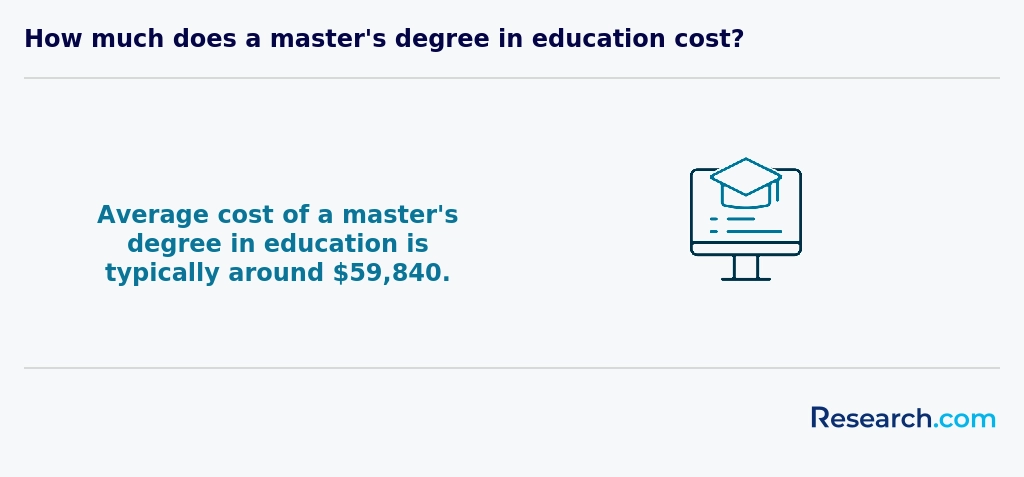
Deciding on the best online master’s in education in Illinois means weighing tuition costs against potential salary gains and career advancement. On average, Illinois graduates see a 20–30% salary increase within three years of earning their degree, recouping the typical $60,000 investment in approximately five years. When evaluating programs, consider factors like alumni placement rates, average starting salaries, and additional benefits such as tuition reimbursement or employer partnerships. Key ROI considerations: • Average salary boost: Entry‐level educators earn $45,000–$50,000 post‐graduation, rising to $75,000–$90,000 in administrative roles within five years. • Breakeven point: With a mid‐career salary increase of $15,000 annually, most graduates offset program costs in 4–6 years. • Intangible gains: Leadership skills, networking opportunities, and specialized certifications often accelerate promotions and expand career pathways. Comparative analysis across states highlights Illinois’ competitive edge in job growth and employer demand. For example, tuition in Illinois public universities is 10–15% lower than comparable programs in neighboring states, while starting salaries remain on par. If you’re weighing cost versus outcomes in different regions, our Affordable Online Education Degree Programs Ranking in Florida offers valuable insights into how Florida programs stack up on affordability and ROI. By quantifying both monetary and professional returns, prospective students can make data-driven decisions that align with their long-term career goals, ensuring their online master’s in education delivers maximum value.
Curriculum Development classes offer practical insights, pushing students to design tailored learning experiences that meet diverse needs, reflecting real-world challenges they see firsthand during internships. At these universities, Instructional Technology courses don't just introduce tools; they invite learners to imagine innovative ways to engage students remotely, a skill now essential for modern educators.
Many reflect fondly on Assessment and Evaluation, where they learned to critically analyze student progress rather than rely simply on grades, fostering a deeper commitment to equity and personalized guidance. Educational Leadership courses encourage students to envision their future roles as advocates, shaping policy and driving change within Illinois's unique educational landscape.
When exploring online education degree specializations in Illinois, prospective students often find a spectrum of options that challenge the traditional one-size-fits-all approach. Graduates from well-known Illinois colleges frequently share how specializations like Curriculum and Instruction transformed their teaching strategies, allowing them to innovate in real classrooms and witness increased student engagement. Meanwhile, those focused on Educational Leadership discover themselves quickly adapting to administrative challenges in districts facing teacher shortages, especially in STEM and special education fields.
Illinois online master's in education concentration options such as Special Education and Instructional Technology offer more than theoretical knowledge-they empower educators to implement inclusive technologies and tailored learning plans, vividly improving outcomes for students with diverse needs. Graduates often recall how their online experiences resonated with the immediate demands of their schools, helping sustain motivation amid challenging environments.
For those weighing costs and program value, the ranking of affordable online education degree programs highlights Illinois institutions balancing quality with affordability, further enhancing the appeal of specialized online paths. These choices reflect a growing awareness that education today demands not just teaching, but adaptability and leadership embedded within distinct focus areas.
Choosing the best online education degree in Illinois demands more than browsing school websites; it invites you to imagine your daily life balancing work, family, and study. Graduates from popular Illinois universities often share how programs offering true asynchronous learning transformed their experience-allowing them to engage in coursework late at night or early mornings, fitting education seamlessly into chaotic schedules. Yet, affordability remains a pressing concern: many weigh tuition against personal budgets, affirming the value found in Affordable Online Education Degree Programs Ranking in Florida as a comparative lens, even while focusing on Illinois institutions.
When searching for the best online education degree programs Illinois candidates stress the importance of accreditation by CAEP or HLC, knowing it cements their degree's credibility to future employers and licensure boards. Faculty expertise also shapes success stories-graduates praise instructors holding doctoral degrees who not only teach but mentor online students effectively. Ensuring your program's alignment with Illinois State Board of Education requirements for certification or advanced credentials profoundly impacts real career outcomes in classrooms or administration across the state.
Graduates with an online education degree in Illinois find themselves at a crossroads of dynamic career possibilities that defy the notion of traditional teaching roles. Many pursue certification through the Illinois State Board of Education and quickly move into teaching positions, but there's more beyond the classroom. For those graduating from well-regarded programs at universities like the University of Illinois or Northern Illinois University, careers as instructional coordinators or curriculum specialists provide a fulfilling path-merging creativity with the challenge of integrating technology to shape future-ready classrooms. This reflects the broader trend seen in available online education degree jobs in Illinois, where the demand for education administrators and program directors grows steadily.
Others find rewarding leadership roles managing complex educational systems, leveraging skills learned through rigorous online coursework combined with real-world relevance. Graduates often note their excitement when transitioning into these roles, emphasizing a sense of purpose and impact. Indeed, the Illinois landscape also opens doors in nonprofit and government sectors supporting adult education and workforce development, where passion meets community influence.
Illinois students considering an online degree should carefully weigh the investment, often between $10,000 and $20,000 annually, but many affirm the payoff is well worth it. If affordability is a concern, exploring affordable master's degrees online can be a strategic step toward expanding career options with education master's credentials.
Graduates holding an online education degree in Illinois find themselves in a dynamic job market fueled by persistent demand and shifting educational priorities. Public and private K-12 schools across the state employ over 170,000 teachers, and many graduates from notable institutions like the University of Illinois Urbana-Champaign or Loyola University Chicago share stories of quickly securing roles as classroom teachers, instructional coordinators, or school counselors. This landscape challenges the outdated notion that teaching jobs are saturated-especially in specialized fields such as special education, science, and math, where shortages create significant openings.
Many graduates appreciate the flexibility of online programs blending real-world experience with theory, making them confident candidates for administrative and counseling positions, which are also growing fields. When considering online education degree jobs in Illinois, it's clear that pursuing advanced degrees can translate into salary boosts ranging from 5% to 15%, an encouraging factor for professionals balancing work and study.
For those curious about educational paths, exploring what is the fastest and easiest bachelor's degree to get can provide insights into accessible entry points to the profession while positioning for success in Illinois' competitive landscape.
2027 Most Valuable Online Master's in Education Degree Programs Ranking in Illinois
Investing in your education is a significant decision that can profoundly impact your future, and the Research.com team is committed to helping you make the best-informed choice. To support prospective students in Illinois, we have carefully developed the "2027 Most Valuable Online Master's in Education Degree Programs Ranking in Illinois." Our dedication to quality, credibility, and accuracy is demonstrated through thorough research and analysis conducted for this ranking.
We utilized the following reputable data sources to ensure a comprehensive evaluation of online master's in education programs:
By reviewing this ranking, readers will gain valuable insights into the most worthwhile online education degrees in Illinois, enabling them to confidently navigate their educational journey. For a deeper understanding of how this ranking was created, please visit our Research.com methodology page.
# 1 position
University of Illinois at Urbana-Champaign
Master of International Education Administration and Leadership


# 5 position
University of Illinois Chicago
Master of Measurement, Evaluation, Statistics and Assessment


# 10 position
Erikson Institute
Master of Early Childhood Education (Licensure)

Frequently Asked Questions About education
Online education degree students in Illinois can maximize their learning experience by actively engaging with course materials and utilizing campus resources. According to the Illinois Board of Higher Education, over 70% of Illinois colleges offer technical support and academic advising for online learners, which can improve success rates.
Setting a consistent study schedule helps maintain focus, while participating in virtual study groups can enhance understanding through peer collaboration. Additionally, students should leverage local library access and Illinois-specific databases often provided by universities, increasing research quality.
Familiarity with Illinois state teaching standards through resources like the Illinois State Board of Education aids future educators in aligning coursework with licensure requirements.
Emerging niches within the education field reflect the evolving demands of Illinois' diverse student population and workforce. One growing area is educational technology, focusing on integrating digital tools to enhance learning experiences. According to the Illinois State Board of Education, more districts are investing in online learning platforms, driving demand for specialists in this niche.
Another expanding field is special education, addressing the needs of students with disabilities. Illinois reports a steady increase in special education enrollment, which creates opportunities for experts trained in inclusive and adaptive teaching methods.
Additionally, bilingual education is gaining importance, particularly in urban areas like Chicago where many students are English language learners. Educators skilled in dual-language instruction are increasingly sought after to support this trend.
After completing an online education degree in Illinois, it is important to strategically prepare for the job market. Begin by researching local district hiring trends; Illinois schools increasingly value candidates with specialized licenses, such as ESL or special education endorsements. According to the Illinois State Board of Education, the demand for qualified teachers in STEM and special education fields continues to grow.
Networking is essential-join professional organizations like the Illinois Education Association to connect with potential employers. Consider gaining relevant experience through substitute teaching or volunteering. Additionally, updating your resume to highlight online learning skills and digital literacy can give you an edge in today's technology-driven classrooms.
Finally, familiarize yourself with state certification requirements and pursue any necessary exams promptly to ensure timely employment eligibility.
Employers in Illinois highly value education degree graduates who demonstrate strong communication skills and cultural competence. According to the Illinois State Board of Education, candidates must effectively engage diverse student populations and collaborate with families and communities.
Additionally, classroom management and technology integration are critical skills. With the growing emphasis on digital learning, graduates familiar with educational technology tools stand out in the job market.
Data from the National Center for Education Statistics highlights adaptability and continuous professional development as top priorities among Illinois school districts. Graduates who show a commitment to lifelong learning and evidence-based teaching strategies are preferred.
Finding internships in Illinois relevant to an education degree involves several effective strategies. First, students should utilize university career centers, which often partner with local schools and educational organizations to offer internship placements. According to the Illinois Board of Higher Education, many Illinois institutions promote experiential learning through such programs.
Additionally, exploring state resources like the Illinois State Board of Education's educator pipeline initiatives can help locate opportunities designed to prepare future teachers. Online platforms like Handshake and internships.com also list education-specific internships within Illinois school districts and community programs.
Networking with faculty, attending job fairs, and joining professional organizations such as the Illinois Education Association can further improve chances. These methods align well with the requirements for licensure and practical experience needed in Illinois education careers.
Obtaining an online education degree in Illinois significantly enhances career mobility and advancement opportunities. According to the Illinois Board of Higher Education, educators with master's degrees often qualify for higher salary scales and leadership roles within school districts. Online degrees offer flexibility, allowing working professionals to gain advanced credentials without interrupting their careers.
The Illinois State Board of Education reports that teachers with graduate degrees are more competitive for promotions such as curriculum coordinators or administrative positions. Additionally, many districts in Illinois require a master's degree for licensure renewal and career advancement, making online education programs a practical path.
These degrees also prepare candidates for specialized roles, including special education or instructional technology, fields growing in demand throughout Illinois public and private schools.
Studying for an education degree online in Illinois equips students with skills applicable across multiple disciplines. Illinois universities align their programs with state standards emphasizing collaboration, technology integration, and culturally responsive teaching. This approach ensures graduates are prepared to work not only in traditional classrooms but also in roles involving educational technology, counseling, and administration.
Many Illinois programs incorporate coursework in psychology, communication, and leadership, fostering interdisciplinary understanding. According to the Illinois Board of Higher Education (IBHE), over 60% of education graduates engage in roles requiring cross-disciplinary knowledge within five years of graduation. This preparation enables professionals to adapt to diverse educational environments and evolving workforce demands.
Choosing between a thesis and a non-thesis education degree program in Illinois depends largely on your career goals and learning preferences. Thesis programs typically involve original research, suited for students aiming to pursue doctoral studies or research roles. They require substantial time for writing and defense, usually extending program duration.
Non-thesis options focus on practical skills through coursework and fieldwork, ideal for professionals seeking immediate job advancement. According to the Illinois Board of Higher Education, online master's programs offering both paths have enrollment rates growing by 12% annually, reflecting diverse student needs.
Evaluate faculty expertise, program flexibility, and how each option aligns with your future plans before deciding.
Students based in Illinois seeking to study education abroad have various online options connected with international programs and partnerships. Illinois institutions such as the University of Illinois offer online degrees with global perspectives, enabling access to international education curricula without leaving the state. According to the Illinois Board of Higher Education, over 15% of graduate students enroll in online programs, reflecting growing demand for flexible, globally-informed education.
Some universities incorporate study-abroad components through virtual exchanges or short-term residencies, often recognized by Illinois licensure requirements. Additionally, students can find programs aligned with international teaching standards, helping those interested in global education careers or cross-cultural teaching. Resources like the Institute of International Education provide data to guide students on program accreditation and outcomes.
Part-time job opportunities in Illinois that complement an education degree are diverse and support practical experience. Many students work as substitute teachers, which allows them to apply classroom management and lesson planning skills while earning income. According to the Illinois State Board of Education, substitute teachers earn an average of $130 per day, providing valuable exposure to local school environments.
Other roles include teacher aides or paraprofessionals, assisting certified teachers with instructional tasks and student supervision. These positions often require less certification, making them accessible while pursuing a degree.
Additionally, tutoring services are in demand; private tutors in Illinois typically earn $20 to $30 per hour. This enhances subject-matter expertise and communication skills, essential for education professionals.
Online education students in Illinois have multiple networking opportunities despite the virtual setting. Many universities incorporate virtual events such as webinars, guest lectures, and networking mixers to connect students with faculty, alumni, and peers. For example, the Illinois Board of Higher Education supports online engagement initiatives that enhance collaboration among students across campuses.
Professional organizations like the Illinois Education Association provide online forums and local chapter events, facilitating connections within the education field statewide. Additionally, platforms like LinkedIn have become vital for Illinois educators to network and share resources. According to the National Center for Education Statistics, over 30% of Illinois graduate students enrolled online participate actively in such virtual professional communities.
These structured and informal channels help online students build relationships critical to career advancement and knowledge exchange in education.
Alumni networks play a crucial role for online education degree students in Illinois by providing valuable professional connections and career support. According to the Illinois Board of Higher Education, institutions with strong alumni engagement often report higher employment rates among graduates. These networks offer mentorship opportunities, helping students navigate the job market with advice from experienced educators.
Many Illinois universities maintain active online platforms where alumni share job openings, resources, and industry news. This community fosters a sense of belonging despite the virtual nature of online programs. Access to such networks can significantly enhance career prospects and professional growth for education graduates.
Customizing an online education degree program in Illinois starts with selecting a specialization that matches your career ambitions. Many institutions offer concentrations such as curriculum design, educational leadership, or special education, allowing students to focus their studies.
Illinois universities often provide electives and practicum opportunities tailored to regional education needs, supporting hands-on experience. For example, programs accredited by the Council for the Accreditation of Educator Preparation ensure relevant and quality coursework, which is essential for licensure in Illinois.
Additionally, some programs offer flexible pacing and course delivery to accommodate working professionals. According to the Illinois Board of Higher Education, nearly 30% of online education students in the state customize their curriculum to integrate real-world teaching challenges.
Online education students in Illinois often face challenges related to balancing coursework with work and family commitments. A 2022 survey by the Illinois Board of Higher Education (IBHE) noted that nearly 60% of online learners struggled with time management due to these competing demands.
Another common difficulty is limited access to reliable high-speed internet in certain rural areas of Illinois. According to the Federal Communications Commission (FCC), about 10% of Illinois residents lack sufficient broadband, which can hinder participation in synchronous online classes.
Moreover, some students report feeling isolated, missing face-to-face interactions that support motivation and engagement. A 2021 IBHE study found that 45% of online learners experienced reduced social connection, affecting retention rates.
Technical issues and unfamiliarity with digital platforms also present obstacles, especially for adult learners new to technology-based education.
With an online education degree in Illinois, graduates can pursue various professional certifications to enhance their careers. One of the most common is the Illinois Professional Educator License (PEL), which allows for teaching in public schools across the state. This license often requires passing exams such as the Illinois Licensure Testing System (ILTS).
Other certifications include National Board Certification, recognized nationwide for teaching excellence. Additionally, educators may seek endorsements in special education, ESL, or administration offered by the Illinois State Board of Education.
According to the Illinois Board of Higher Education, 25% of educators in Illinois hold some form of specialized certification, reflecting the demand for advanced credentials in the school system.
Writing a winning application for an online education program in Illinois requires clarity and preparation. Begin with a well-structured personal statement explaining your motivation and career goals related to education. Highlight any professional or volunteer experience in teaching or educational settings, as practical experience strengthens your case.
Illinois institutions often require standardized test scores or previous academic transcripts with at least a 3.0 GPA, so ensure these documents are ready and accurate. According to the Illinois Board of Higher Education, many programs value a strong academic record and relevant experience highly.
Request recommendation letters from supervisors or educators who can attest to your skills and dedication. Finally, ensure you meet all deadlines and tailor your application to each program's specific requirements for the best chance of acceptance.
Education careers in Illinois reflect broader trends seen across the United States, where teaching is valued as both a local and global profession. According to the Illinois State Board of Education, there is a steady demand for qualified educators, especially with a push toward inclusive and diverse classrooms. Globally, education professionals are increasingly encouraged to adopt cross-cultural awareness and digital literacy skills, which are also emphasized in many Illinois online master's programs.
In the U.S., including Illinois, education degrees focus on developing practical skills for classroom management, curriculum design, and technology integration. This helps future educators meet global standards and challenges. For Illinois students, online degrees provide flexible pathways to enter this growing profession, which the U.S. Bureau of Labor Statistics forecasts will grow 5% by 2031.
Gaining practical experience while pursuing an online education degree in Illinois is essential. Many programs incorporate student teaching or practicum requirements, allowing candidates to work in local schools under supervision. The Illinois State Board of Education mandates a specific number of clinical experience hours for teacher licensure, typically ranging from 100 to 200 hours depending on the certification sought.
Additionally, partnerships between universities and school districts often provide internship opportunities. Online students can collaborate with educators in their communities, completing hands-on assignments aligned with coursework. The Illinois Board of Higher Education supports such initiatives to bridge theory and practice effectively.
Virtual simulations and case studies are also valuable resources, enabling students to develop classroom management and lesson planning skills in a controlled environment before in-person sessions begin.
Choosing the right concentration within an online education degree program in Illinois involves understanding your career goals and the local job market. Illinois has a strong demand for educators skilled in special education, educational technology, and curriculum development, according to the Illinois State Board of Education.
Research the concentrations offered by accredited Illinois institutions and consider which align with your interests and strengths. For example, if you are passionate about supporting diverse learners, special education may be a good fit. Alternatively, educational technology concentrations prepare you for integrating digital tools in classrooms, a growing field in Illinois schools.
Review licensure requirements if you aim to become a licensed teacher, as Illinois mandates specific coursework for different teaching specializations. Using resources like the Illinois Professional Educator Licensure Board can help clarify these requirements.
Lastly, consider program flexibility and support services, which are crucial for online learners balancing work and study. Many Illinois programs offer tailored advising to help match concentrations with career advancement opportunities.
- 2027 Most Valuable Online Master's in Education Degree Programs Ranking in Indiana
- 2027 Most Valuable Online Master's in Education Degree Programs Ranking in Wisconsin
- 2027 Most Valuable Online Master's in Education Degree Programs Ranking in Iowa
- 2027 Most Valuable Online Master's in Education Degree Programs Ranking in Missouri
- 2027 Most Valuable Online Master's in Education Degree Programs Ranking in Kentucky
- 2027 Most Valuable Online Master's in Education Degree Programs Ranking in Michigan
- 2027 Most Valuable Online Master's in Education Degree Programs Ranking in Minnesota
- 2027 Most Valuable Online Master's in Education Degree Programs Ranking in Ohio
- 2027 Most Valuable Online Master's in Education Degree Programs Ranking in Kansas
- 2027 Most Valuable Online Master's in Education Degree Programs Ranking in South Dakota
See What Experts Have To Say About Studying Education
Read our interview with Education experts

Nooshan Ashtari
Education Expert
Professor & Book Author
University of Southern California

Alan J. Singer
Education Expert
Professor of Teaching, Learning and Technology
Hofstra University

- How To Become a Teacher in Illinois https://ieanea.org/resources/how-to-become-a-teacher-in-illinois/
- Online Professional Education - Blackburn College https://blackburn.edu/academics/online-professional-education/
- Best Online Colleges In Illinois 2025 https://www.affordablecollegesonline.org/online-colleges/illinois/
- Online Degree Programs & Courses - WIU https://www.wiu.edu/online/
- Creating Conditions Where Students Can Thrive https://edsystemsniu.org/creating-conditions-where-students-can-thrive/
- Engaging Students in Meaningful Learning Experiences https://www.facultyfocus.com/articles/effective-teaching-strategies/engaging-students-in-meaningful-learning-experiences/
- How Pathways In Education (PIE) Puts Students First | Illinois https://il.pathwaysineducation.org/2025/03/17/how-pathways-in-education-pie-puts-students-first/
- Educating In The AI Era: The Urgent Need To Redesign ... https://learningpolicyinstitute.org/blog/educating-ai-era-urgent-need-redesign-schools
- Elementary Education, BS Online | Accredited Liberal Arts ... https://www.greenville.edu/academics/online-programs/elementary-education-bs-online
- Online Education Licensure https://www.ic.edu/education-licensure


