2027 Most Valuable Online Master's in Education Degree Programs Ranking in Wisconsin

Co-Founder and Chief Data Scientist
Are you considering advancing your career with a master's degree in education? Choosing the right online program can feel overwhelming, especially with so many options available.
This article introduces the 2027 Most Valuable Online Master's in Education Degree Programs Ranking in Wisconsin, developed by the Research.com team of data scientists. It helps you identify which programs offer the best value and benefits for your investment of time and money.
By exploring this ranking, you can make a confident, informed decision and move closer to achieving your professional goals in education.
Key benefits of getting online education degree in Wisconsin
- Education degree graduates in Wisconsin can earn competitive salaries, such as Education Managers averaging $129,330 annually and Curriculum Specialists earning around $77,200 per year.
- Graduates from universities like the University of Wisconsin-Madison often pursue rewarding careers in roles like Education Consultants or Program Managers, offering diverse opportunities to impact the community.
- Online education degrees from schools such as UW-Whitewater allow flexible study schedules and save commuting time, helping students balance work and life while advancing their careers effectively.
- 2027 Most Valuable Online Master's in Education Degree Programs Ranking in Wisconsin
- What can I expect from online education degree in Wisconsin?
- Where can I work with online education degree in Wisconsin?
What can I expect from online education degree in Wisconsin?
When considering the average cost of an online education degree in Wisconsin, most graduates find that tuition typically ranges between $10,000 and $20,000 per year. For example, those enrolled in programs offered by the University of Wisconsin System often appreciate this competitive pricing compared to traditional on-campus options. It's not uncommon for students balancing work and family to find relief in knowing such degrees are accessible without exorbitant costs.
Graduates reflect warmly on the financial support available, like scholarships targeted specifically at online learners in education fields, which help ease the burden. The affordability combined with flexible schedules at institutions like UW-Madison or UW-Whitewater enables students to pursue advanced knowledge without sacrificing their current commitments.
From personal experiences, many find the investment worthwhile because programs are thoughtfully designed to align with state teaching licenses and career advancement goals. The practical connection to local schools enhances this value, making the cost feel like a step toward both growth and meaningful impact in education.
Where can I work with online education degree in Wisconsin?
Graduates with an online education degree in Wisconsin often find fulfilling careers in a variety of educational settings, from bustling public schools to more intimate private or charter schools. Many alumni from the University of Wisconsin and Milwaukee's well-regarded education programs share how their online degrees helped them land teaching positions in K-12 classrooms across the state, where demand for licensed educators remains steady. These roles offer more than just instructional responsibilities-opportunities as curriculum coordinators or special education instructors often arise, allowing graduates to impact student learning in meaningful ways.
Other graduates find rewarding paths in educational administration, stepping into roles like principals or district leaders after gaining licensure and experience. For those drawn to innovation, specializations in educational technology or counseling stem from online programs at colleges like Concordia University Wisconsin, aligning well with evolving workforce needs.
Across these journeys, graduates express a shared sense of pride and purpose, knowing their online education degree opened doors to diverse and impactful careers within Wisconsin's vibrant education landscape.
Graduates from online education programs in Wisconsin often discover rewarding career paths with promising earnings. For instance, those stepping into roles like Education Manager can anticipate a mean annual salary around $129,330, reflecting the high value placed on leadership skills developed through programs at institutions such as the University of Wisconsin-Madison. This leadership role frequently appeals to graduates who balance work and study, seeing their dedication translate into strong compensation.
Others, like Education Program Managers, earn about $104,920 annually, a figure that feels tangible for those who've completed specialized online coursework at colleges like Edgewood College. Graduates often share how managing educational initiatives offers both professional fulfillment and financial stability. Meanwhile, positions like Education Consultant and Higher Education Professor provide mean salaries near $95,600 and $96,570 respectively, rewarding graduates who enjoy shaping educational practices or inspiring college students.
For those drawn to curriculum development, becoming a Curriculum Specialist can lead to an income of approximately $77,200 per year. Across these roles, Wisconsin's online education graduates reflect pride in not only meeting but exceeding expectations, supported by accessible programs that respect their career and personal growth.
- Online education degrees in Wisconsin range from bachelor's to master's programs and prepare students for teaching licensure and employment.
- Tuition for online master's degrees typically ranges from $10,000 to $20,000, with lower rates for in-state residents at public universities.
- Wisconsin expects about 4% employment growth for education professionals over the next decade, especially in special education, STEM, and early childhood roles.
- Starting salaries for teachers with online degrees are generally $40,000 to $45,000 annually, increasing to $60,000 to $65,000 after five to ten years.
- Online programs include State Teacher Certification preparation, requiring approved coursework and practicum or student teaching hours.
- Many online degrees use the same curriculum and faculty as on-campus programs, offering flexibility for working professionals.
In Wisconsin, completing an online education degree usually takes about two years for full-time students, a timeframe familiar to many graduates from institutions like the University of Wisconsin system. These programs typically require 30 to 36 credit hours, equating to roughly six to twelve courses, offering a clear pathway semester by semester. Many graduates reflect on the steady pace this structure provides, allowing them to balance studies with work or family life effectively.
However, part-time study is common and often extends the journey to three or more years. Graduates juggling jobs and personal commitments often share how this flexibility gave them peace of mind without sacrificing progress. Some Wisconsin colleges also offer accelerated programs where motivated students can finish in as little as 12 to 18 months, though these require intense dedication and focus.
Practicum or student-teaching components, integral to certification, sometimes add extra months. Graduates appreciate these real-world experiences despite the added time, noting they build confidence and readiness for classroom success.
Choosing an accredited online master’s program is essential to ensure your degree is recognized by employers and meets Wisconsin Department of Public Instruction (DPI) standards. Regional accreditation by agencies like the Higher Learning Commission (HLC) or specialized recognition by the Council for the Accreditation of Educator Preparation (CAEP) confirms that a program adheres to rigorous quality benchmarks. Before enrolling, verify that your chosen university holds: • HLC or equivalent regional accreditation • CAEP or NCATE endorsement for educator preparation • State approval for licensure pathways Upon graduation, you must apply for a Wisconsin teaching license through the DPI. Key steps include: 1. Submitting official transcripts demonstrating completion of an accredited master’s program 2. Passing required exams such as the Praxis Core Academic Skills for Educators and content-area assessments 3. Completing background checks and fingerprinting as specified by the DPI 4. Providing evidence of at least three years of supervised teaching experience, if required for administrative endorsements Beyond accreditation and licensure, consider program affordability and value. For a comparative look at cost-effective options in a neighboring state, explore our Low Cost Online Master’s in Education Degree Programs Ranking in Kansas, which can help inform your budgeting and financial aid strategy. Ensuring both accreditation and state approval will streamline your path from enrollment to classroom impact.
Choosing between online and on-campus education degrees in Wisconsin often comes down to how you envision balancing your life and studies. Graduates from the University of Wisconsin-Madison frequently mention how on-campus programs brought them enriching face-to-face interactions and hands-on practicum experiences that deeply connected them with local schools. This daily engagement fostered a strong sense of community and immediate feedback from professors and peers.
Meanwhile, graduates from institutions like Concordia University Wisconsin appreciate the flexibility of online programs, especially when managing work or family. They describe the freedom to study asynchronously as empowering, allowing them to fit lessons around their schedules without sacrificing the quality of their education. However, they also note the importance of planning campus visits carefully to meet practicum requirements, which remain essential for teacher certification in Wisconsin.
Both paths carry value-on-campus offers immersive involvement, while online demands self-discipline and effective time management. Understanding these nuances helps prospective students choose the right fit for their goals and lifestyle.
When considering an online education degree in Wisconsin, it's essential to weigh the costs against the potential return on investment. While the upfront costs of tuition, fees, and living expenses can seem daunting, many graduates find that their investment pays off in the long run. To find the most affordable options, you can explore affordable education schools in Wisconsin, which can provide a high-quality education at a lower cost. Additionally, factor in the potential salary increases and career advancement opportunities that come with having a degree. Graduates with an online education degree in Wisconsin can expect a range of salaries, from $40,000 to over $70,000, depending on their role and experience. By carefully considering the costs and potential outcomes, you can make an informed decision about pursuing an online education degree in Wisconsin.
The average cost of an online education degree in Wisconsin typically centers around $14,895, reflecting a balance between public and private tuition rates. Graduates from well-known programs within the University of Wisconsin system often share that managing tuition around this figure feels achievable, especially considering the quality and flexibility offered. In these cases, programs usually require between 30 and 36 credit hours, and the cost per credit can vary depending on residency status. For in-state students, tuition is notably more affordable, making the pursuit of advanced education less financially daunting and more inviting.
Tuition and fees for online education master's Wisconsin students often consider can fluctuate when attending private institutions, where costs sometimes rise beyond the median. However, graduates commonly mention that these schools provide options such as financial aid, scholarships, and installment plans that ease the immediate financial burden. This holistic approach to financing instills a sense of hope and empowerment among prospective students, who may otherwise hesitate due to upfront expenses.
Real students recognize that additional expenses-like technology and activity fees-can subtly increase overall costs, yet these fees also enhance the learning experience by supporting modern educational tools and community engagement. For those aiming for a robust and affordable degree, exploring resources among affordable education schools in Wisconsin can reveal valuable opportunities and practical pathways.
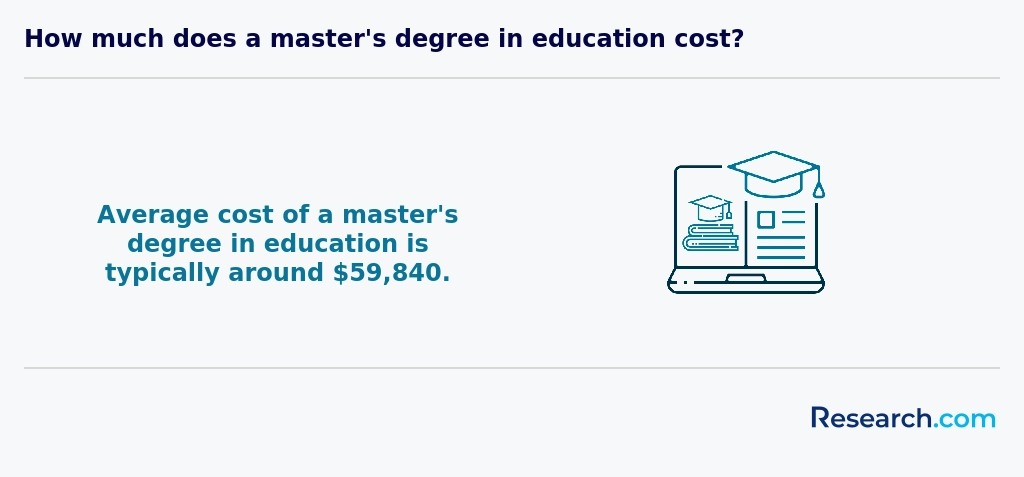
For many pursuing an online education degree in Wisconsin, financial aid becomes a crucial support system that turns daunting tuition costs into manageable investments. Graduates from the University of Wisconsin often recall how completing the FAFSA unlocked access to Pell Grants and Direct Loans, easing upfront expenses. While Pell Grants mainly serve undergraduates, loans and work-study opportunities remain valuable to graduate students chasing advanced education degrees.
State aid, like the Wisconsin Higher Education Grant, offers meaningful help to residents, particularly those attending public or nonprofit institutions. Some graduates share how institutional scholarships from Wisconsin's universities significantly reduced their financial burdens, making their degree paths feel more accessible and less stressful.
Moreover, employer tuition assistance in Wisconsin's school districts often provides unexpected relief. Veterans and military-connected students also find reassurance in GI Bill benefits and state-specific veteran grants that cover substantial tuition portions, allowing them to pursue their goals without constant financial worry.
Early planning and proactive communication with financial aid offices have repeatedly proven essential for many education candidates, turning abstract options into real, attainable support throughout their studies.
Understanding the path from graduation to the classroom is essential for any aspiring educator. In Wisconsin, earning an online master’s in education is only part of the journey-you’ll also need to satisfy state licensure requirements to teach legally. 1. State Authorization and DPI Approval • Ensure your online program is approved by the Wisconsin Department of Public Instruction (DPI). • Look for programs with explicit “state authorization” status, which guarantees fulfillment of Wisconsin’s educator preparation standards. 2. Required Examinations • Wisconsin Foundations of Reading Test (WFT): Mandatory for reading specialists and elementary teachers. • Praxis II Content Exams: Specific to your subject area (e.g., Secondary Mathematics, Special Education). • Pre-Professional Skills Test (PPST) or equivalent for basic skills in reading, writing, and mathematics. 3. Background Checks and Certification Application • Complete a criminal background check through the Wisconsin DPI portal. • Submit official transcripts, exam scores, and a completed application form for the Initial Educator License. 4. Reciprocity and Out-of-State Considerations • Wisconsin offers reciprocity agreements with many states, but requirements can vary. • If you’re exploring cost-effective pathways or considering options in neighboring states, compare tuition and licensure support through our Low Cost Online Master's in Education Degree Programs Ranking in Kansas. 5. Continuing Education and Renewal • Licenses must be renewed every five years with evidence of 60 DPI-approved professional development hours. • Consider stackable certificates or endorsements-such as ESL or Special Education-to boost employability and salary potential. By following these steps, you’ll transition smoothly from a master’s graduate to a certified Wisconsin educator, fully equipped to inspire and lead in today’s classrooms.
To enroll in an online education degree program in Wisconsin, most candidates first secure a bachelor's degree from an accredited institution, which is often the key that opens the door. Many graduates from University of Wisconsin campuses share how this foundation gave them confidence to advance without feeling overwhelmed. While your bachelor's doesn't always need to be in education, related fields can make the transition smoother.
Beyond the degree, submitting official transcripts and maintaining a solid GPA-commonly around 3.0-is essential. Students recall how meeting this benchmark assured admissions committees of their academic readiness. Some programs, particularly at schools like UW-Madison, request documented professional experiences, especially for leadership or counseling tracks, helping applicants connect theory with real-world practice.
Licenses or certifications valid in Wisconsin can also enhance your profile, especially when aiming for licensure-focused tracks. Although GRE scores used to be a hurdle, many programs have relaxed this recently, easing stress for applicants balancing busy lives.
Achieving success in an online master's program in education requires more than just enrolling-it calls for proactive strategies and the effective use of available resources. To maximize your learning experience, consider setting up a dedicated study environment free from distractions and creating a structured weekly schedule that includes time for coursework, virtual discussions, and self-care. Leverage digital tools such as calendar apps and note-taking platforms to stay organized, and don’t hesitate to join virtual study groups or online forums to exchange ideas with peers. Additionally, many programs offer career services and mentorship opportunities that can help you navigate internships, research projects, and real-world classroom challenges. For instance, if you’re budget-conscious, you might explore opportunities found on our list of affordable online education degrees to get the best value out of your educational investment. By applying these proven techniques, you’ll not only thrive academically but also build a robust foundation for a rewarding career in education.
Students pursuing online education degrees in Wisconsin often find themselves engaged in a rich array of courses that build both knowledge and confidence for real-world classrooms. Graduates from institutions like the University of Wisconsin-Madison describe how Educational Psychology deepened their understanding of diverse learning styles, which proved invaluable when adapting lessons for unique student needs.
Courses in Curriculum Design and Instruction offer practical skills, allowing students to craft adaptable lesson plans that resonate with varied learners. One graduate recalls reshaping their teaching strategies after mastering these concepts, leading to more effective and rewarding class interactions.
Assessment and Evaluation courses provide essential tools for measuring student progress thoughtfully, balancing data with empathy. Classroom Management classes prepare candidates to create inclusive and positive learning environments, an experience echoed by many who stepped into leadership roles immediately after graduating.
Technology Integration is another cornerstone, particularly appreciated in Wisconsin's evolving schools, where digital literacy enhances student engagement. These courses reflect the state's emphasis on meeting licensing standards while equipping future educators to thrive in dynamic educational settings.
Online education degree specializations Wisconsin students often choose reflect the state's commitment to practical and impactful learning. Graduates from popular universities appreciate how programs emphasize real-world application in fields like Curriculum and Instruction, where they develop strategies to elevate student engagement and success. Others find rewarding careers after focusing on Educational Leadership and Administration, gaining skills to become effective principals or district leaders who truly shape school communities.
Many Wisconsin master's in education concentration options also include Special Education, preparing teachers to support learners with diverse needs in inclusive settings. Early Childhood Education is another favored track, with graduates relishing the chance to nurture the youngest learners' growth. Educational Technology has become vital for students eager to innovate digital classrooms, reflecting the evolving landscape of education.
For those exploring options, institutions in Wisconsin often feature niche programs in literacy and bilingual education, tailored to local challenges and opportunities. Considering affordability and alignment with state standards, prospective students might find value in consulting the list of affordable online education degrees to guide their path.
Choosing the best online education degree in Wisconsin means focusing on programs that balance quality, affordability, and flexibility. Graduates from popular institutions like the University of Wisconsin often mention the value of accreditation, particularly from the Council for the Accreditation of Educator Preparation, which made their degrees respected by employers across the state. Many found that programs offering asynchronous courses helped them manage family and work commitments without sacrificing learning quality. When weighing options, considering affordable online education degrees Wisconsin-wide is essential; some private colleges charge significantly more than the $9,000 average annual tuition found at public universities.
Reflecting on experiences shared by recent graduates, program support services like academic advising and career counseling were crucial in navigating licensure requirements and student teaching placements remotely. As you explore options, reviewing graduate outcomes and finding programs aligned with your career goals leads to greater satisfaction. For those seeking cost savings, the Low Cost Online Master's in Education Degree Programs Ranking in Kansas offers insight into affordable routes that some Wisconsinites have considered as well.
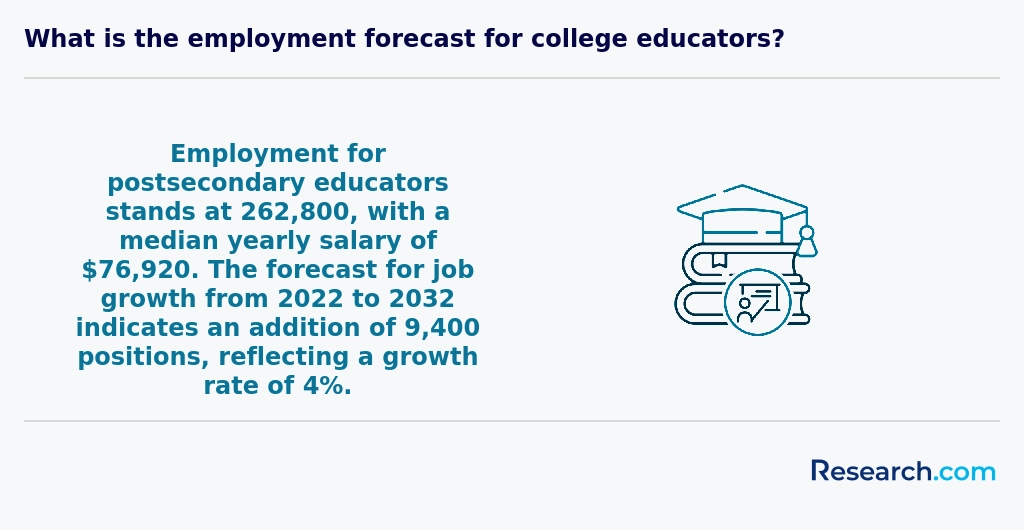
Graduates with an online education degree in Wisconsin find a variety of fulfilling career paths that reflect both tradition and innovation. Many choose to become licensed teachers in elementary, middle, or high schools, benefiting from programs at universities like the University of Wisconsin-Madison that align closely with state licensure requirements. These online teaching careers in Wisconsin offer stability and a meaningful way to impact local communities, with starting salaries often around $62,000 and the potential to increase as experience grows.
Others pursue leadership roles in educational administration, such as principals or instructional coordinators, which require advanced degrees and bring greater responsibility and compensation. Graduates from institutions such as Marquette University often report a strong sense of accomplishment moving into these positions. Additionally, the rise of educational technology and curriculum development opens exciting opportunities beyond traditional classrooms, especially within Wisconsin's thriving tech sector.
For those keen on diverse education degree job opportunities Wisconsin provides various options like school counseling, adult education, and special education. To explore affordable pathways to these careers, consider the Low Cost Online Master's in Education Degree Programs Ranking in Kansas, which offers insight into competitive tuition options.
The job market for individuals with an online education degree in Wisconsin remains encouraging. Graduates from well-regarded institutions like the University of Wisconsin-Madison and Marquette University frequently share how their online programs equipped them to meet state licensure requirements and quickly find meaningful roles. This steady demand reflects a broad range of employment opportunities, from K-12 teaching to school administration and instructional coordination. For those seeking advancement, the state's educational sector exhibits about a 5% growth trend, highlighting genuine prospects for career stability and progression.
Many graduates find that flexible online degrees allow them to balance part-time work while gaining skills essential for leadership roles or curriculum development. Wisconsin's favorable job climate for education professionals encourages graduates to pursue positions with rewarding salaries and benefits. For those curious about accelerating their learning journey, exploring options like the accelerated associate degree online may also complement their career plans. Overall, Wisconsin offers a stable and welcoming environment for education degree holders to thrive.
Employment opportunities for education graduates in Wisconsin often include positions within public and private schools and higher education institutions, where the ability to adapt and lead is highly valued. This combination of steady job growth, supportive educational programs, and strong licensure preparation helps graduates approach the job market with confidence and optimism.
2027 Most Valuable Online Master's in Education Degree Programs Ranking in Wisconsin
Investing in your education is a significant decision that can profoundly impact your career and future, and the Research.com team is keenly aware of the importance of making well-informed choices. To support prospective students in Wisconsin, we have carefully developed the "2027 Most Valuable Online Master's in Education Degree Programs Ranking in Wisconsin." Our dedication to quality, credibility, and accuracy is demonstrated through thorough research and analysis in assembling this ranking.
We utilized the following reputable data sources to ensure a comprehensive evaluation of online master's in education programs:
By reviewing this ranking, readers will gain valuable insights into the most beneficial online master's education programs in Wisconsin, empowering them to make confident and informed decisions about their academic and professional journeys. For further information about how this ranking was created, please visit our Research.com methodology page.

# 2 position
Concordia University Wisconsin
Master of Literacy--Reading Teacher or Reading Specialist Licensures (DPI #1316 & DPI #5017)

# 3 position
University of Wisconsin-La Crosse
Master of Professional Development: Learning Community


Frequently Asked Questions About education
Students pursuing online education degrees in Wisconsin can maximize their learning experience by actively engaging with course materials and instructors. The Wisconsin Educational Communications Board highlights that consistent participation in virtual discussions improves comprehension and retention. Establishing a dedicated study space at home helps maintain focus and discipline.
Using digital resources offered by Wisconsin institutions, such as library databases and tutoring services, is essential. According to the Wisconsin Department of Public Instruction, nearly 65% of educators in the state recommend collaborating with peers in online study groups to enhance critical thinking skills. Time management also plays a critical role; creating a weekly schedule ensures steady progress.
Finally, students should take advantage of state licensure support and career advising services available through many Wisconsin schools. These resources prepare graduates for professional opportunities within Wisconsin's educational system.
Emerging niches within the education field in Wisconsin reflect shifts toward technology integration and specialized support roles. Online master's programs increasingly emphasize educational technology, preparing teachers to use digital tools effectively in classrooms. According to the Wisconsin Department of Public Instruction, demand for tech-savvy educators is growing as schools adopt hybrid learning models.
Another niche gaining importance is special education, with a focus on students with diverse learning needs. Wisconsin's aging population also drives a need for adult education specialists. Additionally, there is growth in leadership roles, such as instructional coordinators and school administrators, who guide curriculum development and teacher training.
These trends align with broader national shifts, offering Wisconsin students multiple pathways to impactful education careers through online degrees.
Preparing for the job market after earning an online education degree in Wisconsin involves several strategic steps. First, graduates should leverage Wisconsin's robust network of school districts and educational organizations to seek relevant teaching or administrative roles. According to the Wisconsin Department of Public Instruction (DPI), districts prioritize candidates with state licensure and practical experience.
Online graduates must ensure they meet Wisconsin's certification requirements, which often include passing Praxis tests and completing background checks. Building connections through virtual and local networking events can improve job prospects.
Additionally, gaining hands-on experience through internships or substitute teaching can enhance a resume. Wisconsin reports growth in education jobs, particularly in special education and STEM fields, so focusing on these areas may increase employability.
Employers in Wisconsin prioritize several key skills when hiring graduates with education degrees. Strong communication abilities rank highest, as educators must effectively engage with students, parents, and colleagues. Classroom management is equally crucial, with schools valuing candidates who can create positive learning environments.
Data from the Wisconsin Department of Public Instruction highlights the growing demand for technological proficiency in education careers. Online and hybrid teaching models require graduates to be adept at digital tools and virtual instruction.
Additionally, problem-solving and adaptability are essential, especially given shifting educational standards and diverse student needs. Finally, collaboration skills remain vital for working within multidisciplinary teams and contributing to school improvement efforts.
Finding internships in Wisconsin related to an education degree involves leveraging both university resources and local education networks. Many Wisconsin universities, such as the University of Wisconsin system, partner with public and private K-12 schools to offer field placements and internships for education students.
Job boards specific to Wisconsin, including those maintained by the Wisconsin Department of Public Instruction, regularly list internship opportunities in teaching and educational administration. According to DPI data, nearly 88% of education-related internships in Wisconsin are concentrated in urban districts like Milwaukee and Madison.
Students should also consider joining local chapters of professional organizations such as the Wisconsin Education Association Council (WEAC), which often provide internship listings and networking events.
Contacting school districts directly and attending local career fairs can increase chances of securing an internship. Additionally, virtual internships have expanded options for online education students statewide, allowing flexible participation without geographic constraints.
An online education degree in Wisconsin can significantly enhance career mobility and advancement opportunities. According to the Wisconsin Department of Public Instruction, educators with a master's degree or higher often qualify for higher salary schedules and leadership roles within school districts statewide. Many districts prioritize candidates who pursue advanced degrees, viewing them as better prepared for curriculum development, administrative tasks, and specialized instructional roles.
Wisconsin's strong network of accredited online programs offers flexible learning tailored to working professionals, making it easier to balance employment and education. These degrees also meet state licensure requirements, essential for promotions or roles requiring additional certification.
Data from the National Center for Education Statistics (NCES) shows that teachers with graduate degrees typically experience lower unemployment rates and higher job satisfaction, which contributes to career longevity and advancement in Wisconsin's competitive education job market.
Studying for an education degree in Wisconsin equips students with skills that apply across multiple disciplines. Programs emphasize collaboration, critical thinking, and problem-solving, preparing graduates for roles in administration, counseling, and curriculum design. Wisconsin's accredited institutions integrate local education policies and community needs into their curriculum, enhancing practical understanding.
Online education degrees often include courses in psychology, communication, and technology, which are crucial for interdisciplinary work. According to the Wisconsin Department of Public Instruction, over 60% of educators collaborate with professionals from various fields to support student success. This approach ensures graduates are adaptable in diverse educational environments.
When choosing between a thesis and a non-thesis online education degree program in Wisconsin, consider your career objectives. Thesis programs often appeal to those aiming for research roles or doctoral studies, requiring original research and a comprehensive written thesis.
Non-thesis programs usually focus on practical skills and coursework, suitable for educators seeking administrative or teaching positions without an emphasis on research. According to the Wisconsin Department of Public Instruction, over 60% of education professionals pursue advanced degrees to improve classroom practice, which often aligns with non-thesis formats.
Cost and time investments also differ; thesis options may take longer due to research requirements. Reviewing program details from Wisconsin universities can clarify expectations and outcomes.
Students based in Wisconsin who wish to study education abroad through online degree programs have several avenues to explore. Many Wisconsin universities with strong education faculties, such as the University of Wisconsin system, offer partnerships and exchange opportunities with international institutions.
These programs often include virtual internships, global classroom collaborations, and online coursework tailored for international education perspectives. According to the Wisconsin Department of Public Instruction, over 35% of education programs in the state incorporate some form of global learning, reflecting growing interest.
Additionally, students can enroll in accredited online programs from nationally recognized universities that include international education components. This flexibility supports Wisconsin learners seeking global credentials without leaving their home state.
Part-time job opportunities in Wisconsin that complement education degree studies often involve direct engagement with educational settings. Many students work as teacher aides or paraprofessionals in K-12 schools, gaining practical classroom experience while pursuing their degrees. According to the Wisconsin Department of Public Instruction, these roles help develop essential skills like student management and lesson support. Additionally, tutoring positions, especially in subjects such as reading and math, are popular among education students. These roles not only reinforce content knowledge but also improve communication skills. Local libraries and after-school programs also offer assistant roles that align well with education studies.
Employment in these areas tends to be flexible, accommodating the schedules of online learners. This practical experience can improve job prospects post-graduation, as Wisconsin's education sector values hands-on work. The Wisconsin Workforce Development Office reports growth in education support roles, projecting a steady increase over the next decade. Overall, part-time jobs linked to teaching and academic support provide a strong foundation for students pursuing online education degrees in Wisconsin.
Online education students in Wisconsin benefit from several networking opportunities despite the virtual format. Many universities offer virtual events, workshops, and discussion forums, which enable students to connect with peers and faculty. For example, the University of Wisconsin system invests in digital platforms that support collaboration among education students statewide.
Professional organizations, such as the Wisconsin Education Association Council (WEAC), provide membership options for online students, giving access to conferences, webinars, and local chapter meetings. These activities help students expand their professional networks and stay updated on state education trends.
Additionally, online learners can engage in virtual internships and partnerships with school districts across Wisconsin, fostering practical experience and important contacts within the education sector.
Alumni networks offer significant benefits to online education degree students in Wisconsin by providing valuable professional connections and support. These networks connect current students with graduates working in local school districts and educational organizations across the state. According to the Wisconsin Department of Public Instruction, strong local relationships can increase job placement after graduation.
Members often gain access to mentorship opportunities, workshops, and job postings exclusive to the network. For students studying remotely, these connections help overcome geographic barriers by creating a community of peers and professionals.
Additionally, alumni groups may host events that encourage collaboration and lifelong learning, which is essential in the evolving field of education.
Wisconsin offers flexible options to customize your online education degree to align with your career ambitions. Many accredited universities in the state allow students to choose specializations such as curriculum design, educational leadership, or special education. This enables tailoring your coursework to specific professional goals.
Students can often select electives, participate in practical field experiences, and engage in research projects relevant to Wisconsin's K-12 system. According to the Wisconsin Department of Public Instruction, demand for specialized educators is growing, highlighting the importance of focused training.
Additionally, online programs frequently support part-time study and asynchronous learning, allowing working professionals in Wisconsin to balance education with their jobs effectively.
Online education students in Wisconsin often face challenges related to technology access and digital literacy. Despite the state's growing internet infrastructure, rural areas still experience limited broadband availability, affecting students' ability to engage fully in virtual classrooms. According to the Wisconsin Broadband Office, around 6% of the population lacks reliable internet access, which can hinder timely assignment submission and participation in live discussions.
Furthermore, balancing coursework with work and family responsibilities remains a significant hurdle. Many online students juggle multiple roles, making time management essential but difficult without structured on-campus environments. The Wisconsin Department of Public Instruction notes that student engagement and motivation can decline without direct face-to-face interaction, leading to higher dropout rates.
Finally, navigating financial aid and understanding degree accreditation are common concerns. Students must ensure their program meets state licensure requirements if planning to teach in Wisconsin public schools. These factors combined illustrate the multifaceted nature of challenges in online education within the state.
An online education degree in Wisconsin opens pathways to various professional certifications that enhance career prospects. Graduates commonly pursue the Wisconsin Professional Educator License, which allows teaching in public schools across the state. This license requires passing state exams and completing an accredited program, which many online degrees satisfy.
Other certifications include the Reading Specialist License and School Counselor certification, both highly regarded in Wisconsin schools. Additionally, educators may seek National Board Certification, a prestigious credential recognized nationwide, improving salary potential and leadership opportunities.
According to the Wisconsin Department of Public Instruction, approximately 70% of educators hold at least one professional certification, underscoring the importance of such credentials.
Writing a winning application for an online education program in Wisconsin begins with understanding the specific admission requirements of each institution. Most universities, such as the University of Wisconsin system, require a bachelor's degree from an accredited institution and submission of official transcripts.
Applicants should clearly articulate their career goals and motivation for pursuing an online education degree in a concise personal statement. Highlighting relevant teaching experience or volunteer work can strengthen the application.
Strong letters of recommendation from academic or professional contacts are essential, reflecting your readiness for graduate-level study.
Additionally, some programs may request GRE scores, though many Wisconsin schools have adopted test-optional policies recently.
The global perspective on an education career increasingly values adaptability and cultural competence. For students in Wisconsin pursuing online education degrees, understanding diverse educational systems is essential. The United States places significant emphasis on teacher qualifications; nearly 92% of Wisconsin educators hold a master's or higher degree, according to the Wisconsin Department of Public Instruction (2023).
Internationally, education careers often require skills in technology integration and inclusive teaching. This aligns with trends in Wisconsin, where online programs emphasize digital literacy and equity in classrooms. Graduates are prepared to meet both local and global challenges in education.
Furthermore, global demand for qualified educators supports job stability in Wisconsin, as education remains a key investment for economic growth in the U.S.
Students pursuing an online education degree in Wisconsin can gain practical experience through several key opportunities. Many programs include required student teaching or practicum components arranged in partnership with local schools statewide. This hands-on experience is vital for licensure in Wisconsin and helps students apply theory in real classroom settings.
Additionally, online learners may participate in virtual simulations and collaborative projects designed to develop classroom management and instructional skills. Wisconsin's Department of Public Instruction often supports these efforts by providing resources and placement assistance.
Research from the Wisconsin Technical College System highlights the growing emphasis on field experiences within online courses to enhance readiness and effectiveness for future educators.
Choosing the right concentration within an online education degree program in Wisconsin begins with understanding your career goals. Whether you aim to become a school administrator, special education teacher, or curriculum designer influences your choice significantly.
Wisconsin offers various concentrations aligned with state licensure requirements. For example, the Wisconsin Department of Public Instruction outlines specific certifications needed for roles like reading specialists or ESL educators. Aligning your concentration with these criteria ensures smoother certification processes.
Labor market data from the Wisconsin Department of Workforce Development highlights growing demand for educators in special education and instructional technology, suggesting these areas offer strong job prospects.
Finally, review available concentrations at accredited institutions to confirm curriculum relevance and compatibility with your learning style and schedule.
- 2027 Most Valuable Online Master's in Education Degree Programs Ranking in Minnesota
- 2027 Most Valuable Online Master's in Education Degree Programs Ranking in Iowa
- 2027 Most Valuable Online Master's in Education Degree Programs Ranking in Illinois
- 2027 Most Valuable Online Master's in Education Degree Programs Ranking in Michigan
- 2027 Most Valuable Online Master's in Education Degree Programs Ranking in Indiana
- 2027 Most Valuable Online Master's in Education Degree Programs Ranking in Missouri
- 2027 Most Valuable Online Master's in Education Degree Programs Ranking in Ohio
- 2027 Most Valuable Online Master's in Education Degree Programs Ranking in South Dakota
- 2027 Most Valuable Online Master's in Education Degree Programs Ranking in Kentucky
- 2027 Most Valuable Online Master's in Education Degree Programs Ranking in Kansas
See What Experts Have To Say About Studying Education
Read our interview with Education experts

Nooshan Ashtari
Education Expert
Professor & Book Author
University of Southern California

Alan J. Singer
Education Expert
Professor of Teaching, Learning and Technology
Hofstra University

- What Can I Do With a Teaching Degree (Besides Teach)? https://www.alleducationschools.com/blog/what-can-i-do-with-a-teaching-degree-besides-teach/
- Your career at KIDS&Co. - dwujęzyczne przedszkola KIDS&Co. https://kids-co.pl/en/career/
- Putting theory into practice: The value of an interdisciplinary approach to teaching https://my.chartered.college/impact_article/putting-theory-into-practice-the-value-of-an-interdisciplinary-approach-to-teaching/
- Home https://www.teachercertificationdegrees.com/
- Navigating Challenges In Education, Learning & Development - those who can https://www.thosewhocan.org/navigating-challenges-in-education-learning-and-development/
- Teacher of Global Perspectives (IGCSE) https://www.scie.com.cn/jobs-global-perspectives/
- Education Cover Letter: 6 Steps to Write a Job-Winning One [+Example & Template] | Cake https://www.cake.me/resources/cover-letter/education-cover-letter
- Networking Tips and Advice for Students https://schoolshouldbe.com/post/networking-tips-and-advice-for-students/
- Seven Major Challenges Facing Education in the 21st Century https://www.internationalschoolparent.com/articles/seven-global-education-challenges/
- Online Degree vs. Traditional: Choosing the Right Path https://beal.edu/online-degree-vs-traditional/