
2027 Most Popular Education Degree Programs Ranking in Brooklyn

Co-Founder and Chief Data Scientist
Choosing the right education degree program is a big step toward a rewarding career. If you're a student in Brooklyn, this article offers valuable insights to guide your decision.
The 2027 Most Popular Education Degree Programs Ranking in Brooklyn was created by the Research.com team of data scientists to help you explore top options based on real data. Understanding which programs stand out can save time and help you focus on what truly matters.
Whether you're passionate about teaching or eager to make a difference, this ranking supports your journey toward a fulfilling future.
Key benefits of getting education degree in Brooklyn
- Education degree graduates in Brooklyn can earn competitive salaries, such as $76,000 annually for Special Education Teachers and $77,200 for Instructional Designers, offering strong financial stability.
- Career paths for education graduates are diverse, ranging from teaching roles in local schools to curriculum development positions, reflecting the vibrant educational community in Brooklyn's colleges.
- Obtaining an education degree online from a Brooklyn-based university allows for flexible learning schedules and cost savings, making it easier to balance work, life, and studies successfully.
- 2027 Most Popular Education Degree Programs Ranking in Brooklyn
- What can I expect from education degree in Brooklyn?
- Where can I work with education degree in Brooklyn?
What can I expect from education degree in Brooklyn?
The average cost of pursuing an education degree in Brooklyn is often seen as more approachable compared to many private institutions in New York City. Graduates from Brooklyn College, part of the CUNY system and a popular choice for local students, report undergraduate tuition around $7,300 per year for in-state students during the 2023-2024 academic year. This affordability can ease financial stress, especially for students balancing work and study.
Many who attend these programs share how beneficial the cost-to-value ratio feels-combining quality education with practical experiences like student teaching placements in Brooklyn Public Schools. This hands-on component not only enriches learning but also builds confidence for entering the workforce.
While some students might worry that lower tuition could mean fewer resources, Brooklyn College's Department of Education frequently proves otherwise, offering strong preparation for New York State teacher certification exams and professional licensure. These factors contribute to positive feelings of readiness among graduates stepping into varied education roles.
Where can I work with education degree in Brooklyn?
Graduates with education degrees in Brooklyn often find rewarding career paths primarily within the city's vast public school system, including the New York City Department of Education (NYCDOE). Many alumni from Brooklyn College and Borough of Manhattan Community College have shared how teaching K-12 students in Brooklyn's diverse classrooms, especially in high-demand subjects like special education and STEM, brings a strong sense of purpose and community impact.
Some graduates choose roles beyond the classroom, such as becoming school counselors, curriculum developers, or educational coordinators. These positions, often requiring extra certification, allow educators to shape policy and support school programs, offering a different but equally fulfilling way to influence Brooklyn's schools.
Others appreciate working in early childhood education within Brooklyn's growing pre-K sector, where the city's commitment to universal pre-K increases demand for passionate preschool teachers and directors.
Graduates also find opportunities in higher education or community organizations, where they support student success or engage in tutoring and outreach programs, reinforcing the neighborhood's vibrant educational ecosystem.
Graduates with an education degree in Brooklyn can expect varied earnings depending on their chosen career path and experience. For example, a graduate working as an elementary school teacher in the area might earn around $70,740 annually, aligning well with data from local public schools. Those pursuing specialized roles like special education teaching typically see higher averages near $76,000 per year, reflecting additional training and responsibilities.
Many graduates from Brooklyn's well-regarded education programs at institutions like Brooklyn College find that starting salaries for ESL teachers hover around $65,430, with an hourly wage opportunity of about $31.46, offering flexibility that suits some early-career educators. Early childhood educators, also common among Brooklyn grads, face a lower mean salary near $41,410, which can influence career choice but still represents meaningful community impact.
Others moving into instructional design roles enjoy competitive salaries near $77,200, often benefiting from combining education expertise with technology skills. Graduates often describe the satisfaction of contributing to Brooklyn's diverse schools, even as salaries reflect the challenge of balancing passion with financial realities.
- Tuition for public education degrees in Brooklyn ranges from $7,000 to $15,000 annually for in-state students, while private colleges charge between $20,000 and $40,000 per year.
- The total estimated cost of a four-year bachelor's degree in education, including fees and living expenses, is between $50,000 and $120,000.
- The median starting salary for education graduates in Brooklyn is about $50,000 per year, with experienced educators earning between $70,000 and $90,000 annually.
- The New York City Department of Education actively recruits teachers in high-need areas like mathematics, science, and special education.
- Completing an accredited education degree is required for teacher certification in Brooklyn and New York State.
- Student teaching placements focus on culturally responsive teaching, providing experience in diverse and urban school settings.
Completing an education degree in Brooklyn typically takes about four years for a bachelor's degree, which aligns with the timeframe experienced by many graduates from institutions like Brooklyn College and Long Island University Brooklyn. These students often share that the steady pace allows them to balance coursework and campus life effectively, building confidence as they progress.
Those pursuing a master's degree in education usually spend an additional one to two years, depending on whether they study full-time or part-time. Graduates frequently appreciate the flexibility offered by local programs, which accommodate working professionals through evening classes and online options. This adaptability often helps maintain motivation despite busy schedules.
Doctoral candidates at places such as the City University of New York Graduate Center may spend between three to six years completing advanced research and practical requirements. While this longer period can feel challenging, many describe a rewarding sense of accomplishment in contributing original insights to education.
Factors like program format, student teaching obligations, and credit transfers influence timeframes, so experiences vary widely. Overall, education students in Brooklyn find that realistic planning, supported by these local institutions, fosters positive and achievable degree completion.
To teach in Brooklyn, NY public schools, graduates must obtain New York State teacher certification through the Office of Teaching Initiatives (OTI). The process typically involves: 1. Completing an approved education degree program with a minimum 3.0 GPA. 2. Passing required exams, including the edTPA performance assessment and New York State Teacher Certification Examinations (NYSTCE) such as the Educating All Students (EAS) test. 3. Submitting an Application for Initial Certificate via the TEACH online system, including official transcripts and test score reports. 4. Completing fingerprinting and background clearance through the New York State Education Department (NYSED). In addition, aspiring special education teachers must pass the NYSTCE Content Specialty Test (CST) in their chosen area. Early childhood educators need the Childhood Education (birth–2 and 1–6) certification exams, while secondary teachers select subject-specific CSTs aligned with their college major. Maintaining certification requires professional development credits every five years, which can be earned through workshops, graduate coursework, or approved online programs. Many candidates accelerate certification timelines by pursuing graduate degrees designed for licensure candidates. For example, those balancing work and study may explore cost-effective remote options like our Low Cost Online Master's in Education Degree Programs Ranking in Florida, which offer state-recognized curricula and flexible practicum placements. Understanding these requirements ensures you transition smoothly from graduation to the classroom, fully prepared to meet New York’s rigorous standards and positively impact student learning.
Online and on-campus education degrees in Brooklyn differ mainly in format, experience, and scheduling flexibility. Graduates from Brooklyn College or Long Island University often describe on-campus programs as immersive, highlighting face-to-face interactions with professors and peers as key to building confidence and professional networks. Access to campus resources like libraries and education labs enhances their hands-on learning, especially during practicum placements at nearby schools.
Conversely, those who pursued online degrees through institutions like Pace University or CUNY appreciated the ability to balance studies with work or family. They found digital platforms convenient but sometimes missed spontaneous classroom discussions that enrich understanding. Online students often needed to be proactive arranging local student-teaching experiences, which could be both empowering and challenging.
Cost factors also shape choices. While on-campus tuition at public colleges in Brooklyn typically ranges from $8,000 to $10,500, online students may save on commuting and housing but sometimes face comparable or higher tuition. Each pathway offers unique benefits, depending on individual circumstances and learning preferences.
After completing an Education degree in Brooklyn, NY, graduates must obtain state certification to teach in public schools. Understanding New York’s licensure process ensures a smooth transition from student to certified professional. 1. Academic and Professional Components - Complete a state‐approved teacher preparation program accredited by the New York State Education Department (NYSED). - Fulfill the 100-hour pedagogy workshop requirement, covering classroom management, special education, and safety. 2. Required Examinations - Educating All Students Test (EAS): Assesses knowledge of diverse learners and instructional strategies. - Content Specialty Tests (CST): One or more subject-specific exams aligned with your teaching field (e.g., Childhood Education, English to Speakers of Other Languages). - edTPA Portfolio Review: A performance assessment demonstrating planning, instruction, and assessment skills in real classroom settings. 3. Application and Fingerprinting - Submit an application for the Initial Certificate via TEACH, NYSED’s online licensure system. - Complete fingerprinting and a criminal history background check through the Office of School Personnel Review and Accountability (OSPRA). 4. Advancing Your Credentials - After two years of full‐time teaching, qualified educators may apply for the Professional Certificate by completing three years of mentored teaching and earning a master’s degree or 30 graduate credits. - For those exploring graduate pathways to bolster both expertise and licensure standing, compare affordable options such as our Low Cost Online Master's in Education Degree Programs Ranking in Florida to identify programs that balance quality with cost. Meeting these certification requirements not only validates your qualifications but also enhances employability and career growth in New York’s competitive education landscape.
The average cost of an education degree in Brooklyn can vary but typically aligns with median total expenses around $47,550. For in-state students, this figure is substantially lower, approximately $28,775, reflecting the local tuition advantages at public institutions like Brooklyn College, which many graduates fondly recall for balancing affordability with quality. These costs capture the overall financial commitment, including tuition, fees, and living expenses-factors every prospective student should weigh carefully when considering their pathway.
Many students pursuing education degrees in Brooklyn encounter the reality of fees that extend beyond tuition. Graduates often describe budgeting for additional costs such as student services fees, books, and materials, which can cumulatively exceed $1,000 annually, alongside living expenses that frequently surpass $15,000, especially in vibrant neighborhoods near CUNY campuses. This layered understanding enhances their financial planning and highlights why the Brooklyn experience extends beyond classroom instruction.
Those exploring the Brooklyn education degree tuition and fees find it essential to assess not just the sticker price but the available financial aid. Recipients of scholarships and federal aid share positive experiences of how these resources made their goals attainable, creating a more manageable investment. For students aiming to join the ranks of successful graduates, examining in demand education schools in Brooklyn offers insight into institutions that balance cost and quality effectively.
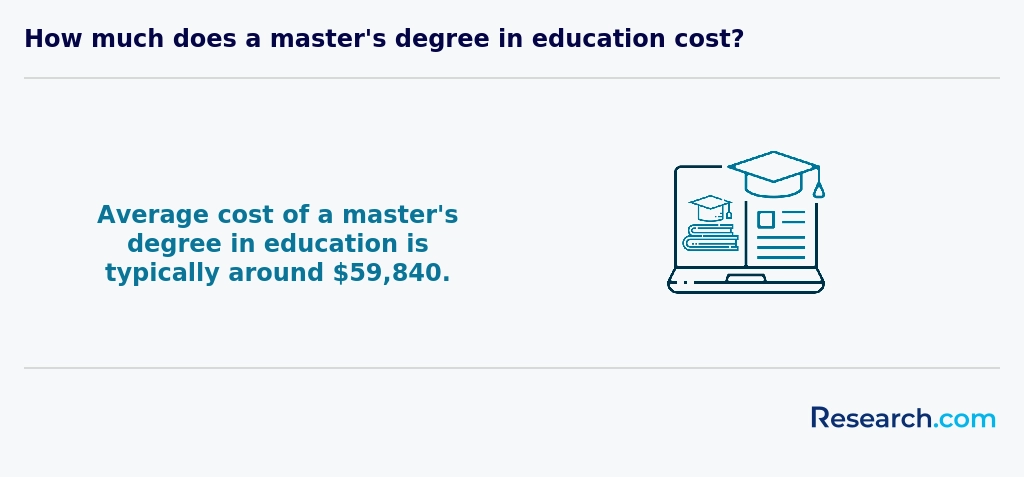
As the education landscape continues to evolve, students and professionals need to keep pace with emerging trends that are reshaping the field. Technological advancements like remote learning, virtual classrooms, and data-driven teaching methods are driving significant changes, while interdisciplinary studies are increasingly valued. For example, educational institutions are leveraging artificial intelligence for personalized learning and predictive analytics to enhance student outcomes. Moreover, the growing integration of digital resources in curriculum planning has opened pathways for professionals to complement their traditional education degrees with programs in digital literacy and library science. For additional insights on how interdisciplinary skills can boost your educational career, you might consider exploring the most affordable online mlis programs. Staying informed about these trends not only prepares you for the dynamic future of teaching but also broadens your career opportunities in both traditional and innovative educational settings.
Students pursuing education degrees in Brooklyn often rely on a combination of financial aid sources to manage costs effectively. Graduates from institutions like Brooklyn College (CUNY) frequently mention the impact of Pell Grants, which can provide up to $7,395 annually and remove significant financial barriers. However, it's important to recognize that not all students qualify for this aid, highlighting the necessity of alternative funding.
State programs like New York's Tuition Assistance Program (TAP) offer substantial support to residents attending local schools. Many Brooklyn education students find TAP grants essential, as these help cover tuition that often stays below $7,000 per year for in-state learners. Still, application processes can be complex and require careful attention to deadlines.
Loans and scholarships also play vital roles. Federal Direct Loans provide manageable financing, but they come with repayment obligations that require thoughtful planning. Meanwhile, scholarships targeting education majors-especially those aimed at minorities or urban teaching commitments-bring both financial relief and motivation, resonating strongly with graduates committed to making an impact in Brooklyn's schools.
Work-study offers another practical avenue. Balancing part-time jobs related to education allows Brooklyn students to fund their studies while gaining valuable classroom experience, further enhancing confidence and career readiness.
When deciding on an education program in Brooklyn, NY, it's essential to consider several factors, including the types of specializations available, such as in demand education schools, and the program's emphasis on practical experience and community engagement. Prospective students should research the curriculum, faculty expertise, and support services offered by each institution to ensure they find the best fit for their career aspirations and financial situation. Additionally, understanding the job market for education degree graduates in Brooklyn, NY, can help individuals make informed decisions about their future career paths, whether in traditional teaching roles or in other fields that value the skills and knowledge gained through an education degree.
Enrolling in an education degree program in Brooklyn typically requires a high school diploma or an equivalent like a GED, forming the basic academic foundation. Graduates from Brooklyn College recall the reassurance of meeting this baseline, which helped them confidently begin their journey toward becoming educators. For those pursuing master's degrees, holding a relevant bachelor's degree is essential, ensuring preparedness for advanced study.
While some Brooklyn institutions embrace test-optional policies, others still ask for SAT or ACT scores to gauge readiness. Many local students remember the pressure of passing New York State Regents exams, which remain a common prerequisite, especially for those who completed their secondary education in-state.
Applicants generally must submit official transcripts, letters of recommendation, and personal essays that express passion for teaching. Successful graduates often highlight how showcasing volunteer experience with children strengthened their applications, making the process feel more personal and rewarding.
Meeting New York State's certification requirements, including background checks and passing the NYSTCE, is crucial for students aiming for licensure. At Brooklyn's colleges, this practical step aligns academic preparation with real-world teaching demands, giving students a sense of accomplishment early on.

Graduates of education programs in Brooklyn, NY, must meet specific New York State certification and licensing requirements to teach in public and private schools. The New York State Education Department (NYSED) issues two primary teaching certificates: the Initial Certificate and the Professional Certificate. To earn the Initial Certificate, candidates generally need:
- A bachelor’s degree from an NYSED-approved institution and completion of an educator preparation program.
- Passing scores on the required New York State Teacher Certification Examinations (NYSTCE), including the Educating All Students (EAS) and the content specialty test for their subject area.
- A fingerprint-supported criminal history background check. Once employed under the Initial Certificate, teachers must accumulate three years of full-time teaching experience and complete additional pedagogical and content coursework (often 30 graduate credits) to qualify for the Professional Certificate. Many candidates fulfill these credit requirements by enrolling in affordable online master’s programs; for instance, the Low Cost Online Master's in Education Degree Programs Ranking in Florida offers flexible graduate courses that align with NYSED criteria. Beyond state certification, aspiring educators should verify institutional accreditation-look for programs accredited by the Council for the Accreditation of Educator Preparation (CAEP) to ensure seamless NYSED approval. After securing certification, graduates must maintain ongoing professional development through NYSED-approved workshops, professional practices tests, and in-service training to renew their Professional Certificate every five years. By understanding these licensure steps and planning coursework strategically, education graduates in Brooklyn can navigate certification efficiently, ensuring they meet both academic and regulatory standards while launching successful teaching careers.
Education degree programs in Brooklyn typically include a mix of foundational and specialized courses designed to prepare students for the realities of local classrooms. Graduates from well-known Brooklyn colleges often recall how courses like Educational Psychology and Classroom Management helped them understand student behavior and maintain orderly environments, while also fostering empathy for diverse learners.
Curriculum Development classes equip students with practical skills to design effective lesson plans that resonate with Brooklyn's multicultural student body. Many students also appreciate the hands-on experience gained through Assessment and Evaluation courses, which teach how to track progress and adjust teaching methods-crucial for addressing varying academic needs.
Moreover, Brooklyn programs frequently offer bilingual education and ESL courses, reflecting the borough's linguistic diversity. Graduates often express how these classes enabled them to connect with children from different backgrounds, making teaching both challenging and deeply rewarding. The inclusion of Educational Technology courses prepares students to integrate digital tools effectively, enhancing engagement in New York City classrooms.
Such curricula blend theory with real-world application, including fieldwork in local schools, enabling students to practice skills directly in Brooklyn's unique educational atmosphere.
Students pursuing an education degree in Brooklyn often encounter a variety of specializations that reflect the city's diverse educational needs. Popular options include Early Childhood Education, which prepares graduates to engage young learners in preschools and elementary schools through developmentally appropriate methods. Graduates from institutions like Brooklyn College frequently share how this specialization helped them connect deeply with families in the community, fostering both growth and trust.
Another respected path is Special Education, focusing on supporting students with disabilities. This track equips future teachers with skills to create individualized education plans and adaptive techniques, addressing Brooklyn's inclusive classrooms. Students appreciate how real-world practicum experiences at local schools highlight the complex challenges and rewards of working in this field. These insights often shape their confident approach to teaching diverse learners.
Other specializations include Secondary Education and TESOL, the latter reflecting Brooklyn's multicultural makeup where many students speak English as a second language. For those exploring Brooklyn teaching degree program options, understanding these areas enhances practical readiness. Interested students might also explore the most affordable online mlis programs as part of their broader educational journey in the city.
Choosing the best education degree in Brooklyn involves carefully weighing factors beyond just program availability. Graduates from popular colleges often emphasize how accreditation and hands-on student teaching within Brooklyn's diverse schools deeply impacted their confidence and readiness for licensure. Considering the best education degree programs in Brooklyn means looking at institutions accredited by recognized bodies like CAEP, ensuring that your degree carries weight with future employers and state certification.
Cost concerns frequently arise, especially when comparing private and public options. Many students have found value in programs balancing affordability and quality, with public colleges offering more accessible tuition rates. For those seeking flexible schedules or online formats, exploring affordable education degrees Brooklyn NY also means investigating part-time or hybrid programs offered by local universities. Some graduates recommend checking rankings like the Low Cost Online Master's in Education Degree Programs Ranking in Florida as a reference, even if not local, to understand cost versus quality tradeoffs.
Applying critical thinking also means assessing licensure pass rates, graduation outcomes, and employment statistics from Brooklyn-based programs. Prospective students often visit campuses or shadow current students before deciding. This direct experience helps clarify if a program's atmosphere and support services match personal learning preferences, enhancing long-term satisfaction and success.
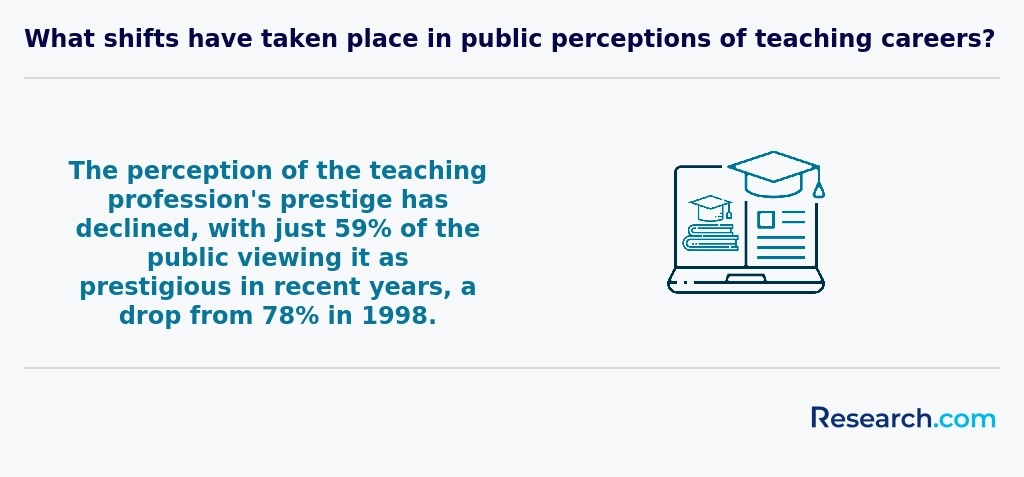
Graduates of education degrees in Brooklyn often find diverse career opportunities reflecting the borough's unique educational landscape. Many pursue certified teaching positions in elementary, special education, or secondary subjects such as math and English. Those from local institutions, like Brooklyn College or Medgar Evers College, frequently share how hands-on classroom experience during their studies prepared them to meet the specific demands of Brooklyn's multicultural communities. This adaptability is essential, especially given the increasing demand for teachers in STEM and bilingual education, highlighting promising education degree jobs in Brooklyn.
Others explore roles beyond traditional teaching, advancing as school counselors, instructional coordinators, or administrators. These paths often require further certification but reward graduates with leadership roles steering curriculum improvements or student support initiatives. Some graduates also find fulfillment working with nonprofits or community programs focused on youth development, where their educational background supports broader social impact. This variety shows how career opportunities for education graduates Brooklyn are not confined to schools alone. For those interested in speeding their entry into these roles while studying locally, exploring fast degree programs offers an efficient route to professional achievement.
The education degree job outlook in Brooklyn remains promising but nuanced. Graduates from well-known institutions like Brooklyn College often find steady demand for certified teachers, especially in bilingual and special education, reflecting the borough's diverse student population. Many report initial excitement landing roles within the New York City Department of Education, where starting salaries near $61,000 offer a competitive foundation with room for growth through experience and credentials.
However, employment opportunities extend beyond traditional classrooms, encompassing early childhood centers, adult education, and nonprofit organizations. Some graduates describe the challenge of balancing passion with the financial realities of education costs-Brooklyn College's in-state tuition averages $7,600, while private colleges can exceed $20,000 annually. Thoughtful financial planning is essential, and exploring scholarships or looking at the easiest doctorate degree to obtain can provide valuable alternatives.
Brooklyn teaching degree employment opportunities also hinge on the ability to navigate both job markets and evolving educational needs, with growth projected statewide by about 5% through 2032. For many, this means balancing optimism about a rewarding career with the practicalities of sustained certification and specialization.
2027 Most Popular Education Degree Programs Ranking in Brooklyn
Investing in your education is a significant decision that can profoundly influence your future, and the Research.com team recognizes the importance of making well-informed choices. To support prospective students in Brooklyn, we have carefully developed the "2027 Most Popular Education Degree Programs Ranking in Brooklyn." Our dedication to ensuring quality, credibility, and accuracy is demonstrated through rigorous research and detailed analysis underpinning this ranking.
We utilized the following reputable data sources to create a comprehensive and trustworthy evaluation of education degree programs:
By consulting this ranking, readers will gain valuable insights into the most popular education degree programs in Brooklyn, enabling them to make confident and informed decisions about their academic journey. For more information on how this ranking was created, please visit our Research.com methodology page.


Frequently Asked Questions About education
Education degree students in Brooklyn can maximize their learning experience by actively engaging with both academic and practical opportunities. Brooklyn hosts several institutions, including Brooklyn College and Medgar Evers College, offering diverse education programs aligned with New York State standards. Participating in internships within local public schools allows students to apply theory in real classrooms, enhancing their skills.
Utilizing resources such as the Brooklyn Educational Opportunity Center can provide additional tutoring and professional development. According to the New York City Department of Education, Brooklyn schools frequently seek student teachers, creating valuable partnership options. Networking with faculty and peers also fosters collaboration and exposure to varied teaching methodologies, critical for success in the education field.
The education field is evolving with several emerging niches gaining attention, especially in urban areas like Brooklyn. One key area is digital and blended learning, where educators design curriculum utilizing technology to support remote and hybrid classrooms. This niche has grown following increased demand during the COVID-19 pandemic.
Another growing specialty is special education focused on neurodiversity, addressing the needs of students with autism and learning disabilities. Brooklyn's public schools report rising enrollment in special education programs, highlighting a need for trained specialists.
Additionally, culturally responsive teaching and bilingual education continue to expand. With Brooklyn's diverse population, educators who can navigate multicultural classrooms and support English language learners are in demand. Data from the NYC Department of Education confirms increasing bilingual program participation each year.
Finally, education technology development and instructional design are emerging career paths, combining pedagogy with software skills.
After completing an education degree in Brooklyn, graduates should focus on building a strong professional network. Connecting with local schools and educational organizations through internships or volunteer work can increase job prospects. According to the New York State Education Department, approximately 10,000 new teachers are needed annually across NYC, indicating steady demand.
Obtaining state certification and passing the required exams like the edTPA or NYSTCE is essential. Participation in job fairs hosted by Brooklyn colleges, such as Brooklyn College and Long Island University, also helps access local hiring opportunities.
Continuing professional development through workshops or advanced certifications enhances employability. In a competitive market, practical classroom experience combined with New York State licensing significantly improves chances of securing a teaching position.
Employers in Brooklyn highly value education degree graduates who demonstrate strong classroom management skills. According to the New York City Department of Education, effective classroom control is essential in diverse urban settings like Brooklyn's public schools. Communication abilities, both verbal and written, are also critical, enabling teachers to engage students and collaborate with parents and colleagues.
Adaptability and cultural competence are increasingly important due to Brooklyn's rich diversity. Data from the U.S. Bureau of Labor Statistics highlights that 72% of Brooklyn schools serve multilingual communities, so graduates who can address varied learning needs stand out. Additionally, proficiency in educational technology is a must, reflecting trends post-pandemic.
Finding internships in Brooklyn relevant to an education degree requires strategic research and networking. Many public schools and nonprofit organizations in Brooklyn offer internship programs designed for education majors. For example, the New York City Department of Education provides internship opportunities that allow students to gain hands-on experience in diverse classroom environments.
Students should also explore partnerships between Brooklyn colleges and local schools. Institutions like Brooklyn College and Medgar Evers College often have dedicated career centers listing education internships. Additionally, websites such as Handshake and Indeed feature local listings specifically for education-related roles.
Volunteering at community centers or after-school programs can also lead to internships. According to the NYC Department of Education, internships improve job readiness and can sometimes lead to employment after graduation.
Obtaining an education degree in Brooklyn can significantly enhance career mobility and advancement opportunities within the local education sector. According to the New York City Department of Education, Brooklyn employs a large number of certified teachers, and holding a formal education degree is often a mandatory requirement for public school positions.
Graduates with education degrees tend to access higher-paying jobs and leadership roles such as instructional coordinators or school administrators. The New York State Education Department notes that teachers with advanced certifications or master's degrees typically earn salaries that are 15% to 25% higher than those with only a bachelor's degree.
Additionally, Brooklyn's diverse school system values specialized credentials, including bilingual education or special education endorsements, which further improve career prospects. Continuous professional development tied to education degrees also supports sustained advancement in this competitive job market.
Studying for an education degree in Brooklyn equips students with skills valuable across multiple disciplines. Programs often emphasize collaboration with fields like psychology, social work, and public policy. This interdisciplinary approach prepares graduates to address diverse challenges in educational settings and community development.
Brooklyn's education degrees typically feature hands-on experience in culturally varied schools, reflecting the borough's demographic diversity. According to the New York State Education Department, over 70% of local education programs include practicum placements that foster cross-sector understanding.
These programs also focus on critical thinking and data analysis, skills applicable in roles beyond traditional teaching. Graduates emerge ready for roles in curriculum design, administration, and educational technology. Such preparation supports Brooklyn's dynamic educational landscape and workforce needs.
Choosing between a thesis and a non-thesis education degree program in Brooklyn depends primarily on your career goals and interests. Thesis programs typically require conducting original research and writing a detailed academic paper, which benefits students aiming for roles in academia or research. Non-thesis programs often focus on practical skills and coursework, better suited for those pursuing teaching or administrative positions.
According to the New York State Education Department, Brooklyn colleges offer both options, with thesis degrees sometimes taking longer to complete due to research commitments. Cost and time investment are important factors to consider.
Students should also evaluate faculty expertise and available resources, as some Brooklyn institutions emphasize research while others provide robust practical training. Familiarity with local school district requirements can guide your choice, especially if you plan to work in Brooklyn's diverse educational environment.
Students based in Brooklyn who wish to study education abroad have several pathways through US higher education institutions that offer international study programs. Many schools in New York City, including those in Brooklyn, partner with universities worldwide to provide exchange programs or study-abroad options focused on education degrees. These programs allow students to gain exposure to diverse educational systems and pedagogies.
For example, Brooklyn College and other CUNY schools often support semester-long or summer abroad experiences. According to Open Doors 2023 data, approximately 15% of US education majors participate in international study experiences, enhancing their global teaching skills.
Financial aid and scholarships for study abroad are also available, especially targeting education majors aiming for global competence in teaching.
Part-time job opportunities in Brooklyn that complement education degree programs often involve direct engagement with children and educational communities. Positions such as teacher's aides, after-school program assistants, or tutoring roles provide valuable hands-on experience. According to the New York State Education Department, gaining practical experience while studying significantly boosts employment prospects after graduation.
Moreover, local community centers and nonprofit organizations frequently seek part-time workers to help deliver educational workshops or literacy programs. These roles enhance communication and instructional skills in real-world settings. The Brooklyn Public Library system, for example, offers opportunities tied to youth literacy and learning support.
Additionally, some colleges in Brooklyn provide on-campus roles in academic support or peer mentoring, which allow students to apply educational theories practically while managing their coursework effectively.
Education students in Brooklyn benefit from a range of networking opportunities that help build professional connections essential for their careers. Local universities, such as Brooklyn College and St. Francis College, host education-specific events and career fairs, linking students with experienced educators and school administrators.
Additionally, students can join organizations like the Brooklyn Teachers' Association or participate in local chapters of the National Education Association. These groups often provide workshops, mentorship programs, and volunteer activities that enhance networking.
Schools in Brooklyn collaborate with nearby public and private institutions, giving students practical experience and contacts through internships and student teaching placements. According to the New York State Education Department, over 60% of student teachers in Brooklyn secure jobs through these local connections.
Alumni networks play a significant role in supporting education degree students in Brooklyn. These networks connect current students with graduates who have navigated the local education system and job market. According to data from the New York City Department of Education, Brooklyn has over 1,800 public schools, creating diverse opportunities where alumni can provide guidance and mentorship.
Such connections help students access internships, teaching positions, and professional development workshops tailored to Brooklyn's distinct educational landscape. Furthermore, alumni often share insights about certification processes relevant to New York State, enhancing career readiness.
Studies from the National Association of Colleges and Employers report that 85% of jobs are filled through networking, underscoring the value of alumni contacts for Brooklyn education students.
In Brooklyn, customizing an education degree program to align with your career goals begins with selecting a specialization that matches your interests, such as special education, curriculum design, or educational leadership. Many local institutions offer flexible programs allowing students to choose electives that focus on areas like technology in education or bilingual teaching.
Additionally, Brooklyn students can often engage in internships or practicum experiences in diverse urban schools, providing practical skills tailored to their targeted career paths. According to the New York State Education Department, hands-on experience is crucial for certification in many education fields.
You may also consider part-time or online course options offered by Brooklyn colleges, which support working professionals in customizing schedules. Collaboration with academic advisors ensures your coursework meets New York State certification requirements while reflecting your specific career ambitions.
Education students in Brooklyn face several notable challenges during their degree programs. One significant issue is balancing coursework with fieldwork requirements, as many programs emphasize practical experience in local schools. This often demands extensive travel and time management skills.
Additionally, Brooklyn's diverse student population requires future educators to develop cultural competence and adapt teaching methods accordingly. According to the New York State Education Department, approximately 70% of Brooklyn public school students are from minority backgrounds, increasing the need for inclusive educational practices.
Financial constraints also pose difficulties, with many students relying on part-time jobs while studying. Rising tuition costs and limited scholarship availability exacerbate this problem.
With a degree in education, graduates in Brooklyn have access to several professional certifications that can enhance their careers. One of the most common is the New York State Teaching Certification, which is required to teach in public schools. This credential validates a teacher's ability to instruct specific grade levels and subjects.
Additional certifications include School Building Leader and School District Leader, preparing educators for administrative roles. Brooklyn educators may also pursue National Board Certification, a voluntary advanced credential recognized nationwide, which can lead to higher salaries.
Special education certification is another pathway, allowing teachers to serve students with diverse learning needs. The New York State Education Department website provides detailed information and requirements for these certifications in Brooklyn's schools.
Writing a winning application for an education program in Brooklyn requires clear focus and preparation. Start by researching programs thoroughly; Brooklyn offers various accredited institutions with diverse specializations in education. According to the National Center for Education Statistics, New York state has over 50% graduation rates for education majors, indicating strong program outcomes.
Craft a compelling personal statement that highlights your passion for teaching and any relevant experience. Use concise examples to demonstrate responsibility, leadership, or volunteer work in educational settings.
Strong letters of recommendation from educators or supervisors familiar with your skills strengthen your candidacy. Additionally, ensure your academic records meet or exceed program requirements, usually a GPA of 3.0 or higher.
Submitting all materials ahead of deadlines and engaging with admissions counselors can provide valuable insights into program expectations.
Globally, education careers are valued for their impact on society and knowledge development. In the United States, including Brooklyn, education professionals play a key role in shaping future generations through diverse teaching opportunities. According to the New York State Education Department, Brooklyn hosts numerous colleges offering education degrees focusing on both practice and research.
Internationally, education careers emphasize cross-cultural understanding and global competencies, which align with Brooklyn's diverse population. Educators often incorporate multicultural curricula to prepare students for a globalized world. The U.S. Bureau of Labor Statistics projects a 7% growth in education jobs nationally through 2031, reflecting steady demand.
In Brooklyn, pathways include early childhood education, special education, and administration. Programs often meet state certification requirements, ensuring graduates can work both within and beyond local districts. This international-to-local blend provides students with a well-rounded foundation in education careers.
Gaining practical experience while studying for an education degree in Brooklyn is essential for building teaching skills and enhancing employability. Many local colleges and universities in Brooklyn incorporate student teaching or fieldwork as a required component of their education programs. For example, candidates typically complete supervised placements in Brooklyn public schools managed by the NYC Department of Education, which is the largest school district in the U.S. According to the NYC DOE, these partnerships provide hands-on classroom experience with diverse student populations.
Additionally, students can participate in internships at community organizations or tutoring programs within Brooklyn. These opportunities deepen understanding of educational challenges in urban settings. Volunteering with after-school programs or summer camps is another way to gain applied practice while studying.
Certifications such as the New York State Initial Teacher Certification also require documented hours of practical teaching, ensuring that graduates leave programs with robust real-world experience. Resources like the Brooklyn College School of Education provide guidance on securing placements, making it easier for students to integrate theory with practice.
Choosing the right concentration within an education degree program in Brooklyn involves understanding local demand and your career goals. Brooklyn schools often emphasize concentrations like Early Childhood Education, Special Education, and TESOL due to the borough's diverse student population.
Consider job placement rates and licensure requirements specific to New York State. For example, Early Childhood educators in NYC earn median salaries around $60,000, with strong growth expected through 2030 according to the New York State Department of Labor. Special Education remains in high demand because nearly 20% of students in Brooklyn public schools receive special education services (NYC DOE).
Evaluating your personal strengths and local community needs can guide your choice. Visit Brooklyn colleges' education departments and review their program outcomes to better understand each concentration's focus and opportunities.
- 2027 Most Popular Education Degree Programs Ranking in Philadelphia
- 2027 Most Popular Education Degree Programs Ranking in Wilkes-Barre
- 2027 Most Popular Education Degree Programs Ranking in Springfield
- 2027 Most Popular Education Degree Programs Ranking in Dover
- 2027 Most Popular Education Degree Programs Ranking in Providence
- 2027 Most Popular Education Degree Programs Ranking in Worcester
- 2027 Most Popular Education Degree Programs Ranking in Baltimore
- 2027 Most Popular Education Degree Programs Ranking in Cambridge
- 2027 Most Popular Education Degree Programs Ranking in Washington
- 2027 Most Popular Education Degree Programs Ranking in Pittsburgh
See What Experts Have To Say About Studying Education
Read our interview with Education experts

Alan J. Singer
Education Expert
Professor of Teaching, Learning and Technology
Hofstra University


- Top 10 Effective Networking Tips for Students https://www.unfc.ca/blog/networking-tips-for-students
- Financial Aid https://www.brooklaw.edu/admissions/financial-aid/
- Finding Networking Opportunities as a Student | National Society of High School Scholars https://www.nshss.org/resources/blog/blog-posts/how-to-find-networking-opportunities-as-a-student/
- The Pros and Cons of Online Learning vs. Traditional Education https://www.sophia.org/blog/higher-education/pros-cons-online-learning-vs-traditional-education/
- Networking For Educators: How To Grow A Professional Circle - Carlow University https://www.carlow.edu/networking-for-educators/
- 10 Reasons Why Education Helps to Advance Your Career - Insight Training https://insight.edu.au/blog/career-advancement-through-education/
- Can Higher Education Improve Long-Term Career Success https://studysphereadvisors.com/how-higher-education-influences-long-term-career-growth/
- 10 Specific Examples Of Emerging Education Technologies | TeachThought https://www.teachthought.com/the-future-of-learning-posts/emerging-education-technology/
- Get the skills employers want | Study UK https://study-uk.britishcouncil.org/why-study/succeed-your-career/get-skills-employers-want
- Financial Aid - Brooklyn College https://www.brooklyn.edu/case/high-school-students/financial-aid/


