
2027 Most Valuable Online Master's in Education Degree Programs Ranking in Massachusetts

Co-Founder and Chief Data Scientist
Choosing the right online master's in education program can shape your future in meaningful ways. For students in Massachusetts, our article provides a helpful guide with the 2027 Most Valuable Online Master's in Education Degree Programs Ranking in Massachusetts created by the Research.com team of data scientists.
This ranking offers clear insights to help you find programs that stand out for their value and quality. Whether you're starting your career or aiming to advance, an education degree opens doors to rewarding opportunities.
Explore the ranking to make an informed choice that fits your goals and lifestyle.
Key benefits of getting online education degree in Massachusetts
- Education degree graduates in Massachusetts can expect strong earning potential with careers such as Education Manager earning a mean annual wage of $129,330 and Education Program Manager earning about $104,920.
- Graduates from popular Massachusetts universities often pursue diverse roles from Curriculum Specialist to Education Consultant, opening many exciting paths in educational leadership and program development.
- Online education degrees offer flexible scheduling and the chance to continue working while studying, making it easier to balance life and career compared to traditional degrees, as shown by successful online graduates in Massachusetts.
- 2027 Most Valuable Online Master's in Education Degree Programs Ranking in Massachusetts
- What can I expect from online education degree in Massachusetts?
- Where can I work with online education degree in Massachusetts?
What can I expect from online education degree in Massachusetts?
For most students aiming for an online education degree in Massachusetts, the cost usually falls in a familiar range - often similar to what you'd expect from on-campus programs at well-known schools like Boston University or Worcester State University. Tuition generally lands between $15,000 and $30,000 for the entire program, depending on the school and degree level.
Many graduates share how balancing classes online helped them save on commuting and housing expenses, which made the sticker price feel more manageable. Plus, with Massachusetts offering various financial aid options tailored for residents, it's easier to find scholarships or grants that lighten the load.
Picture juggling a busy work schedule while tuning into a recorded lecture from home, or hopping into a quick live discussion session with classmates after putting the kids to bed. That flexibility often means your investment feels worth it, not just financially but for the life balance you gain.
Where can I work with online education degree in Massachusetts?
If you earn an online education degree in Massachusetts, you're stepping into a world packed with job opportunities. Many grads find themselves teaching in public schools-think licensed teachers, instructional coordinators, or even moving up to school admin roles. The cool part? The state employs over 90,000 teachers, especially in growing urban areas, so there's a steady demand. Graduates from places like Boston University or UMass Amherst often mention feeling excited about securing teaching positions right after finishing their programs.
But it's not just K-12. A lot of folks land roles in early childhood centers, community colleges, or work behind the scenes creating curriculum and advising students at Massachusetts' many colleges. Plus, special ed is a hot spot; there's a real need for dedicated teachers who support students with disabilities, and grads feel proud knowing they're making a real difference.
Others tap into the booming Massachusetts tech scene, helping design educational software or digital learning tools. And if you're aiming higher, you can move into leadership jobs-like principals or curriculum directors-once you get the right licensure. Many grads from places like Northeastern University have found this path super rewarding.
If you complete an online education degree in Massachusetts, you're looking at some pretty solid earning potential. Graduates working as Education Managers, for example, pull in around $129,330 a year on average, which is a nice bump if you want to step into leadership roles in schools or districts. If managing education programs sounds like your thing, those folks make about $104,920 annually, showing there's a nice range for different specialties.
For those who prefer hands-on roles, Curriculum Specialists earn roughly $77,200, helping shape what kids actually learn every day. Meanwhile, Education Consultants typically earn about $95,600, advising schools and organizations on best practices. It's encouraging that these numbers reflect actual Massachusetts data, meaning your online degree from well-known places like UMass Amherst or Boston University can really pay off.
Graduates often mention feeling confident stepping into these roles because Massachusetts values professional development and offers raises for continued learning. So, if you're juggling work and study, an online degree here not only fits your schedule but sets you up for a rewarding career financially and professionally.
- Tuition for online master's degrees in education in Massachusetts ranges from $12,000 to $30,000, with public universities generally more affordable than private ones.
- Financial aid and scholarships are commonly available to help reduce the cost of online education programs.
- Starting salaries for graduates with a master's in education typically range from $50,000 to $60,000 annually.
- With experience and additional certifications, median salaries for education professionals in Massachusetts can rise to $70,000-$85,000 per year.
- The state maintains a strong demand for qualified education professionals, supporting stable job prospects in K-12 and higher education roles.
- Online degree programs in Massachusetts are designed to meet state licensure requirements, allowing graduates to become certified teachers in public schools.
If you're thinking about getting an online education degree in Massachusetts, expect it to take around two years for a master's if you're going full-time. Many grads from the University of Massachusetts system mention how the program's structure-usually 10 to 12 courses across six semesters-really helped them stay on track without feeling overwhelmed. Plus, if you're juggling work or other commitments, going part-time is super common and usually stretches the timeline to about three or four years. Some students even share how accelerated options helped them finish in just 18 months by cramming more courses into a semester.
For those aiming for a bachelor's degree, four years is typical, mirroring what you'd expect on-campus. But plenty of folks love the flexibility of these online programs; things like summer sessions or extra credits per semester can speed things up, which feels like a real win when balancing life and studies.
Factors like transfer credits or practicum requirements can also shake up your timing, but many Massachusetts schools, including public ones like UMass, do a great job supporting online learners with flexible scheduling.
The landscape of online education in Massachusetts is rapidly evolving, driven by advancements in educational technology and an increasing emphasis on personalized learning. Recent trends show that institutions are integrating AI-powered tools and virtual collaboration platforms that not only enhance student engagement but also prepare graduates for a technology-driven job market. As online learning continues to advance, students can expect more tailored course experiences, greater flexibility through hybrid learning models, and expanded networking opportunities with industry experts. Moreover, the push for greater accessibility and affordability is making it easier for aspiring educators to find opportunities that align with their career goals. For instance, innovative financing options and streamlined application processes are helping to reduce barriers to entry, making programs more competitive. Prospective students interested in cost-effective solutions might consider exploring options like cheap online education degrees, which provide quality education without compromising on flexibility or support. Looking ahead, experts predict that the demand for digitally adept educators will continue to grow as schools and institutions increasingly adopt remote and blended learning environments. This shift is not only influencing classroom practices but also transforming career trajectories, ensuring that today's online education graduates are well-equipped to meet the challenges of tomorrow's educational landscape.
If you're thinking about getting an education degree in Massachusetts, the choice between online and on-campus really boils down to how you like to learn and what fits your life best. For example, graduates from Harvard or Boston University often talk about how on-campus programs gave them that buzzing campus vibe-chatting face-to-face with professors and classmates, joining study groups in person, and soaking up resources like libraries and workshops. It's a richer social experience, which some folks absolutely love.
On the flip side, online programs, which are growing fast in Massachusetts, offer incredible flexibility. Imagine juggling a day job, family, and school without ever having to commute to the University of Massachusetts campus. You can catch lectures and submit assignments when it suits you. Many grads say this flexibility helped them stay motivated and balanced.
Costs can vary too. In-state public schools might charge around $14,000 a year, but online options often shave off expenses like commuting and parking. Both paths keep the same solid accreditation, and even those hands-on practicum hours can be done locally or via hybrid setups, so you're definitely not missing out on the practical side.
Investing in an online Master’s in Education in Massachusetts yields substantial returns, with graduates reporting a median starting salary of $58,000 and mid-career earnings averaging $75,000. Considering the median program cost of $46,200, most alumni recoup tuition expenses within three to four years through enhanced earning power. Key factors influencing ROI include specialization choice-educational leadership and instructional coordination often deliver the highest salary gains-and part-time work-study opportunities that offset borrowing. Longitudinal data shows a 28% salary increase five years post‐graduation, driven by promotions to roles such as assistant principal or district curriculum developer. With expanded responsibilities come higher pay scales; for example, instructional coordinators in Massachusetts earn a median of $85,000 annually. These figures underscore the value of strategic program selection and highlight the importance of balancing cost with potential earnings growth. For prospective students comparing affordability and value, it’s helpful to explore similar metrics in other states. In particular, the Inexpensive Online Education Degree Programs Ranking in North Dakota provides a benchmark for tuition-to-earnings ratios, demonstrating how lower-cost programs can still deliver competitive outcomes. By evaluating both price points and post-graduation salary data, applicants can identify programs that maximize ROI based on their career goals. Ultimately, choosing an online Master’s in Education in Massachusetts means aligning program costs, specialization pathways, and salary trajectories. Prospective students should seek transparent ROI analyses, utilize net-price calculators, and consult alumni salary surveys to make data-driven decisions that ensure long-term financial and professional success.
When it comes to the average cost of a online education degree in Massachusetts, you can expect to spend around $20,700 in total tuition and fees, which is pretty reasonable compared to the high quality of the programs offered. Graduates often talk about how public universities like the University of Massachusetts system provide great value, charging between $700 and $900 per credit for online education courses. For most programs requiring 30 to 36 credits, the total cost stays within this average range, which helps make advancing your career more accessible without breaking the bank.
Of course, private schools like Boston University or Northeastern University generally come with higher price tags, sometimes jumping as high as $43,000 in total tuition. But many students say the prestige and networking opportunities they gained there were worth the investment. Plus, Massachusetts schools usually have various flexible payment plans and financial aid options to help ease those costs.
If you're curious about finding a program that balances cost and quality, checking out affordable education schools in Massachusetts can be a smart move. Many students appreciate the local options because they combine solid education with accessibility. Considering the total tuition and fees for online education degree in Massachusetts alongside your career goals can really make your decision easier and more confident.
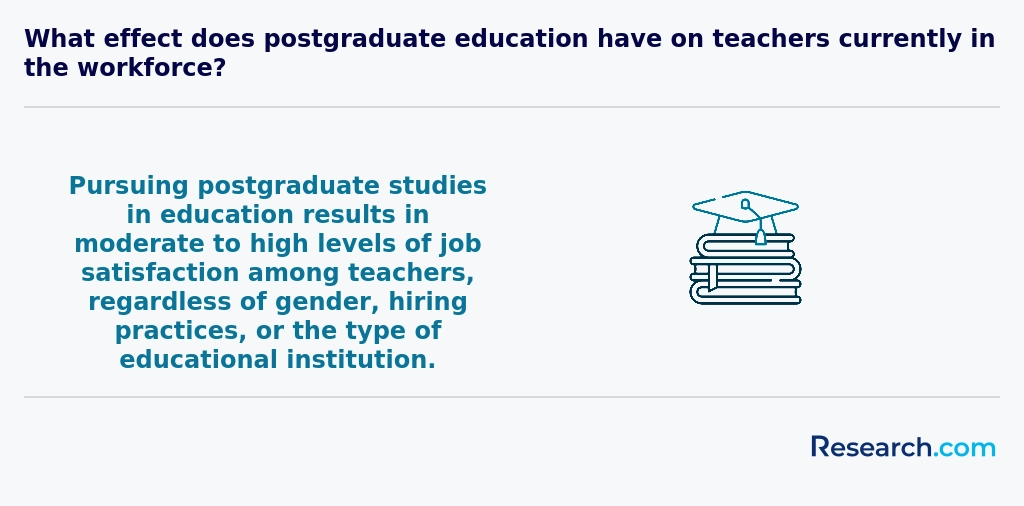
Navigating the path to becoming a certified educator in Massachusetts begins with understanding the state’s licensure framework administered by the Massachusetts Department of Elementary and Secondary Education (DESE). Prospective online Master’s in Education graduates must obtain an Initial License and later the Professional License to teach in public schools. To qualify for the Initial License, candidates must: • Earn a degree from a DESE-approved educator preparation program that meets state standards for curriculum, clinical practice, and assessment. • Pass the Massachusetts Tests for Educator Licensure (MTEL), including the Communication and Literacy Skills test and a subject-matter test aligned to your concentration (e.g., Elementary, Special Education, or Educational Leadership). • Complete a fingerprint-based criminal background check and submit official transcripts and test scores via the DESE Online System. After at least three years of successful teaching under the Initial License and completion of a mentor-supported induction program, educators are eligible for the Professional License, which remains valid for five years and offers expanded career opportunities. Renewal of the Professional License requires 125 hours of continuing education or completion of a DESE-approved educator preparation program residency track. Online Master’s programs in Massachusetts often include MTEL prep modules, virtual field experiences, and DESE-aligned curriculum frameworks to streamline certification. Graduates should verify that their chosen program is accredited and explicitly designed for Massachusetts licensure to avoid additional coursework or testing. For insights into online degree affordability in other states, explore the Inexpensive Online Education Degree Programs Ranking in North Dakota to benchmark cost-effectiveness and program quality.
If you're thinking about an online education degree in Massachusetts, there's a bunch of financial aid options to help ease the cost. Many students start by filling out the FAFSA, which opens doors to federal grants like the Pell Grant-these can cover up to around $7,395 a year and don't need to be paid back. Plus, federal loans with low fixed interest rates are there if you need them. Graduates from schools like Boston University or UMass Amherst often mention how these helped keep their expenses manageable.
Massachusetts residents get extra perks through state programs like the MassGrant, which supports undergrads and some grad students, especially those aiming to become educators. A lot of local universities offer scholarships and assistantships too, rewarding solid grades or teaching experience. Some grads recall getting scholarships tied to state efforts to boost teacher numbers in public schools, which was a great confidence boost both financially and professionally.
Also, don't forget about employer tuition reimbursement-many folks juggling work and study find this a lifesaver. Private scholarships focused on education fields, like special education or instructional tech, add even more options. Altogether, these financial aids make studying education online in Massachusetts feel doable and rewarding.
Completing an online master’s in education is only the first step toward leading a classroom in Massachusetts; you must also secure a teaching license through the Massachusetts Department of Elementary and Secondary Education (DESE). Most accredited online programs in the state are designed to satisfy DESE’s requirements, including:
- Approved Coursework: Core pedagogy and specialized courses aligned with Massachusetts licensure standards, such as curriculum design, assessment strategies, and inclusive education practices.
- Field Experience: Supervised student teaching or practicum hours that fulfill DESE’s minimum of 600 hours of clinical experience, ensuring you gain hands-on classroom management skills.
- MTEL Exams: Preparation for the Massachusetts Tests for Educator Licensure, including the Communication and Literacy Skills test and the subject-specific examination corresponding to your specialization. Once you’ve completed your program and passed the MTEL exams, you can apply for an Initial License, which is valid for five years. During this time, educators engage in a Professional Teacher Status (PTS) process, including mentoring and professional development, to advance to a Preliminary License and eventually attain a Professional License. Schools often partner with online programs to streamline this transition, offering workshops on lesson planning, diversity in the classroom, and educational leadership. For candidates evaluating cost-effective pathways or exploring licensure reciprocity in other regions, you might find value in our sister ranking of Inexpensive Online Education Degree Programs Ranking in North Dakota, which highlights programs with robust licensure support and lower tuition rates. By choosing a program with clear DESE alignment and dedicated licensure advisors, you’ll position yourself to meet state requirements efficiently and begin your teaching career with confidence.
If you're eyeing an online education degree in Massachusetts, the first thing you'll need is a bachelor's degree, usually from an accredited school. Many grads from places like Boston University or UMass Amherst have found that having a background in education or something close really helps, though some programs are cool with applicants from other fields as long as you knock out a few prerequisite courses.
Most programs want to see a solid GPA-typically around a 3.0 or higher. That's what graduates often mention as a "checkpoint" that made them feel confident about applying. The GRE? It's becoming less of a big deal for many programs, especially online, though some specialized tracks still ask for it. Checking the specific admissions page for your program is the safest bet.
Work experience in education or related jobs can really boost your application. Past students from schools like Northeastern have shared how submitting their resumes showing classroom or admin experience made a huge difference. Plus, you'll likely need to send in official transcripts, letters of recommendation, and a personal essay that tells your story and goals.
And if you're coming from abroad, be ready to prove your English skills with exams like TOEFL or IELTS. These little hoops ensure you're ready to handle the coursework and thrive in a busy online class environment.

To make informed decisions about their educational journey, prospective students should consider the financial implications of pursuing an online Education degree in Massachusetts. Understanding the costs associated with tuition, fees, and living expenses is crucial. Many students find that exploring options for affordable education schools in Massachusetts can help alleviate some of the financial burdens. Beyond the initial costs, graduates should also plan for potential salary ranges upon entering the job market. For instance, classroom teachers can expect starting salaries around $55,000, while experienced educators and administrators can earn upwards of $100,000 annually. By creating a comprehensive financial plan that accounts for both the costs of education and the potential earnings, students can better navigate their path to a fulfilling career in education.
When you dive into an online education degree in Massachusetts, expect to tackle courses that really prepare you for the real world of teaching and school leadership. Graduates from popular schools like Boston University and UMass often mention how courses like Foundations of Education helped them connect theory to everyday classroom life, making history and philosophy actually feel relevant.
Core classes like Educational Psychology and Classroom Management come up a lot in conversations. These courses explain why students act the way they do and teach practical ways to keep a classroom running smoothly-something every new teacher can appreciate. Plus, Instructional Design and Technology courses are a favorite since they show how to use digital tools, turning traditional lessons into engaging online or hybrid classes.
Massachusetts-specific courses, like those covering state curriculum standards or education law, prepare students to pass licensure exams and hit the ground running locally. Graduates often say these classes make all the difference when starting their teaching careers in the Bay State.
If you're looking into an online education degree in Massachusetts, you'll find plenty of specializations that fit different career paths. Graduates from well-known state colleges often mention how programs like Curriculum and Instruction helped them create effective lesson plans that truly engage K-12 students. Others have thrived focusing on Educational Leadership and Administration, which prepped them for roles like principals or district supervisors.
Technology Integration in Education is a popular choice among students who want to bring digital tools into classrooms, especially in today's tech-driven world. Plus, if you enjoy working with kids, Early Childhood Education lets you specialize in teaching little ones from birth through third grade. TESOL concentrations help graduates feel ready to support English language learners, a growing need in many Massachusetts communities.
Many folks looking at these programs appreciate how Massachusetts online master's in education concentrations line up well with state licensure requirements, making the journey smoother. If you want to explore more affordable options, check out a list of cheap online education degrees that keep costs manageable without sacrificing quality.
Picking the best online education degree programs Massachusetts can feel a bit overwhelming, but focusing on a few key things really helps. Graduates from big schools like Boston University often point out how important accreditation is-especially from groups like CAEP or NECHE-because it'll impact your chances of getting licensed and hired in the state. You also want to think about how flexible the course schedule is; many students juggling work or family love programs offering asynchronous classes so they can learn on their own time without missing a beat.
Cost matters too! Some grads from state schools mention the tuition can add up quickly, but financial aid options and scholarships make a difference. If budget is a big concern, check out Inexpensive Online Education Degree Programs Ranking in North Dakota for ideas on affordable options or compare programs carefully. Finally, look for programs tied to local schools that offer internships or career support-graduates often say this hands-on experience boosted their confidence and job prospects right here in Massachusetts.
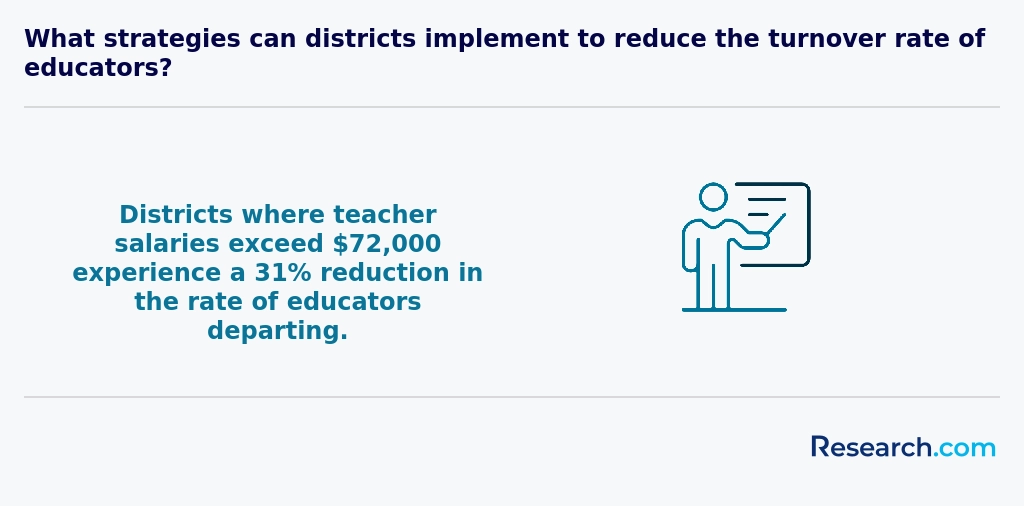
If you're thinking about online education degree jobs Massachusetts offers a bunch of neat options. Graduates often find themselves teaching K-12 students in everything from elementary to high school. Many of these grads from popular schools like Boston University or UMass Amherst talk about how their online degrees helped them breeze through the Massachusetts Tests for Educator Licensure (MTEL) and get certified without feeling overwhelmed.
Then there are those who want to move into school leadership roles-think principals or curriculum coordinators. In Massachusetts, you usually need a master's degree in education leadership for these jobs, which plenty of online programs cover well. If administration is your style, this path could be pretty rewarding.
Another cool spot graduates are landing is in educational technology or instructional design, helping schools update curriculums with fresh digital tools. And for folks interested in something different, there are chances as educational consultants, counselors, or even in corporate training-where knowing instructional strategies matters big time. For those curious about getting started affordably, check out the cheapest associates degree options in the state.
There's definitely career options with education master's Massachusetts grads find exciting and varied, making it easy to match a job with what you love.
If you're looking at online education degree jobs Massachusetts offers, the outlook is pretty upbeat. Graduates from well-known schools around here often share how their online degrees helped them land roles as teachers, curriculum designers, or school leaders fairly quickly. Places like Boston University or UMass Amherst provide programs that focus not just on theory but real classroom tech skills, which local districts really want these days.
One grad mentioned how they used what they learned online about educational leadership to step into a principal role within just a few years. Plus, with Massachusetts schools pushing for more STEM and special education teachers, the demand is strong, making it easier to find a job that feels meaningful and impactful.
On top of that, salary prospects are solid-teachers here earn noticeably more than the national average. And if you're curious about advancing further, there's a nice boost when you earn a master's or doctorate online. For anyone deciding whether to start, it can help to check out what is the easiest doctorate programs available before committing.
The Massachusetts job outlook for education graduates definitely favors those who appreciate flexibility and are ready to innovate in teaching methods.
2027 Most Valuable Online Master's in Education Degree Programs Ranking in Massachusetts
Investing in your education is a significant decision that can shape your future, and the Research.com team understands the importance of making informed choices. To assist prospective students in Massachusetts, we have meticulously developed the "2027 Most Valuable Online Master's in Education Degree Programs Ranking in Massachusetts." Our commitment to quality, credibility, and accuracy is reflected in the rigorous research and analysis conducted to compile this ranking.
We utilized the following reputable data sources to ensure a comprehensive evaluation of education programs:
By exploring this ranking, readers will gain valuable insights into the most valuable online master's in education programs offered in Massachusetts, helping them make well-informed decisions about their educational journeys. For more details on our methodology, please visit our Research.com methodology page.


# 8 position
Hebrew College
Master of Jewish Education



Frequently Asked Questions About education
Students pursuing online education degrees in Massachusetts can enhance their learning by engaging actively with course materials and instructors. Research shows that interactive participation boosts retention and skill development. Massachusetts hosts several top-ranked public and private universities offering accredited online education programs, ensuring recognized credentials.
Time management is crucial; setting a consistent study schedule helps balance coursework with personal and professional responsibilities. Utilizing state resources, such as the Massachusetts Department of Higher Education's guidance and local library access, supports academic success.
Networking with peers through online forums and virtual study groups also enriches learning, fostering collaboration and practical insights.
Emerging niches within the education field in Massachusetts reflect growing trends nationwide, emphasizing technology integration and specialized support roles. One key area is educational technology, where professionals design and implement digital learning tools. According to the Massachusetts Department of Higher Education, demand for e-learning specialists increased by over 15% in recent years.
Another growing niche is special education, focusing on inclusive education strategies and services for students with disabilities. The state's commitment to inclusive classrooms has boosted demand for experts in this field.
Additionally, there is rising interest in educational leadership roles that emphasize equity and culturally responsive teaching, aligning with Massachusetts' diverse student population and education reform efforts.
After completing an online education degree in Massachusetts, preparing for the job market requires strategic planning and skill development. Graduates should focus on building a strong professional network by joining local and state education organizations, such as the Massachusetts Teachers Association. According to the Massachusetts Department of Elementary and Secondary Education, having relevant teaching certifications significantly improves employment prospects.
Gaining practical experience through internships or substitute teaching enhances resumes and familiarity with Massachusetts school systems. Additionally, keeping up-to-date with state curriculum standards and technology trends is crucial, as schools increasingly value digital teaching skills. Utilizing career services offered by your online institution can also provide guidance on resume building and interview preparation tailored to Massachusetts' educational landscape.
Employers in Massachusetts highly value education degree graduates who demonstrate strong communication and classroom management skills. According to the Massachusetts Department of Elementary and Secondary Education (DESE), effective collaboration with colleagues and adaptability to diverse learning environments are critical competencies.
Data from the Bureau of Labor Statistics highlights that analytical thinking and the ability to integrate technology into teaching are increasingly important, especially as online and hybrid learning grow statewide. Graduates proficient in educational software tools often have an employment advantage.
Additionally, cultural competency is a key skill given Massachusetts' diverse student population. DESE reports suggest that candidates who show an understanding of equity and inclusion tend to succeed in local schools. These skills collectively prepare graduates to meet the demands of Massachusetts' evolving education sector.
Finding internships in Massachusetts relevant to an education degree involves leveraging both local resources and state initiatives. Many universities in Massachusetts, such as Boston University and UMass Amherst, have partnerships with local school districts to provide education internships.
Students should also explore the Massachusetts Department of Elementary and Secondary Education, which offers information on approved internship programs and licensure requirements. According to the Massachusetts Executive Office of Education, the state supports experiential learning through grants and partnerships with over 350 public school districts.
Online education students can use platforms like Handshake or LinkedIn to connect with schools and nonprofits in Massachusetts offering internships. Networking through Massachusetts education conferences and local chapters of professional organizations like the Massachusetts Teachers Association can also provide valuable leads.
An online education degree in Massachusetts significantly enhances career mobility and advancement opportunities. With the state's strong emphasis on education, professionals holding advanced degrees often qualify for higher-paying positions. According to the Massachusetts Department of Elementary and Secondary Education, educators with graduate degrees can access roles such as curriculum specialists or school administrators, which typically require a master's degree or higher.
Online programs accredited by regional bodies like NEASC/WASC provide flexible learning while maintaining rigorous standards, ensuring degrees are respected by employers statewide. Additionally, Massachusetts' competitive education sector often rewards continual learning, linking advanced degrees to salary increases and promotions.
Studying for an education degree in Massachusetts offers strong preparation for interdisciplinary roles by emphasizing collaboration across various fields. Many programs integrate coursework in psychology, sociology, technology, and leadership, reflecting the state's commitment to holistic education practices. According to the Massachusetts Department of Elementary and Secondary Education (DESE), educators with interdisciplinary skills are increasingly sought after to address diverse learner needs.
Massachusetts universities also provide practical experiences, encouraging students to work in settings that combine education with health, social services, and community outreach. This approach aligns with current trends in U.S. education to develop adaptable professionals.
Such integration fosters critical thinking and problem-solving, essential in roles beyond traditional teaching.
Choosing between a thesis and a non-thesis education degree program in Massachusetts depends on your career goals and learning preferences. Thesis programs typically require original research and a formal thesis paper, ideal for students aiming to pursue a Ph.D. or roles in educational research. Non-thesis options focus more on coursework and practical experience, preferred by professionals seeking administrative or teaching positions.
Massachusetts universities often align thesis programs with research intensity, supporting skills in data analysis and academic writing. According to the Massachusetts Department of Higher Education, about 40% of master's candidates in education choose non-thesis paths for quicker completion and flexibility.
Consider your schedule and long-term plans carefully, as thesis programs usually demand more time and commitment. Online formats often offer flexibility for both options, but thesis students should expect structured guidance on research methods.
Students based in Massachusetts who wish to study education abroad while pursuing online degrees have several options. Many Massachusetts institutions, such as Boston University and Harvard Extension School, offer online education programs with international study components or exchange opportunities.
The state's strong emphasis on global education encourages partnerships with foreign universities, allowing students to access diverse teaching methods and cultures. According to the Massachusetts Department of Higher Education, over 60% of state universities support programs that include international collaboration or fieldwork abroad.
Additionally, certain online master's programs provide virtual classrooms with international cohorts, which enrich the educational experience without requiring physical travel. These options make studying education abroad more feasible and affordable for Massachusetts residents.
Part-time job opportunities in Massachusetts that complement education degree studies often include roles such as teacher's assistant, tutor, and after-school program coordinator. These positions provide practical experience related to classroom management and individualized student support. According to the Massachusetts Department of Elementary and Secondary Education, tutoring services have grown by over 15% in recent years, reflecting increased demand for personalized learning.
Working as a substitute teacher is another viable option, offering flexible hours and relevant exposure to diverse educational settings. Many districts in Massachusetts require substitutes to have at least some college credits, making this accessible for online education students.
Additionally, educational nonprofits and community centers frequently hire part-time staff to support youth programs, enabling students to build leadership and communication skills while studying.
Online education students in Massachusetts benefit from a variety of networking opportunities designed to enhance their professional and academic growth. Many universities offer virtual events, such as webinars and career fairs, that connect students with alumni and education professionals statewide.
Massachusetts is home to numerous education-focused organizations, including the Massachusetts Teachers Association and the New England Educational Opportunity Association, which provide membership benefits and networking events accessible to online students. These platforms foster connections with peers and leaders in the education field.
Additionally, LinkedIn groups specific to Massachusetts educators and education graduate students offer informal networking channels. According to the Massachusetts Department of Higher Education, over 70% of graduates find employment partly through networking, emphasizing its importance even for online learners.
Alumni networks play a crucial role in supporting online education degree students in Massachusetts. These networks connect graduates, current students, and faculty, fostering professional relationships and mentorship opportunities. According to the Massachusetts Department of Higher Education, schools with active alumni communities see higher graduate employment rates, often exceeding 85% within six months of graduation.
For online students who may feel isolated, alumni networks provide access to job postings, career workshops, and local education events. They help bridge connections with school districts and education organizations throughout Massachusetts, enhancing job prospects. Participation in these networks can lead to internships and collaborations beneficial for career growth.
In Massachusetts, customizing an online education degree to match your career goals often begins with selecting specialized tracks or concentrations offered by many universities. These options may include curriculum design, educational leadership, or special education, enabling students to tailor their studies to specific professional interests.
Additionally, students can often choose elective courses aligned with their career paths. Some programs allow flexible scheduling and practical components such as internships or capstone projects, which help apply learning to real-world settings.
According to the Massachusetts Department of Higher Education, over 70% of state institutions offer some form of online degree customization, reflecting a growing trend to meet diverse student and workforce needs.
Before enrolling, prospective students should review program accreditation and consider how coursework aligns with Massachusetts's certification and licensing requirements.
Online education students in Massachusetts often face several notable challenges that can affect their academic success. A primary issue is time management, especially for working adults balancing careers and family responsibilities. According to a 2022 report by the Massachusetts Department of Higher Education, over 60% of online learners are part-time students, highlighting this struggle.
Another common challenge is access to reliable internet, which remains uneven across the state despite Massachusetts' overall high connectivity. Students in rural areas may experience difficulties participating in synchronous classes or accessing online resources.
Additionally, feelings of isolation and limited interaction with peers and instructors can impact motivation and retention. Some students report that the lack of face-to-face support hinders their ability to fully engage.
Finally, navigating financial aid and understanding program accreditation also presents obstacles when choosing the right online education degree.
With an online education degree in Massachusetts, graduates can pursue several professional certifications that enhance their teaching credentials and career prospects. One common certification is the Massachusetts Initial Teacher License, which qualifies candidates to teach in public K-12 schools across the state.
Additionally, educators may seek the Professional Teacher License after gaining classroom experience, allowing for continued teaching employment statewide. Other valuable certifications include the Special Education Teacher Certification and endorsements in English as a Second Language (ESL), both in demand within Massachusetts schools.
National certifications like the National Board for Professional Teaching Standards (NBPTS) can also complement Massachusetts credentials. According to the Massachusetts Department of Elementary and Secondary Education, these certifications often lead to higher salaries and expanded career opportunities.
When applying to an online education program in Massachusetts, a clear and concise application is crucial. Start by highlighting your academic background, especially any teaching experience or certifications you hold. Massachusetts values candidates who demonstrate commitment to advancing education, so emphasize your career goals and how the program aligns with them.
According to the Massachusetts Department of Higher Education, programs often seek applicants with strong personal statements that explain motivation and readiness for graduate study. Include specific examples showing your ability to manage online learning independently.
Finally, carefully follow each institution's application instructions and deadlines to improve your chances.
Education careers in the United States, including Massachusetts, are increasingly valued worldwide due to the emphasis on effective teaching methods and leadership skills. Globally, education professionals often look to U.S. standards, especially those developed through online master's programs, as benchmarks for quality and innovation. Massachusetts ranks among the top states for online education degrees, with schools accredited by organizations like NEASC, ensuring programs meet rigorous national and international criteria.
The demand for skilled educators is rising internationally, fueled by global educational goals such as UNESCO's Education 2030. In Massachusetts, the Department of Elementary and Secondary Education reports steady growth in teacher preparation graduates, who often pursue advanced online degrees to remain competitive in this evolving field.
Many education professionals see a career in teaching or administration as a way to impact global education systems by adopting best practices gained from U.S. research and policy. This trend makes Massachusetts' online education degrees increasingly relevant to a broad, international audience.
Gaining practical experience while studying for an online education degree in Massachusetts is essential for career readiness. Many Massachusetts institutions require student teaching or fieldwork hours as part of their programs, providing hands-on experience in real classrooms.
Additionally, partnerships between universities and local school districts offer remote and in-person internship opportunities. This allows students to apply theory in practical settings.
The Massachusetts Department of Elementary and Secondary Education (DESE) often supports such collaborations, ensuring students meet licensure requirements.
Online students can also engage in virtual simulations and professional development workshops, which supplement practical skills effectively.
Choosing the right concentration within an online education degree in Massachusetts depends largely on your career goals and the state's educational demands. Massachusetts places strong emphasis on STEM education and early childhood development, with many districts prioritizing these areas.
Review programs accredited by the Council for the Accreditation of Educator Preparation (CAEP) to ensure quality. Popular concentrations include Special Education, Literacy, and Educational Leadership, which align with Massachusetts' teacher shortage areas reported by the Massachusetts Department of Elementary and Secondary Education (DESE).
Consider future licensing requirements. For example, leadership roles often require administrative certification, while special education concentrations prepare you for state-specific teaching credentials. Be sure to evaluate faculty expertise and practicum opportunities in your chosen field.
- 2027 Most Valuable Online Master's in Education Degree Programs Ranking in New York
- 2027 Most Valuable Online Master's in Education Degree Programs Ranking in New Jersey
- 2027 Most Valuable Online Master's in Education Degree Programs Ranking in Maine
- 2027 Most Valuable Online Master's in Education Degree Programs Ranking in Pennsylvania
- 2027 Most Valuable Online Master's in Education Degree Programs Ranking in Maryland
- 2027 Most Valuable Online Master's in Education Degree Programs Ranking in Virginia
- 2027 Most Valuable Online Master's in Education Degree Programs Ranking in Ohio
- 2027 Most Valuable Online Master's in Education Degree Programs Ranking in Kentucky
- 2027 Most Valuable Online Master's in Education Degree Programs Ranking in North Carolina
- 2027 Most Valuable Online Master's in Education Degree Programs Ranking in South Carolina
See What Experts Have To Say About Studying Education
Read our interview with Education experts

Nooshan Ashtari
Education Expert
Professor & Book Author
University of Southern California


- Promising Niches in the Global EdTech Landscape - Blog https://rocketech.it/blog/post/global-edtech-landscape-what-niches-are-the-most-promising
- Online Education Degree Programs | University of Phoenix https://www.phoenix.edu/online-education-degrees.html
- How to Write a Great Letter of Intent for a Teaching Job | Zen Educate https://www.zeneducate.com/us/resources/becoming-a-teacher/how-to-write-letter-of-intent-teaching-job/
- Finding Networking Opportunities as a Student | National Society of High School Scholars https://www.nshss.org/resources/blog/blog-posts/how-to-find-networking-opportunities-as-a-student/
- Get the skills employers want | Study UK https://study-uk.britishcouncil.org/why-study/succeed-your-career/get-skills-employers-want
- Guide to Online Education Degrees | OEDb.org https://www.oedb.org/rankings/online-education-programs/
- International teaching and education jobs https://www.tes.com/jobs/search/international
- Online Degree vs. Traditional | University of Arkansas Grantham https://www.uagrantham.edu/blog/pros-cons-online-degree-vs-traditional-university/
- Financial Aid for Educators | Massachusetts Teachers Association https://www.massteacher.org/financial-aid-educators
- Online Degree vs. Traditional: Choosing the Right Path https://beal.edu/online-degree-vs-traditional/


