
2027 Best Education Degree Programs Ranking in Buffalo

Co-Founder and Chief Data Scientist
Choosing the right education degree program is a big step toward a rewarding career in Buffalo. This article presents the 2027 Best Education Degree Programs Ranking in Buffalo, carefully created by the Research.com team of data scientists. It is designed to help you make an informed decision about which programs truly stand out.
By exploring this ranking, you'll gain valuable insights into top options available in your city. Pursuing an education degree opens doors to meaningful opportunities and personal growth. Let this guide support your journey toward a brighter future.
Key benefits of getting education degree in Buffalo
- Graduates with an education degree in Buffalo can expect rewarding salaries, such as $76,000 for Special Education Teachers and $77,200 for Instructional Designers, reflecting strong earning potential in diverse education roles.
- Career paths for education graduates include teaching roles at various levels, instructional design, and early childhood education, providing many opportunities to make a positive impact in local schools and communities.
- Completing an education degree online from a Buffalo university offers flexibility and time savings, allowing students to balance studies with work or family while still gaining valuable skills and credentials.
- Key benefits of getting education degree in Buffalo
- What can I expect from education degree in Buffalo?
- Where can I work with education degree in Buffalo?
- How much can I make with education degree in Buffalo?
- 2027 Best Education Degree Programs Ranking in Buffalo
- Key Findings
- How long does it take to complete education degree in Buffalo?
- Tips for Securing Financial Aid and Affordable Education Options
- What's the difference between online and on-campus education degree?
- Teacher Certification and Licensing Requirements in New York
- What is the average cost of education degree in Buffalo?
- Where Can I Work After Your Education Degree in Buffalo, NY?
- What financial aid is available to education degree students in Buffalo?
- Where Can I Work with an Education Degree in Buffalo, NY?
- What are the prerequisites for enrolling in education degree program in Buffalo?
- Licensure and Certification Requirements for Education Graduates in Buffalo, NY
- What courses are typically in education degree programs in Buffalo?
- What types of specializations are available in education degree programs in Buffalo?
- How do you choose the best education degree in Buffalo?
- What career paths are available for education degree students in Buffalo?
- What is the job market for education degree in Buffalo?
- Top Trending Education Rankings
- See What Experts Have To Say About Studying Education
What can I expect from education degree in Buffalo?
The average cost of pursuing an education degree in Buffalo hovers around $7,100 per year for in-state undergraduates, according to Buffalo State College's 2023-2024 data. This figure might feel like just a number until you hear from graduates who recall balancing tight budgets while gaining invaluable classroom experience through partnerships between Buffalo's universities and local schools.
For many, the financial investment is matched by the hands-on learning opportunities at places like the University at Buffalo or Trocaire College, where theory meets practice in nearby classrooms. One graduate shared how student teaching not only cemented their passion but also made every tuition dollar feel worthwhile, knowing that supervised hours lead directly to New York State certification.
It's easy to dismiss cost without considering scholarships and financial aid that often soften the burden. Many students working while studying find hybrid courses particularly helpful, spreading the cost over time without sacrificing the quality of education. In Buffalo, paying for school increasingly feels like investing in a future where demand for committed educators remains strong and rewarding.
Where can I work with education degree in Buffalo?
Graduates with an education degree in Buffalo often find themselves stepping into vibrant classrooms within the Buffalo Public Schools district, where thousands of educators shape young minds every day. Imagine a Buffalo State College graduate thriving as a special education teacher, adapting lessons to meet diverse student needs in local schools. Beyond traditional teaching roles, many graduates embrace careers in early childhood centers across Western New York, engaging with children before they even begin formal schooling-a meaningful way to spark lifelong learning right from the start.
Meanwhile, those from the University at Buffalo may thrive behind the scenes as instructional designers or academic advisors, crafting educational experiences and guiding students on their paths. Some daring graduates choose leadership, tackling roles like school principals or education coordinators, where their impact ripples through entire communities. Nonprofits, including local chapters of tutoring programs or the Buffalo Urban League, provide another rewarding avenue-roles combining passion for education with direct community support.
These paths reveal that an education degree in Buffalo unlocks a broad spectrum of fulfilling opportunities, each shaped by personal dedication and a desire to foster growth in diverse learning environments.
How much can I make with education degree in Buffalo?
Graduates with an education degree in Buffalo often find their earnings reflecting both their qualifications and the specific roles they pursue. For instance, a graduate from the University at Buffalo stepping into an elementary school teaching position can expect a mean annual wage around $70,740, which provides a strong foundation to start a rewarding career.
Those drawn towards special education roles, which require dedication and specialized skills, see salaries averaging $76,000, offering not only financial stability but also the fulfillment of making a meaningful impact. Meanwhile, graduates working as English as a Second Language (ESL) teachers can expect about $65,430 annually, a compelling option for those passionate about supporting diverse student populations in Buffalo's schools.
Early childhood educators, essential in shaping young minds, earn approximately $41,410 a year, demonstrating that even entry-level positions hold value and opportunity. Instructional designers, blending education expertise with technology, command nearly $77,200 annually, showcasing the expanding horizons for education degree holders in Buffalo's evolving education landscape.
These figures go beyond numbers to represent real futures. Graduates often reflect on how their studies at well-known Buffalo institutions prepared them for roles that bring both a steady income and a chance to inspire the next generation.
2027 Best Education Degree Programs Ranking in Buffalo
How do we rank schools?
Investing in your education is a significant decision that can profoundly impact your future, and the Research.com team recognizes the importance of making well-informed choices. To support prospective students in Buffalo, we have carefully developed the "2027 Best Education Degree Programs Ranking in Buffalo." Our dedication to quality, credibility, and accuracy is demonstrated through rigorous research and thorough analysis.
We utilized the following reputable data sources to ensure a comprehensive evaluation of education degree programs:
By exploring this ranking, readers will gain valuable insights into the top education degree programs in Buffalo, enabling them to make informed decisions about their academic and professional futures. For more information on how this ranking was developed, please visit our Research.com methodology page.


Key Findings
- Tuition for education degrees at public universities in Buffalo typically ranges from $10,000 to $15,000 per year for in-state students, while private and out-of-state tuition can exceed $25,000 annually.
- Starting salaries for newly certified teachers in Buffalo usually range from $45,000 to $50,000 per year depending on district and education level.
- Mid-career educators in Buffalo earn between $55,000 and $70,000 annually, with specialized or administrative roles paying over $80,000.
- Employment opportunities for education professionals in Buffalo are projected to grow by 5% to 7% over the next decade.
- Buffalo offers state teaching licensure programs that include practical classroom experience and meet New York State certification requirements.
- Specialized degree programs available include special education, early childhood education, and educational leadership to meet diverse career goals.
How long does it take to complete education degree in Buffalo?
Completing an education degree in Buffalo is often seen as a fixed timeline-four years for a bachelor's, one to two for a master's, and three to six for a doctorate-but real student experiences reveal a more dynamic story. Graduates from the University at Buffalo and Buffalo State College frequently share how juggling part-time jobs and family commitments stretches this timeline, making education a flexible journey rather than a race.
For instance, many bachelor's students relish the hands-on learning through student teaching but find the balancing act rewarding, adding to their growth beyond the usual four years. Meanwhile, master's students often choose Buffalo State's flexible evening or online courses, embracing a slower pace that lets them refine their skills without sacrificing income or personal time.
Doctoral candidates at the University at Buffalo emphasize that the research-heavy path, while lengthy, cultivates persistence and deep expertise. This nuanced timeline challenges the conventional "quick degree" mindset and invites reflection on how personal circumstances and program formats shape educational success.
Tips for Securing Financial Aid and Affordable Education Options
To make the most of your education degree in Buffalo, NY, it's essential to explore financial aid options and affordable education paths. For those looking for affordable alternatives, considering affordable online education schools in New York can be a strategic move, allowing you to balance costs with the quality of education. Many institutions, including the University at Buffalo and Buffalo State College, offer scholarships, grants, and assistantships specifically for education students. Graduates often recommend starting with federal aid by completing the FAFSA, which can open doors to crucial grants and loans. Additionally, New York State provides additional grants and scholarships based on need and merit, which can significantly alleviate the financial burden of pursuing an education degree. By combining these financial aid options with affordable education choices, you can position yourself for success, both financially and academically, as you embark on your journey to become an educator.
What's the difference between online and on-campus education degree?
Choosing between online and on-campus education degrees in Buffalo reveals more than just a difference in location-it shapes the entire student experience. Graduates from the University at Buffalo who attended in person often share how the vibrant campus atmosphere fueled their passion for teaching. Engaging face-to-face with professors and peers, participating in lively classroom debates, and utilizing hands-on facilities like teaching labs created a sense of belonging and immediate support.
Conversely, those who pursued their degrees online from Buffalo State College highlight the freedom to balance work, family, and studies. They appreciated video lectures and discussion boards that fit their schedules, yet acknowledge the challenge of maintaining discipline without the physical presence of classmates. Both sets of graduates emphasize that mastering local student-teaching placements near Buffalo is a pivotal, immersive experience regardless of format, offering real-world preparation that theory alone can't provide.
This contrast questions the typical assumption that one model is better. Instead, it invites reflection on how your daily life and learning style will thrive within Buffalo's unique educational landscape.
Teacher Certification and Licensing Requirements in New York
Becoming a certified educator in Buffalo, NY requires more than just earning your degree; you must also navigate New York State’s licensure pathway. First, complete an approved educator preparation program that includes a minimum of 100 clock hours of supervised field experience and a full semester of student teaching. Next, register for and pass the New York State Teacher Certification Examinations (NYSTCE), which typically include the Educating All Students (EAS) test and the Content Specialty Tests (CST) aligned to your subject area or grade level. Once you’ve met coursework and exam requirements, submit your application through the NYSED TEACH account, including official transcripts, fingerprinting clearance (conducted via a state‐approved vendor), and proof of workshop completion for Child Abuse Identification and School Violence Prevention. After initial certification-valid for five years-you must earn professional certification by completing three years of full‐time teaching experience and fulfilling ongoing professional development (CTLE) requirements. Understanding the licensing process can feel overwhelming, but many Buffalo institutions offer dedicated certification advisors to guide you through each step, from exam registration to document submission. For candidates exploring flexible, budget-friendly pathways or comparing out-of-state options, be sure to review our Low Cost Online Education Degree Programs Ranking in Flagstaff, AZ for additional insights into accredited online programs and cost-saving strategies.
What is the average cost of education degree in Buffalo?
The average cost of an education degree in Buffalo typically centers around $10,936 for in-state students, a figure that many local graduates have found to be a manageable investment in their future careers. Reflecting on the experience of graduates from well-known public universities like SUNY Buffalo and Buffalo State College, this cost becomes more tangible when considering the quality education and community connections these institutions provide. These students often describe feeling that their tuition payments were well justified, given the supportive environment and comprehensive training programs.
Contrary to the common assumption that all degrees come with overwhelming debt, many education students in Buffalo find opportunities to balance expenses, especially when factoring in the more affordable in-state tuition fees compared to private institutions. Private colleges can push the total beyond $40,000, but many choose public options to stay within a practical budget, highlighting the importance of researching Buffalo education degree tuition and fees closely.
Adding a realistic layer to budgeting, factors such as campus fees, textbooks, and living costs can push the total annual spending substantially higher. Graduates frequently mention the value of exploring financial aid options early because scholarships and grants available locally can alleviate the strain and make pursuing these degrees more accessible. For those looking for flexible and cost-effective paths, exploring affordable online education schools in New York can also transform the financial landscape of earning a degree.
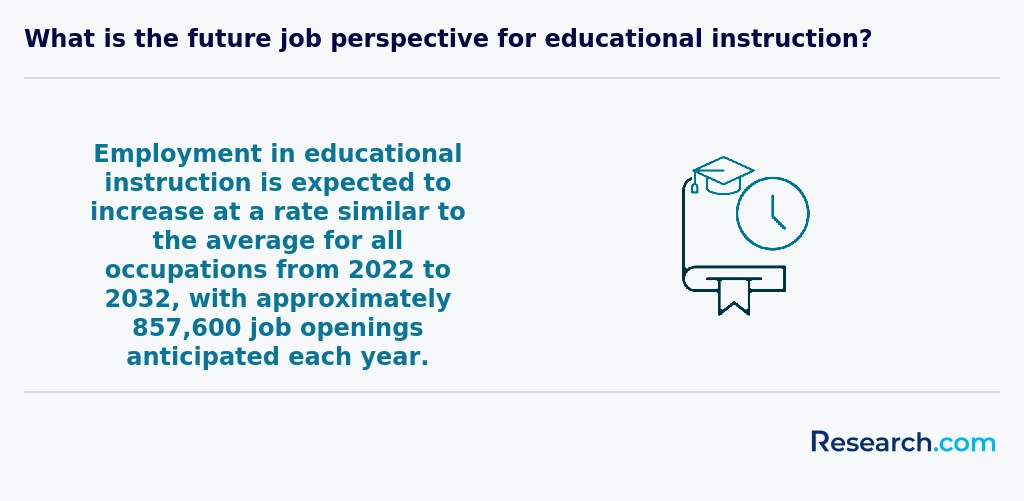
Where Can I Work After Your Education Degree in Buffalo, NY?
Graduates with an education degree from Buffalo, NY, have a wide spectrum of career opportunities available across both traditional and innovative educational settings. Many find rewarding placements in public and private K-12 schools-the epicenters of community growth-while others explore roles within higher education, non-profit organizations, and education technology companies. For example, graduates often work as classroom teachers, school counselors, curriculum developers, or education administrators who help shape policies and academic programs that have a lasting impact on student success. Moreover, employers in curriculum development and corporate training value the diverse skill set these graduates bring, including strong communication, lesson planning, and adaptive teaching strategies. Flexible online options further expand these prospects; candidates seeking accelerated or alternative learning formats might consider resources such as shortest EDD online degree fast track programs, which offer streamlined paths to advanced career roles. In addition to traditional educational institutions, opportunities exist in community centers, government agencies, and educational consulting firms where the ability to manage projects, innovate in lesson delivery, and advocate for diverse learners is widely recognized. This breadth of employment options not only reinforces the practical value of pursuing an education degree in Buffalo but also underscores the city’s commitment to fostering a dynamic and inclusive educational environment.
What financial aid is available to education degree students in Buffalo?
Many education students in Buffalo find federal financial aid to be a crucial lifeline, especially Pell Grants that don't need to be repaid, easing the pressure of $7,000 to $10,000 tuition costs at schools like Buffalo State College. Graduates often reflect on how Direct Subsidized Loans helped them stay afloat without accumulating interest during their studies, allowing focus on impactful student teaching rather than debt worries.
State support through New York's Tuition Assistance Program (TAP) further lightens the load by covering substantial tuition portions, a reality experienced by many who attend the University at Buffalo's education programs. Local scholarships, such as those from the Buffalo Public Schools Foundation, resonate deeply with students passionate about contributing to the city's educational future and create a sense of community investment.
Work-study roles offer practical, paid opportunities on campus and with Buffalo's local schools, turning textbook theory into hands-on experience. Veterans studying education also benefit significantly from GI Bill provisions, broadening access to quality training without the financial strain.
Where Can I Work with an Education Degree in Buffalo, NY?
Graduates holding an Education degree in Buffalo, NY, can pursue careers across a variety of settings, from traditional K–12 classrooms to emerging educational hubs: 1. Public and Charter Schools: Positions in Buffalo Public Schools, Charter School for Applied Technologies and other district-run institutions include elementary, middle and secondary classroom teaching, special education roles, and ESL instruction. 2. Higher Education and Adult Learning: Community colleges like Erie Community College and universities such as the University at Buffalo hire graduates as academic advisors, adjunct instructors or student services coordinators, while adult learning centers offer roles in GED preparation and workforce development. 3. Corporate Training and EdTech: Companies headquartered in the Buffalo Niagara region-spanning healthcare, manufacturing and financial services-employ instructional designers, curriculum developers and corporate trainers to upskill employees. Tech startups and established EdTech firms also seek graduates to design online modules and learning analytics. 4. Nonprofits and Community Organizations: Organizations like Literacy New York Buffalo Niagara and the YMCA of Greater Rochester recruit education graduates for youth program coordination, after-school tutoring and grant-funded educational initiatives. 5. Museum, Library and Informal Learning: Cultural institutions-such as the Buffalo Museum of Science and the Buffalo & Erie County Public Library-offer roles in exhibit education, public programming and library media specialization. 6. Government and Policy: Graduates may join New York State Education Department offices or local school boards in policy analysis, accreditation review and program evaluation capacities. To compare cost-effective pathways for remote study, explore our Low Cost Online Education Degree Programs Ranking in Flagstaff, AZ, which highlights flexible, affordable online alternatives that can complement your Buffalo-based credentials.
What are the prerequisites for enrolling in education degree program in Buffalo?
To enroll in an education degree program in Buffalo, you must first secure a high school diploma or its equivalent if aiming for undergraduate studies, or hold a bachelor's degree for graduate programs. Graduates from Buffalo's University at Buffalo often recount the relief of meeting these clear thresholds, which help them focus on deeper learning rather than admission uncertainties.
Undergraduate hopefuls typically submit SAT or ACT scores, though many local schools have embraced test-optional policies, easing stress in already demanding times. Graduate applicants may face GRE requirements, a hurdle many feel well-prepared for after hands-on experience or related coursework.
Beyond academics, New York State's mandate for background checks and fingerprinting ensures aspiring educators in Buffalo demonstrate integrity-a point graduates frequently mention as a reassuring commitment to community safety.
Letters of recommendation and personal essays allow applicants to reveal their passion and resilience. Students reflect on how crafting these personal stories made them more aware of their dedication to shaping future generations, turning application challenges into empowering moments.

Licensure and Certification Requirements for Education Graduates in Buffalo, NY
After earning an education degree in Buffalo, NY, graduates must secure New York State certification to teach in public and private schools. The Office of Teaching Initiatives (OTI) mandates the following steps: 1. Complete a state‐approved teacher preparation program, including at least 12 credits of student teaching. 2. Pass required exams: - Educating All Students (EAS) test - Content Specialty Test (CST) in your teaching field - edTPA performance assessment 3. Create a TEACH account, submit official transcripts, and pay the application fee. 4. Undergo fingerprinting and a background check through the New York State Education Department. 5. Apply for an Initial Certificate, valid for five years, and accumulate three years of full‐time teaching experience to upgrade to the Professional Certificate. Many Buffalo graduates leverage local partnerships-such as Buffalo State College’s mentor‐teacher network-to streamline practicum placements and meet certification hours. For aspiring teachers seeking flexible routes, consider exploring our partner ranking of affordable online programs; see the Low Cost Online Education Degree Programs Ranking in Flagstaff, AZ to compare pathways that align with New York State requirements. By understanding these licensure steps early, candidates can plan coursework strategically, budget for exam fees, and schedule fingerprinting appointments-ensuring a smooth transition from student to certified educator in Buffalo’s dynamic schools.
What courses are typically in education degree programs in Buffalo?
Education degrees in Buffalo challenge students to dive deep into courses that stretch beyond typical classroom theory. Graduates from local institutions like Buffalo State College recall how foundational classes such as Educational Psychology truly shifted their understanding of student behavior, making abstract concepts suddenly tangible as they observed these principles in real Buffalo classrooms. Courses like Curriculum Design and Instruction demand creativity-planning lessons that resonate with Buffalo's diverse youth, reflecting the city's vibrant multicultural tapestry.
Core classes do more than inform; they prepare students to face real challenges. Classroom Management lessons, for example, equip future teachers to foster positive learning environments, crucial for the varied socio-economic backgrounds encountered in Buffalo schools. Many students describe the profound impact of hands-on student teaching placements within the community, cementing their confidence and passion for education.
Electives focused on bilingual education and special education underscore Buffalo's commitment to inclusion, allowing students to connect theory with the lived experiences of the city's learners. This curriculum, rooted in practical relevance, shapes educators ready to make meaningful differences.
What types of specializations are available in education degree programs in Buffalo?
Students pursuing an education degree in Buffalo often find themselves immersed in specializations that go beyond standard teaching roles, reflecting the city's diverse educational needs. For instance, choosing elementary education at popular local universities means engaging deeply with literacy development and early childhood psychology, where graduates recount relatable classroom experiences shaping young learners' futures firsthand. Meanwhile, those drawn to Buffalo teaching degree program options in secondary education develop subject expertise paired with adolescent psychology, which many describe as eye-opening, as they navigate real Buffalo middle and high schools during internships.
Special education stands out as a meaningful path, with education students reflecting warmly on how adaptive technologies transform lives. Educational leadership and administration, another common specialization, trains candidates for roles like principals, where graduates highlight the rewarding challenge of shaping policy and community impact. Some also pursue focuses in counseling and mental health, a nod to Buffalo's growing commitment to student wellness. For those seeking quicker pathways, programs related to shortest EDD online degree fast track programs offer innovative options. These varied specializations underscore Buffalo's expansive offerings and real-world preparation.
How do you choose the best education degree in Buffalo?
Choosing the best education degree programs Buffalo offers is not just about picking a school with a reputable name. Graduates from the University at Buffalo often reflect on how vital accreditation and alignment with New York State teaching certifications were to their confidence entering classrooms. Consider this: a program may look affordable, yet without clear state certification pathways, you risk delays in licensure and job placement. For example, Buffalo State College's accredited education department combines affordable tuition with strong partnerships in local schools, giving students hands-on experience that graduates say was key to their smoother job transitions.
Think deeper than tuition costs alone-affordable education degrees in Buffalo mean balancing cost with graduation rates and flexible learning options. Many working professionals found evening or online classes essential for their success, reflecting how realistic scheduling affects outcomes. For those weighing cost versus flexibility, explore options beyond Buffalo. A useful comparative resource is the Low Cost Online Education Degree Programs Ranking in Flagstaff, AZ, which challenges the notion that proximity is always best.

What career paths are available for education degree students in Buffalo?
Graduates with an education degree in Buffalo discover a spectrum of career opportunities far beyond traditional teaching roles. Many find themselves thriving in public schools across the city, particularly in elementary education or special education, where the demand for certified teachers remains high. Those who studied at local institutions like SUNY Buffalo State often share how rigorous preparation and practical experience led them to become confident educators ready to impact diverse classrooms. The Buffalo education degree job prospects extend to administrative positions such as school principals or district coordinators, roles that challenge you to influence education policy and student success on a broader scale.
Others embrace less conventional but equally vital paths. Roles like educational counselors or curriculum developers allow graduates to shape student experiences and learning environments creatively. Community-based programs employing adult education instructors offer rewarding chances to teach literacy and vocational skills, especially for those who appreciate a direct connection to local residents. Students sometimes find inspiration by exploring fast online bachelor degree programs for working adults, balancing life and career while deepening their expertise. These career options highlight the real impact an education degree career opportunities in Buffalo unlocks, fueling ambitions with meaningful work that shapes futures.
What is the job market for education degree in Buffalo?
The education degree job opportunities in Buffalo reveal a market shaped by steady demand and evolving needs. Graduates from institutions like the University at Buffalo and Canisius College often find themselves stepping into classrooms where inclusivity and adaptability are key. Many reported feeling invigorated by the challenge of supporting diverse student populations, whether as special education instructors or school counselors. These Buffalo education graduate employment outlooks reflect not just quantity but quality-districts prioritize candidates ready to meet rising educational standards and student needs.
Salary ranges align closely with state averages, allowing new educators to sustain growing careers without immediate financial strain. Still, some graduates express the tension between tuition costs and salary prospects, emphasizing the importance of exploring affordable routes to certification. Many turn to alternatives like the easy degree to get online programs to lighten their financial load while maintaining strong career ambitions.
Frequently Asked Questions About education
Education degree students in Buffalo can enhance their learning by actively engaging with local schools and community programs, gaining practical experience through internships or student teaching placements. Buffalo's diverse school districts offer rich environments to understand varied student needs, which is vital for future educators.
Additionally, students should take advantage of the state-of-the-art resources at institutions like the University at Buffalo, which is recognized for robust education programs. According to the New York State Education Department, hands-on experience correlates with higher certification exam pass rates.
Participating in study groups and attending education-related workshops offered by Buffalo-area colleges can further deepen understanding and networking opportunities.
Emerging niches within the education field in Buffalo reflect growing trends across the U.S., emphasizing technology integration and special education. Areas like educational technology, which focuses on digital tools to enhance learning, are expanding rapidly. According to the New York State Education Department, demand for educators skilled in online instruction and adaptive learning software has risen by over 15% since 2020.
Another significant niche is special education, particularly with increased attention on supporting students with disabilities. Buffalo's public schools have reported a steady growth in special education services, reflecting nationwide trends and prompting more degree programs to offer specialized training.
Additionally, bilingual education and culturally responsive teaching are gaining importance due to Buffalo's diverse population. Programs designed to prepare teachers for multilingual classrooms are becoming more common, helping meet community needs.
Graduates with education degrees in Buffalo should start by gaining practical experience through student teaching or internships. The New York State Education Department requires certification for most teaching jobs, so understanding these requirements early helps graduates plan effectively.
Networking within Buffalo's school districts, including Buffalo Public Schools, can provide valuable job leads. According to the Buffalo Public Schools website, the district actively seeks new teachers each year due to ongoing staffing needs.
Additionally, using Buffalo-area career centers and job fairs focused on education can connect candidates with potential employers. Staying informed about local policies and trends in education also enhances job readiness.
Employers in Buffalo seeking graduates with education degrees prioritize a mix of practical and interpersonal skills. According to the New York State Education Department, strong communication abilities are essential, enabling graduates to connect effectively with diverse student populations and parents.
Classroom management skills rank highly, as local schools emphasize maintaining positive learning environments. Adaptability is also crucial, particularly due to Buffalo's varied socioeconomic student demographics, which require flexible teaching strategies.
Data from the Buffalo Public Schools indicates that technology integration skills are increasingly valuable, with digital literacy becoming a core expectation for educators in the region.
Finally, collaboration skills are vital, as working in teams with staff and community resources supports student success.
Finding internships in Buffalo for education degree students involves leveraging relationships with local school districts and educational organizations. Buffalo Public Schools frequently partners with universities like the University at Buffalo to offer field experiences and student teaching placements. According to the New York State Education Department, many internships focus on K-12 classrooms, special education, and counseling. Students should consult their college's career services and education department for tailored internship listings. Additionally, Buffalo's nonprofit sector, including agencies like Big Brothers Big Sisters of Erie County, provides community-based education internships. Early application and networking with educators in Buffalo increase chances of securing valuable hands-on experience.
Obtaining an education degree in Buffalo significantly enhances career mobility and advancement opportunities in the region. According to the New York State Education Department, the demand for qualified educators in Buffalo public schools is steadily growing, driven by efforts to improve student outcomes and address teacher shortages.
With an education degree, graduates qualify for various roles, including teaching, administration, and specialized support positions. The Buffalo Public Schools district reported a 5% increase in job openings for certified teachers in the past two years, indicating strong local demand.
Moreover, degree holders typically earn higher salaries and have greater access to leadership roles compared to those without formal credentials. A Master's degree, common among Buffalo educators, correlates with a 10-15% salary increase and provides eligibility for administrative licenses.
The degree also supports professional development and networking through Buffalo-based organizations like the Buffalo Teachers Federation, which can open further career pathways.
Studying for an education degree in Buffalo offers students a strong foundation for interdisciplinary roles by emphasizing collaboration across various fields. Programs often integrate coursework in psychology, sociology, and technology, equipping future educators with skills to address diverse student needs. Buffalo's public universities, including the University at Buffalo, provide hands-on experiences through partnerships with local schools, allowing students to apply theories in real-world settings.
According to the New York State Education Department, graduates from Buffalo are increasingly prepared for roles that require knowledge beyond traditional teaching methods. This interdisciplinary approach also aligns with evolving educational standards nationwide, promoting flexibility and innovation.
Choosing between a thesis and a non-thesis education degree program in Buffalo depends on your career goals and preferred learning style. Thesis programs emphasize research skills and often suit students aiming for doctoral studies or roles in educational policy and academia.
Non-thesis options typically focus more on practical application and coursework, ideal for those pursuing teaching, administration, or other hands-on education careers. According to the SUNY system enrollment data, approximately 40% of Buffalo education graduate students opt for thesis tracks, reflecting strong interest in research-oriented pathways.
Consider program requirements at local institutions like the University at Buffalo and Buffalo State College, as thesis options may require extensive time investments for research and writing.
Consult academic advisors and current students for insights on workload, career outcomes, and personal readiness for the demands of thesis work.
Students in Buffalo seeking education degrees with an international focus have several pathways through US higher education institutions. Local universities like the University at Buffalo offer study abroad programs or international teaching practica, often coordinated through their education departments. These programs allow students to gain global perspectives on teaching practices and curriculum development.
Many US colleges also partner with institutions worldwide, providing opportunities in countries such as the United Kingdom, Spain, and Japan. According to the Institute of International Education, over 10,000 US education students study abroad annually, emphasizing the value of global experience in teacher preparation.
Additionally, Buffalo students can pursue dual-degree or exchange programs, enhancing their credentials for working in diverse educational settings.
Buffalo offers a range of part-time job opportunities that complement education degree studies effectively. Many students find work as teacher aides or paraprofessionals within local public schools, gaining hands-on classroom experience while supporting certified teachers. According to the Buffalo Public Schools district, these roles often provide valuable insights into student behavior and instructional methods.
Additionally, tutoring positions are widely available, especially in subjects like math and reading, which align well with education degree curricula. Organizations such as Buffalo State College's tutoring centers frequently hire students for these roles. Local libraries and community centers also offer part-time roles that help develop communication and organizational skills relevant to future educators.
Education students in Buffalo have access to several valuable networking opportunities that support their academic and professional growth. Local institutions such as the University at Buffalo and Buffalo State College offer education students access to networking events, workshops, and career fairs designed to connect them with faculty, alumni, and potential employers. The Buffalo Niagara Partnership often hosts educational sector meetups, providing a regional platform for collaboration and job leads.
Additionally, students can join professional organizations like the New York State United Teachers (NYSUT) and the Buffalo Teachers Federation. These groups offer events and conferences where students meet practicing educators and education leaders. According to the New York State Education Department, Buffalo's growing education community benefits from collaborative initiatives, further expanding networking opportunities.
Alumni networks play a crucial role for education degree students in Buffalo by fostering connections that extend beyond graduation. These networks offer valuable mentoring opportunities, allowing current students to learn directly from experienced educators and administrators in the region. According to data from the State University of New York at Buffalo, over 70% of education graduates find job placement through alumni contacts within six months of finishing their degree.
Furthermore, alumni associations often host workshops and job fairs tailored to local educational institutions, facilitating smoother transitions into Buffalo's school systems. In a city with diverse school districts, such networking helps graduates navigate different teaching environments effectively.
Students seeking an education degree in Buffalo can customize their programs through elective courses, specialized tracks, and field experiences aligned with their career goals. Local institutions often provide options in early childhood, special education, or educational leadership, allowing tailored learning paths. For example, Buffalo State College offers concentrations that address diverse educational needs and emerging areas.
Many programs incorporate hands-on internships with Buffalo Public Schools, enhancing practical skills. Additionally, students can select research projects or capstone experiences focused on topics relevant to regional educational challenges. This flexibility supports career preparation whether aiming for teaching, administration, or policy roles within New York's education system.
Education students in Buffalo face several common challenges throughout their studies. One key issue is balancing rigorous coursework with required field placements in local schools, which often demand significant time and travel. According to a 2023 report by the Buffalo Public Schools district, approximately 70% of education students complete internships in under-resourced schools, where large class sizes and limited resources can affect practical learning experiences. Additionally, navigating certification requirements and passing New York State teacher exams pose tough hurdles for many. Financial concerns also arise, as the average tuition in Buffalo's public institutions reached nearly $7,500 annually in 2022, making affordability a persistent challenge.
Moreover, students often report needing more access to mentorship and support networks, which are crucial for success in demanding education programs. Language diversity in Buffalo classrooms adds another layer of complexity, requiring students to develop skills for inclusive teaching. These factors combine to shape the educational journey for aspiring teachers in Buffalo, reflecting wider national trends while being influenced by local socioeconomic dynamics.
With an education degree in Buffalo, graduates can pursue several professional certifications that enhance their teaching credentials. The most common is the New York State Initial or Professional Teaching Certification, which allows individuals to teach in public schools. This certification requires completion of an accredited teacher preparation program and passing the New York State Teacher Certification Examinations (NYSTCE).
Beyond teaching certification, educators may seek the Certified Literacy Specialist credential to address reading and literacy challenges. Additionally, candidates can pursue school leader certifications for roles such as school building leader or school district leader.
According to the Buffalo Public Schools data, educators with certifications often have better job placement and salary prospects.
Writing a winning application for an education program in Buffalo begins with thorough research of local institutions such as the University at Buffalo and Buffalo State College, both known for reputable education degrees. Highlighting relevant experience, including any teaching or volunteer work within Buffalo's diverse school districts, strengthens your application. Admissions committees often value candidates familiar with the region's unique educational challenges.
Be sure to provide clear, concise personal statements that showcase your passion for education and your goals. According to the New York State Education Department, emphasizing an understanding of state certification requirements boosts your chances. Finally, obtaining strong letters of recommendation from professionals in Buffalo's education sector can provide crucial validation of your commitment and potential.
Globally, education careers are recognized as essential for social and economic development. In the United States, including cities like Buffalo, the field emphasizes preparing qualified teachers to meet diverse student needs. According to the New York State Education Department, demand for certified educators in Buffalo's public schools is steady, driven by a focus on inclusive and equitable education.
Internationally, education professionals are encouraged to adopt culturally responsive teaching methods. Skills acquired in Buffalo's education degree programs often align with global standards, including digital literacy and special education expertise.
Graduates with education degrees from Buffalo can contribute to worldwide efforts to improve learning outcomes and address educational disparities.
Gaining practical experience is essential when pursuing an education degree in Buffalo. Local universities often require students to complete fieldwork in nearby schools, allowing hands-on teaching practice. For example, institutions partner with Buffalo Public Schools, which serves over 30,000 students, providing ample opportunity for classroom exposure. Additionally, students can participate in internships or volunteer roles within community education programs, enhancing real-world skills.
Buffalo's strong network of educational organizations supports aspiring teachers by offering workshops and mentorship. According to the New York State Education Department, practical training is a mandatory part of certification, ensuring graduates are classroom-ready.
Choosing the right concentration within an education degree program in Buffalo depends on your career goals and interests. Areas like special education, early childhood education, and curriculum development are popular choices. According to the New York State Education Department, Buffalo has a growing demand for special education teachers due to rising enrollment in inclusive classrooms. Researching local schools' needs can guide your decision.
Look for programs accredited by the Council for the Accreditation of Educator Preparation (CAEP), as these meet national standards. Buffalo's public and private institutions offer diverse concentrations, so comparing course content and fieldwork opportunities is important. Talking to current students or faculty can also provide insight.
Related Education Rankings for Nearby Cities
- 2027 Best Education Degree Programs Ranking in Ann Arbor
- 2027 Best Education Degree Programs Ranking in Baltimore
- 2027 Best Education Degree Programs Ranking in Washington
- 2027 Best Education Degree Programs Ranking in Brooklyn
- 2027 Best Education Degree Programs Ranking in Dover
- 2027 Best Education Degree Programs Ranking in Springfield
- 2027 Best Education Degree Programs Ranking in Grand Rapids
- 2027 Best Education Degree Programs Ranking in Worcester
- 2027 Best Education Degree Programs Ranking in Cambridge
- 2027 Best Education Degree Programs Ranking in Boston
Top Trending Education Rankings
See What Experts Have To Say About Studying Education
Read our interview with Education experts

Alan J. Singer
Education Expert
Professor of Teaching, Learning and Technology
Hofstra University

Nooshan Ashtari
Education Expert
Professor & Book Author
University of Southern California

References
- MONPERATOTO Jati Diri Situs Togel Online Resmi Bersama Agen Toto Togel 4D Terpercaya https://writerslife.org/educational-markets/
- How to Choose a Concentration for Your Master of Education https://www.aiuniv.edu/degrees/education/articles/how-to-choose-an-education-specialization
- What else can I do with an education or teaching degree? https://targetjobs.co.uk/careers-advice/career-ideas/what-else-can-i-do-education-or-teaching-degree
- EDUCATION AS A KEY IN CAREER BUILDING https://journals.vilniustech.lt/index.php/JBEM/article/download/15399/10674
- Get the skills employers want | Study UK https://study-uk.britishcouncil.org/why-study/succeed-your-career/get-skills-employers-want
- The 8 challenges of education in a changing world https://casvitrescantos.com/en/the-8-challenges-of-education-in-a-changing-world/
- 10 Reasons Why Education Helps to Advance Your Career - Insight Training https://insight.edu.au/blog/career-advancement-through-education/
- 18 Highest Paying Jobs With an Education Degree (not teaching) | Devlin Peck https://www.devlinpeck.com/content/jobs-with-an-education-degree
- Teaching Job Roles | Teach For Life https://www.teachforlife.com/teachingjobs/global-perspectives-teacher
- Networking Tips and Advice for Students https://schoolshouldbe.com/post/networking-tips-and-advice-for-students/


