
2027 Most Valuable Online Master's in Education Degree Programs Ranking in South Carolina

Co-Founder and Chief Data Scientist
Choosing the right online master's in education program can feel overwhelming, especially in South Carolina's growing academic landscape. This article introduces the 2027 Most Valuable Online Master's in Education Degree Programs Ranking in South Carolina, developed by the Research.com team of data scientists. It offers clear, data-driven insights to help you make a confident, informed decision.
Discover programs that align with your goals and provide excellent value. Pursuing an education degree empowers your career and positively impacts the communities you serve. Let this ranking guide you toward a bright future in education.
Key benefits of getting online education degree in South Carolina
- Education degree graduates in South Carolina can earn competitive salaries, such as $129,330 annually for Education Managers and $96,570 for Higher Education Professors, providing financial stability and rewarding career opportunities.
- Graduates from universities like the University of South Carolina often find diverse career paths, including roles as Curriculum Specialists or Education Consultants, allowing for growth and specialization in the education field.
- Obtaining an online education degree from schools like Clemson University offers flexibility and convenience, fitting busy lifestyles while delivering quality learning that matches traditional campus programs.
- 2027 Most Valuable Online Master's in Education Degree Programs Ranking in South Carolina
- What can I expect from online education degree in South Carolina?
- Where can I work with online education degree in South Carolina?
What can I expect from online education degree in South Carolina?
The average cost of an online education degree in South Carolina varies but often falls within an inviting range for many aspiring educators. Graduates from universities like Clemson and the University of South Carolina recall feeling pleasantly surprised by the competitive tuition rates that make quality education more accessible. Resident students typically benefit from lower fees compared to private institutions, easing financial concerns while pursuing their dreams.
Imagine balancing your coursework with life, knowing that financial aid and scholarships are within reach to support your journey. Many students appreciate this blend of affordability and flexibility, especially when paired with interactive online classes and the occasional on-campus residency that deepens their connection to South Carolina's educational community.
These graduates often describe a rewarding experience where investment in their future feels manageable and worthwhile, fueling excitement for new career opportunities. With prices tailored to local learners, earning an advanced degree in education here feels like a practical and inspiring adventure.
Where can I work with online education degree in South Carolina?
Graduates with an online education degree in South Carolina find themselves stepping into vibrant and diverse career paths. Imagine joining the bustling classrooms of public schools across the state, where many graduates from the University of South Carolina or Clemson University become licensed teachers, shaping young minds while enjoying the support of a community that values their advanced online training. These teachers often feel a sense of pride and excitement as they implement fresh ideas learned from their master's programs focused on curriculum or special education.
Others discover their passion in leadership roles-working as school principals or district administrators-where they influence entire schools or districts. This path, common among those who studied at institutions like Winthrop University, opens doors to impactful decisions and growing professional growth.
Some graduates embrace adult education or workforce development, designing training programs in community colleges or companies, turning educational theories into practical skills people use daily. Whether crafting digital lessons or consulting for schools, these alumni enjoy dynamic, meaningful careers right here in South Carolina.
Graduates from popular South Carolina institutions offering online education degrees, like Clemson University or the University of South Carolina, often find themselves stepping into rewarding roles with competitive salaries. Imagine a recent graduate who pursued an Education Manager position making a mean annual wage of $129,330 according to the latest national data-this is an exciting prospect that reflects the value of advanced knowledge and leadership skills acquired online.
Others explore roles as Education Program Managers, earning around $104,920 per year, where their strategic planning and program development skills come to life in schools or educational organizations across the state. Curriculum Specialists, another promising path, earn about $77,200 annually, translating their expertise into engaging learning experiences preferred by students and educators alike.
For those who enjoy guiding educational institutions with fresh perspectives, Education Consultants bring in roughly $95,600 per year, applying their insights gained from dynamic South Carolina programs. Even Higher Education Professors, often inspired by online degrees, earn mean salaries near $96,570, teaching the next generation with passion and confidence.
The journey of earning an online education degree in South Carolina can open a world of financially and personally fulfilling career options, fueled by real experiences and supported by strong salary potentials.
- Tuition for a master's in education in South Carolina typically ranges from $15,000 to $25,000 for the entire program.
- Public universities often offer lower tuition rates for in-state students, with some financial aid and scholarships for online learners.
- The average starting salary for education graduates in the state is about $43,000 per year, increasing to $55,000-$60,000 with experience.
- Job growth in education is steady, especially in special education, STEM, and administrative roles.
- Online programs are state-accredited and qualify graduates for South Carolina teacher certification.
- Many programs combine online coursework with local student teaching or field experiences for licensure requirements.
Diving into an online education degree in South Carolina often feels like setting off on a personalized adventure of growth and discovery. Most graduates find themselves completing their master's programs between 18 and 36 months, depending on how fast they want to explore each course. Imagine a full-time student at Clemson University who breeze through a 30-credit-hour program in about two years, balancing their learning with real-life responsibilities.
Others, taking a part-time route, might extend their journey up to three years, fitting study time around work and family. Picture the flexibility at the University of South Carolina, where many students take courses at their own pace, sometimes speeding up with summer terms or using previously earned credits to shorten their path. The excitement often comes from the freedom to structure learning around one's life, turning challenges into triumphs and milestones into celebrations.
As the landscape of online education evolves, prospective students and educators in South Carolina are beginning to see transformative trends that are shaping the future of learning. Increased integration of adaptive learning technologies, virtual reality-enhanced classrooms, and artificial intelligence-driven tutoring systems is creating more personalized learning experiences that cater to diverse learning styles. These innovations not only improve academic outcomes but also prepare graduates for an increasingly digital workforce. Additionally, institutions are investing in comprehensive student support services-including enhanced online advising, career counseling, and technical assistance-to ensure that learners remain engaged and successful throughout their studies. For those seeking affordable options to kickstart this transformative journey, our list of cheapest online degrees in education provides valuable insights into cost-effective yet high-quality programs. Keeping an eye on trends such as microcredentials, competency-based education, and integrated work-study programs will help students make informed decisions and adapt to the future demands of the education sector. This forward-thinking approach assures that South Carolina remains at the forefront of innovative online education delivery while supporting lifelong learning and career advancement.
Choosing between an online and an on-campus education degree in South Carolina comes down to how you want to experience learning. Imagine a student at the University of South Carolina juggling a full-time job and family-online courses offer the freedom to study evenings or weekends, tapping into lectures anytime. This flexibility feels like unlocking new possibilities, where a degree fits your lifestyle instead of the other way around.
On the other hand, graduates from Clemson University often describe their on-campus journey as richly social, sharing lively classroom debates and face-to-face mentoring that sparks inspiration. Walking the campus, meeting professors in person, and building friendships creates a tight-knit community that many treasure.
Cost also plays a role. Online programs at institutions like South Carolina State University can save some dollars on campus fees, but students still invest in tech and occasional proctored exams. Both paths lead to respected, accredited degrees recognized across the state, opening doors in schools and districts eager for qualified educators.
Whether it's the structured rhythm of on-campus life or the adventurous flexibility online offers, South Carolina students explore their route with excitement and purpose.
Pursuing an online Education degree in South Carolina is more than coursework and lectures; it’s about having a robust framework of academic and professional support at your fingertips. Most top programs in the state provide dedicated academic advisors who guide you through course selection and degree planning, ensuring you stay on track for graduation. Comprehensive career services teams offer resume reviews, mock interviews, and job placement assistance, helping you translate your online learning into real-world success. Additionally, students benefit from 24/7 technical support to troubleshoot platform issues, virtual writing centers for refining lesson plans and research papers, and disability accommodation services that foster an inclusive learning environment. Library and research resources are equally vital: accredited institutions grant remote access to extensive digital collections, including e-journals, databases, and instructional media. Peer tutoring programs and online study groups encourage collaboration, while virtual workshops on time management, digital literacy, and instructional design further enhance your skill set. For students evaluating cost-effective pathways or broader options, consider exploring the Cheapest Online Master’s in Education Degree Programs Ranking in Indiana to compare financial aid opportunities and support services in another region.
The average cost of an online education degree in South Carolina offers a balance between quality and affordability that many find exciting. Graduates from well-known institutions like Clemson University and the University of South Carolina often share how their total tuition hovered around $19,734 for in-state students, a figure that makes the dream of advancing their teaching careers much more attainable. This median figure represents a practical investment, especially when compared to out-of-state tuition, which can climb to about $36,366, revealing a clear advantage for those living in South Carolina.
For those curious about the total tuition and fees for online education degree SC, it helps to think of the degree journey as not only a financial commitment but a transformational experience. Alumni often describe their programs as gateways to deeper knowledge and richer classroom engagement, made possible without the weight of overwhelming debt. The cost includes factors like technology and graduation fees, but these are usually minor additions that don't overshadow the value received.
Exploring options often leads students to seek out institutions recognized for quality and cost-effectiveness, and the cheapest education school in south carolina is a popular destination for those savvy about stretching their dollars. Financial aid, scholarships, and employer tuition reimbursement frequently add to the excitement of pursuing an advanced degree, proving that affordability and opportunity can go hand in hand.

To succeed in an online master’s in education program, students must ensure they meet specific technical requirements and familiarize themselves with the learning platforms used by South Carolina institutions. • Minimum System Specifications: A reliable computer (Windows 10 or macOS 10.14+), dual-core processor (Intel i5/Ryzen 5 or higher), 8 GB RAM, and at least 20 GB of free disk space are recommended. High-speed broadband (minimum 10 Mbps download/upload) ensures seamless video lectures and real-time collaboration. • Supported Browsers and Software: Programs typically require the latest versions of Chrome, Firefox, Safari, or Edge, along with Adobe Acrobat Reader for PDFs and Microsoft Office (Word, PowerPoint) or Google Workspace for assignments. Antivirus software and routine system updates protect against security threats. • Learning Management Systems (LMS): South Carolina universities often utilize Canvas or Blackboard Learn to deliver coursework, host discussion forums, and administer quizzes. These platforms feature mobile-friendly apps for studying on the go, while integrated tools like Zoom or Microsoft Teams facilitate live lectures and virtual office hours. • Online Proctoring and Assessment Tools: To maintain academic integrity, many programs employ proctoring software (e.g., Respondus LockDown Browser or ProctorU) for exams. Students should test webcam and microphone functionality ahead of time to avoid technical disruptions. • Digital Libraries and Academic Resources: Access to electronic journals, e-books, and research databases (JSTOR, ERIC) is provided through university libraries. Familiarity with citation managers (Zotero, EndNote) streamlines research and writing. • Technical Support Services: Dedicated help desks offer 24/7 assistance via chat, email, or phone, covering password resets, LMS navigation, and software installation. Orientation modules often include video tutorials to guide first-time online learners. For those comparing affordability and value, consider exploring the Cheapest Online Master's in Education Degree Programs Ranking in Indiana to benchmark technology investment against tuition savings.
Diving into financial aid options for online education degrees in South Carolina often feels like uncovering hidden treasures. Many students at Clemson University discover that by filling out the FAFSA, they unlock federal loans with surprisingly low interest rates-making graduate school more approachable without drowning in debt.
Meanwhile, at the University of South Carolina, graduates frequently share how merit-based scholarships trimmed their tuition costs by nearly half, transforming overwhelming expenses into achievable goals. The South Carolina Need-Based Grant Program is another beacon for those with limited income, providing timely support when funds are awarded early.
Imagine working while studying and benefiting from employer tuition reimbursement-this practical perk often goes unnoticed but can cover significant tuition chunks, especially for education professionals eager to expand their expertise.
Finally, tapping into university financial aid offices reveals a trove of external scholarships aimed specifically at education majors, opening doors beyond traditional aid. These combined options empower many to embark on their online education journey with confidence and excitement.
For students seeking to pursue an online Master's in Education degree in South Carolina without accumulating significant debt, exploring the most affordable options is crucial. The cost of tuition can vary widely among institutions, making it essential to research and compare prices. Prospective students can find valuable information on affordability by visiting cheapest education school in south carolina, which provides insights into the financial aspects of pursuing an education degree. Understanding the cost implications can help students make informed decisions about their educational investments, ensuring they choose programs that align with their career aspirations and financial situations. By considering factors such as tuition rates, financial aid options, and potential return on investment, students can navigate the complexities of higher education and make strategic choices about their future.
Picture another student from Clemson University who met the GPA requirement, usually around 2.75 to 3.0, proving strong academic readiness. Some programs occasionally request GRE scores, though test-optional policies are becoming common, especially if you bring valuable teaching experience to the table.
Graduates often recount how having work experience in schools boosted their confidence and applications. Practical knowledge, combined with compelling recommendation letters and heartfelt personal statements, paints your unique story perfectly for admissions in South Carolina's vibrant education community. Reliable internet access and the right technology wrap up this adventure!
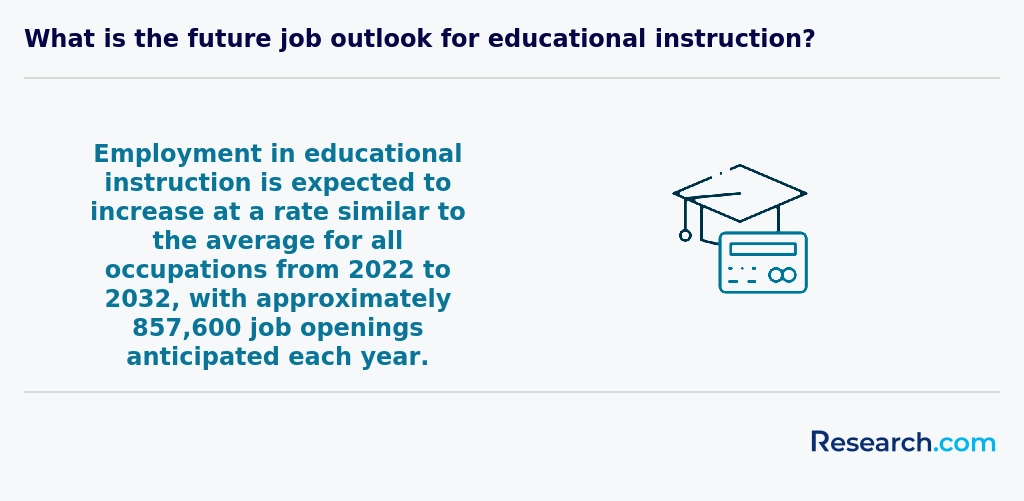
Accreditation is the cornerstone of any reputable online Master’s in Education degree, ensuring that programs meet rigorous academic and professional standards. In South Carolina, the Southern Association of Colleges and Schools Commission on Colleges (SACSCOC) is the primary regional accreditor, while program-specific accreditation often comes from the Council for the Accreditation of Educator Preparation (CAEP) or its predecessor, NCATE. Choosing a CAEP-accredited program not only validates the quality of your curriculum but also facilitates state licensure reciprocity and credit transfer if you move or pursue further study. Additionally, many institutions undergo periodic reviews by the South Carolina Department of Education to maintain approval for teacher certification programs, safeguarding your eligibility for K-12 teaching roles. To verify a program’s accreditation status, prospective students should consult both the U.S. Department of Education’s Database of Accredited Postsecondary Institutions and Programs (DAPIP) and each university’s accreditation disclosures. Beyond accreditation, program quality is reflected in factors such as faculty credentials, student-to-faculty ratios in virtual classrooms, technology infrastructure, and comprehensive student support services-including academic advising, library access, and career counseling. Graduates of well-accredited programs often report higher pass rates on licensure exams and smoother transitions into educational leadership roles. For those comparing investment and outcomes across regions, our analysis of the Cheapest Online Master’s in Education Degree Programs Ranking in Indiana offers valuable insight into cost-effective, accredited options outside South Carolina.
Imagine diving into courses that truly shape your future as an educator in South Carolina while studying online. Many graduates from universities like the University of South Carolina describe their journey through Educational Psychology as eye-opening-it's where you grasp how motivation and learning styles ignite that spark in every student. Courses in Instructional Design and Technology transport you into the vibrant world of digital tools, making lessons both interactive and inspiring for diverse classrooms.
Picture mastering Classroom Management techniques that help create welcoming, positive spaces, just like many Clemson University students recall building in their practicum experiences. Curriculum Development classes challenge you to design meaningful lesson plans aligned with South Carolina's standards, fueling excitement about your role in shaping education's future. Add to this the empowering knowledge from Assessment and Evaluation and Special Education courses-tools that graduates cherish for supporting all learners. Every step feels like an adventure, blending theory with practical skills to prepare you for real-world teaching.
Exploring the world of online education degree specializations South Carolina offers feels like opening a door to many exciting career paths. Imagine a graduate from the University of South Carolina who chose Educational Leadership, gaining skills to confidently lead a school while balancing real-life challenges. Or picture someone from Clemson University immersed in Curriculum and Instruction, crafting innovative lesson plans that inspire students across the state.
Other learners dive into Special Education, developing compassionate strategies to support diverse learners, while those drawn to Instructional Technology master digital tools to transform classrooms. Early Childhood Education enthusiasts often find joy working with young minds from birth to third grade, while School Counseling graduates experience the rewarding journey of guiding students through personal and academic growth.
South Carolina's rich selection lets you tailor your degree to your passion. Many students appreciate how local programs blend theory and practice, preparing them for success. Curious? Check out this list of cheapest online degrees in education to find your perfect fit.
When exploring the best online education degree programs South Carolina offers, imagine the journey of graduates from well-known institutions like the University of South Carolina or Clemson University. They often emphasize how crucial accreditation by the Council for the Accreditation of Educator Preparation (CAEP) was in opening doors for licensure and career advancement. Picture yourself diving into specialized coursework tailored to South Carolina's unique educational landscape, preparing you for real classrooms and licensure exams with confidence.
Many students delight in the balance between affordability and quality, especially when they find programs with competitive in-state tuition-much like those at coastal colleges known for flexible, asynchronous classes. To navigate cost effectively, consider exploring rankings such as the Cheapest Online Master's in Education Degree Programs Ranking in Indiana, which can offer insights into value and support services beyond borders.
The adventure continues with supportive online communities and virtual tutoring that many South Carolina schools provide, easing the path through busy schedules. Graduates often reflect on how the blend of tailored curriculum and solid career services helped them step confidently into the job market, making the pursuit of an affordable online master's in education South Carolina-wide a fulfilling and transformative experience.
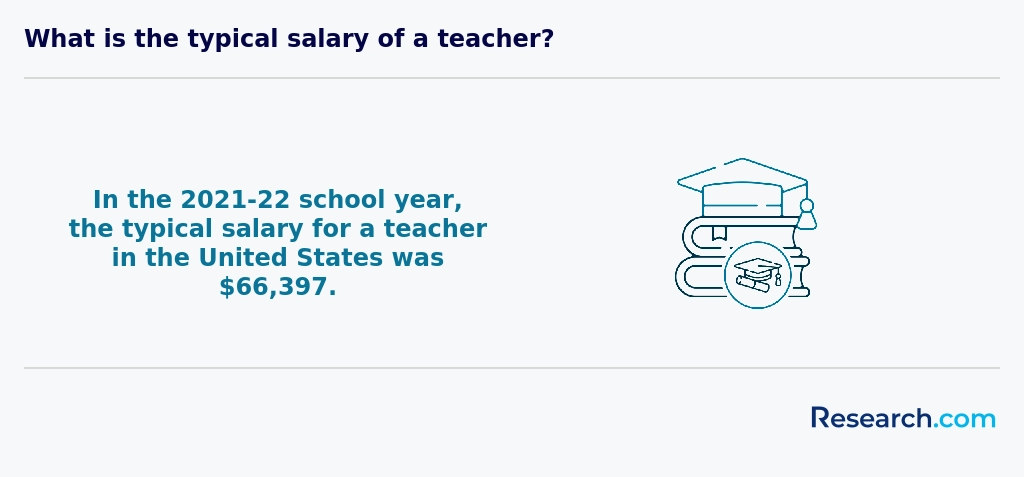
Graduates with an online education degree in South Carolina often find themselves stepping into vibrant roles beyond traditional teaching. Many become licensed teachers, answering the high demand in subjects like math, science, and English, especially in smaller communities and rural schools. For those exploring South Carolina education degree job opportunities, pathways in educational administration open thrilling doors-imagine becoming a school principal or curriculum developer influencing whole districts, often after advancing at popular institutions like the University of South Carolina or Clemson University.
Others thrive as educational counselors or specialists who creatively support student growth, applying skills gained through rigorous online programs offered statewide. Some graduates even dive into higher education roles, serving as academic advisors or program coordinators, embracing cutting-edge online learning platforms.
Those curious about affordable options often share excitement about discovering flexible programs with competitive tuition at South Carolina colleges. For a closer look at accessible pathways, check out the Cheapest Online Master's in Education Degree Programs Ranking in Indiana, inspiring many to pursue their dreams without breaking the bank.
With such diverse options, pursuing an online education degree careers in South Carolina invites you to explore a wealth of dynamic, impactful futures.
Graduates with an online education degree in South Carolina often find themselves stepping into a welcoming job market energized by persistent teacher shortages and steady demand. Many across Clemson University and the University of South Carolina have shared stories of quickly securing positions in local public schools, especially in high-need subjects like math and special education. The South Carolina education career outlook online degree holders can expect reflects a growing, stable landscape, fueled by roughly 1,200 teaching vacancies statewide that new educators are eager to fill.
Those pursuing education degrees online appreciate the flexibility of studying while balancing life responsibilities, especially when living in rural areas. Graduates confidently discuss how their programs aligned perfectly with state certification requirements, opening doors in public and charter schools across the state. Considering the range of salaries-usually between $47,000 and $53,000-many reflect on the value of their degree against the cost of living and explore diverse career paths within education.
For students curious about which fields offer the most opportunity, examining college majors employment prospects helps weigh options backed by solid employment data.
2027 Most Valuable Online Master's in Education Degree Programs Ranking in South Carolina
Investing in your education is a significant decision that can shape your future, and the Research.com team understands the importance of making informed choices. To assist prospective students in South Carolina, we have meticulously compiled the "2027 Most Valuable Online Master's in Education Degree Programs Ranking in South Carolina." Our commitment to quality, credibility, and accuracy is demonstrated through thorough research and detailed analysis.
We utilized the following reputable data sources to ensure a comprehensive evaluation of programs:
By exploring this ranking, readers will gain valuable insights into the most valuable online master's in education degree programs in South Carolina, empowering them to make confident and well-informed educational decisions. For further information about our ranking process, please visit the Research.com methodology page.


# 5 position
Bob Jones University
Master of Teaching and Learning

Frequently Asked Questions About education
Students pursuing online education degrees in South Carolina can maximize their learning experience by actively engaging with course materials and instructors. Research from the South Carolina Commission on Higher Education emphasizes the importance of time management in online learning environments, noting that successful students often dedicate consistent weekly study hours.
Utilizing available academic support services, such as tutoring and virtual libraries offered by institutions, enhances understanding and retention. Networking with peers through online forums or group projects also promotes collaboration and deeper learning.
Additionally, South Carolina offers various state-funded scholarships and financial aid programs dedicated to education majors, reducing financial stress and allowing students to focus more on their studies.
Emerging niches within the education field reflect growing demands for specialized skills and evolving student needs. One notable area is educational technology, where expertise in digital learning tools is increasingly valued. South Carolina's schools are investing in tech integration, creating demand for graduates skilled in instructional design and e-learning platforms.
Another niche is special education, particularly in addressing learning disabilities and behavioral challenges. The South Carolina Department of Education reports rising enrollment in special programs, highlighting this field's importance.
Additionally, STEM education-science, technology, engineering, and math-is expanding rapidly, driven by workforce needs. Educators trained in these subjects are essential to prepare students for future careers. Career counseling and educational leadership also remain vital as districts seek effective administration in changing educational landscapes.
After completing an online education degree in South Carolina, preparing for the job market involves several key steps. First, graduates should pursue South Carolina teaching certification if they plan to work in public schools. The South Carolina Department of Education provides clear guidelines on certification requirements and testing.
Networking is essential. Joining groups like the South Carolina Education Association can connect graduates to job postings and professional development opportunities. Additionally, gaining classroom experience through student teaching or internships enhances employability.
Research from the South Carolina Commission on Higher Education shows that over 60% of education graduates find employment within six months. Staying informed about local school district needs, such as high demand in special education and STEM fields, can guide job searches effectively.
Employers in South Carolina prioritize several key skills when hiring education degree graduates, especially those trained online. Strong communication abilities remain essential, as effective interaction with students, parents, and colleagues is crucial for success in teaching roles. Additionally, classroom management skills rank highly, with schools seeking educators who can create organized, engaging learning environments.
Adaptability is also valued given the evolving educational technologies and standards in the state. According to the South Carolina Department of Education, graduates with proficiency in digital tools and remote instruction methods have a competitive advantage. Critical thinking and problem-solving abilities are important for meeting diverse student needs and addressing challenges creatively.
Finally, cultural competence and collaboration are increasingly recognized, reflecting South Carolina's emphasis on inclusive education.
Finding internships relevant to an education degree in South Carolina begins with exploring opportunities through state education agencies and local school districts. The South Carolina Department of Education offers resources that connect students with K-12 schools for hands-on teaching experiences. Additionally, many universities with online education programs have partnerships with nearby schools to facilitate internships.
Students should also consider utilizing databases like Handshake, widely used by South Carolina colleges, which feature education-related internships. According to the National Center for Education Statistics, South Carolina employs over 50,000 teachers, creating a steady demand for intern support during the academic year.
Networking at education conferences and joining state education associations can also enhance internship prospects for online learners.
Obtaining an online education degree in South Carolina can significantly enhance career mobility and advancement. According to the South Carolina Department of Education, educators with advanced degrees often qualify for higher salary tiers and leadership roles within school districts. Online programs provide flexibility for working professionals, enabling them to continue employment while advancing their qualifications.
Many districts in South Carolina recognize accredited online degrees, which meet state certification requirements and aid teachers in obtaining endorsements or administrative licenses.
Additionally, the South Carolina Center for Educator Recruitment, Retention & Advancement notes that educators holding master's degrees are more competitive for promotions to positions such as curriculum specialists or school administrators.
This degree pathway supports not only salary growth but also broader professional opportunities within the state's education system.
Studying for an education degree online in South Carolina equips students with skills essential for interdisciplinary roles by combining teaching methods with broader learning theories and leadership principles. Programs often integrate courses in psychology, technology, and curriculum design, fostering a well-rounded perspective.
South Carolina's education degrees emphasize collaboration across subjects, preparing graduates to work in varied environments such as community centers, healthcare, and corporate training. According to the South Carolina Commission on Higher Education, many online education programs include practicum components that encourage real-world interdisciplinary application.
This approach supports the growing demand for educators who can adapt to diverse learner needs and work across multiple sectors effectively.
Choosing between a thesis and a non-thesis education degree program in South Carolina largely depends on your career goals and learning preferences. Thesis programs typically suit those aiming for research roles or doctoral studies, as they require conducting original research and writing a substantial paper. Non-thesis options usually emphasize practical skills and coursework, appealing to educators seeking advancement without a heavy research focus.
In South Carolina, many online education programs align with state standards set by the South Carolina Commission on Higher Education, ensuring quality and relevance. According to data from the National Center for Education Statistics, the demand for education professionals in South Carolina is expected to grow by 5% through 2030, favoring candidates with applied skills.
Consider your time availability as thesis tracks often take longer. Talking to program advisors at institutions like the University of South Carolina can clarify how each option aligns with your professional aspirations.
Students based in South Carolina seeking to study education abroad have several options through partnerships between South Carolina institutions and international universities. Some state universities offer exchange programs or collaborative online degrees with global education providers, allowing students to earn credits abroad while maintaining enrollment at their home institution.
While direct online education degrees from foreign universities may be limited, South Carolina students can explore programs accredited by recognized U.S. bodies that include international perspectives. For example, Clemson University and the University of South Carolina have study abroad and online components that integrate global education best practices.
According to the South Carolina Commission on Higher Education, approximately 12% of state students participate in some form of study abroad, reflecting growing interest in global educational experiences. Online master's programs may also include international fieldwork or virtual collaborations.
Ultimately, South Carolina students should consult their university's education department for available study abroad agreements and international online degree options.
Part-time job opportunities in South Carolina that complement education degree studies are varied and helpful for gaining practical experience. Many students find work as teacher assistants in local public or private schools, supporting classroom management and instructional tasks. According to the South Carolina Department of Education, such roles provide valuable insight into educational environments and improve professional skills.
Another popular option is working as a tutor, either independently or through community programs. South Carolina's tutoring demand has grown alongside increased attention to improving K-12 student performance.
Additionally, childcare provider roles or after-school program coordinators offer experience in child development and classroom organization. These jobs help reinforce theories learned in online education courses while accommodating flexible schedules.
Online education students in South Carolina have access to various networking opportunities despite studying remotely. Many universities offer virtual events, webinars, and discussion forums designed specifically for online learners to connect with peers and faculty. South Carolina's prominent institutions, such as the University of South Carolina and Clemson University, provide access to statewide professional organizations and alumni networks.
These platforms help students build relationships with educators and local school districts, which is crucial for career development. According to the South Carolina Commission on Higher Education, over 30% of education graduates engage in professional networking while studying online.
Additionally, students often participate in local school partnerships and practicum experiences that foster direct interaction with education professionals.
Alumni networks offer significant benefits to students pursuing online education degrees in South Carolina. These networks provide access to a wide community of graduates who can offer mentorship, career advice, and professional connections. For example, Clemson University and University of South Carolina have active alumni groups that facilitate job placement and internships.
Many studies emphasize the value of networking in advancing education careers. According to the South Carolina Commission on Higher Education, graduates with strong alumni ties report better employment outcomes within six months after graduation. Alumni events and online platforms help students stay updated on industry trends.
Additionally, alumni networks can offer scholarships and financial aid opportunities specifically for continuing education graduates, easing the financial burden often associated with advanced degrees. These resources enhance both academic and professional success for online learners in the state.
Customizing an online education degree program in South Carolina begins with choosing a flexible curriculum that aligns with your career goals. Many universities offer concentrations like curriculum design, educational leadership, or special education within their master's degrees. This allows students to focus on areas that enhance their professional skills.
Additionally, accredited South Carolina institutions often provide elective courses and practicum opportunities tailored to local school systems. For example, the South Carolina Commission on Higher Education emphasizes regional relevance and state licensure requirements, helping ensure your degree meets job market demands.
Online learners can also select part-time or accelerated tracks to fit personal schedules, facilitating work-life balance while advancing education credentials.
Students pursuing online education degrees in South Carolina often face challenges related to internet access and technology. According to the Pew Research Center, about 13% of South Carolina households lack high-speed internet, which can hinder participation in virtual classes.
Time management is another common issue, as many online learners balance studies with work or family obligations. Students frequently report difficulty staying motivated without in-person interaction and direct faculty support.
Additionally, navigating state accreditation and transfer policies can be complicated. Prospective students must ensure their chosen program meets South Carolina's certification requirements for educators to avoid delays in career advancement.
Understanding these challenges helps learners prepare effectively for online education in the state.
With an online education degree in South Carolina, graduates can pursue several professional certifications that enhance teaching careers and leadership roles. One key certification is the South Carolina Teaching Certificate, which allows graduates to teach in public schools after meeting state requirements including Praxis exams and background checks.
Beyond initial certification, educators often pursue National Board Certification, a prestigious credential recognized across the U.S., which South Carolina supports through incentives. Additionally, online education graduates may seek specialized certifications such as Reading Specialist or Educational Technology Specialist endorsements, which improve expertise and career advancement opportunities.
The South Carolina Department of Education provides detailed guidance on certification options and requirements, reflecting the latest state policies as of 2024.
To write a winning application for an online education program in South Carolina, start by thoroughly researching the schools you are interested in. Highlight your professional experience and academic achievements clearly, as South Carolina universities value relevant background. Tailor your personal statement to reflect your career goals and why the specific online program fits your needs.
Include strong letters of recommendation from supervisors or educators familiar with your abilities. Pay close attention to deadlines and specific requirements, such as GRE scores if required. According to the South Carolina Commission on Higher Education, professionalism and clarity improve acceptance chances significantly in competitive programs.
Global perspectives on an education career emphasize the growing demand for skilled educators who can adapt to diverse learning needs and technologies. In the United States, including South Carolina, education professionals are encouraged to pursue advanced degrees to meet rising standards in teaching quality.
South Carolina's education sector recognizes the importance of lifelong learning, with over 30 percent of teachers holding master's degrees as reported by the South Carolina Department of Education. Online education degrees offer flexible pathways for professionals to enhance their skills while balancing work and life commitments.
Internationally, educators are viewed as key agents for social and economic development, a perspective that aligns with U.S. goals to improve student outcomes and close achievement gaps through qualified teachers. The focus on culturally responsive teaching and technology integration reflects trends shaping the future of education careers globally and locally.
Gaining practical experience while studying for an online education degree in South Carolina is crucial for career readiness. Many programs integrate virtual internships or practicum opportunities with local schools or educational organizations. South Carolina's Department of Education often partners with universities to facilitate field experiences that comply with state certification requirements.
Students can also engage in community-based projects, tutoring, or mentoring through online platforms. These activities help develop classroom management and instructional skills. According to the South Carolina Commission on Higher Education, practical experience enhances job placement rates by up to 30% for graduates in education fields.
Networking with local educators through webinars and professional groups adds real-world insight into teaching. Overall, combining theory with hands-on practice is achievable through multiple structured pathways within online degree programs in South Carolina.
Choosing the right concentration within an online education degree program in South Carolina depends on your career goals and interests. Common concentrations include curriculum and instruction, educational leadership, special education, and instructional technology. According to the South Carolina Department of Education, there is a growing demand for professionals skilled in special education and educational technology due to state initiatives.
Consider labor market trends in South Carolina, where schools increasingly seek leaders who can manage change and technology integration. Research program accreditation and ensure it aligns with South Carolina's licensure requirements to facilitate career advancement. Reviewing faculty expertise and available practicum opportunities can also help you make an informed decision.
- 2027 Most Valuable Online Master's in Education Degree Programs Ranking in Georgia
- 2027 Most Valuable Online Master's in Education Degree Programs Ranking in North Carolina
- 2027 Most Valuable Online Master's in Education Degree Programs Ranking in Florida
- 2027 Most Valuable Online Master's in Education Degree Programs Ranking in Virginia
- 2027 Most Valuable Online Master's in Education Degree Programs Ranking in Kentucky
- 2027 Most Valuable Online Master's in Education Degree Programs Ranking in Maryland
- 2027 Most Valuable Online Master's in Education Degree Programs Ranking in Missouri
- 2027 Most Valuable Online Master's in Education Degree Programs Ranking in Ohio
- 2027 Most Valuable Online Master's in Education Degree Programs Ranking in Indiana
- 2027 Most Valuable Online Master's in Education Degree Programs Ranking in Pennsylvania
See What Experts Have To Say About Studying Education
Read our interview with Education experts

Nooshan Ashtari
Education Expert
Professor & Book Author
University of Southern California

Alan J. Singer
Education Expert
Professor of Teaching, Learning and Technology
Hofstra University

- Online Education Degree Programs | University of Phoenix https://www.phoenix.edu/online-education-degrees.html
- Promising Niches in the Global EdTech Landscape - Blog https://rocketech.it/blog/post/global-edtech-landscape-what-niches-are-the-most-promising
- Differences in Majors, Minors, Concentrations, and Certificates - Goldey-Beacom College https://www.gbc.edu/academics/differences-in-majors-minors-concentrations-and-certificates/
- Networking For Educators: How To Grow A Professional Circle - Carlow University https://www.carlow.edu/networking-for-educators/
- My Experience with Online Learning | Leeds Beckett University https://www.leedsbeckett.ac.uk/blogs/student-blog-squad/2020/09/my-experience-with-online-learning/
- How To Write A Great Cover Letter For Teacher Training - Engage Education https://engage-education.com/blog/how-to-write-a-great-cover-letter-for-teacher-training/
- Navigating Challenges In Education, Learning & Development - those who can https://www.thosewhocan.org/navigating-challenges-in-education-learning-and-development/
- Benefits of Networking for Students https://www.melioeducation.com/blog/benefits-of-networking-for-students/
- The Advantages of Studying an Online Degree https://www.falmouth.ac.uk/news/advantages-studying-online-degree
- Skills Employers Look for In Graduates https://careerdc.com.au/resources/what-skills-employers-want/


