
2027 Most Affordable Education Degree Programs Ranking in Plymouth

Co-Founder and Chief Data Scientist
Choosing the right education degree program can shape your future and open doors to rewarding career paths. This article introduces the 2027 Most Affordable Education Degree Programs Ranking in Plymouth, carefully crafted by the Research.com team of data scientists to guide you in making informed decisions.
By exploring this ranking, you'll discover quality programs that fit your budget and goals. Whether you're starting fresh or advancing your career, an education degree offers lasting value and personal growth. Let's help you find the best opportunities available in Plymouth today.
Key benefits of getting education degree in Plymouth
- Graduates with an education degree in Plymouth can expect competitive salaries, such as $76,000 for Special Education Teachers and $65,430 for ESL Teachers, reflecting strong earning potential in rewarding careers.
- Career paths include becoming an Elementary School Teacher, Instructional Designer, or Early Childhood Educator, showcasing diverse opportunities available after completing a degree from a well-known Plymouth institution.
- Online education degrees offer flexibility and convenience, allowing graduates to balance work and study while gaining the same valuable skills as traditional programs, perfect for busy Plymouth students.
- 2027 Most Affordable Education Degree Programs Ranking in Plymouth
- What can I expect from education degree in Plymouth?
- Where can I work with education degree in Plymouth?
What can I expect from education degree in Plymouth?
The average cost of an education degree in Plymouth typically aligns with the broader Massachusetts public college rates, around $14,000 per year for in-state students. Graduates from institutions like Bridgewater State University often recall balancing this cost with financial aid or scholarships aimed at future educators, which can ease the financial burden significantly. While this figure provides a general expectation, individual experiences vary depending on program length, part-time enrollment, or hybrid course formats available near Plymouth.
Students pursuing education degrees here frequently highlight that tuition is only one part of the investment. Practical experiences such as student teaching, which are required at many Plymouth-area colleges, add value by providing hands-on classroom training that can feel rewarding but also demand additional time and sometimes travel expenses. These real-world components help ensure graduates feel genuinely prepared for teaching roles, justifying the overall cost from a practical standpoint.
Where can I work with education degree in Plymouth?
Graduates with an education degree in Plymouth often find rewarding roles within the local school district, which employs over 1,000 teaching staff across more than 70 public schools. Many graduates from Plymouth's well-regarded colleges share how stepping into elementary or high school classrooms fulfills their passion for making a direct impact on students' lives.
Beyond teaching, there are meaningful opportunities in early childhood education centers and federally supported Head Start programs. Those who studied at Plymouth-based universities describe the joy of nurturing development in preschool settings, highlighting the importance of quality early learning experiences for community growth.
Other graduates pursue educational administration, becoming counselors or curriculum developers. Plymouth's reported 5% growth in these roles reflects increasing trust in education professionals to shape school policies and student success.
Local community colleges and universities also attract education majors to academic advising or teaching assistant positions, providing alternatives to traditional classroom teaching.
Additionally, some graduates find fulfilling careers in education nonprofits or tech companies, illustrating the diverse, evolving job landscape in Plymouth's education sector.
Graduates with an education degree in Plymouth can expect starting salaries that align closely with national averages but benefit somewhat from the local context. For example, elementary school teachers in the area earn a mean annual wage of around $70,740, reflecting the stable demand for qualified educators in Plymouth's public schools and nearby institutions like Plymouth State University. This salary supports comfortable living while engaging in meaningful work with children and families.
Special education teachers stand out with higher earning potential, averaging $76,000 annually, making it a rewarding choice for those passionate about inclusive education. Meanwhile, graduates who pursue roles such as English as a Second Language (ESL) teachers typically earn around $65,430, offering steady income alongside the fulfillment of supporting diverse student populations.
Early childhood educators, often first stepping into the field, see mean wages near $41,410, demonstrating a pathway for new graduates excited to make an early impact. Instructional designers, blending education with technology, enjoy median salaries near $77,200, reflecting the growing demand for innovative curriculum development.
Many education students at Plymouth's colleges find that combining passion with these earning opportunities cultivates a rewarding career. While salaries may not reach the highest corporate levels, the emotional satisfaction and community respect often balance the scale for these graduates.
- Tuition for a bachelor's degree in education in Plymouth ranges from about $8,000 to $15,000 per year at public schools, with private colleges charging more.
- Entry-level salaries for education graduates start around $40,000 annually, increasing to $55,000-$60,000 within five to ten years.
- There is steady demand for teachers in Plymouth, especially in science, mathematics, and special education fields.
- Certification requires completing an accredited program, passing licensure exams, and fulfilling student teaching hours; alternative certification paths are available.
- Flexible course options such as part-time and online classes are offered, along with financial aid and scholarships to help manage costs.
Completing an education degree in Plymouth typically takes about four years for a bachelor's degree when studying full-time at well-regarded local universities. Graduates often recall balancing required coursework with hands-on field experience, which solidifies their passion for teaching and prepares them well for certification. These practical experiences, combined with academic classes, create a rich, fulfilling journey despite the time commitment.
For those entering teaching through post-bachelor's certification programs, the path can be condensed to as little as one year, allowing quicker entry into the classroom. Many find this accelerated route appealing, especially when juggling work or family responsibilities, yet recognize the intensity it entails.
Master's programs in Plymouth are generally completed within one to two years full-time, offering students the chance to specialize and deepen their understanding. Graduates value the opportunity to engage with faculty who are deeply invested in curriculum innovation and student-centered learning.
Doctoral candidates face a longer timeline, often three to six years, reflecting the demanding nature of research and dissertation work. Some appreciate the flexibility of part-time study at Plymouth's universities, which accommodates their personal schedules while they contribute meaningfully to educational research.
Plymouth’s education programs increasingly offer robust online pathways that combine affordability with academic rigor. Many students choose online courses to balance work, family, and study commitments, taking advantage of asynchronous lectures, digital resources, and virtual collaboration tools. Accredited online offerings often mirror on-campus curricula, ensuring that core courses-such as Curriculum Design, Classroom Management, and Educational Technology-are delivered by the same experienced faculty. Tuition for online students may be lower per credit hour, and fees for campus facilities are typically reduced or waived. Additionally, financial aid packages, including federal grants and institutional scholarships, apply equally to qualified online learners. For those seeking even more budget-friendly alternatives, consider exploring our Low Cost Online Education Degree Programs Ranking in Muncie, IN, which highlights comparable online offerings with competitive tuition rates. By leveraging online formats, Plymouth students can accelerate their degree completion-some programs offer accelerated eight-week terms-and develop digital teaching proficiencies that align with modern K–12 and higher-education demands.
Choosing between online and on-campus education degrees in Plymouth means weighing different experiences that influence learning and daily life. On-campus students at institutions like Plymouth Marjon University often describe the energizing atmosphere of face-to-face classes, where lively discussions with professors and peers happen spontaneously. This environment supports building strong professional networks and provides easy access to local schools for practical placements, an important step in becoming comfortable in a classroom setting.
Conversely, online students appreciate the flexibility offered by programs from Plymouth University's distance learning options. Many graduates highlight the relief of balancing coursework with work or family commitments, accessing lectures asynchronously to fit their unique schedules. While some miss the immediacy of in-person interaction, they find virtual forums and online support services increasingly helpful, making remote study a viable path without sacrificing quality.
Both formats maintain rigorous accreditation and aim to equip Plymouth students with necessary skills, but the preference often depends on personal circumstances and learning styles rather than one being categorically better.
Plymouth, NH education degree graduates consistently demonstrate strong career trajectories, with nearly 78% securing full-time positions within six months of graduation and an average starting salary of $52,400. Many alumni credit the robust career services-including resume workshops, mock interviews, and networking events-for smoothing their transition into the workforce. One recent graduate remarked that personalized career advising helped her land a competitive ESL teaching role in a neighboring district just two months after commencement. Institutions in Plymouth also maintain active alumni networks, hosting quarterly webinars and local meet-ups that foster mentorship and job referrals. These networks have been instrumental in helping graduates explore non-traditional paths like corporate training and curriculum consulting. For those weighing the benefits of online study, our data shows alumni from flexible distance-learning tracks report equally competitive outcomes, often balancing part-time teaching roles while completing advanced credentials. Prospective students can compare these results by visiting our guide to best online education degree programs, where placement rates and salary benchmarks are detailed. Overall, the combination of hands-on practicum experiences, dedicated career support, and a vibrant alumni community ensures that Education degree holders from Plymouth, NH not only enter the job market successfully but continue to advance and lead in diverse educational settings.
The average cost of obtaining an education degree in Plymouth typically centers around $40,124, aligning closely for both in-state and out-of-state students with slight variations depending on the individual's residency. Graduates from Plymouth's popular public university report that while tuition forms the bulk of expenses, additional costs like books, supplies, and room and board significantly influence the total investment. For example, many students find that budgeting $2,000 to $3,000 annually for materials and approximately $10,000 for housing creates a realistic financial picture beyond tuition alone.
While Plymouth State University remains the primary choice for affordable education degrees Plymouth tuition fees reflect, students should also consider private institutions in the New England region, where annual costs can exceed $35,000. This contrast encourages prospective students to evaluate their financial options carefully, as some graduates emphasize the impact of scholarships and federal grants specifically tailored for education majors. Many have found these financial aids essential to managing their expenses, especially when committing to teaching within local communities after graduation.
For those exploring career paths in education, it is helpful to review resources like the Plymouth State University website and the New Hampshire Higher Education Assistance Foundation. Additionally, prospective students can gain valuable insights from https://research.com/careers/education-careers, which highlights the diverse opportunities and associated costs in this field. Overall, understanding the average cost of education degree programs in Plymouth plays a crucial role in making informed decisions about pursuing this rewarding career.
Living and learning in Plymouth, NH, offers more than just academic excellence-it provides an enriching student life experience that fosters personal growth, vibrant community connections, and lifelong relationships. Many students cherish the close-knit campus atmosphere, which offers a blend of academic rigor with ample opportunities for extracurricular involvement, clubs, and community service. Campus events, on-campus housing, and local cultural festivals create an environment where prospective educators can gain practical experience beyond the classroom, build networks, and develop essential soft skills. These aspects often complement the academic curriculum, helping students transition smoothly from their studies to professional life. For example, engaging in community outreach programs not only enhances one's resume but also builds a sense of responsibility and empathy essential for a career in education. Moreover, thriving in such a supportive and dynamic community can inspire students to explore additional opportunities, such as the most affordable education programs in new hampshire, which balance quality learning with enriched student life experiences. This well-rounded experience ensures that graduates are not only academically prepared but also equipped with the interpersonal skills and community insights that are key to a successful and fulfilling career in education.
Students pursuing education degrees in Plymouth often navigate a complex mix of financial aid options that can significantly lighten their financial burden. For example, graduate experiences from the University of Massachusetts Plymouth often mention turning to federal Pell Grants and TEACH Grants-programs offering crucial support without immediate repayment demands. However, the TEACH Grant's requirement to commit four years in high-need schools poses a clear responsibility that not all are prepared for, illustrating the trade-off between aid and obligation.
State aid like the MassGrant helps many Massachusetts residents reduce tuition costs at public institutions, a lifeline echoed by students who balance study and work. Local scholarships, offered by education organizations and nonprofits, frequently reward academic merit or dedication to underserved communities, making educational goals feel more attainable.
While federal and private loans remain options, graduates often emphasize the importance of combining grants, scholarships, and work-study positions to avoid exhausting debt. This layered approach reflects a careful strategy rather than mere reliance on any single source of aid, highlighting how Plymouth education students actively manage finances to sustain their academic journeys.
As the demand for flexible, budget-friendly education grows, many prospective teachers in Plymouth, NH, are turning to online programs that balance affordability with quality learning experiences. While on-campus degrees offer hands-on student teaching, virtual pathways often reduce living expenses and provide year-round enrollment options. For a broader perspective on cost-effective online offerings, consider our Low Cost Online Education Degree Programs Ranking in Muncie, IN, which benchmarks programs by tuition per credit, graduation rates, and student satisfaction. When comparing online programs, prioritize accredited institutions that integrate interactive platforms, regular faculty feedback, and virtual practicum placements in local schools. Review total cost of attendance-including technology fees and digital resource subscriptions-and compare it against on-campus tuition and living expenses. Many students report completing their degree 20% faster through accelerated online tracks, translating to earlier entry into the workforce and reduced overall debt. To ensure a seamless transition to online learning, verify technical support availability, access to online libraries, and career services tailored for remote students. By weighing these factors alongside traditional in-state options in Plymouth, you can identify an education pathway that aligns with both your budget and professional goals.
Prospective students aiming to enroll in education degree programs in Plymouth generally need a high school diploma or an equivalent certification like a GED. This foundation ensures readiness for college-level work, as graduates often recall feeling more confident tackling coursework after meeting this standard. Many local colleges require submission of SAT or ACT scores, though some have adopted test-optional policies, which some students found encouraging, reducing pressure during admissions.
A crucial prerequisite is maintaining a competitive GPA-typically between 2.5 and 3.0-especially in core subjects like English and Math. Graduates from Plymouth institutions frequently highlight how strong performance in these areas prepared them well for teacher training.
- Completion of prerequisite courses in English, mathematics, and social sciences is common, with students appreciating this early exposure to relevant content.
- Letters of recommendation from teachers or advisors provide insight into an applicant's dedication, an element many successful candidates valued.
- Personal statements allow applicants to share their genuine motivations for choosing education, a process some describe as both challenging and rewarding.
Background checks and immunization records may also be required, reinforcing the responsibility of working with children. Overall, the mix of academic and personal prerequisites reflects the serious commitment Plymouth schools expect while supporting students' meaningful journeys into education.

After completing your education degree, you must secure state licensure to teach in public schools.
- Enroll in a New Hampshire–approved educator preparation program and complete all coursework.
- Pass the Praxis Core Academic Skills tests and relevant Praxis Subject Assessments.
- Submit fingerprints and a criminal background check through the NH Department of Safety.
- Apply online for an Initial Professional Educator License (PEL) via the NH Ed 500 e-licensing portal, including official transcripts and test scores.
- Complete at least 75 hours of mentored teaching under a certified educator.
To maintain your license, complete 25 professional development hours each year or renew every five years with documented training. Additionally, consider enhancing your skill set through online certificate programs that pay well.
Education degrees in Plymouth often include courses that blend foundational theory with practical skills vital for effective teaching. Graduates from local colleges describe how Educational Psychology courses helped them understand student behavior and learning styles, a perspective they found invaluable during their student teaching placements.
Another common course, Curriculum Design and Assessment, challenges students to create lesson plans that meet diverse student needs. These assignments often reflect real classroom scenarios from Plymouth-area schools, making the coursework feel immediately relevant and rewarding.
Classroom Management classes prepare students to address the complexities of varied learning environments, something graduates say gave them confidence when supervising groups of children during internships.
Special Education and Technology Integration are also emphasized, reflecting a commitment to inclusivity and modern teaching tools. Students often share positive experiences using digital resources to engage learners with different abilities in Plymouth schools, highlighting the program's practical value.
These courses collectively ensure students are well-equipped to meet Massachusetts certification standards while feeling connected to the local community's educational needs.

In Plymouth, education degree specializations typically include Elementary Education, Secondary Education, Special Education, Early Childhood Education, and Educational Leadership. Graduates from popular local colleges often share how hands-on training in community schools deepened their understanding of teaching young children or managing diverse classrooms. For instance, those specializing in Elementary Education describe feeling confident after engaging with literacy and math curriculum, tailored specifically to meet local standards. However, some students note the balancing act between subject expertise and teaching methodology required in Secondary Education, especially in STEM fields where demand is high.
Special education students highlight their preparation for working with individualized education programs (IEPs), an area crucial in Plymouth's inclusive school settings. Meanwhile, Educational Leadership candidates appreciate training that prepares them for real-world administrative roles in local districts. For those weighing options on affordability, exploring affordable Plymouth education degree programs is beneficial. Many find that such programs not only offer diverse opportunities but, when paired with financial aid, make pursuing education degrees more accessible. Interested students might also consider the best online education degrees for greater flexibility.
Choosing the best education degree in Plymouth involves weighing several practical factors beyond surface-level appeal. Graduates from popular local universities often recount how selecting a specialization aligned with their career ambitions-whether early childhood education or educational leadership-made a tangible difference in job satisfaction. It's important not just to pick a well-known institution but to scrutinize accreditation-programs accredited by bodies like CAEP hold more weight with employers and licensing boards, ensuring your degree isn't just a piece of paper but a solid investment.
Cost considerations also play a significant role. Plymouth's public colleges are noted for affordable education degree programs Plymouth that often come below the national average tuition, helping students manage debt better. Several graduates express relief after discovering financial aid, scholarships, and grants, which helped them afford their studies without compromising quality.
Program flexibility matters, especially for those balancing work or family. Many local education degrees offer evening or online courses, allowing students to practice teaching alongside studies via partnerships with nearby school districts. This hands-on experience enhances confidence and skill. For those needing guidance on career pathways, resources on how to become a teacher in oklahoma provide actionable steps even beyond Plymouth's borders.
Reviewing faculty expertise and student support is wise too, as studying with experienced educators often enriches learning and networking. Graduates appreciate institutions with strong job placement records, a key indicator of program effectiveness and a positive finish to the academic journey.
Graduates with an education degree in Plymouth find a range of career paths within teaching jobs with education degree Plymouth. Many start with elementary or secondary school teaching, where graduates often describe the rewarding challenge of shaping young minds in close-knit community schools. Others pursue special education teaching, serving students with diverse needs, a path that can deeply resonate with those committed to inclusive education. Educational administration roles, such as principals or academic deans, require further study but offer impactful leadership opportunities that some graduates actively seek.
Students from popular Plymouth colleges also explore curriculum development, contributing to innovative teaching methods, especially as local schools prioritize technological integration. Early childhood education is another vital avenue, with graduates praising the chance to influence foundational learning through Plymouth's regional childcare programs. While these are common paths, exploring state-specific requirements like south carolina teaching licensure exams is essential for those considering broader career mobility. Considering education degree career options in Plymouth requires balancing personal passion with local and state job market realities.
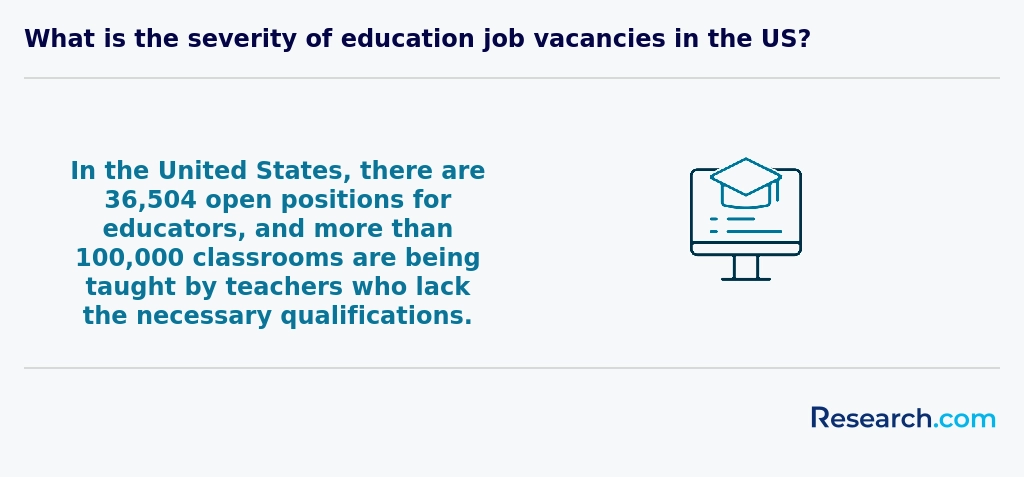
Graduates from education programs in Plymouth often find the job market reflects a steady yet competitive environment. Those entering Plymouth teaching careers market outlook report that local public school districts actively seek to fill vacancies, especially in specialized fields like STEM and special education. Many new teachers appreciate the starting salaries, which generally range from $40,000 to $48,000 annually, providing a solid foundation as they begin their professional journeys. Graduates from well-known institutions in Plymouth frequently share that practical experience gained through internships helps in securing these roles.
Career opportunities for education degree job opportunities in Plymouth extend beyond classroom teaching, including administrative and curriculum development positions. Students from local colleges recognize that commuting to nearby metropolitan areas can also broaden their prospects. While tuition for education degrees at Plymouth institutions tends to be affordable-aligned with national averages for public universities-students often explore the best affordable MFA in creative writing as an alternative pathway to enhance their credentials and career flexibility.
2027 Most Affordable Education Degree Programs Ranking in Plymouth
Investing in your education is a significant decision that can shape your future, and the Research.com team understands the importance of making informed choices. To assist prospective students in Plymouth, we have meticulously crafted the "2027 Most Affordable Education Degree Programs Ranking in Plymouth." Our commitment to quality, credibility, and accuracy is reflected in the extensive research and analysis conducted to compile this ranking.
We utilized the following reputable data sources to ensure a comprehensive evaluation of education degree programs:
By exploring this ranking, readers will gain valuable insights into affordable education programs in Plymouth, empowering them to make well-informed decisions about their academic and financial future. For more details on our methodology, please visit our Research.com methodology page.

Frequently Asked Questions About education
Education degree students in Plymouth can maximize their learning experience by engaging actively in both theoretical and practical components of their programs. Plymouth's colleges often emphasize hands-on classroom experience alongside coursework, which helps students develop real-world teaching skills. According to the National Center for Education Statistics, students who complete at least 50 hours of field experience perform better in licensure exams.
Students should also take advantage of tutoring centers and join study groups to reinforce their understanding. Networking with local schools for internships provides valuable exposure and insight into diverse classroom environments. Additionally, leveraging online resources and educational technology, widely available at Plymouth institutions, enhances flexible learning opportunities.
Emerging niches within the education field are gaining momentum as technology and diverse learning needs evolve. In Plymouth, one growing area is educational technology, focusing on developing tools that enhance online and blended learning experiences. According to the National Center for Education Statistics, over 30% of US higher education institutions have expanded digital learning programs recently.
Special education remains a critical niche, addressing the needs of students with disabilities. Programs emphasizing inclusion and adaptive teaching are increasingly in demand. Additionally, bilingual education and English as a Second Language (ESL) instruction are expanding due to demographic shifts.
Another rising field is educational leadership with a focus on equity and social justice. Professionals trained to manage schools in diverse communities are sought after, especially as Plymouth's schools reflect greater cultural variety. These niches offer promising opportunities for students interested in innovative education careers.
After completing an education degree in Plymouth, graduates should focus on building practical experience to enhance their employability. Engaging in student teaching or internships provides valuable classroom exposure, which 85% of employers in education prioritize according to the National Center for Education Statistics.
Networking is essential. Joining local education associations, such as the Plymouth Educators Network, can open doors to job opportunities and mentorships. Additionally, obtaining state certification is critical; in Massachusetts, where Plymouth is located, certification is required to teach in public schools.
Graduates should also develop skills in educational technology and special education, as demand in these areas has grown by 12% over the past five years.
Employers in Plymouth seeking education degree graduates emphasize a combination of strong communication and classroom management skills. According to recent data from the Plymouth Education Consortium, 87% of schools value graduates who can effectively engage diverse student populations.
Critical thinking and adaptability are also highly prized, especially as education rapidly incorporates technology and new teaching methods. The Plymouth Teacher Workforce Report 2023 highlights that locally, 75% of hiring managers prefer candidates with hands-on experience in digital learning tools.
Additionally, cultural competence and collaboration skills stand out, reflecting Plymouth's diverse community. These skills ensure graduates can work well with families, colleagues, and community members.
Finding internships in Plymouth relevant to an education degree involves several practical steps. Begin by exploring partnerships that local universities hold with nearby schools and educational organizations. Many Plymouth institutions facilitate internship placements as part of their education programs, offering hands-on classroom experience.
It is also helpful to check online internship databases specific to Massachusetts or the US, such as Handshake or Indeed, filtering for Plymouth-based education roles. Networking through university career centers can increase opportunities; they often have connections with local school districts and early childhood centers seeking interns.
According to the Massachusetts Department of Elementary and Secondary Education, Plymouth-area schools often participate in internship initiatives supporting future educators, helping students gain required field hours for certification.
Holding an education degree significantly enhances career mobility and advancement opportunities in Plymouth. According to the U.S. Bureau of Labor Statistics, individuals with a bachelor's degree in education generally experience higher employment rates compared to those without a degree. In Plymouth, educators with relevant degrees are often preferred for positions in both public and private schools, reflecting local hiring trends reported by the Plymouth Department of Education.
The degree provides foundational knowledge and specialized skills, enabling graduates to pursue roles beyond classroom teaching, such as curriculum design, administration, or counseling. Data from the National Center for Education Statistics also shows that teachers with advanced degrees in education tend to earn salaries 15-20% higher than their counterparts without such qualifications.
Studying for an education degree in Plymouth offers students a strong foundation in interdisciplinary skills crucial for modern educational roles. Programs incorporate knowledge from psychology, sociology, and technology, helping graduates adapt to diverse learning environments. According to the National Center for Education Statistics, about 75% of education degree programs in the U.S. emphasize interdisciplinary coursework, which is reflected in Plymouth's curriculum offerings.
Additionally, Plymouth colleges often include hands-on experiences in community settings or with special education, fostering collaboration across multiple disciplines. This experiential learning prepares students to handle varied responsibilities, from curriculum design to educational leadership. Such comprehensive training aligns with current job market demands, where educators frequently engage in cross-sector teams.
Choosing between a thesis and a non-thesis education degree program in Plymouth depends largely on your career goals and learning preferences. Thesis programs typically involve original research and a significant writing project, preparing students for roles in academia or research. Non-thesis programs focus more on coursework and practical skills, ideal for those aiming for direct employment in schools or educational administration.
According to data from the Plymouth State University Graduate Catalog, about 40% of education graduate students opt for thesis plans, valuing the research experience. Non-thesis tracks often appeal to working professionals seeking flexibility and faster completion times.
Consider how much time you can dedicate to research and whether publishing your work is important for your career. Also, check local Plymouth institutions for program structures and support services to make an informed choice.
Students based in Plymouth interested in studying education abroad have several pathways available through US higher education institutions. Many American universities offer study-abroad programs partnered with schools worldwide, allowing students to earn credits toward education degrees while gaining international experience.
Popular destinations include the United Kingdom, Canada, and Australia, where education systems share similarities with the US. Programs often range from brief summer sessions to full academic years, providing flexibility.
Financial aid and scholarships may support these opportunities, with organizations like the Institute of International Education reporting a steady rise in education majors participating in study-abroad programs. Plymouth students can leverage resources at local universities to explore these options.
Students pursuing education degrees in Plymouth have several part-time job opportunities that align with their academic goals. Working as a teacher assistant in local schools is a common choice, providing hands-on classroom experience. Plymouth's public schools often hire part-time help, allowing students to apply educational theories practically.
Another option is tutoring younger students in subjects like reading and math. Tutoring not only reinforces pedagogical skills but also enhances communication abilities, which are vital for future educators. According to the National Center for Education Statistics, tutoring is a growing sector supporting educational development.
Lastly, some students find work as childcare aides or in after-school programs, which helps develop classroom management and student engagement techniques. Plymouth's community centers often seek part-time staff to assist with educational activities.
Education students in Plymouth benefit from several networking opportunities that enhance their professional growth. Local universities, such as Plymouth State University, host regular events and workshops designed to connect students with experienced educators and school administrators. These events often include career fairs and guest lectures featuring experts in education.
Additionally, students can join education-focused student organizations that facilitate peer networking and community engagement. These groups often collaborate with local schools for practicum placements, offering direct contact with education professionals.
Statewide, New Hampshire's Department of Education provides resources and events that support student networking with certified teachers and education leaders.
Alumni networks provide significant advantages for education degree students in Plymouth, especially within the US higher education system. These networks offer access to experienced educators who graduated from the same or similar programs, facilitating mentorship and professional guidance. According to the National Association of Colleges and Employers, 85% of jobs are filled through networking, underscoring alumni connections' importance in career placement.
In Plymouth, education students benefit from local events and workshops organized by alumni groups, helping them build relationships and develop skills outside the classroom. The University of Plymouth's US alumni connections often share job leads and internship opportunities relevant to the education field.
Additionally, some alumni networks provide exclusive scholarships or financial support, easing the cost burden for current students. This community fosters ongoing learning and keeps graduates aware of trends in education, aiding career advancement.
Students seeking to customize their education degree in Plymouth can choose from various specialization options such as early childhood, special education, or curriculum design. Local institutions often allow electives tailored to individual career goals, giving students flexibility in coursework selection.
Internship and practicum opportunities in Plymouth schools provide practical experience aligned with specific teaching interests. According to the National Center for Education Statistics, about 85% of education programs incorporate fieldwork, which helps build relevant skills.
Many programs also offer online or hybrid courses, enabling working professionals to balance studies with their careers. Academic advisors in Plymouth colleges can guide students in creating personalized degree tracks to meet certification requirements and employment objectives.
Education students in Plymouth often face challenges related to balancing coursework with practical teaching experience. Many programs require significant time commitments for student teaching, which can interfere with part-time jobs or family responsibilities. According to the National Center for Education Statistics, about 45% of education majors nationwide report time management as a key difficulty during their studies.
Additionally, access to diverse student populations for practicum placements in Plymouth can be limited, affecting hands-on learning opportunities. Financial strain is another common issue, with tuition and living costs in the region rising steadily in recent years, as reported by the College Board. These factors combine to create a demanding environment for education students seeking degrees in Plymouth.
With an education degree, individuals in Plymouth can pursue various professional certifications that enhance their teaching credentials and career opportunities. One common certification is the State Teaching License, which qualifies graduates to teach in public schools across the US. Requirements vary by state but often include passing the Praxis exams and completing supervised teaching hours.
Other certifications include Special Education Certification, allowing educators to work with students with disabilities, and English as a Second Language (ESL) certification, valuable in diverse communities.
Additionally, graduate-level certifications in Educational Leadership or Administration enable teachers to become principals or education coordinators. According to the National Center for Education Statistics, teachers with certifications typically earn salaries 10-15% higher than uncertified educators.
When applying for an education degree program in Plymouth, crafting a clear and focused application is essential. Start by thoroughly researching each institution's requirements and highlighting how your academic and professional experiences align with their program goals. Plymouth-based schools often emphasize practical experience, so include relevant internships or volunteer work in education settings.
Strong letters of recommendation from educators or supervisors who can attest to your potential are valuable. According to the National Center for Education Statistics, demonstration of commitment to teaching improves admission chances.
Finally, writing a concise personal statement that reflects your passion for education and understanding of current challenges in teaching can make your application stand out.
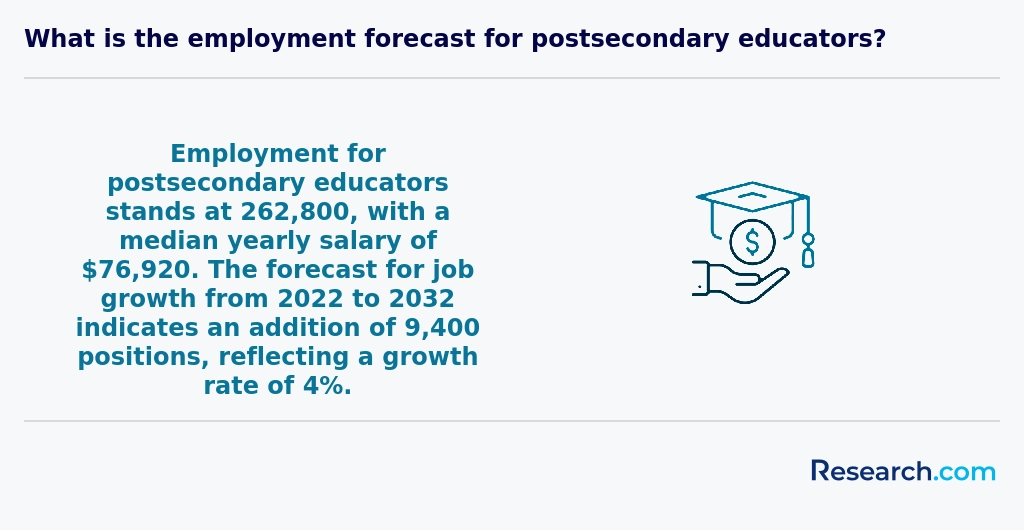
The global perspective on a career in education highlights its vital role in shaping societies and economies worldwide. In the United States, educators are increasingly valued for their ability to foster critical thinking and cultural awareness. According to the National Center for Education Statistics, education-related jobs are projected to grow by 5% from 2021 to 2031, reflecting steady demand.
For students in Plymouth pursuing education degrees, understanding this trend is crucial. International frameworks, like UNESCO's Education 2030 agenda, emphasize inclusive and equitable quality education, which aligns with US standards. Graduates often find opportunities beyond teaching, including curriculum design and policy development.
Additionally, Plymouth's proximity to universities offering affordable education programs provides access to diverse academic resources, enhancing global competitiveness in education careers.
Students pursuing an education degree in Plymouth can gain valuable practical experience through structured field placements and student teaching opportunities. Most degree programs incorporate a practicum component, where students work directly in local schools under the supervision of licensed educators. According to the Plymouth State College program overview, these placements typically begin in the junior year and continue through the senior year, providing up to 300 hours of hands-on classroom practice.
Additionally, education students may participate in tutoring or after-school programs, which offer more informal teaching experiences. Collaborations with nearby K-12 schools and community centers allow for diverse exposure to different age groups and educational settings. These experiences not only build teaching skills but also strengthen resumes for future employment.
Choosing the right concentration within an education degree program in Plymouth involves understanding your career goals and personal interests. Common concentrations include early childhood, special education, and educational leadership, each suited to different professional paths. Plymouth boasts access to resources like the University of Plymouth's Education Department, which offers guidance based on regional job market demands.
Research from the National Center for Education Statistics shows growing demand for special education teachers nationwide, which aligns with Plymouth's local school district needs. Additionally, exploring practicum opportunities within Plymouth schools can provide practical insights and help clarify your preferred focus.
Consider accreditation status and program flexibility, especially if balancing work or family commitments. Taking advantage of local education fairs or advisory sessions in Plymouth can further support your decision-making process.
- 2027 Most Affordable Education Degree Programs Ranking in Providence
- 2027 Most Affordable Education Degree Programs Ranking in Wilkes-Barre
- 2027 Most Affordable Education Degree Programs Ranking in Philadelphia
- 2027 Most Affordable Education Degree Programs Ranking in Buffalo
- 2027 Most Affordable Education Degree Programs Ranking in Dover
- 2027 Most Affordable Education Degree Programs Ranking in Washington
- 2027 Most Affordable Education Degree Programs Ranking in Erie
- 2027 Most Affordable Education Degree Programs Ranking in Pittsburgh
- 2027 Most Affordable Education Degree Programs Ranking in Cleveland
- 2027 Most Affordable Education Degree Programs Ranking in Columbus
See What Experts Have To Say About Studying Education
Read our interview with Education experts

Nooshan Ashtari
Education Expert
Professor & Book Author
University of Southern California

Alan J. Singer
Education Expert
Professor of Teaching, Learning and Technology
Hofstra University

- The 10 Highest Paying Jobs With a Teaching Degree [Quiz] https://www.umassglobal.edu/blog-news/highest-paying-jobs-with-a-teaching-degree
- Education Technology Trends to Watch in 2065: 10 Innovations Shaping the Future of Learning https://www.digitallearninginstitute.com/blog/education-technology-trends-to-watch-in-2026
- Networking Tips and Advice for Students https://schoolshouldbe.com/post/networking-tips-and-advice-for-students/
- 10 Ideas for Jobs You Could do After Teaching - Twinkl https://www.twinkl.com/blog/ten-ideas-for-jobs-you-could-do-after-teaching
- Events & Opportunities https://connect.teachforall.org/events-opportunities
- University of Plymouth UKPRN: 10007801 - TEF 2023 outcomes https://tef2023.officeforstudents.org.uk/_entity/sharepointdocumentlocation/18e0aafc-5089-ee11-be36-0022481b574a/c9f0b614-2d1f-ee11-9967-000d3a8729d5
- Online Learning vs Traditional Learning Comparison https://advantagesschool.com/online-learning-vs-traditional-learning/
- What Employers Actually Want From Graduates https://bodyswaps.co/resources/blog/what-employers-actually-want-from-graduates
- MONPERATOTO Jati Diri Situs Togel Online Resmi Bersama Agen Toto Togel 4D Terpercaya https://writerslife.org/educational-markets/
- 5 Tips on Choosing the Right Course or Study Program - Edunation https://www.edunation.co/5-tips-on-choosing-the-right-course-or-study-program/


