
2027 Most Affordable Education Degree Programs Ranking in Philadelphia

Co-Founder and Chief Data Scientist
Choosing the right education degree program in Philadelphia can feel overwhelming. That's why the 2027 Most Affordable Education Degree Programs Ranking in Philadelphia was created by the Research.com team of data scientists. This ranking helps you compare programs based on affordability and quality, making your decision easier and more confident.
Getting an education degree is a rewarding step toward a fulfilling career. This article highlights options designed to fit your budget without sacrificing value. Explore your opportunities and take a positive step toward your future.
Key benefits of getting education degree in Philadelphia
- Graduates with an education degree in Philadelphia can expect competitive salaries, such as $76,000 per year for Special Education Teachers and $77,200 for Instructional Designers, offering financial stability in rewarding careers.
- Career options include teaching at various levels, instructional design, and specializing in areas like ESL, reflecting the diverse paths of education graduates from institutions like Temple University.
- Obtaining an education degree online from schools such as Drexel University allows for flexible scheduling and the ability to balance work and study, making advanced education more accessible and convenient.
- 2027 Most Affordable Education Degree Programs Ranking in Philadelphia
- What can I expect from education degree in Philadelphia?
- Where can I work with education degree in Philadelphia?
What can I expect from education degree in Philadelphia?
The average cost of pursuing an education degree in Philadelphia typically aligns with Pennsylvania's state averages, where in-state tuition at public universities hovers around $12,000 annually. Graduates from institutions like Temple University and the University of Pennsylvania often reflect on the mix of financial challenges and support, noting that scholarships and financial aid play a crucial role in easing costs. Many recall applying for targeted aid programs designed specifically for education majors, which helped make their studies more affordable and less stressful.
Students describe the balance of investing financially while gaining hands-on experience in real Philadelphia classrooms as a rewarding journey. The cost is often viewed not just as a fee but as an investment into a career with stable demand and meaningful impact in urban education. This positive outlook is buoyed by practical training opportunities at local schools, making the educational expense feel worthwhile amid vibrant, community-focused learning environments.
Where can I work with education degree in Philadelphia?
Graduates from education programs at Temple University or University of Pennsylvania often find themselves stepping confidently into classrooms across Philadelphia's diverse K-12 schools, where demand for passionate teachers remains high. Many speak of the rewarding experience of engaging with students in neighborhoods they once called home, fostering meaningful connections while applying innovative teaching methods learned during their studies.
Others take their expertise into leadership roles within the Philadelphia School District or thriving charter schools, motivated by the chance to influence education policy and curriculum development. For example, some graduates recall collaborating on initiatives to support underserved communities, blending academic knowledge with real-world impact.
Opportunities also abound in early childhood education centers and Head Start programs, where professionals help shape the foundational years for Philadelphia's youngest learners. Graduates from local colleges often describe pride in contributing to these programs, knowing they're laying the groundwork for lifelong learning.
Additionally, many find fulfilling careers in higher education or nonprofit organizations, where they design curricula, advise students, or lead community outreach efforts. Their work supports Philadelphia's evolving education landscape, promising growth and innovation in years to come.
Graduates with education degrees from Philadelphia's well-regarded institutions often find promising salary prospects reflective of their chosen career paths. For example, elementary school teachers in the area earn an average annual wage of about $70,740. Many graduates from local universities share stories of starting near $50,000 but quickly advancing their pay through experience and continuing education.
Special education teachers commonly report mean salaries around $76,000, showing how specialized skills can lead to greater financial stability. Those pursuing ESL teaching roles see respectable earnings as well, averaging $65,430 per year, which highlights the importance of language diversity in this city's schools.
Early childhood educators represent a vital foundation, typically earning $41,410, but with opportunities for growth as they gain certifications and new skills. Instructional designers, a growing field that appeals to graduates embracing technology and curriculum innovation, command some of the highest wages, averaging $77,200.
Philadelphia's evolving education landscape offers graduates the excitement of meaningful work paired with tangible financial rewards, especially for those who take advantage of advanced degrees and local professional development options.
- Tuition for bachelor's degrees in education in Philadelphia ranges from $12,000 to $30,000 per year, with public universities like Temple University being more affordable for in-state students.
- Entry-level education professionals earn an average starting salary of about $47,000 annually.
- Experienced teachers in Philadelphia make around $65,000 per year, reflecting local cost of living adjustments.
- The job market is strong for special education, STEM, and bilingual teaching positions in public, private, and charter schools.
- Alternative certification and graduate programs are available for career advancement in education administration, counseling, and curriculum development.
- State and local scholarships are available to help reduce tuition costs for education students in Philadelphia.
Completing an education degree in Philadelphia typically spans from two to six years depending on the level pursued, but evolving program formats are making this journey more adaptable. For example, graduates from Temple University often share how their four-year bachelor's programs provided a solid foundation while allowing some to leverage part-time study options to balance work and family life.
Master's students at Villanova University frequently highlight the flexibility of 12 to 24-month programs, which many appreciate for fitting into their busy schedules. This part-time or accelerated route empowers candidates to advance their careers without feeling overwhelmed.
Doctoral candidates in Philadelphia experience more personalized timelines, often lasting three to six years. These students, drawn from across the city's academic institutions, embrace the challenge and reward of deep research, frequently citing their excitement at contributing to education policy or leadership.
With increasing availability of online and hybrid programs, future education students in Philadelphia may find themselves completing degrees quicker or with greater flexibility, turning traditional timelines into personalized pathways tailored to individual goals and life circumstances.
After earning your education degree in Philadelphia, PA, the next critical step is securing state certification to teach in Pennsylvania’s public and charter schools. Here’s what you need to know: 1. Complete an Approved Educator Preparation Program • Ensure your degree is from a Pennsylvania Department of Education (PDE)–accredited institution. • Verify that the program includes both coursework and supervised student-teaching experiences. 2. Obtain Mandatory Clearances and Health Checks • Act 34 Criminal History Clearance • Act 151 Child Abuse History Clearance • FBI Fingerprint Clearance • TB Test or Risk Assessment 3. Pass Required Examinations • Praxis Core Academic Skills for Educators (Reading, Writing, Mathematics) • Praxis Subject Assessments (specific to your teaching field, e.g., Elementary Education or ESL) • Some programs substitute the Basic Skills Test with SAT/ACT scores; confirm with your institution. 4. Apply for Your Instructional I Certificate • Submit your clearances, test scores, and official transcripts via the PDE TEACH system. • Pay the application fee (approximately $75). • Processing typically takes 4–6 weeks. 5. Complete Induction and Professional Development • Teach under an Instructional I Certificate for at least three years. • Participate in PDE-approved mentorship and continuing education workshops. • Maintain required professional development credits annually. 6. Upgrade to an Instructional II Certificate • After fulfilling induction requirements and meeting PDE’s performance standards, apply for Instructional II certification. • This permanent certificate enhances your job prospects and salary potential. For educators seeking flexible, cost-effective pathways, compare these steps with online alternatives nationwide-our Cheapest Online Education Degree Programs Ranking in Norfolk, VA offers insight into programs that streamline certification while maintaining affordability. By understanding Pennsylvania’s licensing process, you’ll be fully prepared to embark on a successful teaching career in Philadelphia and beyond.
Graduates from universities like Temple and Drexel in Philadelphia often describe on-campus education degrees as immersive experiences that foster strong connections. Attending classes physically means more than just lectures-it's about lively discussions in campus libraries and spontaneous study sessions at local cafés. These moments help build lasting relationships with professors and peers, making the learning process engaging and supportive.
On the other hand, online education degrees appeal to those balancing jobs and families. Many graduates appreciate the freedom to access coursework on their own schedule, whether late at night or during a lunch break. This flexibility allows them to tailor learning around life's demands without sacrificing academic quality, as Philadelphia's accredited programs maintain rigorous standards.
Future trends hint at hybrid models becoming increasingly popular, blending digital interaction with vital in-person practicum hours in nearby schools. For Philadelphia students, this means enjoying the best of both worlds-convenience and hands-on experience-while meeting Pennsylvania certification requirements. The result is a dynamic, adaptable path to becoming an effective educator in the region.
Ensuring an education degree program is regionally accredited and aligned with Pennsylvania’s teacher certification standards is essential for your long-term career prospects. In Philadelphia, institutions like Temple University and the University of Pennsylvania hold accreditation from the Middle States Commission on Higher Education (MSCHE), guaranteeing rigorous academic quality and transferability of credits. Prospective teachers must also satisfy the Pennsylvania Department of Education’s (PDE) certification requirements, which include: • Completing a state-approved educator preparation program with at least 120 credit hours • Passing the required Praxis exams, such as the Praxis Core Academic Skills for Educators and Praxis II subject assessments • Fulfilling a minimum of 24 hours of professional development in areas like special education and diversity • Undergoing a background check and obtaining clearances in child abuse history and criminal records Accredited programs often integrate PDE-aligned coursework and practicum experiences directly into their curriculum, streamlining your path to initial teacher certification (ITC). You’ll also benefit from dedicated certification advisors who guide you through each step-from exam registration to submitting your PDE application. For students exploring flexible online options, many accredited universities in Philadelphia partner with state certification offices to offer synchronous webinars and virtual workshops. For a broader view of affordable, accredited online education degrees beyond Pennsylvania, see our Cheapest Online Education Degree Programs Ranking in Norfolk, VA.
The average cost of an education degree in Philadelphia currently stands at a median of $57,898, with in-state students typically seeing a lower median total cost of around $39,870. Graduates from public universities in Philly often recall balancing this investment with rewarding experiences in well-regarded programs, knowing the tuition reflects comprehensive training in education theory and practice. Many feel that despite the upfront cost, their career prospects and ability to impact future generations make it a worthwhile pursuit.
For students concerned about affordability, exploring Philly affordable education degree tuition fees is essential. Those attending private institutions may encounter higher fees, but scholarships and financial aid frequently help alleviate financial strain. Graduates from such programs often share stories of leveraging these supports to turn their ambitions into reality without overwhelming debt.
Community colleges and online programs also present compelling pathways. Several graduates who started with associate degrees in education appreciate the cost savings and flexibility these options provided, allowing them to progress toward bachelor's or master's degrees more affordably. Prospective students might find value in comparing such options and considering affordable education programs in pennsylvania to guide their choices.
Overall, while the median cost can seem significant, the vibrant education community in Philadelphia offers multiple avenues for wisely managing expenses, helping future teachers embrace their calling with confidence and optimism.
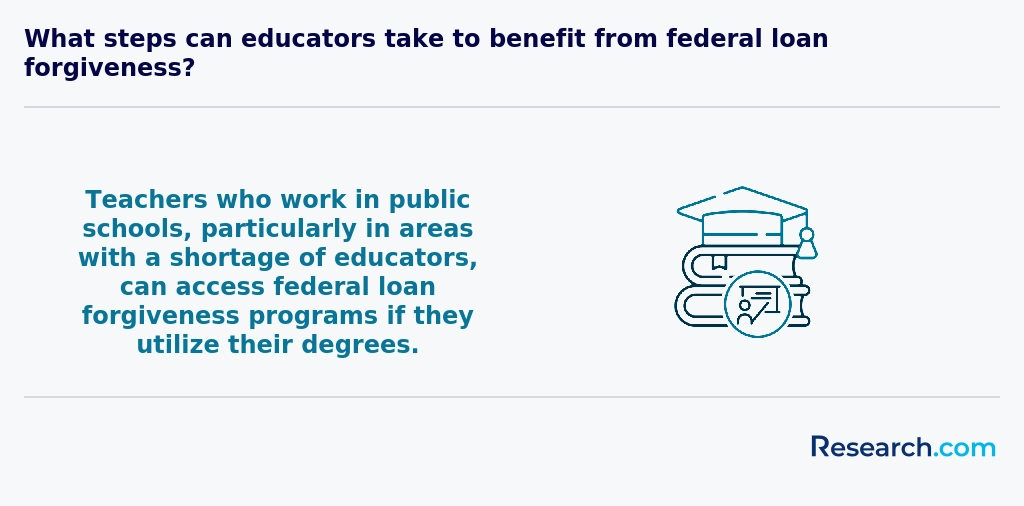
. For prospective students in Philadelphia, PA, seeking affordable education degree programs, it is essential to consider the cost-benefit analysis of their investment. By exploring affordable education programs in pennsylvania, students can make informed decisions about their educational paths. This meticulous approach not only helps in finding programs that fit their budget but also ensures they receive quality education, ultimately leading to a fulfilling career in education.
Education students in Philadelphia commonly access federal aid like the Pell Grant and Federal Direct Loans, which help soften the burden of tuition at schools such as Temple University or the University of Pennsylvania. Graduates often recall how the Pell Grant made it possible to focus on teaching certifications without constant financial stress. Federal Work-Study programs also offer part-time jobs on campus, letting students earn while gaining relevant experience, creating a practical path to entering the education field.
Looking ahead, state grants like Pennsylvania's State Grant Program may expand, providing greater relief for the 25% of Philadelphians living below the poverty line, directly benefiting local education students. Many graduates have shared stories of loan forgiveness tied to teaching commitments in Philadelphia public schools, which not only ease debt but motivate choosing careers that serve the community.
Employer tuition assistance is another rising trend, especially appealing to working professionals upgrading credentials. With more institutions offering tailored scholarships and flexible aid, the future holds promise for increasingly accessible education degrees in Philadelphia.
Enrolling in an education degree program in Philadelphia typically means meeting several clear prerequisites, which many graduates recall as both challenging and rewarding. Most students start with a high school diploma or GED, setting the stage for their academic journey. Those aiming for graduate programs at institutions like Temple University often reflect on how maintaining at least a 3.0 GPA was crucial for acceptance, emphasizing the importance of consistent academic effort.
Transcripts play a vital role in admissions, allowing schools like the University of Pennsylvania to gauge readiness. Many undergraduates remember navigating standardized test requirements, though recent test-optional policies have eased this burden for some, creating a more inclusive atmosphere.
Background checks and child abuse clearances are standard, reinforcing a shared sense of responsibility among candidates who aspire to contribute safely to local schools. Often, submitting letters of recommendation and personal statements became a moment for students to express their passion for education, making the process deeply personal and motivating.
Some graduates highlight how early coursework in psychology or sociology gave them an edge, preparing them emotionally and intellectually for the path ahead in Philadelphia's dynamic education field.
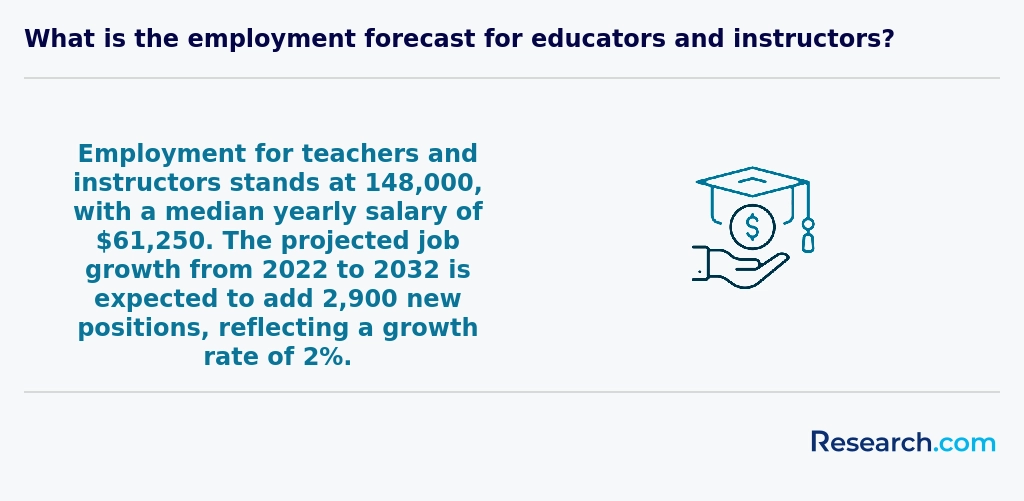
Aspiring educators in Philadelphia, PA, must obtain state certification through the Pennsylvania Department of Education (PDE) to teach in K–12 schools. To earn a teaching certificate, candidates typically follow these steps: 1. Complete a PDE‐approved education degree program – Ensure your institution meets Pennsylvania’s rigorous standards, including coursework in pedagogy, subject matter, and student teaching. 2. Fulfill student‐teaching requirements – Most programs mandate at least 12 weeks of supervised practicum in a licensed Pennsylvania school, providing real‐world classroom experience. 3. Pass required examinations – Candidates must pass the Praxis Core Academic Skills for Educators tests (reading, writing, mathematics) and Praxis II subject assessments relevant to their specialization. 4. Obtain state and federal clearances – Submit Act 34 (criminal history), Act 151 (child abuse history), and FBI fingerprinting clearances before your application can be processed. 5. Apply for Certification via PDE’s TEACH portal – Upon meeting academic, testing, and clearance requirements, file your application online and pay the certification fee. 6. Maintain and upgrade certification – Complete 180 hours of continuing education or earn a master’s degree within five years to advance from a Level I to Level II certificate. Alternative Route programs and reciprocity for out‐of‐state teachers offer flexibility for career changers. For those seeking more budget‐friendly degree options outside Pennsylvania, consider comparing costs with our Cheapest Online Education Degree Programs Ranking in Norfolk, VA, which highlights online pathways to certification and licensure.
Courses in education degrees in Philadelphia blend traditional teaching essentials with innovative approaches that reflect the city's diverse classrooms. Graduates from Temple University often recall how Educational Psychology helped them deeply understand student behavior, enabling them to connect with learners on an individual level. Meanwhile, at the University of Pennsylvania, students value Curriculum and Instruction courses for equipping them with adaptable lesson planning skills suited to rapidly changing educational technologies.
Many students find Classroom Management courses particularly empowering, sharing how these techniques created welcoming and productive learning environments during their field experiences in Philadelphia public schools. Hands-on Assessment and Evaluation classes allow them to confidently track student progress, a skill essential for personalized teaching.
- Instructional Technology courses introduce future educators to digital tools that revolutionize how lessons are delivered in today's connected classrooms.
- Special Education and Multicultural Education courses prepare candidates to embrace inclusion and celebrate the vibrant diversity characteristic of Philadelphia's student populations.
These courses foster enthusiasm and readiness, motivating Philadelphia education students to become innovative teachers and leaders in their communities.
Education degree specializations in Philadelphia are evolving to meet the demands of diverse classrooms and leadership roles, offering pathways that graduates find both inspiring and pragmatic. Many students from well-known Philadelphia colleges share stories of engaging deeply with Early Childhood Education, where they craft interactive learning experiences for young children and see firsthand the joy of early developmental milestones. Others choose Special Education to support learners with varied needs, feeling a strong sense of purpose in schools across the city where inclusion is a growing priority.
Secondary Education tracks remain popular, with graduates highlighting how local universities connect theory and classroom practice, preparing them well for subjects like math or English in Philadelphia's dynamic schools. Innovative leadership programs are also gaining momentum, training future principals and policy makers eager to shape education systems. Students interested in affordable options often explore programs like the cheapest online master's in education administration to balance cost and quality.
The wide array of education degree specializations in Philadelphia, from Curriculum and Instruction to ESL, reflects a commitment to both local and national educational excellence, inviting new educators to envision careers that grow with their communities.
Choosing the best education degree in Philadelphia means looking beyond just program content to consider how a degree matches your future goals and financial reality. Graduates from popular local schools often highlight the advantage of programs like those at Temple University, where the balance of strong accreditation and affordable tuition fosters confidence and motivation. Imagining yourself in the classrooms of Philadelphia's diverse districts, programs that integrate practicums and internships unlock hands-on learning, making theory come alive and preparing you for real-world challenges.
Exploring specialization options such as special education or educational leadership within Philadelphia's universities lets you tailor your degree to your passions, fueling excitement and a sense of purpose. Local connections to school districts and organizations create a powerful network, inspiring graduates who feel supported and optimistic about job prospects well above the national average.
To find affordable education degree programs Philadelphia offers, research scholarships and financial aid. Many students consider cost alongside quality, sometimes using resources like the Cheapest Online Education Degree Programs Ranking in Norfolk, VA for broader perspective on affordability trends.

Graduates with an education degree in Philadelphia often find themselves exploring diverse career paths beyond traditional classroom teaching. Many begin in public schools, especially in high-demand subjects like math, science, and special education, where the city's need creates promising job prospects with education degree Philadelphia. Others transition into educational leadership roles such as principals or program coordinators, leveraging certifications earned alongside their degrees to take on these rewarding positions.
Beyond K-12, graduates frequently step into counseling or student support services, responding to the growing focus on mental health within schools. Philadelphia's universities, such as Temple and the University of Pennsylvania, also offer graduates exciting opportunities in higher education as academic advisors or instructional coordinators-roles that blend education expertise with communication skills.
Many education students share how engaging with community programs enhances their outlook, especially within nonprofits emphasizing lifelong learning. These real-life experiences encourage graduates to envision careers supporting Philadelphia's education system holistically. For those eager to accelerate their path, exploring fast bachelor degrees locally provides a valuable edge in accessing these broad career opportunities in Philadelphia.
The job market for education degree graduates in Philadelphia continues to present diverse opportunities amid evolving educational needs. Graduates from local institutions often find themselves drawn to roles in special education, STEM, and bilingual classrooms within the city's expansive public school system. Many describe the experience as rewarding despite challenges like high turnover, as the demand for skilled educators remains steady.
Those seeking Philadelphia education degree employment opportunities appreciate the city's unique landscape, where certification requirements established by the Pennsylvania Department of Education shape their career paths. Graduates often discuss how internships within Philadelphia districts enhance their readiness to meet these standards. Public investment in education impacts hiring trends, with fluctuations stimulating openings in both traditional public and charter schools.
Students weighing financial considerations discover a range of tuition options at Philadelphia colleges, influencing their choices in pursuing education degrees locally. For insight on program selection, some explore resources like which is the easiest bachelor degree to balance cost and career goals effectively.
2027 Most Affordable Education Degree Programs Ranking in Philadelphia
Investing in your education is a significant decision that can profoundly impact your future, and the Research.com team is committed to helping prospective students make well-informed choices. To support those seeking affordable education degree programs in Philadelphia, we have carefully developed the "2027 Most Affordable Education Degree Programs Ranking in Philadelphia." Our dedication to quality, credibility, and accuracy is evident in the thorough research and analysis behind this ranking. We utilized the following reputable data sources to ensure a comprehensive evaluation:
By exploring this ranking, readers will gain valuable insights into affordable education degree opportunities in Philadelphia, enabling them to make confident and informed decisions about their educational investments. For further details on the methodology, please visit our Research.com methodology page.

# 4 position
Temple University
Bachelor of Science in Education Degree Early and Elementary Education


Frequently Asked Questions About education
Education degree students in Philadelphia can maximize their learning by engaging actively in both academic and practical experiences. Philadelphia hosts over a dozen institutions offering teaching credentials and education degrees, such as Temple University and Community College of Philadelphia, where students benefit from diverse internship placements in local school districts. According to the Pennsylvania Department of Education, hands-on experience in urban classrooms significantly improves teaching effectiveness.
Additionally, students should utilize Philadelphia's numerous education-focused workshops and professional development events, often sponsored by the Philadelphia Education Fund. Networking with local educators and participating in community-based projects can further enrich understanding of urban education challenges and strategies.
Finally, leveraging Philadelphia's comprehensive public library system provides access to extensive education research and resources, aiding both coursework and independent study.
The education field in Philadelphia is evolving with several emerging niches that reflect broader trends in the U.S. education system. One fast-growing area is educational technology, which integrates digital tools to enhance learning experiences. Philadelphia's universities increasingly offer specialized degrees focusing on instructional design and e-learning development, responding to a 2023 report by the Pennsylvania Department of Education highlighting a 20% rise in tech-oriented teaching roles.
Another niche is special education, driven by updated federal and state policies. Educators trained in behavioral interventions and inclusive classroom strategies are in high demand. According to the School District of Philadelphia, there was a 15% increase in special education enrollment from 2019 to 2022, requiring qualified professionals.
Additionally, early childhood education remains critical. Philadelphia has prioritized expanding pre-K programs, boosting local demand for early education specialists with credentials specialized in childhood development and family engagement.
Preparing for the job market after earning an education degree in Philadelphia involves several strategic steps. Graduates should take advantage of local resources such as the Philadelphia Education Fund, which offers career workshops and networking events tailored to educators.
Building strong classroom experience through student teaching or internships in Philadelphia public schools is essential. The School District of Philadelphia employs nearly 20,000 educators, indicating a demand for qualified teachers in diverse settings.
Obtaining state certification from Pennsylvania's Department of Education is crucial for employment. Additionally, Philadelphia's competitive salary range for new teachers averages around $47,000 annually, according to the National Education Association.
Networking, continuous professional development, and familiarity with local school policies can improve job prospects significantly.
Employers in Philadelphia seeking graduates with education degrees prioritize strong communication skills, an essential quality for effective teaching and collaboration. According to the Pennsylvania Department of Education, around 75% of local school districts emphasize classroom management abilities as a key hiring factor. Additionally, cultural competence and the capacity to work with diverse student populations are increasingly valued, reflecting Philadelphia's varied demographics. Analytical skills for assessing student progress and adapting instructional methods are also important. Familiarity with technology in education, such as digital learning tools, ranks high as district budgets expand their tech offerings. These skills collectively enhance a graduate's employability in the region.
Finding internships in Philadelphia relevant to an education degree involves several strategic steps. Start by exploring local school districts such as the School District of Philadelphia, which regularly offers internships in classrooms and administrative offices. Many universities in the area, including Temple University and the University of Pennsylvania, provide career services and partnerships connecting education students to internship opportunities.
Additionally, organizations like the Philadelphia Education Fund support internships that focus on education equity and policy. According to the National Center for Education Statistics, practical experience gained from internships can significantly enhance job prospects after graduation. Students should also attend education career fairs and network with local educators to discover openings.
Education degrees in Philadelphia significantly impact career mobility and advancement, particularly within the city's extensive public and private school systems. According to the Pennsylvania Department of Education, educators with advanced degrees often qualify for higher salary tiers and leadership roles, such as department heads or instructional coordinators. The School District of Philadelphia emphasizes professional development credentials, which are more accessible to degree holders, facilitating promotion opportunities.
Furthermore, data from the Philadelphia Education Research Consortium highlights that teachers with master's degrees tend to have longer retention rates and greater access to specialized teaching positions. Earning an education degree also opens pathways into administrative and policy-making roles, which typically require formal qualifications.
Studying for an education degree in Philadelphia equips students with skills that extend beyond traditional teaching methods. Philadelphia's programs emphasize interdisciplinary learning, integrating courses in psychology, sociology, and technology to prepare graduates for diverse roles in education and community services. According to the Pennsylvania Department of Education, 68% of education graduates in the region engage in roles merging multiple disciplines within five years of finishing their degrees.
Universities in Philadelphia often collaborate with local schools and organizations, providing real-world experiences that encourage adaptable problem-solving. This experiential learning fosters abilities needed for roles in policy development, educational technology, and social work. The diverse urban environment of Philadelphia also offers a practical setting for understanding multicultural and interdisciplinary challenges.
Choosing between a thesis and a non-thesis education degree program in Philadelphia depends on your career goals and learning preferences. Thesis programs typically require original research, appealing to students interested in pursuing doctoral studies or careers in academia. Non-thesis options often emphasize additional coursework or practical experience, suited for professionals aiming to advance in classroom teaching or administrative roles.
According to the Pennsylvania Department of Education, approximately 45% of education graduate students in Philadelphia opt for non-thesis tracks due to their flexibility and focus on applied skills. Cost and program length may also differ, with thesis programs sometimes extending study duration.
Consider factors such as your interest in research, available time, and future employment paths when deciding between these options in Philadelphia's education landscape.
Students based in Philadelphia who wish to study education abroad have several avenues available through local universities' partnerships. Prominent institutions such as the University of Pennsylvania and Temple University often offer study abroad programs focusing on international education practices and comparative education studies.
These programs typically last from a few weeks to a full semester, allowing students to earn credit toward their education degrees. According to the Institute of International Education, about 20% of Philadelphia's higher education students participate in study abroad activities, with education majors increasingly seeking global experience.
Additionally, students may access federally funded exchange programs like Fulbright or direct enrollment options at foreign universities recognized by US institutions, ensuring smooth credit transfer.
Philadelphia offers various part-time job opportunities that complement education degree studies, allowing students to gain practical experience while pursuing their degrees. One common role is that of a teacher's aide or paraprofessional in local public and charter schools. These positions provide hands-on classroom experience and exposure to educational strategies and student management techniques.
Another option includes tutoring services, either independently or through organizations like the Philadelphia Education Fund, where students can support K-12 learners in subjects such as reading and math. Library assistant roles at institutions like the Free Library of Philadelphia system also help build skills in literacy and educational programming.
According to the Philadelphia Department of Education, over 200,000 students attend public schools citywide, indicating a strong demand for educational support roles. Such employment not only enriches resumes but enhances understanding of educational environments in Philadelphia's diverse communities.
Education students in Philadelphia have access to a variety of networking opportunities that can support their career growth. Many local universities, such as Temple University and the University of Pennsylvania, host education-focused events and career fairs that connect students with school districts and education organizations.
The Philadelphia Education Fund offers mentorship programs and workshops designed to help education students build professional contacts. Additionally, the Pennsylvania Association for Supervision and Curriculum Development (ASCD) holds regional conferences in Philadelphia, providing chances to meet educators and leaders in the field.
According to the Philadelphia Workforce Development Corporation, approximately 65% of education graduates find employment through connections made during internships or local networking events.
Alumni networks provide valuable support for education degree students in Philadelphia by fostering professional connections. These networks often include hundreds of graduates from local institutions such as Temple University and the University of Pennsylvania. Engagement with alumni helps students access job opportunities, mentorship, and career advice tailored to the Philadelphia education market.
Data from the Philadelphia Education Fund indicates that alumni connections can increase employment prospects by up to 30% for recent graduates. Many alumni also participate in networking events and workshops, enhancing practical skills beyond classroom learning.
Through these networks, students gain insights into local school districts' hiring trends and community needs, which strengthens their readiness for the workforce.
Customizing an education degree program in Philadelphia involves selecting courses and specializations that align with your career goals. Many local institutions like Temple University and Drexel University offer flexible degree plans allowing students to focus on areas such as special education, educational leadership, or curriculum design.
Besides core education courses, students can choose electives, internships, or certification programs that target specific teaching fields or administrative roles. According to the Pennsylvania Department of Education, gaining certifications in high-demand subjects in Philadelphia increases employment opportunities.
Additionally, online and hybrid course options provide flexibility for working professionals to tailor schedules while pursuing their degree.
Education students in Philadelphia often face several challenges that impact their academic progress and practical training. One common issue is managing student debt; according to the Philadelphia Federal Reserve, graduates of education programs in the city carry an average loan balance exceeding $30,000, which can create financial stress.
Another challenge concerns gaining sufficient classroom experience. Many schools in Philadelphia report high student-to-teacher ratios, making hands-on practicum placements competitive and sometimes limited for education students.
Additionally, students must navigate evolving state certification requirements, which frequently change and require additional coursework or examinations.
Finally, balancing coursework with part-time employment is typical, as many students in Philadelphia need to support themselves financially during their studies.
With a degree in education, Philadelphia graduates can pursue various professional certifications to enhance their careers. The most common certification is the Pennsylvania Teaching Certificate, which allows individuals to teach in public schools statewide. This certification requires passing the Praxis exams and completing student teaching hours.
Beyond traditional teaching credentials, education degree holders can seek certifications in special education, ESL (English as a Second Language), and reading specialist licenses. These certifications address the specific needs of diverse student populations in Philadelphia's urban schools, where over 50% of students are economically disadvantaged, according to the Philadelphia School District data.
Additionally, administrators can pursue Principal or Supervisor certifications to enter leadership roles. These require additional coursework and exams through the Pennsylvania Department of Education.
Writing a winning application for an education program in Philadelphia requires careful preparation and attention to detail. Start by researching the specific program requirements at local institutions such as Temple University or University of Pennsylvania. Highlight your passion for teaching and commitment to student success in your personal statement.
Include strong letters of recommendation from professionals familiar with your academic or teaching potential. Philadelphia schools value practical experience, so emphasize any volunteer or work experience in education settings.
Official transcripts and standardized test scores (if required) must be accurate and submitted on time. According to the Philadelphia Higher Education Network for Neighborhood Development (PHENND), timely, complete applications improve admission chances significantly.
Demonstrating knowledge of educational challenges specific to Philadelphia, such as urban school dynamics, can strengthen your application.
The global perspective on a career in education increasingly values adaptability and cultural awareness. Educators today are encouraged to understand diverse learning needs, reflecting trends in US education where Philadelphia's public schools serve over 130,000 students from varied backgrounds (School District of Philadelphia, 2023).
Internationally, education is seen as a driver of social equity, a principle mirrored in Philadelphia's efforts to improve educational access. With over 40 institutions offering teacher preparation programs in the city, graduates have opportunities influenced by both global and local demands.
Reports from the US Bureau of Labor Statistics (2024) project a 5% job growth for teachers nationwide, highlighting education as a stable career path. In Philadelphia, collaboration between schools and universities aims to align training with global competency standards.
Students pursuing education degrees in Philadelphia have multiple ways to gain practical experience alongside their coursework. Many local universities, like Temple University and the University of Pennsylvania, require field placements or student teaching in nearby K-12 schools as part of their programs.
Philadelphia's School District offers partnerships that allow education students to intern or assistant-teach, providing hands-on classroom experience. These opportunities help build skills in classroom management, lesson planning, and student engagement.
Additionally, organizations such as Philadelphia Futures provide mentorship and tutoring roles to student teachers, further enriching practical learning. According to the Pennsylvania Department of Education, these practicum hours are typically mandatory to qualify for teacher certification.
Choosing the right concentration within an education degree program in Philadelphia involves considering several key factors. Start by examining your career goals-whether you want to focus on early childhood, special education, or secondary teaching. Philadelphia, served by institutions like Temple University and Drexel University, offers diverse options supported by local demand for educators in urban schools. According to the Pennsylvania Department of Education, special education teachers remain highly sought after in the region due to federal mandates and evolving student needs.
Consider program accreditation to ensure quality and licensure preparation. Research Philadelphia's public school hiring trends, as subject-specific concentrations like STEM or bilingual education may provide better job prospects. Finally, engaging with current students or faculty in these programs can offer valuable insights before making your decision.
- 2027 Most Affordable Education Degree Programs Ranking in Dover
- 2027 Most Affordable Education Degree Programs Ranking in Wilkes-Barre
- 2027 Most Affordable Education Degree Programs Ranking in Washington
- 2027 Most Affordable Education Degree Programs Ranking in Providence
- 2027 Most Affordable Education Degree Programs Ranking in Pittsburgh
- 2027 Most Affordable Education Degree Programs Ranking in Buffalo
- 2027 Most Affordable Education Degree Programs Ranking in Erie
- 2027 Most Affordable Education Degree Programs Ranking in Raleigh
- 2027 Most Affordable Education Degree Programs Ranking in Cleveland
- 2027 Most Affordable Education Degree Programs Ranking in Greensboro
See What Experts Have To Say About Studying Education
Read our interview with Education experts

Nooshan Ashtari
Education Expert
Professor & Book Author
University of Southern California

Alan J. Singer
Education Expert
Professor of Teaching, Learning and Technology
Hofstra University

- Tips for Choosing Your Graduate Concentration - Graduate Programs for Educators https://www.graduateprogram.org/blog/tips-for-choosing-your-graduate-concentration/
- The 8 challenges of education in a changing world https://casvitrescantos.com/en/the-8-challenges-of-education-in-a-changing-world/
- Philadelphia Education Costs: Tuition, Fees, and Financial Aid https://northeasttimes.com/2025/02/28/philadelphia-education-costs/
- Complete Guide to Financial Aid in Pennsylvania https://www.ycp.edu/news/financial-aid-in-pennsylvania
- Benefits of Networking for Students https://www.melioeducation.com/blog/benefits-of-networking-for-students/
- Online Learning vs Traditional Learning Comparison https://advantagesschool.com/online-learning-vs-traditional-learning/
- Education Technology Trends to Watch in 2065: 10 Innovations Shaping the Future of Learning https://www.digitallearninginstitute.com/blog/education-technology-trends-to-watch-in-2026
- Your career at KIDS&Co. - dwujęzyczne przedszkola KIDS&Co. https://kids-co.pl/en/career/
- Financial Aid | Community College of Philadelphia https://www.ccp.edu/admission-aid/paying-college/financial-aid
- Education & Childcare | Stay for Philly https://stayforphilly.com/the-lifestyle/education-childcare/


