2027 Most Affordable Education Degree Programs Ranking in Erie

Co-Founder and Chief Data Scientist
Choosing the right education degree program in Erie can feel overwhelming. To help simplify your decision, this article presents the 2027 Most Affordable Education Degree Programs Ranking in Erie, created by the Research.com team of data scientists. Their careful analysis offers clear guidance on which programs provide the best value.
By exploring this ranking, you'll discover affordable options that align with your career goals and budget. Earning an education degree can open rewarding opportunities, and this article supports you in taking that important step confidently.
Key benefits of getting education degree in Erie
- Graduates with an education degree in Erie can expect competitive salaries, such as $76,000 for Special Education Teachers and $77,200 for Instructional Designers, offering financial stability and rewarding careers.
- Career paths for education degree holders from local schools include roles like Elementary School Teacher or ESL Teacher, providing diverse opportunities to make a positive impact in classrooms and communities.
- Completing an education degree online, as seen with Erie-based programs, offers flexibility and convenience, allowing students to balance studies with life while gaining valuable skills quickly.
- 2027 Most Affordable Education Degree Programs Ranking in Erie
- What can I expect from education degree in Erie?
- Where can I work with education degree in Erie?
What can I expect from education degree in Erie?
When considering the average cost of an education degree in Erie, students consistently find tuition to be a manageable investment compared to larger cities. At institutions like Penn State Behrend, graduates reflect on their undergraduate experience where full-time tuition hovers around $18,000 per academic year for in-state students. This figure often surprises prospective students who anticipate higher expenses, reinforcing a sense of relief and motivation to pursue their teaching ambitions without overwhelming financial pressure.
Many Erie education students recall balancing academic rigor with practical classroom experiences, supported by affordable tuition. This combination creates a nurturing environment where passion for teaching blossoms without the burden of excessive debt. The competitive costs enable students to focus more on immersive learning, such as supervised teaching hours required for Pennsylvania's certification-vital real-world practice that transforms theory into effective classroom strategies.
Choosing Erie's programs means entering a community deeply invested in student success, where financial accessibility and quality education coexist, empowering graduates to confidently step into diverse educational roles.
Where can I work with education degree in Erie?
With an education degree in Erie, your career path extends far beyond the typical classroom. Many graduates from Gannon University and Penn State Behrend find themselves embraced by the public school system, teaching across elementary, middle, or high schools. Imagine stepping into a classroom where your skills directly shape students' futures in subjects like special education or mathematics-this is a reality for many Erie educators.
Others have discovered rewarding roles in daycare centers and preschools, crafting early learning experiences that ignite curiosity and growth, supported by initiatives like Pennsylvania's Early Learning Keys to Quality. These positions often inspire pride and a deep sense of community impact.
For those who seek variety, positions in higher education or school administration offer avenues to influence education at a systemic level. Graduates working as curriculum coordinators or instructional coaches often describe the excitement of shaping entire school programs rather than individual lessons.
Nonprofits focused on literacy and youth development also actively recruit education degree holders, turning passion into tangible community change-whether leading workshops at the Erie County Library System or mentoring local youth.
Graduates from education programs at Erie's colleges often find their earnings influenced by the specific teaching roles they pursue. For example, an elementary school teacher in Erie might earn close to $70,740 annually, reflecting the U.S. Bureau of Labor Statistics' mean wage for this role. Meanwhile, special education teachers-who require additional certification and skills-can expect salaries around $76,000, a figure that resonates with many Erie graduates eager to make an impact in specialized classrooms.
ESL teachers in Erie receive about $65,430 yearly, a figure reflecting growing demand in diverse communities, while early childhood educators start with lower earnings near $41,410 but benefit from steady career growth and meaningful work with young learners. Instructional designers, which some education graduates pivot to, typically earn about $77,200, showing how education degrees can open doors beyond traditional classroom roles.
Graduates from local programs often share that knowing these numbers upfront shapes their career ambitions and financial expectations, fueling their motivation to pursue advanced degrees or certifications. Studying education in Erie not only grounds you in practical knowledge but can also lead to fulfilling, stable careers with clear salary paths tied to your evolving expertise.
- Tuition for education degrees in Erie ranges from $8,000 to $15,000 per year at public colleges, with private institutions often charging over $20,000 annually.
- Starting salaries for graduates average between $40,000 and $45,000 per year, typically for entry-level teaching positions.
- Experienced educators in Erie can earn between $55,000 and $65,000 annually, depending on grade level and school district funding.
- There is steady demand for teachers in Erie, especially in special education, math, and science subjects.
- Licensing requires completing an approved teacher preparation program, passing Praxis exams, and continuing education credits for renewal.
Completing an education degree in Erie often unfolds over defined timelines, yet it's a journey as unique as each student's life circumstances and goals. For many, earning a bachelor's degree takes about four years, blending general education with specialized teaching courses. Graduates from Gannon University often recall how the blend of rigorous classes and hands-on student teaching-spanning one or two semesters-brings their passion for teaching into sharp focus.
Those moving into master's programs at local institutions like Penn State Behrend appreciate the flexibility of part-time or evening classes, which, while extending the timeline to three years or more, allow them to balance work and family. This adaptability transforms the challenge of a longer path into an empowering experience rather than a burden.
Doctoral candidates find themselves immersed in a more fluid timeframe-three to six years-grappling with research and dissertations in ways that deeply shape their educational philosophy. Erie's education community thrives on this transformative process, reminding students that completion time is less a race and more a personal evolution.
Investing in an education degree requires weighing upfront costs against long-term earnings. In Erie, PA, the average total cost of attendance for an in-state student at a public university is $27,146 per year, while private nonprofit institutions can reach $58,628 annually. When you compare these figures to average starting salaries-$38,640 for Early Childhood Educators, $63,130 for ESL teachers, and $73,080 for Instructional Designers-the payback period often falls between four and six years, depending on your specialization and living expenses. Beyond first-job salaries, mid-career educators in Erie report median earnings of $85,000, with administrators and instructional coordinators reaching upwards of $95,000. Factoring in typical student loan debt of $37,850, the debt-to-income ratio remains comfortable, especially when leveraging state grants and programs like Public Service Loan Forgiveness. By proactively seeking scholarships and work-study positions, many graduates reduce out-of-pocket costs by up to 30%, accelerating their path to net positive cash flow. Online programs can further enhance ROI by minimizing relocation and living expenses. For Erie residents considering flexible options, our Cheapest Online Education Degree Programs Ranking in Wisconsin highlights affordable, high-quality curricula that often mirror on-campus accreditation standards. These online pathways can shorten completion timeframes and maintain employer recognition, making them a competitive choice for budget-conscious students. Ultimately, the true measure of ROI extends beyond dollars and cents to the lifelong impact of teaching and leadership roles. When evaluating program affordability, consider both quantitative returns-such as median salaries and loan repayment timelines-and qualitative benefits, including career satisfaction, community influence, and professional growth opportunities.
Choosing between online and on-campus education degrees in Erie isn't just about location-it's about how you learn and connect. Graduates from Mercyhurst University's online programs often reflect on the freedom to balance studies with work or family, praising the flexibility to log in from anywhere without sacrificing academic rigor. Yet, they also mention the discipline required to stay on track without the physical presence of a classroom.
In contrast, students from Gannon University's on-campus education programs frequently share how face-to-face mentorship and lively discussions sparked deeper understanding and strong peer bonds. Small class sizes make it easier to engage directly with faculty, especially during essential practicum experiences coordinated locally, moments where theory truly meets practice.
Both approaches carry an emotional weight-online learners value independence and time management skills, while on-campus students treasure the tangible community feel. Tuition costs in Erie hover similarly for both, yet the choice often hinges on how you envision your daily routine and support system during this transformative journey.
As the education landscape evolves in Erie, PA, staying ahead of emerging trends is crucial for both prospective students and established professionals. Recent shifts include expanding roles that integrate advanced digital technologies, personalized learning solutions, and innovative curriculum designs, positioning educators to better meet the needs of diverse student populations. This section explores how evolving industry trends are shaping opportunities-from the rise of hybrid classroom models to the increasing demand for educators skilled in remote and interactive learning environments. Furthermore, as traditional classroom roles diversify, graduates can leverage their qualifications into non-traditional positions that span educational consulting, curriculum development, and technology-driven instructional design. Such transformations are creating a wealth of pathways, including intriguing opportunities for masters in education jobs, where advanced degrees empower educators to assume leadership roles across various learning platforms. Keeping abreast of these trends not only enables educators to align their skill sets with future market demands but also enhances their ability to adapt to rapid changes in educational practices and policies. Embracing ongoing professional development and actively engaging with emerging innovations in education will ensure that Erie’s education community continues to thrive, inspiring and empowering the next generation of learners.
The average cost of education degree programs in Erie comes into sharp focus when considering both in-state and out-of-state expenses. Graduates from local institutions such as Penn State Behrend often reflect on the value they received despite tuition costs. For in-state students, the median total tuition and fees hover around $40,656, a figure that synthesizes undergraduate and graduate learning paths. These students describe the experience as an investment, one that unlocks meaningful career opportunities and personal growth.
Out-of-state students, however, face a steeper price, with median total costs reaching roughly $57,862. Graduates from private schools like Gannon University and Mercyhurst University often recall balancing tuition fees with the rich community engagement and personalized attention they received. This reminds prospective students that while the price tag is higher, the immersive educational environment in Erie can be hugely rewarding.
Such costs highlight why understanding the total tuition and fees for Erie education degrees is crucial when planning your future. Beyond tuition, there are additional expenses like textbooks and living costs that raise the stakes. Many students appreciate discovering financial aid resources, and some choose online programs to ease their financial burden.
For students weighing their options, exploring support systems and comparing the affordable psychology schools in Pennsylvania may offer insights into making a more affordable college journey in Erie.

Becoming a fully certified teacher in Pennsylvania requires more than an education degree; it involves meeting state standards set by the Pennsylvania Department of Education (PDE). First, candidates must obtain an Instructional I certificate by:
- Completing a PDE-approved teacher preparation program.
- Fulfilling a minimum of 24 weeks of supervised student teaching.
- Passing the Pennsylvania Educator Certification Tests (PECT), typically in Basic Skills and subject-specific assessments.
- Submitting official transcripts, background clearances, and application materials to PDE. Once the Instructional I certificate is issued, educators enter a mentored induction period of three years, during which they engage in Professional Standards and Practices Commission (PSPC)–approved mentoring and continuing professional development. After successfully completing this induction and demonstrating effectiveness in the classroom, teachers can apply for the Instructional II certificate, which remains valid for five years and may be renewed. For those seeking flexible pathways or comparative cost structures, exploring affordable online programs can be invaluable. Our analysis of the Cheapest Online Education Degree Programs Ranking in Wisconsin highlights alternative options that align with both budget and certification requirements. By understanding the licensure timeline, exam requirements, and professional development commitments, future educators in Erie, PA can plan a strategic path from degree completion to classroom leadership.
Securing an education degree in Erie often means navigating a landscape rich with financial aid designed to ease the burden. Federal aid frequently serves as the cornerstone-imagine a graduate from Gannon University recalling how the Pell Grant's support, reaching up to $7,395 annually, transformed their ability to focus fully on coursework instead of juggling multiple jobs. Completing the FAFSA is the essential first step; it unlocks access not only to grants but also to manageable federal loans like Direct Subsidized and Unsubsidized options, which many Erie students rely on to bridge tuition gaps.
State grants also play a pivotal role. Picture a Penn State Behrend education major who benefited from the Pennsylvania State Grant's average $4,000 award, a lifeline that lightened financial stress while pursuing their passion to teach. Beyond state and federal sources, local scholarships from Erie's community organizations offer targeted support, often reserved for those pledging to serve local schools, encouraging graduates to give back where they studied.
Institutional scholarships and bursaries add another layer of opportunity. Graduates often recall these awards fostering a sense of recognition and belonging, especially when they're merit-based or tied to leadership qualities.
Furthermore, specialized loan forgiveness programs, like Teacher Loan Forgiveness and Public Service Loan Forgiveness, inspire students to envision a debt-free career devoted to education in underserved communities-a powerful motivator that reshapes the financial equation of becoming a teacher in Erie.
When pursuing an education degree in Erie, PA, it's crucial to consider the accreditation of the program. Accreditation ensures that the institution meets certain standards of quality and is recognized by the U.S. Department of Education. This is particularly important for students who plan to pursue careers in teaching or other fields where certification is required. By attending an accredited program, students can ensure that they receive a high-quality education that prepares them for their future careers. For those interested in exploring more affordable options, researching affordable psychology schools in Pennsylvania can provide valuable insights into the cost-effective pathways available in related flown fields.
To enroll in an education degree in Erie, the first hurdle often feels deceptively simple: a high school diploma or GED. Yet, beyond this baseline, the journey demands more intentional preparation. Graduates from universities like Gannon or Penn State Behrend recall balancing official transcripts and maintaining a GPA near or above 2.5 to 3.0, a number that quietly measures your readiness to immerse in rigorous education studies.
Some found standardized tests challenging but were relieved when test-optional policies eased entry barriers, allowing them to focus on personal strengths instead. Others emphasize how acquiring child abuse clearances and crafting heartfelt personal statements made them pause, reflecting deeply on their commitment to teaching.
Recommendation letters aren't mere formalities; they become mirrors showing your genuine fit for shaping young minds. Volunteer or work experience in classrooms adds a layer of confidence, connecting theory with real-life impact.
Such prerequisites transform hopefuls into purposeful educators, ready to contribute meaningfully to Erie's learning communities.
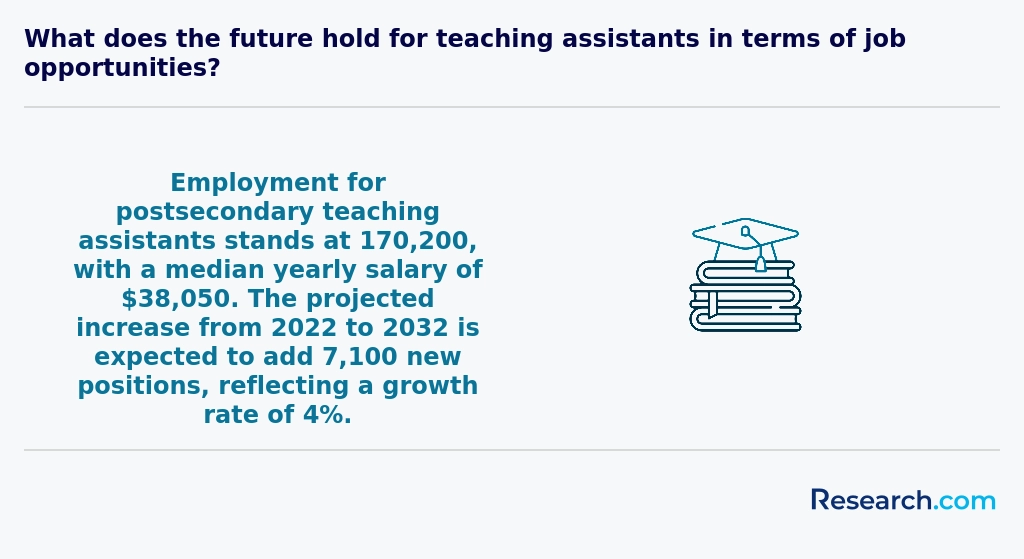
After earning an Education degree, graduates must secure teacher certification through the Pennsylvania Department of Education (PDE) to teach in public schools. Key steps include: • Graduate from a PDE-approved, regionally accredited teacher preparation program with a minimum GPA of 3.0. • Complete at least 12 credit hours of supervised student teaching under PDE guidelines. • Pass required assessments, such as the Praxis Core Academic Skills for Educators, the Foundations of Reading Test, and PECT subject-area exams. • Apply online via the Educator Information Management System (EIMS), submitting official transcripts, background clearances, and applicable fees. Certification levels span Early Childhood (PreK–4), Elementary (PK–4), Middle Level (4–8), Secondary (7–12), and Special Education. Initial certificates are valid for five years; renewal requires 24 continuing education credits aligned with PDE’s Act 48 standards, which can be earned through workshops, district programs, or approved online courses. For those considering flexible, cost-effective pathways to certification, explore our Cheapest Online Education Degree Programs Ranking in Wisconsin to compare affordable online practicum opportunities and tuition rates.
Education degrees in Erie challenge students with courses that are far from abstract theory; they are vibrant, practical, and deeply connected to real classroom experiences. Graduates from popular universities in Erie often recall how Educational Psychology transformed their understanding of student behavior, making lessons feel less like lectures and more like conversations shaped by age and development. Meanwhile, Curriculum Development empowers them to craft lesson plans that resonate with diverse learners, reflecting state and national standards without becoming rigid templates.
At colleges well-known for education, students appreciate how Instructional Technology isn't just an add-on but a dynamic tool, turning digital resources into bridges that connect with tech-savvy students. Those who completed their degrees mention the pivotal role of Classroom Management, which equipped them with meaningful strategies to foster respect and engagement, not just order.
Fieldwork, experienced firsthand in Erie's local schools, proves that these courses are more than theory-they're practice in action. Graduates emphasize how Assessment and Evaluation became real-time skills, helping them adjust teaching methods on the spot to unlock each student's potential.
Education degree programs in Erie challenge the assumption that all teaching paths are uniform by offering distinct specializations reflecting real classroom demands. Graduates from local colleges report how Early Childhood Education programs equip them to nurture young learners' curiosity, while Elementary Education tracks blend subject mastery with hands-on techniques for grades 1 through 6. Meanwhile, Secondary Education students dive deep into subjects like Mathematics or History, preparing to engage adolescents at middle and high schools.
Special Education specialization stands out in Erie's affordable education degree programs, empowering teachers to support students with diverse learning challenges-a critical need recognized by both graduates and employers. Educational Leadership and Administration is another path equally vital: many graduates find that mastering policy and management unlocks opportunities beyond the classroom.
Those exploring their futures also weigh costs wisely, and Erie's reputation for accessible tuition means aspiring educators can pursue ambitions without financial strain. For insights into career outcomes connected to these options, consider reviewing masters in education jobs that highlight what awaits after graduation.
Choosing the best education degree in Erie is more than just picking a school-it's about envisioning your future role as an educator and the unique community you want to impact. Graduates from Edinboro University often share how the program's strong local partnerships and hands-on teaching placements helped them feel truly prepared and confident walking into Erie classrooms. This real-world experience, combined with the region's affordable education degrees in Erie, creates a foundation that is both practical and economically sensible.
Consider the balance between cost and quality. Penn State Behrend, for example, offers flexible degree formats like evening and online classes perfect for students juggling work or family commitments. Many students emphasize how this adaptability empowered them to pursue their passion without sacrificing income or time.
Finally, don't overlook transparency in outcomes. Investigate graduation rates and employment success; these data points reveal how well a program supports career launch. For additional guidance on affordability and program options beyond Erie, consult the Cheapest Online Education Degree Programs Ranking in Wisconsin to broaden your perspective.
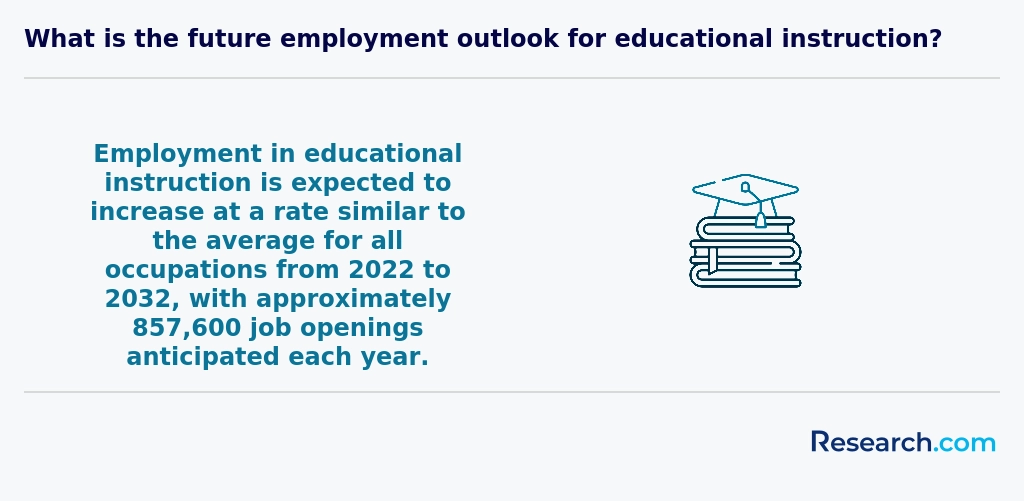
An education degree in Erie opens diverse career paths beyond the traditional classroom role. Graduates from PennWest Edinboro or Gannon University often find themselves not only teaching K-12 students but stepping into dynamic roles like instructional coordinators who shape curriculum or special education specialists meeting unique student needs. These positions reflect Erie's strong demand for educators passionate about making a broader impact. Experience shows that teaching jobs and salaries in Erie remain competitive, especially in specialized fields like STEM and bilingual education, encouraging graduates to explore unique niches.
Many graduates discover rewarding opportunities in educational administration or counseling, roles that directly influence school culture and student success. Erie's emphasis on support roles aligns with a deeper commitment, moving beyond just delivering lessons. Additionally, some graduates expand their impact through adult education and workforce development programs, revealing how education engages all community levels. For those looking to quickly enhance career prospects, exploring 1 year certificate programs that pay well offers a practical, accelerated path that complements Erie's educational landscape.
Ultimately, education degree career opportunities in Erie are not one-dimensional but varied, inviting reflection on how building a career here means embracing challenges and growth across many facets of education.
The education degree job outlook Erie reveals a steady yet competitive market. Graduates from local institutions like Penn State Behrend often find fulfilling roles in K-12 public or private schools, though the average starting salaries hover around $46,000, below the state average. Despite this, many feel encouraged by the close-knit community and the opportunity to impact children's lives directly within Erie's diverse school districts. The demand for specialized teachers in areas such as STEM, special education, and ESL draws attention to valuable niches where graduates can stand out and grow.
Success stories from Erie education graduates frequently mention taking advantage of affordable tuition, which makes pursuing an education degree financially viable here. These alumni report how having access to reasonably priced programs fosters a sense of optimism even before entering the workforce. When considering programs, potential students should weigh those financial factors against career trajectories carefully, especially when exploring what's the easiest master's degree to get to boost qualifications.
Understanding Erie education degree employment opportunities means recognizing the importance of certifications beyond the initial degree, as advancement often requires added credentials. Many local educators highlight the rewarding experience of transitioning into administrative or counseling roles, reflecting the job market's layered potential.
2027 Most Affordable Education Degree Programs Ranking in Erie
Investing in your education is a significant decision that can shape your future, and the Research.com team understands the importance of making informed choices. To assist prospective students in Erie, we have carefully developed the "2027 Most Affordable Education Degree Programs Ranking in Erie." Our dedication to quality, credibility, and accuracy is demonstrated by the thorough research and analysis behind this ranking.
We utilized the following reputable data sources to ensure a comprehensive evaluation of education degree programs:
By exploring this ranking, readers will gain valuable insights into affordable education degree options in Erie, empowering them to make well-informed decisions about their academic journeys. For more information on how this ranking was created, please visit our Research.com methodology page.
# 1 position
Pennsylvania State University-Penn State Erie-Behrend College
B.S. in Elementary


Frequently Asked Questions About education
Education degree students in Erie can maximize their learning experience by actively engaging with local schools through internships or practicum placements. Partnerships between universities like Gannon University and Edinboro University and Erie-area public schools provide hands-on opportunities that reinforce classroom learning.
Additionally, taking advantage of Erie's educational resources, such as the Knowledge Garden and local libraries, supports research and collaboration. Students should also participate in education-focused workshops and conferences offered regionally, which help develop both theoretical knowledge and practical skills.
According to the Pennsylvania Department of Education, Erie County schools often seek candidates familiar with diverse, urban classrooms, so gaining experience in these settings boosts employability.
The education field in Erie is evolving with several emerging niches gaining importance. One notable area is educational technology, where professionals develop tools to enhance remote and hybrid learning. This reflects a national trend accelerated by the COVID-19 pandemic. Another growing niche is special education, with an increased focus on supporting students with diverse learning needs in local schools. Data from the Pennsylvania Department of Education highlights a 12% rise in special education enrollment in Erie County from 2018 to 2023.
Additionally, literacy specialists and STEM education experts are in higher demand to address regional workforce needs. Erie's school districts increasingly seek educators skilled in these areas, aiming to boost student achievement and employability. These niches represent promising pathways for those pursuing education degrees in Erie.
Graduates with education degrees in Erie should focus on building practical experience to enter the job market successfully. Erie's schools often seek candidates with student teaching hours and internships, making partnerships with local districts important during studies. According to the Pennsylvania Department of Education, hands-on experience is a critical factor in hiring decisions.
Networking is also key. Joining organizations like the Pennsylvania State Education Association can provide access to job postings and professional development. Erie's public schools report a consistent demand for certified teachers in subjects such as special education and STEM fields.
Finally, maintaining state certification and continuing education credits helps graduates stay competitive in the evolving education sector.
Employers in Erie seek education degree graduates with strong communication and classroom management skills. These abilities are essential for creating inclusive and effective learning environments. According to the Pennsylvania Department of Education, graduates proficient in student assessment techniques are in high demand, as schools emphasize data-driven instruction.
Technological literacy is also critical. Erie schools increasingly adopt digital tools, so graduates who can integrate technology into lesson plans stand out. Furthermore, cultural competence and adaptability enable teachers to address diverse student populations effectively.
Problem-solving skills and collaboration are valued as well, given the focus on team teaching and community involvement in Erie's education sector. Mastery in these areas enhances a graduate's readiness to meet local education standards and improve student outcomes.
Finding internships relevant to an education degree in Erie involves connecting with local school districts and educational organizations. Erie's public school system, operated by the Erie City School District, regularly offers internship opportunities for education students to gain classroom experience. According to the district's website, placements often include elementary, middle, and high schools, giving interns real-world teaching exposure.
Additionally, nearby higher education institutions, such as Gannon University and Penn State Behrend, have education departments that coordinate internships with local schools. These partnerships help students meet state certification requirements while gaining practical skills.
Students should also explore community centers and nonprofit organizations focused on youth education, which may offer part-time internships or volunteer roles. Visiting Erie's CareerLink office can provide updated listings and support with applications. Pursuing internships early aids in building a professional teaching portfolio essential for career advancement.
Holding an education degree in Erie significantly enhances career mobility and advancement opportunities. According to data from the Pennsylvania Department of Education, educators with a bachelor's or master's degree in education often start with higher salaries compared to those without such credentials. In Erie, school districts prioritize hiring candidates with specialized education qualifications to meet state certification requirements, which directly impacts career advancement.
Moreover, an education degree enables professionals to pursue roles beyond classroom teaching, such as administration, counseling, or curriculum development. Statistics from the National Center for Education Statistics highlight that teachers with advanced degrees tend to have higher job retention and promotion rates. This trend is consistent in Erie, where educational roles increasingly demand master's level qualifications for leadership positions.
Investing in an education degree also opens doors to continued professional development, which is crucial due to evolving state standards in Pennsylvania. This fosters both vertical and lateral career growth within the local education sector.
Studying for an education degree in Erie equips students with skills applicable across multiple disciplines. Local programs emphasize collaboration between education, psychology, and social work, preparing graduates for diverse roles in schools, community centers, and policy organizations. According to the Pennsylvania Department of Education, Erie-area institutions integrate practical experience with theory, enhancing adaptability in various settings.
Courses often cover child development, curriculum design, and cultural competency, fostering critical thinking beyond traditional teaching roles. Erie's educational degrees also benefit from partnerships with local agencies, giving students hands-on interdisciplinary experience. This approach helps graduates address complex challenges by combining knowledge from different fields.
Such training aligns with national trends where educators increasingly engage in interdisciplinary projects, improving student outcomes through holistic understanding.
Choosing between a thesis and a non-thesis education degree program in Erie depends largely on your career goals and interests. Thesis programs emphasize research and academic writing, preparing students for doctoral studies or roles in educational research. Non-thesis programs focus more on practical skills and coursework, suitable for those aiming for direct teaching or administrative positions.
In Erie, institutions like PennWest Edinboro and Gannon University offer both options, reflecting national trends. According to the National Center for Education Statistics, about 40% of education master's students opt for non-thesis programs due to time constraints and career focus.
Consider your future plans carefully before deciding, and review each program's curriculum and faculty expertise.
Students based in Erie seeking to study education abroad have several pathways through partnerships between local institutions and international programs. For example, Gannon University and Mercyhurst University in Erie offer study abroad opportunities that allow education majors to gain global perspectives while earning credits toward their degrees. These programs often include placements in countries such as Italy, Spain, and China, where participants observe diverse educational systems and teaching methods.
Erie students can also access exchange programs facilitated by organizations like the Council on International Educational Exchange (CIEE). Such options enhance cross-cultural skills critical for educators working in increasingly diverse classrooms.
According to the Institute of International Education, participation in study abroad programs among U.S. education students has been gradually increasing, reflecting a growing emphasis on global readiness in teaching careers.
Students pursuing education degrees in Erie have access to several part-time job opportunities that complement their academic training. Working as a teacher aide or substitute teacher in local schools offers practical classroom experience, which many Erie school districts value. According to the Pennsylvania Department of Education, Erie County employs over 3,000 educational professionals, creating steady demand for support staff.
Additionally, tutoring services are popular, especially in subjects like reading and math, where Erie students often seek extra help. The Erie Public Library and community centers frequently hire part-time tutors, providing flexible schedules for students. Education majors can also find roles in after-school programs, helping children with homework and social activities.
These positions enhance instructional skills and build valuable connections for future careers in education within the Erie region.
Education students in Erie have access to several networking opportunities that help connect them with local professionals and peers. Edinboro University of Pennsylvania, located near Erie, often hosts education-focused events and career fairs that allow students to meet experienced educators and administrators. Additionally, Erie's public school districts frequently offer student teaching placements and internships, which provide hands-on experience and professional contacts.
The Northwest Tri-County Intermediate Unit organizes workshops and seminars tailored for future educators in the Erie region, further enhancing networking possibilities. These connections are essential for career growth and job placement within Erie's education community.
Alumni networks in Erie play a crucial role in supporting education degree students by providing valuable professional connections. Graduates from institutions like Mercyhurst University and Edinboro University of Pennsylvania benefit from active alumni groups that offer mentorship, job referrals, and career advice.
Participation in these networks can increase employment opportunities; studies indicate that around 70% of jobs are found through networking, emphasizing their importance. In Erie, alumni events frequently connect current students with experienced educators in local school districts, enhancing practical learning and employment prospects.
Additionally, alumni networks often provide workshops and resources tailored to education graduates, fostering ongoing professional development essential for licensure and career advancement.
Customizing an education degree program in Erie involves selecting courses and specializations that align with your career goals. Many institutions in Erie offer flexible options, such as focusing on early childhood, special education, or educational leadership. You can often choose electives that strengthen skills in your target area, whether it is curriculum design, educational technology, or administration.
Local colleges like Gannon University and Edinboro University provide opportunities to tailor your studies through practicum experiences and internships in Erie-area schools. These hands-on components help you gain practical skills relevant to your career path.
Accreditation by bodies like CAEP ensures that programs meet quality standards, preparing you effectively for state certification and licensure requirements in Pennsylvania.
Education students in Erie face several challenges linked to both academic and financial pressures. Many struggle with balancing rigorous coursework and required field experiences, which can demand 15 to 20 hours per week outside class. According to recent data from the Pennsylvania Department of Education, approximately 40% of education majors in Erie report difficulty managing time effectively between studies and practicums.
Financial constraints also pose problems, with nearly 30% of students relying heavily on loans or part-time work to support their education. Limited availability of local teaching internships creates additional hurdles, increasing competition for practical experience vital for certification.
Furthermore, adapting to evolving state requirements for teacher certification necessitates continuous updating of skills and knowledge, which can be daunting for students new to the field.
With an education degree in Erie, graduates can pursue various professional certifications to enhance their teaching credentials and career prospects. The most common certification is state teacher licensure, required to teach in public schools. In Pennsylvania, this includes the Instructional I and II certificates, which reflect initial and professional teacher status, respectively.
Beyond standard licensure, educators can obtain specialized certifications in areas like Special Education, English as a Second Language (ESL), or Reading Specialist credentials. These certifications often require additional coursework or examinations.
Local institutions such as Edinboro University and Penn State Behrend support Erie students seeking these certifications, offering relevant certification preparation aligned with state requirements.
According to the Pennsylvania Department of Education, Erie County had nearly 5,000 certified teachers in 2023, reflecting a strong demand for qualified educators.
Writing a winning application for an education program in Erie starts with thorough research. Erie is home to several institutions offering education degrees, including Gannon University and Penn State Erie. Tailor your personal statement to reflect a clear passion for teaching and your understanding of local community needs. Highlight any prior experience working with children or in educational settings, as Erie programs often value practical engagement.
Standardized test scores and GPA remain important, with many programs requiring a minimum GPA of 3.0 for competitive admission. Include strong letters of recommendation, ideally from educators or supervisors familiar with your skills. Demonstrate knowledge of current education trends and clearly explain your career goals.
Finally, proofread carefully and submit all required documents before deadlines to increase your chances. According to the National Center for Education Statistics, Erie's education programs have a 65% acceptance rate, emphasizing the importance of a well-crafted application.
The global perspectives on a career in education emphasize its growing importance in fostering international understanding and economic development. In the United States, including Erie, education professionals are increasingly encouraged to incorporate multicultural awareness and global competencies into their teaching methods. According to the National Center for Education Statistics, 65% of educators in Pennsylvania have participated in professional development that includes global education topics.
Education careers often provide opportunities for collaboration across borders through exchange programs and online teaching platforms. Erie's local institutions support this trend by offering curricula that address global educational standards, preparing candidates for a connected world.
Furthermore, teaching credentials earned in Erie are recognized nationwide, enabling graduates to work in diverse environments. This flexibility highlights the value of education degrees in contributing to global literacy and workforce readiness.
Gaining practical experience while studying for an education degree in Erie is essential for building teaching skills and improving job prospects. Local institutions like Penn State Behrend and Gannon University offer field placements and student teaching opportunities in nearby schools. These placements provide hands-on experience under supervision, aligning with Pennsylvania's state requirements for teacher certification.
The Erie School District collaborates with universities to host internships and practicum experiences, allowing students to apply educational theories in real classrooms. According to the Pennsylvania Department of Education, completing at least 12 weeks of supervised student teaching is mandatory for licensure, making these programs crucial.
Additionally, Erie students can volunteer or work as teacher aides at local community centers or after-school programs, further enhancing their practical skills.
Choosing the right concentration within an education degree program in Erie requires understanding local educational needs and career goals. Erie's schools emphasize specialized areas such as special education, early childhood education, and STEM instruction, reflecting regional teacher demand. According to the Pennsylvania Department of Education, Erie has seen a 12% increase in demand for special education teachers in recent years. Prospective students should consider concentrations aligned with these high-need areas to improve job prospects.
Additionally, Erie's education programs often include fieldwork in nearby schools, so selecting a concentration that offers practical experience locally can be advantageous. Reviewing program curricula for alignment with Pennsylvania teacher certification requirements is also essential. Finally, researching job placement rates by concentration at Erie institutions can provide valuable guidance.
- 2027 Most Affordable Education Degree Programs Ranking in Buffalo
- 2027 Most Affordable Education Degree Programs Ranking in Cleveland
- 2027 Most Affordable Education Degree Programs Ranking in Pittsburgh
- 2027 Most Affordable Education Degree Programs Ranking in Columbus
- 2027 Most Affordable Education Degree Programs Ranking in Wilkes-Barre
- 2027 Most Affordable Education Degree Programs Ranking in Washington
- 2027 Most Affordable Education Degree Programs Ranking in Philadelphia
- 2027 Most Affordable Education Degree Programs Ranking in Cincinnati
- 2027 Most Affordable Education Degree Programs Ranking in Dover
- 2027 Most Affordable Education Degree Programs Ranking in Indianapolis
See What Experts Have To Say About Studying Education
Read our interview with Education experts

Alan J. Singer
Education Expert
Professor of Teaching, Learning and Technology
Hofstra University


- Is a thesis always mandatory in a master's degree program? - EFMU: The Euler-Franeker Memorial University and Institute https://euler.euclid.int/is-a-thesis-always-mandatory-in-masters-degree-program/
- Tips for Choosing Your Graduate Concentration - Graduate Programs for Educators https://www.graduateprogram.org/blog/tips-for-choosing-your-graduate-concentration/
- Online Learning vs Traditional Learning Comparison https://advantagesschool.com/online-learning-vs-traditional-learning/
- Know more about thesis vs non- thesis: what is the difference? https://studyfans.com/en/blogs/816
- 10 Specific Examples Of Emerging Education Technologies | TeachThought https://www.teachthought.com/the-future-of-learning-posts/emerging-education-technology/
- Education Study Abroad | CIEE https://www.ciee.org/go-abroad/college-study-abroad/programs/subjects-disciplines/education-study-abroad
- Skills Employers Look for in Business Graduates – EU Business School https://www.euruni.edu/blog/skills-employers-look-for-in-business-graduates/
- Latest Trends in the Field of Education - ICERT https://icert.org.in/latest-trends-in-the-field-of-education/
- The 10 Highest Paying Jobs With a Teaching Degree [Quiz] https://www.umassglobal.edu/blog-news/highest-paying-jobs-with-a-teaching-degree
- The Pros and Cons of Online Learning vs. Traditional Education https://www.sophia.org/blog/higher-education/pros-cons-online-learning-vs-traditional-education/