2027 Most Affordable Education Degree Programs Ranking in Saint Paul

Co-Founder and Chief Data Scientist
Choosing the right education degree program in Saint Paul can feel overwhelming. To help you navigate your options, this article presents the 2027 Most Affordable Education Degree Programs Ranking in Saint Paul.
Created by the Research.com team of data scientists, the ranking offers clear insights on which programs provide the best value. Whether you're starting your journey or looking to advance your career, understanding affordability alongside quality is key.
Reading this article will empower you to make an informed decision that supports your goals and future success.
Key benefits of getting education degree in Saint Paul
- Education degree graduates in Saint Paul can expect competitive salaries, such as $76,000 annual mean for Special Education Teachers and $77,200 for Instructional Designers, reflecting strong earning potential in rewarding careers.
- Graduates from local colleges often pursue diverse roles like Elementary School Teachers or ESL Teachers, enabling a fulfilling career with options that match personal passions and community needs.
- Completing an education degree online from Saint Paul institutions offers flexibility and convenience, helping students balance life while gaining practical skills that employers value highly.
- 2027 Most Affordable Education Degree Programs Ranking in Saint Paul
- What can I expect from education degree in Saint Paul?
- Where can I work with education degree in Saint Paul?
What can I expect from education degree in Saint Paul?
When diving into an education degree in Saint Paul, many students find the cost to be a manageable part of their journey. On average, in-state undergraduates attending public universities in the Twin Cities area pay around $10,800 per year in tuition. Imagine a graduate from the University of St. Thomas reflecting on their time there, valuing the balance between reasonable costs and the vibrant hands-on experiences that shaped their career path.
Private schools like Hamline University come with higher tuition, yet many students feel the investment is worth it given the personalized attention and specialized programs offered. Graduates often recall the financial aid opportunities that eased their burden, allowing them to focus on passionate classroom teaching and leadership development.
The adventure of studying education here isn't just about numbers-it's about how these costs open doors to meaningful experiences in diverse Saint Paul schools, where theory turns into impactful practice every day.
Where can I work with education degree in Saint Paul?
Graduates from education programs at Saint Paul's well-regarded universities often find themselves stepping into vibrant classrooms within the Saint Paul Public Schools district, where they teach everything from math to social studies to eager minds. Imagine the excitement of shaping young learners in one of Minnesota's largest school districts, connecting what you studied to real-life impact every day.
Others embark on journeys in early childhood centers or special education classrooms, addressing unique student needs with heart and creativity. Many graduates recall their practicum experiences leading to roles at local preschools or programs like Head Start, where their passion for early learning finds a perfect outlet.
Beyond teaching, graduates explore paths as curriculum coordinators, instructional coaches, or school counselors, often supported by their education backgrounds combined with further certifications. Some adventurous alumni enjoy the flexibility of teaching at charter schools or nonprofit youth organizations scattered across Saint Paul, bringing fresh perspectives and innovation.
Creative education professionals also thrive at the Saint Paul Public Library or Minnesota Children's Museum, designing programs that spark curiosity beyond the classroom walls. And for those who love technology, virtual teaching roles offer a cutting-edge playground for connecting with students from anywhere.
Graduates with an education degree in Saint Paul often discover rewarding salary opportunities across various roles. For instance, an elementary school teacher can expect to earn an average annual wage around $70,740, reflecting a solid start to a fulfilling career. Special education teachers typically earn even more, with mean wages near $76,000, showing how specialized skills can boost your earning potential.
Interestingly, ESL teachers enjoy a mean annual wage of $65,430, sometimes earning $31.46 per hour, perfect for those who love working with diverse student backgrounds. Early childhood educators earn about $41,410, which aligns well with entry-level positions fresh out of colleges like the University of St. Thomas or Hamline University.
For graduates eager to explore innovative roles, becoming an instructional designer offers a thrilling path with average salaries near $77,200. Many alumni from Saint Paul's respected education programs relish how these figures combine stable incomes with the joy of impacting learners' lives, fueling adventurous new beginnings in classrooms or beyond.
- Tuition for a bachelor's education degree in Saint Paul ranges from $9,000 to $13,000 per year at public colleges and can exceed $20,000 annually at private institutions.
- Additional costs like fees, books, and living expenses increase the total investment beyond tuition.
- There is steady demand for education graduates in K-12 public and private schools, especially in special education and early childhood education.
- Starting salaries average about $45,000 per year, rising to $60,000-$65,000 with experience and advanced qualifications.
- Graduates must complete state-approved programs and pass licensure exams to teach in Saint Paul schools.
- Financial aid and scholarships are available, with extra grants for teaching in shortage areas or underrepresented communities.
Diving into an education degree in Saint Paul usually means committing around four years for a Bachelor of Science, immersing yourself full-time in courses and eye-opening fieldwork. Imagine walking through the vibrant halls of the University of St. Thomas or Hamline University, where recent graduates recall balancing lively class discussions with hands-on teaching experiences that truly brought their studies to life.
If you're thinking bigger, master's degrees here tend to stretch from one to two years. Many students find joy in part-time options, fitting their studies around work or family life, especially in specialized areas like curriculum design or educational leadership. This flexibility sparks motivation, letting you absorb new knowledge at your own pace without losing steam.
For the adventurous souls chasing doctoral paths like an EdD or PhD, expect three to five years of deep research and discovery. Graduates often describe this journey as challenging yet rewarding, a chance to shape education policy or lead transformative projects-all while weaving in a demanding dissertation.
When considering education degree programs in Saint Paul, MN, it's essential to think about the long-term benefits and how to make the most of your educational journey. One crucial aspect to explore is the affordability of programs, which can significantly impact your financial stability after graduation. For instance, understanding the options for most affordable fine arts schools in minnesota can provide valuable insights into managing educational expenses. By weighing factors such as program costs, potential salaries, and personal interests, prospective students can make informed decisions about their educational pathways, ultimately leading to fulfilling careers in education.
Choosing between online and on-campus education degrees in Saint Paul feels like stepping into two distinct worlds of learning adventure. Imagine walking the historic halls of the University of St. Thomas, engaging in lively classroom debates, and forging friendships while preparing for student teaching at nearby schools. This on-campus path offers hands-on mentorship and the buzz of campus life, perfect for those who thrive on structure and face-to-face connections.
Now, picture settling into your favorite chair at home or a cozy café anywhere in Saint Paul while tackling coursework from Hamline University's online program. Online learning brings flexibility-video lectures and virtual discussions let you balance family, work, and study. Graduates cherish the freedom it offers, though they coordinate local student teaching placements themselves, embracing responsibility and independence.
Both routes carry the promise of becoming a certified educator, yet each unfolds uniquely. Whether it's the vibrant buzz of campus or the quiet focus of remote study, Saint Paul's education programs invite exploration of what suits your lifestyle and learning style best.
Graduates often wonder what steps they can take beyond earning their degree to accelerate their career growth. In today’s competitive education landscape, continuous professional development and strategic career planning are essential. Emerging educators can benefit from seeking mentorship opportunities, joining professional associations, and undertaking specialized training courses that align with current industry trends. With an increasing emphasis on digital literacy in classrooms, educators are encouraged to refine their tech skills and explore innovative teaching methodologies. For those seeking to maximize their potential, several institutions offer workshops on leadership, curriculum development, and conflict resolution-skills that are crucial for both classroom management and administrative roles. Additionally, keeping an eye on evolving career opportunities is important; many education professionals transition into roles that offer strong long-term prospects. For example, exploring masters of education jobs can provide insights into advanced positions that promise not only better salaries but also increased influence within educational communities. By actively engaging in ongoing education and networking, graduates can position themselves at the forefront of their field, ensuring they remain adaptable and competitive in a rapidly changing environment.
When exploring the average cost of education degree in Saint Paul, students often find a fascinating range of possibilities that reflect their chosen path. Public universities in the area offer a more budget-friendly option, with in-state students typically encountering a median total cost near $44,226. Graduates from these institutions share stories of accessible tuition paired with rich hands-on experiences, fostering a sense of achievement without overwhelming debt.
For those drawn to the intimate campuses of private colleges, the investment rises notably. Some students embrace the higher costs, which reflect tuition averaging around $55,156. These graduates often highlight the vibrant academic communities and personalized support that made their educational journey rewarding and impactful, fueling their passion for teaching.
Community colleges, too, hold appeal for many embarking on affordable education degree programs Saint Paul offers. With lower tuition and flexible schedules, these colleges provide a welcoming environment to launch a career or transfer later to a four-year school. Imagining a student balancing work and study here illustrates the possibility of affordable quality education.
Expenses beyond tuition-like textbooks and student teaching requirements-bring extra layers to budgeting. Many in Saint Paul weigh these elements thoughtfully, knowing they complement core learning. Those curious about the most affordable fine arts schools in minnesota will find similar considerations apply in education programs, showing a broader pattern in cost-conscious academic planning.

Ensuring your Education degree program in Saint Paul, MN is properly accredited and aligns with state licensure standards is essential for a seamless transition into the classroom. Most reputable programs hold regional accreditation from the Higher Learning Commission (HLC) and programmatic accreditation through the Council for the Accreditation of Educator Preparation (CAEP). To qualify for a Minnesota teaching license, follow these steps: 1. Enroll in an Approved Program • Verify your institution appears on the Minnesota Board of Teaching’s list of approved educator preparation programs. • Confirm that your specialization (e.g., Early Childhood, Special Education, ESL) meets state-mandated standards. 2. Complete Program Requirements • Fulfill coursework, field experiences, and student teaching hours as outlined by CAEP standards. • Maintain a minimum GPA (typically 2.75) and adhere to professional dispositions set by your campus program. 3. Pass the Minnesota Teacher Licensure Examinations (MTLE) • Core Academic Skills: Reading, Writing, and Mathematics. • Content Exams: Specific to your teaching specialization (e.g., Elementary Education, Secondary Mathematics). • Pedagogy Exams: Principles of teaching and learning. 4. Submit Background Check and Fingerprinting • Complete the Minnesota Department of Education’s fingerprinting process. • Provide official documentation of clear criminal history to the Board of Teaching. 5. Apply for Your Initial Teaching License • Compile official transcripts, MTLE scores, and fingerprint verification. • Submit your application online through the Minnesota Licensing Platform and pay any associated fees. Ongoing professional growth is encouraged through Continuing Education Units (CEUs) and the state’s Tiered Licensure system, which rewards teaching excellence and advanced study. For those seeking flexible, cost-effective alternatives or supplemental endorsements, explore our Low Cost Online Education Degree Programs Ranking in Valdosta, GA to compare accredited online pathways that can complement your Saint Paul credentials.
Imagine stepping into the vibrant campuses of the University of St. Thomas or Hamline University in Saint Paul, where many education students discover a world of financial aid tailored just for them. Graduates often share excitement about federal aid like Pell Grants, which can cover thousands-up to $7,395-without the stress of repayment. Filling out the FAFSA unlocks opportunities for low-interest loans and work-study programs, letting students earn while they learn on campus.
Locally, the Minnesota State Grant lifts financial burdens with awards up to $4,700 a year, perfectly timed for full-time education majors eager to focus on their passion without constant money worries. Many recall the relief and motivation from scholarships like the Minnesota Future Teachers Scholarship, which offers as much as $4,000 to those committed to shaping future generations in local public schools.
Loan forgiveness programs add another thrilling layer, especially the Minnesota Teacher Shortage Loan Forgiveness Program. Picture graduates teaching in high-need areas and receiving up to $7,500 annually in loan repayment help-it's a game changer in making education degrees in Saint Paul accessible and rewarding.
Part-time and online paths paired with employer tuition reimbursements create flexible options too, enabling working professionals to chase their advanced degree dreams while managing costs creatively.
Graduates of education degree programs in Saint Paul, MN, must fulfill state licensure requirements to teach in public and private schools. Minnesota’s educator licensing process ensures that candidates possess the necessary pedagogical skills, subject knowledge, and ethical standards. To earn a teaching license in Minnesota, you will need to:
- Complete a bachelor’s degree from a Professional Educator Preparation Program (PEPP) approved by the Minnesota Professional Educator Licensing and Standards Board (PELSB).
- Fulfill all program coursework, including supervised student teaching or clinical experiences in K–12 classrooms.
- Pass the Minnesota Teacher Licensure Examinations (MTLE), which include: • Basic Skills tests (reading, writing, math) • Pedagogy and Professional Responsibilities (PPR) assessment • Content exams aligned to your endorsement area (e.g., Elementary, Secondary, ESL)
- Undergo a state-mandated background check and fingerprinting through the Minnesota Bureau of Criminal Apprehension (BCA) and the FBI.
- Submit a license application (and applicable fees) to PELSB, providing official transcripts, test scores, and verification of supervised teaching. Alternative routes and advanced credentials
- “Alternative Teacher” programs offer streamlined pathways for candidates with non-education degrees.
- Continuing education and endorsement courses can expand your license to additional grade levels or specializations.
- For flexible, cost-effective options in advanced certification, explore the Low Cost Online Education Degree Programs Ranking in Valdosta, GA, which highlights programs approved for national licensure reciprocity. Timeline and costs Most candidates complete the licensing steps within 1–2 years after graduation. MTLE fees average $150–$200 per assessment, and PELSB application fees range from $100 to $200. Factor in costs for background checks (approximately $50) and optional test-prep workshops. By meeting these requirements, education graduates in Saint Paul can confidently secure licensure and embark on rewarding teaching careers across Minnesota.
Diving into an education degree in Saint Paul means stepping into a journey filled with both challenge and reward. To get started, you'll need a high school diploma or GED, the stepping stone that ensures you're ready for college-level thinking. Many graduates from Saint Paul's colleges recall submitting official transcripts, a key step that helped admissions see their academic story clearly.
Most schools ask for a minimum GPA-commonly around 2.5 for undergraduates-which feels like a friendly checkpoint to show you're prepared. Some programs even want SAT or ACT scores, though lately, these tests are often optional, opening doors wider than before. Graduate hopefuls remember the pride in holding a bachelor's degree and meeting a higher GPA threshold, often 3.0, proving their dedication to this next chapter.
For those aiming for teacher licensure, background checks might sound daunting, but graduates share how this process ultimately feels reassuring, ensuring a safe learning environment for future students. Saint Paul's mix of rigorous standards and supportive policies invites adventurous learners ready to make a real difference.
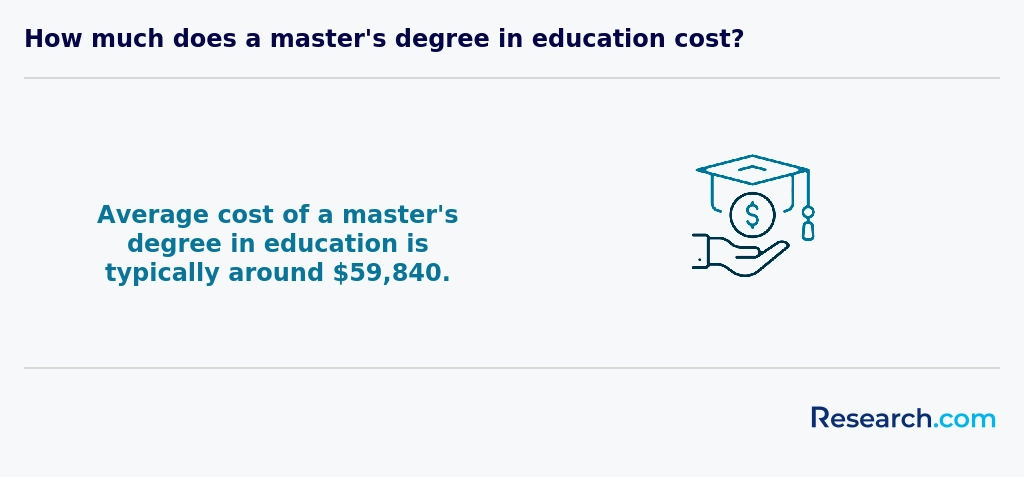
Earning an Education degree in Saint Paul, MN, is only the first step toward a rewarding teaching career; graduates must also navigate accreditation standards and state certification requirements to ensure classroom readiness and compliance. Most of the programs featured in our 2024 Most Affordable Education Degree Programs Ranking are accredited by the Council for the Accreditation of Educator Preparation (CAEP) and approved by the Minnesota Professional Educator Licensing and Standards Board (PELSB). CAEP accreditation signifies that a program meets rigorous national benchmarks for curriculum quality, faculty expertise, and continuous improvement, while PELSB approval confirms alignment with Minnesota’s K–12 educator standards. To become a licensed teacher in Minnesota, candidates must pass the Minnesota Teacher Licensure Examinations (MTLE), which include assessments in pedagogy, content knowledge for your chosen subject area, and basic skills tests covering reading, writing, and mathematics. In addition to exam requirements, aspiring educators complete a minimum number of supervised student teaching hours-typically between 12 and 16 weeks-under the mentorship of experienced teachers. A successful background check and fingerprinting are also mandatory steps in the licensure process, ensuring the safety and well-being of K–12 students across the state. Programmatic accreditation not only guarantees eligibility for state licensure but also enhances employment prospects; many districts prioritize hiring candidates with degrees from CAEP-accredited institutions. Students seeking flexible pathways can explore affordable online alternatives that maintain full accreditation, such as those highlighted in our Low Cost Online Education Degree Programs Ranking in Valdosta, GA. These online programs often mirror on-campus licensure tracks, offering virtual practicum placements and dedicated licensure support to guide candidates through MTLE registration, portfolio development, and PELSB application submission. Understanding the interplay between accreditation and certification empowers prospective educators to select programs that not only fit their budget but also pave a clear path to the classroom. By prioritizing CAEP-accredited and PELSB-approved schools, students in Saint Paul can confidently invest in their education, knowing they will graduate equipped to meet licensure standards, excel in student teaching, and ultimately secure positions in Minnesota’s K–12 schools.
Diving into education degrees in Saint Paul feels like embarking on a journey full of discovery. Graduates from popular local institutions often describe their first courses-like Introduction to Education-as eye-opening, revealing the rich history and philosophy behind teaching in the U.S. You can almost picture yourself in lively discussions about how education shapes society.
Child and Adolescent Development courses bring this learning to life, exploring real moments in classrooms and playgrounds where cognitive and emotional growth bursts forth. Imagine understanding these stages deeply enough to connect with every student's unique experience.
Educational Psychology then unlocks the mysteries of how students learn, sparking excitement as future teachers grasp strategies to support diverse learners. In Saint Paul, where inclusive education is a priority, such insights become essential tools.
Later, students eagerly tackle curriculum design and classroom management, often sharing stories of their practicum placements in vibrant city schools. These hands-on experiences, particularly at well-known colleges, turn theory into thrilling practice, fueling a passionate commitment to education.
Education degree specializations in Saint Paul invite curious learners to dive into diverse paths that shape future classrooms. Graduates from local universities often recall the excitement of exploring Early Childhood Education, where they connect with children from birth through grade 3, responding to Minnesota's commitment to early learning.
Others choose the classic route of Elementary Education, mastering teaching methods across subjects for grades 1 to 6, while some find deep fulfillment in Special Education, supporting students who thrive with personalized learning approaches under inclusive policies in Saint Paul Public Schools.
For those drawn to guiding older students, Secondary Education offers specialized tracks in subjects like English and Science, preparing educators for middle and high school. Another bold option is Educational Leadership, where graduates envision their future as transformative school administrators.
Saint Paul teaching degree concentration options also embrace vital areas like English as a Second Language (ESL), reflecting the city's rich cultural tapestry. Some students extend their horizons with emerging fields like Curriculum and Instruction or Educational Technology, energized by ongoing innovation.
Many graduates find that pairing their education degree with endorsements or certificates boosts their skills or career prospects. For a glimpse at careers after graduation, check out masters of education jobs.
Diving into education degree options in Saint Paul means more than just picking a school-it's about discovering the path that fits your unique passion and lifestyle. Many graduates from institutions like the University of St. Thomas and Hamline University talk about how the personalized attention from low student-to-faculty ratios made them feel supported and confident as they navigated their teaching journeys. Exploring affordable education degree programs Saint Paul offers can lead you to scholarships or financial aid that ease the burden, especially since private universities here often have higher tuition costs.
Imagine balancing coursework with real classroom experiences in Saint Paul-area schools through clinical placements-graduates describe this hands-on learning as a thrilling bridge between theory and practice, crucial before stepping into their own classrooms. Don't forget to check if the program is CAEP-accredited to ensure your degree holds strong value for state licensing. For flexible learners, local programs blend online and on-campus options seamlessly, unlocking new possibilities.
If cost is a concern, you might want to explore Low Cost Online Education Degree Programs Ranking in Valdosta, GA for additional affordable paths. These practical experiences combined with connections to local school districts can make your journey both exciting and rewarding.
Graduates with an education degree in Saint Paul step into a world full of vibrant career paths. Many become classroom teachers across Saint Paul Public Schools, where they passionately guide students in subjects like math, English, science, or special education. These roles create rewarding experiences, such as helping a child grasp a challenging concept or supporting diverse learners. For those seeking variety beyond traditional teaching, roles in special education, educational administration, or school counseling open exciting doors. Graduates from Metropolitan State University or Saint Paul College often share how rewarding it is to contribute as instructional coaches or to lead workforce development programs.
Some adventurous graduates explore opportunities in adult education or community programs, tapping into Saint Paul's strong support networks like the Minnesota Literacy Council. Many students find themselves drawn toward educational policy analysis or managing nonprofit projects, allowing them to impact education on a broader scale. For an insider's tip, consider exploring easy certifications to get that pay well to expand your skill set. These careers reflect the diversity and vitality of education degree careers in Saint Paul, offering paths full of growth and meaningful work.
The job market for education degree job opportunities in Saint Paul is vibrant and inviting, fueled by the city's strong public school system and diverse educational institutions. Graduates from local universities such as the University of Saint Thomas and Metropolitan State University often find themselves stepping into roles where they can make a real difference, especially with ongoing teacher shortages in special education and STEM subjects. Imagine being part of a community where your skills are urgently needed and valued, whether you choose a traditional public school or one of the growing charter schools around town.
Many recent graduates share stories of quickly securing rewarding roles in Saint Paul Public Schools, where average teacher salaries are quite competitive locally. These promising Saint Paul teaching career prospects extend beyond classroom teaching, with expanding opportunities in administration and counseling, reflecting a holistic approach to student support. If you're exploring your path, consider exploring courses that pay well to complement your education degree and broaden your impact in this dynamic market.
2027 Most Affordable Education Degree Programs Ranking in Saint Paul
Investing in your education is a significant decision that can shape your future, and the Research.com team understands the importance of making informed choices. To assist prospective students in Saint Paul, we have meticulously crafted the "2027 Most Affordable Education Degree Programs Ranking in Saint Paul." Our commitment to quality, credibility, and accuracy is reflected in the extensive research and analysis conducted to compile this ranking.
We utilized the following reputable data sources to ensure a comprehensive evaluation of affordable education degrees:
By exploring this ranking, readers will gain valuable insights into affordable education degree options in Saint Paul, empowering them to make well-informed decisions about their academic and financial futures. For more details on our methodology, please visit our Research.com methodology page.


Frequently Asked Questions About education
Education degree students in Saint Paul can maximize their learning experience by actively engaging with local school districts through internships and student teaching placements. The Saint Paul Public Schools district, serving over 37,000 students, offers diverse classroom environments ideal for practical experience. Combining coursework with real-world application helps students develop essential teaching skills.
Utilizing resources from institutions like Hamline University and the University of St. Thomas, both located in Saint Paul, provides access to expert faculty and education research centers. Participating in workshops, tutoring programs, and education technology initiatives also enhances learning outcomes.
Networking with peers and local education professionals further supports career readiness in this competitive field.
Emerging niches within the education field reflect the evolving needs of classrooms and communities in Saint Paul and beyond. One growing area is special education, where demand is rising due to increased recognition of diverse learning needs. According to the Minnesota Department of Education, over 17% of students in Saint Paul Public Schools receive special education services.
Another expanding niche is educational technology. Professionals skilled in integrating digital tools into teaching methods are sought after, with many Saint Paul institutions partnering with tech companies to improve learning outcomes. The rise of remote and hybrid learning models has accelerated this trend.
Early childhood education remains a critical focus, as Saint Paul continues to invest in quality programs to support childhood development. Local data show strong job growth projected in preschool teaching roles over the next decade. Additionally, bilingual education is gaining prominence, serving the city's diverse population.
After completing an education degree in Saint Paul, preparing for the job market involves several key steps. Start by obtaining licensure through the Minnesota Board of Teaching, a requirement for most teaching positions in the state. According to the Minnesota Department of Education, Saint Paul schools often seek candidates with strong classroom management and cultural competency skills.
Networking is crucial-join local professional organizations such as the Minnesota Education Association to connect with educators and access job leads. Additionally, consider volunteer or substitute teaching to gain experience and build references.
Finally, stay informed about job openings through Saint Paul Public Schools' career portal and regional job boards. According to recent data, demand for qualified teachers in Saint Paul remains steady, especially in STEM and special education fields.
Employers in Saint Paul prioritize several key skills when hiring education degree graduates. Communication skills are paramount, as effective interaction with students, parents, and colleagues is essential. According to the Minnesota Department of Education, graduates who demonstrate strong classroom management and the ability to adapt teaching methods to diverse learning needs are highly valued. Critical thinking and problem-solving abilities also rank high, enabling teachers to address challenges creatively and support student growth.
Data from Saint Paul Public Schools highlights the importance of cultural competency, given the district's diverse student population. Lastly, proficiency in technology integration is increasingly important to enhance learning outcomes and engage digital-native students.
Finding internships in Saint Paul relevant to an education degree involves several practical steps. Many local universities with education programs, such as the University of St. Thomas and Metropolitan State University, partner with nearby K-12 schools and community organizations to offer hands-on internship opportunities. These partnerships often provide placements in public and private schools throughout Saint Paul.
According to the Minnesota Department of Education, Saint Paul Public Schools employ over 40,000 students and regularly seek student teachers and interns to support classroom learning. Prospective interns should contact university career centers early and use online job portals like Handshake for education-focused internships.
Additionally, organizations such as the Saint Paul Public Schools District Office and local nonprofits focused on youth education provide structured internship programs. Internships often require background checks and a minimum GPA, typical for education degrees in the U.S.
Obtaining an education degree in Saint Paul significantly enhances career mobility and advancement opportunities. According to the Minnesota Department of Employment and Economic Development, educators with bachelor's or higher degrees typically see increased job prospects and higher earning potential compared to those without specialized credentials.
Saint Paul Public Schools prioritize candidates with formal education degrees when filling teaching and administrative roles, making such degrees a key factor in hiring and promotion. Additionally, advanced degrees often qualify candidates for leadership positions or specialized roles such as curriculum coordinators or instructional coaches.
Continuing education is supported locally through several accredited institutions, which help professionals stay competitive in the evolving education sector.
Studying for an education degree in Saint Paul equips students for interdisciplinary roles by blending core teaching skills with exposure to related fields such as psychology, sociology, and technology. Local programs often emphasize collaboration, preparing graduates to work with diverse teams in schools, community organizations, and policy settings.
Saint Paul institutions frequently incorporate practical experience in varied settings, fostering adaptability and problem-solving across disciplines. According to the Minnesota Office of Higher Education, about 40% of education degree holders in the Twin Cities engage in roles beyond traditional classrooms, including curriculum development and educational technology integration.
This approach aligns with workforce demand trends, where skills in communication, cultural competence, and data analysis are essential. Thus, students benefit from a comprehensive curriculum tailored to meet evolving interdisciplinary education careers.
Choosing between a thesis and a non-thesis education degree program in Saint Paul depends largely on your career goals and learning preferences. Thesis programs typically involve conducting original research and writing a detailed dissertation, which suits students aiming for academic or research-oriented roles.
Non-thesis options often focus on practical skills through coursework and internships, ideal for those pursuing teaching or administrative positions. According to the Minnesota Office of Higher Education, Saint Paul offers a range of both formats, with about 60% of education graduate students opting for non-thesis paths due to their shorter duration and applied learning.
Financial considerations also matter: thesis programs may take longer to complete, possibly increasing costs.
Students based in Saint Paul who wish to study education abroad have several options through exchange programs and partnerships offered by local universities. For example, the University of St. Thomas and Hamline University provide study abroad opportunities, allowing education majors to gain international experience while earning credits toward their degrees.
These programs often focus on countries with established education systems like the United Kingdom, Ireland, and Australia. According to the Institute of International Education, about 10% of education students from Minnesota institutions participate in study abroad programs, which can enhance teaching methods and cultural awareness.
Additionally, students may apply for federal and state scholarships, including the Gilman Scholarship, to support expenses related to studying abroad. It's important for prospective students in Saint Paul to consult academic advisors early to align study abroad plans with certification requirements in the U.S.
Students pursuing education degrees in Saint Paul can find various part-time job opportunities that complement their academic training. Working as teacher aides or paraprofessionals in local schools offers valuable classroom experience while earning income. According to the Minnesota Department of Education, Saint Paul Public Schools employ over 5,000 staff, creating openings for support roles that help students and teachers.
Additionally, tutoring services focused on literacy and math are in demand, as standardized testing remains key in Minnesota schools. Many students also assist in after-school programs or community centers, which strengthens skills in student engagement and curriculum implementation.
These roles not only build practical skills but also enhance résumés for future teaching positions. Local nonprofits like the YMCA and Saint Paul Public Libraries often seek educators in training to lead educational activities, providing hands-on learning outside traditional classrooms.
Education students in Saint Paul have access to diverse networking opportunities essential for career development. Local universities such as the University of St. Thomas and Hamline University host regular events, workshops, and career fairs tailored for future educators. These institutions also connect students with nearby K-12 schools for practicum experiences, fostering professional relationships early on.
Community organizations and professional groups such as the Minnesota Education Association offer memberships that provide access to conferences, seminars, and mentorship programs. According to the Bureau of Labor Statistics, Minnesota's education sector increasingly values local networking, which supports job placements and collaboration.
Additionally, Saint Paul Public Schools frequently partner with higher education programs to facilitate student teaching and internships, expanding real-world connections. These structured opportunities help education students establish valuable contacts in the regional education community.
Alumni networks play a crucial role for education degree students in Saint Paul by offering valuable connections and career opportunities after graduation. These networks often provide mentorship programs, helping students navigate the teaching profession through experienced educators.
Many Saint Paul institutions report that active alumni associations assist in job placements across local school districts, improving employment rates for graduates. According to the Minnesota State Colleges & Universities system, strong alumni ties can increase job referral chances by up to 30% for education graduates.
Moreover, alumni often contribute resources for continuing education and professional development workshops, enhancing educators' skills and knowledge throughout their careers.
In Saint Paul, education degree programs offer various ways to tailor your studies to meet specific career objectives. Many local institutions allow students to choose concentrations such as early childhood education, special education, or educational leadership. This customization enables students to build skills directly relevant to their desired roles.
Additionally, some programs provide flexible options including online courses or evening classes, accommodating working professionals. Internship and practicum placements in Saint Paul schools are often integral, giving practical experience that aligns with individual career goals.
State licensure requirements in Minnesota also influence program choices, ensuring graduates meet professional standards. Prospective students can consult resources from the Minnesota Department of Education or local universities for updated pathways and specialization options.
Education students in Saint Paul often face significant challenges balancing academic demands with practical fieldwork. According to the Minnesota Department of Education, many candidates must complete extensive student teaching hours alongside coursework, which can be time-consuming and stressful.
Financial barriers also pose difficulties. Although there are scholarships available, rising tuition and living expenses in the Saint Paul area make it hard for some to sustain their studies without employment.
Additionally, adapting to diverse classroom environments in the city requires students to develop strong cultural competency skills. Programs emphasize this, but it remains a challenging area for many prospective teachers.
With an education degree in Saint Paul, you can pursue a variety of professional certifications that enhance your teaching career. The most common is the Minnesota Teaching License, required to teach in public schools across the state. This license includes endorsements for specific grade levels and subjects.
Additionally, Saint Paul educators often seek certification as Reading Specialists or Special Education teachers. These certifications require additional coursework and passing state exams. National certifications such as the National Board for Professional Teaching Standards (NBPTS) are also respected and can increase job prospects and salary potential.
School counselors and administrators follow separate certification paths, typically requiring a master's degree and additional licenses from the Minnesota Department of Education.
To write a winning application for an education program in Saint Paul, start by thoroughly researching local institutions like the University of St. Thomas or Hamline University. Tailor your personal statement to highlight your passion for teaching and how your goals align with their program values. Demonstrate relevant experience, including volunteer work or internships in educational settings.
Adhere to all application deadlines and provide clear, well-organized documents. Letters of recommendation from educators or supervisors familiar with your skills can strengthen your application. According to the Minnesota Office of Higher Education, programs in Saint Paul emphasize diversity and community engagement, so addressing these themes can improve your chances.
Education careers in the United States, including those pursued in Saint Paul, are increasingly influenced by global trends. Many education programs emphasize multicultural awareness and international teaching standards. According to the National Center for Education Statistics, U.S. teacher preparation programs have incorporated global competencies to better prepare educators for diverse classrooms.
In Saint Paul, institutions offering education degrees often highlight cross-cultural communication and inclusive teaching strategies. This reflects a broader U.S. commitment to address globalization in education, promoting skills useful in various international contexts.
While global perspectives enrich the curriculum, it is important to note that certification requirements remain state-specific, with Minnesota requiring passing the Praxis exams for educators.
Gaining practical experience while pursuing an education degree in Saint Paul is essential for building classroom skills. Many local universities and colleges require students to complete field placements or student teaching as part of their programs. These experiences typically take place in Saint Paul Public Schools, offering direct interaction with diverse student populations.
In addition, partnerships between educational programs and community organizations enable internships that provide hands-on training outside traditional classrooms. According to the Minnesota Department of Education, over 60% of education students in Saint Paul engage in clinical practice before graduation.
Such opportunities prepare candidates for licensure and employment by exposing them to real-world challenges early in their careers.
Choosing the right concentration within an education degree program in Saint Paul begins with understanding your career goals. Education programs typically offer concentrations such as early childhood, special education, or secondary education. Each has distinct licensure requirements, so it is essential to research Minnesota's teacher licensure rules via the Minnesota Department of Education.
Consider local employment trends: Saint Paul Public Schools and nearby districts often need qualified teachers in special education and bilingual education due to the city's diverse population. According to a 2023 MN Department of Employment report, these areas show higher demand in the region.
Visiting campuses and speaking with advisors can clarify program strengths and help align your choice with personal interests and the local market.
- 2027 Most Affordable Education Degree Programs Ranking in Minneapolis
- 2027 Most Affordable Education Degree Programs Ranking in Dubuque
- 2027 Most Affordable Education Degree Programs Ranking in Des Moines
- 2027 Most Affordable Education Degree Programs Ranking in River Forest
- 2027 Most Affordable Education Degree Programs Ranking in Lincoln
- 2027 Most Affordable Education Degree Programs Ranking in Chicago
- 2027 Most Affordable Education Degree Programs Ranking in Kansas City
- 2027 Most Affordable Education Degree Programs Ranking in Indianapolis
- 2027 Most Affordable Education Degree Programs Ranking in Wichita
- 2027 Most Affordable Education Degree Programs Ranking in Cincinnati
See What Experts Have To Say About Studying Education
Read our interview with Education experts

Nooshan Ashtari
Education Expert
Professor & Book Author
University of Southern California


- St. Paul Public Schools Undergraduate Pathway to Teaching - Saint Paul Public Schools https://www.spps.org/about/departments/human-resources/educator-development/rap
- Latest Trends in the Field of Education - ICERT https://icert.org.in/latest-trends-in-the-field-of-education/
- Education Degree Entry Requirements https://universitycompare.com/advice/student/education-degree-entry-requirements
- Students: This is How You Should Prepare for the Job Market https://www.agencycentral.co.uk/articles/students-this-is-how-you-should-prepare-for-the-job-market/
- Skills Employers Look for in Business Graduates – EU Business School https://www.euruni.edu/blog/skills-employers-look-for-in-business-graduates/
- Building your B.A. - Saint Paul University https://ustpaul.ca/en/building-your-b-a/
- International teaching and education jobs https://www.tes.com/jobs/search/international
- Financial Aid and Scholarships - 50% Off Tuition | Saint Paul https://www.spst.edu/financial-aid/
- Networking Tips and Advice for Students https://schoolshouldbe.com/post/networking-tips-and-advice-for-students/
- Putting theory into practice: The value of an interdisciplinary approach to teaching https://my.chartered.college/impact_article/putting-theory-into-practice-the-value-of-an-interdisciplinary-approach-to-teaching/