
2027 Easiest Online Education Degree Programs Ranking in the South

Co-Founder and Chief Data Scientist
Embarking on an education degree journey can feel overwhelming, especially with so many online options available in the South. This article introduces the 2027 Easiest Online Education Degree Programs Ranking in the South, thoughtfully created by the Research.com team of data scientists. Their goal is to help you make a clear, confident choice about which programs truly stand out.
Choosing the right degree can open doors to rewarding careers and personal growth. Reading this article will guide you through the best options, making your path to success smoother and more exciting.
Key benefits of getting online education degree in the South
- Education degree graduates in the South can earn competitive salaries, such as $76,000 annually for Special Education Teachers and $77,200 for Instructional Designers, providing financial stability and growth opportunities.
- Career paths for education graduates from popular Southern universities often include roles like Elementary School Teachers or ESL Instructors, offering rewarding jobs that support community growth and personal fulfillment.
- Online education degrees from respected Southern schools provide flexibility and accessibility, allowing graduates to balance work and study while gaining credentials that open doors to impactful education careers.
- 2027 Easiest Online Education Degree Programs Ranking in the South
- What can I expect from online education degree in the South?
- Where can I work with online education degree in the South?
What can I expect from online education degree in the South?
Students pursuing online education degrees in the South often find tuition to be remarkably affordable compared to national averages. For instance, many who have attended well-known public universities in Texas or Florida report paying between $5,000 and $8,000 per year for in-state online undergraduate education programs. This cost-effectiveness allows them to focus on their studies without overwhelming financial stress, which is especially encouraging for working adults balancing jobs and family.
Graduates frequently describe feeling motivated by this accessibility, as it opens doors previously thought out of reach. For example, a graduate from a prominent Southern university shared how affordable tuition enabled continuous learning without sacrificing their family's needs. Meanwhile, out-of-state students might encounter higher fees, though some Southern institutions offer competitive discounts tailored for online learners, reflecting a genuine effort to support student success.
Such pricing fosters an inviting environment for ambitious students in regions where rural limitations might otherwise restrict educational opportunities. This financial balance, alongside quality accreditation, makes the South a compelling option for many online education seekers.
Where can I work with online education degree in the South?
Graduates holding an online education degree in the South find a wide range of rewarding career paths. Many secure positions in public K-12 schools across states like Texas, Florida, and Georgia, where districts actively seek teachers and instructional coordinators, especially in rural and suburban areas facing staff shortages. For example, graduates from well-known institutions such as the University of Florida often share how quickly they found roles addressing these community needs.
Others leverage their skills in charter and private schools, which value the adaptability and technology expertise gained through online programs. Southern colleges like Georgia State University emphasize these strengths, preparing graduates to thrive in diverse educational settings.
Many also find fulfillment working in higher education, contributing as academic advisors or instructional designers at community colleges or state universities expanding their online offerings. This path is particularly inspiring for graduates who enjoy shaping digital curricula that meet modern learners' needs.
Beyond traditional schools, roles in nonprofits, government agencies, and corporate training provide meaningful opportunities. Graduates report a deep sense of accomplishment supporting workforce development, especially given the South's growing economy.
Some educational consultants and tutors start their own ventures, valuing the flexibility an online degree offers to balance work and personal goals while impacting local communities.
Graduates from online education programs in the South often find rewarding career opportunities that reflect their dedication and regional demand. For instance, many who studied through well-regarded institutions such as the University of Florida or the University of Texas report starting salaries around $70,740 as elementary school teachers, which aligns with the national mean wage for their roles.
Special education teachers, who bring a deeper specialization to the classroom, can expect even stronger earnings with an average annual salary near $76,000. This is encouraging for graduates passionate about making a difference where the need is great. Those interested in curriculum design or working behind the scenes in educational technology often find roles as instructional designers, earning approximately $77,200 annually-an attractive option for those wanting to blend education and innovation.
Meanwhile, early childhood educators in the region may start with a mean salary around $41,410, providing essential foundational learning for young children. Each of these roles reflects not just income potential but a meaningful career path, one that graduates from Southern universities often describe with pride and optimism as they advance in education within their communities.
- The South has many reputable universities offering fully online education degree programs that are flexible for working professionals and those with family commitments.
- Tuition at public universities for online education degrees in the South ranges from $8,000 to $15,000 annually for in-state students, while private institutions may charge up to $25,000 per year.
- Financial aid and scholarships targeting education majors are commonly available to help reduce the cost of these online degrees.
- Early-career salaries for education graduates in the South average between $40,000 and $45,000 per year, increasing to $55,000-$65,000 with experience and additional certifications.
- Teacher certification programs in several Southern states are streamlined and aligned with online degree completion to facilitate licensure.
- Many online education programs in the South are accredited by the Southern Association of Colleges and Schools Commission on Colleges (SACSCOC), ensuring recognized academic standards.
Completing an online education degree in the South generally takes around four years for full-time undergraduate students at well-known institutions like the University of Florida or Texas A&M. Graduates often recall balancing coursework with family and jobs, appreciating programs that offer flexible pacing. Many find that part-time study is a practical choice, extending their timeline but allowing them to manage other responsibilities without stress.
For those pursuing associate degrees at colleges such as Southern New Hampshire University's online branch, finishing in about two years is common. These students often value early entry into the workforce or the option to transfer credits seamlessly toward bachelor's degrees later on, which adds motivation and clarity to their goals.
Graduate students pursuing online Master of Education programs at universities like Vanderbilt cherish the ability to study part-time, knowing it may take one to three years. They often emphasize how this flexibility reduces pressure while enhancing real-world application of what they learn.
Many Southern institutions provide fast-track formats that let motivated students complete their degrees in less time:
- 8-week terms and year-round course schedules for faster credit accumulation
- Competency-based models awarding credit for demonstrated teaching skills
- Generous credit transfer for prior college work or relevant professional experience
- Structured milestones and mentorship helping maintain steady progress
For those aiming to finish quickly without sacrificing quality, consider an accelerated bachelor's degree blending flexible pacing with state-aligned licensure preparation.
A graduate from a well-known Southern university once shared how choosing an online education degree transformed their busy life. Balancing work and family, they appreciated the flexible schedule that online courses offered, enabling them to study without sacrificing personal commitments. This contrasts with the traditional on-campus experience at institutions like the University of Florida or Texas A&M, where students attend fixed, in-person classes that foster direct interaction and lively discussions with professors and peers.
Cost also plays a significant role. Many Southern students find online programs more affordable, given savings on commuting and housing. Yet, some schools maintain similar tuition rates for both formats, so understanding specific program fees is essential. For example, graduates from Arkansas State have noted the financial relief online study can provide without compromising accreditation quality.
Student support varies too-on-campus students enjoy immediate mentoring and resource access, while online learners rely on digital tools like video calls and forums. Though different, many Southern graduates feel both methods prepare them well, as long as the program is accredited by respected bodies like SACSCOC.
Accreditation ensures that online Education degree programs meet rigorous standards of quality, credibility, and continuous improvement. In the South, both regional and programmatic accreditors play a vital role: • Regional Accreditation Southern institutions typically hold accreditation from the Southern Association of Colleges and Schools Commission on Colleges (SACSCOC). This regional recognition verifies institutional integrity and eligibility for federal financial aid. • Programmatic Accreditation At the program level, look for approval by the Council for the Accreditation of Educator Preparation (CAEP) or its predecessors (NCATE/TEAC). CAEP accreditation signals that teacher preparation curricula align with national performance standards and state licensure requirements. Why Accreditation Matters • Transferability of Credits: Accredited programs facilitate credit transfers between institutions. • Licensure and Certification: Many state teaching credentials require graduation from a CAEP-accredited program. • Employer Confidence: Schools and districts prefer hiring graduates from recognized, quality-assured programs. Verifying Accreditation 1. Visit the U.S. Department of Education’s Database of Accredited Postsecondary Institutions and Programs. 2. Confirm both institutional and programmatic status on university websites. 3. Review state education board requirements to ensure alignment with regional licensure standards. For students balancing quality and cost considerations, our Affordable Online Education Degree Programs Ranking in San Diego, CA highlights accredited, budget-friendly options that uphold these high standards.
Understanding the average cost of an online education degree in the South helps many aspiring educators plan realistically for their future. Graduates from well-known Southern institutions often share how they balanced quality and affordability. For instance, the median total tuition for these degrees typically sits around $28,350, reflecting a sweet spot between fully in-state rates and out-of-state costs. Public universities in states like Texas and Florida tend to offer especially affordable online teaching degrees Southern US students appreciate, with in-state tuition sometimes as low as $18,504. This enables many to pursue their passion for teaching without overwhelming financial strain.
The accessibility of affordable online teaching degrees Southern US residents report can make a significant emotional difference. Many alumni recall feeling empowered when they found programs offering robust education without excessive debt. Graduate degrees also follow this pattern, with careful budgeting crucial as costs rise slightly but remain manageable through scholarships and employer reimbursement. These practical insights confirm that a strategic choice of institution dramatically influences final expenses.
For those curious about programs, checking rankings can be a helpful step. For example, prospective students often explore the best online education program in north carolina to find well-established schools that marry affordability with quality, ensuring the pursuit of an online education degree in the South is both feasible and rewarding.

Ensuring that your chosen online education degree program is accredited by a recognized body is essential for both academic credibility and future employability. Regional accreditation-such as the Southern Association of Colleges and Schools Commission on Colleges (SACSCOC)-confirms that a university meets rigorous quality standards in faculty qualifications, curriculum design, and student support services. Prospective students should verify accreditation status on institutional websites or through the U.S. Department of Education’s database. Programmatic accreditation, often overseen by specialized agencies like the Council for the Accreditation of Educator Preparation (CAEP), goes a step further by evaluating the specific teacher-training components of an education degree. This ensures that course content, field experiences, and clinical practice align with state licensure requirements and industry best practices. Employers and school districts frequently prefer graduates from CAEP-accredited programs, as it guarantees readiness for the classroom. Accreditation also affects financial aid eligibility and credit transferability. Federal financial aid-including Pell Grants and Direct Loans-requires attendance at an institution with valid accreditation. Additionally, if you decide to transfer credits or pursue advanced degrees, regionally accredited credits typically transfer more seamlessly. Always consult the institution’s transfer policies and speak to an admissions advisor about articulation agreements. For specialized tracks, such as early learning or ECE pathways, consider the reputation of program-specific offerings. Many top universities now offer dedicated online bachelor's degrees in early childhood education that carry both regional and programmatic accreditation, ensuring your credentials are widely recognized. A well-accredited program not only safeguards your investment but also empowers you to deliver high-quality education from day one.
Students pursuing online education degrees in the South often discover that financial aid is both accessible and crucial in managing tuition costs, which typically range from $7,000 to $12,000 annually at public universities. Graduates of programs at universities like the University of North Carolina or the University of Georgia frequently credit federal aid, particularly the FAFSA process, with making their studies feasible through grants such as the Pell Grant, which can cover thousands of dollars without the burden of repayment.
Many find that state-specific scholarships provide an added layer of support; for example, the Georgia HOPE Scholarship is a game changer for in-state learners enrolled in eligible education programs, significantly easing financial strain. Southern institutions also offer tailored merit- and need-based awards, which previous students attest can lessen reliance on loans and foster a more positive educational experience.
- Military veterans often benefit from GI Bill provisions, enabling smooth transitions into online studies without financial hurdles.
- Working professionals frequently tap into employer tuition assistance, blending career growth with degree attainment.
- Scholarships from education-focused organizations help bridge gaps, especially for those aiming to teach in underserved Southern communities.
These combined resources create a supportive financial ecosystem that empowers students to pursue their passion for education with confidence and hope for a rewarding career ahead.
As online education continues to evolve, students in the South benefit from innovative trends that are shaping the future of learning. One of the most significant developments is the integration of advanced digital platforms that offer real-time feedback, interactive tools, and personalized learning experiences. Many programs are now incorporating artificial intelligence and adaptive learning algorithms to support student progress and optimize curriculum delivery. In addition, micro-credentialing and stackable certifications are gaining popularity, allowing students to earn specialized qualifications in a shorter time while enhancing their resumes and career prospects. With the rise of virtual networking events and online mentorship programs, learners are finding it easier than ever to connect with industry professionals and gain practical insights into their chosen fields. For example, prospective students can benefit from our comprehensive guide to the best online education program in north carolina, which highlights emerging trends and offers additional tips on leveraging modern learning tools. By staying abreast of these trends, students are empowered to make informed decisions, ensuring their online education not only meets current industry standards but also prepares them for the future of work.
Enrolling in an online education degree program in the South means meeting practical prerequisites that many graduates from institutions like the University of North Carolina or Florida State University have found essential. For undergraduates, holding a high school diploma or GED and maintaining a GPA around 2.5 to 3.0 have proven to be realistic stepping stones toward acceptance. These requirements ensure you're academically prepared and help ease the transition into rigorous online learning.
Graduate students reflect on the importance of having a bachelor's degree and a stronger GPA, often 3.0 or higher, which allows them to tackle complex topics with confidence. They also share how submitting clear letters of recommendation and a thoughtful statement of purpose helped showcase their dedication and shaped their acceptance into respected Southern schools.
Many found that ensuring computer literacy and reliable internet access was crucial to staying connected and successful in their coursework, reflecting the realities of online study. Background checks and prerequisite coursework were routine but vital elements, especially for those pursuing teaching certifications or specialized education fields.

An associate degree offers a streamlined, budget-friendly path for aspiring educators who want to enter the field quickly and build foundational skills.
- Complete in about two years of full-time study, often with part-time and accelerated options
- Lower tuition and fees compared to bachelor’s programs, easing financial pressure
- Transferable credits that apply toward a future bachelor’s in education
- Qualifies graduates for roles like paraprofessional, teacher aide, or early childhood assistant
Explore the easiest associates degree to compare programs that balance affordability, flexibility, and career readiness.
Online education degrees in the South consistently emphasize a well-rounded curriculum blending theory and practical application. Graduates from institutions like the University of Florida or Texas A&M often recall foundational courses in child development and learning theories as pivotal, helping them truly grasp how students think and grow. These insights empower future teachers to tailor their instruction thoughtfully to diverse classrooms across Southern states.
Courses on curriculum development stand out, particularly because many Southern districts require lesson plans that reflect local educational standards. One graduate shared how mastering these skills at the University of Georgia made transitioning into a Georgia public school smooth and fulfilling. Classroom management and assessment classes also play a crucial role, teaching students how to create inclusive, productive environments and monitor progress effectively.
Educational technology integration is another vital element, as programs in Southern universities prepare students to leverage digital tools seamlessly. This combination of focused coursework and real-world practicum placements ensures graduates feel both confident and connected to their communities while pursuing an online degree.
Online education degree specializations in the South commonly include Elementary Education, Secondary Education, and Special Education, reflecting the region's diverse schooling needs. Many graduates from Southern universities appreciate how programs align with state certification requirements, easing their path into classrooms from kindergarten through high school. For instance, those studying in Texas or Florida often highlight the strong emphasis on coursework tailored to local standards and testing, which builds their confidence as future educators.
Others pursuing roles beyond teaching find Educational Leadership and Administration appealing, preparing them for impactful positions such as school principals or district officials. Graduates recall how these specializations helped them navigate real administrative challenges in Southern school systems, fostering a sense of readiness and purpose.
More specialized paths like Curriculum and Instruction, or ESL Education, respond to emerging demands. Many students praise Southern colleges for offering flexible options that welcome busy adults and career changers, making the best online teaching programs southern states can provide truly accessible. Exploring online bachelor's degrees in early childhood education adds further depth for those inspired to serve youngest learners.
Choosing the best online education degree in the South means focusing first on accreditation and program quality. Graduates from well-known Southern universities often mention how accreditation by respected bodies like CAEP or SACSCOC gave them confidence their degree would be recognized by employers and licensing boards. Cost remains a practical concern; many students appreciate that some online programs offer in-state tuition despite living elsewhere, helping them avoid excessive fees. This aligns well with the search for the best affordable online education degrees South offers.
Flexibility is another key element. Current students juggling work and family stress the importance of asynchronous classes and clearly stated program durations. This flexibility lets them stay motivated and manage life responsibilities while advancing their careers.
Specialization matters too. Graduates focusing on educational leadership or special education recall how partnerships with local districts enriched their practicum experiences and boosted job prospects immediately after graduation. Support services like tutoring and advising made a tangible difference, especially when navigating the challenges of remote learning.
For those exploring options, the Affordable Online Education Degree Programs Ranking in San Diego, CA serves as an inspiring example of transparent cost comparisons and program rigor that students seek.
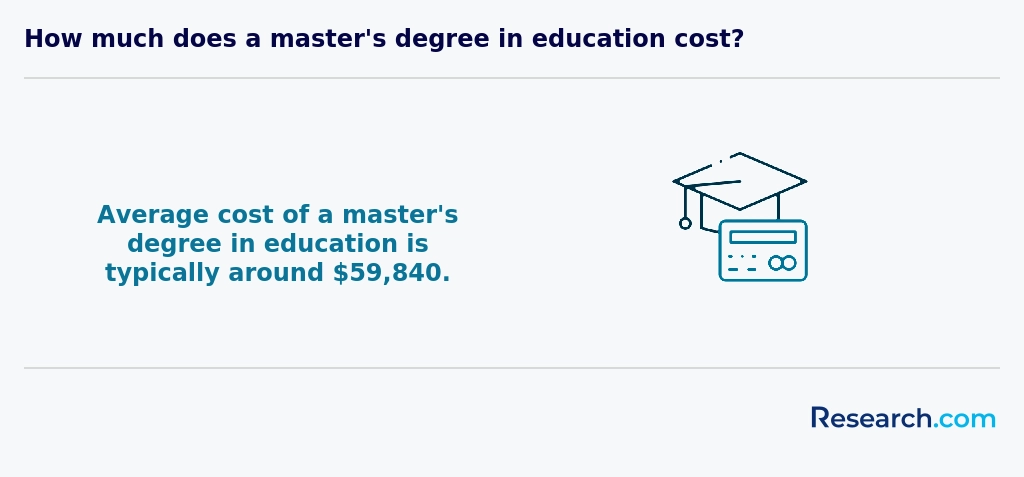
Beyond teaching, numerous graduates embrace leadership roles in education administration. Universities offering fully online master's degrees prepare them for positions like school principals or instructional coordinators, where they influence policies and curriculum development. Others pursue roles as adult education and workforce training specialists, responding to the region's growing adult learner population. Graduates supporting educational technology initiatives find rewarding opportunities as well, blending innovation with instruction.
For students weighing cost alongside opportunity, exploring an online bachelor degree affordable in education from Southern institutions can balance financial and career goals effectively, fostering both personal fulfillment and professional growth.
The job market for graduates holding an online education degree in the South continues to show promise and growth. Across well-known institutions like the University of Florida and Texas A&M, graduates report feeling optimistic about their prospects due to strong regional demand for qualified educators. Many find themselves stepping into classrooms or leadership roles where their flexible online training is highly valued. This positive trend reflects the broader South education degree employment opportunities fueled by increased acceptance of online credentials in school districts and state recruitment efforts.
Graduates often highlight the balance between competitive salaries-starting around $41,000 to $46,000 depending on the state-and affordable degree costs, which enhances their confidence entering the workforce. Some also pursue specialties like ESL or special education, areas with growing demand. Beyond traditional teaching roles, many tap into educational technology sectors, using skills honed from programs at prominent Southern universities. For those interested in expanding qualifications, exploring dual graduate degree programs offers additional pathways amid these encouraging online education degree job outlook South realities.
2027 Easiest Online Education Degree Programs Ranking in the South
Investing in your education is a significant decision that can greatly impact your future, and the Research.com team recognizes the importance of providing trustworthy guidance. To assist prospective students in the South, we have carefully developed the "2027 Easiest Online Education Degree Programs Ranking in the South." Our dedication to quality, credibility, and accuracy is demonstrated through thorough research and detailed analysis conducted to create this ranking.
We utilized the following reputable data sources to ensure a comprehensive evaluation of online education degree programs:
By examining this ranking, readers will obtain critical insights to identify the easiest online education degree programs in the South, empowering them to make well-informed decisions tailored to their needs. For a deeper understanding of how this ranking was created, please visit our Research.com methodology page.


# 3 position
Full Sail University
Master of Instructional Design & Technology

# 4 position
University of Maryland Global Campus
Master of Distance Education and E-learning


# 13 position
University of Arkansas at Little Rock
Master of Gifted, Creative, and Talented Education

# 14 position
University of Southern Mississippi
Bachelor of Elementary Education, Teacher Assistant program

# 16 position
University of Maryland-Baltimore County
Master of Teaching English to Speakers of Other Languages (TESOL)


Frequently Asked Questions About education
Students pursuing online education degrees in the South can maximize their learning by leveraging regional resources and support networks. Many Southern universities offer tailored digital platforms designed to foster engagement and collaboration. According to the Southern Regional Education Board, nearly 30% of higher education students in Southern states choose online programs, highlighting a growing infrastructure for remote learning.
Scheduling regular study times and actively participating in virtual discussions also enhance comprehension and retention. Utilizing local libraries and community centers with reliable internet access can overcome connectivity challenges common in rural Southern areas.
Additionally, seeking out faculty with expertise in both education theory and online pedagogy ensures guidance that fits online environments. Recognizing the importance of these strategies helps students adapt effectively to online education in the South.
Emerging niches within the education field reflect growing regional needs, especially in the South. One expanding area is special education, driven by rising enrollment of students requiring individualized support. According to the Southern Regional Education Board, about 14% of public school students in Southern states have special education needs. Another niche gaining traction is educational technology, as schools seek professionals skilled in integrating digital tools and remote learning methodologies.
Additionally, early childhood education remains vital due to increasing recognition of its long-term benefits. The Bureau of Labor Statistics projects child care employment growth by 17% through 2031, particularly in the South. These emerging fields offer diverse opportunities for students pursuing online education degrees.
After completing an online education degree in the South, graduates should strategically prepare for the job market. Start by building a strong professional network, leveraging platforms such as LinkedIn and regional education associations. According to the Southern Regional Education Board, nearly 40% of education graduates in Southern states find employment through networking and local connections.
Additionally, gaining practical experience through student teaching internships or substitute teaching can significantly improve job prospects. Many Southern states emphasize licensure and certification, so ensure all requirements are met early.
Utilizing career services offered by your online institution can provide tailored job search support and interview preparation.
Employers in the Southern United States prioritize several key skills when hiring graduates with education degrees. Strong classroom management and effective communication top the list, as these are essential for maintaining productive learning environments.
Critical thinking and adaptability are also highly valued, given the diverse student populations across Southern schools. According to the Southern Regional Education Board, 78% of school administrators in the South emphasize cultural competence as a vital skill for new teachers. This reflects the region's increasing focus on equity and inclusion in classrooms.
Additionally, proficiency in technology integration is becoming crucial, with many districts seeking educators who can effectively use digital tools to enhance student engagement. These skills combined equip graduates to meet evolving educational challenges in the South.
Finding internships in the South related to an education degree often starts with leveraging university career centers. Many Southern schools maintain strong partnerships with local school districts and education organizations, providing exclusive internship opportunities. According to the Southern Regional Education Board, over 60% of students secure education-related internships through their institution's connections.
Online students can also use statewide job portals like Georgia's Employ Georgia or Texas Workforce Commission sites, which list education internships. Networking events and local education conferences are valuable for meeting potential employers in the South's largest metro areas, including Atlanta and Dallas.
Lastly, seeking internships in public and private K-12 schools, community colleges, and nonprofit educational groups offers practical experience aligned with education degrees.
Online education degrees significantly enhance career mobility and advancement opportunities for professionals in the South. Many Southern states have experienced a growth in demand for qualified educators, especially with the rise of remote and hybrid learning models.
According to the Southern Regional Education Board, nearly 35% of educators in Southern states hold some form of advanced degree, with online options making obtaining these credentials more accessible. These degrees often allow teachers to meet certification requirements more flexibly while balancing work and family commitments.
Employers in the region increasingly recognize online degrees from accredited institutions as equivalent to traditional ones, opening doors to leadership roles and higher salaries. Data from the National Center for Education Statistics shows that Southern educators with a master's degree earn on average 20% more than those without.
Studying for an education degree online in the South equips students with skills that extend beyond traditional teaching roles. Many Southern universities emphasize interdisciplinary coursework, blending education theory with subjects like psychology, technology, and leadership. This approach prepares graduates for diverse careers in curriculum development, educational policy, and community outreach.
According to the Southern Regional Education Board, 65% of education programs incorporate cross-disciplinary studies, enhancing adaptability in evolving job markets. Online formats further encourage collaboration and problem-solving across fields, mirroring real-world education environments.
Such preparation supports graduates in assuming roles that require broad knowledge and versatile skill sets within schools and related organizations.
Choosing between a thesis and a non-thesis education degree program in the South depends largely on your career goals and time commitment. Thesis programs require original research, suitable for those aiming for doctoral studies or research-oriented roles. Non-thesis tracks typically focus on coursework and practical skills, appealing to educators seeking immediate application in schools or administration.
According to the Southern Regional Education Board (SREB), many Southern universities offer flexible online non-thesis options to accommodate working professionals. Completing a thesis may extend program length by several months, affecting working students' schedules.
Consider also that non-thesis degrees often have capstone projects or comprehensive exams, providing practical experience without the heavy research focus.
Students based in the South seeking education degrees with an international focus have several online options through US institutions offering global education components. Many Southern universities participate in study abroad programs or virtual exchange partnerships, allowing remote learners to engage with educational frameworks in countries like the UK, Australia, and Spain.
For instance, the University of Florida and the University of North Carolina offer online education degrees with international internships or curriculum incorporating global pedagogy. According to the Southern Regional Education Board, over 40% of Southern universities support such hybrid or online international study experiences.
These programs provide flexibility for Southern students to earn accredited degrees while gaining exposure to education systems worldwide, aligning with current educator licensure requirements and reciprocal credential recognition efforts.
Part-time job opportunities in the South that complement education degree studies often focus on gaining practical teaching experience. One common option is working as a substitute teacher, which allows flexibility while building classroom management skills. According to the Southern Regional Education Board (SREB), substitute teaching roles in Southern states can vary significantly but generally offer valuable exposure to different school environments.
Another popular role is tutoring younger students, either privately or through community centers. This helps future educators apply instructional techniques learned in coursework. Additionally, teacher aides or paraprofessionals in public schools provide hands-on support while learning about lesson planning and student assessment.
These part-time jobs not only enhance resumes but also improve understanding of diverse classroom needs in Southern education systems, aligning well with online education degree programs.
Online education students in the South benefit from diverse networking opportunities supported by regional institutions. Many Southern universities offer virtual events, webinars, and discussion forums designed specifically for online learners. For example, schools in states like Georgia and Texas provide access to online student organizations and alumni networks.
Professional associations such as the Southern Regional Education Board (SREB) also facilitate connections among educators and students through conferences and online communities. According to the National Center for Education Statistics, nearly 30% of Southern postgraduate students engage in such digital networking platforms.
Moreover, partnerships between universities and local education agencies create internship and mentorship chances, fostering strong professional relationships. These networks prove vital for career growth in education roles across the region.
Alumni networks are valuable resources for students pursuing online education degrees in the South. These networks connect current students with graduates who have experience in regional job markets, enhancing career opportunities through mentorship and referrals. According to the Southern Regional Education Board, institutions with active alumni communities report higher graduate employment rates within six months of program completion.
For example, alumni from Southern universities often work in education administration, policy, and instructional design, fields growing steadily in Southern states like Georgia and North Carolina. Networking events, both virtual and in-person, can provide access to local educational leaders and organizations.
Additionally, alumni can offer insight into regional education trends and challenges, helping students tailor their learning and job searches effectively. This connection strengthens students' professional confidence and adaptability in the Southern education sector.
Many Southern universities offering online education degrees allow students to tailor their programs according to individual career goals. Customization options often include selecting specialized tracks such as curriculum design, educational leadership, or special education. This approach lets students focus on skills most relevant to their intended profession.
Additionally, some programs provide elective courses and practicum experiences, which enhance practical knowledge in areas like technology integration or counseling. According to the Southern Regional Education Board, about 65% of online education programs in the South offer such flexible pathways.
Students can also pursue certificates alongside their degrees to strengthen specific skill sets, improving employability in the local education market. This flexibility helps align academic experiences with workforce demands in Southern states.
Online education students in the South often face challenges such as limited high-speed internet access. According to the Federal Communications Commission, about 22% of rural Southern households lack broadband, impacting their ability to participate in live classes and access materials.
Another common difficulty is balancing work, family, and school. Many Southern students juggle multiple responsibilities, making time management essential but challenging. Financial barriers also persist; the Southern Regional Education Board notes that tuition and fees in the region remain higher on average than in some other U.S. areas.
Additionally, some students report feelings of isolation due to fewer local peer networking opportunities compared to traditional campuses.
An online education degree opens pathways to several professional certifications highly valued in the Southern U.S. job market. Graduates frequently pursue teaching credentials such as state-specific teaching certificates, necessary for public school employment. Southern states, including Texas and Florida, require candidates to pass Praxis exams for licensure.
Beyond classroom teaching, certifications like the National Board Certification offer advanced credentials for experienced educators, enhancing career advancement. Additionally, online education degrees prepare candidates for roles in educational leadership with certifications like the Licensed School Administrator.
Other options include certifications in special education, ESL (English as a Second Language), and instructional technology, areas growing rapidly in Southern schools. The Southern Regional Education Board provides data showing increased demand for certified educators in these specialties.
Writing a winning application for an online education program in the South requires careful attention to detail and clear communication of your goals. Most Southern universities value applicants who demonstrate strong motivation and a commitment to improving education outcomes. According to the Southern Regional Education Board, schools often seek candidates with relevant professional experience and a clear understanding of the challenges in Southern education.
Highlight your academic achievements and any hands-on teaching experience. Make sure to tailor your personal statement to reflect how the program aligns with your career goals. Also, provide letters of recommendation that speak specifically to your abilities in education.
Many programs in the South emphasize leadership and community involvement. Including examples of these can enhance your application. Lastly, check each school's admissions requirements carefully, as some may require additional tests or interviews. Following these steps can increase your chances of acceptance.
The global perspective on an education career highlights its growing importance in a rapidly changing world. In the United States, especially in the South, demand for qualified teachers continues to rise. According to the Southern Regional Education Board, states like Georgia, Alabama, and Florida report teacher shortages, emphasizing the need for well-trained educators.
Internationally, education careers are valued for their role in societal development and economic growth. For Southern students pursuing online education degrees, this means increased job stability and opportunities not only regionally but with a broader understanding of diverse learning needs worldwide.
Data from the National Center for Education Statistics shows that online degrees are becoming more accepted, providing flexible pathways for working professionals.
Gaining practical experience while studying for an online education degree in the South is achievable through several avenues. Most Southern universities accredited by regional bodies require field experiences, such as student teaching or internships, which can often be completed in local schools near your residence.
Programs in states like Florida, Texas, and Georgia frequently partner with public schools to offer supervised practicums. According to the Southern Regional Education Board, over 70% of education graduates in the South engage in hands-on training before graduation.
Additionally, online students can participate in virtual simulations and education technology labs to enhance skills. Volunteering or substitute teaching in community schools also provides valuable classroom exposure without disrupting online schedules.
Choosing the right concentration within an online education degree program in the South requires careful consideration of your career goals and local demand. For example, concentrations in special education, instructional technology, and curriculum development are popular due to growing regional needs. According to the Southern Regional Education Board, special education roles in Southern states are projected to grow by about 10% over the next decade. Researching which areas align with both your interests and job market trends in your state can increase your employment chances. It is also important to verify that the program's concentrations are fully accredited by regional bodies such as the Southern Association of Colleges and Schools Commission on Colleges (SACSCOC).
See What Experts Have To Say About Studying Education
Read our interview with Education experts

Nooshan Ashtari
Education Expert
Professor & Book Author
University of Southern California


- Events & Opportunities https://connect.teachforall.org/events-opportunities
- What should I study to ensure I can get a job? https://personal.nedbank.co.za/learn/blog/courses-for-in-demand-jobs.html
- Know more about thesis vs non- thesis: what is the difference? https://studyfans.com/en/blogs/816
- The Advantages of Studying an Online Degree https://www.falmouth.ac.uk/news/advantages-studying-online-degree
- Financial Aid Guide for Students at Online Colleges - OnlineColleges.net https://www.onlinecolleges.net/for-students/financial-aid-online-students/
- Putting theory into practice: The value of an interdisciplinary approach to teaching https://my.chartered.college/impact_article/putting-theory-into-practice-the-value-of-an-interdisciplinary-approach-to-teaching/
- MONPERATOTO Jati Diri Situs Togel Online Resmi Bersama Agen Toto Togel 4D Terpercaya https://writerslife.org/educational-markets/
- Education Cover Letter: 6 Steps to Write a Job-Winning One [+Example & Template] | Cake https://www.cake.me/resources/cover-letter/education-cover-letter
- Top Online Degree Paths for Career Switchers in 2025 https://dsuonline.com/resources/blogs/top-online-degree-paths-for-career-switchers-in-2025/
- How to Gain Real-World Experience While Studying Online | American National University https://an.edu/how-to-gain-real-world-experience-while-studying-online/





