
2027 Best Online Education Degree Programs Ranking in North Carolina

Co-Founder and Chief Data Scientist
Choosing the right online education degree program is an important step for anyone looking to advance their career or passion in teaching. This article presents the 2027 Best Online Education Degree Programs Ranking in North Carolina, created by the Research.com team of data scientists to guide you toward the best options available.
By exploring this carefully compiled ranking, you'll discover programs that align with your goals, offering flexibility and quality instruction. Earning an education degree opens doors to rewarding opportunities and personal growth. Let this guide help you make an informed and confident decision on your educational journey.
Key benefits of getting online education degree in North Carolina
- Graduates with an education degree in North Carolina can expect competitive salaries, such as Special Education Teachers earning around $76,000 and Early Childhood Educators making about $41,410 annually, reflecting strong financial rewards.
- Career paths include becoming an elementary school teacher, instructional designer, or ESL instructor, offering a variety of fulfilling roles to impact students across age groups and needs, just like many successful alumni from the University of North Carolina.
- Online education degrees provide flexible schedules and personalized learning experiences, allowing students like graduates from NC State University to balance work and study while gaining credentials that are equally respected as traditional degrees.
- 2027 Best Online Education Degree Programs Ranking in North Carolina
- What can I expect from online education degree in North Carolina?
- Where can I work with online education degree in North Carolina?
What can I expect from online education degree in North Carolina?
Imagine balancing a full-time job and family life while diving into your education degree from UNC Greensboro or UNC Charlotte without stepping foot on campus. Many graduates describe this journey as a lifeline-flexible schedules paired with rigorous courses mirror traditional classrooms, yet you're wrapped in the comfort of your own space. The average cost for these online education degrees in North Carolina hovers around affordable tuition rates tailored for residents, often between $6,000 and $10,000 per year, a number that feels like an investment rather than a burden.
Graduates often share how scholarships and state aid eased financial worries, allowing them to focus on mastering subjects like educational leadership or curriculum design. Their practicum experiences, arranged with local schools through their programs, bring a tangible connection to the rural and urban classrooms they aspire to serve-proof that even online, hands-on learning thrives in North Carolina.
Where can I work with online education degree in North Carolina?
With an online education degree in North Carolina, career possibilities bloom like springtime azaleas across the state. Graduates from schools like Appalachian State or UNC Wilmington often find themselves stepping confidently into classrooms within public school districts such as Charlotte-Mecklenburg or Wake County-places buzzing with energy and a genuine thirst for passionate educators. These districts actively seek teachers certified through NCDPI-approved programs, turning digital diplomas into real-world impact.
But the classroom isn't the only stage. Imagine working behind the scenes in curriculum design at a community college or supporting students through advising at one of the University of North Carolina campuses. Many alumni marvel at their transition from online learners to education technology specialists, riding the rising wave of digital tools transforming North Carolina's schools.
Others find joy in shaping young minds at private and charter schools nestled in vibrant cities like Raleigh or Asheville. Meanwhile, some embrace roles in nonprofits or government agencies, applying their savvy for education policy and advocacy-a testament to the versatile and fulfilling journeys this degree unlocks.
Imagine graduating from an online education degree program at a well-known North Carolina institution and stepping into the classroom with confidence-and a paycheck that reflects your passion. Elementary teachers, often the backbone of local schools, earn a mean annual wage of about $70,740, making your dedication to shaping young minds both fulfilling and financially sensible.
Special education teachers, those heroes who provide tailored support, can expect an even brighter horizon, earning around $76,000 annually. One graduate from a North Carolina university who specialized in special education described the balance of heartfelt purpose and solid salary as truly empowering.
If you see yourself designing learning experiences beyond the traditional classroom, the instructional designer path offers a mean salary near $77,200. This role is growing rapidly, especially as educational technology blossoms in the Tar Heel State.
Meanwhile, early childhood educators start their journey with an earning potential of approximately $41,410, planting the seeds for future generations in both hearts and wallets. An ESL teacher with a North Carolina education background might enjoy $65,430 per year, embracing diversity in classrooms with rewarding pay.
With North Carolina's commitment to education and its strong online degree programs, your future paycheck reflects both opportunity and impact.
- Online education degrees in North Carolina offer tuition ranging from $7,000 to $15,000 per year for bachelor's programs and $10,000 to $20,000 total for master's programs.
- Graduates with a bachelor's degree in education start with an average salary of around $45,000 annually, increasing with experience and advanced degrees.
- Teachers holding master's degrees or certifications can earn between $55,000 and $65,000 per year within the state.
- There is strong demand for educators in North Carolina, especially in high-need areas like special education and STEM, with extra incentives offered.
- Many online programs include state-approved supervised teaching experiences and meet North Carolina licensure requirements for public school employment.
Imagine juggling a full-time job in Raleigh while earning your bachelor's in education from East Carolina University, pacing through roughly 120 credit hours that unfurl over about four years. That's the typical rhythm for full-time online learners in North Carolina, where the University of North Carolina system sets a steady beat matching national standards. But life isn't always a straight line, and many graduates find their own tempo, stretching those years to five or more as part-time students balancing families and careers.
Picture diving into a Master of Arts in Teaching online, clocking 30 to 36 credits, and wrapping it up in two years if your schedule allows, or maybe three to four if you're weaving classes between work and life's curveballs. Some lucky learners tap accelerated programs, zipping through in just 12 to 18 months-especially if they bring prior teaching chops or transfer credits to the table.
Internships, practicums, and student teaching spells sprinkle in extra semesters here and there, like a finely planned symphony, all while affordability in North Carolina's public universities keeps the dream attainable. Graduates often recall how this accessible, flexible setup helped them stay steady, turning aspirations into diplomas without losing stride.
Navigating an online education program requires proactive strategies, a supportive environment, and effective use of available resources. Students can optimize their online learning experience by establishing a dedicated study area, creating a consistent schedule, and leveraging digital tools designed for interactive learning. Utilizing productivity apps, setting clear goals, and participating in virtual study groups all contribute to staying motivated and organized throughout the program. Experts recommend that online learners prioritize time management by breaking down coursework into manageable tasks and using digital calendars or task management tools to monitor deadlines. Additionally, engaging with instructors via emails or virtual office hours and joining online communities can provide the critical academic and emotional support needed to overcome challenges. Many students explore further opportunities by considering affordable advanced programs, such as cheapest online education masters, which offer flexibility to balance work, life, and further education. Establishing a network with peers and alumni, attending webinars, and accessing career development resources also play a crucial role in long-term success. By incorporating these strategies into daily routines, students not only enhance their learning experience but also build essential skills that contribute to both academic achievement and professional growth.
Imagine juggling a full-time job, family dinners, and the drive to earn an education degree without ever stepping foot on campus - that's the reality for many online students in North Carolina. Graduates from institutions like the University of North Carolina praise the freedom to tap into lectures after bedtime or during weekend coffee breaks, savoring the flexibility that traditional settings just can't offer. No hurried parking lot sprints or crowded lecture halls, just learning on your own rhythm.
Conversely, on-campus learners at schools such as North Carolina State University thrive on vibrant classroom energy, spontaneous hallway chats with professors, and hands-on practicum moments that transform theory into practice. These students often revel in the upbeat campus vibe, joining clubs and accessing rich resources like libraries and career centers, creating a tangible college experience.
Tuition stays roughly the same - between $9,000 and $12,000 annually for in-state education majors - whether online or on campus in North Carolina, but online students save on housing and commute costs. Both paths demand discipline, but the online student's victory often lies in carving out focus amid the whirlwind of daily life, crafting a personalized educational journey fueled by motivation rather than fixed schedules.
An online education degree program’s success often hinges on the quality of its support services, and North Carolina institutions excel in providing comprehensive resources to ensure student success. Key support offerings include: • Academic Advising and Mentorship: Dedicated advisors guide course selection, transfer credits, and career pathways. Many programs assign faculty mentors who provide one‐on‐one feedback on assignments and professional goals, fostering a personalized learning journey. • 24/7 Technical Support: Reliable help desks assist with learning management systems, video conferencing platforms, and software installations. This ensures uninterrupted access to course materials and collaborative tools critical for online coursework. • Virtual Library Access: Online students enjoy full access to digital collections, academic journals, and research databases. Interlibrary loan services and live chat reference support enable efficient literature reviews and assignment research. • Tutoring and Writing Centers: Free or low‐cost peer and professional tutoring sessions help refine writing skills, master subject content, and develop effective study habits. Writing center consultations often include personalized feedback on lesson plans, research papers, and reflection essays. • Career Services and Networking: Resume workshops, interview prep, and virtual career fairs connect graduates with K–12 districts, higher education institutions, and EdTech companies. Alumni networks and online communities facilitate mentorship, job leads, and continuing‐education opportunities. • Accessibility and Counseling: Disability services coordinate accommodations for exams and assignments, while counseling centers offer mental health support, stress management workshops, and work–life balance resources. • Learning Communities and Peer Collaboration: Discussion boards, specialty cohorts, and virtual study groups enable students to share best practices, co‐develop lesson materials, and build lasting professional relationships. Prospective students may also compare support models in other regions by reviewing the Inexpensive Online Education Degree Programs Ranking in Wisconsin, which highlights how different institutions structure their student support ecosystems. These resources collectively empower online learners in North Carolina to thrive academically, professionally, and personally.
When diving into the journey of earning an online education degree in North Carolina, picture the real cost painted by numbers that matter: the median total cost settles at around $32,802. That's a figure bringing together the realities faced by countless learners balancing ambition, work, and life. In-state students often find their path a bit softer on the wallet, with median costs closer to $9,603, a comfort many graduates from public universities cherish as they build futures without overwhelming debt. Meanwhile, out-of-state students can expect expenses to rise near $40,161, reflecting the investment needed to access North Carolina's rich educational offerings.
Imagine a graduate from a university in the UNC system, juggling a full-time job and family, savoring the financial breathing room thanks to affordable tuition fees for in-state learners. Their story resonates with many who choose flexible online programs-tucked within community colleges and universities alike-where every credit hour paid, often averaging around $120 at local community colleges, is a stepping stone toward that coveted degree. This balancing act is the reality of the average cost of online education degree in North Carolina.
Private university students, meanwhile, tread a different financial landscape. Here, tuition ranges from $25,000 up to $40,000 annually, a weight often offset by scholarships and personalized support services that create tightly-knit learning communities. These students often recount how the investment translated into smaller class sizes and direct faculty engagement, turning the price tag into a gateway for opportunity.
For anyone ready to explore specific options, the most affordable online education schools in North Carolina offer a great starting point for mapping out this exciting educational commitment.

Before enrolling in any Online Education degree program in North Carolina, it’s essential to verify both institutional accreditation and state licensure alignment. Accreditation ensures that the curriculum meets rigorous quality standards, while proper licensing guarantees graduates can teach in North Carolina public schools without additional hurdles. Institutional Accreditation
- Southern Association of Colleges and Schools Commission on Colleges (SACSCOC) is the primary regional accreditor for North Carolina institutions.
- Programmatic accreditation from bodies like the Council for the Accreditation of Educator Preparation (CAEP) adds a layer of assurance that education-specific standards are met.
- Always confirm accreditation status on the U.S. Department of Education’s Database of Accredited Postsecondary Institutions and Programs. State Licensure Alignment
- North Carolina licensure requires completion of an approved educator preparation program and passing scores on the Praxis exams relevant to your specialization.
- Check the State Board of Education’s educator preparation list to ensure your chosen online program appears as “Approved” for teacher licensure.
- Some programs offer built-in licensure tracks; others may require supplemental workshops or directed field experiences within the state. Comparing Out-of-State Programs While North Carolina residents benefit from in-state tuition and licensure alignment, you might also explore cost-effective alternatives elsewhere. For example, our Inexpensive Online Education Degree Programs Ranking in Wisconsin showcases highly affordable, accredited programs that could serve as a backup if you plan to relocate or seek a specialized specialization not available locally. Ensuring both accreditation and proper licensure alignment protects your investment, accelerates your path to the classroom, and safeguards your ability to meet North Carolina’s educator requirements without delay.
Imagine logging into your online classroom at UNC Greensboro, feeling the weight of tuition lifted thanks to a Federal Pell Grant-up to $7,395 a year-to help cover costs without the suffocating burden of debt. Another graduate, juggling work and studies at East Carolina University, smiled remembering the North Carolina Education Lottery Scholarship, a nod to their academic grit and state residency that funneled a few thousand dollars their way.
Across the state, savvy students tap into institutional scholarships crafted just for education majors carving their path at Appalachian State or NC State. These awards, ranging from $1,000 to $5,000, feel like a warm handshake encouraging heroes of tomorrow. And it's not just free money; federal direct loans up to $20,500 per year offer a low-interest lifeline to those ready to invest in their future.
Many also find solace in work-study gigs-part-time jobs blending learning with earning, creating a rhythm that balances ambition and paycheck. Military-affiliated students ride the GI Bill wave or Tuition Assistance, transforming online courses into stepping stones without financial hurdles.
To help you quickly compare quality, affordability, and career outcomes, below are the 2024 Best Online Education Degree Programs in North Carolina, ranked by our Research.com data team: 1. University of North Carolina at Charlotte • Program: Master of Arts in Teaching (MAT) • Accreditation: SACSCOC • Estimated In-State Tuition: $7,200 per year • Key Feature: Year-long practicum in local school districts 2. North Carolina State University • Program: Bachelor of Science in Elementary Education • Accreditation: National Council for Accreditation of Teacher Education (NCATE) • Estimated In-State Tuition: $9,300 per year • Key Feature: Interactive virtual labs and STEM integration 3. East Carolina University • Program: Master of Science in Instructional Technology • Accreditation: SACSCOC • Estimated Tuition (Online): $8,400 per year • Key Feature: Project-based coursework with real-world corporate training clients 4. Appalachian State University • Program: Bachelor of Science in Special Education • Accreditation: Council for Exceptional Children (CEC) • Estimated In-State Tuition: $6,750 per year • Key Feature: Emphasis on inclusive strategies for K-12 classrooms 5. University of North Carolina at Greensboro • Program: Master of Education in Curriculum and Instruction • Accreditation: SACSCOC • Estimated Tuition (Online): $7,900 per year • Key Feature: Personalized mentorship and small cohort sizes For students focused on affordability beyond North Carolina, explore our Inexpensive Online Education Degree Programs Ranking in Wisconsin to compare costs and program features across states.
Diving into an online education degree in North Carolina feels like stepping onto a trail where preparation lights your path. Imagine a graduate from UNC Chapel Hill sharing how meeting that initial GPA hurdle-around 2.5 to 3.0-felt like unlocking the first level of a game. For undergraduates, having a high school diploma or GED is your compass. Some classmates from NC State recall the mix of excitement and relief when their test-optional policies eased the pressure of SATs and ACTs during the pandemic.
Graduate hopefuls at Appalachian State often speak of the pride that comes with assembling transcripts and letters of recommendation-a ritual that transforms ambitions into tangible proof. If you're seeking specialized tracks, like teaching licensure, you might find yourself showing off your professional experience or teaching license, which feels like wearing a badge of honor earned through real classroom battles.
Across campuses, the whisper among students is to always check for CAEP accreditation-a seal that guarantees your future certification rounds won't hit a dead end. Tuition can be a mountain to climb, but imagining yourself joining a cohort at East Carolina University often sparks a hopeful energy, knowing some online programs offer cost-saving ways to reach your goals.
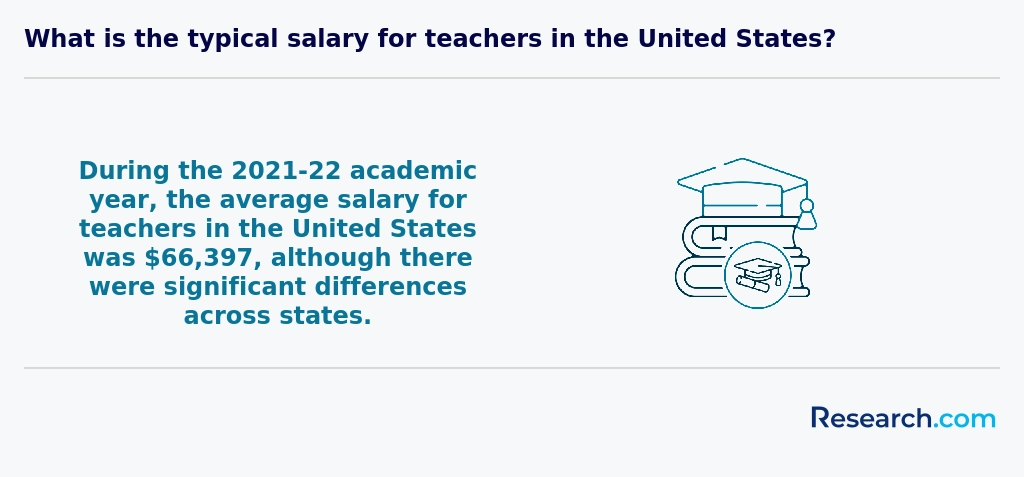
To further assist students in making informed decisions, it's essential to consider the financial aspects of pursuing an online education degree. For those looking to minimize expenses, exploring the most affordable online education schools in North Carolina can be a crucial step. By understanding the cost structures and available financial aid options, prospective students can navigate the process with confidence. This includes evaluating tuition rates, fees, and the array of scholarships and grants designed to support education students. Additionally, considering the long-term benefits of an education degree, such as competitive salaries and job security, can help students see the value in their investment. Ultimately, finding the right balance between affordability and quality education is key to a successful and fulfilling academic journey.
Imagine diving into Educational Psychology while nestled in your favorite study nook at a well-known North Carolina university, discovering how children's minds bloom and shift with every lesson you design. Graduates often celebrate how Curriculum Development courses empowered them to craft lesson plans that sparked excitement in diverse classrooms, bridging rural and urban student experiences across the state.
Online programs here mix theory with hands-on magic-like mastering Classroom Management strategies that transform chaotic virtual rooms into thriving learning spaces, a skill praised by those who trained through North Carolina's flagship institutions. Instructional Technology courses become playgrounds for creativity, where students experiment with digital tools that feel like superpowers in today's modern classroom.
Many alumni recount how Special Education Foundations opened their eyes to unique learner needs, pushing them to innovate teaching methods personally tailored for success. And with a practicum embedded, they didn't just watch education happen-they lived it, shaping themselves into the empathetic, skilled educators North Carolina's future depends on.
Imagine diving into an online education degree in North Carolina with specializations as diverse as the state's own landscapes. Graduates from popular universities describe the thrill of mastering Elementary Education, where they craft the building blocks of learning for young minds, or embracing the challenge of Secondary Education, shaping teenagers with tailored subjects like Math or Social Studies. This variety in online education degree specializations North Carolina offers creates a playground for passion and purpose.
For those drawn to making a real impact, the Special Education track stands out, equipping teachers to champion students with unique learning needs. Others find themselves stepping into leadership roles through Educational Leadership courses, envisioning futures as principals or coordinators. The joy of raising literacy or weaving technology into classrooms resonates deeply for many enrolled in concentrations like Reading and Literacy or Instructional Technology. Students often mention how these programs, especially at schools known across North Carolina, perfectly fit into their lives, especially considering affordable tuition rates.
One graduate shared how discovering the cheapest online education masters helped them pursue ambitions without financial strain, highlighting North Carolina's accessible education landscape. These specializations in North Carolina online teaching degree concentrations truly transform aspirations into vibrant careers.
Imagine the path to the best online education degree programs North Carolina has to offer as a vibrant mosaic of choices, each tile shaped by your dreams and daily rhythms. Graduates from popular schools like Appalachian State or UNC's online programs often credit their success to carefully weighing accreditation-the golden seal from CAEP or SACSCOC-that ensured their credentials mattered in real classrooms. Picture a teacher-in-the-making juggling a virtual class by day and evening lesson planning, thriving because their program offered flexible, asynchronous courses that respected their life's cadence.
Cost whispers loudly here; public universities in NC tend to offer friendlier tuition, especially for locals. Many students have found relief not just from price but from scholarships and financial aid packages, turning affordability into opportunity. If you're curious about where comfort meets cost, some look beyond North Carolina with curiosity, like exploring the Inexpensive Online Education Degree Programs Ranking in Wisconsin for ideas.
And then there's curriculum: those who have thrived selected programs aligned with their teaching passions-be it early childhood or special education-and North Carolina's licensure frameworks. Rich student support, from advising to virtual libraries, becomes the secret fuel behind many students' journeys, turning daunting degree requirements into achievable milestones. Opt for a program that feels less like a chore and more like a community, and suddenly, earning the best education degree isn't just a goal; it's a shared adventure.

Graduates with an online education degree from North Carolina's flagship institutions often find themselves stepping into vibrant classrooms as licensed K-12 teachers, where the flexibility of their online studies mirrors the dynamic energy of today's students. Imagine a graduate from a well-known state university who seamlessly transitions from virtual coursework to guiding a lively middle school science class, igniting curiosity while meeting North Carolina's teaching profession opportunities.
Others take on the more behind-the-scenes roles, such as curriculum specialists or instructional coordinators, crafting innovative lessons infused with the latest educational technology. Picture an alum who, inspired by their online program, integrates digital tools so effectively that their school district recognizes them as an indispensable educational technology specialist.
For those drawn to leadership, becoming a school administrator or principal is within reach through advanced online degrees offered by prominent North Carolina colleges. These roles are more than titles-they're chances to shape policies that directly impact student success within the state's expanding school systems. Some graduates channel their skills as academic advisors or student services coordinators in colleges, supporting peers' journeys with empathy honed through online learning.
North Carolina's affordable online education options make these tangible career paths accessible, encouraging many to explore beyond traditional teaching, including options listed in the easiest phd degree track for a career boost connected to education. Each pathway celebrates the blend of flexibility, expertise, and impact woven into online education degree careers North Carolina uniquely offers.
The online education degree job outlook North Carolina offers spark optimism for those ready to embrace flexible learning pathways. Graduates from prominent institutions like the University of North Carolina and East Carolina University often share how their online programs not only accommodated their busy lives but also equipped them with credentials aligned perfectly with North Carolina's teacher certification requirements. With the state anticipating over 1,200 new teaching positions annually, the practical blend of theory and state-recognized licensure coursework prepares candidates to meet demand in high-need subjects such as ESL and special education.
For many online education seekers, the journey feels deeply personal-balancing work, family, and studies while connecting to diverse communities throughout North Carolina. Tuition affordability, often ranging from $7,000 to $10,000 annually, makes the dream accessible. Beyond classroom teaching, careers in educational administration and counseling add layers of opportunity to this vibrant job market. Exploring the top college majors in demand reveals how an education degree here doesn't just open one door but creates paths across the wide spectrum of educational roles.
2027 Best Online Education Degree Programs Ranking in North Carolina
Investing in your education is a significant decision that can shape your future, and the Research.com team understands the importance of making informed choices. To assist prospective students in North Carolina, we have meticulously crafted the "2027 Best Online Education Degree Programs Ranking in North Carolina." Our commitment to quality, credibility, and accuracy is reflected in the extensive research and analysis conducted to compile this ranking.
We utilized the following reputable data sources to ensure a comprehensive evaluation of online education degree programs in North Carolina:
By exploring this ranking, readers will gain valuable insights into the best online education degree programs available in North Carolina, empowering them to make well-informed decisions about their educational journeys. For more details on our methodology, please visit our Research.com methodology page.
# 1 position
Appalachian State University
Bachelor of Middle Grades Education Science and Social Studies

# 3 position
The University of North Carolina at Charlotte
Master of Special Education (K-12) General/Adapted Curriculum


# 5 position
University of North Carolina Wilmington
Teaching English as a Second Language Specialization


Frequently Asked Questions About education
Students pursuing online education degrees in North Carolina can maximize their learning by actively engaging with course materials and participating in virtual discussions. Research from the North Carolina Department of Public Instruction highlights the importance of consistent study routines and time management to improve academic success. Utilizing resources such as online libraries, academic advising, and tutoring services offered by many North Carolina universities strengthens comprehension and retention. Connecting with classmates through study groups or forums can also enhance understanding and motivation. Additionally, students should leverage technology effectively, ensuring a reliable internet connection and familiarizing themselves with digital platforms used by their programs.
The field of education is evolving rapidly, with several emerging niches gaining attention in North Carolina's online degree programs. One prominent area is educational technology, driven by the increasing demand for digital learning tools in K-12 and higher education settings. According to the North Carolina Department of Public Instruction, over 90% of schools incorporate some form of technology, boosting the need for specialists who can design and manage educational software.
Special education remains a critical focus, especially in inclusive classroom environments. North Carolina has seen a steady rise in special education roles due to a growing emphasis on individualized learning plans (IEPs).
Another emerging niche is instructional design, which combines curriculum development with technology integration to create effective online and hybrid courses. This specialty is expanding with North Carolina colleges offering tailored certifications.
Finally, education leadership and policy are drawing interest as schools adapt to new regulations and funding models. Professionals skilled in navigating these changes are in increasing demand across the state's education system.
Preparing for the job market after earning an online education degree in North Carolina requires strategic planning. Graduates should begin by researching local school districts, as the state employs over 100,000 teachers, with strong demand in rural and urban areas alike (NC Department of Public Instruction, 2023).
Networking is essential. Joining professional organizations like the North Carolina Association of Educators can provide valuable connections and job leads.
Completing required certifications, such as the NC teaching license, and attending job fairs hosted by universities can improve employment prospects. Additionally, gaining classroom experience through virtual or in-person student teaching is highly recommended.
Employers in North Carolina seek education degree graduates with strong classroom management and effective communication skills. According to the North Carolina Department of Public Instruction, teachers who demonstrate adaptability and culturally responsive teaching techniques have higher success rates in diverse classrooms.
Critical thinking and problem-solving are also highly valued, enabling educators to design engaging lesson plans that meet state standards. Research indicates that proficiency in digital tools is increasingly important, especially for online and blended teaching environments.
Moreover, knowledge of North Carolina's academic standards and student assessment methods is essential for new teachers entering the workforce. Strong collaboration skills are equally important, as educators often work closely with families and school staff.
Finding internships in North Carolina for education degree students involves leveraging several key resources. Many universities with online education programs partner with local school districts and educational organizations to offer placement opportunities. For example, the North Carolina Department of Public Instruction provides listings and support for pre-service teachers seeking internships.
Students are encouraged to contact their academic advisors early, as many programs require formal internship placements to complete degree requirements. Additionally, platforms like Handshake and the NC School Boards Association frequently advertise internships specific to education.
Networking through professional organizations such as the North Carolina Association of Colleges and Teacher Educators can also open doors. According to NCES data, internships significantly enhance employment prospects, so actively pursuing these opportunities is beneficial.
Obtaining an online education degree in North Carolina can significantly enhance career mobility and advancement opportunities for educators. The state's flexible online programs allow working professionals to earn credentials without interrupting their current roles. According to the North Carolina Department of Public Instruction, educators with advanced degrees often qualify for higher salary scales and leadership positions within school districts.
Online degrees from accredited institutions in North Carolina meet state certification standards, which supports teacher licensure renewal and eligibility for specialized roles. Additionally, the convenience of online study encourages continuous professional development, a key factor in promotions.
Research by the North Carolina Education Research Data Center shows a positive correlation between higher educational attainment and job retention among North Carolina teachers.
Studying for an education degree in North Carolina online equips students with skills that extend beyond traditional teaching roles. The state's programs emphasize interdisciplinary approaches, integrating knowledge from psychology, technology, and special education. This prepares graduates to work effectively in diverse environments such as healthcare, community programs, and educational technology.
North Carolina universities often collaborate with local schools and organizations to provide practical experiences that highlight interdisciplinary teamwork. According to the North Carolina Department of Public Instruction, demand for educators skilled in multiple disciplines is growing, particularly in areas like STEM and special needs education.
Online coursework frequently includes case studies and projects that simulate real-world problems, enhancing critical thinking and problem-solving skills vital for interdisciplinary roles.
When choosing between a thesis and a non-thesis online education degree program in North Carolina, students should consider their career goals and learning preferences. A thesis option typically involves conducting original research and writing a detailed paper, which suits those interested in academia or research roles.
Non-thesis programs often emphasize practical skills and coursework, making them ideal for professionals pursuing leadership or administrative positions in education.
According to the North Carolina Community College System, many online programs reflect this distinction to align with workforce demands.
Cost and program length may also vary; thesis programs sometimes take longer and require more resources.
Students based in North Carolina who wish to study education abroad have several pathways to consider. While direct international enrollment is an option, many choose North Carolina universities that offer global education programs or partnerships with foreign institutions, facilitating overseas study or research experiences.
For example, the University of North Carolina system includes study abroad programs with education-focused opportunities in Europe, Asia, and Latin America. These experiences often align with degree requirements and provide practical teaching exposure.
Additionally, North Carolina's commitment to education internationalization is reflected in its community colleges and private universities, which sometimes offer exchange or dual-degree programs with foreign institutions, though these are less common.
The NC Office of Global Education regularly updates available programs and scholarships aimed at education students. Prospective students should consult these resources and individual university offerings to find suitable options.
North Carolina offers various part-time job opportunities that can effectively complement education degree studies, especially for online students seeking flexibility. Roles such as teacher assistants, tutors, and substitute teachers provide practical classroom experience while accommodating academic schedules.
According to the North Carolina Department of Public Instruction, substitute teaching demand remains high, making it a valuable part-time job for gaining insight into diverse classroom environments. Additionally, after-school program staff positions and educational support roles in community centers help build skills relevant to education careers.
Many students also find tutoring in subjects like math and reading rewarding, frequently arranged through universities or local organizations. These opportunities not only enhance teaching abilities but also improve resumes, aligning well with the state's emphasis on educational workforce development.
Online education students in North Carolina have access to various networking opportunities that support career growth and professional connections. Many universities offer virtual events, webinars, and discussion forums to connect students and faculty. For example, institutions like the University of North Carolina and East Carolina University host online meetups and collaborative projects, enabling students to interact beyond the classroom.
Additionally, statewide organizations such as the North Carolina Association for Supervision and Curriculum Development and education-focused LinkedIn groups provide valuable platforms for networking. These resources help online students build relationships, share experiences, and explore job opportunities in the education sector.
According to the North Carolina Community College System, over 30% of online learners participate in virtual workshops and networking sessions annually, highlighting the emphasis placed on community and professional engagement even outside traditional campus settings.
Alumni networks play a significant role in supporting online education degree students in North Carolina. These networks provide valuable connections to professionals and educators across the state, enhancing career opportunities after graduation. According to the North Carolina Department of Commerce, strong professional connections are linked to higher job placement rates in education fields. Many universities in North Carolina maintain active alumni groups that offer mentorship, job leads, and continuing education resources.
In addition, these networks help online students build meaningful relationships despite the virtual learning environment. This benefit often leads to increased engagement and a stronger sense of community, contributing to overall student success.
Customizing an online education degree in North Carolina begins with choosing a program that offers flexible specializations aligned with your career goals. Many institutions allow you to select concentrations such as curriculum development, educational leadership, or special education.
North Carolina's online degree programs often include elective courses and practicums that can be tailored to your interests and professional needs.
Additionally, you can pursue certifications concurrently, such as teaching licenses or administration credentials, to boost career prospects within the state's public school system.
Exploring programs accredited by the Council for the Accreditation of Educator Preparation (CAEP) assures quality and statewide recognition.
The State Board of Education provides guidelines on endorsed certifications, useful for aligning your program choices with licensure requirements.
Online education students in North Carolina often face challenges related to technology access and internet connectivity, especially in rural areas where broadband service can be limited. According to the North Carolina Department of Information Technology, approximately 15% of residents still lack reliable high-speed internet, affecting their ability to participate effectively in virtual classes. Time management is another common issue, as many students balance work, family, and studies simultaneously. Additionally, some students report feeling isolated due to limited interaction with peers and instructors, which can impact motivation and engagement. Navigating financial aid and transfer credit policies also adds complexity for many online learners in the state.
An online education degree in North Carolina opens pathways to various professional certifications valued in the teaching and educational leadership fields. One prominent option is the North Carolina Professional Teaching License, required for most public school teaching positions in the state. This license often requires passing the Praxis exams, which assess subject-specific knowledge and teaching skills.
Beyond teaching licenses, graduates can pursue certifications such as the National Board Certification, which enhances career advancement and salary potential. Additionally, specialists may seek credentials like the Licensed School Administrator certificate for roles in school leadership or administration.
According to the North Carolina Department of Public Instruction, more than 80% of educators in the state hold some form of professional certification, highlighting its importance in this sector.
Writing a successful application for an online education program in North Carolina involves clear presentation of your academic background and career goals. Highlight relevant experience, such as teaching or volunteering, to demonstrate your commitment to education. Many North Carolina universities require transcripts showing a minimum GPA, often around 3.0, so ensure your records are complete and accurate.
Personal statements should reflect why you want to study education online, addressing how it fits your professional aspirations and life circumstances. Strong letters of recommendation from academic or work supervisors add credibility.
Additionally, familiarize yourself with state-specific accreditation. For example, programs approved by the North Carolina Department of Public Instruction or those regionally accredited can enhance career prospects. According to NC Community College System data, online enrollment increased by over 10% recently, illustrating growing acceptance of remote education credentials in the job market.
Globally, education careers are valued for fostering social development and economic growth. In the United States, including North Carolina, there is growing recognition of the role educators play in shaping future generations. According to the National Center for Education Statistics, teaching remains one of the top sectors for stable employment.
North Carolina ranks among states with a significant need for qualified teachers, especially in online education programs. The North Carolina Department of Public Instruction reports that over 12% of schools incorporate hybrid or fully online teaching. This reflects a broader global trend where digital learning is becoming essential.
Internationally, education careers emphasize adaptability and cultural competence. U.S.-based online degrees prepare students to work in diverse classrooms, reflecting the global interconnectedness of education today.
Gaining practical experience while pursuing an online education degree in North Carolina is essential for preparing to enter the teaching profession. Many online programs encourage or require participation in practicum or student teaching placements, often arranged in local schools near the student's residence.
Students can collaborate with school districts across North Carolina to fulfill these hands-on requirements. The North Carolina Department of Public Instruction oversees certification standards, which include mandated in-classroom experience ranging from 300 to 600 hours, depending on the program.
Additionally, some universities offer partnerships with local schools and educational organizations that provide internships and classroom shadowing opportunities. This practical exposure helps students apply theoretical knowledge and develop classroom management skills vital for a successful teaching career.
Online learners should also explore volunteering in community educational programs or tutoring services as supplementary ways to gain experience while studying.
When choosing a concentration within an online education degree in North Carolina, consider your career goals first. North Carolina offers various specializations, such as curriculum development, educational leadership, or special education. Each focuses on different skills, so align your choice with the job roles you want.
Research workforce trends in the state. For example, the North Carolina Department of Commerce notes that demand for special education teachers is growing faster than other fields. This can influence your decision towards concentrations with strong job prospects.
Additionally, review program accreditation and faculty expertise. Accredited programs approved by the North Carolina Department of Public Instruction ensure quality and eligibility for teacher licensure. Understanding these requirements helps select a concentration that supports your professional licensing path.
- 2027 Best Online Education Degree Programs Ranking in South Carolina
- 2027 Best Online Education Degree Programs Ranking in Virginia
- 2027 Best Online Education Degree Programs Ranking in Georgia
- 2027 Best Online Education Degree Programs Ranking in Kentucky
- 2027 Best Online Education Degree Programs Ranking in Florida
- 2027 Best Online Education Degree Programs Ranking in Pennsylvania
- 2027 Best Online Education Degree Programs Ranking in Ohio
- 2027 Best Online Education Degree Programs Ranking in Mississippi
- 2027 Best Online Education Degree Programs Ranking in New Jersey
- 2027 Best Online Education Degree Programs Ranking in Indiana
See What Experts Have To Say About Studying Education
Read our interview with Education experts

Alan J. Singer
Education Expert
Professor of Teaching, Learning and Technology
Hofstra University

Nooshan Ashtari
Education Expert
Professor & Book Author
University of Southern California

- Online Teaching Jobs | Elevate K-12 https://www.elevatek12.com/online-teaching-jobs/
- Comprehensive Guide to Choosing the Right Educational Program https://veritaseedcenter.gr/blog/comprehensive-guide-to-choosing-the-right-educational-program
- Education Study Abroad | CIEE https://www.ciee.org/go-abroad/college-study-abroad/programs/subjects-disciplines/education-study-abroad
- How to Choose a Concentration for Your Master of Education 3 Questions to Consider https://www.aiuniv.edu/degrees/education/articles/how-to-choose-an-education-specialization
- Finding Networking Opportunities as a Student | National Society of High School Scholars https://www.nshss.org/resources/blog/blog-posts/how-to-find-networking-opportunities-as-a-student/
- Is a thesis always mandatory in a master's degree program? - EFMU: The Euler-Franeker Memorial University and Institute https://euler.euclid.int/is-a-thesis-always-mandatory-in-masters-degree-program/
- Get the skills employers want | Study UK https://study-uk.britishcouncil.org/why-study/succeed-your-career/get-skills-employers-want
- My Experience with Online Learning | Leeds Beckett University https://www.leedsbeckett.ac.uk/blogs/student-blog-squad/2020/09/my-experience-with-online-learning/
- Events & Opportunities https://connect.teachforall.org/events-opportunities
- What Employers Actually Want From Graduates https://bodyswaps.co/resources/blog/what-employers-actually-want-from-graduates


