2027 Easiest Online Master's in Education Degree Programs Ranking in St. Paul, MN

Co-Founder and Chief Data Scientist
Choosing the right online master's in education program is an important step for anyone in St. Paul looking to advance their career. This article introduces the 2027 Easiest Online Master's in Education Degree Programs Ranking in St. Paul, MN, created by the Research.com team of data scientists. It's designed to guide you through the best options available that balance ease and quality.
Discover programs that fit your lifestyle and goals, helping you earn your degree with confidence. Pursuing an education degree opens doors to rewarding opportunities and personal growth, making this article a valuable resource on your journey.
Key benefits of getting online education degree in St. Paul
- Graduates with an education degree in St. Paul can expect strong earning potential, with roles like Education Managers earning about $129,330 annually and Higher Education Professors earning around $96,570 per year.
- A graduate from the University of St. Thomas in St. Paul might pursue diverse careers such as Curriculum Specialist, Education Program Manager, or Education Consultant, all offering fulfilling job opportunities in education.
- Completing an online education degree from a local university allows flexible scheduling and the ability to balance work and study, making it easier to advance your career without pausing your life.
- 2027 Easiest Online Master's in Education Degree Programs Ranking in St. Paul, MN
- What can I expect from online education degree in St. Paul?
- Where can I work with online education degree in St. Paul?
What can I expect from online education degree in St. Paul?
Many students weighing the cost of an online education degree in St. Paul find the experience surprisingly affordable when compared to the value received. Graduates from Hamline University and the University of St. Thomas often share how tuition aligns closely with their on-campus counterparts, typically ranging from mid-$20,000s to low-$30,000s for the entire program. This investment feels justified when they reflect on the practical skills and licensure opportunities embedded in the curriculum.
One graduate described juggling family commitments while engaging in interactive forums and live sessions-feeling supported without the stress of daily commuting costs. Another emphasized how local accreditation and state-specific licensing guidance created a seamless path toward meaningful careers, reducing the uncertainty that often accompanies online studies. This tight integration with Minnesota's education standards adds tangible value that transcends pure price considerations, transforming the financial expense into a gateway for professional growth and community impact.
Where can I work with online education degree in St. Paul?
Graduates with online education degrees in St. Paul often find themselves stepping into dynamic roles that defy the limits of traditional classrooms. Many secure positions in St. Paul Public Schools, benefiting from a steady demand fueled by special education and ESL needs. Picture a graduate from Metropolitan State University designing tech-driven lesson plans that captivate diverse learners, blending online strategies with real-world classrooms.
But employment isn't confined to public schools. Charter schools in St. Paul beckon educators who thrive on innovation, valuing flexible credentials and tech-savvy instruction. Consider a Saint Paul College graduate leading digital curriculum initiatives that breathe life into unconventional learning environments-this is where creativity meets real impact.
Beyond K-12, opportunities extend into adult education centers and nonprofits, where graduates channel their expertise into instructional coordination and academic advising. Imagine an online master's graduate shaping workforce training programs at local corporations, transforming employee education with cutting-edge instructional design. St. Paul's unique educational ecosystem offers much more than a teacher's desk-it offers a career shaped by purpose and evolving possibilities.
Graduates from online education programs in St. Paul, such as those at the University of St. Thomas or Hamline University, find their earning potential far beyond typical expectations. For example, earning $50,000 as a starting licensed teacher in the St. Paul Public Schools often feels just the beginning for many. Experienced educators move into roles like curriculum specialists, where the mean annual wage jumps to $77,200 according to the latest data.
Those who embrace leadership opportunities challenge the conventional salary ceiling, stepping into education manager roles that command an impressive $129,330 on average. Graduates pursuing program management or consulting careers benefit too, with wages around $104,920 and $95,600, respectively.
Seeing fellow alumni transition from classrooms to high-impact positions reinforces that the online education degree is not just a certificate-it's a gateway to roles paying six figures. This clarity transforms uncertainty into ambition, encouraging students to envision themselves thriving in dynamic educational environments right here in St. Paul.
- Several accredited institutions in St. Paul offer fully online or hybrid master's programs in education with specialties like curriculum development and special education.
- The average tuition for an online master's degree in education ranges from $15,000 to $30,000 depending on the institution and program length.
- Starting salaries for early-career educators with a master's degree are around $50,000 to $55,000 per year, increasing to the mid $60,000s with experience.
- Long-term salaries for education professionals in St. Paul average close to $70,000 annually due to steady demand and career growth.
- Online education programs often meet Minnesota's certification requirements for teaching or administrative licensure in public schools.
- Financial aid and scholarships are available through local foundations and universities to help reduce the cost for St. Paul residents.
Completing an online education degree in St. Paul isn't a one-size-fits-all timeline; it's shaped by choices and circumstances unique to each student. Bachelor's degrees usually take about four years for full-time students-but graduates often reflect on how balancing work, family, and studies made their journey deeply personal and rewarding. For master's degrees, like the M.Ed., many find that the flexibility offered by institutions such as Hamline University or the University of St. Thomas transforms what might seem like a daunting 1-2 year timeline into an empowering experience tailored around their lives.
Online learners frequently share how accelerated tracks or cohort models allowed them to stay engaged and connected, completing their programs faster without sacrificing quality. Others embraced part-time paths, appreciating how pacing courses over three or more years fit their busy schedules. The real insight? Time becomes less of a rigid measurement and more a reflection of your dedication, priorities, and how a program adapts to your rhythm in St. Paul's vibrant educational landscape.
Choosing between online and on-campus education degrees in St. Paul isn't just about location-it's about how you want to experience learning. Graduates from the University of St. Thomas often recall the rich, hands-on interactions during their on-campus coursework, like engaging directly with instructors and peers in real time. These moments build a sense of community hard to replicate online.
Meanwhile, graduates from Hamline University who took online education degrees highlight flexibility that fits demanding schedules-juggling family, work, and studies without missing critical deadlines. The ability to revisit recorded lectures at midnight or during breaks creates a personalized rhythm, fostering confidence in mastering complex teaching methods.
Cost plays a subtle yet crucial role: St. Paul's on-campus learners often face higher living expenses, while online students escape commuting and housing fees, making budgeting less stressful. Despite these differences, both paths benefit from accredited programs ensuring strong academic rigor, backed by Minnesota's Professional Educator Licensing and Standards Board.
The average cost of an online education degree in St. Paul reflects the balance between accessible public options and more expensive private institutions. Many graduates from public universities in the area share how paying roughly $600 to $800 per credit hour for in-state tuition made advancing their careers manageable without overwhelming debt. With a typical master's requiring 30 to 36 credit hours, the total tuition usually ranges close to $18,000 to $28,800, which aligns with the median total cost reported locally. This perspective challenges the assumption that quality online education always comes with prohibitive costs.
Students pursuing advanced degrees in education at well-regarded St. Paul schools often highlight the importance of considering the full scope of tuition and fees, rather than just focusing on sticker prices per credit. Hidden costs like technology fees or materials sometimes surprise learners, yet many programs aim to keep these additional expenses low to preserve affordability. This approach helps students stay motivated, particularly when considering tuition and fees for online education master's st paul residents typically encounter.
A common success story among those balancing work and study involves leveraging scholarships or local financial aid opportunities tailored to Minnesota residents. Exploring options like the Minnesota State Grant can significantly ease the financial burden. For those who may start with an associate degree, the cheapest way to get an associate's degree remains a foundational step to reduce overall educational costs while still progressing toward their goals.
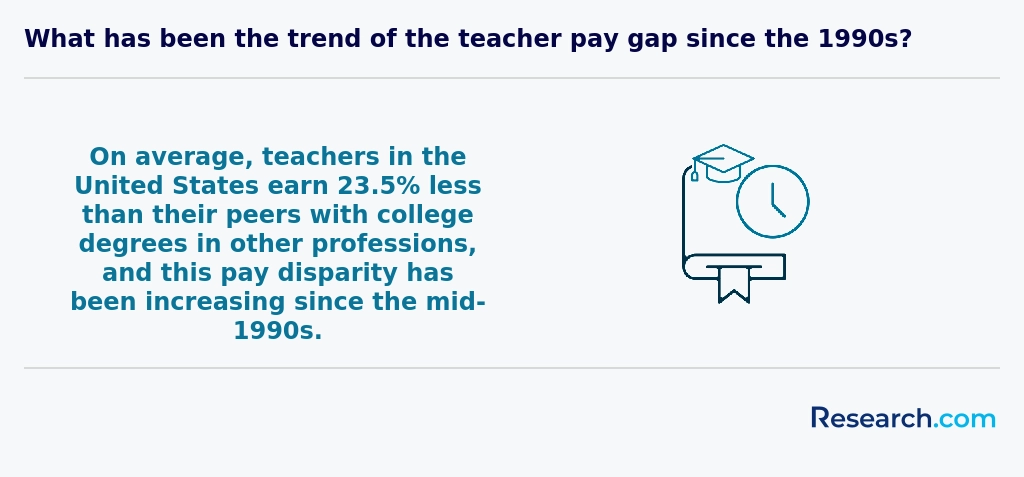
Financial aid for online education degrees in St. Paul often transforms the daunting price tag into a manageable journey. Graduates from institutions like the University of St. Thomas and Hamline University frequently recount how securing scholarships-whether merit-based or tailored to education majors-became the key to unlocking opportunities without overwhelming debt. These scholarships don't just reduce cost; they offer peace of mind when balancing work and study.
Federal aid through FAFSA remains a cornerstone, with Pell Grants supporting undergraduates and loans offering graduate students flexible repayment. Imagine a working teacher in St. Paul leveraging these options to advance credentials while maintaining a paycheck-this dynamic blend of support reshapes the traditional pursuit of higher education.
State grants from Minnesota, awarded based on income and enrollment, offer a unique local advantage. Coupled with tuition reimbursement from school districts that actively encourage ongoing education, these layers of aid create a safety net that many discover only after digging deep.
Professional organizations like the Minnesota Education Association add yet another dimension, providing targeted scholarships and grants that feel like personalized encouragement along the academic path.
Meeting the prerequisites for online education degrees in St. Paul often feels like more than just ticking academic boxes-it's a meaningful step toward joining a community of dedicated educators. Graduates from well-regarded institutions like Hamline University or the University of St. Thomas frequently reflect on how holding a bachelor's degree, usually with a 3.0 GPA or higher, was just the academic foundation. What truly prepared them was having relevant professional experience documented through resumes, bridging theory with classroom realities.
Many found that submitting personal statements challenged them to clarify their passion and purpose, revealing motivations beyond simple career advancement. Some recall navigating GRE requirements, which some programs still expect, while others celebrated programs that waived such tests, valuing real-world experience instead.
Letters of recommendation and professional credentials also stood out as landmarks affirming commitment-especially for those pursuing specialized tracks like special education in St. Paul's changing educational landscape. These requirements ask prospective students not only to prove readiness but to envision their role as transformative educators within Minnesota's diverse communities.

Online education degrees in St. Paul often challenge students to rethink what teaching truly means by grounding them in core courses that go beyond memorization. Graduates from the University of St. Thomas and Metropolitan State University describe how courses like Foundations of Education opened their eyes to education's historical and social layers, transforming their understanding of classroom dynamics.
Instructional Design and Technology is not just about learning tools but reimagining how digital resources can spark curiosity and engagement among diverse learners. Everyday classroom challenges come alive in Educational Psychology, where students connect theory to real feelings and behaviors they will encounter.
Classroom Management courses feel immediately relevant, offering practical strategies that really resonate when considering the unique needs of St. Paul's varied communities. Assessment and Evaluation emphasize fair, meaningful measurement-something graduates find essential for encouraging genuine student growth rather than just compliance.
Examining the spectrum of online education degree specializations St. Paul MN students can access reveals a purposeful design to meet diverse professional ambitions. Graduates from well-regarded colleges in St. Paul often recount how choosing between Elementary Education, Secondary Education with focused subject tracks, or Special Education deeply influenced their impact in classrooms. These specializations are not merely academic categories but gateways to roles that shape real student lives. For instance, one graduate described how the Educational Leadership and Administration pathway at a local university propelled her from classroom teaching to becoming a school principal who fosters innovation.
Another common thread involves Curriculum and Instruction, where graduates learn to craft dynamic learning experiences-skills critical in Minnesota's evolving classrooms. Meanwhile, those pursuing School Counseling find their roles emotionally rewarding, supporting K-12 students through challenges. The appeal extends beyond traditional roles as Adult and Higher Education prepares students for roles in colleges across St. Paul.
Considering affordability and practicality, St. Paul students often explore online programs aligned with the state's teacher licensing standards. For those curious about alternative pathways, exploring the easiest phd degree options might open additional doors. These opportunities encourage reflection on what specialization truly fits one's passion and career goals, beyond just selecting the most common options.
Choosing the best online education degree in St. Paul starts with questioning assumptions about what makes a program "good." Graduates from popular institutions in the area often emphasize the importance of accreditation, especially by bodies like the Higher Learning Commission, beyond just flashy marketing claims. Their sense of confidence comes from knowing their degree meets Minnesota's rigorous state licensure requirements, which directly impacts employment chances in local schools.
Another overlooked factor is how well a program's curriculum matches St. Paul's public school needs. Graduates recount how courses emphasizing educational technology prepared them to thrive in dynamic classrooms, something traditional programs sometimes miss. Cost is frequently debated, but many find that affordable online master's in education St. Paul options offer not only savings but targeted support services that make the journey feel manageable and encouraging.
Personalized online learning schedules changed the game for many students balancing work and family. Graduates from local universities often recommend exploring financial aid and scholarships carefully and suggest checking out the easiest masters degree pathways to maintain motivation while advancing professionally.
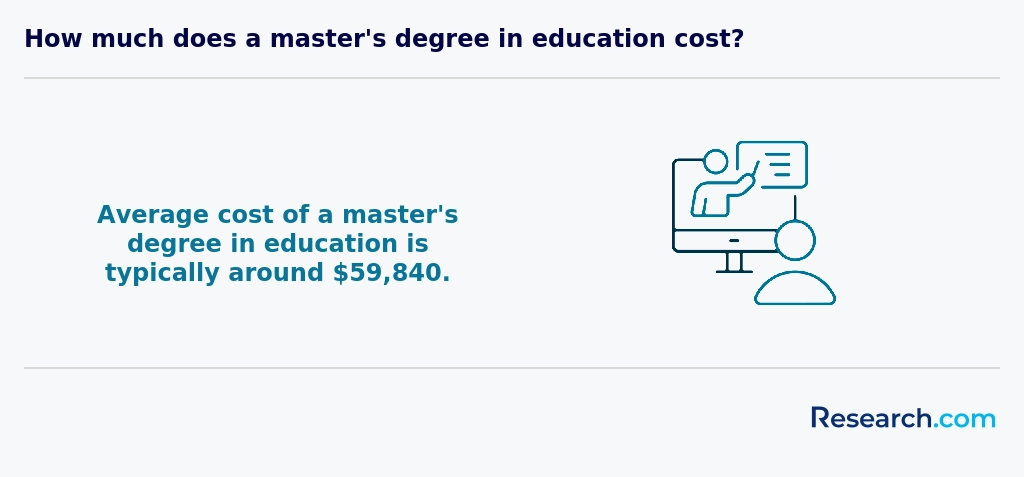
Graduates with an online education degree in St. Paul find themselves exploring a spectrum of career opportunities beyond the traditional classroom. Many secure positions as classroom teachers in K-12 schools, drawn by Minnesota's strong commitment to education and the evolving needs of its diverse student population. Others specialize as special education instructors, addressing critical gaps in local districts and making real, impactful changes in students' lives. Instructional coordinators shape curricula and implement digital learning tools, often collaborating with faculty from popular institutions like the University of St. Thomas or Hamline University. This blend of direct instruction and educational leadership reflects the dynamic nature of education careers in St. Paul.
Career opportunities for education graduates St. Paul also extend into adult education and community college instruction, where graduates share their passion for lifelong learning. Some shift focus toward educational technology or corporate training, sectors rapidly growing in Minnesota's business landscape. Many graduates recount how their programs offered the fastest way to get an associate's degree remotely, reflecting the flexible nature of acquiring credentials while balancing life obligations. This flexibility is a significant draw, especially for working professionals navigating career transitions in the region.
The job market for online education degree jobs in St. Paul MN offers promising avenues for graduates, particularly within the area's robust public school system. Graduates from well-regarded institutions such as the University of St. Thomas and Hamline University often find themselves stepping into roles like licensed teachers, curriculum coordinators, or educational specialists. These positions are supported by a demand for specialized skills in modern teaching methods and technology integration, valued by local districts including St. Paul Public Schools.
Graduates frequently share how online programs allowed them to balance work and study effectively, elevating their qualifications without sacrificing income. The St. Paul MN education job market outlook suggests steady employment growth, driven by increasing student enrollment and technology adoption in classrooms. Many educators have expressed optimism about transitioning into roles with competitive salaries, often ranging between $55,000 and $70,000 annually, with additional opportunities in administration.
Those exploring career options may also consider pathways beyond teaching, such as educational technology or instructional design-a direction supported by schools embracing digital learning. For a practical guide on diverse pathways, students often consult resources like the best trade school job listings to broaden their perspectives.
2027 Easiest Online Master's in Education Degree Programs Ranking in St. Paul, MN
Investing in your education is a significant decision that can shape your future, and the Research.com team understands the importance of making informed choices. To assist prospective students in St. Paul, MN, we have meticulously crafted the "2027 Easiest Online Master's in Education Degree Programs Ranking." Our commitment to quality, credibility, and accuracy is reflected in the extensive research and analysis conducted to compile this ranking.
We utilized the following reputable data sources to ensure a comprehensive evaluation of education programs:
By exploring this ranking, readers will gain valuable insights into the easiest online master's in education degree programs available in St. Paul, MN, helping them make well-informed decisions about their academic and professional futures. For more details on our methodology, please visit our Research.com methodology page.

# 2 position
Bethel University, Minnesota
Master of Education K-12
Frequently Asked Questions About education
Students pursuing online education degrees in St. Paul can enhance their learning by actively engaging with course materials and participating in virtual discussions. The University of St. Thomas and Hamline University offer reputable online education programs, known for flexible scheduling that accommodates working adults. Utilizing local resources like St. Paul Public Library's digital collections can supplement coursework effectively. Research from the National Center for Education Statistics highlights that students who set specific study schedules and seek peer collaboration tend to improve retention. Additionally, taking advantage of academic advising and career services provided online can lead to better outcomes in completing degrees efficiently.
Emerging niches within the education field reflect growing demands for specialized knowledge and skills. One notable area is educational technology, which integrates digital tools for enhanced teaching and learning experiences. With St. Paul schools increasingly adopting online and hybrid models, expertise in edtech is in high demand.
Another fast-growing niche is special education, especially focusing on neurodiverse learners. According to Minnesota Department of Education data, over 14% of students in the state receive special education services, highlighting the need for advanced training in this sector. Culturally responsive teaching also gains traction amid increasing diversity in St. Paul's student population.
Lastly, leadership roles in education administration are expanding as school districts seek innovative leaders to manage changing educational environments and policies.
After completing an online education degree in St. Paul, preparing for the job market involves several key steps. Start by networking with local education professionals through organizations like the Minnesota Educators of Color Network. This can open doors to teaching opportunities in nearby districts.
St. Paul has seen steady growth in educational jobs, with the Minnesota Department of Employment reporting a 5% increase in teaching positions over the past three years. Tailoring your resume to highlight online learning skills and relevant certifications is crucial.
Consider obtaining a Minnesota teaching license, which is required for most K-12 public school jobs. Additionally, engaging in local job fairs and using platforms like the St. Paul Public Schools job portal increases your chances of success.
Employers in St. Paul seek education degree graduates with strong communication and classroom management skills. According to the Minnesota Department of Employment and Economic Development, effective leadership abilities and the capacity to implement diverse teaching strategies rank highly. Graduates must demonstrate adaptability to evolving educational technologies, especially for online and hybrid learning environments.
Additionally, cultural competence is critical given St. Paul's diverse student population, allowing teachers to address varied learning needs. Data from the National Center for Education Statistics highlights that critical thinking and collaboration skills are also essential for success in local schools.
These skills help graduates meet state standards and improve student outcomes in a competitive job market.
Finding internships in St. Paul relevant to an education degree involves leveraging local resources and school partnerships. The Saint Paul Public Schools district often offers internship and practicum opportunities for education students, especially those enrolled in teacher preparation programs. Connecting with university career centers in the Twin Cities metro, such as the University of St. Thomas or Hamline University, can provide tailored internship listings and networking events.
Additionally, institutions like the Minnesota Department of Education and local non-profits focused on youth development frequently partner with higher education programs to place interns. According to the Minnesota State Colleges and Universities system, over 70% of education students secure internships before graduation, enhancing job prospects.
Online students should also explore digital platforms like Handshake, which features local internships and entry-level positions in education across St. Paul.
Obtaining an online education degree in St. Paul can significantly enhance career mobility and advancement opportunities. The city's growing education sector values advanced credentials, with Minnesota reporting a 10% increase in education-related jobs between 2020 and 2023, according to the Minnesota Department of Employment and Economic Development (DEED).
Online degrees offer flexible access to accredited programs, allowing working professionals in St. Paul to upskill without interrupting their jobs. This flexibility is crucial, as many local school districts prefer candidates with master's degrees for leadership and specialized roles.
Graduates with online education degrees often qualify for higher salaries and promotion within St. Paul's school systems, which consistently participate in national teacher advancement initiatives. DEED data also shows master's level educators earn approximately 15-20% more than those with only bachelor's degrees in the region.
Studying for an education degree online in St. Paul equips students with skills essential for interdisciplinary roles in schools and communities. Programs in the area emphasize collaboration across subjects like psychology, technology, and social work, reflecting the needs of diverse learners. According to the Minnesota Department of Education, many St. Paul programs integrate applied learning with digital tools, preparing graduates to address complex educational challenges.
Faculty often include professionals from varied fields, fostering a broader perspective. This approach helps graduates work effectively in teams involving counselors, administrators, and specialists. Additionally, St. Paul's diverse population encourages culturally responsive teaching, a key component in many online degree curricula.
Choosing between a thesis and a non-thesis education degree program in St. Paul depends largely on your career goals and personal interests. Thesis programs emphasize original research and critical analysis, preparing students for roles in academia or further doctoral studies. Non-thesis options focus more on practical skills and coursework, ideal for those pursuing leadership or administrative positions in local schools.
In St. Paul, universities like the University of St. Thomas offer both formats, with the thesis track typically requiring a research project over a semester. According to the National Center for Education Statistics, about 40% of education master's students choose thesis routes nationwide, reflecting strong interest in research.
Students based in St. Paul seeking online education degrees with an international focus have several options. Many Minnesota institutions offer study abroad programs combined with online coursework, allowing flexibility while gaining global perspectives. For example, the University of Minnesota facilitates partnerships with universities abroad in Europe and Asia, accessible through hybrid models.
Additionally, some programs provide virtual international internships or collaborations with overseas schools. According to the Minnesota Office of Higher Education, about 15% of education graduate students engage in such opportunities. This blend of online education and international exposure helps St. Paul students develop cross-cultural skills essential for modern educators.
St. Paul offers several part-time job opportunities that can complement education degree studies, especially for those pursuing online programs. Positions such as teacher's aides, substitute teachers, or literacy tutors provide practical experience relevant to education careers. According to the Minnesota Department of Employment and Economic Development, there is steady demand for paraprofessionals and tutors in St. Paul schools, making these roles accessible for students balancing work and study.
Additionally, roles in after-school programs or community centers can enhance skills in classroom management and student engagement. These jobs typically offer flexible hours, which align well with the schedules of students enrolled in online education degrees.
Online education students in St. Paul benefit from a variety of networking opportunities designed to connect them with local educators and professionals. Many universities offering online education degrees in Minnesota provide virtual meetups, discussion forums, and group projects that foster peer collaboration.
Additionally, organizations such as the Minnesota Education Association and local chapters of the National Education Association host events and workshops that online students can attend, either virtually or in person. The Twin Cities area, including St. Paul, has a strong educational community with over 50,000 education professionals, providing fertile ground for networking.
Students can also leverage LinkedIn and other professional social platforms to connect with St. Paul-based alumni and educators, enhancing career prospects within the local education sector.
Alumni networks play a crucial role in supporting online education degree students in St. Paul. These networks provide valuable access to local job opportunities, professional connections, and mentorship programs tailored to the education sector. In St. Paul, many universities maintain active alumni groups that regularly host virtual events and workshops, helping graduates stay updated on industry trends.
Studies show that alumni involvement can increase employment rates for graduates by up to 20%. For online students, these connections help bridge the gap of remote learning by fostering a sense of community and belonging. Local education-focused organizations also collaborate with alumni networks, enhancing career development possibilities.
Customizing an online education degree program in St. Paul allows students to align their studies with specific career goals. Many universities offer flexible course selections, letting learners choose concentrations like curriculum design, special education, or educational leadership. For instance, the University of St. Thomas provides various specialization tracks accessible online, which prepares students for distinct roles in education.
Students can also opt for practica or internships integrated into online programs, gaining real-world experience locally or remotely. According to the Minnesota Office of Higher Education, over 60% of St. Paul educators pursue advanced degrees with a focus tailored to their teaching contexts.
Advisors usually assist students in mapping out a degree plan that balances required credits with electives that suit professional ambitions. This personalized approach ensures that learners build relevant skills while meeting licensing or certification requirements in Minnesota.
Online education students in St. Paul often face challenges related to balancing coursework with personal and professional responsibilities. According to the Minnesota Office of Higher Education, many adult learners juggle full-time jobs and family care while pursuing degrees, which can affect their study time and focus. Access to reliable technology and high-speed internet is another common issue, particularly in some low-income neighborhoods within the city. Furthermore, students may experience a lack of direct interaction with instructors and peers, which can impact engagement and motivation. Time management skills are essential, as self-paced online programs require discipline and organization to succeed.
With an online education degree, especially a master's, you can pursue several professional certifications that enhance your career prospects in St. Paul and beyond. Common certifications include the Professional Educator License (PEL) offered by the Minnesota Professional Educator Licensing and Standards Board (PELSB). This license allows you to teach in public schools across Minnesota.
Other valuable certifications include National Board Certification, recognized nationwide, which demonstrates advanced teaching competence.
Additionally, you can obtain specialized credentials such as ESL (English as a Second Language) or Special Education certifications, both in demand in St. Paul schools. The city's diverse population drives growth in these areas, making holders of such certifications particularly competitive locally. According to PELSB, over 20,000 educators in Minnesota hold active licenses, underscoring the value of certification post-degree.
Writing a winning application for an online education program in St. Paul involves careful preparation and attention to detail. Start by clearly articulating your career goals and how the degree will support your development as an educator. Highlight any relevant teaching experience or certifications you hold. According to the Minnesota Office of Higher Education, St. Paul-area applicants benefit from demonstrating connections to local schools or districts, which can strengthen ties to the community.
Strong letters of recommendation from professionals familiar with your educational skills are vital. Pay close attention to application deadlines and required materials, as many Minnesota institutions enforce strict policies. Finally, ensure your personal statement reflects both your passion for education and understanding of challenges faced by diverse learners in St. Paul's urban settings.
The global perspective on a career in education emphasizes the growing need for skilled educators who can adapt to diverse learning environments. In the United States, including St. Paul, education careers are valued for their impact on society and lifelong learning. According to the U.S. Bureau of Labor Statistics, employment of kindergarten and elementary school teachers is expected to grow by 5% from 2021 to 2031, reflecting stable demand.
Online education degrees in St. Paul provide flexible access to these growing opportunities. Internationally, education professionals often face differing challenges, but many countries look to U.S. standards for curriculum development and digital teaching strategies.
St. Paul's education system benefits from a diverse population, requiring educators who are culturally competent and skilled in online teaching. The integration of technology in classrooms worldwide highlights the importance of advanced degrees that prepare teachers for global trends.
Gaining practical experience while pursuing an online education degree in St. Paul is essential for developing effective teaching skills. Many programs incorporate virtual student teaching or practicum opportunities, allowing you to work under certified mentors. In Minnesota, state licensure requirements mandate supervised field experiences, which online students can often complete in local St. Paul schools.
Additionally, partnerships between local districts and universities provide access to internships or assistant teaching roles. St. Paul Public Schools, for example, collaborates with colleges to support hands-on learning.
Engaging in these activities helps bridge theory and practice, ensuring you meet Minnesota's education standards.
Choosing the right concentration within an online education degree program in St. Paul starts with understanding your career goals. Education fields vary widely, from curriculum design and special education to educational leadership. Research shows that concentrations like special education are in high demand in Minnesota, with the state's Department of Education reporting a 15% growth in special education roles from 2020 to 2023.
Consider local job market needs by reviewing Minnesota's labor statistics and school district priorities in St. Paul. Selecting a concentration aligned with these trends increases employment chances after graduation. Additionally, evaluate whether a program's curriculum includes practical experiences relevant to your chosen focus to gain real-world skills.
- 2027 Easiest Online Education Degree Programs Ranking in Minneapolis, MN
- 2027 Easiest Online Education Degree Programs Ranking in Madison, SD
- 2027 Easiest Online Education Degree Programs Ranking in Watertown, WI
- 2027 Easiest Online Education Degree Programs Ranking in Valley City, ND
- 2027 Easiest Online Education Degree Programs Ranking in Omaha, NE
- 2027 Easiest Online Education Degree Programs Ranking in Joliet, IL
- 2027 Easiest Online Master's in Education Degree Programs Ranking in Chicago, IL
- 2027 Easiest Online Education Degree Programs Ranking in Berrien Springs, MI
- 2027 Easiest Online Education Degree Programs Ranking in Columbia, MO
- 2027 Easiest Online Education Degree Programs Ranking in Manhattan, KS
See What Experts Have To Say About Studying Education
Read our interview with Education experts


Nooshan Ashtari
Education Expert
Professor & Book Author
University of Southern California

- Online Education Degree Programs | University of Phoenix https://www.phoenix.edu/online-education-degrees.html
- Tuition and incidental fees - Saint Paul University https://ustpaul.ca/en/financial-services/tuition-and-incidental-fees-2/
- BA in Elementary Education - Teaching (K-6) | CSP Global https://www.graduateprogram.org/concordia-saint-paul/programs/ba-in-elementary-education-teaching-k-6/
- Online Degree vs. Traditional: Choosing the Right Path https://beal.edu/online-degree-vs-traditional/
- International teaching and education jobs https://www.tes.com/jobs/search/international
- What a career at St Paul's Trust Way can offer you https://ourclients.randstad.co.uk/st-pauls-way-trust-school/what-a-career-at-st-pauls-trust-way-can-offer-you/
- Can Higher Education Improve Long-Term Career Success https://studysphereadvisors.com/how-higher-education-influences-long-term-career-growth/
- Online Degree vs. Traditional | University of Arkansas Grantham https://www.uagrantham.edu/blog/pros-cons-online-degree-vs-traditional-university/
- Latest Trends in the Field of Education - ICERT https://icert.org.in/latest-trends-in-the-field-of-education/
- Get the skills employers want | Study UK https://study-uk.britishcouncil.org/why-study/succeed-your-career/get-skills-employers-want