
2027 Most Valuable Education Degree Programs Ranking in Indiana

Co-Founder and Chief Data Scientist
Choosing the right education degree program can shape your future and open doors to rewarding career opportunities in Indiana. This article presents the 2027 Most Valuable Education Degree Programs Ranking in Indiana, created by the Research.com team of data scientists. Their detailed analysis helps you discover which programs offer the best value and long-term benefits.
By exploring this ranking, you'll gain insights that make your decision easier and more informed. Earning an education degree is a powerful step toward making a positive impact, and this guide supports your journey with trustworthy data and clear guidance.
Key benefits of getting education degree in Indiana
- Salary for education degree graduates: Graduates in Indiana can expect rewarding salaries, such as $76,000 annually for Special Education Teachers and $77,200 for Instructional Designers, reflecting strong demand and financial stability.
- Career paths: Education graduates from Indiana University often find opportunities as Elementary or ESL Teachers, opening doors to meaningful roles shaping young learners' futures.
- Benefits of online degrees: Completing an education degree online through institutions like Purdue University Global offers flexibility and convenience, allowing students to balance work and study effectively while advancing their careers.
- 2027 Most Valuable Education Degree Programs Ranking in Indiana
- What can I expect from education degree in Indiana?
- Where can I work with education degree in Indiana?
What can I expect from education degree in Indiana?
The average cost of pursuing an education degree in Indiana typically ranges from $10,000 to $30,000 per year, depending on whether you attend a public or private institution. Many students find that universities like Indiana University or Purdue University offer competitive tuition rates alongside robust financial aid options that make this investment manageable. Graduates often share how the value of hands-on experiences through student teaching placements and strong community connections far outweigh the expense, providing confidence as they step into classrooms.
Several programs also offer accelerated paths and online courses, perfect for balancing work and study, which can help reduce costs and time spent on completing your degree. Imagine gaining real-world skills while engaging with diverse school districts-these moments often become the most rewarding parts of the journey.
Ultimately, Indiana's education degree programs are designed to prepare you thoroughly for certification and a fulfilling career, offering excellent returns on the tuition paid through dedicated mentorship and practical training.
Where can I work with education degree in Indiana?
Graduates with an education degree in Indiana find themselves stepping into roles that truly impact communities. Many begin as teachers in public and private K-12 schools, where they help shape the lives of over 300,000 students statewide. Imagine a recent Ball State University graduate who feels the reward of guiding young minds in a classroom with a 16:1 student-teacher ratio, fostering growth in areas like special education or STEM.
Others pursue leadership roles such as principals or district administrators, drawing on additional certifications and the support Indiana's Department of Education offers for career advancement. For example, a graduate from Indiana University might transition smoothly from teaching to school leadership, influencing policies that improve education quality.
Beyond schools, education degree holders also thrive in early childhood programs, postsecondary advising, nonprofits, or government agencies focused on workforce development. Graduates from Purdue University of Indianapolis often find fulfilling careers coordinating adult education initiatives-helping communities grow through lifelong learning.
Graduates with an education degree from well-known Indiana institutions often find rewarding career paths with competitive salaries. For example, many who study at Purdue University or Indiana University-Purdue University Indianapolis have stepped confidently into roles where their earnings reflect both their passion and expertise.
Elementary school teachers in Indiana can anticipate salaries around $70,740 annually, which offers a solid foundation for new graduates. Those pursuing specialized paths, such as special education, benefit even more, with average wages near $76,000. Teaching English as a Second Language presents another promising avenue, with salaries approximately $65,430 per year, which some graduates find deeply fulfilling.
Graduates aiming beyond traditional classroom roles, perhaps inspired by faculty at Ball State University, might explore careers as instructional designers, where the annual pay climbs to about $77,200. Early childhood educators, vital for shaping young learners, can expect starting salaries close to $41,410, a stepping stone toward greater earning potential with experience and further qualifications.
These figures demonstrate that an education degree in Indiana can open doors to meaningful, well-compensated careers that grow alongside your dedication and skills.
- Annual tuition for a bachelor's degree in education in Indiana averages around $11,000 at public in-state schools and can exceed $30,000 at private institutions.
- The job market for education graduates in Indiana is expected to grow by about 4% over the next decade, matching national growth rates.
- Entry-level teachers typically earn starting salaries near $41,000, with experienced educators making between $60,000 and $75,000 annually.
- Teachers must complete approved preparation programs and pass state exams to obtain licensure, with alternative routes available for those from other fields.
- Scholarship and loan forgiveness programs are available, especially for educators working in high-need schools or subjects like special education and STEM.
Completing an education degree in Indiana is an achievable and rewarding journey, typically taking around four years for a full-time bachelor's student. Many graduates from Indiana University and Purdue University share how staying committed in this timeframe allowed them to balance rigorous coursework with meaningful field experiences, preparing them to inspire future generations confidently.
For those pursuing a master's degree, the timeline often varies from one to two years, depending on whether you study full-time or part-time. Graduates often highlight the flexibility of programs like the Master of Education at these institutions, making it possible to work or manage family responsibilities while advancing their careers.
Alternative pathways, such as post-baccalaureate certification programs, generally also span one to two years, giving individuals with non-education backgrounds a clear and supportive route to become licensed educators in Indiana. This variety lets you tailor your education journey in a way that fits your personal life and goals.
Graduates of education degree programs in Indiana, PA, must meet specific certification and licensure requirements to become fully credentialed teachers in the state. The Pennsylvania Department of Education (PDE) mandates completion of an approved educator preparation program, which includes a minimum of 12 weeks of supervised student teaching. Candidates must also pass the Praxis Core Academic Skills for Educators tests (Reading, Writing, and Mathematics) and the Praxis Subject Assessment relevant to their teaching field. Successful completion of these exams demonstrates foundational knowledge and subject-area competence required for the classroom. In addition to exam requirements, aspiring teachers must submit a formal application through the PDE’s online certification system, PA Compass, and complete a background check, including fingerprinting. Many universities integrate these steps into their curriculum, offering workshops on application procedures and test preparation. Prospective students often ask what is the best 1 year online masters degree in education program that not only elevates their credentials but also aligns with Pennsylvania’s licensure pathway, streamlining the journey toward certification. Maintaining certification requires ongoing professional development. Pennsylvania’s continuing education requirements stipulate that teachers complete 180 Act 48 hours every five years, which can be fulfilled through PDE-approved workshops, graduate courses, or conferences. Many local institutions in Indiana, PA, provide convenient professional learning opportunities-both in-person and online-to help educators stay current with instructional best practices, technology integration, and changes in state education policy. Understanding and navigating these licensure steps is crucial for any student considering an education degree in Indiana, PA. By planning early-selecting an accredited program, preparing for Praxis exams, and familiarizing themselves with PA Compass-candidates can ensure a smooth transition from degree completion to a rewarding teaching career.
Choosing between online and on-campus education degrees in Indiana often comes down to how you envision your learning journey. Graduates from Indiana University Bloomington recall the energizing face-to-face interactions with professors and peers in their on-campus courses, where hands-on field placements in local schools made theory come alive. This immersive environment builds strong connections and practical skills essential for future educators.
On the other hand, those who balanced work and family while earning an education degree online from Ball State University cherish the flexibility that allowed them to study anytime, anywhere. While they missed daily campus life, the virtual classroom made it possible to stay on track without sacrificing commitments. Online students also engage in scheduled live sessions to collaborate and prepare for practicum experiences, blending autonomy with community.
Whether attending Purdue University's vibrant campus or studying remotely, both paths require dedication to fieldwork and professional growth. Understanding these differences helps you align your studies with your lifestyle, ensuring your passion for education flourishes in Indiana's supportive learning environments.
The education landscape is continuously evolving, and prospective students must stay informed about emerging trends that can influence both academic experiences and long-term career opportunities. In today’s rapidly changing environment, technological integration and innovative pedagogical methods are reshaping classroom dynamics, while policymakers and educational leaders focus on fostering environments that enhance creativity and critical thinking. Recent developments include the increasing adoption of blended learning, personalized education pathways, and advanced digital tools that empower educators and students alike. Furthermore, evolving community needs and a heightened emphasis on inclusivity are prompting institutions to design programs that align with future job market demands. For those looking to compare regional offerings and gain deeper insight into prospective career outcomes, exploring resources like valuable education schools in pennsylvania can provide valuable perspectives and data-driven analysis. This forward-looking approach not only helps candidates select programs that promise strong return on investment but also prepares them to meet the challenges of tomorrow’s educational environments.
The average cost of an education degree in Indiana for in-state students typically centers around $11,380. This makes pursuing your dream of becoming an educator more accessible when you choose public universities like Indiana University Bloomington or Purdue University. Graduates often share how the manageable tuition allows them to focus more on their studies and teaching practicums rather than financial worries. On the flip side, private institutions such as Butler University may have higher tuition costs, sometimes reaching beyond $30,000 annually, but they frequently offer substantial scholarships and financial aid to ease the burden.
When calculating the total tuition and fees for education degree Indiana students should remember that costs extend beyond tuition. Expenses like textbooks, materials, and living costs add up, so budgeting thoughtfully can make a big difference. It's encouraging to hear from many education students that financial aid opportunities helped them tremendously, making the investment feel worthwhile as they prepared for fulfilling teaching careers.
Indiana's education programs remain competitive nationwide, often matching or slightly exceeding the national average, but with distinct advantages for in-state students. For those exploring the path to becoming a teacher in nearby states, resources such as the Tennessee teaching career requirements can offer useful comparisons and insights, especially for those contemplating regional moves.
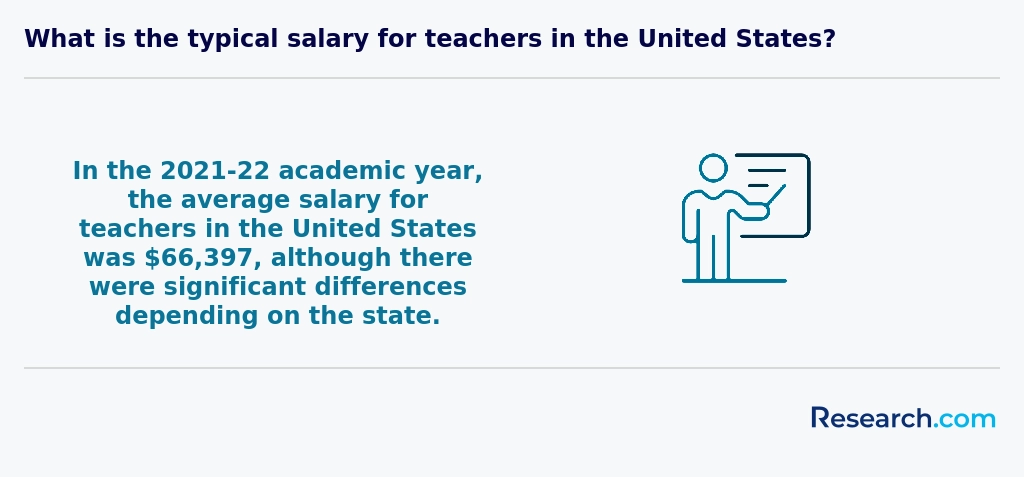
To become a certified teacher in Pennsylvania, candidates must:
- Earn a bachelor’s degree from a state-approved educator preparation program and complete a supervised student teaching placement. Explore online degrees for flexible, state-approved curriculum.
- Pass the Pennsylvania Educator Certification Tests (PECT) in your chosen subject area or grade level.
- Successfully complete the edTPA performance assessment, demonstrating classroom planning and teaching proficiency.
- Submit official transcripts, background clearances (FBI and state police), and all application materials to the Pennsylvania Department of Education.
- Maintain active certification through continuing professional development and renew credentials every five years.
When pursuing an education degree in Indiana, many graduates from institutions like Indiana University Bloomington or Ball State University have found financial aid to be a true game changer. Federal aid, especially Pell Grants offering up to $7,395 annually, provides a strong foundation to help manage tuition costs without the worry of repayment. Completing the FAFSA early opens doors to these grants and subsidized loans, reducing financial strain.
Beyond federal support, Indiana's 21st Century Scholars program stands out for students who prepared in high school and are excited about teaching careers. It covers tuition and relieves the pressure of student debt, which many recent graduates appreciate. The Indiana Teacher Education Scholarship also helps by targeting those enrolled in teacher preparation programs, making education degrees more affordable.
Graduates often share how loan forgiveness programs like the federal Teacher Loan Forgiveness, offering up to $17,500 for teaching in low-income schools, motivate them to serve their communities. The Indiana TEACH Grant adds extra aid but comes with a service commitment, reflecting the state's dedication to supporting future educators.
Many students also balance work-study roles or part-time jobs related to education, gaining hands-on experience while easing costs. Embracing these financial aid options can transform dreams into reality for aspiring Indiana teachers.
When assessing the true value of an Education degree, it’s essential to measure not only upfront costs but also long-term financial returns. On average, in-state students pay roughly $27,146 per year in total costs (tuition, room and board, and supplies), while out-of-state attendees face up to $45,708 annually. By comparing these expenses against median starting salaries-$38,640 for Early Childhood Educators and $63,130 for ESL Teachers-you can estimate a break-even point. For example, an ESL Teacher earning $63,130 would recoup a two-year bachelor’s investment (approximately $108,584 total) in less than two years, highlighting a robust salary-to-cost ratio that underscores strong education degree ROI. Specializations with higher salary potentials, such as Instructional Design (mean wage $73,080), can shorten payback time even further. By factoring in average student loan debt of $37,850, one can calculate an annual debt service of about $3,500–$4,000 (assuming a 10-year repayment plan), making a clear case for the financial viability of these programs. Additionally, graduates who pursue advanced credentials-like a Master of Education-often see salary bumps of 15–20%, accelerating ROI. For prospective master’s candidates seeking budget-friendly options, explore our Inexpensive Online Master’s in Education Degree Programs Ranking in Wisconsin. Ultimately, understanding your break-even horizon and comparing alternative pathways can help you choose a program that aligns with both your professional goals and financial wellbeing. By prioritizing programs with strong job placement rates and competitive salaries, you’ll maximize the return on your educational investment in Indiana, PA.
To enroll in an education degree program in Indiana, you'll first need a high school diploma or GED, which sets the foundation for your teaching journey. Many aspiring educators sharing their stories from schools like Ball State University highlight the importance of meeting the minimum ACT score requirements-usually a composite above 22-to stand out in the admissions process. Imagine preparing for the test, knowing this step brings you closer to your dream classroom.
Graduates often recall the value of strong high school coursework in English, math, science, and social studies, which helped them feel confident and ready once college coursework began. You'll likely undergo a background check and fingerprinting, essential for safety in K-12 field experiences-this is a common, reassuring protocol across Indiana programs.
For those advancing to graduate degrees, holding a bachelor's in a related field and maintaining a GPA around 3.0 is key. Many education students also speak of recommendation letters and personal statements that allowed their passion for teaching to shine through. These steps pave the way for you, ensuring you enter your program prepared and inspired to shape young minds.
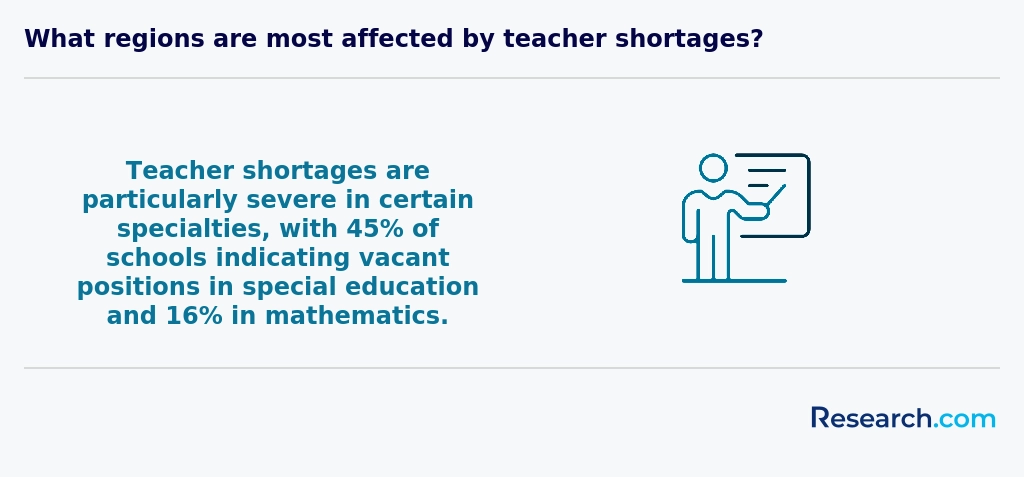
To teach in Pennsylvania K-12 schools, education graduates must meet state certification standards:
- Complete an approved educator preparation program accredited by the Pennsylvania Department of Education (PDE)
- Pass the Pennsylvania Educator Certification Tests (PECT) in your subject area and grades
- Submit official transcripts and a signed application for the Instructional I certificate
- Undergo state and federal criminal background clearances through PDE – please allow 6–8 weeks for processing
- Add endorsements (e.g., Special Education, ESL) by passing additional PECT exams
- Maintain certification through Act 48 continuing education (180 hours every five years)
Graduates who align licensure steps with their coursework often enjoy smoother transitions into classroom roles and can leverage high paying degrees to maximize both impact and income.
In Indiana, education degree programs challenge you to master both theory and hands-on teaching skills that really prepare you for the classroom. Courses like Educational Psychology help you understand how kids develop at every age, a perspective graduates often say changed how they connect with their students at places like Indiana University Bloomington.
Curriculum Development guides you in crafting lesson plans that meet Indiana's state standards, ensuring your teaching is both effective and meaningful. Many graduates from Purdue University find this course instrumental when designing units that resonate with diverse classrooms.
Classroom Management teaches practical techniques to create a positive learning environment where students thrive. Your future self will thank you for these strategies, especially during student teaching experiences at institutions like Ball State University.
Instructional Technology introduces you to digital tools that enhance learning, an essential skill in today's classrooms. Graduates often recall how this course helped them confidently bring technology into their teaching practice, preparing them to inspire students across Indiana's varied districts.

In Indiana, education degree specializations span a wide spectrum to meet diverse student needs and career goals. Graduates from schools like Indiana University often share how focusing on Elementary Education, which covers grades K-6, equipped them with essential skills in reading, math, and classroom management. This core specialization aligns with steady demand across Indiana's school districts.
For those drawn to teaching older students, Secondary Education offers targeted subject expertise in areas such as English or science, ideal for middle and high school classrooms. Many graduates from Ball State University praise how these programs blend strong content knowledge with practical teaching methods, preparing them well for certification and real-world challenges.
Addressing unique student needs, Special Education remains crucial with a notable shortage statewide. Programs training educators for students with disabilities inspire many new teachers to make a meaningful impact. Other Indiana teaching degree specialization options include Early Childhood Education and Educational Leadership, helping graduates step into roles beyond the classroom.
Many Indiana students also explore paths like Physical Education, ESL, or even niche fields while balancing costs and opportunities. For those curious about varied career paths, looking beyond education, it's helpful to browse listings like interior design entry-level jobs to compare options and plan ahead.
Choosing the best education degree in Indiana means thinking deeply about your career path and how each program fits into your vision. Graduates from Indiana University Bloomington often share how their program's strong emphasis on student teaching prepared them for real classrooms, building confidence and practical skills. Meanwhile, Ball State University stands out for its supportive faculty and opportunities in special education, offering a hands-on experience that many find inspiring. When seeking affordable teaching degrees Indiana offers options that balance cost and quality, helping you avoid overwhelming debt while still receiving excellent training.
Keep in mind that Indiana requires a licensed degree program, so ensure your choice aligns with state teaching certification standards. Some students find flexible, online learning at various institutions helpful, especially those balancing work or family. Exploring options like the top online education bachelor's degrees can open up pathways tailored to your needs.
Look for programs with strong accreditation and a mix of in-class and field experiences. Graduates often highlight how practical teaching placements and mentorships change the way they approach education, making their degree truly valuable. Selecting the right fit in the best education degree programs in Indiana sets the foundation for a fulfilling and impactful teaching career.

Graduates with an education degree in Indiana find rewarding career opportunities beyond traditional classroom teaching. Many become K-12 teachers, especially in high-demand areas like special education, STEM subjects, and English Language Learning. Having completed their degrees at respected institutions such as Indiana University or Ball State University, these graduates often feel confident stepping into classrooms knowing they are making a real difference. For those seeking leadership roles, paths as school administrators or principals offer a chance to shape school culture and policies.
Others gravitate toward specialized roles in curriculum development or as educational counselors, helping students navigate academic and personal growth. Instructional coordinators, often found in collegiate environments or school districts, work to integrate new teaching technologies and train educators effectively. Graduates pursuing education degree career opportunities Indiana wide can also thrive in higher education as academic advisors or in community programs, where their passion fuels youth development.
For those interested in advancing their skills specifically in language education, many turn to the top online master's degree in TESOL, opening even more doors professionally.

Graduates with an education degree in Indiana encounter a steadily welcoming job market shaped by ongoing teacher shortages, especially in fields like special education, math, and science. Many who studied at respected institutions such as Indiana University or Ball State University share how their education experiences prepared them well to step confidently into classrooms or administrative roles. These graduates find opportunities not only in traditional K-12 settings but also in expanding areas like curriculum development and educational technology.
With Indiana's teacher workforce aging, new educators are essential, creating a tangible demand for fresh talent. Understanding the job outlook for education graduates Indiana offers can motivate you to focus on those shortage areas or pursue advanced certifications to increase your employability. Many graduates appreciate that the state's public universities offer affordable in-state tuition, boosting the overall value of an education degree here.
Financial incentives such as loan forgiveness programs for teaching in high-need schools add extra appeal. If you plan to work across states, knowing the south carolina teaching endorsement requirements might also come in handy to expand your career flexibility beyond Indiana.
2027 Most Valuable Education Degree Programs Ranking in Indiana
Investing in your education is a significant decision that can shape your future, and the Research.com team understands the importance of making informed choices. To assist prospective students in Indiana, we have meticulously crafted the "2027 Most Valuable Education Degree Programs Ranking in Indiana." Our commitment to quality, credibility, and accuracy is reflected in the extensive research and analysis conducted to compile this ranking.
We utilized the following reputable data sources to ensure a comprehensive evaluation of education degree programs:
By exploring this ranking, readers will gain valuable insights into the most valuable education degree programs across Indiana, enabling them to make well-informed decisions about their academic and professional futures. For more details on our methodology, please visit our Research.com methodology page.

Frequently Asked Questions About education
Education degree students in Indiana can maximize their learning experience by engaging in both academic and practical opportunities offered by state institutions. Indiana universities often partner with local K-12 schools, providing valuable student teaching placements and internships that enhance classroom skills. According to the Indiana Commission for Higher Education, over 80% of education majors participate in hands-on fieldwork, which deeply benefits skill development.
Students should also take advantage of available resources such as tutoring centers, faculty mentorship, and education-focused workshops. Further, joining professional organizations like the Indiana Association of Colleges for Teacher Education helps build networks early.
Finally, staying updated on Indiana's licensure requirements and continuing education options ensures graduates meet standards promptly and remain competitive in a growing job market.
Emerging niches within the education field in Indiana increasingly focus on technology integration and special education. The growth of digital learning has created demand for educators skilled in educational technology, instructional design, and online curriculum development. According to the Indiana Department of Education, schools are expanding roles that specialize in blended and remote learning environments to support students effectively.
Additionally, special education remains a critical area due to increasing awareness and resources for diverse learners. Indiana reports a steady rise in students requiring individualized support, prompting more programs tailored to special education teachers.
Another growing niche is educational leadership, preparing professionals to manage school systems adapting to new policies and inclusive practices.
Graduates with education degrees in Indiana should focus on gaining practical experience to enhance their job prospects. Completing student teaching internships, often required by Indiana licensure programs, provides valuable classroom exposure. According to the Indiana Department of Education, nearly 90% of new teachers entering the workforce have completed such internships, helping them transition smoothly into full-time roles.
Networking within local school districts and professional organizations like the Indiana State Teachers Association can open doors to job opportunities. Additionally, preparing for the Praxis exams is essential, as Indiana mandates passing these tests for teacher certification. Developing strong communication and classroom management skills also remains key to employer readiness.
Employers in Indiana increasingly seek education degree graduates who demonstrate strong classroom management and communication skills. According to the Indiana Department of Education, effective teaching requires the ability to engage diverse student populations and adapt to various learning styles. Critical thinking and problem-solving are also highly valued as they help educators tailor instruction to meet state standards.
Technological proficiency is essential, with many schools integrating digital tools into daily lessons. The Indiana Commission for Higher Education highlights that about 70% of districts expect teachers to be proficient with educational technology by 2027.
Finally, collaborative skills support a productive school environment, making teamwork crucial for new graduates entering Indiana's education workforce.
Finding internships in Indiana for education degree students requires a strategic approach. Many public and private universities in Indiana, such as Indiana University and Purdue University, offer dedicated career services that connect students with local school districts and educational organizations.
Indiana's Department of Education also provides valuable resources, including partnerships with K-12 schools seeking student interns for classroom experience. According to the Indiana Commission for Higher Education, nearly 60% of education majors participate in internships before graduation.
Students should explore online platforms like Handshake used by Indiana colleges and attend education career fairs held statewide. Networking with faculty and local educators is equally important for securing meaningful internships that meet licensure requirements.
In Indiana, obtaining an education degree can significantly enhance career mobility and advancement opportunities. Teachers with bachelor's or higher degrees often qualify for increased pay scales and leadership roles within school districts. According to the Indiana Department of Education, educators who earn advanced degrees such as a master's or specialist certification are eligible for salary supplements, reflecting their added expertise.
Moreover, a formal education credential supports career shifts from classroom teaching to administrative positions, curriculum design, or specialized instructional roles. Indiana's commitment to professional development encourages degree-holders to explore roles beyond traditional teaching, contributing to career growth.
The state's recruitment data shows that certified teachers with a degree are more likely to secure stable employment with greater benefits, which enhances long-term career prospects.
Studying for an education degree in Indiana offers strong preparation for interdisciplinary roles by emphasizing collaboration across various fields. Indiana universities integrate coursework in psychology, technology, and social sciences, fostering broad skills beyond traditional teaching methods. For example, Indiana University's education programs include training in educational technology, counseling, and special education, equipping graduates to address diverse student needs.
Indiana's education degree programs also prioritize practical experience through partnerships with local schools and community organizations. This approach enhances skills in communication, leadership, and problem-solving, which are essential for interdisciplinary teamwork.
According to the Indiana Commission for Higher Education, about 65% of education graduates engage in roles requiring cooperation with healthcare, social work, or administration sectors, highlighting the state's focus on versatile preparation.
When choosing between a thesis and a non-thesis education degree program in Indiana, consider your career goals. Thesis programs emphasize research and prepare students for roles in academia or leadership where data analysis and critical thinking are key. Non-thesis programs often focus on practical skills and coursework, ideal for educators seeking direct classroom application or administrative roles.
Indiana University and Purdue University offer both options, with thesis students typically required to complete a research project under faculty supervision. According to the Indiana Commission for Higher Education, about 40% of graduate education students pursue thesis programs, reflecting interest in research careers.
Consider time commitments: thesis programs may take longer due to research and writing requirements. Review program curricula carefully to match your professional ambitions and personal learning style.
Students in Indiana who wish to study education abroad have various opportunities linked to their home institutions. Many Indiana universities offer exchange programs or partnerships with international universities, allowing education majors to gain global perspectives while earning credits toward their degree.
Notably, Indiana University's Office of International Affairs promotes study abroad experiences in countries such as the United Kingdom, Australia, and Spain. These programs often focus on comparative education, curriculum development, and teaching methodologies.
According to the Indiana Commission for Higher Education, over 1,200 Indiana students participated in study abroad programs in 2022, with education as a strong field of interest.
Additionally, federal financial aid and some state scholarships can be applied to approved study abroad education programs, helping reduce costs for Indiana residents.
Students pursuing education degrees in Indiana have several part-time job opportunities that complement their academic training. Working as a teacher's aide or paraprofessional is common, allowing practical experience in classroom management and lesson support. According to the Indiana Department of Education, nearly 10,000 paraprofessionals were employed in Indiana public schools in 2023, highlighting availability.
Other roles include tutoring services, especially in reading and math, which align directly with education coursework. Local libraries and community centers often hire part-time assistants, offering exposure to youth programs and educational activities.
Additionally, substitute teaching provides flexible hours and real-world classroom experience for education majors who meet Indiana's substitute teacher licensing requirements.
Education students in Indiana have access to a variety of networking opportunities that support their academic and professional growth. Many universities, such as Indiana University and Purdue University, host education-focused events and career fairs where students can connect with local school districts and educational organizations. According to the Indiana Department of Education, these events often lead to internship and job placements. Additionally, professional organizations like the Indiana Association of Colleges for Teacher Education (IACTE) provide workshops, conferences, and mentorship programs to help students build valuable connections within the education community.
Indiana's emphasis on collaborative learning environments encourages students to engage with peers, faculty, and education leaders statewide. Students can also benefit from state and national education conferences that frequently take place in Indiana, expanding their professional networks beyond campus. These opportunities are important for building contacts essential for a successful teaching career in Indiana's diverse school systems.
Alumni networks provide significant benefits to education degree students in Indiana by fostering professional connections and mentorship opportunities. Graduates from Indiana's schools often remain active in local and statewide educator communities, creating a support system for current students. According to the Indiana Commission for Higher Education, these networks can improve job placement rates by connecting students with school districts looking for qualified teachers.
Networking through alumni groups also allows for sharing practical insights on teaching strategies and classroom management, helping students prepare for real-world challenges. Many education programs in Indiana, such as those at Ball State University, emphasize alumni engagement to enhance career readiness.
Overall, these networks serve as valuable resources for guidance, internships, and employment for future educators in Indiana.
Customizing an education degree program in Indiana allows students to align their studies with specific career aspirations. Many universities in Indiana offer flexible curricula, enabling students to choose concentrations such as special education, curriculum development, or educational leadership. For example, Indiana University's School of Education provides options for licensure areas and graduate certificates that support targeted career paths.
Students can also select elective courses that enhance skills in technology integration or counseling. According to the Indiana Commission for Higher Education, about 35% of education students take advantage of interdisciplinary coursework to broaden career opportunities.
Additionally, internship and practicum placements in local schools provide practical experience tailored to the chosen specialization. Customization strategies like these help graduates meet Indiana's diverse educational workforce needs effectively.
Education students in Indiana often face challenges related to limited clinical placement opportunities. According to the Indiana Commission for Higher Education, the growing demand for practicum spots can slow the progress of teacher preparation programs.
Additionally, funding constraints impact access to updated learning technologies, which are essential for modern teaching methods. Many programs must balance budget restrictions while striving to provide quality training.
Another common difficulty is the need to meet rigorous state licensing requirements. Indiana's Department of Education enforces strict standards that require extensive exam preparation and coursework.
Finally, balancing work, family, and study often creates time management challenges for many education students across the state.
Holding an education degree in Indiana opens various professional certification paths. One of the most common is the Indiana Teaching License, required to teach in public schools. This license includes multiple levels such as Initial, Professional, and Experienced, depending on your experience and education. The Indiana Department of Education reports over 36,000 licensed teachers in the state as of 2023.
Beyond classroom teaching, you can pursue certifications in specialized areas like special education, English as a New Language (ENL), or school counseling. These certifications enhance career opportunities and meet specific state requirements.
For those interested in administration, Indiana offers Principal and Superintendent Licenses, which require passing state exams and completing leadership programs. These certifications provide pathways into school leadership roles statewide.
To write a winning application for an education program in Indiana, begin by carefully reviewing each school's specific requirements. Many Indiana universities emphasize a strong academic record and relevant volunteer or work experience in educational settings. According to the Indiana Commission for Higher Education, showing commitment through community engagement or tutoring can improve your chances.
Focus on crafting a clear personal statement that explains your passion for teaching and how you plan to impact Indiana's diverse student population. Highlight any experience with Indiana's public schools or educational challenges to demonstrate local awareness. Also, include letters of recommendation from educators or professionals familiar with your skills.
Finally, prepare for any required standardized tests, such as the GRE or Praxis, and ensure your grades reflect competency in key subjects like literacy and math. Meeting application deadlines and submitting all materials fully will help your application stand out in Indiana's competitive education programs.
Education careers in the United States, including Indiana, are increasingly influenced by global trends emphasizing diverse teaching methods and multicultural awareness. According to the National Center for Education Statistics, Indiana's teacher workforce reflects a growing need for skills aligned with international standards, such as technology integration and inclusive education.
Globally, education professionals face challenges like adapting curricula to global citizenship and preparing students for a connected world. The Organisation for Economic Co-operation and Development (OECD) highlights that U.S. teachers, including those in Indiana, benefit from initiatives supporting professional development and cross-cultural competencies.
Moreover, Indiana colleges are expanding programs to meet these demands, with institutions like Indiana University offering courses emphasizing global perspectives in education, preparing graduates for evolving classrooms.
Students pursuing education degrees in Indiana can gain practical experience through various structured opportunities embedded within their programs. Most teacher preparation programs in the state require a student teaching internship, which typically lasts one semester and places candidates in local public or private schools under the supervision of experienced educators.
According to the Indiana Commission for Higher Education, these internships provide real-world classroom management experience and help develop instructional skills. Additionally, many universities encourage students to participate in volunteer tutoring, after-school programs, and educational workshops to further enhance their practical skills.
Some institutions partner with Indiana school districts to offer clinical practice experiences, allowing students early exposure to classroom environments while completing coursework.
Choosing the right concentration within an education degree in Indiana involves considering both your career goals and local workforce needs. Indiana offers a range of concentrations such as elementary education, special education, and STEM-focused teaching. According to the Indiana Department of Education, there is consistent demand for teachers skilled in special education and STEM subjects, reflecting statewide priorities.
Prospective students should review state licensure requirements, as these can vary slightly depending on the concentration. For example, special education often requires additional certifications. Researching potential salary ranges and job placement rates through resources like the Indiana Commission for Higher Education can also help inform your decision.
Lastly, connect with academic advisors at Indiana institutions to understand curriculum differences and field experience opportunities. This will give you a clearer picture of which concentration aligns best with your strengths and the regional job market.
- 2027 Most Valuable Education Degree Programs Ranking in Pittsburgh
- 2027 Most Valuable Education Degree Programs Ranking in Erie
- 2027 Most Valuable Education Degree Programs Ranking in Cleveland
- 2027 Most Valuable Education Degree Programs Ranking in Buffalo
- 2027 Most Valuable Education Degree Programs Ranking in Washington
- 2027 Most Valuable Education Degree Programs Ranking in Wilkes-Barre
- 2027 Most Valuable Education Degree Programs Ranking in Columbus
- 2027 Most Valuable Education Degree Programs Ranking in Dover
- 2027 Most Valuable Education Degree Programs Ranking in Bronx
- 2027 Most Valuable Education Degree Programs Ranking in Queens
See What Experts Have To Say About Studying Education
Read our interview with Education experts

Alan J. Singer
Education Expert
Professor of Teaching, Learning and Technology
Hofstra University

Nooshan Ashtari
Education Expert
Professor & Book Author
University of Southern California

- Promising Niches in the Global EdTech Landscape - Blog https://rocketech.it/blog/post/global-edtech-landscape-what-niches-are-the-most-promising
- All Ed.D. Programs in Indiana | EdDPrograms.org https://www.eddprograms.org/schools/indiana/
- Indiana CTE Solutions that Support Indiana Career Pathways https://www.savvas.com/indiana/solutions/career-and-technical-education
- How to Pick Your Concentration for Your M.Ed. Degree | ACE Blog https://ace.edu/blog/how-to-pick-your-med-concentration/
- Indiana Alternative Teacher Certification https://iteach.net/alternative-teacher-certification/indiana-transition-to-teaching/
- 18 Highest Paying Jobs With an Education Degree (not teaching) | Devlin Peck https://www.devlinpeck.com/content/jobs-with-an-education-degree
- Tips for Choosing Your Graduate Concentration - Graduate Programs for Educators https://www.graduateprogram.org/blog/tips-for-choosing-your-graduate-concentration/
- Students: This is How You Should Prepare for the Job Market https://www.agencycentral.co.uk/articles/students-this-is-how-you-should-prepare-for-the-job-market/
- The importance of networking in the education sector https://www.tlclive.com/blog/the-importance-of-networking-in-the-education-sector
- Navigating Challenges In Education, Learning & Development - those who can https://www.thosewhocan.org/navigating-challenges-in-education-learning-and-development/


